



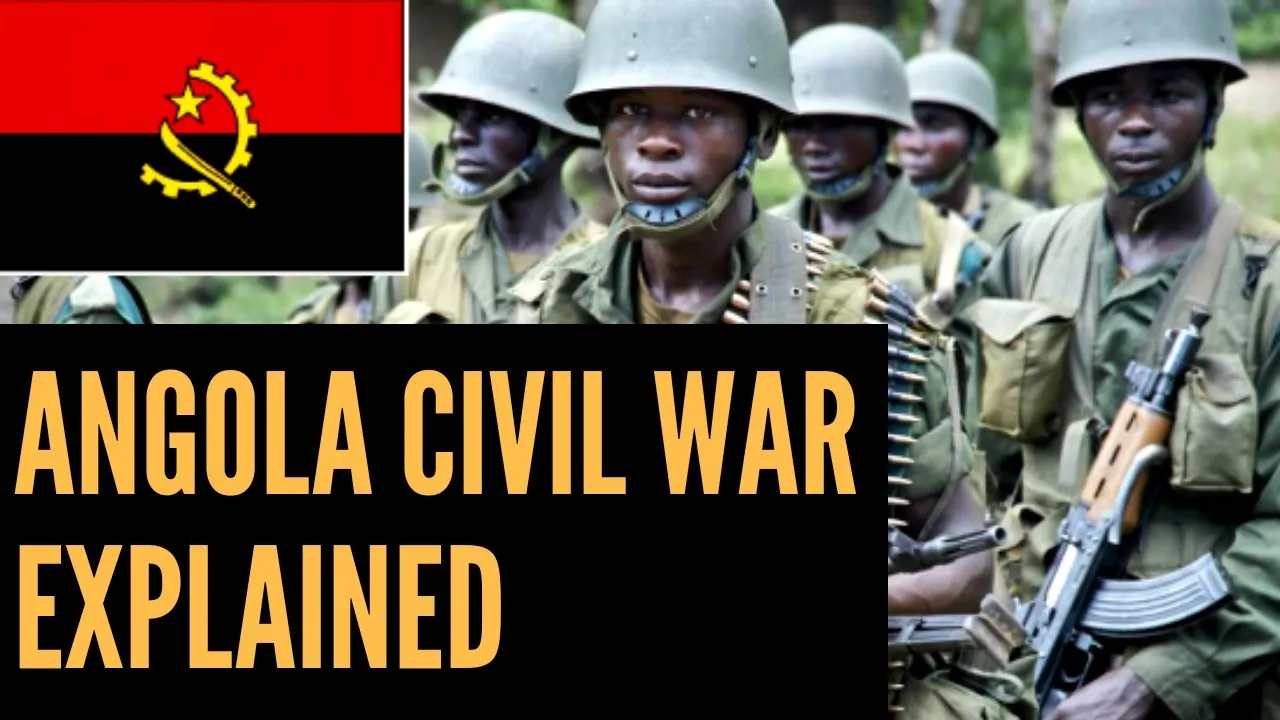






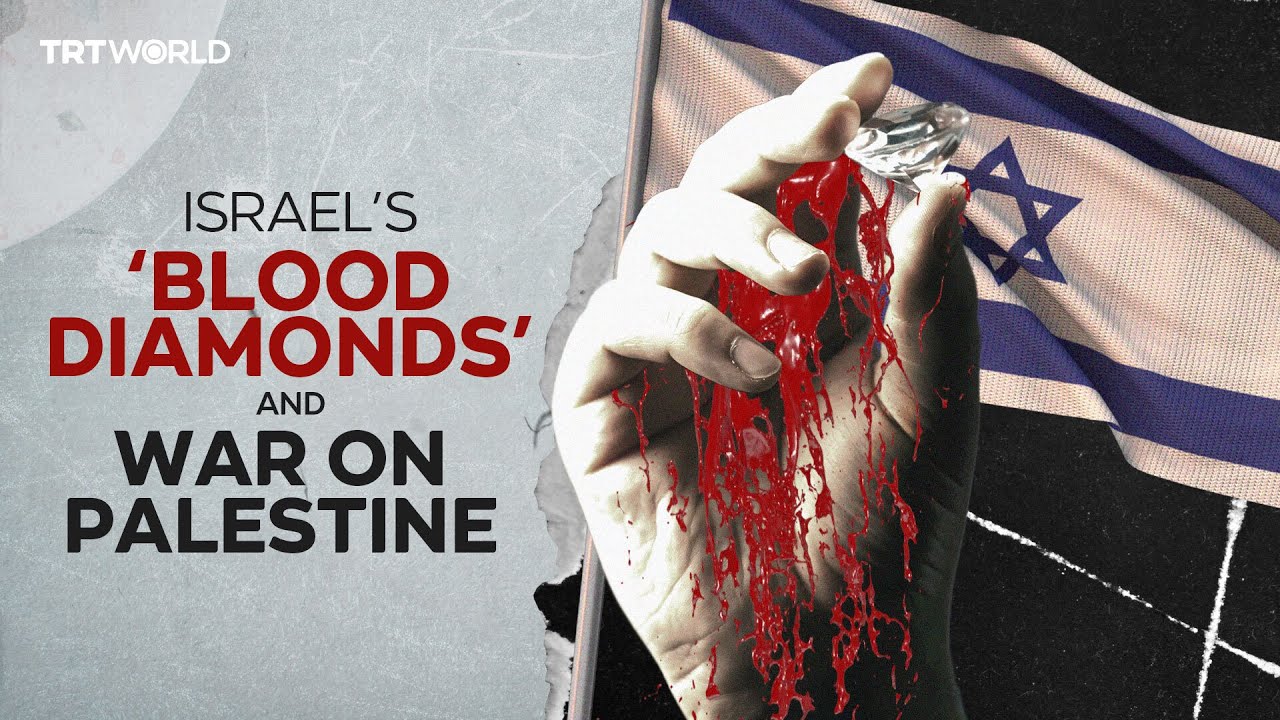







Blood diamonds are conflict diamonds mined in war zones and sold to fund armed conflicts, as demonstrated by the civil wars in Sierra Leone (1991-2001) and Angola (1975-2002), where rebel groups used diamond revenues to purchase weapons, commit atrocities including amputations and child soldier recruitment, and sustain prolonged warfare; the 2000 Global Witness report and subsequent international pressure led to the Kimberley Process certification scheme, which has reduced conflict diamonds to less than 1% of the world trade, though challenges persist in preventing illicit stones from entering the market.
Blood Diamonds: The True Story of Conflict in Sierra Leone and Angola
Added:Understanding of post-colonial African history, specifically the decolonization of Sierra Leone (from Britain) and Angola (from Portugal) which left power vacuums.
The economic concept of the 'Resource Curse' (or paradox of plenty), where countries with abundant natural resources experience stagnant economic growth and conflict.
Basic knowledge of Cold War proxy wars, particularly how global superpowers funded opposing factions in Angola's civil war.
The fundamental mechanics of global commodity supply chains and how raw materials are extracted, exported, and refined for international markets.
In-depth analysis of the Kimberley Process Certification Scheme (KPCS), its implementation, successes, and ongoing criticisms regarding loopholes.
Study of other 'conflict minerals' and resources globally, such as cobalt, coltan, and gold in the Democratic Republic of Congo (DRC).
Exploration of modern supply chain tracking technologies, such as blockchain, used by luxury brands to guarantee ethical sourcing.
Research into transitional justice, post-conflict reconstruction, and economic rehabilitation efforts in Sierra Leone and Angola today.
1.9M views3.6Klikes44:45Original Release: 2011-12-24
in 2007 the Leonardo DiCaprio movie Blood Diamond revealed the dark side of the world's most sought-after gem the film is set in Sierra Leone one of the poorest nations on earth the average income of its people is little more than a hundred pounds a year yet beneath its soil lies a treasure trove of diamonds Sierra Leonean diamonds are legendary for their value and and their beauty it's the size the color the refractive nature of the stone all those qualities that their diamond specialists know and love diamonds should have made Sierra Leone a paradise instead they've made it a hell from 1991 to 2001 a brutal war raged between the government and a rebel group called the r UF the revolutionary united front a war funded in part by diamonds they said they were fighting for democracy but they fought against civilians and they used diamonds to fuel the whole thing they use diamonds to get the guns to fight the war the country and its people still bear the scars of ten years of diamond fuelled warfare every day wherever I taught me to hand that very day when they chopped my hands off I didn't expect to live I didn't believe I would be able to sit down and talk to you as I do now I knew I was finished during the war Ibrahim fathanah worked in one of the many mines in Eastern Sierra Leone pulling rough diamonds from the ground in April 1998 the our US attacked his village odin can't decide it so when they came to town they were in full combat uniform they had weapons RPGs rebels confronted his neighbor they didn't know that so Jesse one of the soldiers asked him for diamonds and he told him he had no diamonds soldier followed him out shot and killed him a different fate awaited Ibrahim I do all can cry Allah I yelled and screamed the rebels were laughing at me they told me to stretch my arms out what I said that was not going to happen they used their guns and hit me all over my body and that weakened me this hand they laid it out on the mortar and chopped it off they laid they are the one out and chopped it off too in Sierra Leone more than ten thousand people suffered a similar fate amputation became the trademark atrocity the our us they committed every war crime in the Geneva Conventions and then invented one of their own intentional mutilation of non-combatants civilians and the whole purpose of it was to serve a military strategy to induce population flow away from the areas that that the Ruef wanted under its control and of course that was just the diamond as the people of Sierra Leone suffered the horrors of Civil War diamonds mined illegally by the rebels flowed freely into the world diamond market our estimates are that 10 to 15 percent possibly even higher of the world diamond trade was blood diamonds blood diamonds mined in the 1990s still grace the hands and necks of unsuspecting customers all over the world a conflict diamond doesn't come with a little tag on it that says conflict diamond I am from a war zone it doesn't have a little sort of like like skull and crossbones nicked in the side the modern story of how diamonds are brought to the market is bound up with one company that took a stone and transformed it into a multi-billion pound industry [Music] in Sierra Leone in the 1990s our UF rebels used revenue from diamonds to fund a brutal civil war I was taking guava from a tree running so did some weighing read some had red ribbons ten of them they asked me why I was frightened they literally fell on me and sexually assaulted me our UF soldiers gave themselves gruesome nicknames such as blood Master wicked to women and the killer caps also moveable they surrounded the village and captured about 55 of us they put us together and then called upon a boy known as the Kela they decided to sacrifice someone they brought a lady from the limba ethnic group and she was killed diamonds also funded two other brutal civil wars in Africa during the 1990s in the Democratic Republic of the Congo and Angola and it was in Angola but the horrors of blood diamonds first came to the world's attention it's got everything offshore oil it's got diamonds it has all kinds of resources and it's just a sad dismal tale of human greed and the most revolting conditions of exploitation from the mid 70s to the mid 90s a bitter civil war had raged between government troops and rebel forces known as UNITA while the government relied on Angola's oil revenues the rebels turned to diamonds at the beginning of the 90s they needed money for arms and so they strategically decided to take over the diamond mines in northern Angola by 1992 the rebels controlled nearly 70% of Angola's diamond mines the war was funded in one part by the sale of diamonds extracted by people often in conditions of enslavement and they had little trouble finding buyers for their illicit stones UNITA had a very sophisticated sales system in place diamond dealers from all over the diamond dealing world would come to UNITA they would even perform joint mining partnerships those diamonds went straight into the market in Antwerp and they got an enormous amount of money for them 3.7 billion dollars worth of diamonds from Angola went through Unitas hands during the 1990s often deals were done without cash even changing hands arms dealers would fly in and would directly negotiate arms for diamonds they would bring their diamond evaluator with them and there would be no cash this would simply a diamond for arms transaction somebody would fly a tank down to Angola in a Russian il-76 landed on a little bush strip that couldn't be picked up by satellite at night down goes the back up into the light goes a guy with a sack of diamonds some little guy sits down with a table paws through the sample decides what they're worth off goes the tank Inigo diamond revenue sustained Unitas vicious war machine for the people of Angola the horrors seemed to have no end close to a million people lost their lives in the conflict in Angola unnecessarily the war sparked an investigation by Global Witness a small london-based pressure group focusing on human rights abuses and environmental issues Angolan diamonds are some of the best diamonds in the world 80% of Vangelis diamonds are gem quality these are the diamonds that everybody wants and that was one of the main problems for Angola and one of the the blessings through Unisa in 1998 Global Witness published an expose on conflict diamonds entitled a rough trade the reaction that Glover was received from the publication of our report in 98 was explosive nobody understood what was really happening the impact of these diamonds being sold so openly so easily in exchange for millions of dollars really for us it was horrific that consumers were basically funding the war in Angola and we felt that was unacceptable what Global Witness did was to expose this this diamond ring this act of love in the West as being intrinsically linked to a bloody conflict somewhere in Africa in fact far from expressing love it's actually joined up to a chain of commercial transactions that started with someone getting killed or maimed through an act of war the reports greatest criticism as level of industry giant De Beers De Beers had dominated the market in African diamonds for a hundred years their philosophy was simple control diamond supply and you control prices we have an idea that diamonds are rare but they're not what created the value in diamonds is withholding the supply making sure that the supply is regulated and there's never a flood of diamonds on the market that's one thing that De Beers did right from the beginning with supply under their control De Beers under the inspired leadership of that chairman Ernest Oppenheimer launched a brilliant ad campaign in 1948 designed to increase demand his genius was in coming up with the advertising campaign that made a diamond synonymous with human love and in particular the right of marriage and engagement because he rightly concluded that he could get people to pay quite a bit to buy a diamond in order to place their love but the Blood Diamond scandal that Global Witness Unleashed threatened the De Beers business as never before DeBeers was very prominent in buying Angolan diamonds and also diamonds that came from UNITA 1992 to 1997 in every annual report they talked about their outside buying power how strong they were on the market to buy up these diamonds that were flooding onto the market that would have threatened the price stability of the diamond trade to be as defendants purchase of Angolan diamonds more first of all de Vere's to make it absolutely clear has never bought conflict diamonds during the 90s we were working in partnership with the official government in Luanda purchasing diamonds exporting paying revenues etc they dispute the idea that blood or conflict diamonds even existed before 1998 up until the points of sanctions being imposed there was by definition no conflict diamonds in that country the diamond industry likes to think that conflict diamonds only started in 1999 when in fact it was going on way before that when it was recognized that the rebels in Angola were no longer game to participate in in significant way in building peace in that country the United Nations imposed sanctions and De Beers immediately swiftly and effectively started working with United Nations to ensure that those sanctions were fully implemented in October 1999 De Beers took decisive action and announced the closure of their Angolan offices but the Blood Diamond story wasn't over 2,000 miles away the war in Sierra Leone stood on the verge of new horrors diamonds have played a central part in Sierra Leone's history for centuries under British rule and for the first few years after independence diamonds had brought prosperity to this tiny nation when Sierra Leone got independence in 1961 the prospects looked pretty good it had a fairly good infrastructure there was a railroad there was a network of Highways there were schools there was a university but many of the institutions were very very fragile as time passed government corruption grew gradually the diamond industry was nationalized the government brought in all kinds of shady characters they brought in America via there were just an incredible range of very very bad people involved in the in the diamond business official diamond exports went from you know to 300 million dollars a year down to almost nothing pretty soon you had state in freefall a lot of young students University students were radicalized during this time and by this experience and they they formed a kind of an opposition that fed into the early days of the rebel movement that started up in the early nineties one of the rebel leaders was former Army corporal Foday Sankoh for example I knew him very well it's like a chameleon chameleon the sense a chameleon can take any color the way ACC really appears to you tan she looks nice simple loving but foolish uncle is very difficult to accept and footage of coconut whipped his horse today is black tomorrow is right you have to read your question he's a chef under san'ko's leadership the iuf recruited and trained its army many people believe in the iuf actually had a genuine cause and grievance against the government the so-called legitimate government of Sierra Leone squandered the diamond revenues they stole the money that should have gone for development no money was going back to build schools or hospitals infrastructure in Sierra Leone was atrocious when they launched their civil war their first objective with the lucrative diamond district of kono san'ko's rebel army brutalized all who stood in their way the bells insisted on having diamonds when they discovered diamonds in Cano realized it was their only source of outside support if those levels were right here doing farming they would not have the outside support and the war would have been over a long time ago I would not have had my hands amputated by November 1993 more than three hundred and seventy thousand terrified citizens have become refugees the RAF had achieved one of its objectives to drive away much of the population from the diamond fields the RAF wanted to kick corn or or the diamond areas because of the resources the rebels had captured the mines but now they needed - a new campaign of terror was launched to turn Sierra Leone's diamond mines into slave labor camps before the start of the civil war Boozman Conte was a typical teenager but when he was just 17 he was abducted during a rebel raid on his hometown Munir Bollywood we were in a motorcar in a truck more than hundred of us I thought that since we had been captured they were going to kill us they brought us here to suffer they told us to mine thousands were forced to work at gunpoint mining the diamonds that would support the our UF's war one like it was day and night day and night they would kill us if you tried to rest you would have to go to the toilet right there where we worked [Music] physical exhaustion was very commonplace in fact it was a tactic of the are you f to wear out the miners so that they wouldn't be inclined to run away or flee he was I there wasn't enough food we were slaves now they know we you know it's ad if you decided to leave to find something to eat and you're caught you'll be killed rebels hovered over each captive guarding against escape or theft suspect you having that diamond pray to God at that time that when you see really did I won you see yeah is it if not you lose your life item to over you sometime when we were working someone took a diamond and refused to give it back I don't after I asked him for it but he did not write have taken it was interrogated and when he insisted not taking it he was shot and killed you would know how to give it to them in the hereafter off the sweat of enslaved miners rough diamonds poured in from the fields and were whisked out of the country along smuggling routes established decades before the same route had already been established to smuggle arms to smuggle cocaine around West Africa they could get drugs arms or diamonds on any plane of their choice any ship of their choice and they were extremely resourceful and innovative in the ways they chose to do that in return for the diamonds we need arms and ammunitions arms like ak-47 rifles gpmg that is a general-purpose machine guns RPG FN long barrel rifles surface-to-air missiles helicopters helicopter parts ammunition was often delivered in million block orders now you have control of Sierra Leone's diamonds served another strategic purpose well which areas that in the resources area then the government will collapse economy Cali it will not be able to finance its military with the army starved of equipment and pay many disgruntled soldiers turned against their own people the Saudis we are not really able to effectively prosecute the war and a lot of them became suburbs that is so diakon grievance and so that's complicated the whole situation and the war front as anarchy reigned in Sierra Leone the country's children would soon be drawn into the conflict some were killed others did the killing [Music] [Music] the conflict in Sierra Leone took on a horrifying new aspect when the our US began kidnapping children they would capture the children in a specific area and then drug the children brainwash the children they'd show them Rambo movies one after the other fill them full of cocaine and marijuana and cheap liquor and say your parents have betrayed you they betrayed the country they're your enemy you've got to go and kill your parents during the war nearly 20,000 boys and girls aged mostly between 8 and 15 were turned into sex slaves for killing machines they took me away and I was sexually abused they gave me a gun but I didn't know how to use it so I just held onto it lebec Freeman was just 14 when she was abducted by the ru f I did what they wanted me to do because if I refused they were threatening me with a knife I did bad things we went through a house to lose and I was in front no tail waited in the back while I knocked on the door the woman opened the door and I pointed the gun at her she staggered back and we entered the house I took the woman's baby from the house and took her away with me i abducted her she later died and I felt so sorry for that baby by the end of 1994 with much of Sierra Leone in chaos the government hired a South African mercenary army called executive outcomes to restore order the soldiers for hire were promised diamonds as play as active outcomes had an effective air power we they use to their advantage in the diamond area they had one big aim to clear those areas of Raiders because the whole pit depended on that in just one month executive outcomes drove the RAF out of most of the diamond rich East the resulting peace brought elections in 1996 but the r UF refused to participate [Music] former United Nations official Ahmad Tejan Kabbah was elected president a nitrogen Kaabah contained in a very simple way they would have end the war and return this country to normalcy in office enough we should really try and stop the decline out of our country but at the urging of the UN khabar terminated the contract of executive outcomes with no military force to stop them the our us rose up again the RAF said that it was fighting against military rule and they were for democracy and they wanted peace and development but when the military government left power and there was an elected government they kept on fighting and to punish those who voted for President khabar the are you f exactly horrific revenge on the people they called Tejan Kabbah supporters they said today would be the last day you meddle in politics they ordered me to stretch my hand I pleaded with them in the name of God I told them right now I have my children my husband is unemployed and I am the head of my family they mocked me saying stretch your hand and touch God [Music] move your hand from the wall take off your hands out of the wall that was the meaning of that topping of ass Kumba and bindi fled her village with her husband and young son when it was attacked by rebels we left there and moved to to Buddha when we got there they were still chasing us so we stayed in the woods at that time I was four months pregnant but the are you f caught up with them cumbers husband was dragged into the jungle and three rebels accosted her before I remember I don't know I pleaded with him but he started undressing me I was tripped and I fell I continued to plead that I was pregnant but he responded by saying that wasn't his doing he went into the farmhouse came out with a stick I started bleeding he was going to split my stomach open and he moved my baby then cumbers husband emerged from the jungle or was playing from his listing he yelled they cut my hands off so I kept thinking they cut my husband's hands off they mutilated me I asked him why he caught his hand so he said they told him they did it because he voted for Tejan Kabbah that it was lesson so they wouldn't do that anymore in 1996 the war entered its sixth year illicit diamonds had helped sustain a confidence that might otherwise have ended quickly the amount of money that the I you have made from the diamonds in Sierra Leone is between 50 to 125 million dollars per annum during the time period that they had control over the diamond fields the are you f were about to get more rich pickings the army overthrew the president and invited the rebels into Freetown as allies almost immediately they are UF set about pillaging the capital in what they cynically called Operation pay yourself we went house-to-house looting we took belongings demanded money and sometimes killed two or three of their family members it was a war of stealing grabbing and taking illegally what you never worked for people who have been forced into their houses people this was a time I had to go into hiding you hear people being shot at you hear people crying we were attacking them women been brutalized they were being raped in front of their children in front of their husbands in front of them family members the freedom was was held to put it very crudely there was complete and IKEA stability in this country the hora ended only when a Nigerian led intervention force drove the R Us out of the capital but by then 6,000 people had perished corpses piled up outside free towns hospitals the dead bodies that I saw perhaps up to the day I die I pray not to see that many dead people and a once vibrant city was in ruins finally the international community intervened the warring parties met in lo mein toko in July 1999 and signed a peace accord it called for complete cessation of hostilities for more parties it also granted amnesty to all the fighting forces including the early death it also called for some power sharing the law may peace accord probably one of the worst things that have been done in Africa in many many many years to the horror of many in Sierra Leone Foday Sankoh leader of the ru f was handed the vice presidency people said there will never be a military solution to this there has to be a political solution the political solution was to give the vice presidency of the country to a butcher as vice president saenko was granted official oversight of Sierra Leone's diamond mines the very objective is sort through eight years of war [Music] halfway across the world a Canadian pressure group called partnership Africa Canada was working on peace building projects for Sierra Leone and one of the Sierra Leoneans in the group said this thing is really about diamonds until somebody does something about diamonds this thing will never be over we began to research the subject and sure enough diamonds really were the heart of the matter in January 2000 partnership Africa Canada published a scathing report that exposed how diamonds funded the our us brutal war the report also pointed the finger at De Beers although they closed their Sierra Leone office in 1985 the report claimed that De Beers were almost certainly purchasing Sierra Leone blood diamonds unwittingly after they've been smuggled out of the country [Music] you can't buy them in the country where their mind then you buy them somewhere else in the end they're all going to go into the same pot so certainly they were buying diamonds that had been smuggled from a whole variety of places De Beers itself did not buy any Sierra Leone diamonds from 1985 onwards but clearly there were problems in terms of those diamonds from that country getting into certain channels being smuggled and getting onto the international markets most diamonds were smuggled out through neighboring country of Liberia in a two-year period over two billion dollars worth of diamonds had come in to Antwerp supposedly from Liberia yet none of these diamonds came from Liberia Liberia itself has very few diamonds this is a country that can't produce ten million dollars worth of diamonds a year the report also showed that invoices were often falsified by listing a diamond shipments last country of transport and not its country of origin many many diamonds went through Swiss Freeport's and so these were declared as Swiss diamonds Switzerland of course doesn't have any diamonds as negative press about Blood Diamond spread the industry took notice De Beers was the first to act De Beers began to recognize that this was a real issue and as the industry leader they would have to make some changes in the way they do business they realized that they actually had to do something for whatever reasons whether it is altruistic or whether is to protect the good name of diamonds they did become involved in 2000 to be as stopped buying diamonds on the open market ending a practice that had been central to their business since the beginning and basically said they would only buy diamonds from mines that they controlled or have a share in so they knew exactly where the diamonds came from when we look at the absolute tragedy that was going on in Sierra Leone this shocked the world and it shot the diamond industry and we very quickly wanted to become parts of the solution in putting an end to this diamond should have nothing to do with these kind of activities for an industry that had altered very little in over a century it was a dramatic change awareness of conflict diamonds probably the biggest change to the diamond industry almost from the beginning but just as the diamond industry finally took action in Sierra Leone the iuf rose again [Music] the iuf rebels had broken the ceasefire and were on the rise once again but this time the world was determined to defeat them once and for all in May 2000 a British intervention horse landed on the shores of Sierra Leone together with UN troops they crushed the R Us and arrested their leader Foday Sankoh when Sierra Leoneans went freely to the polls president khabar was reelected hundreds of citizens whose hands had been cut off to keep them from voting bravely cast their ballots today we're happy that those flames of war have been extinguished and that now we're about to watch the flames of peace destroy some of the implements of war but the peace in Sierra Leone is an uneasy one full amnesty was granted to our us combatants so war victims and the rebels who terrorized them once again neighbors most of us consider the civil wars a long nightmare and people are prepared to forgive not necessarily to forget and to forge ahead in the hope that we'll never experience this kind of atrocities again the Sierra Leone Truth and Reconciliation Commission urges victims and perpetrators to find common ground killers are asked to offer remorse [Music] some people have died some got lost so all these people in one way or the other fell victim of the war we are to see sorry to them and extend my sympathy to them victims are asked to forgive not all can run over feel fine it doesn't feel good sometimes I asked God to give me the power to meet the person who did this to me we wouldn't be able to sit down like this and talk for cumber and bindi to the torment of the war is ever-present we are still here and going through a lot of pain we have suffered a great deal the sexual-assault she suffered at the hands of the are UF still casts a shadow over her life my husband doesn't care for me anymore it's gone and I'm here by myself there is no other man here even though I go out with that want me once they sleep with me and realize my condition they walk away [Music] but cumber and bindi will never have an opportunity to see her attackers brought to justice because very few are UF rebels will ever be prosecuted [Music] Sierra Leone's un-backed war crimes tribunal will deal only with those who bear the greatest responsibility for the wars worst atrocities Flores anko was charged with crimes against humanity but died in prison before he could be sentenced but the verdict on blood diamonds is clear blood diamonds are the common thread that found together this criminal enterprise the rule of the gun reigns supreme and the piece has changed little for those still toiling in the diamond mines [Music] osmond Conte was kidnapped by the RAF during the war and forced to mine for diamonds [Music] he's still mining without education or skills it's the only work he can find he remains a captive to Diamond well me everybody hopefully that's this job I haven't had anything yet I am still trying if I had another job I could live the mining job I would love the menus at Yahoo but I job well since I don't have another I will stay here until God gives me something else some Digg is receive a tiny share of what they find others earn a scant living the mining conditions are awful people dig in the hot Sun all day long often up to their waist in filthy water there's no social cohesion there's a lot of violence these mining areas are great vectors for malaria for hiv/aids for all kinds of societal problems a new project the diamond development initiative seeks to deal with the issue with blood diamonds in a new way by shifting the balance of power back to the miners themselves there are a million if not a million and a half artisanal alluvial diamond diggers earning $1 a day what we're suggesting with the diamond development initiative the DDI is that you need economic solutions to economic problems but if you can get better prices for the diggers if you can formalize this vast informal diamond economy then you can bring peace and development to the diamond areas there can be no future as long as the people that are working in these areas do not benefit we believe that the communities first of all are the priority why is it that a diamond in Sierra Leone can be bought for $20 and then sold an answer for $1,500 it's it's perverse what really needs to happen is for the diamond industry and for governments to actually start investing in their development to start paying a decent wage to the people at working their ball so a realistic price for the diamonds until that happens those men canta in tens of thousands like him will continue to toil in africa's diamond mines but what are blood diamonds themselves the diamond industry governments and the UN have recently introduced the Kimberley process an elaborate system of certification designed to eliminate the trade in blood diamonds once and for all to date more than 70 countries have signed up I think one of the indications of success in the Kimberley process is what's happened in Sierra Leone in 2002 I think Sierra Leone export with about twenty six million dollars worth of diamonds legally in 2005 at export 142 million dollars legally it's estimated that conflict diamonds have now been reduced to less than one percent of the world's diamond trade but already there are cracks in the system illicit stones mined by rebels in Ivory Coast's Liberia and the Democratic Republic of the Congo are still finding their way into the international diamond market people who are trading conflict diamonds are taking them from conflict zones and bringing them into South Africa and then insinuating them into the South African system through the auctions in South Africa and then once they appear in the auctions in South Africa they are certified as legitimate diamonds so you've got a real problem of policing what's going on in the so-called legitimate diamond selling and diamond trading countries the blood diamonds story is not over in regions as volatile as West and Central Africa where poverty and political instability go hand in hand a war funded by diamonds could easily be triggered once again next week the surprising new evidence that reveals the true story of the Titanic's final moments that's our true story next Tuesday at 8 here on five [Music]
Up Next

22:57
How Behavioral Nudges Can Improve Your Eating Habits
@CNAInsider
343.6K views•2023-12-29

12:54
Triumph of Orthodoxy Icon: Byzantine Art & History Explained
@BenCallan
2.1K views•2024-08-06

9:49
FastAPI vs Flask vs Django: Choosing the Right Python Web Framework
@TechWithTim
302.5K views•2024-05-26

1:42
Game of Thrones Opening Credits: A Cinematic Analysis
@gameofthrones
46.3M views•2011-04-18
Related Study Plans & Knowledge Roadmaps
Structured learning paths in General & Interdisciplinary Studies
general-studies
Elevator Engineering: History, Physics & Cities
01From Hoists to Safety Brakes: The Dawn of Vertical Lift
02Hydraulic vs. Traction: The Engineering Physics of Elevators
03Modern Speed, Safety, and Algorithms
+ 2 more learning modules
12h5 modules
Explore Roadmap
general-studies
Rubber: Material Science, History & Geopolitics
01Origins of Natural Rubber & Mesoamerican History
02The Chemistry of Natural Rubber & Vulcanization
03The Geopolitics of the Rubber Boom & Colonization
+ 2 more learning modules
12h5 modules
Explore Roadmap
general-studies
Containerization: Evolution, Logistics & Trade
01Ancient Trade & Bulk Cargo: Amphorae to Barrels
02The Industrial Revolution & Cardboard Packaging
03The Containerization Revolution: Malcom McLean
+ 2 more learning modules
12h5 modules
Explore Roadmap
general-studies
Textile Tech: Evolution, Labor & Global Impact
01Pre-Industrial Textiles: Handloom & Cottage Industry
02Mechanization: The Spinning Jenny to the Power Loom
03The Factory System & Global Labor Transformation
+ 2 more learning modules
10h5 modules
Explore Roadmap