




![[김용범의 세계유산]1. 프랑스_샤르트르 대성당 : 세계 최고의 고딕 건축물](https://i.ytimg.com/vi_webp/ISRnUwuo1pI/maxresdefault.webp)


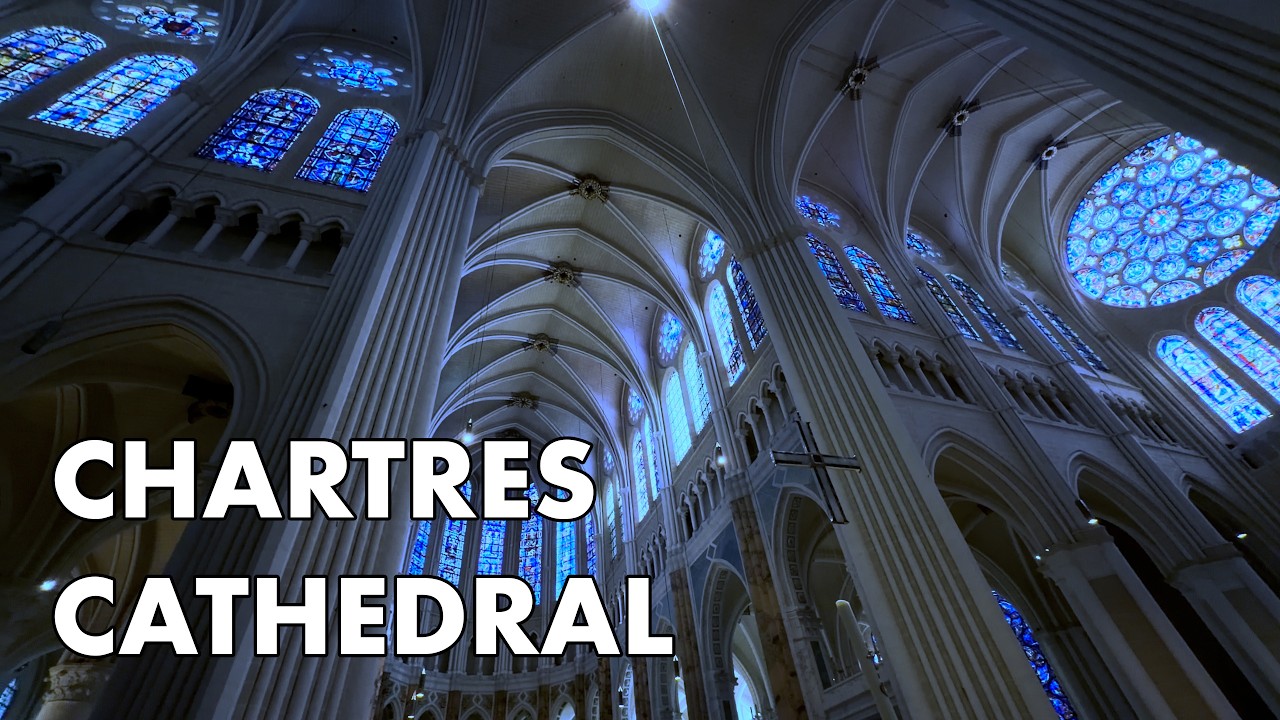





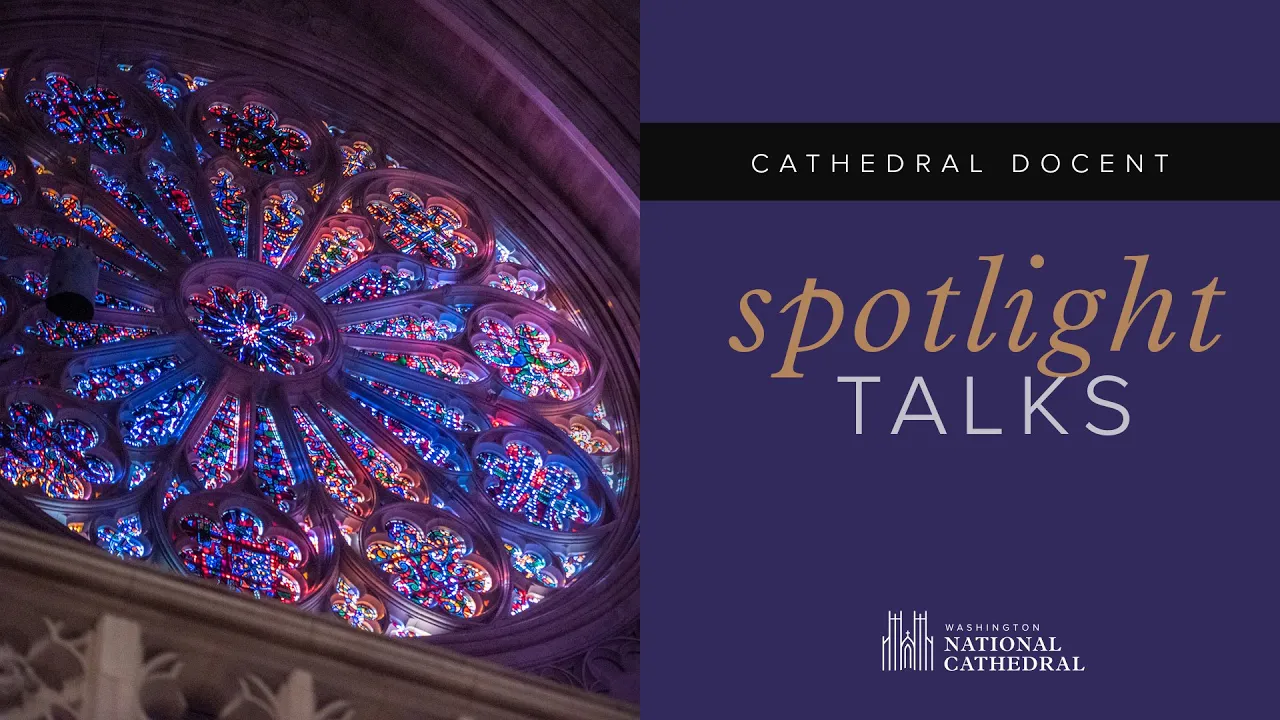

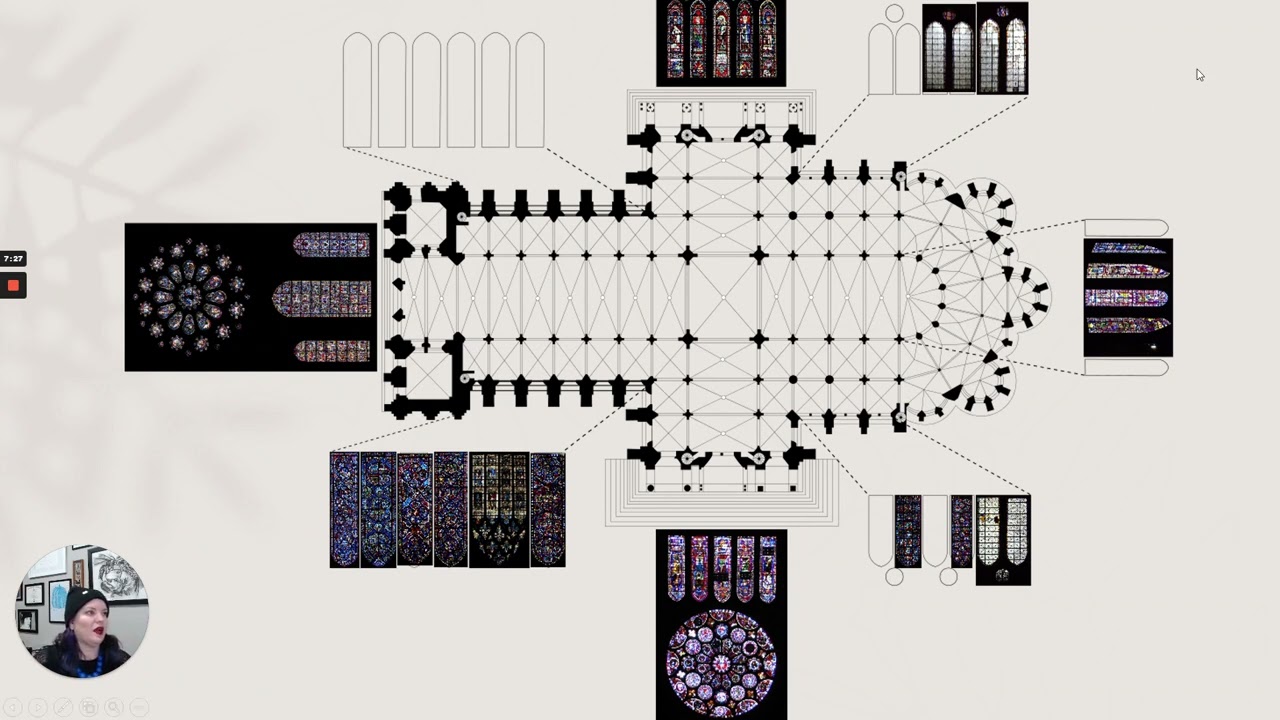
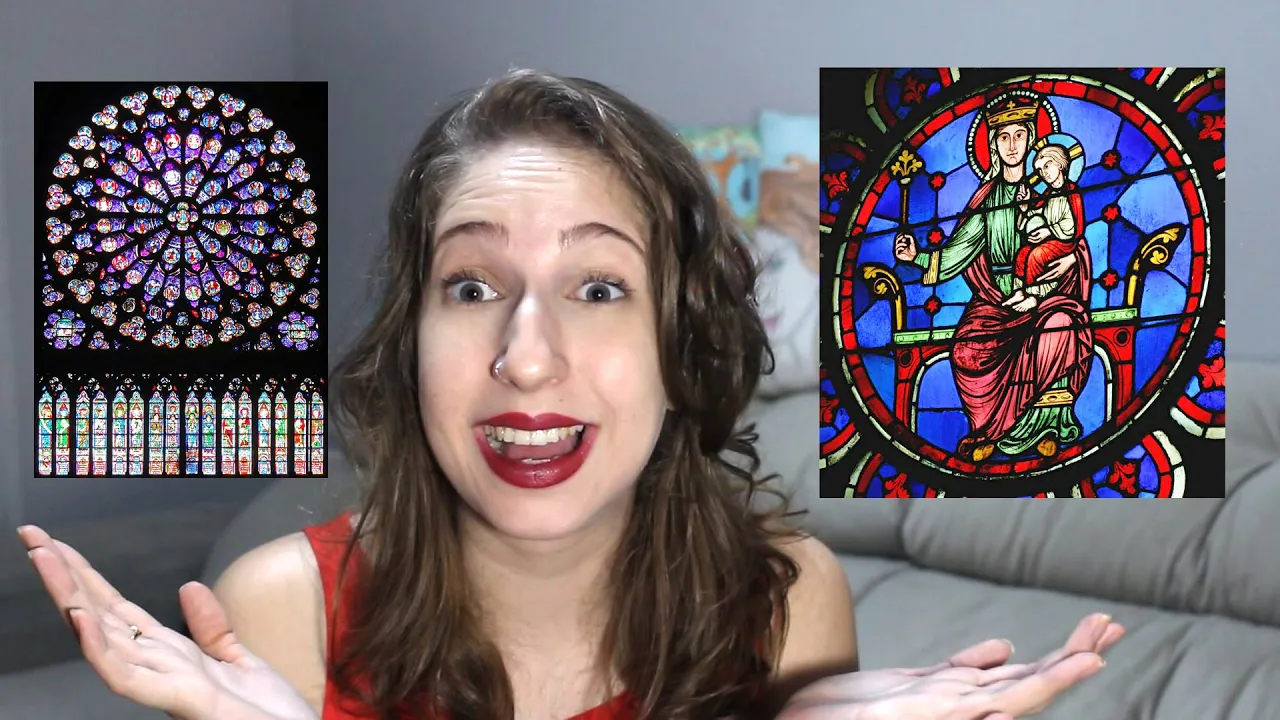

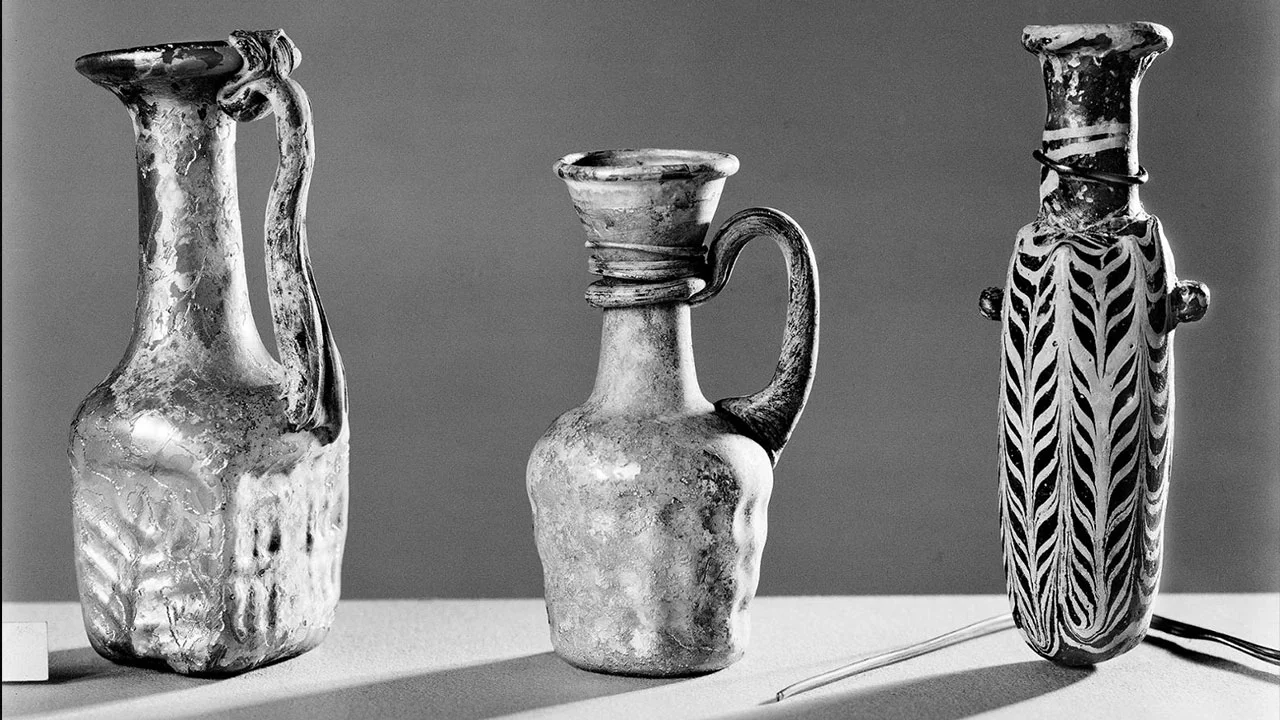



Chartres blue, a distinctive cobalt-based pigment developed in the 12th century, is renowned for its exceptional fade resistance and unique luminosity, making it the dominant color in the world's largest collection of medieval stained glass at Chartres Cathedral; this blue, unlike later potassium-based blues, has retained its brilliance for over 800 years and represents the pinnacle of medieval glassmaking technology.
Inside the World’s Oldest Stained Glass Workshop | Art History
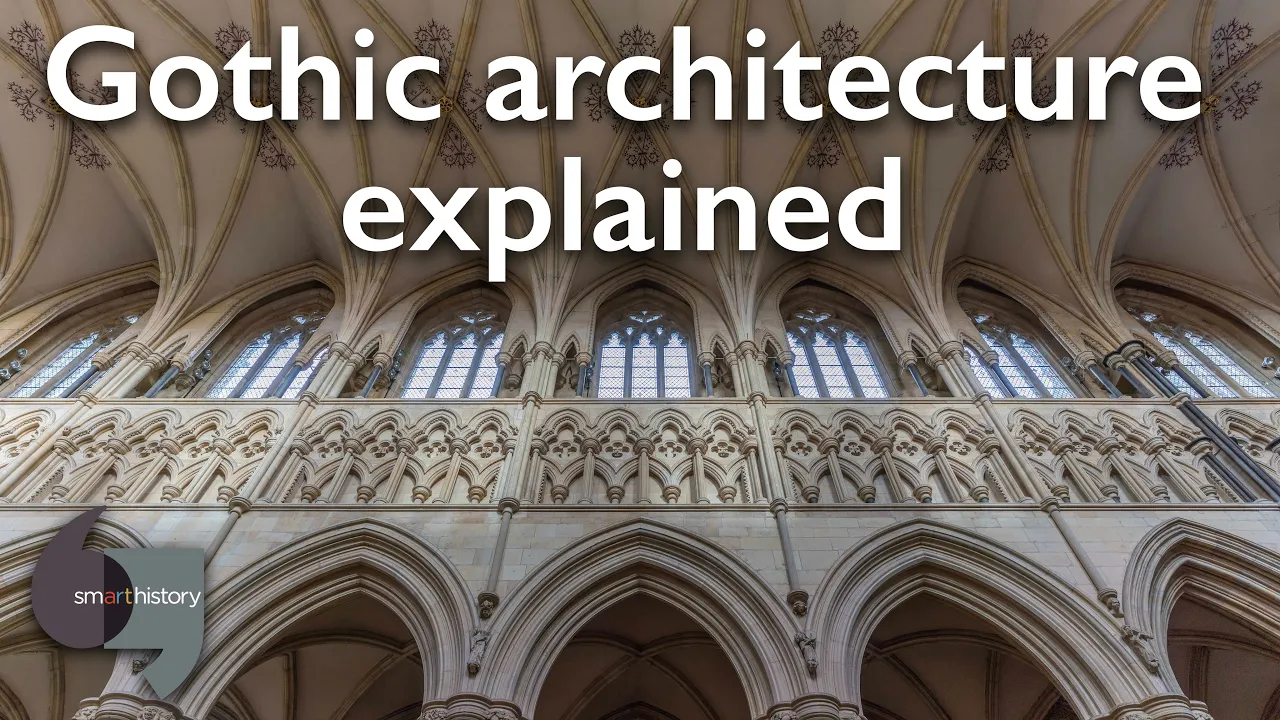
Added:Understanding of Gothic architecture fundamentals, particularly the theological importance of light (Lux Nova) and the structural shifts that allowed for expansive window spaces.
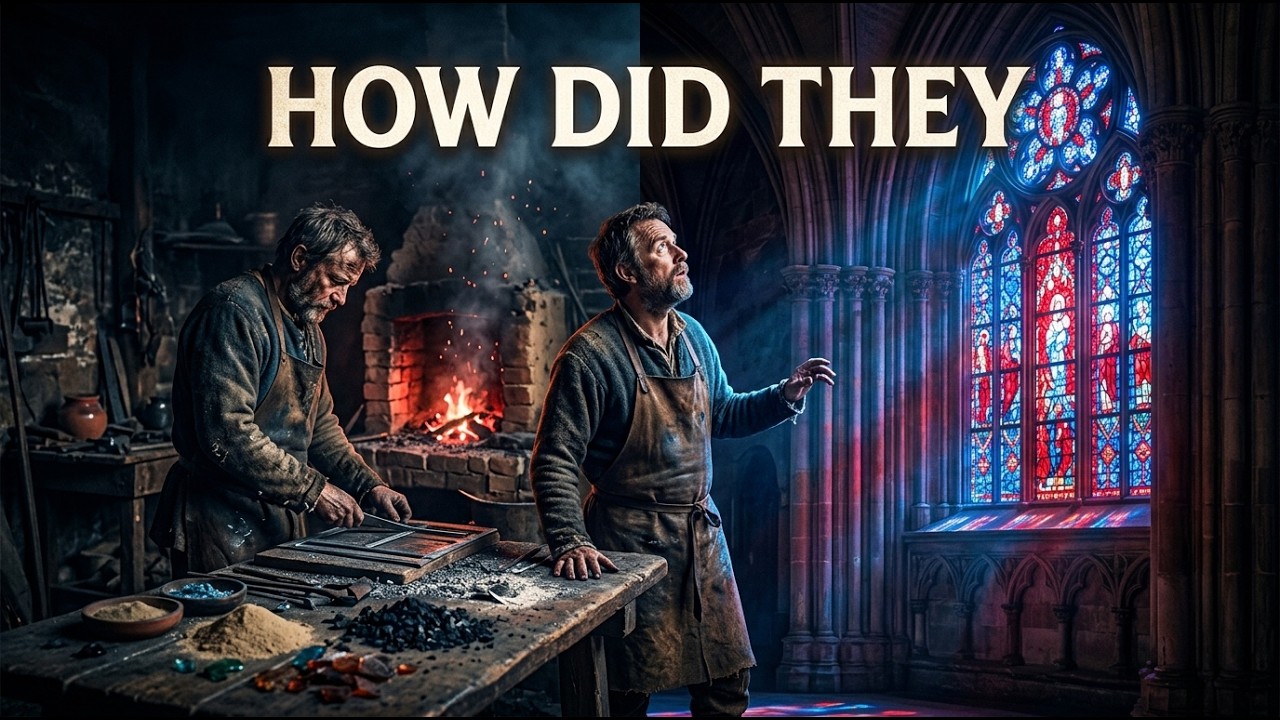
Basic knowledge of the stained glass manufacturing process, including the historical use of metallic oxides for coloring and lead cames for structural joining.
The historical and cultural significance of Chartres Cathedral and its reputation as a pinnacle of high medieval French art.
Fundamental concepts of art conservation and restoration ethics, including the principles of reversibility and minimal intervention.
The chemical decomposition of medieval glass, focusing on the effects of environmental weathering, pollution, and moisture on cobalt-based pigments.
The evolution of stained glass design from the Gothic period through the Gothic Revival of the 19th century and into modern, abstract architectural installations.
Advanced non-destructive analysis techniques used in modern conservation, such as portable X-ray fluorescence (pXRF) to identify historic glass compositions.
The socio-economic structures of heritage preservation, specifically the role of traditional European craft guilds and workshops in maintaining intangible cultural heritage.
6.3K views172likes9:31Original Release: 2022-09-21
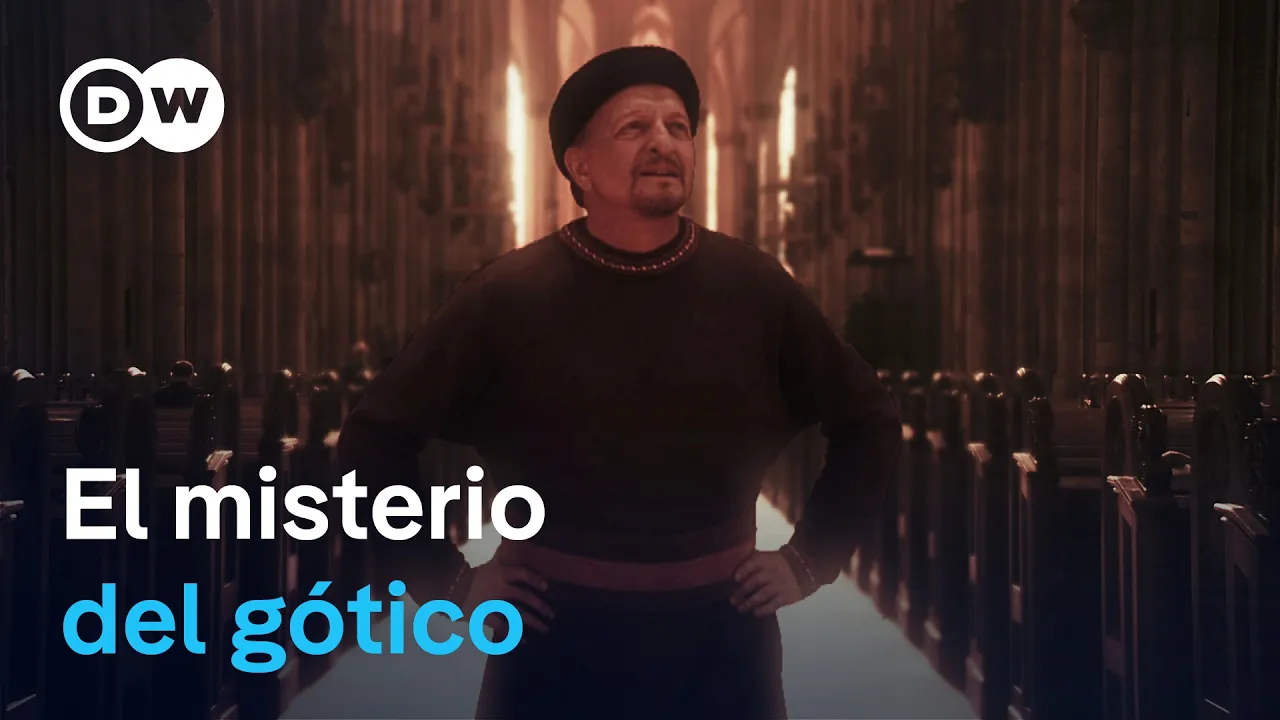
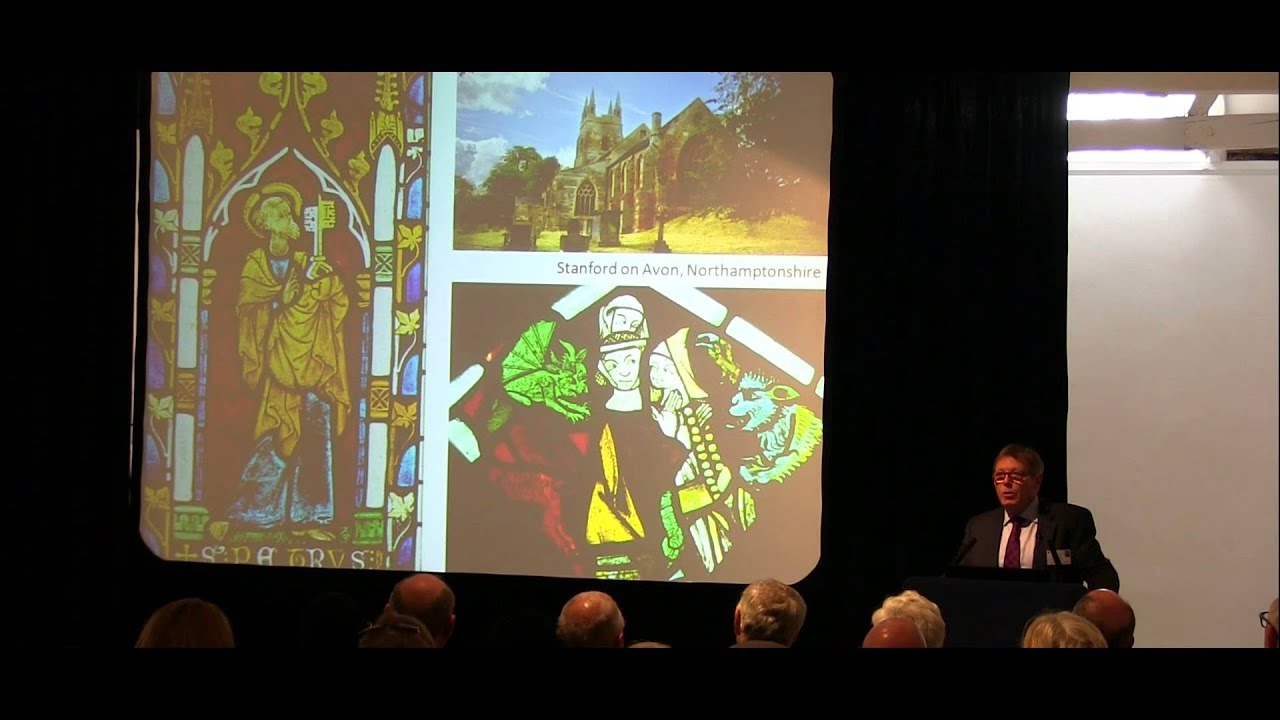
I mainly work on a Monumental scale so I have to work on the whole window at once it's quite complex I can't paint the legs and then do the hands I have to work fast enough to paint the whole thing at once so that the colors match despite the cut glass being separated by pieces of lead the figure in the image needs to flow [Music] to admire one of these Treasures we must travel to shart in the urlua region cathedral built in two phases between 1145 and 1195 is considered by UNESCO to be a masterpiece of human genius perfect examples of Gothic architecture this building's Monumental Windows let the light flood in [Music] this unique collection of 172 stained glass windows is famous for its colors especially the blue [Music] LOD Valley is a stained glass artist she was involved in restoring these works of art foreign I've always come here to gather my thoughts stained glass windows have always appealed to me I love the fact that they are steeped in history this is quite a comforting place for me [Music] this constitutes the world's largest surface area of medieval stained glass the panels are aesthetically very impressive when you hold them in your hands you can see that the quality of the painting is truly amazing the drawings are truly exceptional the cathedral's oldest stained glass windows date from the first half of the 12th century they are famous for their chakra blue color a brighter lighter blue than other Blues obtained from a famously fade resistant mixture [Music] Luke shot is famous for its flu because of these windows it is the dominant color here so there's a lot of it it is the color of the sky and the color of the Virgin Mary so it's a very symbolic color in religious iconography the famous Charter blue dates from the 12th century you can see it on Virgin Mary's dress and the Notre Dame de La Belle very Air Windows this is a blue made from Cobalt unlike the blue from the 13th century which was made from potassium it is a very resistant blue and has retained its Splendor over the years it's really quite special the Notre Dame de La Belle verrier window owes its Fame to this exceptional cobalt blue the central panel depicting Mary and her child he even survived the terrible fire which raged in the cathedral in 1194.
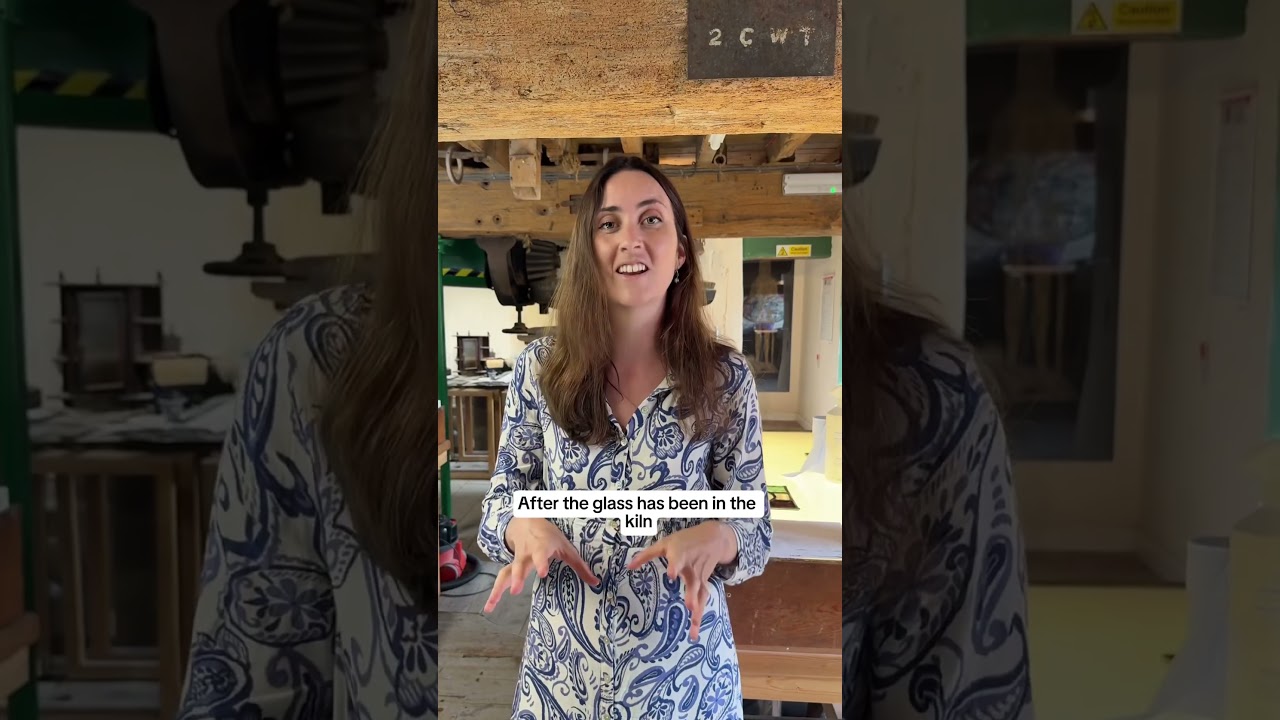
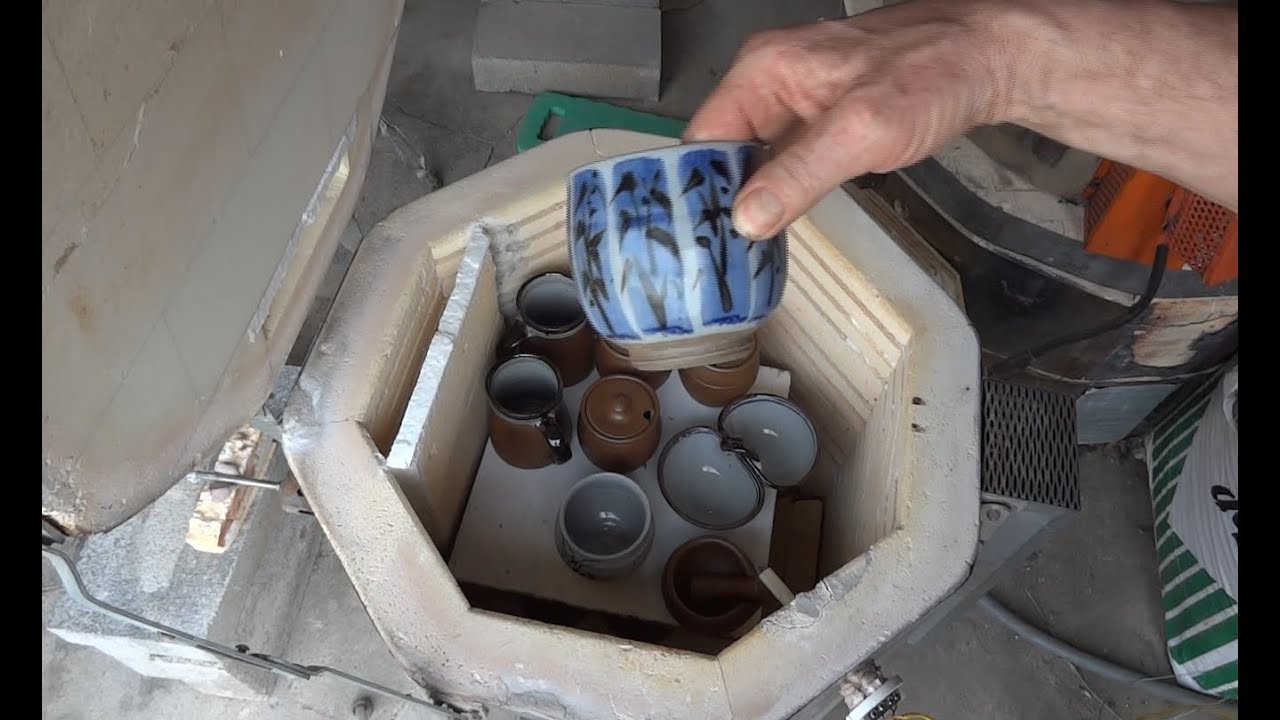
[Music] what fascinates me are the paradoxical aspects of glass the fragility of the material which is very breakable and at the same time it's solidity because glass stands the test of time and retains its Allure over the centuries no matter what [Music] beneath this religious edifice on the banks of the river ER stands the Atelier lorang founded over 150 years ago this is the world's oldest operational stained glass window-making Workshop [Music] business has been flourishing here since the workshop was founded in the 19th century 50 employees are currently working on Creations for all over France and abroad in total over 6 000 specimens have been produced here over the years elody took over the reins of this institution three years ago [Music] first time I entered this place I fell in love with it it was unlike anywhere I'd ever been before I never ceased to Marvel at the place it was easy to feel passionate about it foreign [Music] artists work on light boxes I've chosen to work with natural light [Music] you work with something that is in constant flux glass depending on the hour of the day and the season of the year will radiate colors differently even Blues it is that vaguely ephemeral quality which I really like about working with glass foreign [Music] LOD is working on a contemporary creation for a local church she has to come up with a series of stained glass windows after the sketches and the stencils comes the work on glass I'm now at the stage of painting on glass once I've cut the glass I paint it then I fire it in the Kiln and mount it here for example I'm recreating an important figure this is Saint medardus Legend has it that he got caught in torrential rain and there was divine intervention I'll paint the figure with blue enamel I've got antique glass panels on the sides which have been blocked eyed and I'll use Thermo forming at the bottom here to create the texture of water some of the glass used is already colored some is even embossed before painting it led must prepare her pigments the more finely ground they are the more perfect the color after firing [Music] I'm applying the paint with a sponge-like brush and afterwards I'll work over it with a badger hair brush [Music] I'm sweeping the color over it I mainly work on a Monumental scale so I have to work on the whole window at once it's quite complex I can't paint the legs and then do the hands I have to work fast enough to paint the whole thing at once so that the colors match despite the cut glass being separated by pieces of lead the figure in the image needs to flow foreign [Music] depending on the Creations we are making for stained glass work there is a range of different Blues you can use I love working in blue monochrome for me it's the ultimate symbol of spirituality I think it's a color it opens up the mind it really speaks to me I use it a lot in my stained glass windows [Music] [Applause] [Applause] I've always had a strong artistic bench my mother is a painter and I've always immersed myself in art and taken classes in painting and drawing I really enjoy working with colored glass I am the sixth generation to work here I was just 20 when I arrived I never thought I'd be capable of taking over this Workshop one day it's a real honor for me to spend my days carrying on this tradition it really is my passion in 2018 elodie was approached by the Archdiocese of Ho Chi Minh City to restore the stained glass windows in the Notre Dame Cathedral Basilica of Saigon which were originally created by the Atelier Lauren in 1880 [Music] [Music]
Up Next

27:20
Cities and Cathedrals of the Middle Ages | Western Civilization
@DPAKientrucdoisong
19.3K views•2012-01-19

12:54
Triumph of Orthodoxy Icon: Byzantine Art & History Explained
@BenCallan
2.1K views•2024-08-06

9:49
FastAPI vs Flask vs Django: Choosing the Right Python Web Framework
@TechWithTim
302.5K views•2024-05-26

1:42
Game of Thrones Opening Credits: A Cinematic Analysis
@gameofthrones
46.3M views•2011-04-18
Related Study Plans & Knowledge Roadmaps
Structured learning paths in General & Interdisciplinary Studies
general-studies
Elevator Engineering: History, Physics & Cities
01From Hoists to Safety Brakes: The Dawn of Vertical Lift
02Hydraulic vs. Traction: The Engineering Physics of Elevators
03Modern Speed, Safety, and Algorithms
+ 2 more learning modules
12h5 modules
Explore Roadmap
general-studies
Rubber: Material Science, History & Geopolitics
01Origins of Natural Rubber & Mesoamerican History
02The Chemistry of Natural Rubber & Vulcanization
03The Geopolitics of the Rubber Boom & Colonization
+ 2 more learning modules
12h5 modules
Explore Roadmap
general-studies
Containerization: Evolution, Logistics & Trade
01Ancient Trade & Bulk Cargo: Amphorae to Barrels
02The Industrial Revolution & Cardboard Packaging
03The Containerization Revolution: Malcom McLean
+ 2 more learning modules
12h5 modules
Explore Roadmap
general-studies
Textile Tech: Evolution, Labor & Global Impact
01Pre-Industrial Textiles: Handloom & Cottage Industry
02Mechanization: The Spinning Jenny to the Power Loom
03The Factory System & Global Labor Transformation
+ 2 more learning modules
10h5 modules
Explore Roadmap