




![세계사 [19강] 교황권의성장 (카노사의 굴욕)](https://i.ytimg.com/vi/7p1XQXKZ750/maxresdefault.jpg)


![Medieval Period [High Middle Ages]](https://i.ytimg.com/vi/dvtMhOi2so8/maxresdefault.jpg)
![[STORIA MEDIEVALE] ⚖️ La Rinascita dell'XI Secolo: I mercanti e l'espansione dei commerci ⚖️](https://i.ytimg.com/vi/kxjrgp1hJKc/maxresdefault.jpg)





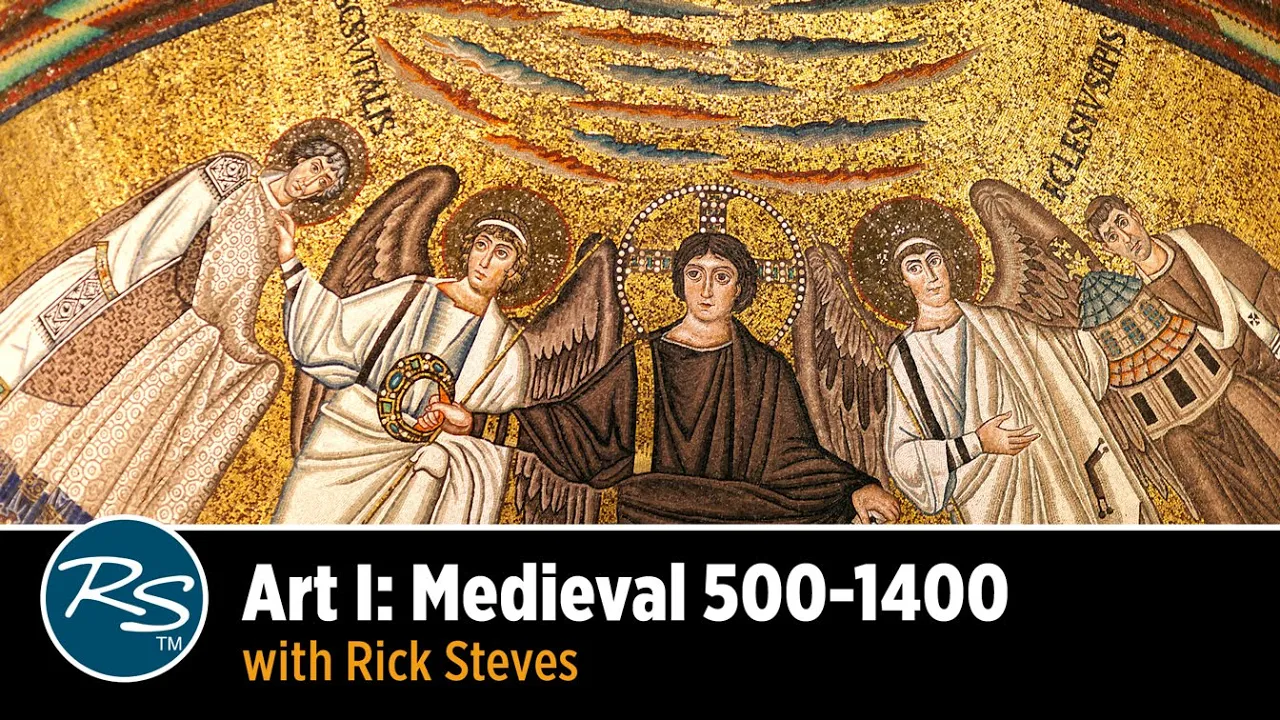


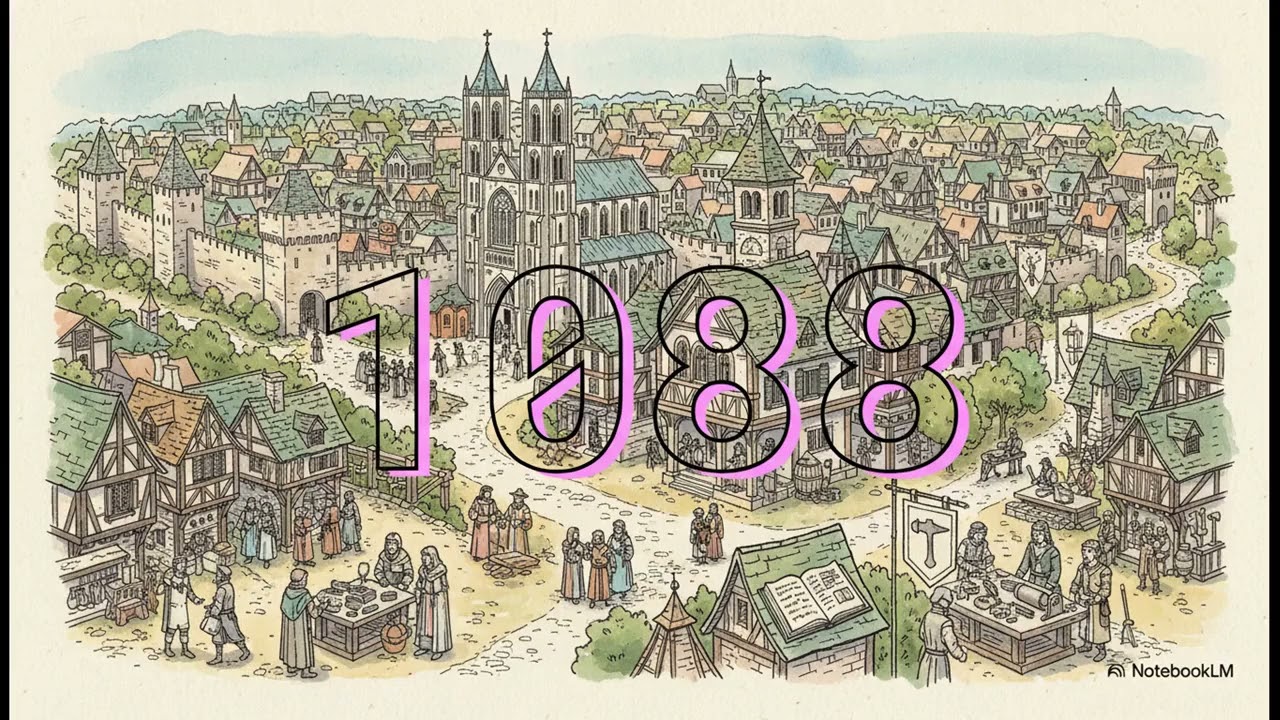





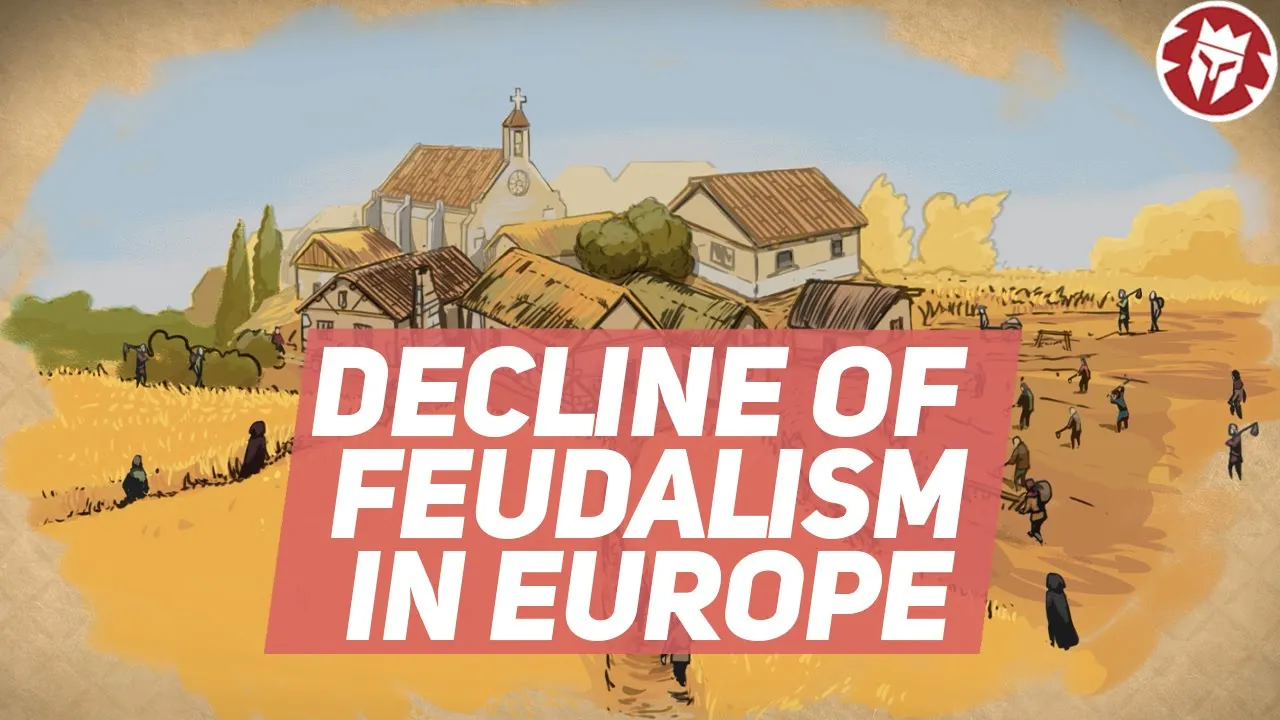
The Middle Ages witnessed an extraordinary urban and architectural transformation, with cities and cathedrals serving as powerful expressions of religious faith, civic pride, and economic ambition. From 1050 to 1350, France alone extracted several million tons of stone to build 80 cathedrals, 500 great churches, and tens of thousands of parish churches—more than ancient Egypt in any period. These structures, with foundations extending 40-50 feet deep and spires reaching 345 feet, represented both spiritual aspirations and competitive displays of wealth. The revival of trade and urban life, driven by merchants who developed new financial instruments like bills of exchange and double-entry bookkeeping, fundamentally transformed European society, creating a new class of wealthy entrepreneurs who embodied values of enterprise, literacy, and economic responsibility that would shape modern civilization.
Cities and Cathedrals of the Middle Ages | Western Civilization
Added:[Music] funding for this program is provided by anenberg cpb to advance excellent teaching Cathedrals on a gigantic scale towers that Rose above the medieval landscape New Opportunities new markets as the urban centers of Europe recaptured an importance lost for centuries they challenged the feudal order itself cities and Cathedrals this time on the western tradition [Music] [Applause] [Music] [Applause] [Music] [Applause] [Music] and now UCLA Professor Eugen Weber's continuing Journey Through the history of Western Civilization last time we talked a bit about what was wrong with the Middle Ages at least for the average European it was a time of fear and discomfort at best painful death at worst malnourishment and disease were endemic Superstition was rif and yet the hard realities of daily life could not extinguish an extraordinary artistic impulse this rough World these awkward Minds produced Creations that still Inspire awe many centuries later when one talks about medieval art one thinks of the cathedral because the culture of the Middle Ages turned around this religious edifice which was the expression of the most material aspirations as well as the most spiritual impulses in a period of three centuries from 1050 to 1350 France alone extracted several million tons of stone in order to build 80 Cathedrals 500 great churches tens of thousands of Parish churches the French quar and carried more stones in these three centuries than ancient Egypt in any period of its history even though the Great Pyramid by itself has a volume of 2 and2 million cubic [Music] M the foundations of the great Cathedrals go as far as 40 or 50 ft down which is the average level of a subway station and in certain cases these found ations form a mass of stone as great as that of the visible building above the ground by the year 1400 there was one church for every 200 men women and children in Christendom and the surface covered by religious buildings took up a great part of every city here is norch cathedral in places like norch Lincoln York which had 20,000 inhabitants between them there were 140 churches there might have been more and bigger churches yet except that it would have meant demolishing one or two neighboring churches and also building new lodgings for the people whose houses had been torn down which tended to act as a break on this building Mania even so the cathed cedral of am which covered about 8,500 square yards allowed the entire population of the city about 10,000 to attend the same service for a comparison on our own scale you have to imagine a modern city building in its very center a sports stadium that could accommodate a million people the same gigantic scale appears in the high of the walls the towers and the spires this is the Cathedral of B in France you could build a 14 story building inside the choir without reaching the roof which is about 157 ft high in the 12th century the men of chartre built a Spire 345 ft high thank God no one has yet built a 30 story building there to equal it and no one has put up a 40 story skyscraper in staso that could match the 466 ft Spire of the cathedral there here was a powerful form of self-expression and one which literally dominated a good deal of Life towering over the squat crowded cities and visible for miles and miles around so that even today you see the towers of the cathedral when you're still half an hour's drive away from chra clearly the spirit that planned and built these extraordinary Enterprises was not altogether primitive it was inspired by a religious faith and religious awe that was determined to build Temple to the Christian God more Splendid than the heathens had ever conceived style and scale may have been affected by what was going on in Syria or in Spain in Arab architecture of which merchants and pilgrims were bringing back word but it was also inspired by Fierce local patriotism and pride and by a very modern emotion competitiveness every Abbey and community and City wanted a bigger and better and brighter Church than everybody else it would be the most conspicuous possible Mark of their piety but also of their means and success all who could afford it brought in Architects and Masons who could give them the Empire State Building of Christendom again and again these towers and walls were thrust up to the sky to the glory of God and the Envy of the Neighbors in the next town again and again they collapsed only to be put up again City raced City and Abbey raced Abbey in 1163 notredam of Paris has the highest roof or na at 103 ft in 1194 chartre built up to 108 ft in 1212 R reached 113 ft and 9 years later Aman bested that with 128 finally in 1225 B topped them all with 157 fet only to have the whole thing crash down half a century later fortunately by then the architect was [Music] dead think how the builders of the cathedral Tower at Pisa must have felt as it went a skew before they could know that it would become a tourist attraction think also of the amount of capital in labor and resources that went into these structures Scholars have argued that cities like B which was very prosperous in the 13th century deined thereafter in part because of such gargantuan Endeavors while the rich Italian cities built Cathedrals far more modest relatively than those up in the north and invested their wealth more profitably so this is another side of medieval character the wild spr of Enterprise and rivalry that remind us of 19th century America when confidence and drive and the desire to show off were tearing things down and building others up at the same time these creations were going to serve as a language a form of expression for the highest kinds of religious Sensi ability of civic pride of personal creativity in an era when Western man was still very much tongue tied you can see it all in the extraordinary elevation and sweep of arches and columns in the grotesque caricatures that decorate stalls and capitals in the impressive sculp sculptures and murals that illustrate familiar stories from the Bible like this flight to Egypt or this temptation of Eve and in the blending of sacred and profane that you find in the naive advertising of stained glass windows which all the local trades guilds sponsored we might even see medieval art as a refuge for certain values that could not find expression anywhere else but in these privileged places the moderation the balance so signally lacking in these times can sometimes be found in Romanesque architecture for example the exactness the Precision the clarity that neither law nor writing normally attained in medieval times can be found presiding over the work of the Great Master Masons of the vast Romanesque arches and domes and vaults and the elevation the grace the Purity so often lacking in the ordinary life of that VGA brutal age are expressed in The Soaring Pinnacles of and towers of the great Gothic cathedrals of the 12th and 13th centuries when the gothic Arch managed to cope with extraordinary structural problems of tension and balance and yet how the cathedrals Rose is not nearly as important as where they Rose in the towns the Revival of town life was the middle a is great contribution to our civilization when you look at a medieval townscape you see the cathedral but you also see other soaring structures that compete with it the towers that Noble Clans buil to maintain the feuds of the old system as between the monu and capulets of Romeo and Juliet towers that turned a lot of places into miniature Manhattan significantly most of these towers have disappeared at Florence where there were as many as 400 only a few stamps are left at bologa where there used to be nearly 200 only two survive and tourists still drive to Sanji minano a little town of 4,000 people in the Hills near Sienna to see the towers that rise above it there used to be 70 of them now there are 13 the biggest tower in Sienna belongs to the town hall and this is fitting because it was the town halls and the trade exchanges all over Europe that were going to supplant the cathedrals in importance just as the modern world was going to win out over feudalism if the first world war hadn't blown it up you could still see the great clothing Hall at era in Belgium 433 ft long bigger than most Cathedrals and just a splendid the clothing Hall was started in 1200 by the count of Flanders and this tells you two things one that some Lords knew where their interests lay and two that the greatest profits from now on would come less from robbery and violence and more from trade especially from the textile trade on which the prosperity of many cities was founded in England Flanders the low countries Italy and France trade in the Middle Ages meant exchange exchanging one product or commodity for another and it involved a great deal of travel in late 12th and early 13th centuries the fairs of champagne in Northeast France became the main European exchange centers because the counts of champagne had a good sense to improve roads build Market Halls set up special courts to enforce deals and contracts made of the fairs and to keep the peace at least as long as the fairs lasted a week or two six times a year there were lots of things to ship and exchange from wine to slaves from spices to the pickled herring that made the fortunes of the Baltic and of Dutch North Sea ports at danig for example corn and Timber coming down the Vistula River on the way to England or the low countries was transferred from barges to seagoing ships at Lubec it was transferred back to land transport to go as far as Hamburg on the elb and then back to ships again but the greater centers developed at the two ends of the most obvious trade route in Europe in Flanders around gent and brge where English wool was shipped to the continent and turned into cloth and in Italy centrally located for the Mediterranean trade when we talk about the Revival of trade and cities we've got to keep a sense of proportion by modern standards everything was on a very small scale there wouldn't be a European city to match Constantinople until the 18 century Bru had a population around 35,000 Milan and Venice the two biggest cities in Europe had four to five times that many at most Florence which may have had a 100,000 at its peak before the Black Death half the population in the 14th century Florence produced 80,000 pieces of cloth a year that's a lot less than the turnover of a single Warehouse in Manchester in England in 18 50 in the 15th century all the forges of stia in Austria which was then the iron making Center of Europe produced something like 2,000 tons a year one steel mill today turns out that much in a single day the great Florentine banks with branches all over Europe ran on a staff between 50 and 100 people and the ships of the time were mere cockal shells in 1492 the three caraval of Columbus put together had a capacity of 520 tons Which is less than 100th the tonnage of the Queen Elizabeth II and yet the activity all this represented was on a new and invigorating scale and the men who made the activity were a new breed with Horizons and Ambitions that recall the great days of the ancient world their scope was vastly enlarged by the Crusades which open new opportunities and new markets and which provided the loot that reversed the world's cash flow which had been running from west to east but which now turned around to water Europe and the Crusades also taught the nobility more sophisticated tastes and new possibilities of consumption another stimulus for expansion and trade the merchants and their cities also benefited from the struggle between Pope and Emperor which enabled most cities to escape the control of either for the most part however Merchants were not very interested in F F politics they preferred peace to war and order to disorder because peace and Order are good for business what they were interested in as one of them said in a letter was God and Prophet although I can't help suspecting that profit came first but there was also the excitement of Adventure Enterprise competition that spurred them on take a 13th century genoes Merchant like benedetto Zacharia he owned D Works in Genoa Alam mines in Asia Minor plantations on the Greek island of kios he controlled ports and trading stations in Crimea Syria and southern Spain he traded in spices and Cutlery which meant knives since the fork only appeared at the end of the Middle Ages and then only for the very sophisticated Zacharia also traded in cloth and Furs and salt and Grain and potach it was men like Zacharia who developed new business methods techniques for raising capital and shifting it around bills of exchange which were written orders directing that a specified sum be paid to a specified person and which could themselves be exchanged to a third or a fourth or a fifth party and there were places called exchanges where Goods could be bought and sold on paper without being seen and double entry bookkeeping to keep track of business and new associations called companies in which you could buy shares to spread the risk and insurance to spread the risk still further there was always risk of course and often it was personal as well as Financial especially for the small traders who traveled alone from one foreign place to another remember that foreign in the Medieval World could well mean any place 5 or 10 miles from home here is the advice a 13th century Norwegian Merchant gave to his son the man who is to be a Trader will have to Brave many perils sometimes at Sea sometimes in Heathen lands but nearly always among alien peoples and it must be his constant purpose to act discreetly wherever he happens to be if you come to a place where the king or some other Chief who is in Authority has his officials try to win their friendship and if they demand any necessary fees on the ruler's behalf be prompt to render all such payments lest by holding too tightly to little things you lose the greater also put a good price on your wares though not too high and yet very near what you see can be obtained then you cannot be called a foyer so now while these Merchants were helping to change the economic structure of Europe they were also beginning to change the social structure the word company for example which comes from the old practice of breaking bread together had an aristocratic connotation Alexander the Great had companions so had charlan when the word was adapted to business ends it suggested the new men's aspiration to nobility and some of them lived like princes and exercised great power like jacqu ker who was the financer and advisor of the French King in the middle 1400s and whose Palace in bourge remains a monument of gothic art these were the people who invented modern banking which was named after the Banky the benches or stalls that merchants and money changers used in the marketplace like Zacharia or jaur the first bankers traded in every kind of luxury and necessity on the general principle that diversity of investment spread the risk soon they progressed far enough to help Finance Crusades to lend money to Kings and be ruined when these failed to pay back their loans to take over the finances of the papacy and finally to move from financing popes and Kings to producing them the medich family of Florence produced four popes and two French Queens in the 16th century alone but families and individuals have risen in the world in all societies and in all ages more important were the Notions they embodied of in investment in something else than salvation and the afterlife of Enterprise in something else than robbery and violence of the importance of literacy and accuracy quite simply what we now tend to disparage as boura values hard work Thrift honesty responsibility all of which may be a bit of a bore but which were a vast improvement over the bloody Anarchy that had gone before next time we shall look at how these economic and political changes began to transform Europe in the late Middle Ages please join [Music] [Applause] d [Applause] [Applause] [Music] [Applause] [Music] [Applause] [Music] funding for this program is provided by anenberg cpb to advance excellent teaching for information about this and other anenberg cpb programs call 1 1800 learner and visit us at www.learner.org
Up Next
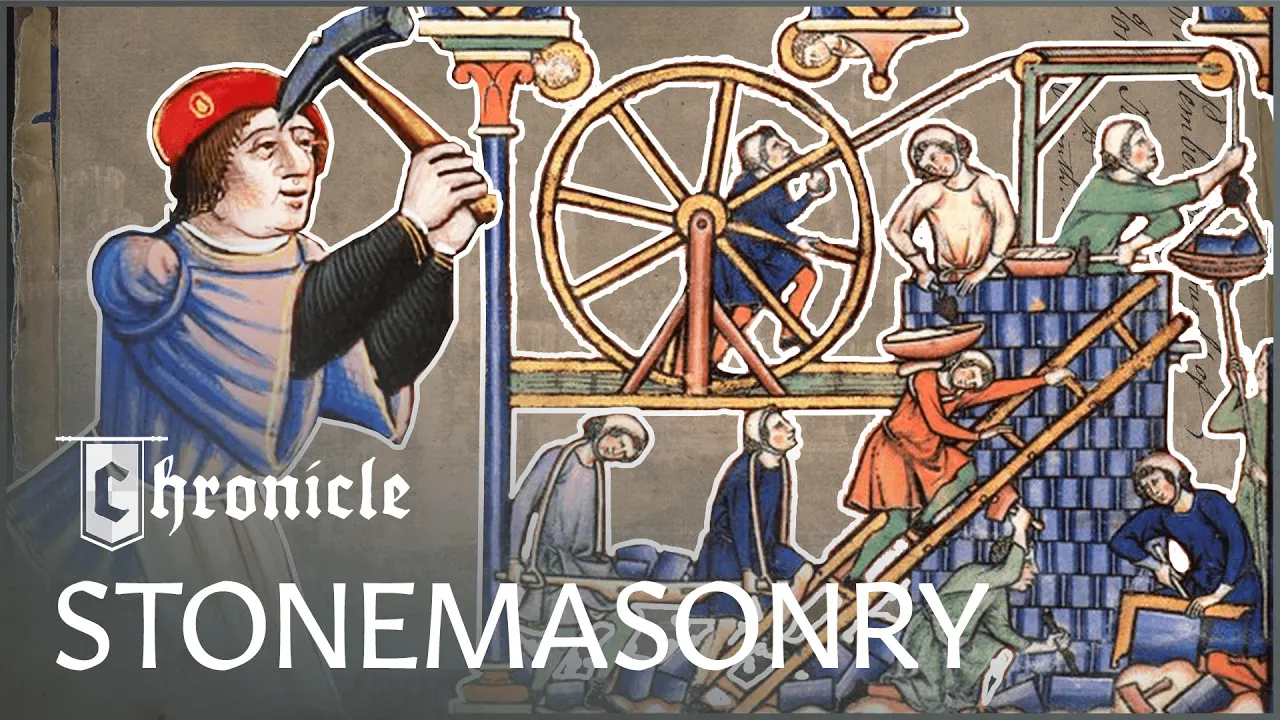
Medieval Castle Construction: Secrets of Masons, Carpenters & Blacksmiths
@ChronicleMedieval
63.2K views•2021-11-24

Triumph of Orthodoxy Icon: Byzantine Art & History Explained
@BenCallan
2.1K views•2024-08-06

FastAPI vs Flask vs Django: Choosing the Right Python Web Framework
@TechWithTim
302.5K views•2024-05-26

Game of Thrones Opening Credits: A Cinematic Analysis
@gameofthrones
46.3M views•2011-04-18
Related Study Plans & Knowledge Roadmaps
Structured learning paths in General & Interdisciplinary Studies