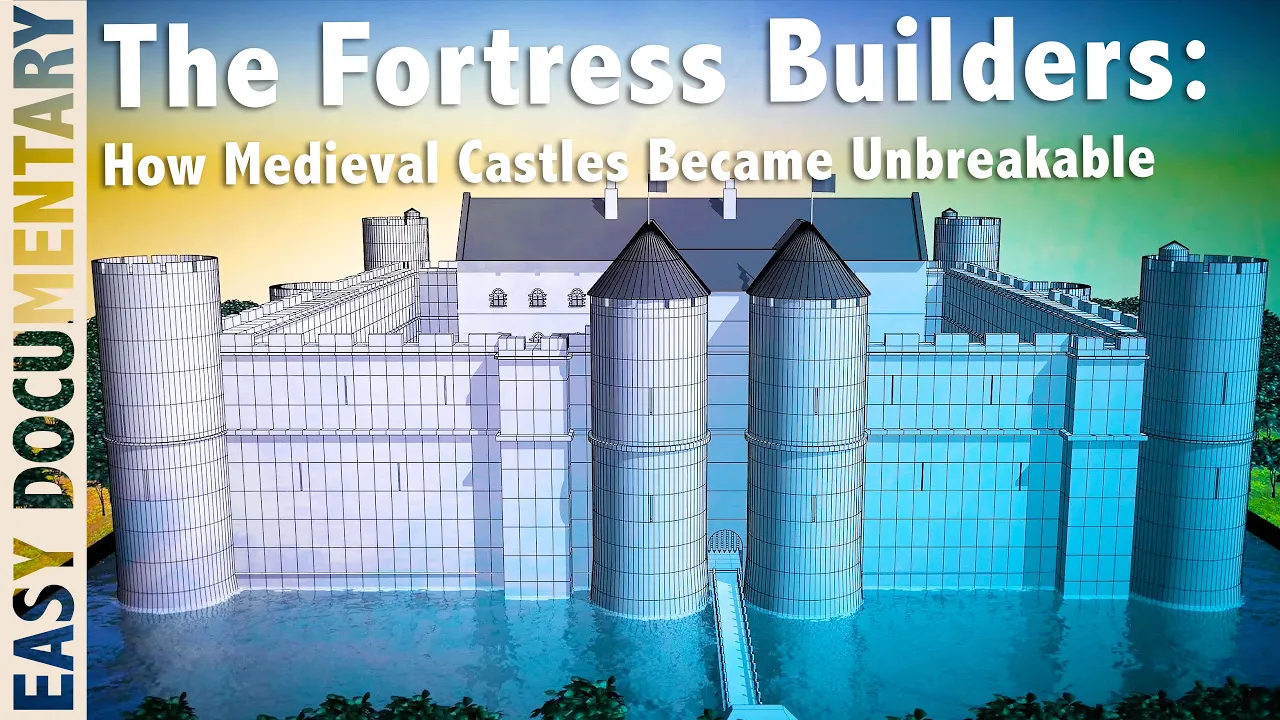













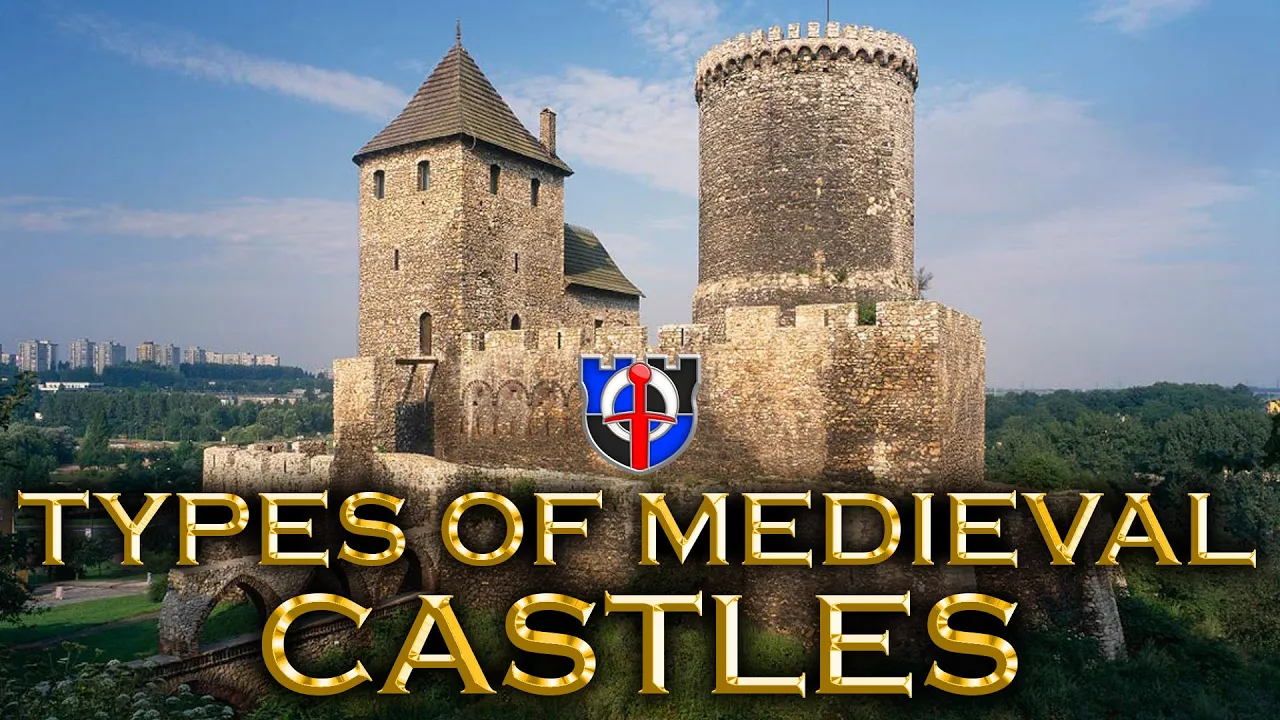







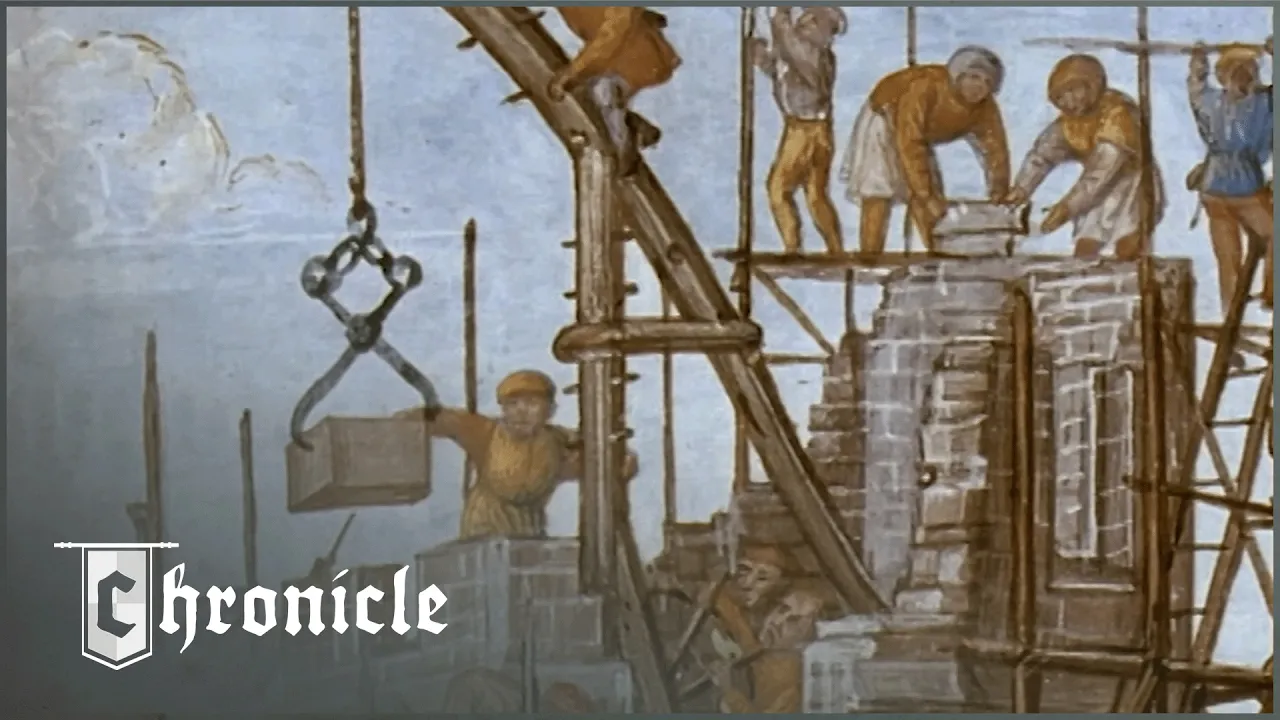
Medieval castles were constructed through the collaborative expertise of three essential craftspeople—stonemasons, carpenters, and blacksmiths—each contributing specialized skills that depended on the others; stonemasons built walls using rubble stones with leveling courses for strength, carpenters created wooden scaffolding and structures using geometric planning on tracing floors, and blacksmiths produced essential metal tools and weapons through bloomery furnaces that transformed scrap iron into usable steel, demonstrating how medieval technology relied on the integration of multiple trades working together to construct these enduring fortifications.
Medieval Castle Construction: Secrets of Masons, Carpenters & Blacksmiths
Added:Understanding of the feudal system and the socio-political purpose of medieval castles as centers of power and military defense.
Basic knowledge of the primary materials used in medieval construction, specifically the properties of local timber, sedimentary or igneous stone, and wrought iron.
Familiarity with simple machines (such as pulleys, levers, and treadwheel cranes) and basic physics concepts of load distribution.
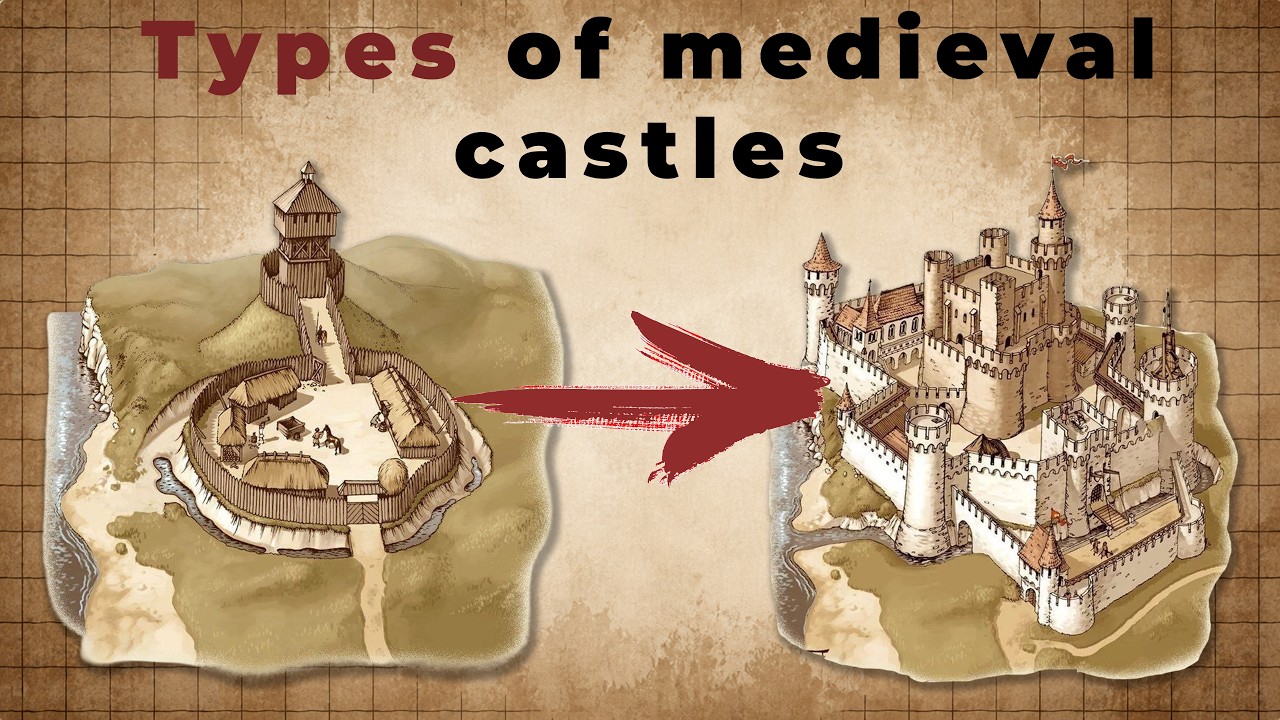
A general timeline of the Middle Ages to contextualize the transition from simple timber motte-and-bailey fortifications to complex stone castles.
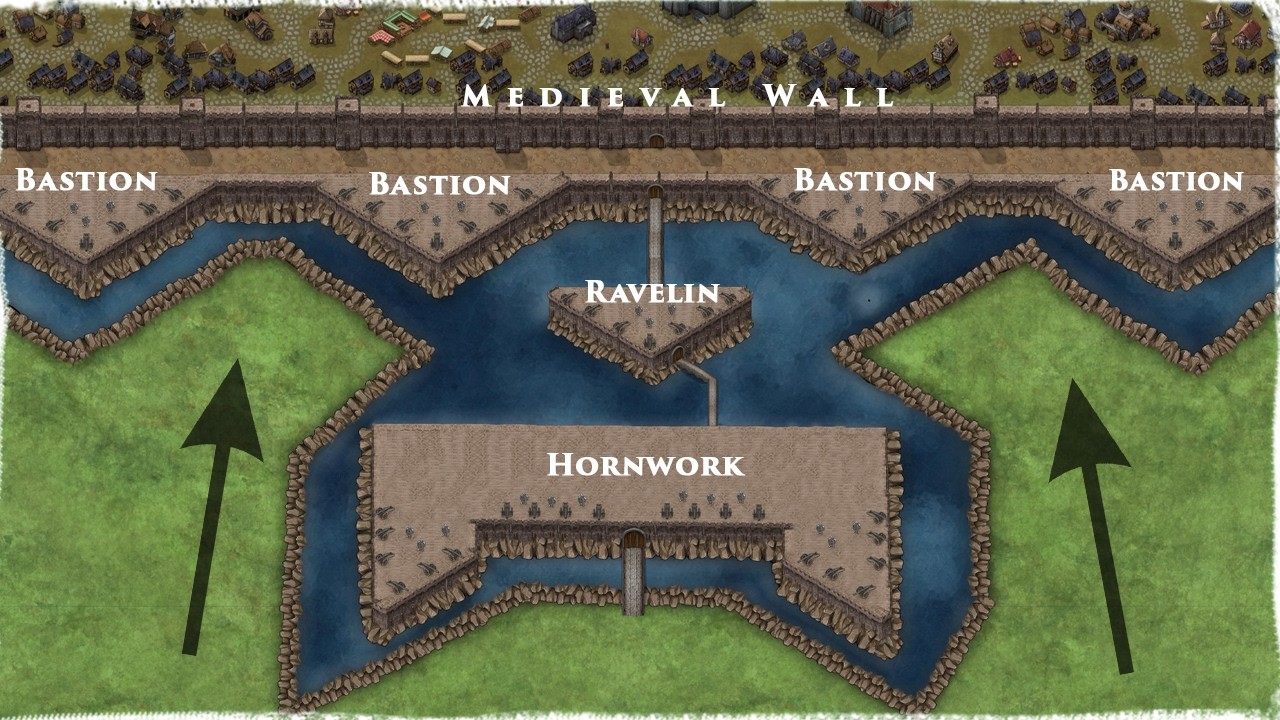
Advanced military architecture, including the evolution of castle designs to counter specific siege engines and artillery (e.g., concentric castles, glacis, and bastions).
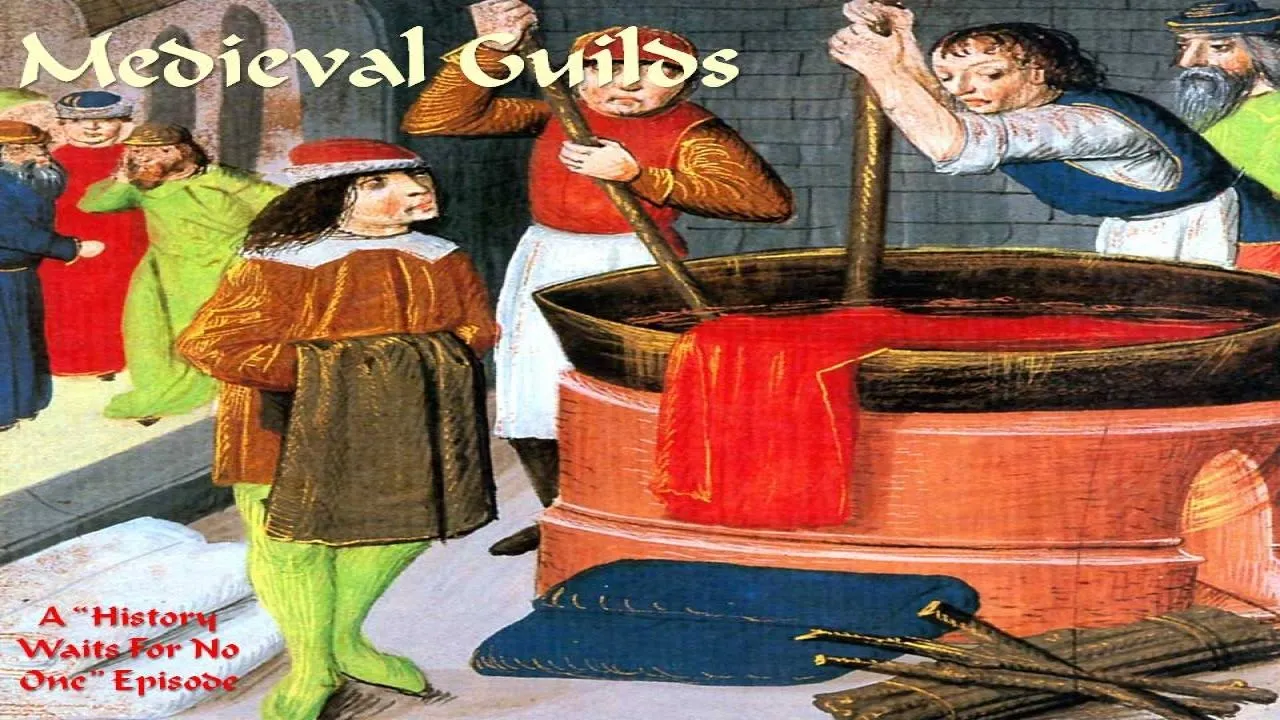
The economic and social structure of medieval craft guilds, focusing on the apprenticeship system and the mobilization of skilled labor for royal or noble projects.
The impact of the introduction of gunpowder and firearms on castle architecture and the eventual transition from defensive castles to residential palaces.
Experimental archaeology and modern heritage preservation, specifically studying projects like Guédelon Castle in France that reconstruct medieval structures using period-accurate techniques.
63.2K views894likes58:11Original Release: 2021-11-24
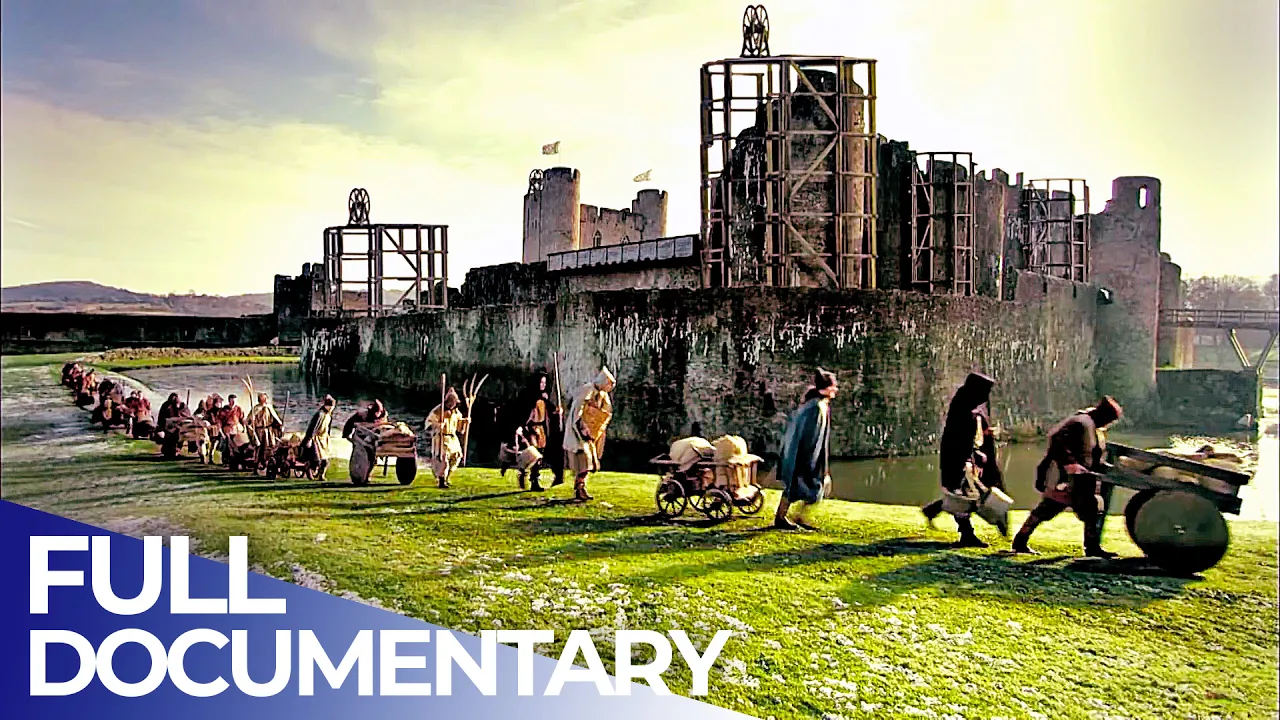
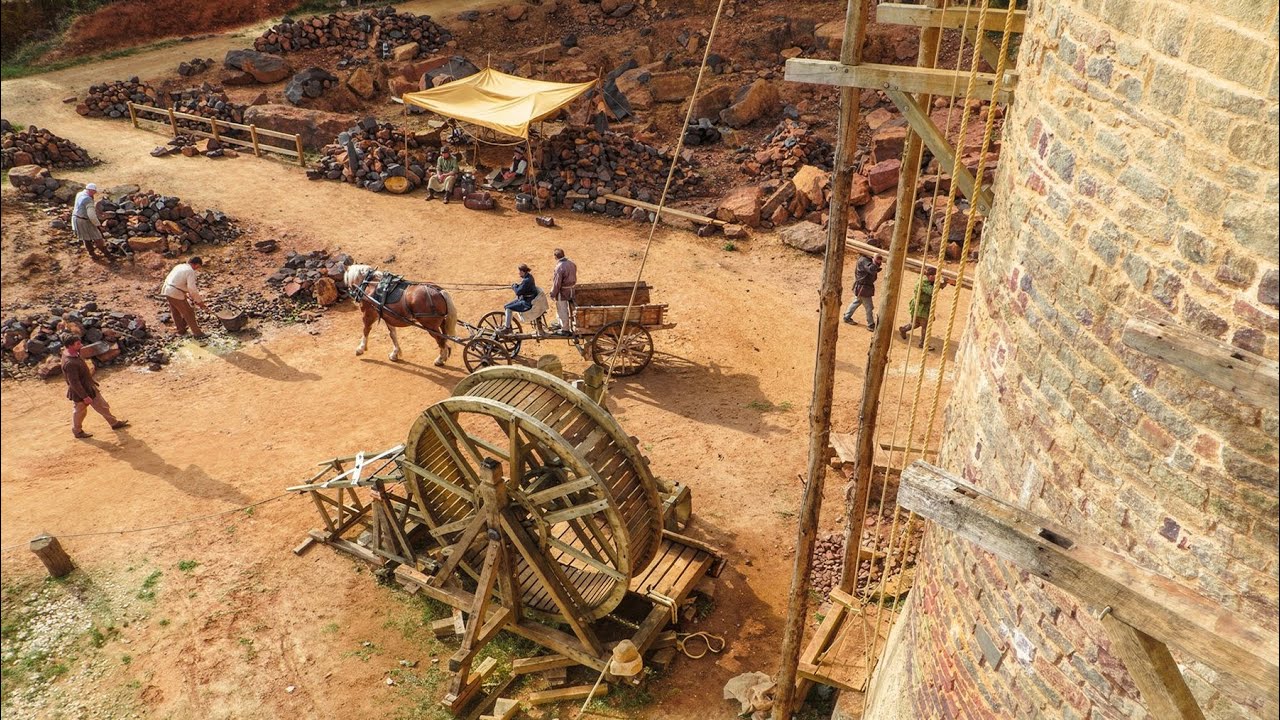
castles dominated the medieval landscape and britain has some of the finest in the world today most are decaying relics many of their secrets buried in time now historian ruth goodman and archaeologists tom pinphone and peter ginn are turning the clock back to re-learn the secrets of the medieval castle builders this is the ultimate medieval technology the origin of our castles is distinctly french introduced to britain at the time of the norman conquest of 1066 here in the burgundy region of france is getalong castle the world's biggest archaeological experiment a 25-year project to build a castle from scratch using the same tools techniques and materials available in the 13th century it's a lot of hard work at the coalface because this is industry for the next six months ruth peter and tom will experience the daily rigors of medieval construction and everyday life how workers dressed and the art of combat this is the story of how to build a medieval castle four months into their adventure the team have been immersed in the building work alongside gednon's masons perfect they've learned how a castle was defended in times of war every stone has to be in line because this is gonna go up and up and up and discovered how lavishly decorated castles were on the inside this was about showing your power it was about prestige now the team delved deeper to discover the secrets of the skilled communities whose combined expertise made such mighty castles it's just this mass of molten metal castles were not made from stone alone without the mastery of the medieval blacksmith's transforming metal and the carpenter's sophisticated grasp of geometry wow is all i can say the castle could never be built at all this is one of those moments when everything comes together extremely fast in quite a dramatic way first castles introduced to britain by the normans were mostly built not of stone but of wood making them quicker and cheaper to construct their favorite design was the modern bailey following the conquest of 1066 they erected hundreds of strategic locations across england and wales one of the first structures completed here at gideon is an example of a classic wooden modern bailey you know i can never remember which one's the mott and which one's the bailey the mott is your mound on top of which you're probably gonna end up with a wooden tower like this which in our case in gideon goes on to be the great tower your bailey is the area enclosed by your palisade fence as we can see here so this could be your bailey so the bailey becomes the courtyard power save fence comes to curtin's walls exactly that's the evolution of the castle right there really isn't it while most early castles were made of timber at key sites the normans invested in stone expanding on the martin bailey principle of high tower and defensive surrounding wall but using materials that were far more imposing and durable william the conqueror built stone castles to make a statement norman rule was here to stay the fact so many of these castles are still standing after almost a thousand years is testament to the precision and skill of their builders it's this remarkable standard of craftsmanship they're seeking to recapture get along most of the walls are built with rubble stones which are easy to produce in the quarry every 10 feet the masons build leveling courses rows of carefully dressed flat stones that strengthen the wall and also allow the masons to regulate the structure it's too irregular if you're using just blocks that are shaped but not specific you'll actually end up with a weak wall by putting in the leveling courses you flatten everything out you start building again from a horizontal surface and so you'll do that again and again right up to the top and that just keeps the strength of the wall and allows you just to basically balance out and work from a flat surface tom is helping to extract a particularly large stone from the quarry by the castle to use in a leveling course machia rigo has been a quarryman here for nine years at the moment we're just making a small hole and into that we're going to insert the wedge what we want to do is hit that perfectly and that should actually work its way along a natural crack in the rock so it's not as simple as just smack smack smack there's your hole put in the wedge what's up you tread that big guns off okay each different type of rock has its own extraction method and corey men's skills were handed down from father to son okay we've got our split now we just need to separate these two bits of stone so it's over to the crowbar get that in i'm gonna lift it up we're gonna apply some more wedges in the middle ages some quarry men also worked as stone masons masons were well paid free men who enjoyed exceptional status among the workers of the age they traveled widely their skills constantly in demand for building great castles and churches on a construction site the stonemasons lodge is where they gather to eat drink and discuss ideas and designs lodges became regarded as strongly symbolic buildings where the closely guarded secrets of the mason's craft were shared and geometry was torn in an age where there was little scientific knowledge and a great deal of superstition it's easy to see why a mason's lodge acquired an almost mystical status professor ronald hutton is a historian specializing in medieval and early modern folklore we're sitting in a mason's lodge and those words conjure up certain images is that true i mean was there any such thing as freemasonry in the 13th century certainly not freemasonry as we know it comes along at the end of the 16th century actually in scotland where they decide to pull together the mason's skill of understanding geometry and structure in order to try and understand the secrets the universe and that began the secret society of people dedicated to knowledge which grew and freemasonry as we know it so it has absolutely nothing to do with this sort of medieval tradition of building well medieval masonry is the seed and modern freemasonry is the full-grown plant if you're a medieval mason you are doing god's work you're building god's houses the churches and cathedrals and as god as the grand architect of the universe using natural geometry so human masons reproduce that they are sub-creators but are also in a highly mobile skilled dangerous trade that's why a lodge like this is so important if you are a free mason in the medieval sense in other words you're free to go where you like to have a place like this a temporary home from home where masons can gather share information share hot tips and simply live play dice booze chill out after the day's work is done is absolutely essential stone racings were not the only skilled craftsmen on a castle building site castles required huge amounts of wood and this called the carpenters the roof structures doors walkways and drawer bridges were all made from timber wood was also key to the building process from scaffolding and lifting machinery to basic buckets here at getalon the wooden scaffolding is a really visible part of the build it's also one of the most precarious and potentially dangerous indeed we know that in 1138 at canterbury cathedral william sons the master builder was up inspecting the high vaults when he fell from the scaffolding and was paralyzed essential to secure scaffolding are pot logs the timbers which stick out from the wall for the scaffold planks to rest on the timbers are deeply embedded in the walls in potluck holes into which the logs are inserted by planning potluck holes at regular intervals the timbers can be continually raised in line with the stonework avoiding the need to build a scaffold up from the ground carpenter and stonemason a problem florian ranucci is the master mason overseeing all construction on the site he's ultimately responsible for workers safety here at ghetto obviously we don't want anybody to die while we're built in this castle so there are certain compromises you're having to have some modern health and safety issues with the scaffolding how close is the scaffolding you're using to being 13th century scaffolding and how much is because you need modern health and safety well the 21th century technique uh for us to work is only to put a iron right and also modern wood so when we look around us the 13th century scaffolding wouldn't have looked very different the wood would have been hand produced not machine produced and instead of the bolts what would it have been instead of the bolts ropes rope it would have just been tied yes so we have to do a lot of compromise of compromise for our safety and for uh building in a good way but we don't change the way of building we use wood the completed castle will have a chapel built into the east tower where the lord and his family could practice their religious devotions even laymen would have heard mass at least once a day so a chapel was considered essential nikola tuschfer is head carpenter here they must get the scaffolding in place to enable the masons to build the next level of the chapel tower the masons have made a potluck hole and the carpenters have prepared the wood in advance complete with a mortise and tenon joint something still favored by carpenters today there we go so not only do you have a mortise and tenon here that can be pegged you've also got a bird mouth joint so the putt log is actually sitting on this as well as in it to give it maximum security then that putt log goes into the castle wall pegs this side it's secured with oak pegs more no it's okay okay and that is the scaffolding in the bill can commence as well as the stone masons being largely dependent on the carpenters both were also reliant on another set of craftsmen blacksmiths from hinges on doors to bars on windows or the chains that raised a drawbridge metal was crucial at the foot of the castle is a blacksmith's forge martin claudel produces the tools and metal work required at gedelon peter and tom are helping mix crushed clay with sand and water they're going to help build a furnace or bloomery to smelt iron for tool making think about blacksmith shop you think about all the little bits of metal kicking around bits of broken nail bits of uh fragments of iron that come off where you're you're smacking it with the uh the hammer and this furnace is a way of melting those all down and turning them back into metal that can be used these big old bellows that's good once the furnace is complete they just need to put in the door held in with an ash paste so they can easily open it the giant double bellows are attached to the furnace to pump air into it when lit raising the temperature from 800 to over 1 300 degrees sufficient to melt the scrap iron and steel it's a lovely uh melodic sound with the bellows it's respiration breathing in and out we've made the bloomer we made the furnace we're gonna put in charcoal we're gonna throw in the scrap iron bring it up to temperature melt this down and hopefully at the bottom we're gonna get at the very least reusable iron perhaps we'll get steel but that's all about your carbon content the purity for fuel and the ability to do a good smelt steel is iron with a specific amount of carbon dissolved inside its structure when the temperature in the furnace rises more and more carbon from the charcoal is absorbed by the iron but it's a difficult balancing process this was medieval technology long before a modern understanding of chemistry but hard steel was so useful for tools that even small amounts were precious pretty soon we'll be ready to crack open that door and hopefully have a bloom of steel from which we can make tools we've reached that moment the iron that's gone in the top has melted it's reached the bottom it's hopefully turned into a steel bloom clermont is just hacking out that sort of uh ash and water paste that tomorrow used to patch up that door oh door's off we can see the bloom it's right at the top of that charcoal bed it's just this mass of molten metal all those scrap bits of metal melted down it's amazing to see this happen in a blacksmith shop i've never seen that before it just means that these guys are self-sufficient they need to compact the bloom to start the folding process for working it to shape into tools next the metal is rapidly cooled or quenched in water to lock in its hardness martin then tests it with a steel file parts that feel softer than the file are iron harder bits are hopefully steel i believe we got steel we just have to to work it to see being able to produce hard steel enabled blacksmiths to make sharp cutting edges of tools like axis which is what mata is going to forge later in the middle ages the lords of castles like this one were part of the driving force behind the clearance of woodland to make way for crops and to provide timber and firewood there are more forests in france today than there were in the 13th century the location of getalon castle was determined in part by the surrounding forest which provides large amounts of wood this is our tree oh it has got a good bend on it what you think i'm sorry jean-michel ray is the head woodsman he gives the team a lesson in using medieval style wood axes to fell a tree it's gonna take us for ages trees were selected with specific uses in mind depending on their size and shape you're trying to make it look like a big pencil at the bottom sarah preston the site administrator is helping overcome the language barrier don't look over this side then he's a terrible best we're getting to the final stages now what he can't tell us is where the tree will fall exactly so you could actually fall back this one potentially so what you're going to do is keep working so you keep working keep working and at one point you will start to hear the tree cracking don't stop it's so easy now to go and get your lump of wood or get your bit of stone or the raw materials of life are easy to acquire when you see how much work is involved in the simplest of things and not just that it's the tools to get those raw materials and you're looking at the complete tool set of the woodsman yeah and it is it's something that's been forged in that blacksmith's area and it's going to last a lifetime and they would have cost a fortune really for an ordinary working man i mean the tools of your trade people pass them down in families because you have to they're too expensive to to acquire this is definitely a spectator sport i've decided yeah it's very easy to critique someone's yeah it is isn't it i can see a whole new game show coming up now can you hear the crack yet tommo i can hear cracking i don't know if it's actually the tree or me it is always one of the things i like about this experience is seeing how much skill there is in the simplest of things and how much intelligence and cleverness there is are you calling thomos simply part of the woodsman's skill is to plan so the tree full safely in the right place without breaking on impact once the trunk has been squared up it will be used by the carpenters up on the chapel tower much of a castle owner's wealth came from exploiting his land and its tenants one way of doing this was to build water mills providing a regular source of income these mills would have made a huge difference to the lives of local villagers and labourers producing flour for their bread required up to two hours a day of hand grinding but one mill could produce as much grain as around 40 people grinding by hand according to the doomsday book in england as early as 1080 there were over five and a half thousand water mills little is known about the mills of this time however one of the most ambitious projects at gedilon this year is the construction of a 12th century style watermill the castle team and archaeologists have based its design on the remains of two ancient mills discovered in jura in the east of france in 2008 sophie windsor is one of a team of carpenters who've painstakingly worked on the watermill over a two-year period today is the moment of truth today we are going to try to make some flour in the watermill so we are going to open this loose the water is going to run and hopefully the wheel is gonna turn and grind some grain so this this being able to do this you can actually see it working and relate it back to the the evidence you found in the archaeological record yeah yeah so this is why it's absolutely experimental archaeology is that why that's why we tried several times each time we have maybe to change some pieces and to do some modification so i think you can start by opening the sloughs get the water down yes and then we will need someone to watch if the wheel is all right with the powders and everything stays so there is a emergency stop here with somebody you know ready to close it because if there is something in the mechanism it destroys everything in a minute and that's a lot of work very quickly so we yeah and checking if there is no big trouble in the gear here boom across bridging it oh wow better get down to our second station but there's a problem the mill wheel isn't turning nearly as quickly as it ought to be it means that we don't have enough pressure right so the grain isn't coming out and no it's not going now it's all from wood so it's a lot of friction everywhere so resistance and we have to find solutions you can hear the noise can't you though is the words and also it's true that those tones have to get uh a bit used and then it will be a bit smoother everything is too new as well it needs to be used a bit yeah this is experimental archaeology so everything that's going on here is all about trying to work out exactly how these works i mean it's easy to think of a water mill in terms of water management and the water is coming down sluice and it is going into this wheel but the problem is it's not sufficient to drive this mill there's too much friction currently in the in the mechanism so although the stones are going around they're only going round because we're helping them out so we just need to fine-tune this a little bit more to get this working perfect but we're very close very close two years of painstaking research and building could be in vain if the problems can't be remedied but peter and tom are hopeful that some simple modifications and liberal application of lubricating pig fat will solve the teething problems and get the milk working properly perhaps the most essential part of the blacksmith's role was keeping the workforce equipped the stonemason's tools become blunt after a few days were without a blacksmith to sharpen them all the stone cutting on site would come to a halt in less than a week because iron and steel were so costly tools needed to last as long as possible but today the blacksmiths are making a new side axe you work together as a team you hit fansong hits but you don't talk it's all quiet it's not just experience or you're listening to the sounds yes it's exp experience we used to work together and we have a code when i let my hammer strike on the anvil it means stop that's it so in the all the noise working in the forge it doesn't actually matter it's a visual sign as well that's it a piece of hard steel will be welded onto an iron axe head to make a hard cutting edge this blade is starting to taper down i'm going to cut it any minute now wait okay tom has a go at cutting steel it's not as easy as i thought it would be i'm making some progress what the guys are doing is just measuring up the steel against the iron axe head it needs to be pretty precise until modern times few methods of accurately measuring temperature existed so blacksmiths traditionally judged it by watching the changing colors of the metal once the iron is white hot the hard cutting steel can be welded onto it it's taking a lot of work to make this axe but when you think about it it's a crucial tool for building the castle making the water mills to shaping anything that was required like scaffolding you can't do without an axe and these guys are working hard constantly just make sure those tools are available the entire site the climax of the process changing the qualities of metals was one of the medieval blacksmith's most carefully guarded secrets martin heats the axe to a critical temperature which changes the steel structure he then quenches it in vegetable oil which locks in this new hardness without distorting the blade as water might the side axe is finally sharpened on stone medieval stone masons may have been revered but many held the blacksmith's craft as supernatural blacksmiths were intensely magical because since uh prehistory they'd performed this extraordinary sorcery of conjuring metal from rock then fashioning it into beautiful things medieval blacksmiths were regarded as great healers a pregnant woman afraid of labor a sick child an adult with a lingering illness would be laid upon a blacksmith's anvil and the blacksmith would pretend to hammer them to hammer the illness out of them and people really believed that like royalty they had the power to heal by touch was that something that was considered to be dangerous magic or was it just part of life and nobody batted an eyelid it's pretty scary blacksmiths are often believed to make pacts with the devil uh ironically in which the blacksmith usually comes off better for example blacksmiths are believed to be the only people who can do jobs for the devil like showing his black horses without paying the price of their soul and there are even tales of blacksmith some of them saints who are capable of grabbing the devil's nose and their red hot pincers and tweaking it to get rid of him if he's annoying how on earth did the church respond to that the church canonized some of these blacksmiths dunstan and england as a classic case otherwise they simply got along with it blacksmiths were too useful and as long as they went to mass and didn't have an alternative kind of religion there's no problem here at gedolar carpenters stone masons and archaeologists have spent weeks modifying the mill mechanisms and the water channel peter and tom are going to attempt to grind their bag of grain we are going to start with the wheel felipe has been closely involved in the mill project from the beginning we are going to turn and he's going to help them try it out you can hear that stone singing it's unbelievable how many pieces man made each one of them actually involved in this wheel alone let alone the rest of the actual building yeah so it's a lot of wood it's in other words all right good we got enough water uh thomas maybe you can open the van ah the swiss cake here yeah that's it you know you use this uh timber just leverage right and it goes after you'll put keep it wet this one and then like this and that will just control the amount of water we let through yes so we are going to climb upstairs shout out loud when it's time for me to you're controlling our power man flower power fill the hopper grain it's ready to be made into flour yeah suppose all we need is time to open that gate yeah you are ready toma ready and open here it comes tom's opening the skates coming down about to hit the wheel it's about to hit the wheel hit the wheel the mill has a paddle wheel eight feet in diameter this turns an axle turning the smaller pit wheel the teeth of this turn the lantern wheel which turns the spindle this powers the millstone over three feet in diameter the bottom stone the bedstone is fixed and the top one the runnerstown revolves to grind the water is grain that wheel and our stones are going finally the mill is operating as intended recreating an extraordinary feat of medieval engineering right now i can really appreciate how precise everything has to be this isn't pinpoint accurate it's going to damage it so peter how's it going have we got flour we're getting yeah it's brilliant it's superb i mean yeah wow wow is all i can say you knew yeah you built this no i took it i can't believe uh such a low head i mean that water is falling maybe a meter going under a wheel you're managing to turn a stone that is 200 kilograms and you're managing to grind the grain into flour this is the beginning of industry i suppose and to have this associated with a castle you can free up people from the daily grind to do other things it's amazing have some power oh let's see what we've got is that it is that oh fantastic are you happy i think it's a good start i mean it's just amazing how much work it actually takes to create one mill i mean hundreds and hundreds of bits of wood these massive bits of stone you've got to channel all that power from water now this is a big effort but if you're going to create bread you've got to feed families soldiers workforces it's all worth it exactly it all comes back what does the castle need it needs to be fed yeah and this is what makes it happen and once it was up and running as well as producing food for the inhabitants of his castle the lord could start making money from his mill tenants on his line would have been obliged to use it and pay for the privilege the next major project at the castle is to build a wooden walkway or gallery on the inside of the chapel tower this would allow soldiers to get from the main building to the castle walls without disturbing the sanctity of the lord's chapel in the middle ages carpenters used geometry to plan their wooden structures they drew on the floor because parchment was expensive and paper still very rare the carpenters are planning a section of the gallery by marking out a full-scale plan every piece of wood in gedlong castle starts its life here on the tracing floor first of all the plans they are drawn on the floor to a one-to-one scale medieval units of measurement were not standardized varying from place to place isn't it interesting watching them work too how few numbers come into it it's mathematics but it's mathematics of proportions geometry it's you know two of this three of that halve it double it quarter it third it it's not 0.652 in french the word for thumb puss is the same as the word for inch every site would have its own units of measurement that's the thumb isn't it i like the fact the inch corresponds to the word for thumb and i really like that i rather like the fact that feet in inches and yards is something that used to be right across europe you know we tend to think it's a very british thing these days it's just that we hung on to it when everybody else left it behind but it used to be that there were all these little inches all these little feet all over the place everywhere different but the the system measurement here at gedlon is based on a medieval cast that's very close by and if we were to turn up there at the start of the build in the 13th century on a board it would say this is what an inch is on this site this is what the based on one person's body we don't know quite which person's body but based on somebody's body and if they were to pass away those would have been written down to be used until the end of the build to make a straight line on the tracing floor it needs to be quite tight they use string with red ochre powder pull it quite high yep okay corresponding lines are made on each section of wood before matching them to the floor plan and then they are leveled out and then they're plumbed up so you're constantly jiggling it's very very subtle little wedges going in to make sure everything's perfect once everything is lined up they can cut the joints they also chisel carpenter's marks into the wood these are a code to identify the pieces of the frame making it easier to reassemble on the castle walls each team would have had their own code finally they assembled the completed frame this is the gallery i mean i can't believe from a few simple lines drawn on the tracing floor that we have this amazing structure ready to go into the castle and here at gedlon they almost think that carpentry it's it's almost a form of genius there's so much thinking involved i mean this line running through all these beams it's precise this can be unassembled by the carpenters it can be put to one side it can be hoisted up reassembled outside the chapel tower doesn't need to be the same carpenter because you've got all the marks here it is a flat pack medieval gallery this is going to flip up this way my feet would be down here this is a handrail there'll be spindles here my head would be here and i'd be looking out onto the courtyard and this is how you build a castle it's thought about 30 people would live in a castle like this from the lord and his family down to servants and guards they would have been fed from the castle kitchen and bread would have been the staple of all their diets made in the stone bred oven so it's sponging quite nice look at that ruth and tom are going to try making a basic bread with flour from the new mill ruth is using a rising agent which was popular in the middle ages it smells a little alcoholic yeah sourdough is probably the most ancient method of raising bread because there's next to nothing involved you know you're just saving a bit from the previous day's batch when i made the last batch of bread i just broke a little bit of dough off and put it to one side and i popped it in some water with a fresh little bit of flour and this is the result so sourdough is literally sourdough yeah it is it's no trick there's no trick there's no trigger to it at all so i've not added any yeast and i won't add and this is going to be an awesome carbohydrate for us a real staple diet it is i mean this is your real basic working man's bread i mean i'll be honest at the moment it doesn't look that appealing but i guess you've uh you've got work for me to do well do you want to give it a need go on i'll i'm going to add any of this yeah add a little bit at a time and just start working it in so it's fingers in like you're mixing lime putty you know turning it in that's it i mean it's time to look a bit more how i imagine the bread would look at this steak right yeah i was coming in for a break coming to the kitchen you said it's not my fault you admitted you'd never made bread with these like family affairs or you know a proper big business how would a a baker make his money well the majority of bread was made at home on a family scale right okay so you wouldn't go out and buy you'd actually have it in-house in the 13th century most of it is being homemade okay that's behaving much more like a lump now isn't it you think you know work has evolved in this at every stage it's massive it is it is a bit big so you're happy with that so just roll it into a nice loaf shape all right lovely yeah and then i want you to make a deep very fast cross and means that it's broken the surface tension it's easy for the loaf to rise and you also get more high quality crust for your crumb okay so two cuts nice and quick that's the one burning wood heats the oven and is then raked out before the bread is placed inside that's pretty warm break out i can do that so why am i doing this ruth it seems incredibly dangerous it is incredibly dangerous you're right there it's just a bit of fun we don't need the fire anymore the fire has done its job it's heated the stones it's brought them up to cooking temperature and now we need to get the oven clean ready for the bread to go in all right and we also want to put a little bit of steam in there so that it will help that final rise just scrape it all to the side so you've got access to the fire that is your 13th century oven health and safety that little move there that's your safety right next stop we've got a mop that's been soaking you need to just quickly mop out the oven you're not just cleaning you're also adding steam so that's a mob you want to get it in and throw it around okay that's it and you can see how that water doesn't just turn to steam it just sort of seems to almost explode into steam your next challenge is to get it on your pal right there we go there we go make sure it's sliding on the pedal it is there you go sticking it in right bang in the middle that's it done oh look at that coke yeah i'll give you a shout when it's done okay i'll get back back to work then while the bread bakes tom tries out the side axe mata made to square up wood creating flat faces from a rounded trunk this is the weirdest axe i've ever used it's that the balance is all off so we've got a cutting edge and a flat side and actually helps to cut but also force some of these fibers apart put the axe down like this you can actually see the pole is slightly tilted that allows you to work along the wood nice and close but because you're holding it here there's no risk to your knuckles or your fingers as you work but what it comes down to and what i'm having trouble with is that fine tuning i know what i want to do i can see what's marked out for me but uh i'll be honest it's always happening that way okay moments of truth ruth how's your life done it looks quite a dark loaf was that the intention you mean burn you mean burnt i know the bacon so i don't want to make that that clean looks like we've got the oven a bit hot all right let's have it whisk her out that is definitely burnt that's not like a sausage in a barbecue isn't it you probably still eat it well it's on fire on the bottom oh it's cooked it sounds healthy that oven was too hot it shouldn't scorch like that in that time oh well we'll scrape it off and my first loaf of bread i'm going to eat it the wooden gallery is ready to be installed beside the chapel tower is going to take a post myself and tommo just here at the handrail so make sure it doesn't topple over that way they're going to remove the chocks and the three posts are going to sink down the mortises and tenon joints will come together and this gallery will be locked in place ready to take the final roof section that covers it in here we go truck's out with the basic frame in place long beams are now needed for the roof section sorry mate push sorry up straight up yeah yeah okay after all that slow work where people seem to work for hours and hours and hours and produce very little this is one of those moments when everything comes together extremely fast in quite a dramatic way uh when you are ready drop down yeah okay yeah with a bit of force the joints go into place and are pegged into position just need to pop a roof on it and there you are we've got a link between the the great hall and the curtain wall it's physical work but to think when we first saw that drawing of what this was going to look like yeah i didn't think we'd actually see this at the end of it it's brilliant a water mill would also have a mill pond owned by the lord which was a source of fish and castle workers might well have been rewarded for their hard work with a fish supper that is a scary beast it is isn't it pike was a favorite dish at feasts throughout the middle ages so freshwater fish was actually quite highly priced yeah and pike more so than things like salmon and trout yeah that is a medieval fish enough ham full of ladies fat hen lovely medieval vegetable and you're not doing anything to this pike no just shove him on as he is so half an hour should be done oh yes yes yes yes oh don't drop the fish you smell good okay straight to table i say straight to table the pike is ready for presentation to sophie philippe and others who worked so hard building the mill and gallery here we go wow look at that that's very impressive nice catch wow love to say i caught that myself i want someone that noted i have brought something to this meal in honor of the carpenters cece that's no way to treat your first loaf wow that's not crucial oh see how soft that is it's got a good crumb you want to break some up for the people over there oh fantastic thank you ruth having worked the mill um what do you think of the bread coming out i mean it's not bad look how solid this pike flashes yeah this is why it's one of the king of fish you can actually carve it into finger size pieces that's which is the point you're supposed to be able to pick it up with your fingers and yeah wow that that actually is really good and gentle really nice and i always thought pike was really bony and so therefore really hard to eat but it's not particularly is it right there's a lot of meat and it's quite intimidating looking fish when there you are you should have seen it we were still fresh i think we should drink to the milk yeah cheers next time the castle's place in the wider world with expensive items traded across the globe the spices i've got here i'm worth more than a chest of gold and the latest architectural fashions arrive at getting black whites byzantine inspired archway
Up Next

21:11
Setting Sales Goals for Craft Markets: A Small Business Guide
@chester-and-pearl
2.2K views•2026-03-20

12:54
Triumph of Orthodoxy Icon: Byzantine Art & History Explained
@BenCallan
2.1K views•2024-08-06
49:19
Medieval Cathedrals: Engineering an Architecture of Light
@ChronicleMedieval
68.6K views•2025-08-17

1:42
Game of Thrones Opening Credits: A Cinematic Analysis
@gameofthrones
46.3M views•2011-04-18
Related Study Plans & Knowledge Roadmaps
Structured learning paths in General & Interdisciplinary Studies
general-studies
Elevator Engineering: History, Physics & Cities
01From Hoists to Safety Brakes: The Dawn of Vertical Lift
02Hydraulic vs. Traction: The Engineering Physics of Elevators
03Modern Speed, Safety, and Algorithms
+ 2 more learning modules
12h5 modules
Explore Roadmap
general-studies
Rubber: Material Science, History & Geopolitics
01Origins of Natural Rubber & Mesoamerican History
02The Chemistry of Natural Rubber & Vulcanization
03The Geopolitics of the Rubber Boom & Colonization
+ 2 more learning modules
12h5 modules
Explore Roadmap
general-studies
Containerization: Evolution, Logistics & Trade
01Ancient Trade & Bulk Cargo: Amphorae to Barrels
02The Industrial Revolution & Cardboard Packaging
03The Containerization Revolution: Malcom McLean
+ 2 more learning modules
12h5 modules
Explore Roadmap
general-studies
Textile Tech: Evolution, Labor & Global Impact
01Pre-Industrial Textiles: Handloom & Cottage Industry
02Mechanization: The Spinning Jenny to the Power Loom
03The Factory System & Global Labor Transformation
+ 2 more learning modules
10h5 modules
Explore Roadmap