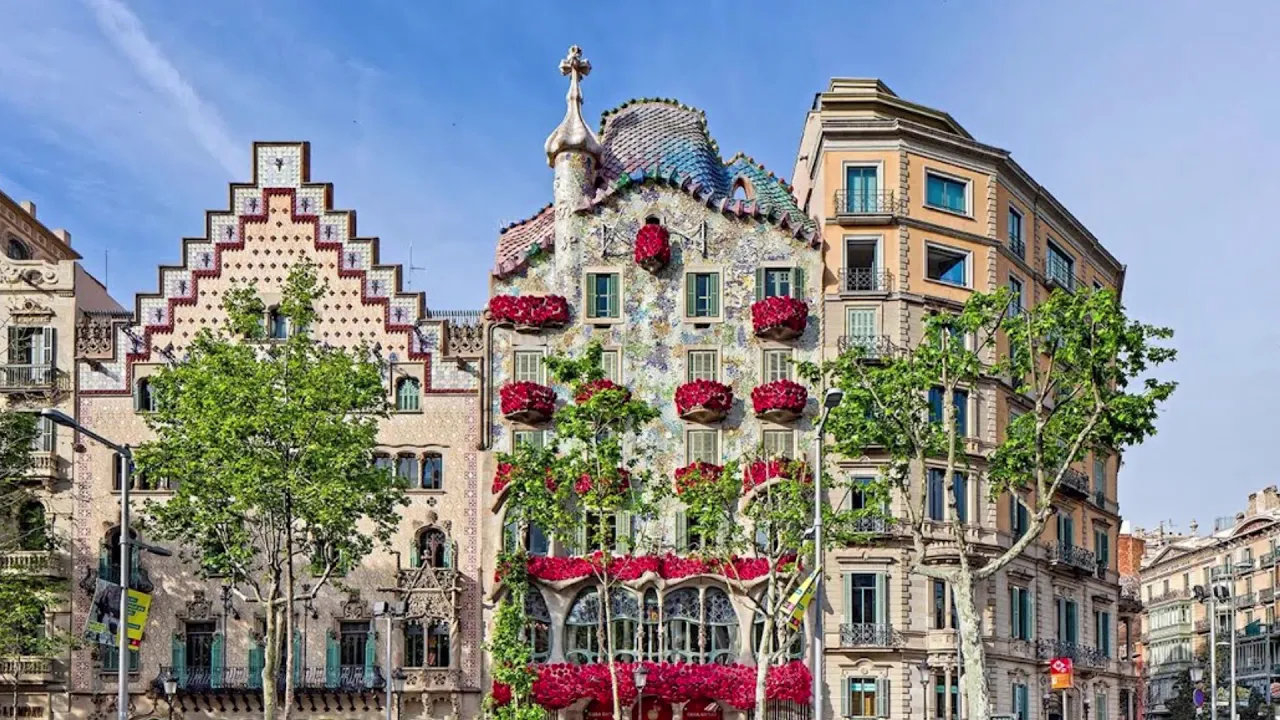




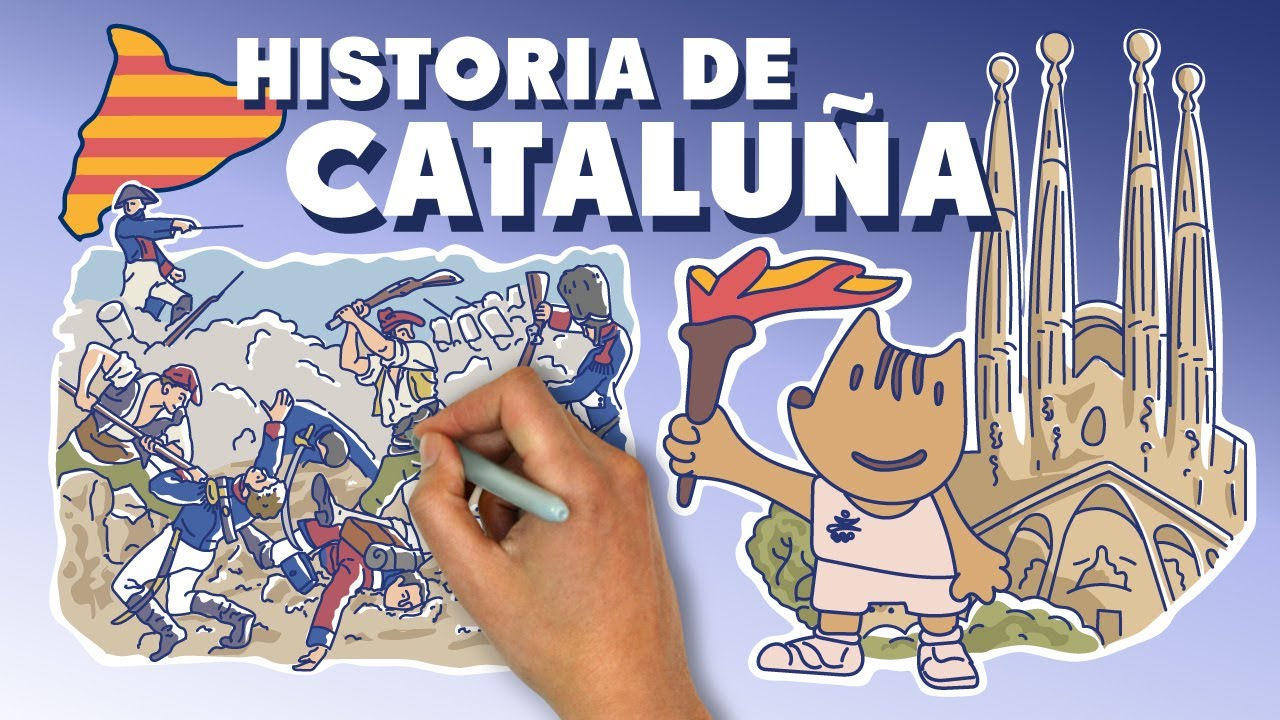



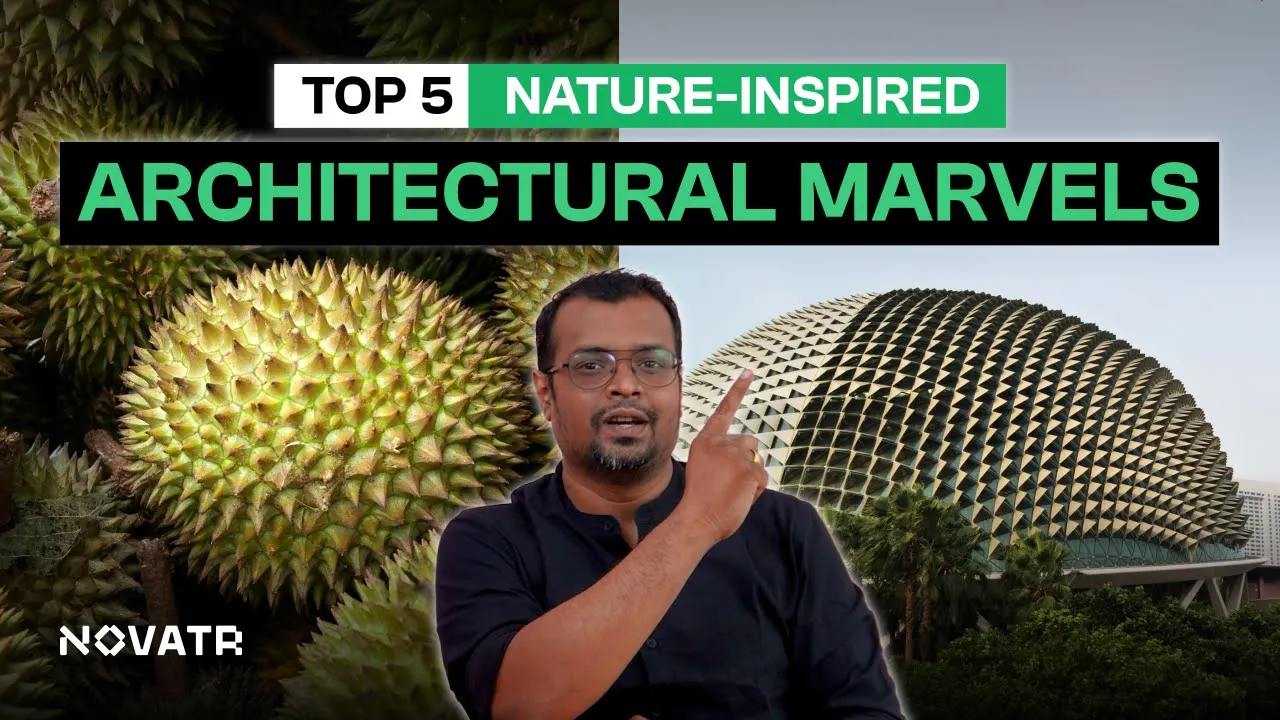





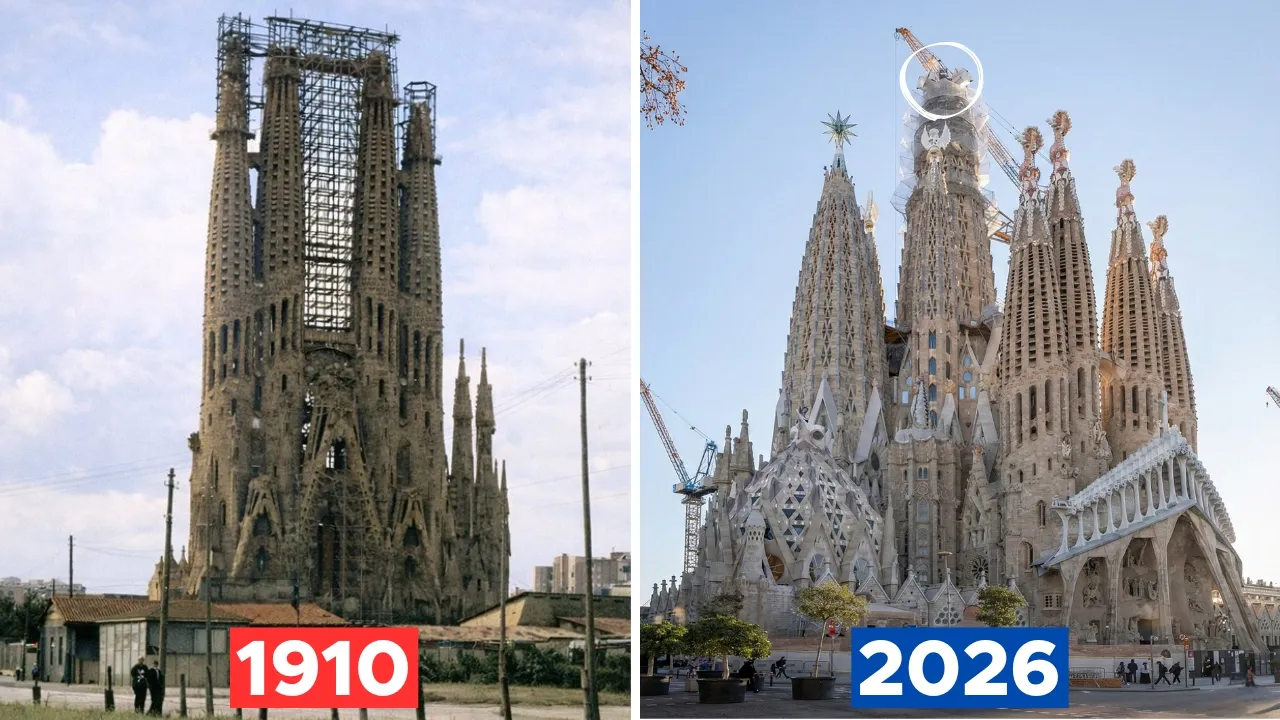
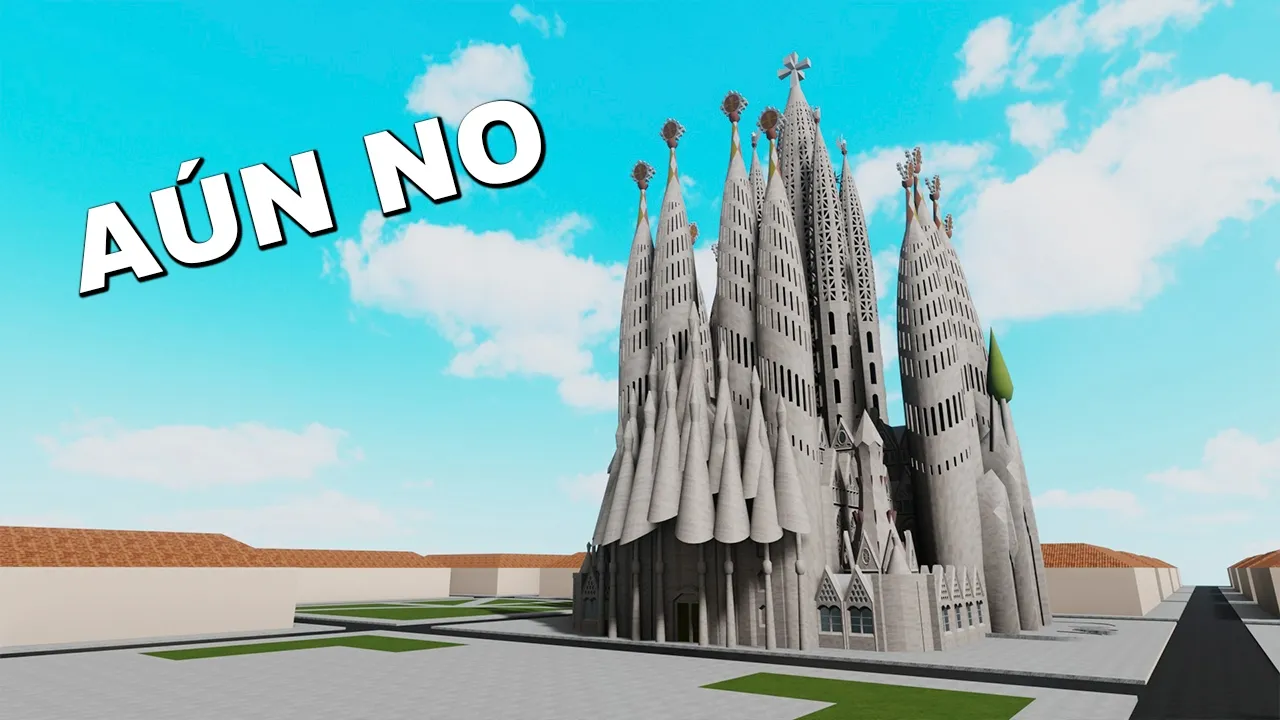


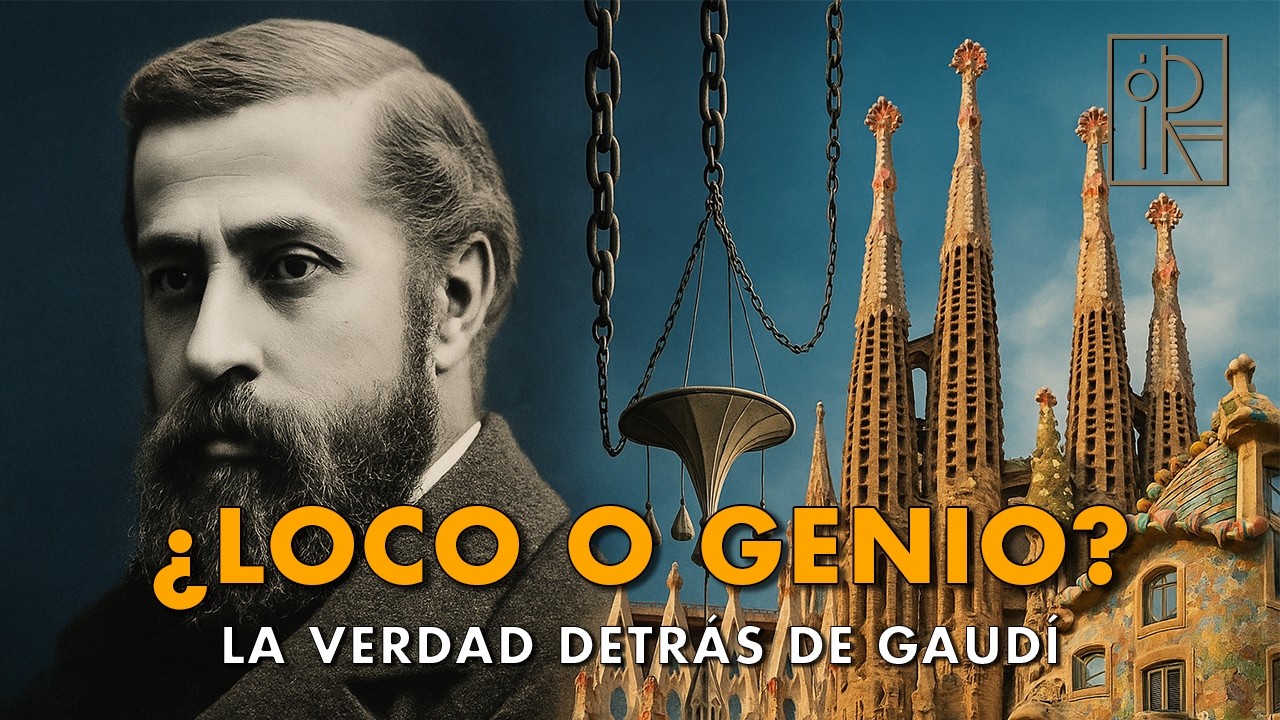



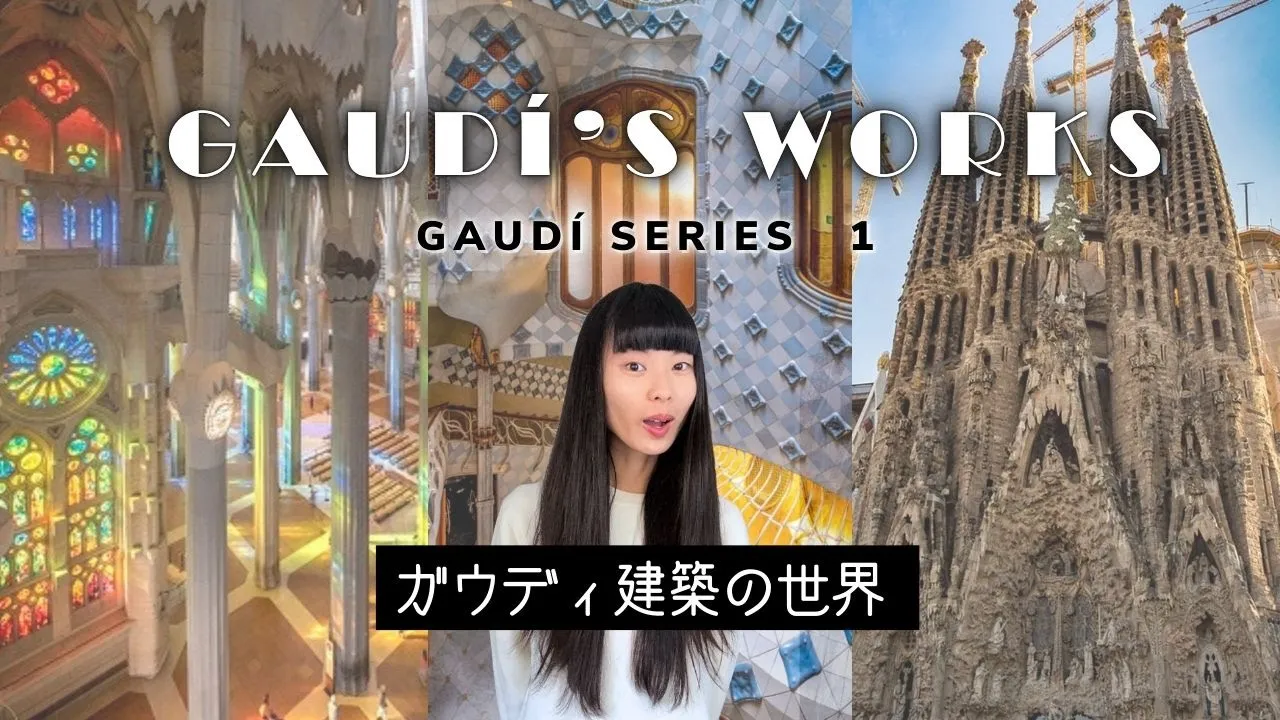
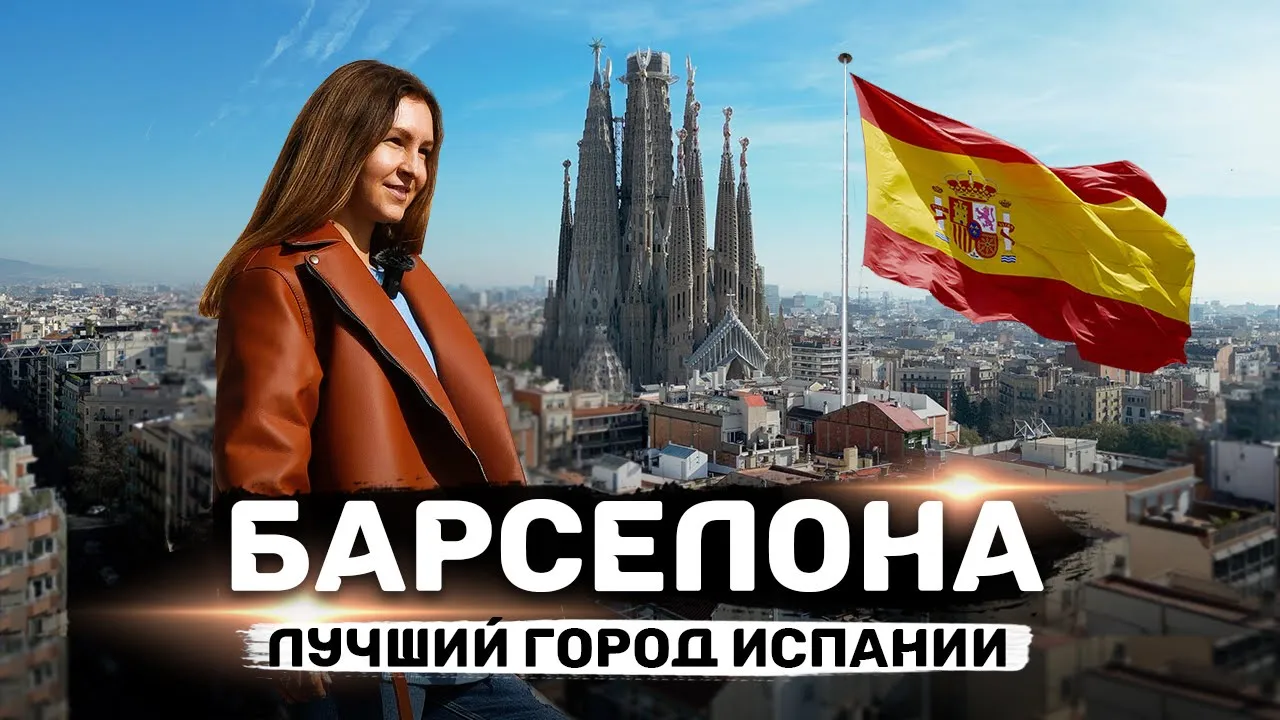
Antoni Gaudí believed that architecture should be inspired by nature, using organic forms and natural principles rather than rigid geometric shapes; he viewed columns as 'stone canes' that naturally incline at angles to carry their own loads, and he designed structures like the Sagrada Família with parabolic arches and star-shaped columns that follow the helical growth patterns found in trees, rejecting what he called 'vertical columns' that need artificial support.
Antoni Gaudí Documentary: The Unfinished Vision of the Sagrada Família
Added:Introduction to Catalan Modernism (Modernisme) and its relationship with the broader Art Nouveau movement in Europe.
Basic principles of structural engineering and organic geometry, particularly the concept of catenary arches and hyperbolic paraboloids.
The historical and religious context of late 19th-century Barcelona, including the Catholic revival and the Renaixença cultural movement.
An understanding of biomimicry in design—specifically how natural forms (trees, bones, shells) can inspire architectural structures.
The application of parametric design and modern CAD/computational technologies used to interpret and complete Gaudí's plaster models.
The ethical and philosophical debates surrounding the preservation versus completion of historic, unfinished architectural monuments.
A comparative analysis of Gaudí's organic architecture with modern biomimetic architects like Santiago Calatrava and Zaha Hadid.
In-depth study of Gaudí's residential and civic masterpieces in Barcelona, such as Casa Milà, Casa Batlló, and Park Güell.
227.5K views1.5Klikes45:23Original Release: 2015-01-22
I [Applause] [Music] for [Laughter] [Music] for [Laughter] [Applause] [Applause] [Music] m [Music] [Applause] [Music] [Applause] [Music] la [Music] is the architect who has Dishonored the city of Barcelona with constructions which have embarrassed all those who place their confidence in him to Crown his Noble career he has got into his head the idea of building a church whose extravagant dimensions are explained by his modest desire to install there the entire Holy Family what is really stup is that people who cannot be ignorant of The Magnificent traditions of their country are about to entrust the house of God to an eccentric the fact is he hasn't the remotest idea of the most Elementary rules of architecture you have only to look at the way he tortures supporting columns to realize that he is in my opinion ignoring all that men have painfully established in the past what are we to think think of those who show wild enthusiasm about a few absurdities which scarcely deserve a mention in a list of [Music] atives in buildings which are perfectly beautiful there is one virtue which seems to be essential and that virtue is discretion but alas Gaudi is hardly ever discreet and thus nearly always fails the more extravagant he becomes the greater are his failures The Works of Antonio gudi above all the great Cathedral seem to me to represent a mistake made by a genius which future architects of the SAG Familia will have to remedy in those awful combinations of stone and wood or iron the stone is humiliated and architecture loses its Unity then his work is ruined made for good afternoon seor G sori I am Miguel Ru Orga ah Miguel you were the young man from Madrid who wanted to see me yes seor no to see my works not me they're more important come on come on [Music] I remember when I was your age I too was just beginning my studies tell me Miguel are you studying art as well as architecture no only architecture Sor you must call me Don Antonio do you know what an architect is an architect is someone who can see the nature of things before they exist someone who knows how to put in order and arrange things in a form that's threedimensional but with feeling feeling is life whenever we go wrong long it's because of the head and the head is only an instrument of control good day Don Antonio good day Anna soup these women with this Mania of theirs for soup go we say have a little more they are the enemies of a good long life because meat and stew attack the kidneys the same as wine attacks the liver I hope that this fruit hasn't been chilled Anna you know how they lose their flavor no seor good good I think I should be leaving Don Antonio if you like tomorrow morning we can pay a long visit here in thewell park you'll find it interesting I look forward to it I'm extremely grateful to have this opportunity of getting to know you the only way of getting to know people is by spending their money and we Architects we always spend other people's money good afternoon Don Antonio [Music] [Music] go [Music] [Applause] [Music] [Applause] [Music] [Music] la [Music] [Applause] [Music] [Applause] my ideas are questionable life my only regret is I [Applause] let [Applause] achiev when my benefactor the count of gell purchased this property it seemed the ideal place because of its perfect location here on the slopes of this bare Mountain I wanted to create a garden village it was to be a suburb entirely on its own to be totally independent between these columns I wanted the marketplace it would sell everything food clothing even toys for the children and above this ceiling I wanted a big Square for the children to play and for the people to dance in at Fiesta time I used to get pieces of broken tile they were going to throw out of the factory to get a great variety of color because nothing in nature is all one color no plant or Rock animal or Earth is all one color all is [Music] contrast [Music] [Music] [Music] other books have [Music] sprung there have been two Revelations one the doctrine of morals and religion the others the great the [Music] [Music] AR [Music] haven't you noticed that when a man leans on a cane he inclines it at an angle these columns are like Stone canes our problem was to find the right degree of inclination the right degree depends on the amount of work each column has to do each one one has to carry its own load vertical columns are bogus they need crutches to support them you won't find them anywhere in nature nature is God's architecture my columns don't need support but Don Antonio why has the work been stopped what you see here now is the work of 14 years then the count of well died as you know it was his faith his great generosity which made my work possible unfinished it's all unfinished the first geometry is that of the Egyptian pyramid its section is the right angle triangle of measurement which fa the third Landmark is Newton with his binomial which gives not only the circle but also the hyperbola and the parabola [Music] w [Music] [Applause] this is the Crypt that uh was to be the first of a series of cathedrals an architect should not be vague geometry is his language with geometry he must find the right form for each use with the exact shape to give it its character it's only the engineer who uses one form for everything the architect is distinguished from the structural engineer by virtue of making the construction Superior spiritually or destined for Divinity as it were also partaking of this superiority is the house or construction destined for man which to be complete has to have a place dedicated to God and this is not new with Christianity since all Pagan peoples have places dedicated to their gods regiment one passes imperceptibly from one to the other I felt a need to create a new setting for the church something more natural without the formality of straight lines and so I decided on this the parabolic arch see how it unites and links everything together it is the father it is supreme St Peter's Church in Rome and the ctin chapel are nothing more than the work of decorators not [Music] architects [Music] he says that is beauty Bea is radi of Truth there in order to mo one must stud things in [Applause] [Music] [Applause] [Music] [Music] dep [Applause] [Music] [Music] ha [Music] [Applause] [Music] light is the mother of all visual art contrast and color color and Light but always contrast now this building is not mine it was already built when I was asked to change its appearance I used architects who were at the same time artists and together we tried to combine Rhythm and color both inside and out [Music] [Music] the painter interprets an object through color the sculpture through shape but the architect he must create the project [Music] itself my first idea was to make a double ramp to allow people to keep their motor cars in the basement of the building but the ramp took up too much space as for the building itself I made use of clean geometric lines lines that are free free from [Music] ornamentation ornamentation is to architecture what meter and rhyme are to poetry you'll see what I [Applause] [Music] [Applause] mean roofs have always interested me here you have only the sky behind you all these shapes and forms that you can see around you are something more than just ornaments they have a practical use they release Air and smoke they help the building to breezee I have a deep understanding of space because I come from a long line of copper Smiths and of sailors and sailors too are people of space as also are copper Smiths because before they can fashion their metal they have to visualize the space all of these ancestors of mine shaped me you see the ability to visualize things in space is something not everyone can [Music] possess [Music] the [Music] a [Music] a [Music] [Applause] [Music] [Music] [Applause] [Music] what building is only what it needs is his character and dignity which is the same thing ornamentation has been is will be nature does not present us with any object of totally respect not in vegetation not in [Music] GE [Applause] [Music] [Applause] [Music] if you look over there you will see the [Music] to [Music] [Applause] [Music] [Applause] [Music] [Applause] [Music] [Applause] this is the great route the Mediterranean the light of the med Mediterranean possesses great Harmony because it falls neither horizontally nor vertically but at an angle of 45° now in Northern countries they have a sad horizontal light and in the tropics a harsh severe light which is vertical and it is for this reason that I believe that architecture is Mediterranean and because of this I think we are first cousins to the Greeks and to the Italian and you will remember that Don kote only recovers his reason after reaching the shores of the Mediterranean but observe that he refused to go on living after he recovered his sanity the more scientific a man the more useless he is science is analysis and Analysis is death since a dissection is always carried out on things which are dead science is like some immense block of me immovable and you must realize it is only art which can transform it and make it available to everyone Don Antonio what is it Edwardo there have been criticisms about your designs for the sagada Familia the critics think that um that I'm a revolutionary well the majority of critics are artists that are frustrated they lack Talent OR courage you listen to them and you're lost I am no revolutionary I am a traditionalist originally this church was not my project when I was commissioned to continue construction I modified as far as possible the project they had initiated adopting ideas I'd had during my days as a student do you know what was my inspiration there through that window a tree the trunk sustains the branches and leaves without other elements of support who ever saw a tree with buttresses everything in Balance everything in harmony because it goes back to the origin of things understanding this you will also understand that originality is a return to the origin this you will never learn in school there you will learn only discipline and Analysis and plenty of text people who want everything explained by books are like people who go to a chemist and ask him give me something to take with my breakfast and something else to take with my supper the man who has to build to make things should never criticize The Works of others or praise his own there is nothing unusable nothing that can't be used for [Applause] bre son Antonio could you spare a moment of course Pepe what is your trouble well I can't solve the problem of the design of this seat I see can we have a look well I can't get the right shape to fit this bench of yours here that plaster is it still wet yes it's still soft good now take some and pour it right here until it's level with the back that is it now let your trousers fall down and sit in the plaster you will find that once it is hardened you will have the exact form of a seat Pedro y pleasing Don Antonio oh he just around there right thanks Don Antonio may I speak with you for a moment I I finished the rose no no that is not what I wanted where is the style where is the personality it says nothing about the artist who did it nothing nothing now just look for example here more angular in The Cutting to bring out the pure design of the flower give it your signature your style you may have noticed the statues on the front of this church I have adopted a simple method for obtaining the true form of the body that which is taken from the skeleton you know that the skeleton of the male differs in proportions from that of the female the question is to see the body from various angles but from one position fixed I used a system of mirrors to observe the form in various positions and then took photographs of all the angles from right there from where you're standing now it is the skeleton which controls the movement through a series of small levers which act on the muscles as though they were Motors one moment please good afternoon father good afternoon Don Antonio I took the liberty of bringing along these very kind people who have come from America they are very eager to see the SAG Familia Welcome to our Cathedral of the poor if I can be of any help these four Towers will rise to a height of 550 ft there will be 12 Towers eventually each one representing an apostle the design of the towers I took from the Stars themselves what I mean is that stars move in an orbit that is the path of their equilibrium therefore they rotate on themselves in a manner that makes their movement helicoidal these Columns of the SAG Familia follow a bundle of forces that is their balance they are generated by a star-shaped section that rotates as it slides upwards this also occurs in the trunks of trees the theory is quite an old one senori what do you think it will cost when it's all finished I don't know I won't be here by then so I cannot tell you but it will cost much in sacrifice this church must be enriched by sacrifice if it is not it will never be completed but this sacrifice you speak of will it mean suffering everyone has to suffer the only ones who do not suffer are the dead a man who doesn't want to suffer wants to die I have no hopes to finish my church not unless God decides to give me Perpetual life no I don't plan to finish it I leave that to Future Architects I want to build a church where everyone will find something of his own The Peasants the animals of the farm the scientists the stars and their paths the holy men the life of [Music] Jesus [Music] a [Music] n [Music] done Antonio I'm most grateful to you for letting me have not only your time but your ideas ideas I've never had very much time for ideas as I am always working what are your future projects you ask me about things which I do not know things which have no conrete form you must forgive my shortcomings like everything human I'm incomplete well until the next time we meet Miguel [Music] [Applause] [Music] [Applause] [Music] [Applause] the [Music] [Music] [Applause] [Music] a [Applause] [Music] [Music] oh
Up Next

13:20
SoHo Cast Iron District: Architectural Walking Tour NYC
@Archdigest
390.5K views•2023-03-16

12:54
Triumph of Orthodoxy Icon: Byzantine Art & History Explained
@BenCallan
2.1K views•2024-08-06

9:49
FastAPI vs Flask vs Django: Choosing the Right Python Web Framework
@TechWithTim
302.5K views•2024-05-26

1:42
Game of Thrones Opening Credits: A Cinematic Analysis
@gameofthrones
46.3M views•2011-04-18
Related Study Plans & Knowledge Roadmaps
Structured learning paths in General & Interdisciplinary Studies
general-studies
Elevator Engineering: History, Physics & Cities
01From Hoists to Safety Brakes: The Dawn of Vertical Lift
02Hydraulic vs. Traction: The Engineering Physics of Elevators
03Modern Speed, Safety, and Algorithms
+ 2 more learning modules
12h5 modules
Explore Roadmap
general-studies
Rubber: Material Science, History & Geopolitics
01Origins of Natural Rubber & Mesoamerican History
02The Chemistry of Natural Rubber & Vulcanization
03The Geopolitics of the Rubber Boom & Colonization
+ 2 more learning modules
12h5 modules
Explore Roadmap
general-studies
Containerization: Evolution, Logistics & Trade
01Ancient Trade & Bulk Cargo: Amphorae to Barrels
02The Industrial Revolution & Cardboard Packaging
03The Containerization Revolution: Malcom McLean
+ 2 more learning modules
12h5 modules
Explore Roadmap
general-studies
Textile Tech: Evolution, Labor & Global Impact
01Pre-Industrial Textiles: Handloom & Cottage Industry
02Mechanization: The Spinning Jenny to the Power Loom
03The Factory System & Global Labor Transformation
+ 2 more learning modules
10h5 modules
Explore Roadmap