
![[CHARLA] Crísis ecológica y sostenimiento de la vida](https://i.ytimg.com/vi/q9Z6_5vWt9s/maxresdefault.jpg)









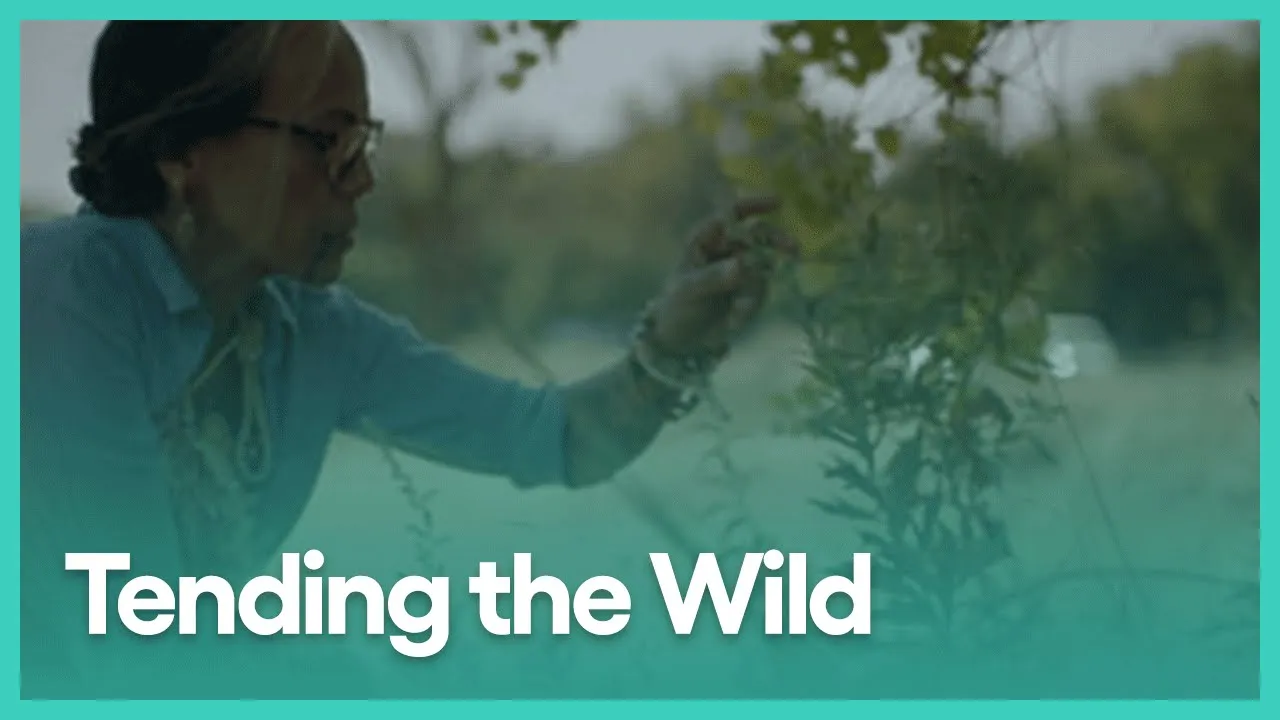






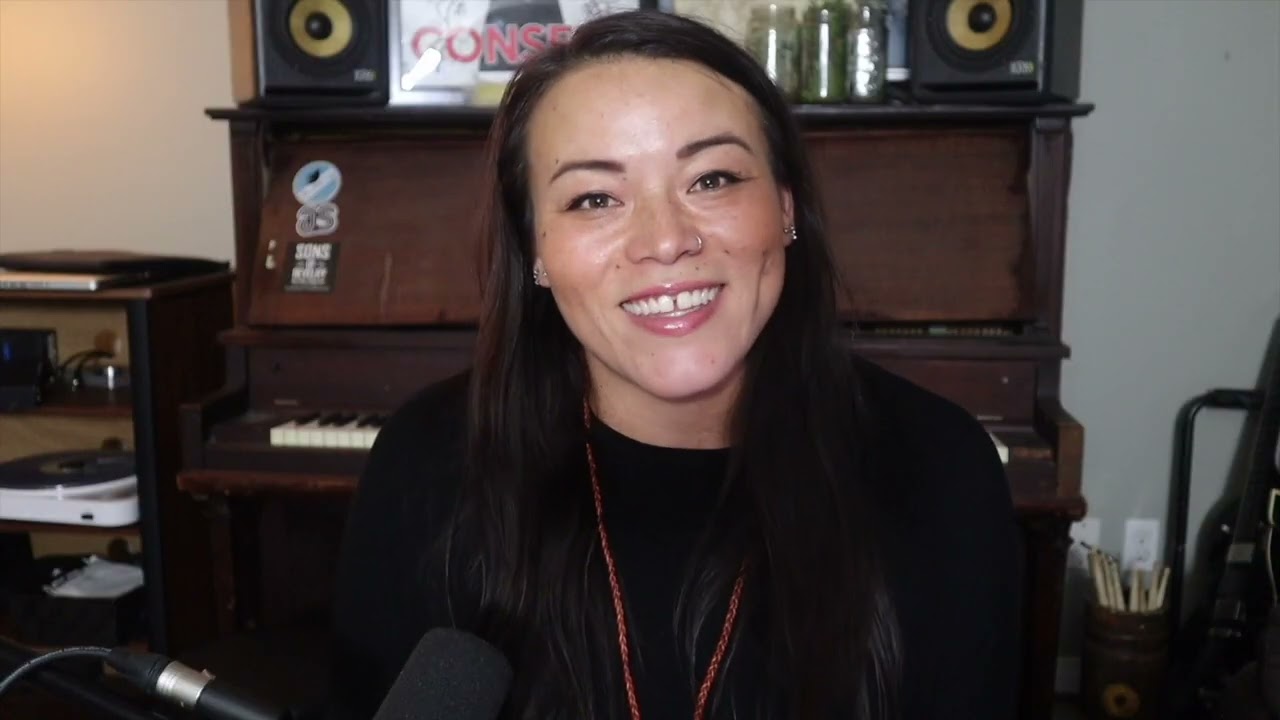

The colonization of the Americas systematically destroyed indigenous food systems through the eradication of traditional food sources like bison and fish, forcing Native peoples onto government rations that created dependency on processed foods like fry bread; this dietary disruption has contributed to severe health disparities among Native populations, including high rates of obesity and diabetes, but returning to traditional indigenous diets through food sovereignty can heal both physical and spiritual connections to the land and restore ancestral wisdom.
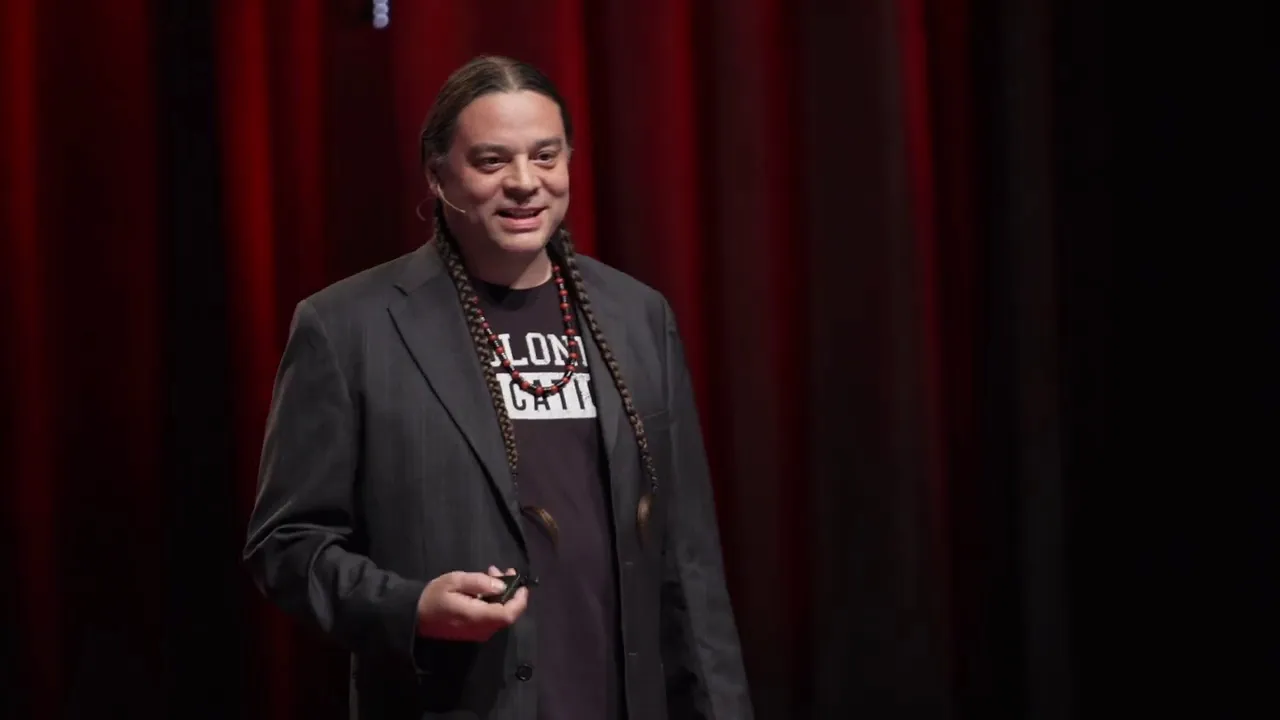
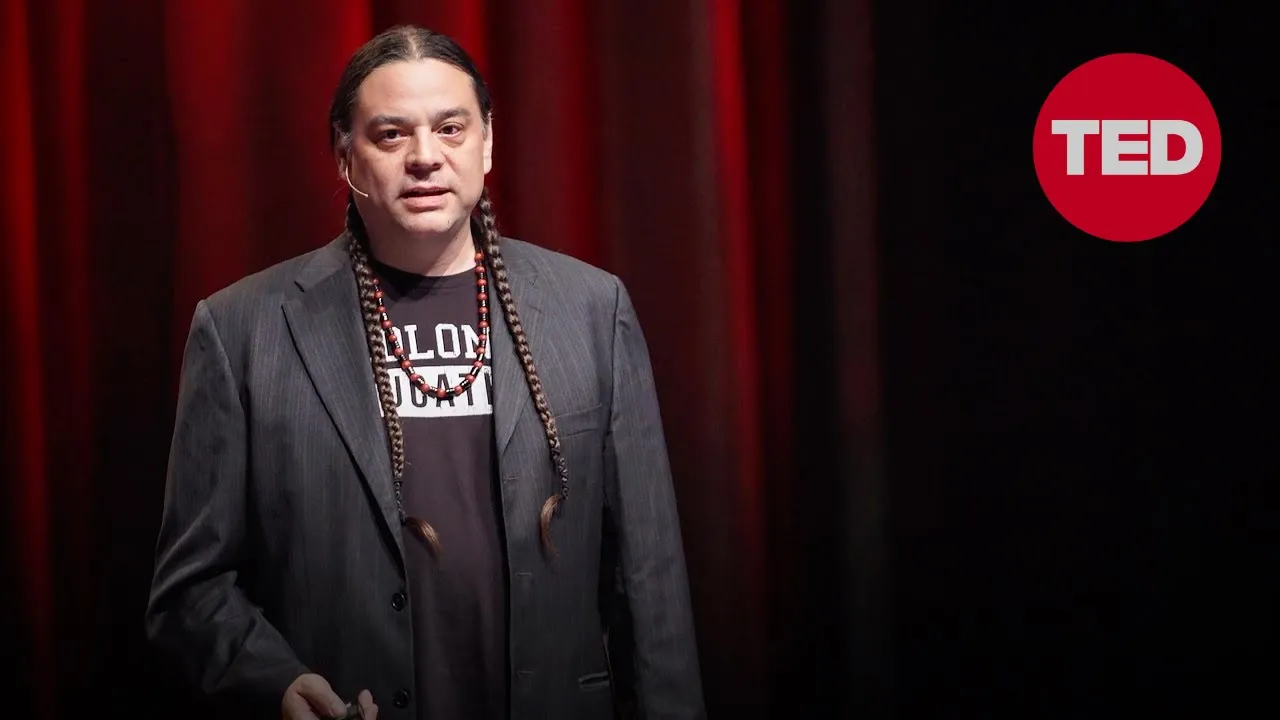
Food Sovereignty and Indigenous Health | Mariah Gladstone | TEDx
Added:The distinction between food security (access to sufficient, safe food) and food sovereignty (the right of communities to control their own food and agricultural systems).
The historical context of colonization in North America, specifically how forced relocation, land dispossession, and the reservation system severed Indigenous peoples' connection to their traditional food sources.
The nutritional implications of the shift from biodiverse, whole-food traditional diets to refined commodity foods (e.g., flour, sugar, lard) provided by government rations.
The ecological significance of keystone species, such as the American bison, in sustaining both North American grassland ecosystems and Indigenous cultures.
The study of Traditional Ecological Knowledge (TEK) and how integrating Native agricultural practices can combat modern soil degradation and climate change.
Analysis of legal and policy frameworks, such as treaty rights and the U.S. Farm Bill, that impact tribal sovereignty over hunting, fishing, and agricultural land.
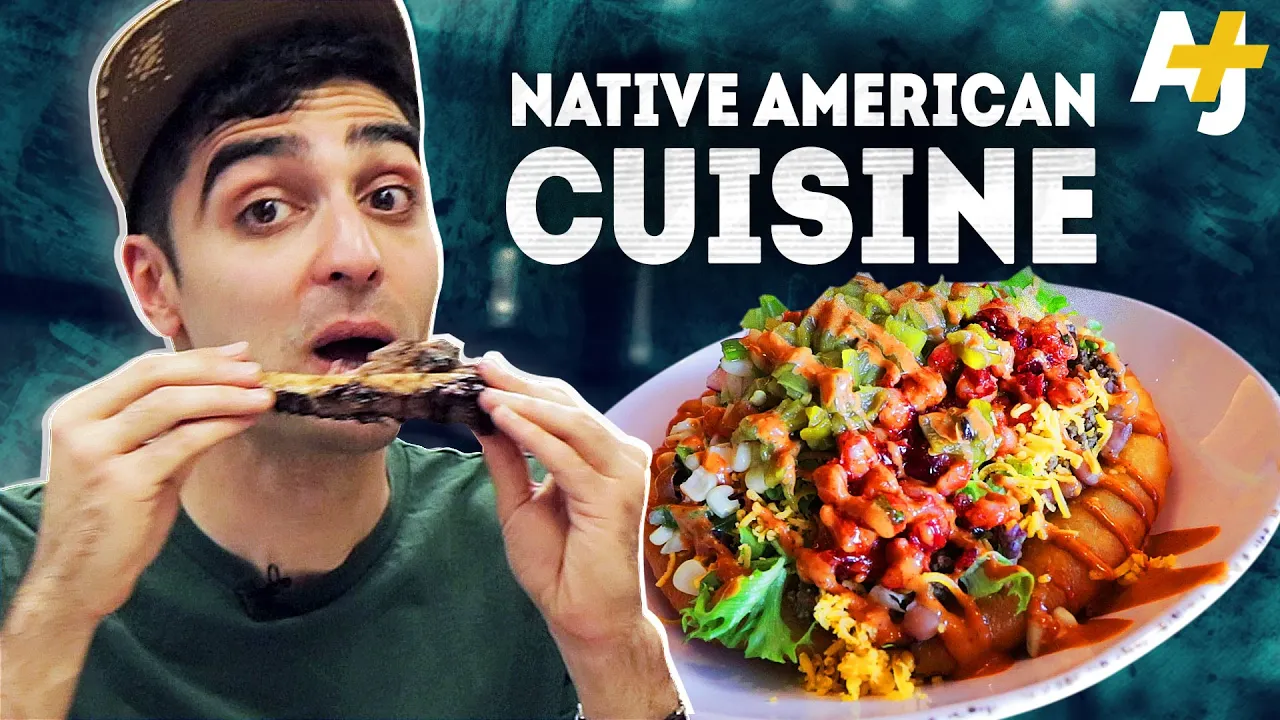
Real-world models of decolonized dietetics, such as the work of Native chefs and organizations revitalizing Indigenous culinary traditions and food systems.
The connection between food sovereignty movements and broader environmental justice efforts, such as the 'Land Back' movement and watershed protection.
32.2K views569likes7:30Original Release: 2017-06-13
Translator: Rhonda Jacobs Reviewer: Ellen Maloney I'm going to talk to you guys about the colonization of the Americas.
Now, when we talk about this, we normally talk about Columbus, and small pox, and Indian wars, and broken treaties, and reservations... I don't want to talk about that stuff.
I want to talk about the colonization of food.
We rarely hear about the systematic eradication of the bison as a means to starve Natives.
And we hardly ever hear about how the damming of rivers cut fish from the diets of upstream tribes.
And we rarely hear about the movement of nomadic, hunter-gatherer people into farming communities on arid, unfarmable land.
By the late 1800s, most Western tribes were 100 percent dependent on government rations.
Government rations turned into the commodity food programming, issuing a limited number of staples like flour, sugar, lard - thus was born fry bread.
Delicious!
And absolutely devastating to Native people.
To be clear, this was a radical shift from our traditional diets.
As a Blackfeet person, my people have lived in Montana for over 12,000 years.
We thrived on things that come from the land.
Before the decimation of the bison populations, the average Blackfeet man consumed seven and a half pounds of bison per day.
Keep in mind that this was measured in fresh meat weight, and we were consuming it dried.
Nevertheless, our diets were 90 percent meat.
And though supplemented by roots and berries, our bodies evolved to digest protein-rich foods.
We were able to store fat for a slow burn later.
In times of food uncertainty, this was beneficial; now, it's dangerous.
Studies have consistently shown that Native people are facing sky-high levels of obesity, malnutrition, and the diseases that accompany them.
The CDC estimates that one in every two Native children born today will develop type 2 diabetes in their lifetime.
That's 50 percent.
The life expectancy for Native people is 20 years less than the general population.
No longer can we blame Indian wars and small pox.
Now, a lot of our health problems are stemming from our diets.
Indian nations around the country are asking themselves, How do we fix this?
The solution lies in food sovereignty, and the re-indiginization of our diets.
Food sovereignty, if you're not aware, is the right of people to healthy, affordable and culturally appropriate food, harvested through ecologically sound and sustainable methods.
To give you an idea of the type of problem this is, let me tell you about my home.
I'm from the Blackfeet Reservation, next to Glacier National Park.
It's an area about a million and a half acres - it's about the size of Delaware, for comparison.
In that space, there are two grocery stores that carry fresh fruits and vegetables, both located in the same town.
In most places, it's a lot easier to find a bag of chips or a can of spam than it is to find "healthy" food.
We've been on this land for over 12,000 years, and my community struggles to feed itself.
In the words of Anishinaabe activist, Winona LaDuke, "How can we call ourselves sovereign if we can't feed ourselves?"
What's amazing, is that all of the foods that my people traditionally ate are still accessible, and healthy.
The problem is that we don't talk about it.
Just what is traditional food anyway?
What classifies as pre-contact?
Well, obviously, Native people had meat.
Bison, moose, elk, deer, fish, squirrels.
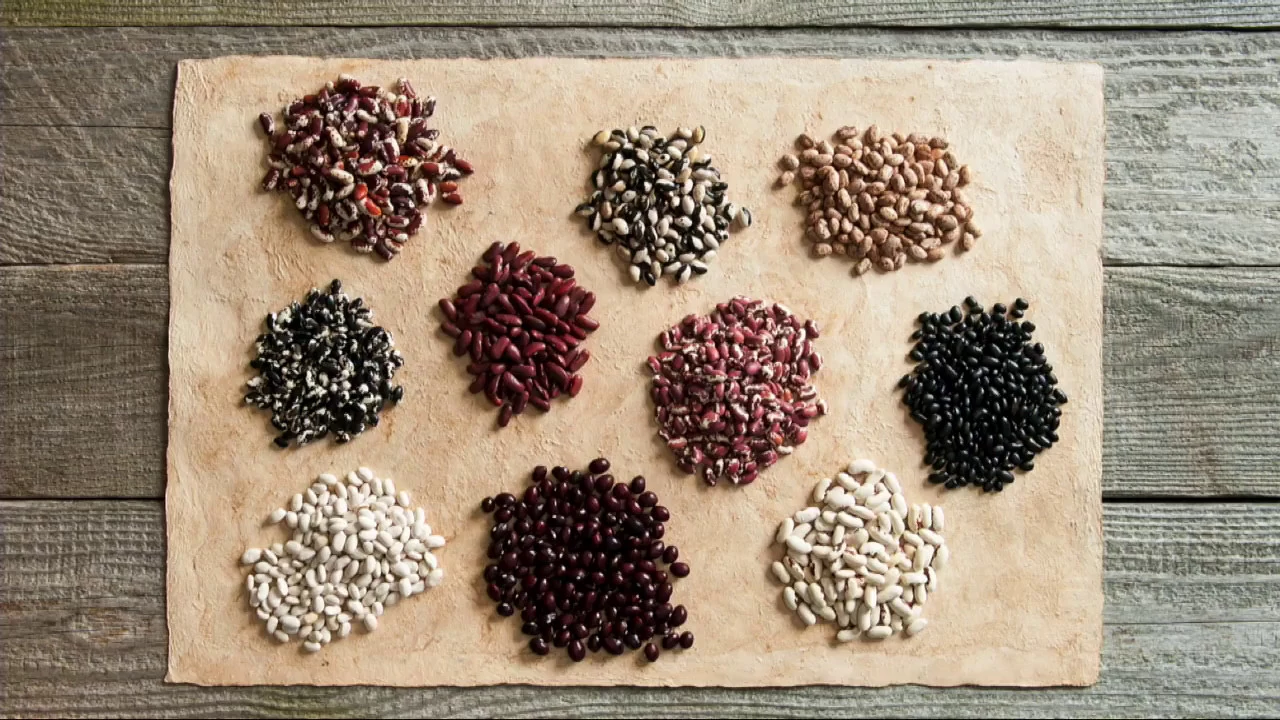
For farming tribes, there were the three sisters: corn, beans, squash, as well as tomatoes, sunflowers, wild rice.
Most Indian nations also supplemented their diet with roots, berries and nuts - all of these foods, and we don't know what to do with them.
To combat this problem, I started an online cooking show called Indigikitchen - a linguistic blend of 'indigenous,' 'digital,' and 'kitchen.'
The goal is to get Native, and hopefully non-Native, people, excited about food sovereignty and indigenous foods.
It shouldn't be too hard, after all, Paleo diets are already popular among everyone from CrossFit bros to hippies.
(Laughter) Pre-contact eating is just locavore Paleo, anyone can do it.
It's no secret that your body fares better when you avoid processed foods.
Preservatives are meant to keep foods from breaking down on the shelf, and our bodies require extra energy to digest that in our stomachs.
That's energy denied to the rest of our beings - our brains, our muscles, our organs.
Ultimately, your body fares better, physically, when it switches to an indigenous-based diet.
Don't get me wrong, I don't mean to imply that traditional foods from other continents are not healthy, but there is an additional spiritual aspect to Native people eating the foods of our ancestors.
Native people recognized their dependency on the cycle of the earth, and our diets consequently reflected that.
Harvest ceremonies were done, songs were sung, dances were danced, and thanks were given to every life form that gave up its own life in order to nurture our existence.
Ultimately, we can strengthen the health of individuals, families, communities, villages and nations by decolonizing our diets.
Ultimately, this strengthens the relationship to the spiritual tie to Mother Earth.
For Native people, re-indiginizing your diet recognizes the wisdom of our ancestors as well as seeing the inherent value of our identities.
For non-Native people, adopting an indigenous diet recognizes the thousands of years of civilization that have come before, and the contributions of indigenous peoples.
Together, indigenous diets help allow for a stronger, more elevated lifestyle, both physically and spiritually.
So the next time you sit down to eat, think about where your food came from.
How far did it travel to reach your plate?
Would your ancestors recognize it as food?
And most importantly, will it nourish you, both physically and spiritually?
The true measure of wealth is by health, so eat for longevity, and restore the spiritual tie to real food.
(Applause)
Up Next
25:16
Why We Avoid Stone Wool Insulation: Phenol-Formaldehyde Risks
@BuildingABetterWay
136.4K views•2025-02-15

12:54
Triumph of Orthodoxy Icon: Byzantine Art & History Explained
@BenCallan
2.1K views•2024-08-06

11:43
Indigenous Astronomy: Rethinking Space Ethics | Karlie Noon TEDx
@TEDx
15.1K views•2025-11-30

1:42
Game of Thrones Opening Credits: A Cinematic Analysis
@gameofthrones
46.3M views•2011-04-18
Related Study Plans & Knowledge Roadmaps
Structured learning paths in General & Interdisciplinary Studies
general-studies
Elevator Engineering: History, Physics & Cities
01From Hoists to Safety Brakes: The Dawn of Vertical Lift
02Hydraulic vs. Traction: The Engineering Physics of Elevators
03Modern Speed, Safety, and Algorithms
+ 2 more learning modules
12h5 modules
Explore Roadmap
general-studies
Rubber: Material Science, History & Geopolitics
01Origins of Natural Rubber & Mesoamerican History
02The Chemistry of Natural Rubber & Vulcanization
03The Geopolitics of the Rubber Boom & Colonization
+ 2 more learning modules
12h5 modules
Explore Roadmap
general-studies
Containerization: Evolution, Logistics & Trade
01Ancient Trade & Bulk Cargo: Amphorae to Barrels
02The Industrial Revolution & Cardboard Packaging
03The Containerization Revolution: Malcom McLean
+ 2 more learning modules
12h5 modules
Explore Roadmap
general-studies
Textile Tech: Evolution, Labor & Global Impact
01Pre-Industrial Textiles: Handloom & Cottage Industry
02Mechanization: The Spinning Jenny to the Power Loom
03The Factory System & Global Labor Transformation
+ 2 more learning modules
10h5 modules
Explore Roadmap