



















Rock wool (stonewool) insulation, despite being widely used in construction for its fire-resistant properties, contains phenol formaldehyde (a known carcinogen and teratogen) as a binding agent, and contrary to manufacturer claims, it is highly hydrophilic (water-absorbing), making it unsuitable for exterior applications and potentially harmful to occupants through off-gassing; healthier alternatives like fiberglass insulation exist that do not contain these toxic chemicals.
Why We Avoid Stone Wool Insulation: Phenol-Formaldehyde Risks
Added:Basic composition and manufacturing of mineral wool insulation (stone wool vs. glass wool).
Fundamental concepts of toxicology, including Volatile Organic Compounds (VOCs) and indoor air quality standards.
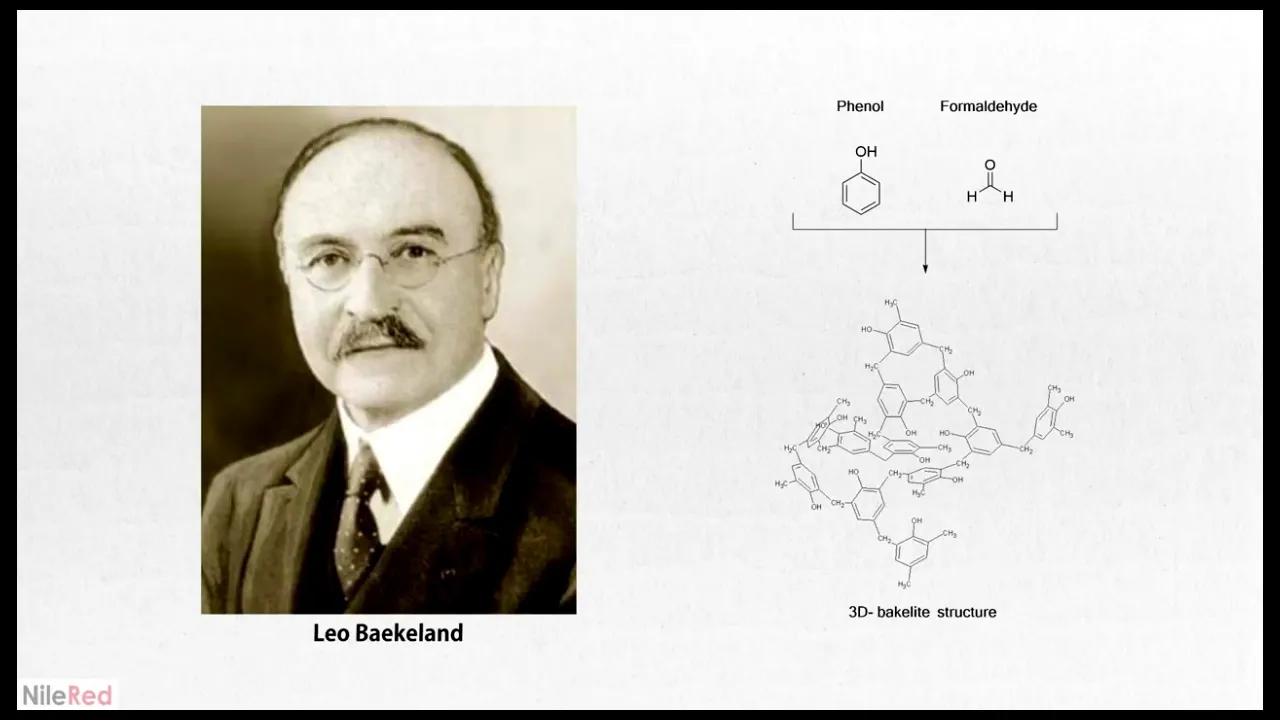
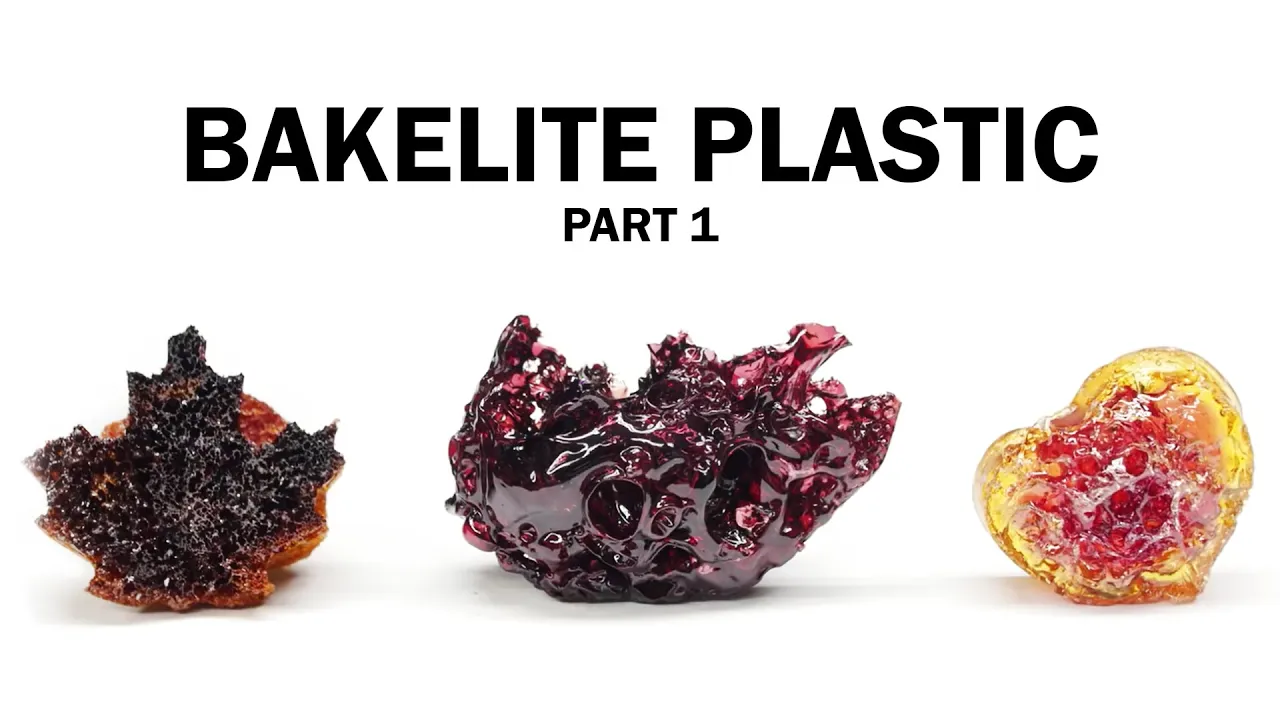
The chemical nature of phenol-formaldehyde resins and their historical use as industrial binders.
Basic building physics, specifically thermal resistance (R-value) and the impact of moisture on insulation performance.
Comparative analysis of eco-friendly insulation alternatives such as wood fiber, hemp, sheep's wool, and cellulose.
Advanced vapor barrier design and moisture management strategies in building envelopes to prevent mold and decay.
Green building certification standards (e.g., LEED, Living Building Challenge Red List, and Declare labels) for material safety.
Life Cycle Assessments (LCA) of building materials, examining embodied carbon and end-of-life disposal risks.
136.4K views3.8Klikes25:16Original Release: 2025-02-15
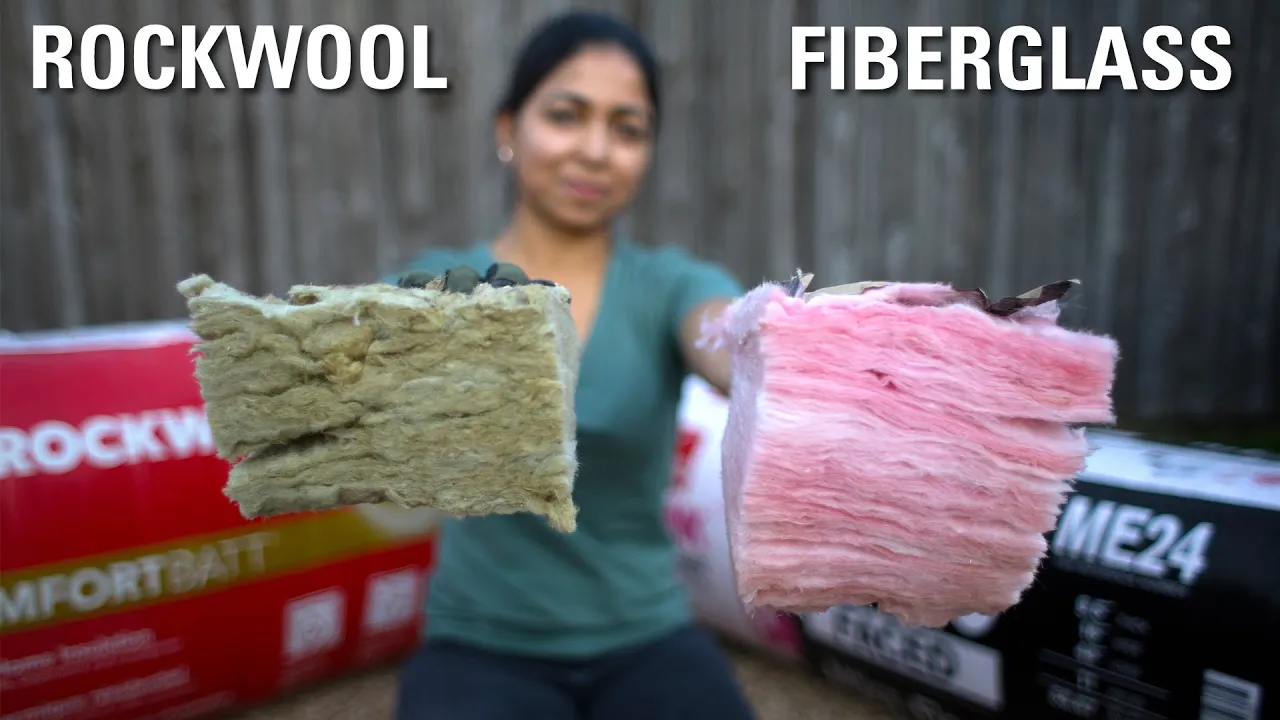
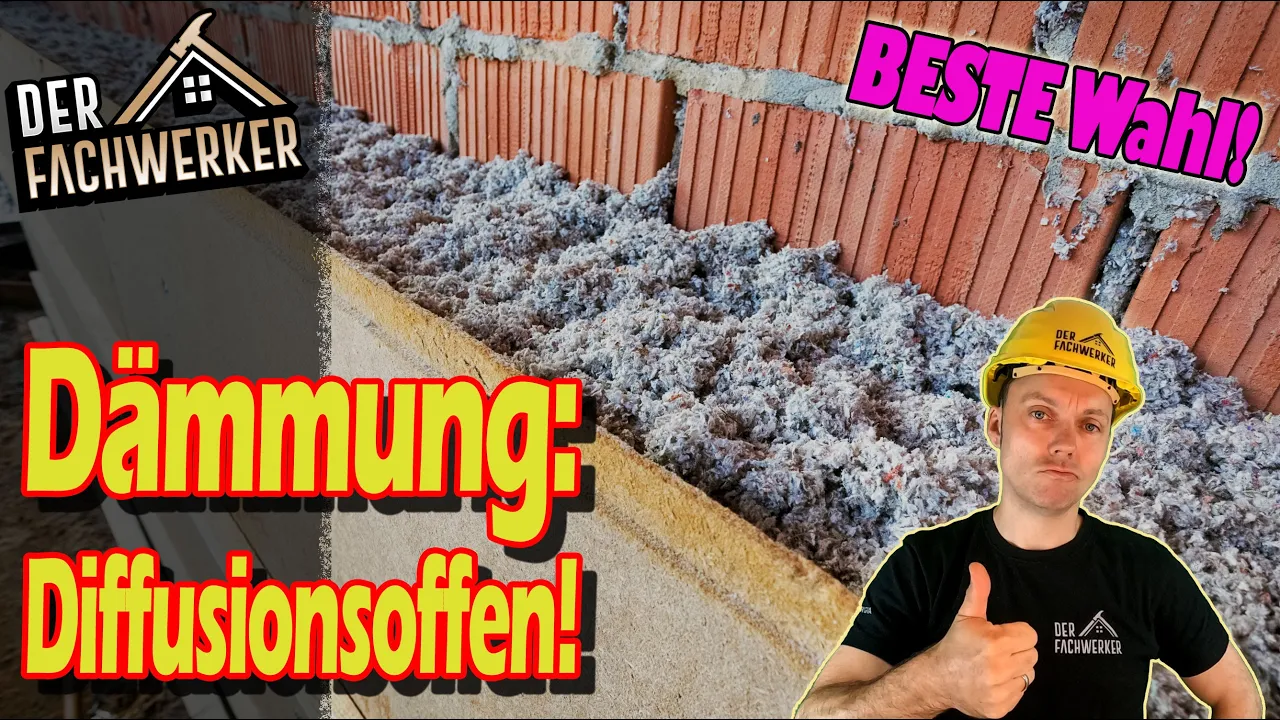
as a homebuilder a biochemist and an environmentalist I have a lot of expectations for the projects we build I want our projects to last a long time I want them to be architecturally beautiful I want them to be super efficient but also super healthy I want them to take care of our clients and nurture them without ever causing them to be sick or ill what happens if we have a material that is really common in our industry but doesn't meet any of those needs in fact it could actually do the opposite well that's what I'm going to talk about in this video unfortunately that material is Stonewall another name for stonewool is rock wool which is the main manufacturer in this industry and you see that stonewool is actually being used a lot in projects from exterior insulation to Interior insulation from acoustic insulation it's everywhere in fact what we see when we see rock wool and ston wool is a material that has really pervaded the entire industry now how did it do that well you see rock wall all over the place and Stonewall again is a common name and it's not just rock wool that makes it it's also John's Mansville and roxil and really all of the big in insulation companies now they all produce this rock wool which is a stone basal so that material is actually volcanic rock and they heat it up and then they spin it out um kind of like fiberglass and they make a a bat material and that bat material has this kind of woven fibers that look just like this and that material when it's heated up it makes this a material that as you can imagine if it comes from volcanic rock it's actually probably really good for you and not at all flammable and that's what we see we see that it is not flammable at all but they're really good for you part well we're going to talk about that in a minute this non-flammable material that's great we just got done watching a lot of California and specifically Los Angeles burn so flammability is really important to us we make have to make sure that we're building fireproof materials and as we said earlier this rock wo is used all over the place it's used as exterior insulation as you can see in this figure right here and it also is used as interior insulation right here on the insides of the walls where it's freely exchanging air with the inside of the house it's also used on basement retaining walls as an insulation to insulate that concrete basement and that's really a good use of an insulation material is to make sure that your basements are warm and dry and I literally use rock wool on my own house and This Is Us building that house and using rock wool and big stack of rock wool that I was going to use throughout that house but then I was at one of my jobs and I saw that uh there was a piece of rock wool on the ground and it was sitting in a puddle and it was soaking wet like soaking wet it had leeched all of the water up or sucked all the water up and it was soaking wet you pick it up it weighs about 4 lbs and you can squeeze all the water out of it and I'm sitting here going this is an insallation that is routinely advertised as being hydrophobic meaning water hating but it's actually not in fact it absorbs water very cleanly and we'll talk about that in a minute as well I got so worried about the materiality of that that I actually ripped it out of my entire house and replaced it with that actually came as a significant cost to me but I was actually really glad I did and here's why so first of all roxell has done a really good job of getting to a lot of different places and some of these organizations that I'm actually really excited about and are I strongly support their missions like the passive House Academy passive House Network California passive house and the passive house accelerator are all sponsored by Rockwell they even a big topic from This Old House which is a TV show I used to watch all the time when I was young they're a big promoter of passive house and as an insulation company they should be so what's my problem well besides the fact that it absorbs water which is a big insulation especially it's on the outside of your house they have what's called pheno from Malahide in them and pheno from aldhy is a glue that most fiberglass uh insulation companies have actually long ago dispelled of because they got a bunch of of bad publicity for having phenol from Malahide in them and they were um basically forced by market pressures to get rid of all the pheno from alides so now you'll see all of the fiberglass insulation companies or most of the fiberglass insulation companies say no from alahh well the stone wool industry has not gotten that memo and if you see here and this is a website I really love it's called informed and informed gives you these Guides of all these different types of building materials and in their insulation guide they actually promote uh falahi free mineral wool which is also another way word for stone wool which is what rock wool is uh bats and boards and I totally agree in in the right circumstances in the right usage rock wool and stone walls will be fine material but you also see that down here they have standard mineral wool bats and Boards now what does standard mean well it means that the majority of the Manu facturers are using the standard method which includes and you can see it here from Malahide a carcinogen and Asen that can be released into communities during manufacturing also small quantities of residual falh can be released into Living Spaces during use so I'm a biochemist and faldy is the m is the chemical that we use to in balm bod so like the cans the little jars in science lab that you had in high school of the like possum that was white and in a jar of liquid that's from alahh that chemical made that posum forever fixed it's called fixed and how does what does fixed mean it means it takes the literal chemicals within that posum the proteins the fats the carbohydrates and crosslinks them in such a way that that material is no longer recognized by Nature as something that is biodegradable so it takes something that is living and biodegradable and and makes it non-biodegradable well non-biodegradable also means not living right so faldh is actually a biocide it means it kills life and it can do that same cross- linking to your DNA now for me that's a nowin situation like I am not going to use a material that rapidly or even small to a small extent off gases from Malahide that's an unacceptable consequence especially when there are so many different versions of insulation that we can use that don't have form aldhy I mean bloody fiberglass insulation doesn't have from aldhy why wouldn't we use that well that's a really good question and I don't really have a great answer for it why everybody is using Stone wool when we have fiberglass that has the same function as Stone wool it operates the same way it's made from melting glass versus melting rocks it's nonflammable and it doesn't off gas from aldhy it doesn't make sense to me so why am I so bothered by faldy well besides my high school chemistry class if I look up formaly which is a byproduct of pheno formaly and actually is a component that off gases I also know phenol which is the other component of phenol from alide is also a carcinogen causing cancer and a teratogen which means it causes birth defects from alahh if you look up feros which is another website that I spend a lot of time looking it's filled with red marks meaning high probability of carcinogen and mutagenicity and if you look at down here these are all these lines here are all the agencies around the world that prohibit the use of faldy I'm not going to read all of them it's a lot that's just an unacceptable consequence why would I put that in there now you could say well maybe Stone wool is different than fiberglass and we can't use a non-ir Malahide binding agent in it uh because of somehow it's different chemistry well unfortunately that doesn't hold water well bad choice of words we're going to talk about uh rock wall and ston wall holding water later but what in fact we see is that rock wo actually has a phenol formaly and no formaly containing Rock wo that you can buy well theoretically you can buy I actually haven't been any place and seen anywhere that sells it they sell a version that's similar to this that's called AFB that has from alides so it doesn't have the Evo after it now I have a real problem with that if they have one product that has no form alahh and all the rest have pheno from Malahide to them why are they selling versions that have phenol from Malahide if you look at what's called the SDS or the safety data sheet we can see that in this document right here actually Rockwall has whole families and only one of these families the first family is from alahh free all the rest of them fall in a different family if we go farther down this document you'll see this version this first version has no added faldh binder which means they're not it doesn't have a faldh base but all the rest of them do from 3% to 1% um are up to 5% from alahh that's a lot of pher Malahide and that's going to be a lot of off gassing now what's the problem with that well if we go all the way down here we know that from alahh is a California Proposition 65 carcinogen meaning it causes cancer and they are documenting that in their own documents that their first version that that Evo uh doesn't have from alahh in it but all the rest of the versions do now how do I know that because I can also go to their HPD or health product declaration and look and in their health product declaration which is really giving you the impact or giving you the relevance uh Health impacts of that product we see that down here in this section right here they actually call out the fact that they have a pheny polymer with faldh so they're actually claiming this now I don't really love the idea of phenol from Malahide but I have to give um rock wall credit they are actually claiming it they are not trying to hide it like many many other companies try to hide the toxic chemicals they are actually doing an excellent job of reporting the fact that they do have falah now they're still using it from Alik but they're at least claiming that they're using it so when I do a search for this Rockwall AFB Evo I can't find it I can't find it anywhere now I asked a person in the passive house Community if he's had any conversations with anybody that knows or you can get this formal theide free um Stonewall insulation and he's actually had a conversation with a representative from Rockwall that says we do have that product but nobody ever buys it and so they don't make it now I'm guessing this is just a guess but I'm guessing that they don't ask for it because most people don't know that rock wall and all the other ston walls have phenol falte well almost all the other ston walles and what I find is that even companies that really specialize in producing and selling really good or I should say procuring and selling really good healthy materials like Source 2050 which has Timber HP and all kinds of really good insulation including hemp creete and uh havock wool they're also selling rock walls including the AFB but not the AFB Evo so they're including selling Stone Wool with foral Malahide or phenol from Malahide so even these incredible companies that are selling these materials right next to really healthy materials like hemp create and wool are selling a phenol from Malahide containing rock wool and not even selling the healthy nonrenal from alide containing version of that rock wall they selling a phenol from alide containing version of that rock wall so why is that do I think it's because they can't get it or because they don't even know that rock wall contains a bunch of pheno from Malahide I don't know that but that's not the only reason that we won't use pheno from aldhy containing rock wool in our projects so this AFB Evo they actually went out much to my appreciation for them they actually went out and got what's called a declare label and a declare label is really awesome because it's all about declaring the components and the chemicals uh in your product which shows a level of transparency that very few companies uh uh have and very few companies promote and they actually have the declare label on the website for The Living future Challenge and what we see by that declare label is we're actually looking at that material right here what we see is that the AFB Evo actually has zero red list so it is actually Red List what's called Red List free that's kind of the highest level that is a really great product I would have zero problem supporting this material for interior use this is a great material the AFB without the phenol from Malahide exclusion unfortunately hits Red List approved meaning that they are declaring the components in their materials up to 99% at 100 parts per million that's actually a really high threshold so I again I promote and think that uh rockol is doing a great job of talking about their product and being totally transparent about it does that mean that I love it well not really so what else besides the fact that this material contains a chemical which I would never voluntarily put in my projects what else don't I love about rock General rock walls or ston walls and I don't want to exclude every other Stone W manufacturer or specifically focus on rock wall it's just the common name kind of like Band-Aid is to adhesive bandages well I also don't love the form factor of uh of bat insulation bat insulation so this is a project our own project before we actually went through and made the insulation guys come back and fix it but this is one of our own projects and you see the fiberglass insulation in this wall it's the pink stuff and look that's a wall and yet you could see right through the wall and you can see all the plumbing in that wall That's not because these guys were totally incompetent that installed it it's because it is really hard to install that insulation in fact we actually did a video that we're going to release soon about this very wall and the fact that this was unacceptable and we were going to have to come up with another way of insulating this this wall now I honestly have to say that when you look at a picture like this and this is an exterior wall and you look at this picture there is really no possible way that you're going to effectively insulate the swall with fiberglass insulation it's too hard there's too many little nooks and crannies the way that fiberglass and stone wool insulation uh function is they stop air flow so they stop convection within the wall cavity well it can only stop convection in the wall cavity if you're taking away all the little air pockets and filling them with fibers that stop that air flow there's no way when there's this much space in between wires that you're going to get fiberglass bats in there the only way to insulate these areas are with foam insulation which so spray foam insulation which I'm not a big fan of we'll do another video on that or dense pack cellulose we're actually filling that whole wall with insulation with cellulose insulation which is essentially recycled newspaper behind a fabric where you can actually pressurize that that um cellulose to get into all those little nooks and crannies this is really really hard so it's not that the material itself is bad it's that the way that it is installed in expectation of those installers is just really brutal you know in a wall where we have wires running through the cavities the proper way to install this insulation is to cut that insulation to pull the insulation around and wrap it around that wire so the wire goes through the middle of the insulation it doesn't compress the insulation in that wall cavity cuz what happens when you take 4 in of insulation and you compress it into to an inch it only functions as an inch of insulation so you're buying three or 2 and 1/2 in of insulation that you're not getting to use and you're not getting the benefit of it that's a poor use of resources so this is a really common way that we see a fiberglass insulation installed and in fact we actually did another video which we'll also release where this wall on the right of me is actually a wall that we took the sheathing off on the outside and that's how the previous guys insulated that wall like that's not stopping any air flow like that is absolutely characteristic of the projects and here's another picture of that wall underneath the window literally they just shoved in handfuls of insulation and didn't bother actually installing correct the homeowner didn't get any value in that insulation so really again I don't have a specific issue with ston wall or rock walls in in their uh function it's how they're installed that makes them very very difficult to install so next we're going to talk about the en environmental impact of Stonewall insulation now I'm a big huge believer in you do as much as you can with this little resources as you have and so that resources can sometimes mean uh money it can sometimes mean time it can also mean energy now when you have a material that takes a lot of energy to make that's called the embodied energy of that material so something like steel has a lot of energy it requires you to mine it to to purify it to smelt it and then to form it into materials and melting that material takes a ton of energy stone wall as you can imagine it's literally a rock so we have to melt that rock so they take a ton of energy to melt that rock bring it up to a really high temperature they make it into this fiberglass contain like similar material and what we see is in this great article found in the magazine green spec they actually did analysis of the embodied carbon of insulations and what we see here is that rock wool and Stone ws and again rock wool just his common name has a very very high what's called um r value or the thickness required to meet this standard of insallation um so that means that it's on kind of on par with Cork and all the other types of common fiberglass and and uh and cellular insulation so it does a good job of insulating right it's no problem with that again it's not about the material it's about the application but if we go f farther down in this this article we see that when we look at what's called the embodied carbon of that in that stone wool how much energy it takes to actually produce and we compare it to something like cork or fiberglass um we actually find that rock wo has a significant amount of energy it takes to make that insulation that small amount of insulation much much more than Cork and not nearly as much as uh polyurethane Foams right so here's the Rock W right here there's different versions of the rock wall this is a more dense version so it's going to obviously take more material to make it but it has a very very high embodied carbon but if we look at the amount of material or energy it takes to produce that rock wool versus the amount of energy it sequesters and we compare it to things like cork or woodboard a common name for woodboard is Timber HP or um gutex uh which are insulations we use a lot uh and compare it to Mineral wo and rock walls or to the polyurethane expanded insulation we see that those are actually much much higher in body carbon so we're having more of a functional impact on the planet by using those insulations than we are and using other forms of insulation that insulate just as well next we're going to look at the fact that we've mentioned it before in this video rock wall is advertised as a hydrophobic material hydrophobic again meing meaning water hating so the idea behind rock wool is that it doesn't allow water to penetrate it so it's actually a functional uh and very impermeable insulation well here's the thing rock wool is actually also used as the growth media in commercial media plants and you can see here all of these little squares right here are rock wool soaked in water with a seed planted at the top and plants growing out of that and in fact rock wool itself advertises itself as an insulation company and a bunch of other companies there are actually four different companies over here and interestingly one of those companies is a company called grodan now here's Gran's website they're talking about using growth media uh made out of rockwool to absorb water to allow you to plant plants so all these plants here are growing out of Rockwall now that's really interesting when they talk about rock wool being a hydrophobic material and yet they also talk about it being a great place to plant plants and you can see all the roots growing through that walk rock wall right here and this is their main website showing Precision growing and they have a cool little video right here that you can watch that literally they're watering the rock wall see the water penetrate the rock wall it totally goes through it and they're actually using it to plant plants so they put a you see the little plant here they're literally growing plants in the rock wall stating that it freely absorbs water to me that's a giant red flag and the fact that they have a whole industry and a whole part of their company dedicated to rock wool being a growth meta means it's a problem now we also have companies that are using Rockwall as part of ephus or exterior insulation finish system and this guy is literally putting cementitious material on top of the rock wall well we already know that cementitious material cement is freely permeable to water it absorbs water so now we're putting water uh permeable material over another water permeable material and then we have these little drainage channels on the outside but is that enough to stop that water from going through those drainage channels soaking through the mortar that you're using and soaking into your building well this building is a steel framed building with non wood framed uh walls but that's not always the case lots of buildings are using Stonewall insulation as the exterior finishing material we're also using it as the interior insulation so remember it has pheno faldy in it it is off gassing faldy small amounts of faldh but small amounts of a carcinogen are still small amounts of a carcinogen it's still going to potentially lead to more incidents of cancer in people that are living in those rooms and then lastly we're surrounding our buildings with this material that we already know is freely permeable to liquid I think that's a bad implementation of what is event effectively a very good material if it's made correctly which means without pheno from Malahide now there is one company that uses or that produces uh a phenol formaldahyde free rock wool or a ston wo insulation and that is the only manufacturer that I can find that produces this Stonewall insulation without formaly and that's from Owen Corning and it's their thermop fires span FF or from aldhy free if you want to use Stonewall insulation let's pick a Stonewall insulation without faldy and if we're going to use Stonewall insulation on the exterior of our buildings let's at least make it so that it can never get wet it can never be exposed to the elements let's put an additional waterproofing membrane over the top of this material again the material itself is not a bad material it's just very hard to install it does freely absorb water so we should be careful of it when we're implementing it it is a good insulation as long as it's not off gasing from Malahide if you're interested in learning more about building materials hit subscribe as we show you how to build a better way
Up Next
24:10
Canadian Wildfire Smoke: Air Quality Impacts and Health Preparedness
@PatrickHumphrey.
55.9K views•2023-06-30

12:54
Triumph of Orthodoxy Icon: Byzantine Art & History Explained
@BenCallan
2.1K views•2024-08-06

9:49
FastAPI vs Flask vs Django: Choosing the Right Python Web Framework
@TechWithTim
302.5K views•2024-05-26

1:42
Game of Thrones Opening Credits: A Cinematic Analysis
@gameofthrones
46.3M views•2011-04-18
Related Study Plans & Knowledge Roadmaps
Structured learning paths in General & Interdisciplinary Studies
general-studies
Elevator Engineering: History, Physics & Cities
01From Hoists to Safety Brakes: The Dawn of Vertical Lift
02Hydraulic vs. Traction: The Engineering Physics of Elevators
03Modern Speed, Safety, and Algorithms
+ 2 more learning modules
12h5 modules
Explore Roadmap
general-studies
Rubber: Material Science, History & Geopolitics
01Origins of Natural Rubber & Mesoamerican History
02The Chemistry of Natural Rubber & Vulcanization
03The Geopolitics of the Rubber Boom & Colonization
+ 2 more learning modules
12h5 modules
Explore Roadmap
general-studies
Containerization: Evolution, Logistics & Trade
01Ancient Trade & Bulk Cargo: Amphorae to Barrels
02The Industrial Revolution & Cardboard Packaging
03The Containerization Revolution: Malcom McLean
+ 2 more learning modules
12h5 modules
Explore Roadmap
general-studies
Textile Tech: Evolution, Labor & Global Impact
01Pre-Industrial Textiles: Handloom & Cottage Industry
02Mechanization: The Spinning Jenny to the Power Loom
03The Factory System & Global Labor Transformation
+ 2 more learning modules
10h5 modules
Explore Roadmap