

![[#티전드] 아닌 밤중에 UFO🛸 외계인과 교류하던 미국 대통령이 있었다?! 모든 미스터리를 찾는 사람들 ㄷㄷ | #유퀴즈온더블럭](https://i.ytimg.com/vi/IdFb-DKhlBo/maxresdefault.jpg)


















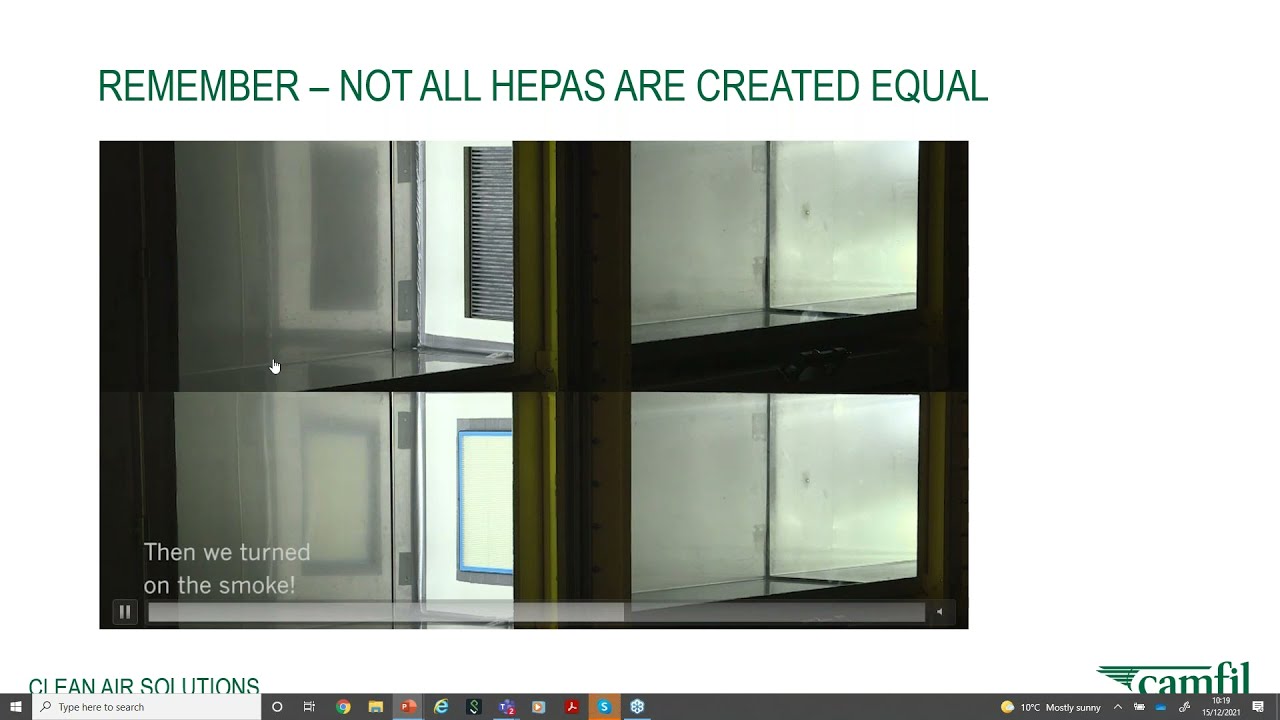
During air quality emergencies, toxic volatile organic compounds (VOCs) like formaldehyde and benzene can be released into the atmosphere, causing health hazards including respiratory issues and potential cancer risks. To protect against these contaminants, individuals should use HEPA air filters with carbon layers in their home air conditioning systems, as standard filters cannot capture these small toxic particles. Additionally, having alternative water sources, food supplies, and proper filtration systems is essential for survival during environmental emergencies.
Canadian Wildfire Smoke: Air Quality Impacts and Health Preparedness
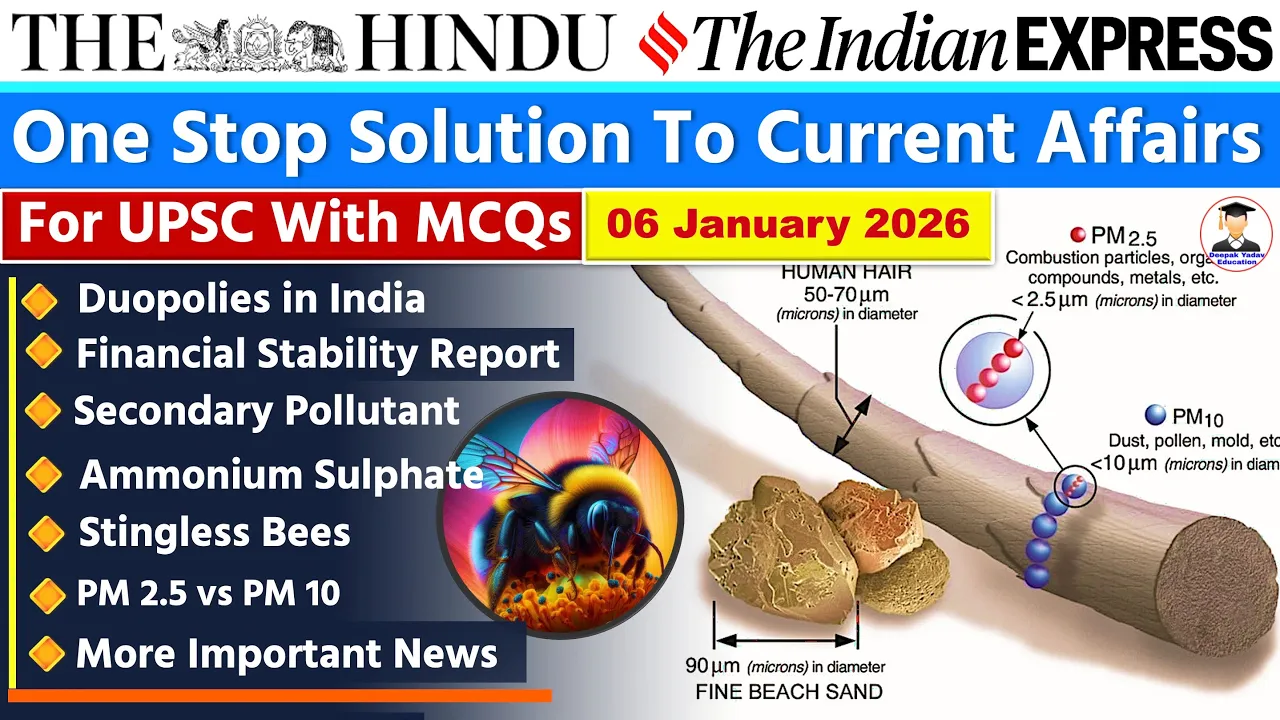
Added:Understanding the basics of atmospheric particulate matter, specifically the difference between PM2.5 and PM10.
Familiarity with the Air Quality Index (AQI) scale and how different ranges affect public health recommendations.
Basic knowledge of the human respiratory system and how inhalation of fine particulates impacts respiratory and cardiovascular health.
Fundamental meteorological concepts, such as wind currents and pressure systems, that facilitate long-range atmospheric transport of pollutants.
Exploring advanced epidemiological research on the long-term, chronic health effects of repeated wildfire smoke exposure.
Studying the intersection of climate change, forestry management practices, and the increasing frequency of extreme wildfire events.
Investigating transboundary air pollution policies and international environmental agreements (e.g., between Canada and the US).
Analyzing technological and architectural solutions for indoor air purification, such as HEPA filtration engineering and building airtightness standards.
55.9K views5Klikes24:10Original Release: 2023-06-30
you need to be getting out of these areas right now something big is happening and they are even admitting in mainstream news that poisonous toxic chemicals vocs vile tall organic compounds a little hard to say there are now raining down from the sky on over 127 million people all right this is what is being reported out of mainstream news and they are reporting a Code Red emergency situation and they are sending out alerts all over the country for people to stay inside and to not breathe this toxic chemical air all right so big things are going on right now this is covering multiple States over 127 million people and they're saying toxic chemicals like formaldehyde and Benzene which we know what formaldehyde does and Benzene is known to cause cancer as well they're saying these vocs are forming as a result of what's going on and it's forming in the atmosphere from the sunlight hitting it apparently that's what mainstream news is reporting and they're even putting out some very strange articles like why does the air smell like plastic why is it smell strange in this area and that's the excuse they are giving so we're gonna break down all this stuff we have multiple States under Health emergencies right now and this is why you need to have some kind of air filtration all right you should be looking into HEPA filters that you can put into your home's AC system that are very low Micron and filter out most of these vocs okay because a lot of these are very small particles and they can just pass through your normal air filters all right so make sure you have a high quality air filter right now and if you can have some kind of carbon backing to that filter as well they have like carbon filter layers that you can put behind your filter or they have ones that are just all together it's like a carbon layer a HEPA filter layer so and it's very low Micron so you can filter out all the vocs and get all these contaminants out gets rid of viruses all this stuff look into these filters that you can put on your home's AC system that's your best bet right now because a lot of these air purifiers those stick ones they really don't capture all of these vocs these very small particles these volatile organic particles they cannot capture them so look into this stuff and if you were heavy into this some areas are reporting extreme levels they're in the purple all right so a lot of areas are declaring code red and some areas are in code purple right now which is even more extreme than that where they have their air quality index almost up to the three hundreds all right so very hard to Breeze people are reporting that they are sick they are lightheaded they cannot go outside some people haven't been able to even breathe without their inhalers they were saying and they were also saying that it's been hard to get inhalers there's been inhaler shortages in some of these areas because people are stocking up and using them so much more right now and they're having a lot more attacks from what's going on all right so let's get into the details here and then we will get into some suspicious things what's going on they are saying over 500 different fires are going right now and they're saying that's what's causing this but we're going to break down how this could be something in suspicious and even if it is fires the largest New Mexico fire in history was started by the New Mexico state government from a quote controlled burn all right accidental controlled burn it got out of control the largest New Mexico State fire in history was started by that all right so we could see this stuff being started by anyone we really don't know in over 500 active fires are going on right now and toxic chemicals and people are saying they're feeling sick they can't even go outside and now under are over 127 million people are under this uh Code Red emergency so Canadian Wildfire smoke leads to multiple States to declare quote code red due to poor air quality so we have Illinois getting hit the hardest right now Michigan getting hit hard we have Ohio getting hit extremely hard as well too we have West Virginia and Virginia Washington DC their air index was almost up to 200 right now extremely poor extremely unhealthy to breathe this air and they're even saying that this air smells like chemicals and it smells like plastic burning they're coming out saying this in mainstream news and they're saying this could be from the vocs releasing into the atmosphere and reacting with the UV radiation of the Sun and creating these vocs that's the official narrative out right now so they're saying these toxic chemicals are hitting all these states Tennessee as well Kentucky is getting hit parts of Alabama Northern Alabama I was checking I was just checking all these different states to verify that this is still going on this is a current situation and they're saying it's going to be bad at least for the next few days they're projecting all right so we need to be getting prepared you need to be getting out of these areas especially the very uh high level areas around Illinois Ohio Michigan where it's most concentrated Washington DC West Virginia these areas are getting hit extremely hard and people could become extremely sick from this all right they're saying Chicagoans were under a second day of air quality alert due to the smoke and it was rated as a worse major city in the world for air quality today all right the worst major city in the world for air quality is Chicago right now it says air quality alerts we're also going to Minnesota Iowa Tennessee New York Connecticut and Washington DC so this is happening all over the place got an on my leg there wiping it off here I'm sitting out here in the garden all right it's such a beautiful day here I was like I need to get outside and I need to breathe in this fresh air because we take it for granted this could happen anywhere all right and not to mention all the poisoning That's being sprayed in the air as well some of these chemicals that are showing up sulfur dioxide are being measured at high levels in the atmosphere are also the exact chemicals that are sprayed for cloud blocking okay and there's even a mainstream CBS News article here's the article headline White House is pushing ahead research to cool the Earth by reflecting back sunlight this is CNBC this came out last October 13 2022 okay and it says they're working with the office of Science and Technology and they're coordinating a five-year research plan to modify the amount of sunlight that reaches the Earth in order to temporarily temper the effects of global warming and they are saying stratospheric aerosol injection involves spraying and aerosol like sulfur dioxide into the stratosphere and because it has potential to affect the entire Globe it often gets the most attention all right so this is CNBC mainstream news article here not gonna be able to see it I'll show up I'll throw up a little thing here for you guys but this is happening already and this there's been high levels of sulfur dioxide being measured in the atmosphere as well not to mention formaldehyde and Benzene they are admitting could potentially be released from these chemical reactions they're saying and the official narrative is that this is coming from over 500 active fires in Canada right now so this is coming out of mainstream news they're saying 23 new fires in Canada happened just today and 491 active fires burned overall across a huge country so now it's over or no it's almost 500. sorry about that so it's 491 almost 500 fires in Canada how is this happening simultaneously 23 new fires just happened today somebody please explain this to me how this is happening in spring when when we just had one of the most brutal Winters we've ever had broke records in New York California out west Colorado's breaking records all these major states that typically have fires have been the wettest they've ever been right and decades breaking records in California from all the precipitation and a lot of it was from cloud seeding I was in Colorado this winter and they were going crazy on the cloud seating all winter making it snow a ton up there all right and even official narratives in California Donner Pass broke records okay so we're having a record-breaking winter I'm out here in the desert and there's still snow on some of these mountains around me that's how much snow there was when it's almost July here and there's over 500 and that's even more North in Canada that's way more north than I'm here where these fires are happening and this is not the season for wildfires it's normally later in the year it's normally in fall like August September October where the leaves are falling off they're getting crunchy drying out range drying up and that's when we normally see these wildfires much less 500 of them so something big is going on and they're even saying in mainstream news articles because people are talking about this all over social media how the Wildfire smells like plastic it just smells very strange and this is a mainstream news article saying why does the Wildfire smoke and Northern Michigan smell like burning plastic okay why does it smell like burning plastic and a Michigan official came out from the Michigan environment Great Lakes and energy department they said wood fires can emit a lot of volatile organic compounds vocs most of the vocs are noticeable to our noses as a familiar campfire smell but they break down quickly when exposed to UV radiation from sunlight other vocs like Benzene formaldehyde and acrolein are also released and they Outlast the campfire vocs it's these chemical compounds that you're smelling as the smoke wafts around for days and settles to the ground and reaches your noses alright so that's what they're saying that's the official narrative coming out of Michigan a top official saying that we could have formaldehyde Benzene and acroen raining down from the sky right now so this is something that we need to be prepared for we've seen wildfires all over the country before but this is new to this region we've never seen this much smoke hitting this area and a lot of people never have experienced things like this and I've experienced wildfires before I was in Southern Colorado in a pretty small village down there last year at the beginning of last year when they were having these wildfires I think it's the Angel Fire and this was in New Mexico all right and it was blowing smoke into our village constantly for weeks it was bad there was times where I was like is this fire like right here just just checking the fire maps all the time this was going on early last year for me in Southern Colorado and there was never a time where I'm thinking it smells like chemicals so this definitely could be a thing this definitely is a real reaction but it's very suspicious and people are warning and saying that they are even feeling sick from this and they're not feeling okay they're feeling lightheaded if they go outside but even if you go inside you're just still breathing in the air it's just slightly filtered that's what I was saying you need to have these HEPA filters and if you can also get a carbon filter layer on your HEPA filter then you're good to go all right then you will pretty much be able to filter out almost all of these toxic chemicals and another thing that's a little weird is people are reporting all over Ontario that the skies are blue they have nice blue skies no clouds or anything but then in the US we are getting these emergency alert warnings these code red warnings all the way down in the South so hit it up for me down there guys to get this video out to more people people need to know you might even be in this region right this is almost half the country is in the path of this they're saying over 127 million people are under threat right now in places like Illinois Ohio Michigan are under the highest threat even Washington DC for some reason was very concentrated almost 200 on the air quality index so this is bare minimum not good for you and at the maximum this could be exposing you to cancer causing chemicals Benzene is a known carcinogen and causes cancer formaldehyde it's a known carcinogen and we know what that's also used for as well so hit it up for me down there people need to know about this they are telling people what's going on but I feel like it's not as big of a deal this could be affecting People's Health people could have respiratory issues and potentially not survive this event because the air quality is so bad so don't take it for granted that's why I'm out here I'm also out here because I just have these random people that think I'm in a green screen or something I always have these comments saying I'm in a green screen so it's not a green screen guys I'm fully oscared out here I got the garden bed right here all right got Tomatoes here we got some basil and more tomatoes growing in some trays right here all right so it's not a green screen guaranteed touching touching the mulch there we had our garden bed almost everything died in it because I my truck was broken for a week I've been saying this um I had to get a new fuel pump I got some bad gas how to get a new fuel pump all the stuff big issue I didn't have my truck for about a week and during that week all of our plants died because I didn't have water for it and I didn't have Mulch on it either so right away when I got my truck back I went and got a ton of mulch and I already had some other tomatoes that I was growing um as backup so we just filled this bed up with some new plants got a ton of mulch now drenched it it's been raining the past few days so that's good um because the past week that week there too it was super hot and that's all it takes to just wipe out your garden wipe out your plants wipe out whatever you're growing even your animals all right they could be wiped out just not having water for a couple days so it's just something that you need to be aware of and if you're in a survival situation right you might think hey I'll be able to grow all this food do all this stuff but what are you gonna do if the power's out your well doesn't work even if you have a solar well you could have a EMP like event and that could knock out your well and in martial law situations they could be monitoring your well even just in normal situations they are moving closer and closer to having Regulators on people's Wells and monitors and a lot of States they want to tax you for your well or limit how much water you're actually extracting from your well this is being proposed in States all over the country so even your well is not safe and at some points and it might break down some point within the survival scenario you might just be depending on rain water and collecting water all right I had my jugs over there collecting all the rain water falling off my RV have a little gutter system for my RV and it just Falls right off in one space I had some jugs collecting water because I'm trying to just get my head the zone that I need to find more water I need to create more water capture systems in case things go offline all right how are you going to water your garden your your garden can't go a week without being watered in most areas Without Rain or anything like that especially in the middle of summer so make sure you guys are stocked up this is another reason to be stocked up just so you don't have to leave your house for days if a situation like this is going on there's some kind of emergency going on you don't even want to be leaving your house because you could get caught up in this and it's not good for your health as well you want to be avoiding this toxic chemical smoke as much as possible so just say another reason to stock up and have extra food stored up to not just leave only have a few days worth of food I know a lot of people that live in like City situations even my own family they do this because they live right in the middle of the city a lot of my family and they just get like a day or two worth of food that's it and they go to the grocery store almost every other day and they just grab a few things they spend like thirty dollars forty fifty dollars every other day and that's how they grocery shop right and you can do that normal times but if there is an emergency situation there is a disruption or you don't want to leave your house situation like this then you are going to have to leave to go get food for yourself so just get stocked up have extra food try to start growing food just try to grow anything just get some seeds popped up all right basil seeds super easy to pop up you can see some basil there all right basil is extremely easy to grow and that way you'll just have more resilience you'll have more if something happens you won't have to go leave your house right away right and another thing is these situations this could poison your food this could be toxic chemicals on your food on your plants as well this could block out the sun stunt their growth and it could be absorbed into the soil these vocs last a very long time most of them even the psychology expert was saying this out of Michigan saying that these vocs eventually settle into the soil and they're very heavy they normally don't stay high up in the atmosphere they eventually fall down to the ground level and you're breathing them in you smell it and then they eventually absorb into the soil where your plants could be absorbing it as well and then you're just eating the vocs again from your plants roots that are sucking up these toxic chemicals all right so it's just one of these things it's hard to avoid it's like the East Palestine Ohio situation where the water table is poisoned and they're saying that they are finding these vocs and the animals that eat the grass in this area right that's how far it's going so the cows and the pigs and chickens goats everything they're testing their you know what that comes out and they're finding these vocs because they are growing in the grass they've absorbed into the soil the grass is growing with these vocs in them the animals are eating them and then you are potentially eating them as well it's getting in their body now it's just one of these things it's very hard to get it's very hard to go back it's hard to go back it's hard to clean up these disasters and some of these forever chemicals are at levels that are extremely toxic all over the country I've made whole reports on this how the EPA is warning that these forever chemicals have tainted Water Supplies all over the country and millions of people tap water that comes right out their sink is extremely poisoned with these um forever chemicals and these vocs and these synthetic chemicals as well so make sure you guys are getting prepared make sure you have alternative sources of water of air all right to filter it get these get these filters even if you're not in this area get these filters all right and the groundwater could be contaminated in these areas as well from these chemicals settling so just have extra stocked up have water filters have water bottles have water storage tanks have all these things in case your stuff gets poisoned too we saw this major derailment in Yellowstone and they are warning people not to drink the water so make sure you're stocked up get these air filters and even look into a respirator if you're that serious about it have a respirator for yourself and for your family if you are that worried about it and especially if you are susceptible to to these attacks like you have asthma attacks there's things like that too particulate in the air if you are susceptible to that you should maybe look into an actual respirator to keep yourself safe right so please hit it up down there for me guys please spread the word get this video out share it like it do all that stuff for me please it really helps to warn people because a lot of people are just wondering what's going on why does my Skylight look like this why does it smell like chemicals and they want to relate with other people and see what's going on so tell me down below are you in this area are you seeing the smoke what does it smell like to you are you lightheaded are you feeling sick from this please hit it up for me down below let everyone know it's good to just get this information out and a ton of people read the comments you know there's 500 600 700 000 people that comment but then there's tens of thousands of people that watch and read the comments and relate to them and want to see if they are crazy are they crazy are they smelling this are you feeling weird too they want to know what's going on so let me know Down Below guys stay safe out there please keep your family safe keep your kids your animals away from this toxic smell these toxic chemicals remember in Ohio there was animals that were dying all over the place and getting sick all over the place I had to move from a house because there was pesticides spraying on orange groves every other day going on right next to me I didn't realize that they sprayed this much on orange groves but The Greening disease was so bad and they were spraying constantly I had it was my first child he was a newborn I brought him this house it was devastating but I had to move from this house I had to get away from it because it was so toxic and I had to have a special filter on my uh well and everything issued by the state estate mandated that I have this filter on it they paid for it and everything because the soil and the water table was so contaminated from the toxic chemicals that they sprayed over the years all right this is happening right now in Central Florida and I had to move from this area it was so bad and we are seeing these situations spread across the country and more and more States being poisoned right so please hit it up for me down there please stay safe please keep your family safe don't breathe this crap in get these HEPA filters if you can and if you're really in the thick of it think about evacuating getting out of these areas if you have the means to do so to protect yourself and your family so thank you guys so much and I hope you have a big old blessed day
Up Next

9:04
Debunking Houseplant Care Myths: Scientific Facts vs Common Beliefs
@epicgardening
453.5K views•2020-02-05

12:54
Triumph of Orthodoxy Icon: Byzantine Art & History Explained
@BenCallan
2.1K views•2024-08-06

9:49
FastAPI vs Flask vs Django: Choosing the Right Python Web Framework
@TechWithTim
302.5K views•2024-05-26

1:42
Game of Thrones Opening Credits: A Cinematic Analysis
@gameofthrones
46.3M views•2011-04-18
Related Study Plans & Knowledge Roadmaps
Structured learning paths in General & Interdisciplinary Studies
general-studies
Elevator Engineering: History, Physics & Cities
01From Hoists to Safety Brakes: The Dawn of Vertical Lift
02Hydraulic vs. Traction: The Engineering Physics of Elevators
03Modern Speed, Safety, and Algorithms
+ 2 more learning modules
12h5 modules
Explore Roadmap
general-studies
Rubber: Material Science, History & Geopolitics
01Origins of Natural Rubber & Mesoamerican History
02The Chemistry of Natural Rubber & Vulcanization
03The Geopolitics of the Rubber Boom & Colonization
+ 2 more learning modules
12h5 modules
Explore Roadmap
general-studies
Containerization: Evolution, Logistics & Trade
01Ancient Trade & Bulk Cargo: Amphorae to Barrels
02The Industrial Revolution & Cardboard Packaging
03The Containerization Revolution: Malcom McLean
+ 2 more learning modules
12h5 modules
Explore Roadmap
general-studies
Textile Tech: Evolution, Labor & Global Impact
01Pre-Industrial Textiles: Handloom & Cottage Industry
02Mechanization: The Spinning Jenny to the Power Loom
03The Factory System & Global Labor Transformation
+ 2 more learning modules
10h5 modules
Explore Roadmap