Volatile Organic Compounds (VOCs) are chemicals emitted as gases from various household and industrial products, with indoor concentrations averaging 2-5 times higher than outdoors and potentially reaching 1,000 times during activities like paint stripping; these compounds can cause immediate health effects such as eye and respiratory irritation, headaches, dizziness, and memory impairment, while some are known carcinogens, making proper indoor air quality management essential for protecting human health.
Understanding VOCs and Indoor Air Quality Risks
Added:Deep Dive
Basic chemistry of organic compounds, specifically carbon-based molecules and their physical properties.

QUÍMICA ORGÂNICA: INTRODUÇÃO GERAL - Professor Felipe Sobis
300.6K
Organic chemistry studies compounds containing carbon, though exceptions exist like carbonic acids and carbon oxides studied in inorganic chemistry. Carbon's key properties include tetravalency (forming four bonds) and chain formation ability, enabling billions of compounds. All four carbon bonds are chemically equivalent, allowing substituents to interchange positions. Carbon atoms classify as primary (1 carbon bond), secondary (2), tertiary (3), or quaternary (4). A carbon is saturated with only single bonds; unsaturation occurs with double or triple bonds.
Click to watch →

RBSE | Class-11 | Chemistry | कार्बनिक रसायन : कुछ आधारभूत सिद्धांत तथा तकनीकें | भाग - 1
58.6K
Chemistry is divided into three branches: Physical Chemistry, Inorganic Chemistry, and Organic Chemistry. Organic Chemistry studies carbon and carbon-based compounds. Carbon has atomic number 6 with electron configuration 2,4, giving it a valency of 4. Organic compounds have physical properties (melting point, boiling point, solubility) and chemical properties (reactivity). The Vital Force Theory, proposed by Jean-Baptiste de Lamarck, stated organic compounds could only be produced by living organisms. In 1828, Friedrich Wöhler disproved this by synthesizing urea from inorganic ammonium cyanate. Carbon's unique properties include chain-forming ability and tetravalency, allowing it to form 4 covalent bonds with atoms like hydrogen, oxygen, sulfur, phosphorus, and nitrogen. Organic compounds are essential for life, including DNA, RNA, proteins, muscles, blood, and enzymes.
Click to watch →

كيمياء الثالث متوسط | الفصل السادس ( الكيمياء العضوية | محاضرة 1 | منهج 2025
38.8K
Organic chemistry is a branch of chemistry that studies carbon compounds and hydrogen compounds, with additional elements like oxygen, nitrogen, sulfur, and phosphorus. The essential requirement for a compound to be considered organic is the presence of carbon. Organic compounds are essential in daily life: food materials (proteins, fats, carbohydrates), natural products (cotton, silk, paper), fuels (petroleum, natural gas, wood), and medicines (pharmaceutical drugs, vitamins, enzymes). To test for carbon in organic compounds, burn the substance (such as a candle or sugar). The carbon produces carbon dioxide gas (CO2). When this gas is passed through limewater (calcium hydroxide solution, Ca(OH)2), the solution turns milky due to calcium carbonate (CaCO3) precipitate formation. Carbon has an atomic number of 6 and atomic mass of 12, belonging to group 4 of the periodic table. The electron configuration is 2, 4, with a valence of 4, meaning it can form 4 covalent bonds. Carbon chains in organic compounds can be classified into three types: open chains (straight line without branches), branched chains (with one or more branches attached), and closed chains (cyclic/ring structure). Each carbon atom in a chain must form 4 bonds total, with the remaining bonds filled by hydrogen atoms.
Click to watch →
Typische Eigenschaften organischer Verbindungen – Chemie | Duden Learnattack
10.1K
Organic compounds are carbon-based molecules containing carbon and hydrogen, often with heteroelements like oxygen, nitrogen, sulfur, or phosphorus. Carbon's ability to form stable bonds creates chains and rings, resulting in approximately 40 million known organic compounds versus hundreds of thousands of inorganic ones. These compounds exhibit distinct physical properties: they are electrical and thermal insulators due to covalent bonding, have low melting points because only weak intermolecular forces hold molecules together, and are generally soft. When heated, many decompose through carbonization rather than melting. Organic compounds are highly flammable, producing carbon dioxide and water upon complete combustion. Their polarity enables solubility in organic solvents like nail polish remover.
Click to watch →

مركبات الكربون العضوية
53.5K
Organic chemistry studies carbon compounds essential to life, including food, medicines, and materials. Physical properties like melting point, boiling point, and solubility depend on carbon chain length, chain structure (straight vs. cyclic), and functional groups. Organic compounds are generally volatile, exist as gases or liquids, have low melting/boiling points, are insoluble in water but soluble in organic solvents, and are non-conductive. Chemical properties depend on bond types. The vast diversity of organic compounds (approximately 10 million) arises from carbon's ability to form long chains, rings, bond with other elements (O, N, P), and form single, double, or triple bonds.
Click to watch →
Deep Dive
The physical concept of volatility and vapor pressure, which explains how liquids transition into gases at room temperature.

Solutions – One Shot | Concept & Most Important PYQs | JEE 2025 | JEEnius Series by Naveen Sir
90.4K
Volatility refers to how easily a liquid converts to vapor at room temperature. More volatile liquids have higher vapor pressure because their molecules escape more readily. For example, petrol is more volatile than kerosene, meaning it has higher vapor pressure at the same temperature. The relationship between volatility and vapor pressure is direct: higher volatility means higher vapor pressure.
Click to watch →
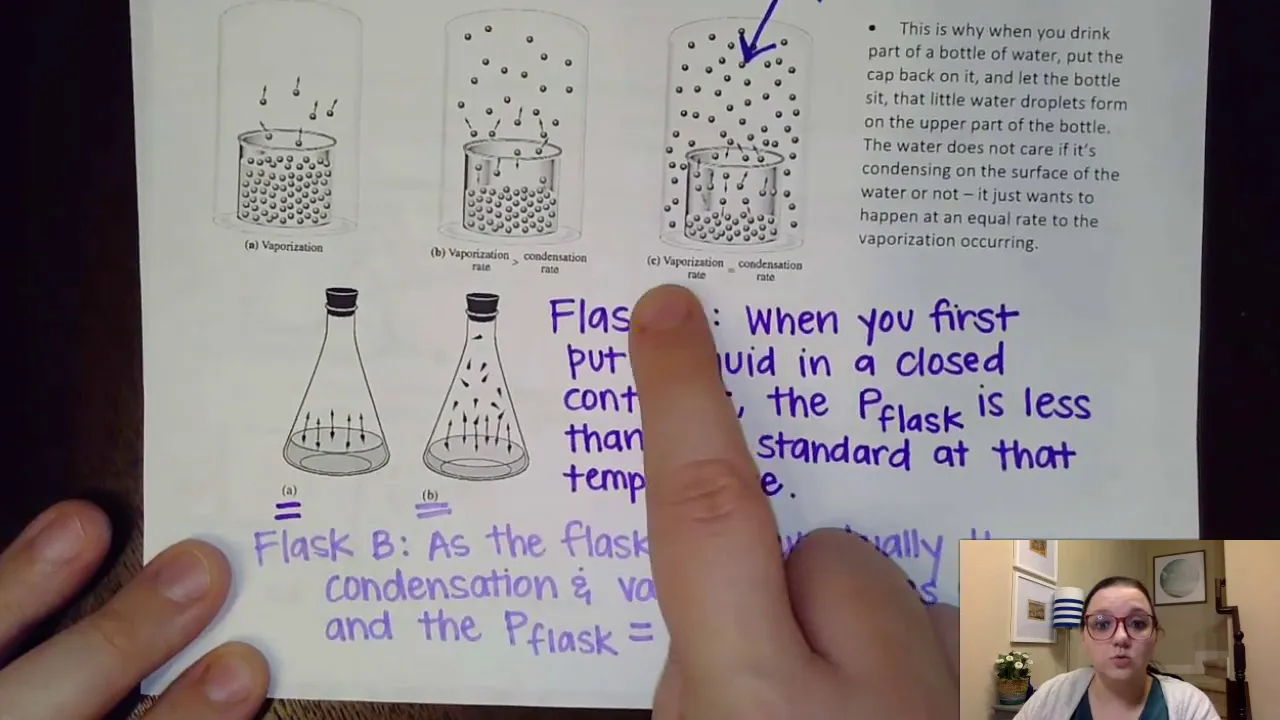
AP Chem U3: Volatility and Vapor Pressure
3.1K
Volatility (ease of evaporation) and vapor pressure are physical properties directly influenced by the strength of intermolecular forces; substances with weaker intermolecular forces exhibit higher volatility and higher vapor pressure because their molecules can more easily separate and transition from liquid to gas phase, while stronger intermolecular forces hold molecules together more tightly, reducing both volatility and vapor pressure.
Click to watch →
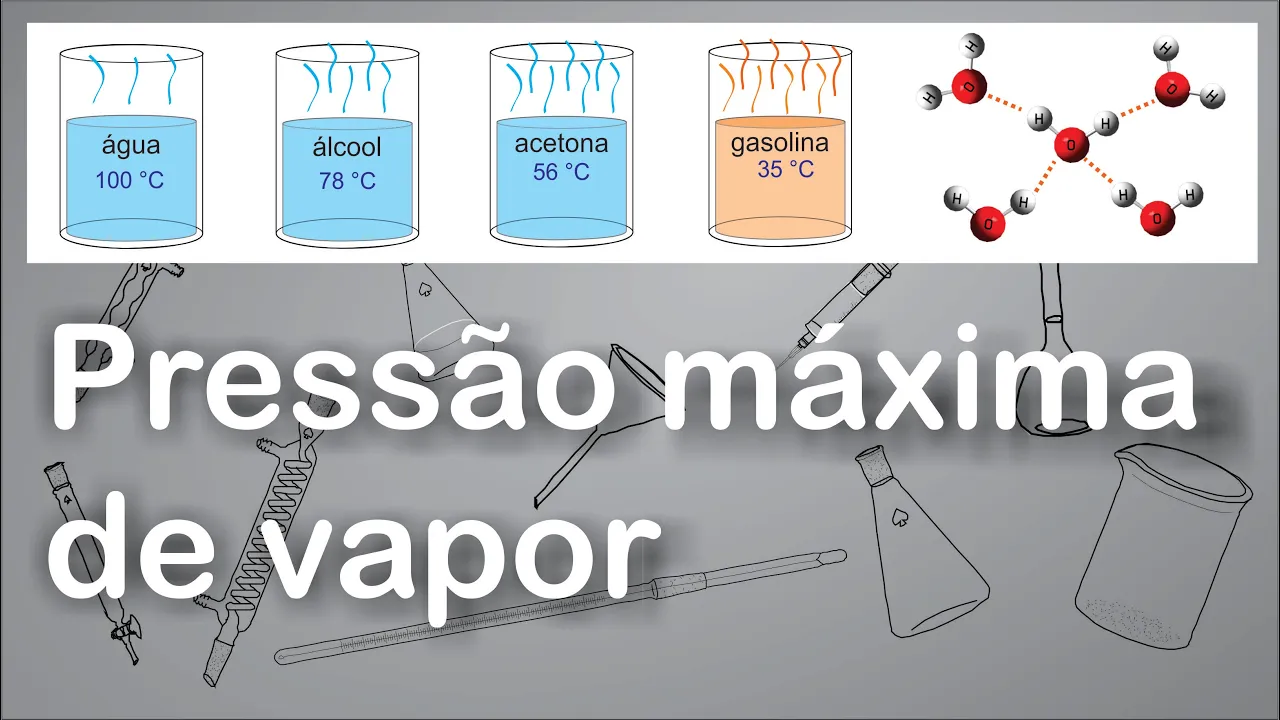
#1 - Propriedades coligativas | Pressão máxima de vapor original
7.5K
This lesson covers the relationship between volatility and vapor pressure. Volatility is a substance's tendency to transition from liquid to vapor. In a closed system, evaporation and condensation reach equilibrium when rates become equal. Vapor pressure is the pressure exerted by vapor at equilibrium, directly proportional to volatility—more volatile substances like gasoline have higher vapor pressure than less volatile ones like water. Temperature increases vapor pressure by intensifying evaporation and condensation. Volatility is determined by intermolecular forces: weaker forces (like in gasoline) allow easier molecular escape, while stronger forces (like hydrogen bonding in water) reduce volatility.
Click to watch →

🦨 Volatilidade (Fundamental em Química e Biologia!) 🐜🐜🐜
705
Volatility is the ability of a solid or liquid to convert into a gas through heat, pressure reduction, or chemical reactions. Vapor pressure measures this tendency at equilibrium, with higher values indicating greater volatility. Intermolecular forces determine volatility strength: substances with weaker forces (like benzene) have higher vapor pressures than those with stronger forces (like water). Hydrogen bonding significantly reduces volatility, as water can form four bonds while methanol forms only three. This concept explains why some substances readily evaporate while others remain liquid, and directly relates to aroma perception since volatile molecules travel through air to reach olfactory receptors.
Click to watch →
Mass transfer operation 2nd . One shot lecture. Complete syllabus in one lecture. Hindi + English.
880
Volatility refers to the tendency of a substance to convert into vapor or gas from its liquid or solid state. A substance with high volatility evaporates quickly at room temperature. Volatility depends on vapor pressure and boiling point - substances with higher vapor pressure and lower boiling point have higher volatility. Examples include acetone, alcohol, and petrol, which readily convert to vapor at room temperature.
Click to watch →
Deep Dive
Fundamental understanding of human respiratory health and the basic pathways of inhalation exposure.

Environmental Toxicology- Mode of Entry of Toxic Substances.By Dr.R.Caroline Jeba
405
Environmental toxicology studies how harmful substances affect living organisms through four physiological processes: absorption, distribution, metabolism, and excretion. Four major routes of toxic substance entry exist: inhalation, injection, absorption, and ingestion. Inhalation is the most critical and rapid route due to the lungs' massive surface area (70 m² alveolar space, 140 m² capillaries), enabling extremely efficient gas and vapor absorption. The respiratory tract allows substances to cross into the bloodstream for rapid systemic distribution. Common inhalation toxicants include carbon monoxide (hypoxia, dizziness, death), chlorine (pulmonary edema), ammonia (mucosal burns, pulmonary inflammation), sulfur dioxide (pneumonia), hydrogen sulfide (cellular respiration inhibition), VOCs (dizziness, headaches), and methanol isocyanate (Bhopal gas tragedy, causing pulmonary edema, respiratory failure, and lung infection with 3,000 deaths within 48 hours).
Click to watch →

The Silent Killer of South Korea That Murdered 1500 Young People
5.2M
Chemicals absorbed through inhalation enter the bloodstream more rapidly and completely than through other routes of exposure. This is why drugs and medications are sometimes administered through the nasal passages for faster absorption. When chemicals designed for external surface disinfection are inhaled into the lungs, they can be absorbed directly into the bloodstream, potentially causing systemic toxicity much more quickly and severely than if they were only on the skin.
Click to watch →

Как правильно ДЫШАТЬ ПРИ ПЕНИИ | Опора, Анкеровка, Вдыхаем в Живот, Выдыхаем в Лунный Жмых
28.6K
Air enters the body through the nasal and oral cavities, connecting to the pharynx, which then divides into the esophagus (leading to the stomach) and trachea (leading to the lungs). Air can only enter the lungs through the trachea. When inhaling, air enters the lungs and causes them to expand, requiring space through two mechanisms: rib expansion (increasing thoracic cavity volume) or diaphragm contraction (pushing abdominal organs downward and causing abdominal protrusion). Both mechanisms result in increased lung capacity. The choice of inhalation method (nose, mouth, or both) does not significantly impact vocal production.
Click to watch →
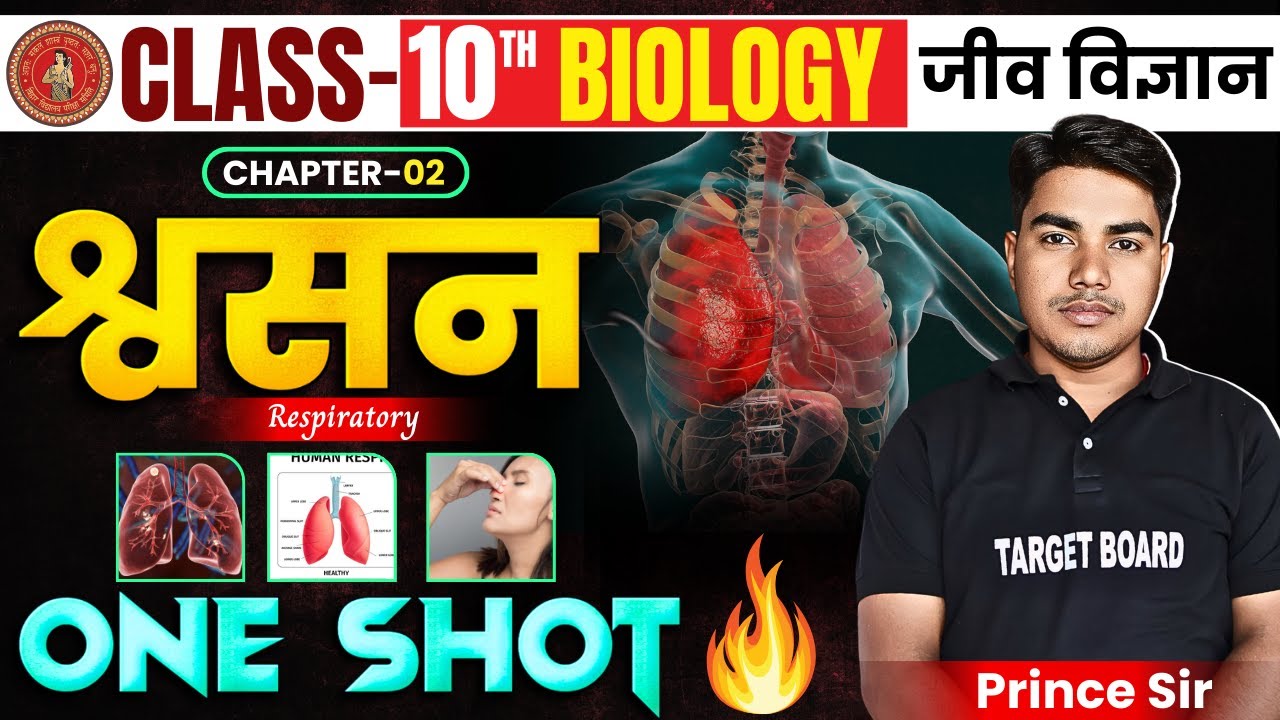
श्वसन -Respiratory System | Biology Class 10 Chapter 2 | Class 10 Biology Chapter 2 | Swasan Tantra
347.4K
Inhalation (inspiration) is the process of air entering the lungs, during which oxygen combines with hemoglobin to form oxyhemoglobin. Exhalation (expiration) is the process of air leaving the lungs, during which carbon dioxide combines with hemoglobin to form carbaminohemoglobin. Together, inhalation and exhalation constitute the complete respiratory cycle. Single-celled organisms like amoeba perform respiration through diffusion across their semi-permeable cell membrane, which allows only certain substances to pass. Carbon monoxide is poisonous because it binds to hemoglobin with greater affinity than oxygen, forming carboxyhemoglobin and preventing oxygen transport to tissues.
Click to watch →

Riesgos Higienicos Generales
103.8K
Industrial hygiene is the technical discipline studying relationships between environmental contaminants and the human organism to prevent occupational diseases. Contaminants are classified as chemical (gases, vapors, fumes, dust), biological (viruses, bacteria, fungi), or physical (noise, vibrations, thermal, radiation). Three primary exposure pathways exist: respiratory (most common, through nose, mouth, and lungs), dermal (through skin penetration), and digestive (through ingestion). Understanding these pathways enables effective risk assessment and prevention strategies in workplace environments.
Click to watch →
Deep Dive
The basic principles of indoor ventilation and how air exchanges between indoor and outdoor environments.
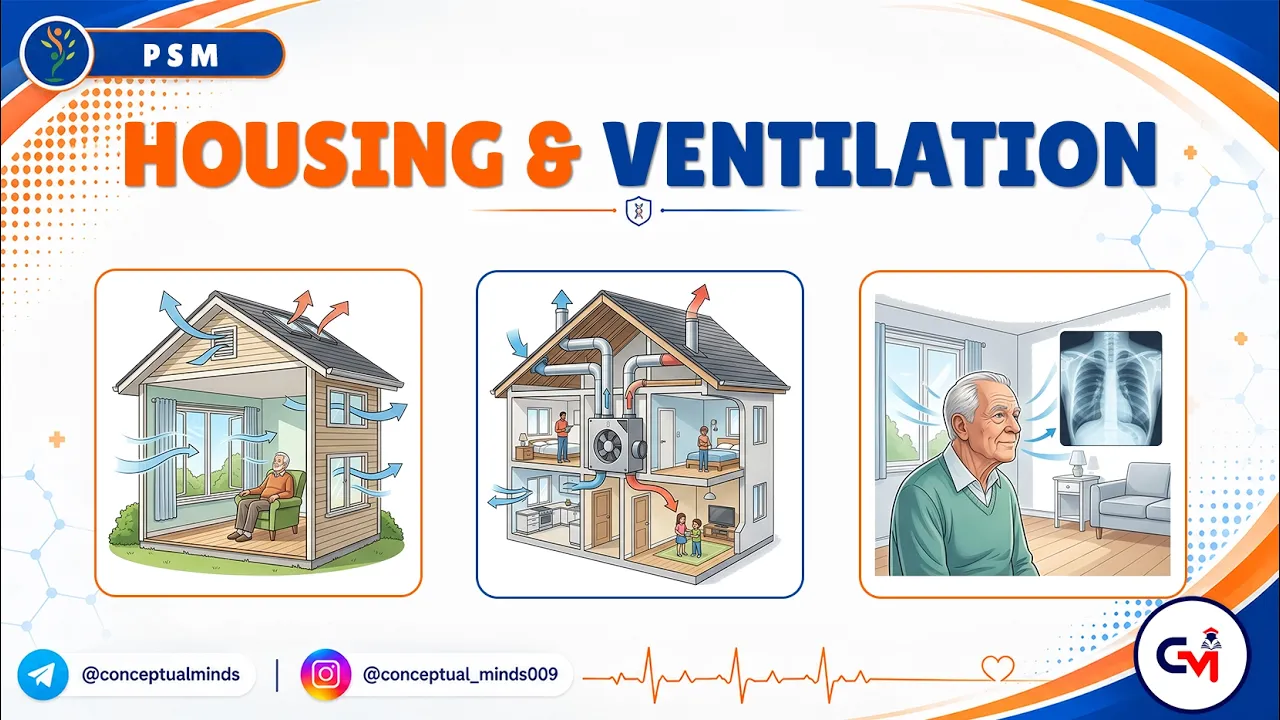
50. Housing and Ventilation / PSM Simple for NEET PG and FMGE
205
Ventilation is the process of controlling incoming air quality by replacing vitiated (low-oxygen) indoor air with fresh outdoor air to create a comfortable thermal environment. The recommended air changes per hour are 2-3 for living rooms and 4-6 for workplaces. Natural ventilation methods include perflation (wind through windows/doors), aspiration (wind through obstructions), diffusion (wind through narrow passages), and cross-ventilation (opposite openings). Mechanical methods include exhaust (inside-out), plenum (outside-in), balanced ventilation (combination), and air conditioning (controls temperature, humidity, and air movement).
Click to watch →
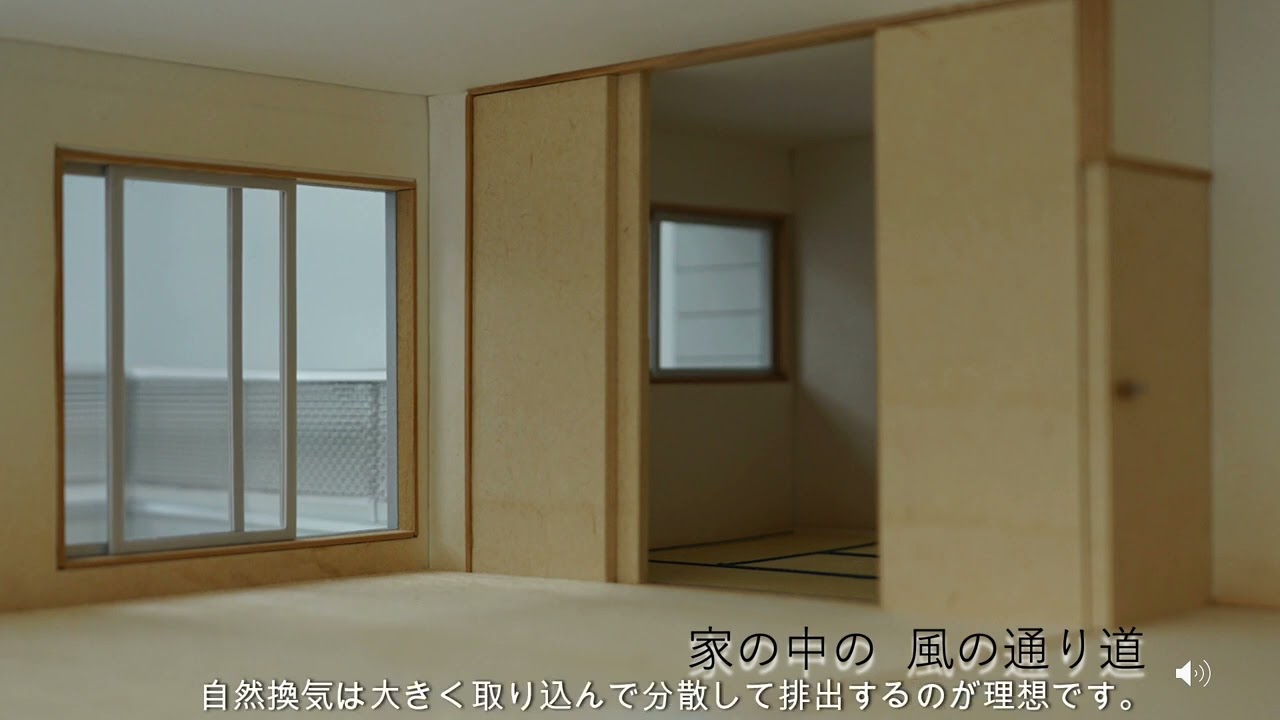
インテリア健康術
245
Ventilation is the systematic replacement of indoor air with fresh outdoor air, not merely opening windows. Effective ventilation requires both air inlet and outlet, ideally positioned at diagonal locations in the room. According to building codes, room air should be completely replaced every 2 hours. Ventilation provides six key benefits: removing contaminated air, temperature regulation, odor elimination, particle removal, moisture control, and oxygen supply. Natural ventilation works best when warm air rises and exits at higher positions, while mechanical ventilation systems (required in new Japanese homes since 2003) provide continuous air exchange. For single-person households, kitchen range hoods can effectively replace room air when combined with window opening.
Click to watch →

【2級建築施工管理技士/1次対策まとめ#1】環境工学/過去問108問(16回分を一気に学習)
1.9K
Ventilation rate is calculated as air volume exchanged per hour divided by room volume. Required ventilation rate equals required ventilation volume divided by room volume, indicating how many times indoor air should be replaced per hour. Local exhaust ventilation removes pollutants at their source. Required ventilation volume increases with occupants but remains constant per person when pollutant generation rates are consistent. Natural ventilation utilizes wind pressure, temperature differences, or both. Wind ventilation volume is proportional to opening area and wind speed, with wind pressure proportional to wind speed squared. Temperature-difference ventilation volume is proportional to the square of temperature difference. Air age measures average air travel time from inlet to room points. Short-circuiting occurs when fresh air inlet and exhaust outlet are close together. Mechanical ventilation uses equipment to force air exchange, while natural ventilation relies on environmental forces.
Click to watch →

BAMS 3rd Year Hygiene Online Class | स्वस्थवृत विज्ञान | Ventilation | Dr Pooja 9929189009 1st Demo
1.7K
Ventilation is the process of bringing fresh air into a space while controlling its temperature, humidity, and movement to exchange indoor air with outdoor air. Natural ventilation methods include cross ventilation (doors and windows facing each other), diffusion through small openings, and temperature-driven ventilation where warm air rises and escapes, creating pressure differences that draw in fresh air. Mechanical ventilation systems include exhaust ventilation (removing indoor air to create vacuum), supply ventilation (circulating indoor air), and balanced ventilation (combining both for precise control). Standards specify 50-100 sq ft per person for residential spaces, 10 sq ft per student for classrooms, 10 ft minimum room height, and 1000 cubic feet of space per person.
Click to watch →

【建築知識】いまさら聞けない!”正しい換気”の方法/山田浩幸
7.1K
Ventilation (換気) is the process of exchanging indoor contaminated air with outdoor fresh air to maintain indoor environmental quality. The two main types are: (1) Natural ventilation through window opening, which is simple but difficult to control due to weather dependence; (2) Mechanical ventilation using equipment like fans for controlled air exchange. Mechanical ventilation is classified into three types: Type 1 uses mechanical equipment for both intake and exhaust, maintaining pressure balance; Type 2 uses mechanical intake with natural exhaust, creating positive pressure; Type 3 uses mechanical exhaust with natural intake, which is most common in residential buildings. Ventilation serves seven main purposes: supplying fresh air for respiration, removing toxic gases, supplying oxygen for combustion appliances, expelling moisture and dust, removing pathogens, controlling odors, and maintaining overall indoor air quality. Building standards mandate that residential buildings must have either natural ventilation through windows equal to 1/20 of floor area, OR mechanical ventilation at 20 cubic meters per person per hour. This standard is based on CO2 emissions from an adult at rest. For virus prevention, the Ministry recommends 30 cubic meters/person/hour. Sick House Syndrome resulted from increased residential airtightness and chemical emissions from furniture. The law mandates 0.5 air changes per hour (ACH) for 24 hours, meaning the entire room volume must be exchanged at least once every 2 hours.
Click to watch →
Prerequisite Knowledge
- Concept 01Basic chemistry of organic compounds, specifically carbon-based molecules and their physical properties.
- Concept 02The physical concept of volatility and vapor pressure, which explains how liquids transition into gases at room temperature.
- Concept 03Fundamental understanding of human respiratory health and the basic pathways of inhalation exposure.
- Concept 04The basic principles of indoor ventilation and how air exchanges between indoor and outdoor environments.
Subsequent Learning
- Step 01Advanced air filtration and purification technologies, such as activated carbon filters and photo-catalytic oxidation.
- Step 02Green building design principles and materials selection, including LEED and WELL building standards for low-VOC products.
- Step 03Environmental toxicology, specifically focusing on chronic versus acute chemical exposure limits and regulatory guidelines (EPA, OSHA).
- Step 04The application of indoor air quality monitoring technology, including sensor types like Photoionization Detectors (PIDs) and metal oxide sensors.
VOC Basics
Health & Monitoring
VOC Basics
0:01Playing Section
- 1
VOCs are gases from solids or liquids, often with adverse health effects.
- 2
Indoor levels are 2-5 times higher than outdoors due to common household products.
The Debate Over Low-Exposure Thresholds and the Efficacy of Complete VOC Elimination
While the health risks of high-level VOC exposure are well-documented, some toxicologists and building scientists argue that public concern over low-level, everyday exposure is often exaggerated. This critical perspective suggests that trace levels of VOCs in indoor environments rarely reach thresholds capable of causing chronic harm to healthy individuals. Furthermore, critics point out that the push for 'zero-VOC' environments can lead to unnecessary anxiety and costly building materials that may perform poorly. Additionally, many naturally occurring, pleasant compounds—such as terpenes from pine wood or citrus fruits—are classified as VOCs, complicating the narrative that all VOCs are inherently hazardous. Adherents of this viewpoint advocate for a pragmatic approach focused on proper ventilation and realistic exposure limits rather than the costly and virtually impossible goal of complete chemical elimination.
Deep Dive
Advanced air filtration and purification technologies, such as activated carbon filters and photo-catalytic oxidation.
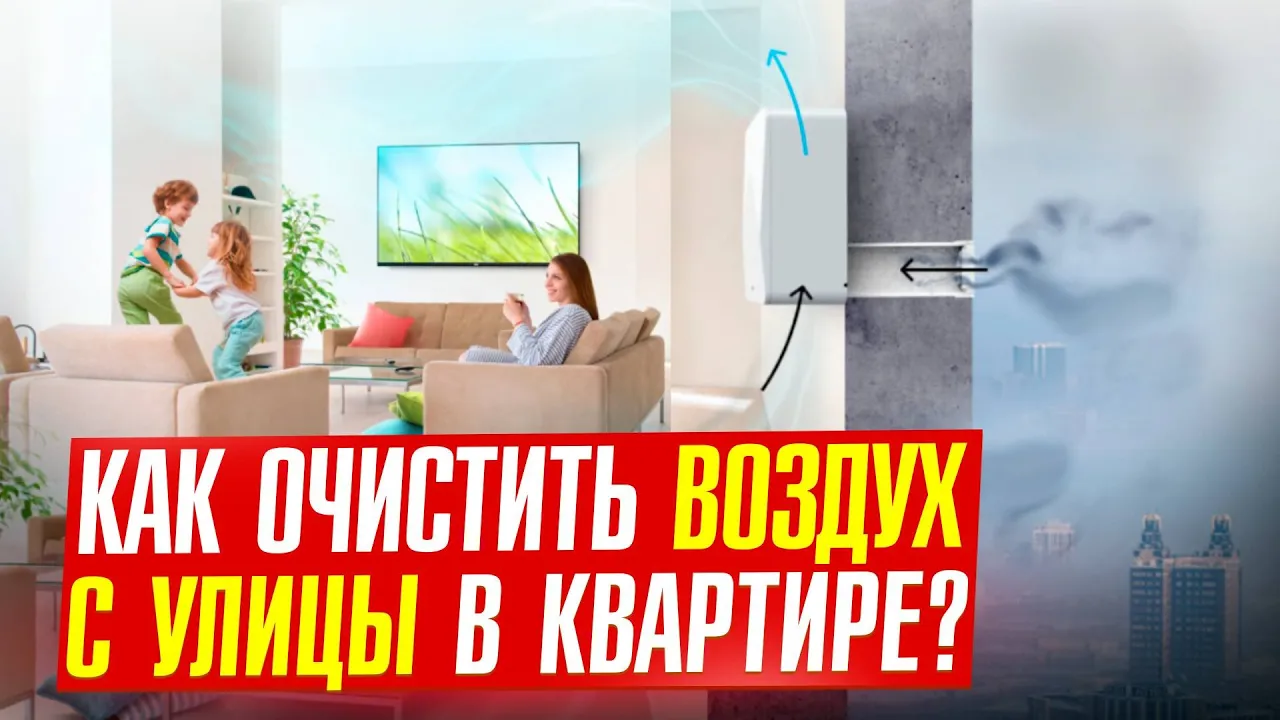
Очищайте грязный воздух с улиц/ ЗАЩИТИ семью от рака!
8.4K
Air purification systems employ multiple filtration technologies working in combination. The first stage uses a coarse filter to capture larger particles, followed by a HEPA filter (H11 class) that captures over 99% of fine particles including dust, pollen, and allergens. The third stage typically uses either carbon filtration for odor absorption or photocatalytic technology that breaks down harmful substances at the molecular level using titanium dioxide coating. Photocatalytic filters are more durable but require replacement approximately every 5 years. The systems can effectively filter out cigarette smoke, cooking odors, and other airborne pollutants, creating a significant barrier between indoor and outdoor air quality.
Click to watch →

Vytápení, větrání 1SI 2023/24 Úvod do strojního inženýrství
225
Air filtration removes particles and aerosols from indoor air. Mechanical filters capture solid particles but cannot remove gaseous pollutants. Advanced air purification includes adsorption (activated carbon filters for gases and odors), ionization (charged particles attracted to oppositely charged plates), and UV radiation (kills microorganisms). Multi-stage filtration combines pre-filters (large particles), medium filters, and HEPA filters (99.7% efficiency for 0.3 μm particles). Photocatalytic oxidation uses UV light and catalysts to break down organic pollutants into water and carbon dioxide.
Click to watch →

I Tested EVERY DYSON Product
7.1M
Advanced air purification systems combine activated carbon filters with catalytic filters to address different types of indoor pollutants. Activated carbon neutralizes odors and gases, while catalytic filters break down volatile organic compounds (VOCs) including formaldehyde emitted by household products like cleaning supplies, adhesives, and fabrics. This dual-filtration approach provides comprehensive air treatment but increases both initial cost and maintenance requirements.
Click to watch →

Purificador de aire con carbón activado
13.5K
An air purifier with activated carbon filtration works by drawing contaminated air through a multi-stage purification process: first, a filter captures larger particles like dust and strong gases, then the air passes through activated carbon fabric that absorbs smaller contaminants measured in microns, achieving approximately 90% efficiency in removing airborne particles from indoor environments.
Click to watch →
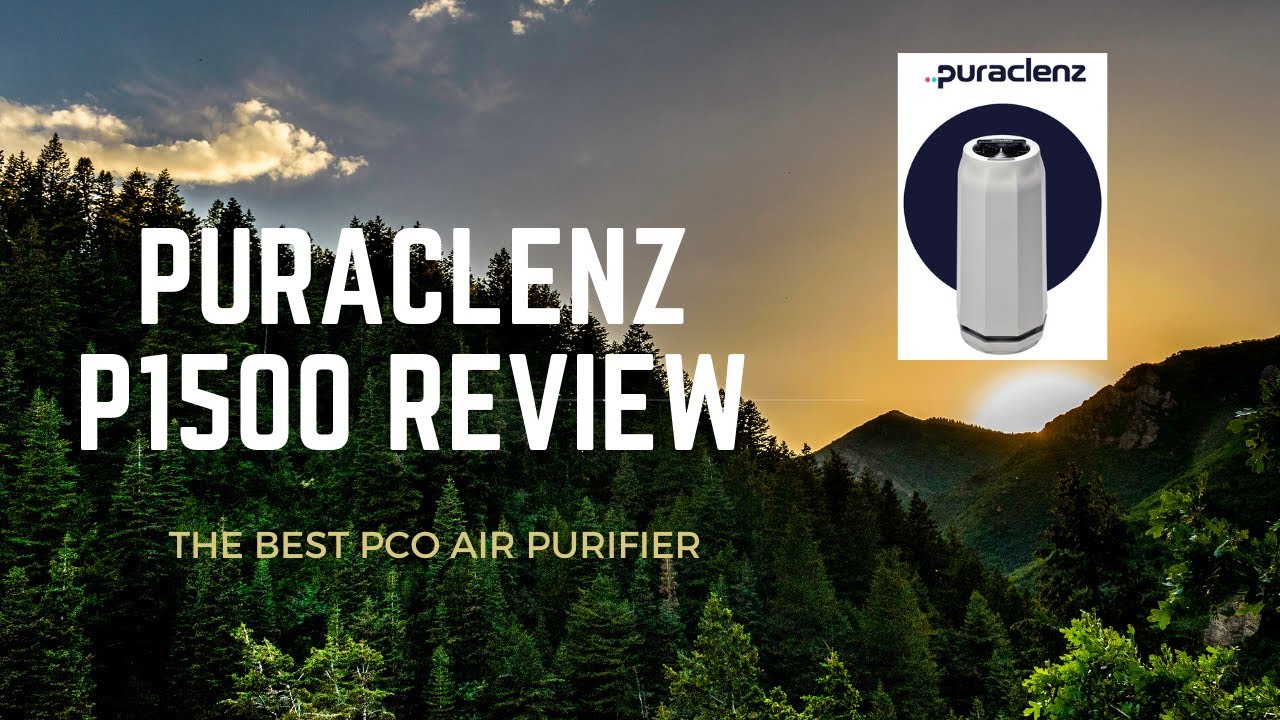
Puraclenz P1500 Review
4.8K
Photocatalytic oxidation (PCO) is an advanced air purification technology that uses ultraviolet light combined with titanium dioxide filters to break down airborne contaminants. The process generates hydroxyl radicals and superoxide ions, which are highly reactive electrons that combine with bacteria, volatile organic compounds (VOCs), and chemically active compounds (CACs), converting them into harmless byproducts like carbon dioxide and water. This technology differs fundamentally from traditional HEPA filters, which only capture particles rather than breaking down contaminants. The Pure Cleanse P1500 demonstrates that effective air purification can be achieved in a compact, lightweight device capable of cleaning up to 1500 square feet of space.
Click to watch →
Deep Dive
Green building design principles and materials selection, including LEED and WELL building standards for low-VOC products.

LEED Certification: Designing A LEED Campus Part Two
6.7K
Selecting low-VOC emitting materials for all interior finishes (wood, laminates, carpet, paint) eliminates the typical new-building smell associated with volatile organic compounds. This creates healthier indoor environments and contributes to LEED indoor environmental quality credits. The absence of chemical odors indicates successful implementation of sustainable material selection strategies.
Click to watch →

Healthy Building With HempWood and LEED Certification
262
LEED (Leadership in Energy and Environmental Design) is a comprehensive green building certification system evaluating buildings across materials, resources, indoor environmental quality, and innovation. Key credits include Environmentally Preferable Products (requiring 90% of components to meet criteria like FSC and USDA Biobased certification), Low-Emitting Products (CARB 2 compliance for adhesives and sealants), and Innovation credits requiring 20+ products from 5+ manufacturers with Environmental Product Declarations. Material selection is the foundation of healthy building design, as ventilation and filtration only become necessary after pollutants are introduced. Indoor air quality is the third largest cause of cancer, behind diet and drinking water, with research showing improved air quality leads to 6.4% higher test scores and 14% higher productivity.
Click to watch →

House+Earth - Green Building Materials Supply - Austin, TX
1K
Green building materials are products designed to minimize environmental impact and promote human health through specific selection criteria: low-emitting products with ultra-low or zero VOC (Volatile Organic Compound) content to prevent harmful off-gassing; locally or regionally manufactured items to reduce carbon footprint and transportation energy; products containing recycled content such as recycled glass or reclaimed materials; and materials sourced from rapidly renewable resources like bamboo, cork, or linoleum that can be harvested and replaced quickly without depleting natural resources.
Click to watch →

Design Review with Laura Britt
2.1K
The WELL Building Standard is a global rating system focused on enhancing human health and wellness through building design, emphasizing indoor air quality, water quality, light exposure, and connection to nature; applying this standard to residential construction requires careful attention to material selection (low-VOC products, formaldehyde-free cabinetry), proper ventilation systems, strategic solar orientation for climate control, and creating flexible, accessible spaces that support long-term family needs and occupant well-being.
Click to watch →

LEED Green Associate Exam Prep part 1 - Top 10 Tips on How to Pass 2025 #LEED #GreenAssociate
392
Green buildings are efficient in energy and water consumption compared to conventional buildings, reducing consumption to an extent rather than eliminating it. LEED addresses indoor environmental quality including air quality and acoustics. Materials must meet specific requirements - either be certified (like FSC wood) or meet GSA specifications. For example, faucets must have specifications of at least 20 liters per day or per flush. LEED also addresses waste reduction during construction and building use, and habitat protection through avoiding development in sensitive areas.
Click to watch →
Deep Dive
Environmental toxicology, specifically focusing on chronic versus acute chemical exposure limits and regulatory guidelines (EPA, OSHA).

Types of Occupational Exposure Limits
1.7K
Occupational exposure limits specify airborne chemical concentrations in the breathing zone based on exposure duration: eight-hour time-weighted averages for chronic effects, short-term exposure limits (typically 15-minute TWAs) for acute effects like irritation, and ceiling limits for peak concentrations. Shorter duration limits typically have higher concentrations than longer duration limits—for example, acetone's STEL is 500 ppm versus 250 ppm TWA. Different organizations use distinct terminology: OSHA uses Permissible Exposure Limits (PELs) including action limits at half PEL values; ACGIH uses Threshold Limit Values (TLVs); NIOSH uses Recommended Exposure Limits (RELs). Biological exposure limits measure chemicals in body fluids or tissues, accounting for metabolism and excretion timing. Examples include urinary methyl ethyl ketone and blood lead levels. Metabolite measurements normalized to creatinine control for urine flow rate variations.
Click to watch →
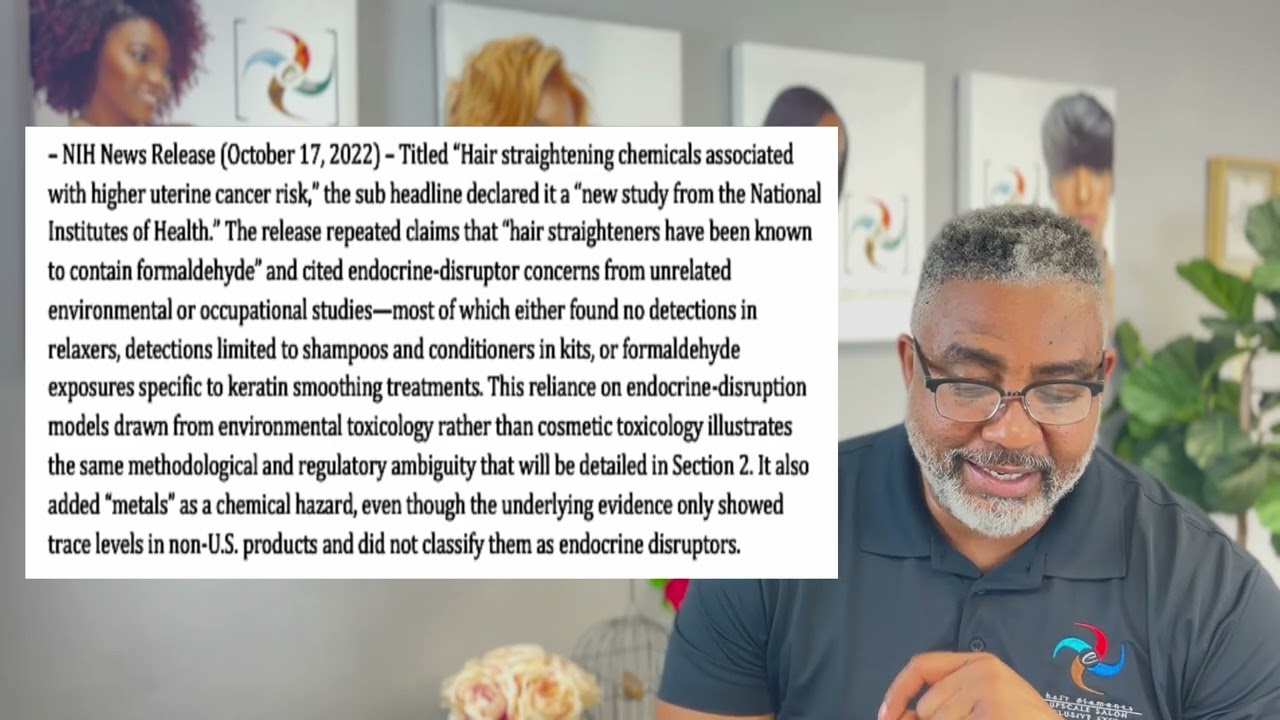
NIH Misled Millions? My Petition to Correct Their Relaxer Report!
125
According to the EPA's Exposure Factors Handbook and related toxicology guidance, exposures are classified into three broad categories: (1) Acute exposure - a single or short-term event, usually lasting from one to several days, evaluating immediate effects with no cumulative absorption; (2) Subchronic exposure - repeated or continuous exposure over an intermediate duration, typically 30 to 90 days, assessing systemic effects from sustained but not lifetime contact; (3) Chronic exposure - long-term repeated exposure extending over a year or more, often encompassing the lifespan of the test subject, applying when chemical contact is continuous enough to model cumulative toxicology or endocrine disruption.
Click to watch →
Modulo 2. Tema 2. Introducción al Dec 351/79 anexo III y a las CMPs
1.8K
This segment provides comprehensive coverage of the relationship between toxicity types and exposure limits. Short-period exposure limits (CMP-PT) address acute toxicity (immediate effects from high concentrations), while 8-hour limits address chronic toxicity (effects from prolonged low-level exposure). Acute effects include irritation, tissue damage, and narcosis that can cause immediate harm or accidents. Chronic effects develop over time from repeated exposure. The regulatory framework requires compliance with both limits simultaneously, ensuring protection against both immediate and long-term health risks. The 15-minute CMP-PT limit must not be repeated more than 4 times daily with 60-minute intervals between exposures.
Click to watch →
Avaliação da Toxicidade Aguda e Crônica no Ambiente de Trabalho | Conhecimentos Específicos | CNU
833
Acute toxicity testing evaluates immediate harmful effects of chemical exposure through single-dose administration to determine lethal doses (DL50) and identify acute effects like skin/eye irritation, respiratory issues, and neurological symptoms; chronic toxicity testing assesses long-term effects from repeated or prolonged exposure over weeks or months to detect organ toxicity, cancer, genetic mutations, and reproductive disturbances, with test selection depending on substance characteristics and exposure potential, utilizing animal studies, in vitro methods, and occupational epidemiology to inform risk assessment and develop protective measures including engineering controls, PPE, ventilation, and regulatory guidelines for workplace safety.
Click to watch →

Tom Carper Leads Senate Environment Committee Hearing About The EPA's Toxic Chemical Regulations
778
EPA issues worker exposure limits based on the IRIS program, which is not congressionally authorized and is hazards-based rather than risk-based. These limits are not consistent with TSCA's statutory mandate for risk-based reviews using best available science. OSHA already completes work on enforceable permissible exposure limits, and ACIH establishes limits far above EPA's values. Some proposed exposure levels are below detection limits, effectively banning chemicals. EPA acknowledges this but states that when setting final rules, they consider costs and other non-risk factors, and if draft evaluations lead to limits below background levels, they will not be the basis of their rules. EPA has developed a framework for PFAS chemicals that recognizes the need to balance safety with practical implementation.
Click to watch →
Deep Dive
The application of indoor air quality monitoring technology, including sensor types like Photoionization Detectors (PIDs) and metal oxide sensors.

Aethair Talks: Peter Morris, PhD – ION SENSE
142
VOC sensors employ three main technologies: Photoionization Detectors (PIDs) offer highest selectivity and stability but are expensive; metal oxide sensors provide low-cost differential detection but show non-linear responses; electrochemical sensors offer another approach. PIDs use isobutylene as calibration gas because it sits mid-range in sensitivity and linearity, isn't sticky, and is non-hazardous. Industrial applications use 10.6 eV sensors for broad detection and 10.0 eV sensors targeting aromatics in petrochemical facilities. Wearable devices trigger alarms at set thresholds (0.5-1 ppm), prompting evacuation followed by specialized analysis using pre-filter tubes or portable chromatography for speciation of benzene, toluene, and other hazardous compounds.
Click to watch →

Top 5 Best Air Quality Detector
414
Indoor air quality monitoring involves measuring multiple parameters including PM2.5 (particulate matter less than 2.5 microns that can reach lung alveoli and worsen asthma), formaldehyde, TVOC (total volatile organic compounds causing most odors), CO2, humidity, and temperature. Modern air quality monitors use advanced sensor technologies: NDIR infrared sensors for CO2, laser particle sensors for particulate matter, semiconductor sensors for gas detection, and photoelectric sensors. These devices provide real-time monitoring with dual alarm systems (visual and audible) and can integrate with smart home systems like Alexa for notifications. Applications span homes, offices, schools, hotels, and vehicles, helping maintain healthy environments by continuously tracking airborne pollutants and climate conditions.
Click to watch →

What Is A Photoionization Detector (PID)? - How It Comes Together
101
A Photoionization Detector (PID) is a gas sensor that identifies volatile organic compounds and some inorganic compounds by using ultraviolet light to ionize target molecules, generating a current proportional to their concentration; the device consists of an ultraviolet lamp emitting specific wavelengths (typically 10.6 or 9.8 eV), an ionization chamber where the light interacts with gas samples, electrodes that measure the resulting ion current, and a microprocessor for controlling operations and processing data, making it essential for industrial air quality monitoring and worker safety.
Click to watch →

Tecnologías basadas en microsensores para estudios de calidad del aire
362
Four primary technologies underlie micro sensors for air quality: electrochemical sensors use membrane-based reactions generating current proportional to gas concentration; photoionization detectors ionize compounds with UV radiation for VOC detection; optical sensors measure light extinction following Beer-Lambert law; and metal oxide sensors detect conductivity changes from gas interactions. Each technique involves trade-offs between sensitivity, selectivity, lifespan, and environmental interference susceptibility.
Click to watch →
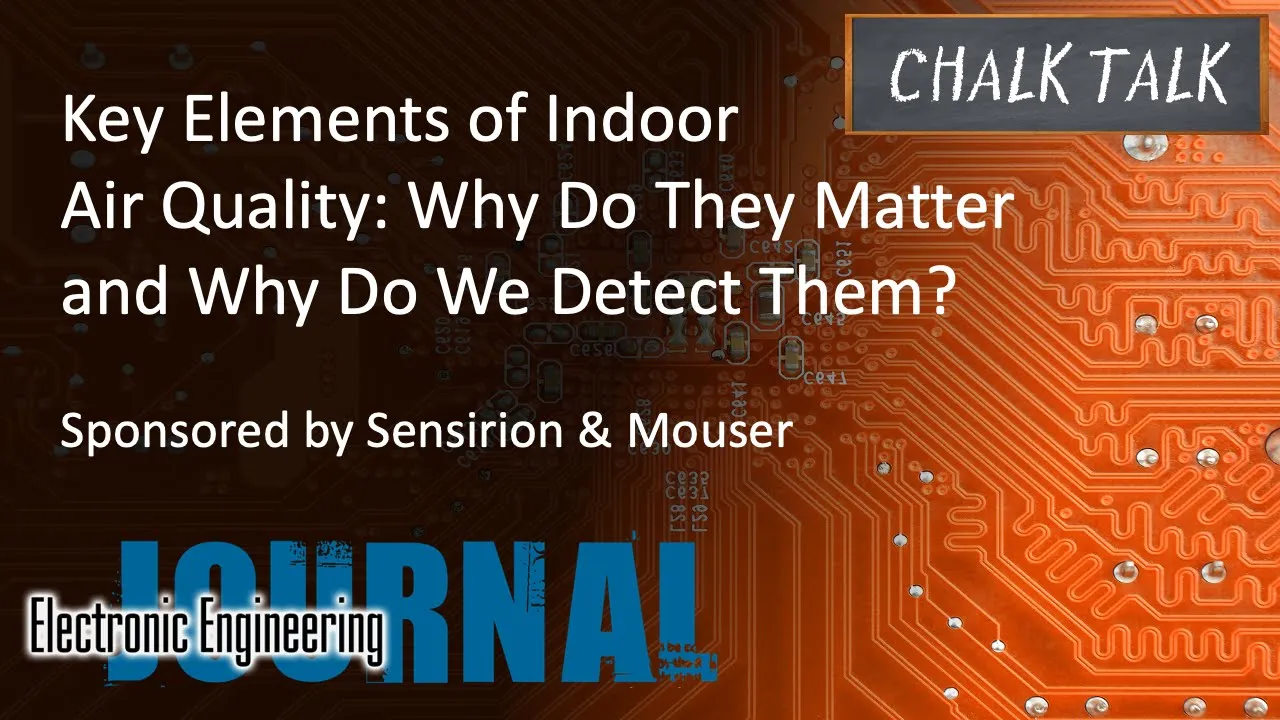
Key Elements of Indoor Air Quality: Why Do They Matter and Why Do We Detect Them? Sensirion & Mouser
42.4K
Indoor air quality monitoring addresses five key parameters: particulate matter (PM), nitrogen oxides (NOx), volatile organic compounds (VOCs), humidity, and temperature. PM consists of airborne particles smaller than visible light, primarily from traffic and combustion. NOx enters indoors through smoking, fireplaces, and gas appliances. VOCs originate from cleaning products, paints, and human activities. These pollutants cause respiratory issues, cardiovascular problems, and asthma when concentrations exceed safe levels. The Sen5x sensor integrates all these detections with onboard intelligence, including temperature acceleration routines that reduce stabilization time from nearly two hours to approximately 45 minutes. The sensor delivers intelligent VOC and NOx indices rather than raw concentrations, learning baseline conditions and reacting to changes.
Click to watch →
VOC Basics
Health & Monitoring
VOC Basics
0:01- 1
VOCs are gases from solids or liquids, often with adverse health effects.
- 2
Indoor levels are 2-5 times higher than outdoors due to common household products.
The Debate Over Low-Exposure Thresholds and the Efficacy of Complete VOC Elimination
While the health risks of high-level VOC exposure are well-documented, some toxicologists and building scientists argue that public concern over low-level, everyday exposure is often exaggerated. This critical perspective suggests that trace levels of VOCs in indoor environments rarely reach thresholds capable of causing chronic harm to healthy individuals. Furthermore, critics point out that the push for 'zero-VOC' environments can lead to unnecessary anxiety and costly building materials that may perform poorly. Additionally, many naturally occurring, pleasant compounds—such as terpenes from pine wood or citrus fruits—are classified as VOCs, complicating the narrative that all VOCs are inherently hazardous. Adherents of this viewpoint advocate for a pragmatic approach focused on proper ventilation and realistic exposure limits rather than the costly and virtually impossible goal of complete chemical elimination.
Basic chemistry of organic compounds, specifically carbon-based molecules and their physical properties.
The physical concept of volatility and vapor pressure, which explains how liquids transition into gases at room temperature.
Fundamental understanding of human respiratory health and the basic pathways of inhalation exposure.
The basic principles of indoor ventilation and how air exchanges between indoor and outdoor environments.
Advanced air filtration and purification technologies, such as activated carbon filters and photo-catalytic oxidation.
Green building design principles and materials selection, including LEED and WELL building standards for low-VOC products.
Environmental toxicology, specifically focusing on chronic versus acute chemical exposure limits and regulatory guidelines (EPA, OSHA).
The application of indoor air quality monitoring technology, including sensor types like Photoionization Detectors (PIDs) and metal oxide sensors.
34.5K views157likes3:52@IAQMarketerOriginal Release: 2014-06-05
[Music] volatile organic compounds also known as voc's include a wide variety of chemicals in use today voc's are emitted as gases from certain solids or liquids and many are known to have potential adverse health effects for people exposed to these compounds in the air they breathe concentrations of many voccs are consistently higher indoors than Outdoors since they are Ed by a wide array of products found in most homes and buildings examples of common vocc sources include paints paint strippers and other solvents wood preservatives aerosol sprays cleaning supplies disinfectants and pesticides air fresheners stored fuels and Automotive Products hobby supplies dry clean clothing building materials and Furnishings glues and adhesives the ability of organic chemicals to cause health effects varies greatly from those that are highly toxic to those with no known Health effect as with other pollutants the extent and nature of the health effects depend on many factors including the level of exposure and length of time exposed eye and respiratory tract irritation headaches dizziness visual disorders and memory impairment are among the immediate symptoms that some people have experienced soon after exposure to some Organics many organic compounds are known to cause cancer in animals some are suspected of causing or are known to cause cancer in humans according to the US Environmental Protection Agency Studies have found that levels of several Organics average two to five times higher indoors than Outdoors during and for several hours immediately after certain activities such as paint stripping levels may be 1,000 times background outdoor levels many industrial processes in many manufacturing facilities also use a wide range of voc's during their daily activities occupational health and safety professionals are trained to assess workplace contaminants and Associated worker exposures to comply with various regulations and to protect workers there are also indoor air quality professionals who provide VOC testing services for the public these are just a few things to know about voc's in indoor air quality to learn more about this or other health and safety environmental or indoor air quality issues please visit the website shown on the screen [Music] [Music] [Music] [Music] IAQ TV the place to be for
Up Next

32:16
Indoor Air Quality: Sources, Health Impacts & Ventilation
@IITRoorkeeJuly
8.2K views•2022-02-23

15:54
Life in Biosphere 2: Sustainable Ecosystems & Human Survival
@TED
334.9K views•2009-06-16
14:30
Microplastics Everywhere: How Plastic Impacts Our Lives
@TEDx
100.9K views•2018-05-08
10:28
Ice Stupa Artificial Glaciers: Solving Ladakh's Water Crisis
@SonamWangchuk66
3.2M views•2015-05-03
Related Study Plans & Knowledge Roadmaps
Structured learning paths in Environmental Science
environmental-science
Ocean Noise: Cetacean Impacts & Mitigation
01Fundamentals of Underwater Acoustics
02Marine Mammal Bioacoustics
03Anthropogenic Noise: Shipping & Seismic Surveying
+ 2 more learning modules
16h5 modules
Explore Roadmap
environmental-science
Road Ecology: Corridors, Overpasses & Fencing
01Foundations of Habitat Fragmentation and Carnivore Ecology
02The Road Barrier: Ecological Impacts of Transport Infrastructure
03Principles of Ecological Corridors and Connectivity Mapping
+ 3 more learning modules
14h6 modules
Explore Roadmap
environmental-science
Ocean Acidification: Kelp Buffering & Shellfish
01Fundamentals of Ocean Chemistry & pH
02Chemical Pathways of Coastal Acidification
03Bivalve Physiology & Calcification Under Stress
+ 2 more learning modules
18h5 modules
Explore Roadmap
environmental-science
Ice Stupas: Glacial Retreat & Water Security
01Foundations of Glaciology & Mountain Hydrology
02Climate Change and Glacial Retreat Dynamics
03The Science of Ice Stupas & Artificial Glaciers
+ 2 more learning modules
14h5 modules
Explore Roadmap