












![[Lecture] 2012-11-27_Joe Swinford_Residential Advanced Insulation Techniques and High Perform](https://i.ytimg.com/vi/BodPv_-sCEI/sddefault.jpg)






![La Sick Building Syndrome e l'Esperto edificio salubre - Geom. Andrea Muroni [WEBINAR]](https://i.ytimg.com/vi/sHL3QggBe54/maxresdefault.jpg)





![S.E.E. Síndrome del edificio enfermo. [03]. Contaminantes químicos (*).](https://i.ytimg.com/vi/UjGHBsuzsSw/hqdefault.jpg?sqp=-oaymwEmCOADEOgC8quKqQMa8AEB-AH-BIAC4AOKAgwIABABGGIgYihiMA8=&rs=AOn4CLCAFgcwu20w2XyLVlbQEPU2cQRJCQ)

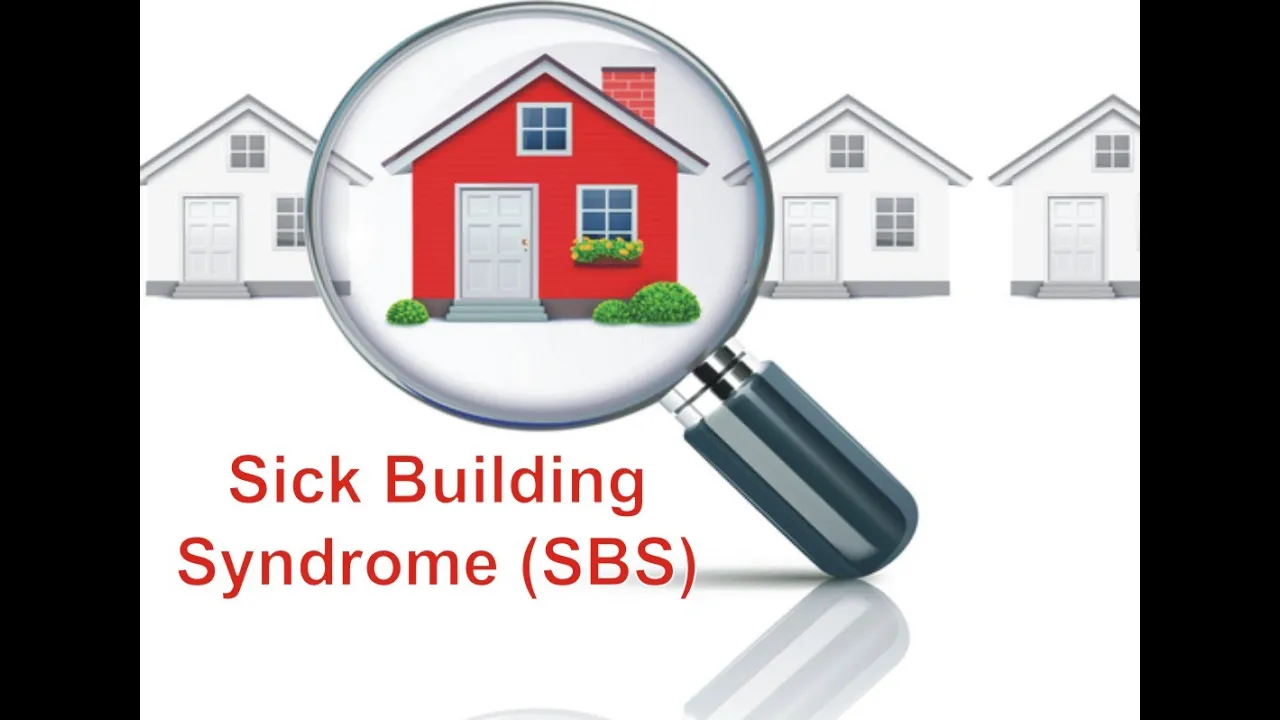
Indoor air quality refers to the air quality within buildings that affects occupant health and comfort, with indoor pollutant concentrations often 2-5 times higher than outdoor levels; major sources include building materials, furniture, household products, cooking activities, and outdoor pollutants entering through ventilation, while key factors influencing indoor air quality include ventilation rates, pollutant emission rates, humidity, temperature, and building age, with proper ventilation being essential for maintaining healthy indoor environments and preventing health issues ranging from short-term symptoms like headaches and respiratory irritation to long-term conditions such as cardiovascular disease and cancer.
Indoor Air Quality: Sources, Health Impacts & Ventilation
Added:Basic composition of Earth's atmosphere, including common gases (such as oxygen, nitrogen, and carbon dioxide) and the concept of particulate matter (PM).
Fundamentals of the human respiratory system and how inhaled foreign particles or toxic gases interact with the lungs and bloodstream.
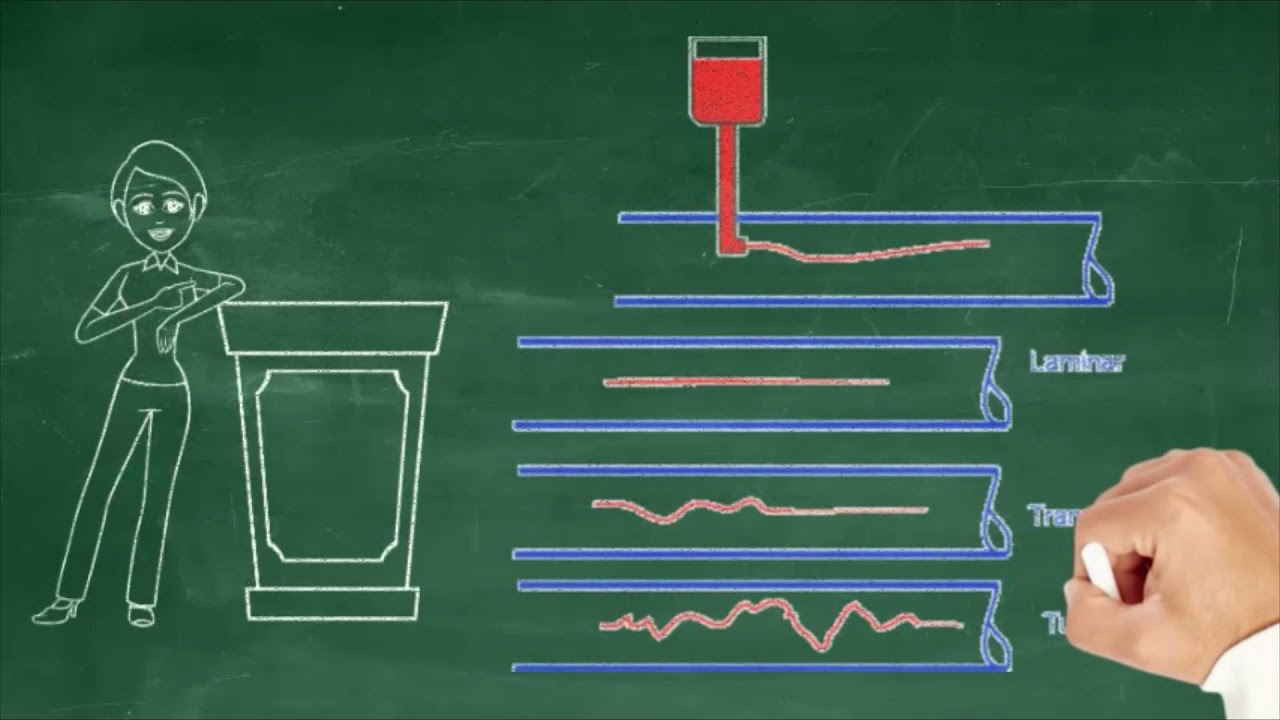
Elementary principles of airflow and fluid dynamics, specifically how air circulates and transfers substances within enclosed spaces.
The general concept of modern building envelopes and how sealing structures for energy efficiency affects natural air exchange.
Advanced HVAC design and engineering, including the implementation of HEPA filtration, MERV ratings, and Energy Recovery Ventilation (ERV) systems.
Global indoor air quality regulations, codes, and compliance standards, such as those set by ASHRAE, the EPA, and the World Health Organization.
Sensor technologies and methodologies for monitoring and analyzing indoor pollutants, including volatile organic compounds (VOCs) and radon.
Green building certification frameworks, such as LEED and the WELL Building Standard, which prioritize Indoor Environmental Quality (IEQ).
Epidemiological studies on long-term exposure to indoor contaminants, focusing on conditions like 'Sick Building Syndrome' (SBS) and building-related illnesses.
8.2K views81likes32:16Original Release: 2022-02-23
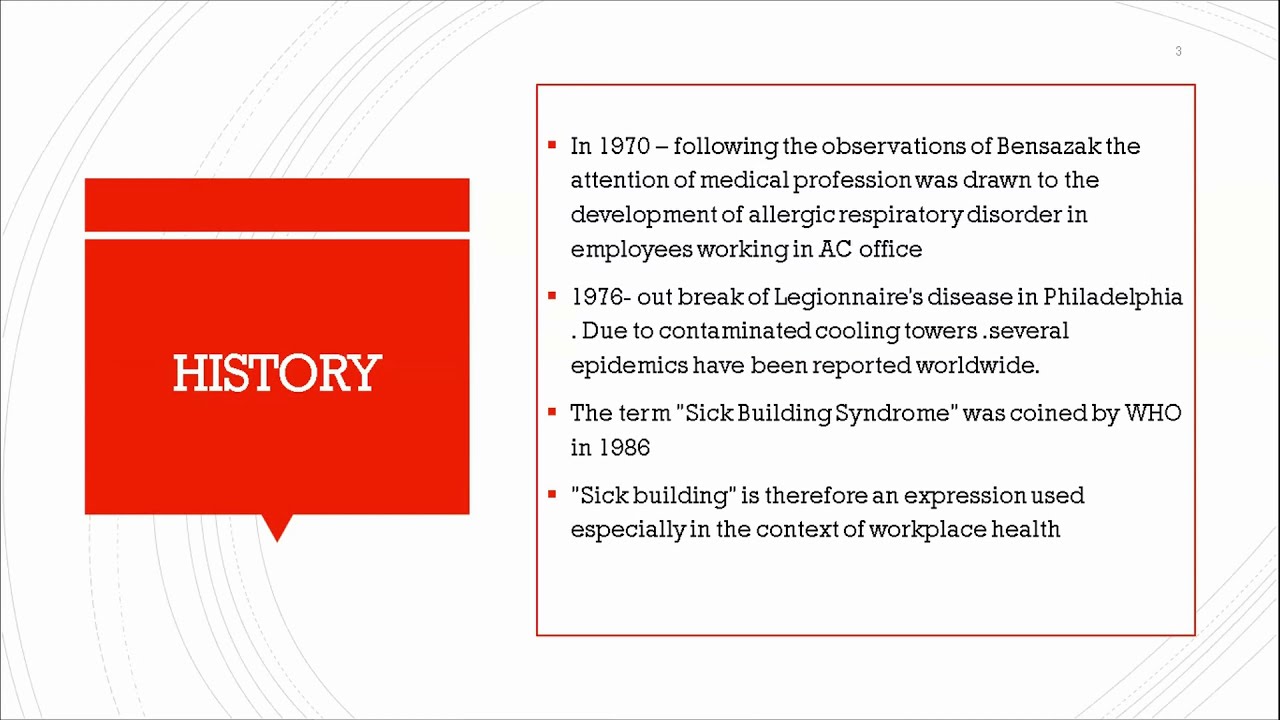
Hello friends. From today onwards we will discuss two, three or four lectures on indoor air quality. So, today a kind of introduction we will have about indoor air quality that will include what is basically this indoor air pollution? What are the causes of indoor air pollution? What are the major sources? Then how indoor air quality is defined and what are the historical background or perspectives in that sense and what is the importance? Why do we really worry about indoor air quality and what are those important parameters that influence the indoor air quality and then some health impacts which are associated with different pollutants which we get exposed in indoor environment or micro environment of the buildings etc. Then a few important things or aspects like sick building syndrome that we will discuss and what is the role of ventilation in maintaining air quality of indoor environment. That we will also discuss and later on we will have concluding remarks. So, when we talk about indoor air pollution basically we refer to those chemical, biological or physical contaminants which are present in an indoor air and that may result into some sort of health issues to the receptor, to the people who are living inside the that particular environment. And most of the time we feel that this air pollution problem is only outdoor problem or only ambient air related problem and that may be the reason that most of the discussions happen is regarding only ambient air quality. We have so many standards like national ambient air quality standards but related to indoor air quality hardly any standard are there. So, there is a huge gap. We think that only in industrial areas or industrial environment or outdoors this air quality may deteriorate and there may be air pollution kind of thing but fact is that the air inside the buildings or the micro environments can be highly polluted and we are not aware of that. Several kind of pollutants may be there inside the buildings and we can get exposed to that. Sometimes at times the air pollution inside the building is more than the ambient air and there are certain regions we will discuss about those aspects also. So, when we talk about the causes of indoor air pollution, then we come across like for example air tightness of building may be responsible because it prevents the air exchange. Circulation is inhibited, air circulation is inhibited and whatever emissions are being generated indoor like from kitchen or from smoking or any other activity like from dryers or washing machine or moping and brooming, all those kind of activities, they can generate a lot of dust or air pollutants and they may be inside the building because this air tightness of the building may prevent to get them out and there may not be proper ventilation. So, the poorly designed air conditioning or ventilation systems also adds to the air pollution in the micro environment of buildings. Then indoor sources of air pollution may be there, as I said from kitchen or from other activities we have, even from furniture or from paints etc there may be some passive emissions and outdoor sources of the air pollution may also contribute to the indoor environment because whenever we are opening window or door then air is coming from the outside and this inside air goes outside. So, if there are significant sources outside the building and those sources are polluting the ambient air that air can flush into rush into the building, inside the building and that can also add to the indoor air pollution. Well so, when we talk about different sources basically these are like whatever gases or particulate pollution which are coming from indoor air quality problems from homes or office related activities and as I said, it can it can come from outdoor activities also, whatever order outdoor activities they can add. And these chulas or in kitchen plus tobacco or dust from these kind of activities they may or even when we are using some room freshener or these are basically VOC s Volatile Organic Compounds. They also add into the air pollution inside the buildings. So, sources can be several like building materials or furnishing items or household products like air fresheners and there are numerous activities which can release like even when we are doing some sort of puja, we are burning something then whatever things are being burnt that can add into the air pollution inside unless we have proper ventilation system. So, when we talk of different aspects so air tightness of the building is one important aspect because it prevents the air exchange as I said and it can build up some hazardous impact in the indoor environment as ventilation rates are reduced sometimes we feel about like energy efficiency that we should not go for very high intensity or efficiency of ventilation because then electricity bill will be very high. So, what happens sometimes people do that this ventilation rate, they reduce to improve the energy efficiency and the lower carbon emissions. Those could be the reasons to achieve but then that can result into built up of indoor air pollutants and it can lead to development of negative air pressure inside the building. So, negative air pressure means low pressure and if air pressure is outside, the building is higher then again the polluted air can come from outside to inside through cracks, through whatever opening is there through that air can come as air is so diluted fluid, it is very difficult to prevent it to move from one point to another. So, you can see here, when it is shown that of course there are ventilation systems then some positive pressures are there proper and then air goes out in from the inside to outside but from outside to inside also air comes depending upon the pressure. So, wherever negative air pressure is there air will come from outside to inside building, wherever positive pressure is there air will go out from the building to the in outdoor environment. Then poorly designed Heating Ventilation And Air Conditioning (HVAC), Heating Ventilation and Air Conditioning system, if it is not designed properly then it can also result into several kind of pollutants like it can result into fungi or moulds or other sickness causing microbes or bacteria all those kind of things may happen and that can add into allergic related issues. So, in air conditioning duct if it is not clean and if it is moist and it can cause microbes related activities then it is very dangerous to health issues and return air grill, if it is not cleaned regularly periodically that can also cause that can also get converted into sources of air pollutants rather than air conditioning, it may reduce the temperature of course but it can add to several kind of air pollutants. So, the sources of indoor air pollution in a typical household can be seen in this pictorial representation. For example, from bedroom can be there, bathroom or air conditioning units, living room and laundry room where VOC s can be generated by these detergents etc those kind of things, cooking devices all these kind of activities can add into one or the other kind of air pollutants inside the building. And in office buildings then there may be additional sources like photocopying machine can be there and heaters or some other kind of activities, carpets capture lot of dust, if you are not doing proper vacuum cleaning then it can be source of lot of dust or particulate matter of fine nature and it is very health hazard. Then, if we club them as different kind of sources then we can say that indoor human activities can add into the air pollution inside the buildings and building components and furnishing like furniture or even walls paints etc so far set bad sets everything, dust mites can be there all those things are the concern from air pollutant point of view and then from outside building also as I said, polluted air can come inside, equipment s of different nature can add into those chemicals leads from buildings or when we are using chemicals in washroom there also some fumes may be generated. Outside the building there may be additional sources which are of usual nature as we know whether it is from industrial stack emissions or pollens from different trees or plants and then general vehicle exhaust all those kind of things are there from parking lots, garages, orders from different activities all those things can be additional sources which can add into indoor air pollution. Then there may be like these leakages from underground fuel tanks which have petrol pumps or any other kind of units they can have and then moisture can also be there because if proper drainage system is not there within the building, if leakage is there and seepage is there, they can also add into these kind of very fine pollens means pores or those fungi related issues and they can add into some microbes which are health hazard basically. Equipment s, we have exhaust fan etc, if you are not cleaning them properly they can also be like sources of air pollutants. Even those air cleaners, now a days people use air cleaners or air filters if you are not cleaning regularly those air filters rather than cleaning the indoor environment they can add into air pollution. So, it has to be cleaned regularly. So, all those kind of equipment s if you are not maintaining them properly they can add into indoor air pollution. So, whether it is heating ventilation air conditioning related equipment or non-HVAC means non-heating ventilation air conditioning equipment, like solvents or toners all those kind of cleaning processes all those can emit one or other kind of indoor air pollutants. Different human activities as we know, we are using some pest control related chemicals pesticides etc they also add into pollutants inside the building, house activities are there like airborne dust or dirt and then cleaning materials all those things are there for adding into the air pollution inside the micro environment. Personal activities like smoking, cooking, body odour, if we are not clean then we are also adding into some air pollutants. Our pets, if we are not keeping our pets properly clean then they can add into several kind of air pollutants. Their hair and many things may be there, cosmetic order can be there, all those things. Whatever we are using which smell that is basically adding to the air pollution. Then building components and furnishing as we discussed like surfaces or open cells or deteriorated furnishing items materials containing damaged asbestos all those kind of things are there, then unsanitary conditions like microbiological growth on soiled or water damaged furnishing, microbiological growth may be there in those surfaces which are moist or and dry traps may be also there which can like sewer gas related issues can also be there. So, order causing activities can be there for adding into indoor air pollutant. Other sources like because accidentally some liquids are spilled that can also add into some sort of pollution. Then repair activities, when whenever we do that also adds into some kind of air pollutants. And now we come to indoor air quality because whatever we have discussed are adding to the indoor air quality. They are leading us to the quality of indoor air. So, how do we define what is the indoor air quality. So, theoretically we can say that it refers to the air quality within the buildings or structures wherever we are living whether it is residential building or the office building especially as it relates to the health and comfort of the building occupants. When your room is properly tight, I mean improperly tight I would say and it is not ventilated properly then lot of suffocation can be there. CO2 build up may be there and you are not having proper oxygen for your body and ultimately you may fall sick. So, indoor air quality is basically defined by the depiction of concentrations of different pollutants and thermal conditions plus humidity related issues also. And some air pressure if it is having negative kind of thing, so then different air pollutants come from outside and they have health the impacts of negative nature discomfort and performance of buildings of occupants, performance means working performance can reduce, efficiency can reduce, you may fall sick you may not attend your school or college or office and you have to visit the doctor because of some respiratory problems and that may be because of this poor indoor air quality. So, again as we talk about what is the significance of indoor air quality in terms of household air pollution. So, it is given data 3.8 million die prematurely every year from household air pollution. So, from cooking, this is 2016 data. So, those kind of things are there which really alarm that we should be careful about the indoor air quality. So, why do we study? The reason we know because it is affecting our health and environmental protection agency has given some data like people spend over 90 percent of their time indoors now a days and if you look at this corona, means the whole world almost everyone was in inside the their houses. Their outdoor activities was restricted very severely. So, even this lifestyle is becoming, so that most of the people whether they are working in factories or in offices, they are working in some indoor environment and the air pollutants in those micro environments are 2 to 5 times higher than the outside. That has been observed because of those observations, these are the data. World Health Organization also has estimated that more than 30 percent of all commercial buildings have significant indoor air quality problems. So, that means the severity of this indoor air quality is affecting a lot of people, a lot of population and we should worry about it. We should do something to improve the indoor air quality. Now if you talk about historical perspective whether in past those centuries, this was the issue or not? So, when we go about the literature then we find that ever since men first lit the fires in shelters, in caves so indoor air quality has been a health issue. Basically, there are evidences of such nature that lungs were blackened because of that particle deposition and it has been seen in this mummified human remains which were discovered in Egypt and Peru and those countries. So, indoor air quality became an important topic in 18th century very much because of lot of this coal burning and fossil fuel reuses and the first regarding deaths of workers in mines basically and those kind of activities, when the slavery was there, so from Africa to America when ships were filled with so many people and ventilation was not proper, so many people died and that was basically because of poor air quality. And then we talk about this first indication of indoor contamination in terms of asbestos concentration or asbestos pollution. This is a carcinogenic substance as you know and this was discovered by epidemiologists. So, in a 1970 study it was found that less rate of ventilation then higher concentration of radon, source of the radon was building material and on July 12, 1989 environmental protection agency issued a final rule banning most asbestos containing products. So, whatever building material having asbestos, so that was discarded or banned for uses for the building material purposes. Indoor air pollution importance of indoor air quality in terms from solid fuels when we are using coals etc, it accounts for 3.5 million deaths and 4.5 percent of global daily adjusted life here. This kind of data are there from a study and it also accounted for 16 percent particulate matter pollution. So, that way it is a very significant issue that indoor air quality has to be clean otherwise large number of population can get exposed to its harmful effects. Then what are the parameters which effect or influence the indoor air quality. So, when we list them like rate of exchange of air from outdoor like ventilation outdoor to indoor what is the air mass exchange which mechanical engineers usually read about or study about and the concentration of pollutants in the outdoor air, rate of emissions from sources indoors, rate of removal of pollutants like sinks are there, some indoor temperature indoor humidity, age of the indoor structures or building material, type of foundation soil. Because if it is contaminated like suppose it was a landfill site and you have constructed buildings there, so maybe some very harmful chemicals are there and slowly they come out of the soil and they fill up complete the building atmosphere and you never know this can happen and later on we find that certain health issues are there. When health impacts of indoor air pollution are discussed, the reduction in oxygen level of species are the reasons, those are the reasons like increase in CO2 level, as I said when you feel suffocated because CO2 increases in lot of quantity then temperature may also increase because of certain activities, increase in humidity can also add into discomfort, increase in bio-resource and order that can also affect our daily life. Well, when we talk about short term and long term health impact of indoor air pollution. So, short term like it can cause headache or it can cause some irritation to nose, throat, infection eye inflammation coughing and painful breathing those kind of issues. Now in winter many people have these issues and pneumonia or skin irritation all those things can be in term short term kind of effect are there because of polluted air inside the micro environment. When we talk about long term effects so it can affect the central nervous system, the headache anxiety all the time. Cardiovascular disease can also be there, heart related disease can also there, then respiratory diseases like asthmatic problems may occur or even cancer causing things can also be there because of constant exposure to the polluted air inside the buildings. When we talk about the pollutant specific effects, there health effects whether it is outside the building or inside the building it is the same like knocks is causing irritation to the skin or eyes and the throat and it can cause coughing also and there are some limits are given there by environmental protection agency. Some standards are there, this should not exceed these are the limits, CO is having like headache even in fact CO as you know, it can cause death also if high concentration of CO is inhaled and we do not get aware of it because it does not smell or this is odourless, colourless. RSPM, this Respirable Suspended Particulate Matter that is PM10, that can cause cancer also if carcinogenic elements are coated in those particulate matter whether it is PM2.5 or those fine particles they can enter into our system. SO2 means sulphur dioxide can result into lung disorder or shortness of the breath those kind of things may be there and this radon can cause lung cancer. Similarly, there are like formaldehyde asbestos all these are very healthy effects can be there like formaldehyde can skin allergies can result from that, asbestos can cause lung cancer, pesticides again they are can result in skin diseases, VOC s they can have eye irritation or skin dresses, CO2 well surrogate index of ventilation because CO2 is more than ventilation is not good and when CO2 is more and oxygen is less then you feel uncomfortable. Ozone many times we have discussed that it is very problematic and it can cause several kind of problems. When we come to sick building syndrome, you might have heard this terminology sometimes you might heard like some building is blamed like if somebody goes and the family goes there they always fall sick. Sometimes we mark a building saying this is ghost building, all those kind of things are there, sometimes they say do not live in that particular building, it is cursed. Anybody or any family come to this building, they fell sick. So, basically that may be because of certain these indoor air pollutants also. So, that is terminology sick building syndrome is there. So, this term basically is used to describe situation where building occupants experience some acute health related issues. Whenever you live in there, then you have breathlessness or some heart related problem or whatever depending upon what kind of pollutant is there. So, specific illnesses may be there some causes can be identified related to the pollutants. So, the poor lighting, poor indoor air quality, poor ergonomics means you can fall if it is not designed properly and then you can say that this is cursed building, we cannot live healthy here uncomfortable acoustics, psychological stress because if light air all those combinations are not proper then you do not feel good. So, those may be the buildings which are known as or result into sick building syndrome. And the solutions for that we should really care about this lighting, air circulation all those things. So, we can solve that problem and the air cleaning, increasing ventilation rates and proper communication with the residents and monitoring of the pollutants and then identifying the sources of those pollutants, removing them that kind of thing can be done to make that building as healthy living space. Well, ventilation plays very important role for removing the pollutants from inside to outside. And sometimes as I said, ventilations can even increase the pollutants also if it is not properly designed. So, there may be natural ventilation, there can be mechanical ventilation or the hybrid system can also be there. So, those things can be seen, here you see the ventilation rate, air flow direction, air distribution all those things basically play important role otherwise some corners of the building will be highly polluted if ventilation is not proper. If you talk about natural ventilation, it can be in terms of like single sided ventilation or cross ventilation, stack ventilation all those kind of things can be there. And in natural ventilation basically you can see here these species where circulation happens properly but it can bring pollens and other pollutants from outside air if it is not properly designed. Because natural ventilation means you allow air from outside to come inside and from inside to outside with some ventilators which are naturally taking this circulation of the air. So, that way we are not controlling outside air, it is coming just from some openings. So, that may be one issue. If it is not clean air outside then it can be an issue. Mechanical ventilation basically it can control. The air flow, speed, volume, temperature everything you can control because mechanically it is designed and that way cool air can come down and then this warm air goes up and it can get out with those particularly systems which are designed for ventilation. So, you can see here like in natural ventilation there may be some pockets where high level of pollutants may be there because natural ventilation cannot go to each and every corner with uniform flow rate of the air. It has some limitations but mechanically designed proper ventilation system can have uniform distribution of air circulation and that can remove the pollutants properly. In hybrid or mixed mode ventilation there are this combined natural driving forces you use and then whenever this natural pressure difference is not there, then you use the mechanical devices for proper ventilation. When we talk about like assessment of ventilation performance, so we have certain these kind of questions which really help us to see whether the ventilation system is performing properly or not. For example, does this system provide sufficient ventilation rate as required? You can calculate that. Is the overall airflow direction in a building is from clean air to dirty zones so that the dirty zones flush out and then how efficient is the system in delivering the outdoor air to each location in the room. And how efficient is the system in removing the airborne pollutants from each location in the room, so that room is having clean air. So, those kind of things can be seen and for assessment or evaluation of ventilation system. Well, in totality when we talk about ventilation and indoor air quality. So, basically the energy efficient residential buildings having mechanical ventilations with the heat recovery, they are proved that with the lower concentrations of indoor particulate matter PM10 or PM2.5 carbon dioxide or VOC s compared to the conventional apartments which do not have the weather properly controlled mechanical ventilation system. So, that picture shows that in that proper like ventilated system which is controlled mechanically you can have healthy environment in comparison to the conventional apartments. So, that is one important aspect that if you want to have good indoor air quality have the good ventilation system. So, that you live in a better condition and you do not fall sick, you do not get exposed to indoor air pollutants. So, this is conclusions from this introductory lecture. We can say that the indoor air quality assessment and management need more attention as increasing number of people are spending more and more time indoor environment. Whether it is office or our residential buildings and the understanding and controlling the sources and dispersion and diffusion of common indoor air pollutants can help to reduce the risk of indoor health impacts. And proper ventilation is required to keep indoor environment healthy in terms of better indoor air quality. So, I hope with this introductory lecture, I am sure you can visualize what the importance of indoor air quality is and which are the sources important, sources or major sources which can deteriorate the indoor air of the micro environment whether it is library or your residential house or office building or office room, whatever. So, with this I finish this lecture and we will continue discussing about other aspects of the indoor air quality. These are the references for more information on indoor air quality, please go through that whenever you have time and thanks again. See you again in the next lecture. Thanks.
Up Next
54:02
Understanding VOCs: Sources, Health Impact, and Testing
@themoldprosinc.4345
301 views•2021-06-22

15:54
Life in Biosphere 2: Sustainable Ecosystems & Human Survival
@TED
334.9K views•2009-06-16

14:30
Microplastics Everywhere: How Plastic Impacts Our Lives
@TEDx
100.9K views•2018-05-08

10:28
Ice Stupa Artificial Glaciers: Solving Ladakh's Water Crisis
@SonamWangchuk66
3.2M views•2015-05-03
Related Study Plans & Knowledge Roadmaps
Structured learning paths in Environmental Science
environmental-science
Ocean Noise: Cetacean Impacts & Mitigation
01Fundamentals of Underwater Acoustics
02Marine Mammal Bioacoustics
03Anthropogenic Noise: Shipping & Seismic Surveying
+ 2 more learning modules
16h5 modules
Explore Roadmap
environmental-science
Road Ecology: Corridors, Overpasses & Fencing
01Foundations of Habitat Fragmentation and Carnivore Ecology
02The Road Barrier: Ecological Impacts of Transport Infrastructure
03Principles of Ecological Corridors and Connectivity Mapping
+ 3 more learning modules
14h6 modules
Explore Roadmap
environmental-science
Ocean Acidification: Kelp Buffering & Shellfish
01Fundamentals of Ocean Chemistry & pH
02Chemical Pathways of Coastal Acidification
03Bivalve Physiology & Calcification Under Stress
+ 2 more learning modules
18h5 modules
Explore Roadmap
environmental-science
Ice Stupas: Glacial Retreat & Water Security
01Foundations of Glaciology & Mountain Hydrology
02Climate Change and Glacial Retreat Dynamics
03The Science of Ice Stupas & Artificial Glaciers
+ 2 more learning modules
14h5 modules
Explore Roadmap