



















![[지식실험] 충격! 새차 유해물질 [위기탈출 넘버원] | KBS 20070428 방송](https://i.ytimg.com/vi/KT-NsWwP8ZM/maxresdefault.jpg)
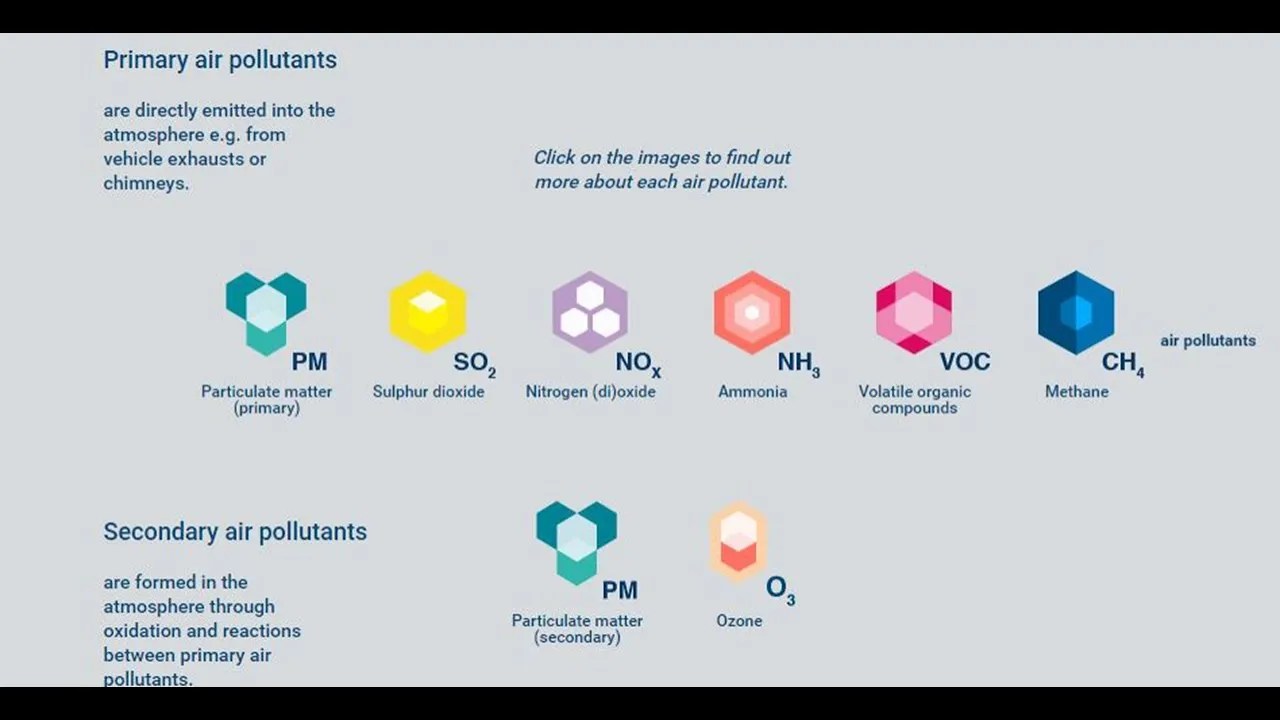
Volatile Organic Compounds (VOCs) are gases at room temperature containing carbon and hydrogen atoms, originating from building materials, furniture, cleaning products, and occupant activities; they are invisible, odorless, and can cause both short-term irritation (eyes, nose, throat) and long-term health effects depending on concentration and exposure duration, with indoor VOC levels influenced by temperature, humidity, and ventilation rates, requiring systematic source identification and mitigation strategies for effective management.
Understanding VOCs: Sources, Health Impact, and Testing
Added:Basic chemistry concepts, specifically the definition of organic compounds and the physical property of volatility, including vapor pressure and evaporation at room temperature.
Fundamental principles of indoor air quality, including how air circulates and concentrates pollutants in enclosed versus open environments.
Introductory human toxicology, specifically how the respiratory system absorbs gaseous pollutants and the difference between acute and chronic exposure.
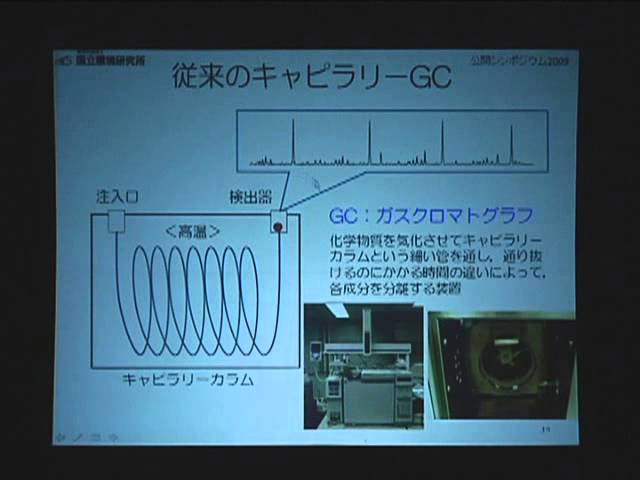
Advanced analytical testing techniques for air monitoring, such as Gas Chromatography-Mass Spectrometry (GC-MS) and Photoionization Detection (PID).
Remediation and mitigation strategies for indoor air pollution, including carbon filtration, source control, and HVAC ventilation design.
Environmental regulations and green building standards, such as EPA guidelines, ASHRAE ventilation standards, and LEED certification requirements for low-emitting materials.
In-depth toxicological studies of specific high-risk VOCs, such as formaldehyde, benzene, and toluene.
301 views2likes54:02Original Release: 2021-06-22
hello everybody welcome to another edition of the mold pros webinar series uh today we have dr dalia from prism analytics and today she'll be talking about how vocs affect your home and how they can be tested for so i know this is a lot different than anything that we've like been talking about in the past we've been talking about how to like look at a good home how to be how to treat these type of things with like um different types of um treatments but this is like the first time we've been talking about the analytical side of voc testing so i'm really happy to have dr delia here to help us with this and give us some insight into it so thank you very much dr dalia and i'm really looking forward to listening to this talk thanks matt i'm really happy to be here as well uh it's my favorite subject so it's always a fun thing for me to to talk to everybody else about all the things that vocs are and and have an effect um it's a it's a lot that people don't necessarily think about a lot um but it can have a profound effect on on basically every aspect of indoor environments health odors general comfort kinds of things so um we'll get going here me make sure i can actually advance this there we go so um everybody pretty much is confused about what to do with vocs um they're hard to detect they're hard to describe you can't see them oftentimes you can't smell them you don't feel anything it's it's really easy to to not even think that there may might be a problem having to do with vocs um but especially excuse me especially with so many other things you know people talk about particulates um and uh you can get onto things with carbon monoxide or carbon dioxide or radon or things like that um but because vocs can be so complicated um there's a lot of them uh there's really no one way to measure everything uh and the effects can be widely variable so it's a it's a bit of a a puzzle to put together to try to put that with all the other things in the indoor environment as well as the occupants of that space you know what kind of situation they might be in what kind of sensitivities they might have prior experiences with other kinds of toxins or or exposures that that might have also been affecting them so um we're going to go through a bit of what our vocs i know you guys all know a little bit about that at least but maybe a bit more into how to characterize them or how to view them in that way i'm also going to look at some of the health aspects um can't do a lot in terms of you know really an in-depth view uh just because it does get so complicated in terms of you know as i said what affects what and what interacts with what and and all those kinds of things and then wrapping that up with a little bit of uh what do we do now so this is more on the the the aspect of what you know you're more familiar with would be okay i've got this client they have this problem how am i going to try to fix it so we'll go into that in just a bit of detail so voc problems there are a lot a lot of voc problems but here's just a handful of them that we see pretty frequently certainly any kind of recent construction or renovation um obviously you're building it you're bringing in a lot of new materials they're also fresh so you know paint or even adhesives or other kinds of things that might have been used in that renovation process are always going to be more when they're new than after some period of time uh building design and construction that's a more and more building science is getting to be one of those areas that people are really starting to pay attention to um so not just looking at you know energy efficiency or air exchange those kinds of things but what materials are you using to to make that are those what are termed low voc types of of materials or what is their durability or sustainability or those kinds of things uh any any obviously any kind of of problems with the structure um all very very familiar with water intrusion leading to mold problems uh but there can certainly be others with ventilation as well as because that general the the general durability of the products themselves and then of course you get into the occupants so once you bring people into a building things can change radically so they bring their own stuff in you know furnitures and furniture and carpet and drapes and all those kinds of things uh the activities that they have you know what they like to do do they have how big is it they that they that might affect things my father really likes to do uh woodworking he has a wood shop in the basement but if he's gonna be doing any kind of staining or those kinds of things he brings it upstairs because he knows it's gonna just sit there and and it's not gonna go anywhere so um and then of course we have stored things so we all like to keep things just in case we're gonna need them for something else you never know got that little you know a quarter of a of the paint can left and you know maybe you'll use it to touch something up or whatever but after you know 10 15 20 years go by you know it's really necessary to keep all that stuff uh because anything you have has the potential to emit um vocs even if it appears to be sealed so that's one of those things that is a little bit of a balancing act of what do you need and to keep and then how do you keep that stuff safe so vocs so what are they at it's easiest they're just they're a gas at room temperature now not all gases are vocs but gases you know that are going to have basically carbon and hydrogen in them which is the organic part of a volatile organic compound that's basically what a voc is it's something that's going to be a gas at room temperature that has carbon in it so these gases these molecules are extremely small so this is just a little bit of an image um just showing how they bounce around move everywhere so this is one of the things that makes vocs difficult uh especially in comparison to something like uh particulate spores you know those kinds of things because they're so incredibly small they will actually go through just about any material so you've got your wall um ceiling carpet those kinds of things you've got you know whatever's in the dresser um or some other kind of storage container you got a pile of boxes in the corner with whatever since you just moved all those things the vocs will go through all of those so that means that source apportionment is going to be a complicated process if there's not something really obvious right there so invisible right these are incredibly large compared to what i would call actual vocs um but they do have a range of sizes within that um that that category uh they also have a number of different groups which have different properties and come from different things so the kinds of of chemical compounds you would get from something like gasoline has several groups associated with it is going to be quite different than something you would get from for example paint so those kinds of groupings are one way to identify what the sources might be uh interactions are another one so some things are really stable in the sense that they just kind of sit there uh other things are much more reactive so if those are available or around or being released by anything you can have kind of a carryover effect where something you didn't have before now exists because of of something that was there so basically you have compound a plus compound b gives you compound c um but you don't know where c came from because there isn't any individual source for it so that's another part that makes finding those sources uh quite quite challenging and of course the effects so um odor certainly one i'm not going to talk that much about odor uh here today but there's a wide range of of of effects that have to do with odor so one of those is the threshold so how low of a concentration do you have to have in order to be able to detect it what's the character of it does it smell sweet is it fruity is it accurate is it pungent um so the character that it has and then what are those the ranges of those of those thresholds so some people are really sensitive and they'll smell things at really really low levels kind of the canary in the coal mine type people others you could dump it on their heads and they wouldn't even notice um they just are essentially nose noseblind um so there you get into a difficulty with defining what the problem is if you've got an odor problem because it's likely that anybody who goes into that space could very conceivably um describe it in a different way so um back to sizes um so this is basically volatility right so there's very volatile excuse me volatile organic compounds it's also very volatile and semi-volatile and this has to do approximately with size um here we're actually looking at temperature so one of the common ways of describing these has to do with the boiling point um now that is uh the point where essentially the compound goes from a a liquid or a solid into a gas phase uh and this is not a like a one and done thing so if you've got something that's going to go into the gas phase at um 250 degrees fahrenheit then you're going to have i mean it's not that it when it gets to that point it's just going it's going to be from you know 200 to 300 with the majority of it coming from 250 to 300 kind of uh so the very volatile compounds those are going to be what are typically what we think of as permanent gases in other words they're always in the gas state so methane for example would be one of those um very rarely are you going to have that in any kind of a liquid or a solid state unless you've basically forced it to do that because of pressure or temperature or something like that um the volatiles those are as i said kind of in the middle so that's gonna basically be this stuff that we're mostly gonna be aware of in terms of smell um uh irritation those kinds of uh of of physical symptoms or effects um although we can obviously get generate uh longer-term effects as well and then the semi-volatile those are the ones that are going to be partially in the gas state but depending on the conditions are going to be more in the liquid or solid so those are the kinds of things that as you increase in temperature you are also going to find more of them basically condensing out of the air so those are going to essentially fall onto surfaces or into dust or things like that so if you have a concern about um some of these semi-volatiles one of the common ways of collecting a sample is to actually collect a dust sample so you get a little vacuum or something like that and you you collect an amount of the dust and then that goes off to a lab and they they extract it and run it through an instrument and then they can tell you about you know the pesticides that might have been present or you know flame retardants or or any kind of of thing that's going to be of a concern for this of the semi-volatiles some of these semi-fossils do tend to have a higher level in terms of a health effect but you aren't typically going to smell them so you're not going to notice them at all it's not going to be it's not going to be apparent that um that they're there unless you have a source that you know of that you are then going to say aha i have this therefore i should look for some of these semi-volatiles uh and then beyond that you basically get solid right so these are going to be what are termed non-volatile in other words they're basically never going to get into the air unless you have a very extreme uh type of conditions and then that moves up into basically particles so up there at the top you see particle-bound organic matter so that means it's not going to be a particle itself but it could be attached to a particle so again looking at dust or other particulate which you can collect from the air as well but you're looking at something that's going to be attached something else just as a brief example formaldehyde um is we think of formaldehyde as a voc but it's actually very volatile um so its boiling point is minus uh 19 celsius so that's below the freezing point of water so that's this is another one that is uh going to be pretty much always in the gas phase we get a lot of complaints about formaldehyde i'm sure you've come across your share of those as well and this is one of the one of the reasons formaldehyde is is so omnipresent is because it is going to be in the gas phase you're not going to have a layer of formaldehyde on something we'll go look at off-gassing a little bit later but essentially any of these compounds can be emitted from something else so that's where we get most of these they're being emitted from something um so formaldehyde is one that can get into the air very very readily and if you've got a lot of different sources of it you could get quite a high concentration quite quickly so that's one of those things that we're always concerned about is things like that that we know have a have a possibly quite significant health concern so looking on up the size range so this is a really nice i really like this actually talk looking at the various size ranges of the things we commonly see in an indoor environment or an outdoor environment so you know you get your pollen mold scores mold spores excuse me um so these are in microns so pm 2.5 pm 10. pm10 is getting into the point of dust that you might actually be able to see uh pm 2.5 one of the reasons people are much more concerned about that is um basically due to the shape of the way that our our breathing system works right there's that sharp right uh right angle at the back of your throat down down into your lungs so basically the larger the larger particulate is gonna not be able to make that turn so it's basically gonna hit the back of your throat and you'll sneeze or cough it up or whatever but if it's two and a half microns or lower it can usually make its way down into your lungs and that's where we have the big concern about damage to lungs from from particulates uh and we can see down here way way way on the left those are the gaseous contaminants so these are gonna be the vocs and you can see here that they're very much smaller than just about everything else there's a few viruses that are in there you might get a tiny little bit of dust but basically everything else is at least 10 times larger than the vocs themselves and most of them are about a thousand or more times larger so this also makes it complicated to collect them because you can't use the same mechanisms or equipment that you use to collect something like mold spores because they'll just they'll just whistle right through they're far far too small to be captured by something that you're looking at for mold spores or allergens or something like that all right let's take a look at some of the effects so this is looking mostly environmental conditions here um a lot of things affect vocs because they move around so much because they're very dependent on temperature and other types of of um parameters that you'd find in an indoor environment so temperature is probably the biggest one so the higher the temperature the more vocs you get the lower the temperature the fewer vocs this is uh something we've come across um in both i guess i'll call them positive and negative but we have had samples that have come into us where the temperature inside the building usually it's a home in that case it's something like 65 degrees fahrenheit but the normal temperature if it was occupied or or um it kind of in its normal normal way it's going to be something more like 70 degrees fahrenheit or 75. so you can actually have as you know two times i don't know it's uh it's a variable depending on what type of view seeds you're looking at but you might have a two times increase in the vocs going from something like 60 to 75 so if you have a building where the heat's been off or um it's been vacant for a long time and nobody's really messed around with it you have to be thoughtful about the possible effect that you might have and then obviously on the other side if it's really hot and nobody's turned the air conditioning on and it's 85 but it's normally going to be 70 kind of same deal right it might look really really bad but it might not be quite that bad once it gets back into that more regular or normal typical operating conditions humidity is another one not quite as big of a of a factor as temperature and again quite variable depending on what type of voc you're looking at that's where those different groups come in but in general as the humidity goes up you are also going to have more vocs um they basically are more essentially soluble in the air because of the higher moisture content and then on an opposite side you have ventilation right so the more ventilation you have the lower the vocs are going to be or the fewer the vocs are going to be and the less you have the higher or more vocs you're going to have this is a everybody everybody knows this but i know most people certainly in homes anyway if they they're not actively um heating or air or air conditioning the the home there's not even a fan on so you basically have only just the the movement of the gases as they gradually move around or somebody moves through that space and you know swirls them around themselves or brings in something from outside um you have a real big problem with with determining what that what that ventilation is if there is even a ventilation rate and and what you might do to or whether something as simple as having a fan only uh setting on the hvac system that runs all the time you know might actually have a really really significant effect because it's rare that it's on all the time so in general you're going to get an increase uh with temperature and humidity um and a decrease with ventilation get that slightly uh slightly confusing on that one but uh except temperature humidity you're gonna have higher vocs at higher levels ventilation you're going to have lower vocs at higher levels all right so let's take a look at what kind of effects we might see with that so total vocs um this is a really common way of looking at indoor air in terms of a general how bad is it kind of thing um so this there's a couple different ways of doing it but basically you're looking at the aggregate of the vocs that are in that air this can be misleading because it matters what makes up those vocs which you can't always tell with you know just total voc doesn't tell you anything about that you'd have to do some additional uh uh processing or analysis to get an idea as to which compounds are in there um so you could have a really low voc but it could contain several things that are of high concern so initially it might look like things were fine or would have very little effect from the vocs but that's not the case and vice versa you can have quite high vocs that aren't um individually of concern um because they're again there's the aggregate of a bunch of little a little little amounts here and there are little sources uh we see this a lot in um some of the tighter homes that have not been kind of retrofitted to to accommodate the appropriate ventilation um or air filtration where there's not like a lot of any one thing per se it's just it's built up to the point that it's now a problem uh so there's not like a lot of paint from they just painted or that you know it's almost like an even mix of a bunch of different things so there also isn't necessarily consensus on what is an acceptable level of total vocs so marked on here um 500 nanograms per liter um so this is what most of the green building programs take as their acceptable voc level a few of them have used 300 however most places their vocs are in the one thousand to two thousand range um just with building an occupant and all those other parameters that's kind of where most of them end up um you know anything under a thousand is actually pretty good um even green building certifications uh or or sampling four green buildings they often can't meet that 500 uh nanograms per liter mark so they are or can be often higher than that when you have a new building and all those you know new materials and all the rest of that um it does not take much to build up those voc levels so what does make up those voc levels so here's just a list of stuff um this is not by any means comprehensive there's a lot more stuff that that is going to be involved but these are things that pretty much you can find always right um you're always going to find again looking more at residences than commercial buildings you know laundry supplies um in commercial buildings you also have you know whatever the janitorial cart has on it you know so cleaning materials and um all those all those things that are used to maintain a commercial building as well uh but furniture anything in that space um maintenance is one too uh you know if things haven't been maintained if the filters haven't been changed in a year you know those kinds of things are going to contribute as well and some things we don't even think about like dry cleaning um so if you've got somebody who's does a lot of who you know in their job has a lot of dry cleaning you know it comes in those little plastic bags um so if you leave them in those and put them in your closet that's actually a really significant source of the tetrachloroethylene usually pce it's called in the shorthand um which has some pretty significant potential health effects and it gets more important those things get more important too when you think about where they are so anything that is near your head basically in your breathing zone is going to have a a more significant in other words you're going to inhale more of it because it is right there than something all the way across the room so this is one of the reasons laundry supplies get a a good good look a lot of those have scents in them um other kinds of things uh and those that clothing that you then after it's been laundered is going to be right there in your breathing zone same kind of thing with you know sheets and pillows and blankets and those kinds of things as well so splitting up these sources a little bit uh there's there's two basic types right there's building sources and there's occupant sources there are some sources from outside as well but those typically are pretty minor compared to the the building sources so obviously that's going to be something that's part of the building it's not going to come in and out as as people move in and out or um or anything like that it's going to be specifically part of the building um we already talked a little bit about how you get a lot more vocs in uh you know recent construction renovation uh type type uh situation because there's a lot of these building materials you you do run into the difficulty of the off-gassing process lasting for a long time years if you think about paint you know an office that's you know 10 by 10 you think about the surface area of those walls that's a lot of surface area to be emitting those paint vocs so you can get those for a really long time uh and especially as you know the newer and or the more new things you have the higher that level is going to be uh and there's a lot i mean there's the substructure there's the insulation there's you know the finished interior all those kinds of things are going to have a have an impact on that and of course whatever you've got in there that's part of the building in terms of the hvac system if it's oversized undersized not maintained properly any of those kinds of things if you have appliances that are there you know is it a gas uh stove or something like that if you have a leak there might be a leak you might have a carbon monoxide problem those kinds of things although those are hopefully not a chronic problem um and then you've got the occupant sources which is basically anything i mean anything that the occupants bring in or do inside that structure is going to be an occupant source so that would be now looking more at the furniture carpet draperies toys activities cooking cleaning any of those kinds of things are going to uh be considered occupant sources so these tend to be not quite so um long-lasting in that sense but they can still be pretty significant uh and they're more variable too the building sources other than changes in you know temperature and things over over the course of seasons um the vacuum or the building sources aren't going to really change a lot they're going to remain fairly steady but once you add the occupant sources on top of the building sources then now you've got a great deal of potential variability all right so switching gears we're going to take a look at some of the health aspects and what it is that we're looking at and why we're concerned about some of those so it's basically the indoor environment right i mean anything in the indoor environment is going to have an impact uh on vented odors before but health as well um and it may be something that nobody knows about you know it's hey i've always had a stuffy nose that's just the way it is you know it's uh it's the pollen outside or something like that um but then you go to a different place and all of a sudden wait i i don't have that anymore i thought my allergies always kicked in but i don't have allergies here so that that is one of those things that people tend not to think about in general uh the aggregate again of the all of the aspects of the indoor environment so one of the biggest ones is obviously the fact that we spend most of our time indoors um you know five to ten percent maybe outdoors i know the last year or so has been extra weird where we had even more time at home and in unfamiliar places or in unfamiliar ways seen a number of things come through that is somebody who now has a home office in the basement or the side room or whatever and just haven't been feeling well for months um well that's really the only change right they're now doing their work at home so something about the either the way they've set up their home office or maybe there was always a problem but they spent relatively little of their time um or you know half of their time only half of their time in the home as opposed to basically all of it uh and so now the increased exposure is now causing additional problems um and that also affects obviously productivity and you know general comfort and affects things like anxiety and and all that as well so you've got multiple areas of effect in those particular situations so design it's out of in this sense older homes is probably getting onto something like 20 years but certainly the the tightness of buildings has as vastly increased uh and the whole sick building syndrome thing um that that is still an issue uh even though we've known about it now for for quite some time it's you know obviously it's not necessarily that the building is sick it's that again you got the uh the build-up of whatever vocs are in there maintenance problems those kinds of things but regardless if you have a an older or a leaky building a lot of those uh vocs and other other things are going to escape they're basically just going to go out the little gaps here and there so even though you might have exactly the same things going on in those two buildings the one that's tighter is always going to have a higher level just because those chemical compounds have no place to go so that's where you now get into filters and other types of systems that are designed to either filter out or break down vocs and other indoor contaminants and you also have a lot of different materials so a lot of um plastic and rubber and things like that um nylon carpets you know all those kinds of things so these are synthetic materials that we don't necessarily have a good as good feel for how those are going to affect things long-term especially um they just even though these things have been around for a really long time they have not been around long enough for us to get as much information as we had about the effect of some of the more um natural ingredients or uh components not that those aren't a problem too uh you know if you think about the framing in a in something like a home you know you got a lot of wood it's a lot of formaldehyde a lot of it's pine so you're going to get some of those terpenes like alpha pining um are going to be pretty high so you know you still have even if it's a man-made or a natural material you're still going to have a goodly amount of vocs but the type of vocs you have or the groups of vocs are typically not going to have the type of unknown hazards that some of the synthetic materials will oftentimes those because they're meant to be durable right they're meant to last for a really long time if they're going to last for a really long time then that means they can't break down um they have to wear well they have to maintain their you know their structural integrity or whatever the purpose of those was so that right there means you've got a more persistent set of chemical compounds that you're dealing with um and there are a lot of different kinds these are just a handful that i you know found this nice little picture of um but there's a lot of different things in a lot of different places that are going to have synthetic materials that we don't we just don't know yet uh so what effects are we going to get from vocs so we do have obviously short and long-term effects um the short-term effects then tend to be more irritation you know you just your eyes are teary a little bit or you know you've got that little sniffle you can't get rid of or something like that or you're itchy you know getting a rash or something like that um but those typically are going to go away when you're not in that environment the longer term effects are also going to take longer to develop so you know if you start to have some sort of a respiratory problem um you know you may have had to be in that environment for five years before anything really started to show because that process is going to be slower because it has to work its way all the way through the body um and then it has to it's mostly build up that is one of the reasons we have some of these long-term effects is because of the build buildup that we have over time um not always i mean not some of them have to do with what it is and is that going to cause you know a central nervous system problem so now you've got a little tick or you know something like that um again there's a lot of different vocs have a lot of different effects uh and different people have different sensitivities so that always makes it a lot more challenging so one of the terms that's used to describe this is the toxic body burden right so basically kind of like this nice little bucket um your body has a ways to um process all the various things that you come in contact with and it's really good at that um but at some point the bucket gets full in other words it's got a finite capacity it doesn't necessarily matter what it is your body still has to process it so this is where we get into um some of the misconceptions about about what it is that our we're dealing with that is going to be toxic to us so right what are toxins it's an extremely generic board there is no real definition of what exactly that is so basically everything is a toxic whether it's something you like something you don't like something you need something you don't need everything has to be processed so therefore from that particular perspective toxins everything is a toxin so one of the things we always try to do is minimize those right so that we don't over excuse me overflow the bucket so um scented products air fresheners i really dislike air fresheners in general they for the most part they're masking something else um but that is again more things that your body has to process um so you're just adding essentially overload onto whatever problem you had to start with which may make that problem worse right so now rather than a you know an irritation type of a situation now you're essentially perpetually sick because not only did you have whatever the initial problem is but now you've added so many other things that it's just exacerbated the whole whole process um now some of these toxins are what we would normally think of as toxins i mentioned formaldehyde earlier um there's some of those kinds of things there's um you know gasoline fuels uh a lot of paints can potentially you know have that effect um but and then you also the activities right so if you're cooking that's generating a lot right there cleaning same deal um gotten a little obsessive about cleaning in the last year but that can actually contribute and make things worse it comes back again to how do you balance it right if you are cooking do you have the range hood on is the range hood working is it is it going outside the building or is it filtering um and then recycling the air in they don't was again looking at you know are all the uh components working properly uh so um getting uh switching gears a little bit we're talking about where all these vocs come from right so basically everything is going to off-gas vocs so off-gassing is is a kind of a complex process right so and it it's it's reversible actually goes both ways but if we look here at this extremely simple um uh diagram so we've got whatever this is let's call it a table right so you've got the material inside of that um you've got the surface coating um and then you've got the air around it right so it's basically a migration process right so you have it going from let's say inside the material right it goes out to the surface and then out to the air if it gets reversed then you have it going from the air to the surface and inside the material now the movement inside the material is going to be a lot slower than the movement in the air so this is one of the reasons you get things that off gas for a really long time because that process is just slow so as the air sweeps by it it'll move those chemical compounds somewhere else so then you'll get more of that material or the more of those compounds coming from the material to the surface and back out so you can kind of think about it a little bit like this right so as things migrate towards that surface they come out of that surface they kind of hang there you know something comes along that moves them out of the way and then it keeps going um you can think of it as an equilibrium process right so if you've got um if it's unbalanced in some way it's going to try to balance itself so if you've got nothing in the air and everything in the material it's going to go from that higher concentration and the material to the lower concentration in the air and again vice versa so that was what you get in something more like a fire right you've got a large concentration it's very hot the material doesn't have any of that in it so it's gonna it's gonna absorb into the material quite quickly once the fire's out and clean up and all the rest of that you now have a lot in them in that material call it a table again um and that's gonna be slowly being back emitted back into the air so one of the reasons you get that that characteristic smoky smell a year or two later is because for whatever reason usually heat in other words it's gotten hot um that equilibrium has shifted and now you've got more coming out into the air but this is essentially the process that goes on all the time all around us and the more poorer something is typically the the more interactive this process is so you know you got you know bedding and you've got a you know shaggy carpet and you know those kinds of things you're going to have more of that interaction than you are with the table we talked about or drywall or something like that so these harder materials aren't going to be as active in that off gas process not that they aren't off-gassing but it's going to be a slower process so what do we do with this how do we look at it so we have to essentially assess the chemical exposure right so how do you do that so this is bypassing all the part about collecting a sample having it analyzed looking at that data trying to connect that data back into where you know the source where did those chemical compounds come from so we're basically skipping past all of that to what do i need to be worried about from a strictly um health perspective so there's almost no way to know without having something to compare it with right you you know i've got compound a and compound b there's the same amount of them compound a is a carcinogen and compound b is basically nothing so we still need to know for compound a how do we know that what what level are we going to say is going to be something that we're going to be concerned about so um all familiar i think with workplace uh exposure uh limits so that would be osha um and to some extent niosh uh that's gonna be rare outside of a industrial or manufacturing facility even a commercial non-industrial manufacturing facility is typically not going to be anywhere near an osha level so at that point you're not looking at that you know that kind of a of a comparison value it's too high it won't be useful for this so here's where we get into some sort of a toxicological study so that's where they spend several years and feed whatever it is to rats and mice and whatever creatures like that and they gather all the data as to what the effect was what organs did it affect you know how much was required in order to produce that effect and then from that they basically do a kind of a conversion into how that might affect a human so not exactly the most direct way of doing it but obviously you don't want to be a human a million times more than might be expected to to hurt them um and then along with that comes a bunch of statistics so that's most of these values that we get that are considered residential um are going to be some combination of of those and different um of these comparison values are going to use different studies and different assumptions and all that kind of stuff so here's just a list kind of of several of these for benzene so over on the far right we have the workplace so that's going to be osha niosh acgih is also going to be a workplace those are listed in parts per million um you see some of these here the next one over the atsdr minimal uh risk level that's parts per billion so there's a thousand parts per billion in a part per million so that means the osha is a thousand parts per billion the niosh is 100 and the acgih is 500 parts per billion so those are with the exception of the acute of the california those are much much higher than you're going to expect to see so but we go all the way in this case from what do we have 0.36 on one side um to a thousand parts per million or thirteen hundred nanograms per liter or micrograms period cube so the same units um and these all have different assumptions and different uh backgrounds you see here there's you know chronic intermediate and acute or chronic eight hour and acute so those are the assumptions of okay so chronic would basically be like lifetime right over the course of some number of years you really don't want to get above that level if you've got the occasional larger exposure as long as it's not too large there's an assumption that that will also not be particularly particularly difficult to deal with or harmful in that sense um but you know then you get into you know something that's less than one you know it's kind of hard to tell benzene we usually see i don't know two to six nanograms per liter or micrograms per meter cubed so you know again how do we want to assess that unfortunately it's really hard to tell which of these you might want to use in which situation i try to find kind of a middle ground i've noticed that the epa regional screening level values tend to be really really low but again the purpose of those is more to look at something like a superfund site and see at what point do they need to put some additional effort into you know finding or mitigating that particular chemical compound so the california is a little bit on the low side at least not in this case but in a lot of cases um atsdr kind of beans can tends to be kind of medium-ish i suppose you could call it but anyway these are what we have to deal with in order to say should we be concerned should we not if we are concerned you know what is the next step what what is it that we're gonna do so this is just giving you a little bit of of uh the where these values i just showed came from um these are by no means the only values to look at these are all also u.s values there are um european canadian world health organization has a few um many states also have their own uh recommendations for residential or or commercial but not industrial types of work environments so again you're looking at hey if my state has these nice values then great i will stick with the state values and those are the ones that i'll cite if somebody disagrees they can cite a different one of these particular values these recommendations all right so switching gears again i know we're running out of time i'm almost done promise um gets to the now what uh situation so typically we're looking at what do we do right we remove we remove what we can we contain what we can't and we dilute the rest right so anything you don't actually need at a minimum if you need it can you put it further away from the building in a shed or something like that um some of these things that said you know they're sitting around forever and you obviously haven't needed them in the last 10 years do you really need to keep them uh containing so you know putting cleaning supplies in a like a tight plastic bin do you have mentioned a separate storage area are there surfaces that you think might be worth sealing which would minimize the emissions from those surfaces uh and then dilution right they always that's that little old saw right the solution to pollution is solution um it is still true uh but it's kind of the hardest can be some one of the hardest to maintain you're better off removing it if you can or minimizing it and then you're looking at yeah the ventilation rates you have an air filtration or purification system any of those things that you can use to minimize um any of those uh emissions or exposures and this is just a little bit of a a guide of you know hey at what point do i want to look for something else so i go through all these but you know problems that weren't there before so when did the problem start what changed right before that problem started um are you getting something that's historical you have got uh previous occupants in a space or you've got neighbors um we've had a lot of those where we get something either in a multi-unit residential or a little strip mall or something like that and you get lots of complaints because the the air is coming from somewhere else and is invading that space uh and that's what i have so i'd be happy for any questions that anybody has that was a great talk um thank you very much um i mean it seemed like to me our need to like conserve energy in the home like making homes more um like energy con conservative of like triple plain glass more insulation making it more like airtight so that heat or air conditioning doesn't leave seems to be her like kind of counter or counteracting or need to like get air throughout the building would that be correct it is uh that's where a lot more thought needs to go into how to mitigate or how to balance those i should say right we still want to keep the energy efficiency and um you know the properly built buildings and all that but then yeah and you know one of the traditional ways obviously of getting more ventilation is to pull in outside air which is great if you live in an area that has good outside air um if i'm in the middle of la on one of those horrible air quality days i don't want to pull in the outside air or if i'm in beijing or you know some place that you know has a has basically a an outdoor air quality problem on a longer term basis so then okay so then what do you do are you if you're just overturning the air if you're not bringing in outdoor air then then you have to do look at other technologies are you filtering it are you breaking it down in some way are you what are you doing to reduce the the you know the chemical compounds or the chemical amounts in the air do you have any suggestions on like different types of technologies that people should be using for for those types of processes there's a lot of different types so it really does depend on a lot more on the individual situation you know this is a short-term thing long-term thing um you have other things you're worried about um if you're worried about you know pollen and dust and things like that then you want to have something that handles particulate as well as chemical if you're worried about viruses and bacteria then you also have something that can handle the biological side um so a lot of that depends there's a lot of different technologies out there going back to just the vocs um and most of them are quite effective some of them may have other side effects that you aren't happy with so um and some of them are it's honestly it's just an expense or or it's a maintenance thing hey if i have to change this filter every three weeks i'm not buying it yeah so there are those kinds of things as well that might make those decisions great well thank you very much for your time i think this is a i i definitely liked listening to it it was a great talk and um yeah if anybody has any questions feel free to email her at adelia at paddy dash air dot com and we'll be seeing everybody um next time thank you excellent thank you very much
Up Next
6:01
Understanding VOCs: Sources, Health Risks, and Air Purification
@Oransi
236.2K views•2024-07-03

15:54
Life in Biosphere 2: Sustainable Ecosystems & Human Survival
@TED
334.9K views•2009-06-16
14:30
Microplastics Everywhere: How Plastic Impacts Our Lives
@TEDx
100.9K views•2018-05-08
10:28
Ice Stupa Artificial Glaciers: Solving Ladakh's Water Crisis
@SonamWangchuk66
3.2M views•2015-05-03
Related Study Plans & Knowledge Roadmaps
Structured learning paths in Environmental Science
environmental-science
Ocean Noise: Cetacean Impacts & Mitigation
01Fundamentals of Underwater Acoustics
02Marine Mammal Bioacoustics
03Anthropogenic Noise: Shipping & Seismic Surveying
+ 2 more learning modules
16h5 modules
Explore Roadmap
environmental-science
Road Ecology: Corridors, Overpasses & Fencing
01Foundations of Habitat Fragmentation and Carnivore Ecology
02The Road Barrier: Ecological Impacts of Transport Infrastructure
03Principles of Ecological Corridors and Connectivity Mapping
+ 3 more learning modules
14h6 modules
Explore Roadmap
environmental-science
Ocean Acidification: Kelp Buffering & Shellfish
01Fundamentals of Ocean Chemistry & pH
02Chemical Pathways of Coastal Acidification
03Bivalve Physiology & Calcification Under Stress
+ 2 more learning modules
18h5 modules
Explore Roadmap
environmental-science
Ice Stupas: Glacial Retreat & Water Security
01Foundations of Glaciology & Mountain Hydrology
02Climate Change and Glacial Retreat Dynamics
03The Science of Ice Stupas & Artificial Glaciers
+ 2 more learning modules
14h5 modules
Explore Roadmap