






![Ventilazione Meccanica Controllata - Le Basi [Video 1/2]](https://i.ytimg.com/vi_webp/ET23kOXwQS4/maxresdefault.webp)









![LEED Buildings [2/2]](https://i.ytimg.com/vi/IHt-lfDnKxc/maxresdefault.jpg)


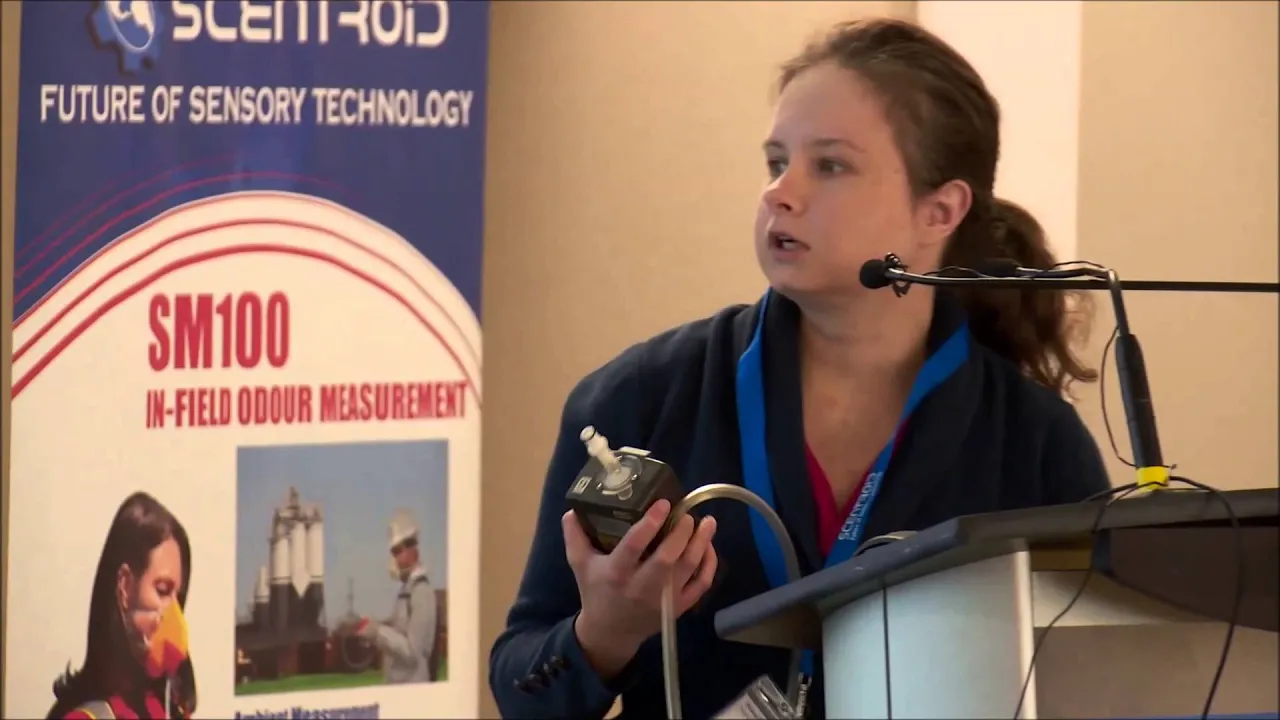
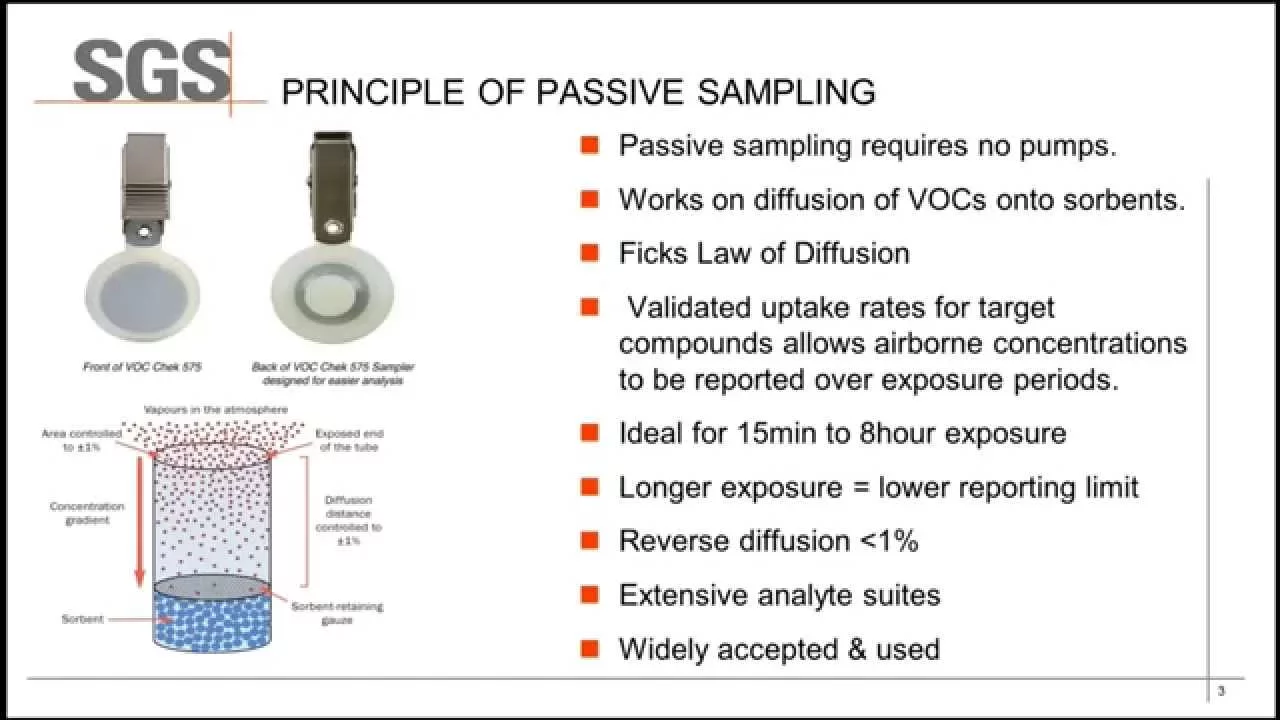






Volatile Organic Compounds (VOCs) are organic chemicals with low water solubility and high vapor pressure, meaning they easily transition from liquid to gas at room temperature; these compounds are commonly found in household products like paints, cleaners, and furniture, and can pose health risks including respiratory issues and potential cancer when present in high concentrations indoors, though simple protective measures such as proper ventilation, protective gear, and avoiding unnecessary industrial-strength products can significantly reduce exposure.
Volatile Organic Compounds (VOCs) in Indoor Air: Sources & Safety
Added:Basic chemistry of organic molecules, specifically carbon-based compounds and functional groups.
The concept of volatility in chemistry, including vapor pressure and how liquids evaporate at room temperature.
Fundamentals of indoor ventilation, air exchange rates, and basic indoor air quality concepts.
Elementary human biology and toxicology, focusing on how the respiratory system absorbs airborne contaminants.
Advanced air purification and filtration technologies, such as activated carbon adsorption and photo-catalytic oxidation.
Green building standards and material selection guidelines, including LEED and low-VOC product certifications.
Analytical chemistry methods used to detect and measure VOCs in environmental monitoring, such as Gas Chromatography-Mass Spectrometry (GC-MS).
Epidemiological studies and regulatory policies (e.g., EPA, OSHA standards) governing indoor and occupational chemical exposure limits.
309 views26likes9:34Original Release: 2021-08-12
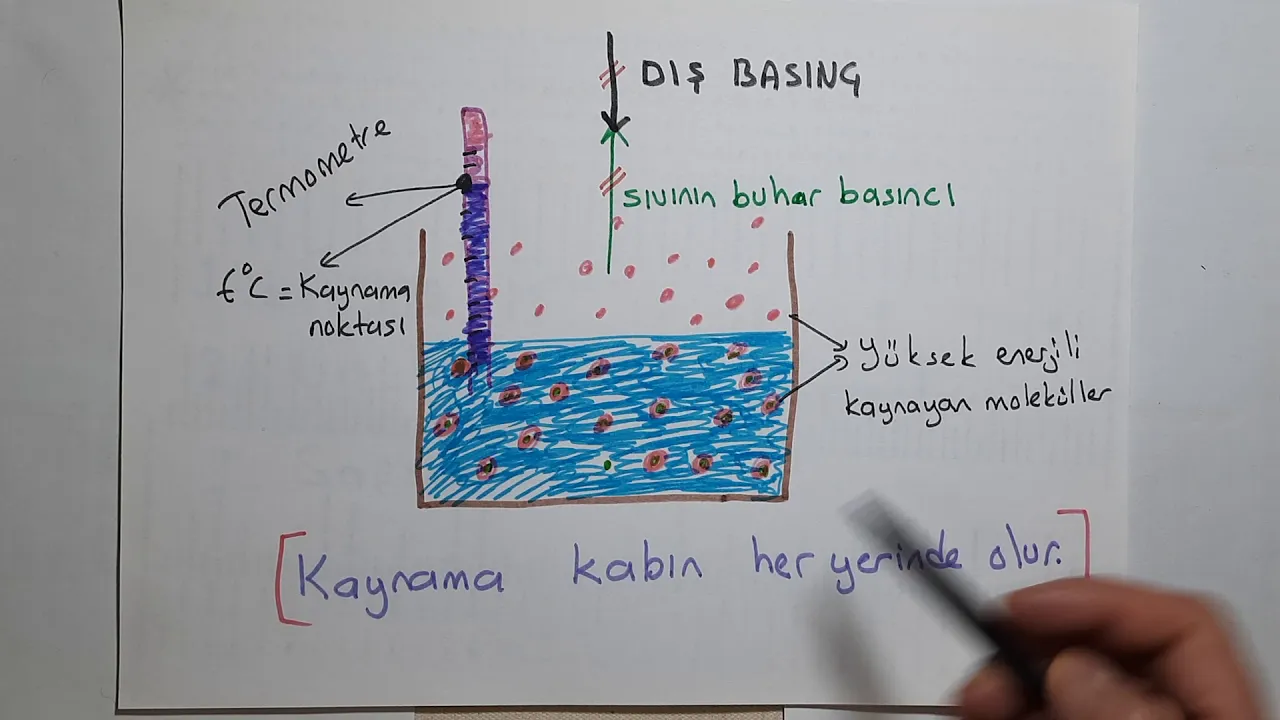
life has made us a lot more concerned about the quality of our air and for good reason nobody wants the roanoke but even though these aren't necessary in our homes is our home air really that safe let's find out [Music] what it do i'm lumi and welcome to the benchtop the best science show on youtube not empirically of course now just like me you're looking forward to not having to wear a face mask all the time a day where you can breathe freely and smell your co-workers gym shoes unfiltered but now that there's such a big push to stop requiring mass it has got me wondering a lot about what else is in our air so i did a little digging and i stumbled upon something that you encounter every day without even noticing in fact if you bought a new car you might even like them what i'm talking about is vocs dlcs are volatile organic compounds which are exactly what they sound like they are organic compounds that are volatile well that really explained it yeah defining a term with a term is a skill set i have but since that isn't good enough for you here's a breakdown bocs are any compound that has low solubility in water while having a high vapor pressure low solubility in water is pretty easy to understand because that just means it doesn't dissolve in water everyone's seen the oil and water demonstrations so you get that part but high vapor pressure is key let's say you have a closed container in this container you have a liquid if we zoom in far enough you will see that the molecules of that liquid are constantly moving some are bumping into each other others that bounce against the walls it's basically spring break on miami beach with all this bouncing around some of these molecules eventually bounce their way out of the liquid into the empty space above now these molecules can either continue moving around in this empty space as a gas or can end up back in the liquid it turns out that this process of going in and out habits continuously to the point where the number of molecules in this upper space is essentially the same at any given time the movement of molecules in the space bouncing against each other and the walls creates pressure in our closed bottle this is known as vapor pressure it's the force exerted by all these gas molecules up here that came from the liquid below now for a substance to have a high vapor pressure it means that it transitions from being a liquid to a gas quite easily at room temperature a low vapor pressure means that it would rather stay a liquid so here's a million dollar question what makes one liquid have a high vapor pressure and the other a low vapor pressure i'm gonna go with b you you can see the answers right yeah you sure yeah i'm a thousand percent sure okay the public system is kind of scary the answer to that question is intermolecular forces don't worry big name simple concept intermediate forces are simply the interactions between molecules some molecules would like to stick together and others not so much water for instance has strong intermolecular forces due to what's called hydrogen bonding it's what helps water do stuff like this so what does all this have to do with vocs i'm glad you asked remember vocs are materials that have low solubility in water and have a high vapor pressure basically meaning they turn into gases quite easily at room temperature the reason why that's important is if i open this container those molecules that used to be part of the liquid phase can now travel through the air since they are part of the gas phase and how do you smell by breathing in molecules in the gas phase in other words vocs are chemicals that are known to easily enter the gas phase and travel through the air kind of like a fart yes kind of kind of like a fart why are you still here you lost already can i at least ask the audience there is no audience it's just me and you in here i'm you you are surrounded by vocs every day things like paint air fresheners gasoline fresh laundry and the smell of that wig you bought off of fish all these containing compounds that can slowly leech out of products we use every day for instance that new car smell that people love is actually just an additive that legion of the foam in your car but it's important to note that smell isn't always a good indicator or whether vocs are present or not that's why things like this exist this is a voc meter i was going to buy one of these but i can't blow money like congress these claim to detect the amount of vocs in the air and rate the air quality in your home school or work space but why should you care about the vocs in the air because like all things vocs are trying to kill you surprise surprise i mean what else isn't trying to kill you there's murder hornets there's the vid there's rage shadow legends it's pretty ridiculous dlcs are worse in your home as they can be two to three times higher indoors versus outdoors and though all vocs aren't harmful the ones that are pose a health risk to you and your pets but how bad can they really be common vocs include things like benzene toluene formaldehyde methylene chloride and many others and all my chemist friends know that these only should be handled in a chemical hood that's because they can cause respiratory failure they're toxic to humans and pets and can even cause cancers like leukemia in their concentrated forms these chemicals are outright deadly and not safe to handle without proper training and protective equipment so why are they sometimes found in many household products that answer is a little bit complicated first you can take off your tinfoil hats if you think companies are trying to harm you on purpose the simple fact is it's not good business to harm your customers but in order to make products like household cleaners for instance you have to use strong stuff for strong messes actually let's park at household cleaners for a second depending on what you buy cleaners containing a rate of detergent solvent disinfectants and of course some smell good in order to make these cleaners work so well we have to use much stronger stuff than water i mean have you tried cleaning a bathtub with just water it's quite the workout is these components that make these easywipe commercials so appealing when it comes to things like paint solvents and other chemicals are what help stabilize the paint and allow it to stay liquid in the can and dry on the wall even things like mdf boards which are used for all types of diy and hobby projects are not made from just wood despite their appearance if you expel on the acronym medium density fiberboard is essentially sawdust that gets packed with the resin and formed into sheets using urea formaldehyde though it's cheap and easy to use it is highly recommended that you not only wear a mask when cutting or drilling into mdf due to the small dust fibers that can create havoc in your lungs it's also recommended that you seal mdf to prevent vocs like formaldehyde from leaching out see there's a lot of work that goes into understanding just how much of these vocs you are exposed to and at what levels they're actually dangerous not only are vocs hard to detect the amount of any particular voc that you're exposed to is dependent upon a number of variables everything from air currents in a room to how the material is being produced and handled can affect measurements additionally voc concentration is highest when a product is new as there's only so much of the stuff to begin with that's why the factory smell eventually leaves all these factors is what makes vocs hard to measure but scientists haven't just thrown their hands up about the issue either there are multiple areas of study that seek to find out how much we are exposed to and what effect they have long term areas like industrial hygiene environmental health and safety and public health all seek to find the answers to questions about vocs however in the meantime what can we do to protect ourselves this is example 6287 of why reading is fundamental there is a saying a former supervisor said to me about chemical storage familiarity breeds contempt see as a chemist who works with dangerous chemicals every day it's easy to forget just how dangerous some of these can actually be unfortunately that can lead to the mishandling of items even though i know better which can harm me and those around me the same goes for you in your home on the back of most bottles and products there are directions on how to handle them you should follow them even though you've been cleaning that bathtub with the same cleaner all your life doesn't mean it isn't having a negative effect on you so here are a few tips make sure you work in a well-ventilated area to reduce your exposure to harmful chemicals also make sure you use fans and windows to circulate fresh air and leave spaces when you don't have to be in them also use proper protective gear like gloves goggles and a mask when necessary and don't reach for industrial grade if you don't actually need it and these are made for industrial professionals who are trained to properly use them and for goodness sakes if you order something and it smells a little funky don't be afraid to clean it or let it air out by a window these are all easy steps you can take to reduce your risk and exposure but before you take off and grab your bedtime reading material make sure you drop a like on this video and share it with someone else who may not know the dangers of vocs i'm lumi thanks for coming to the benchtop and remember keep thinking [Music] [Music]
Up Next

77:31
Astrochemistry & the Search for Life: From Early Earth to Exoplanets
@IdeasinScience
2.5K views•2016-12-10

83:56
Biocatalysis and Catalysis in Islatravir Synthesis | Merck Webinar
@SCIwheresciencemeetsbusiness
675 views•2020-10-08
10:06
1H NMR: Determining Number of Peaks from Structure
@MSJChem
59.2K views•2017-04-06

17:31
Edible Water Bottles: A DIY Guide to Sodium Alginate Spherification
@ryan
10.5M views•2019-06-21
Related Study Plans & Knowledge Roadmaps
Structured learning paths in Chemistry
chemistry
Nuclear Chemistry: Decay, Meds & Fuel Cycle
01Introduction to Nuclear Structure and Radioactivity
02Decay Dynamics and Kinetics
03Radiation Interaction and Detection
+ 2 more learning modules
24h5 modules
Explore Roadmap
chemistry
Supramolecular Chemistry: Forces & Machines
01Foundations of Chemical Bonding and Intermolecular Forces
02Introduction to Host-Guest Chemistry
03Thermodynamics and Dynamics of Self-Assembly
+ 2 more learning modules
16h5 modules
Explore Roadmap
chemistry
Photochemistry: Excited States & Reactions
01Foundations of Light-Matter Interactions
02Molecular Orbitals and Electronic States
03Photophysical Processes and Jablonski Diagrams
+ 2 more learning modules
18h5 modules
Explore Roadmap
chemistry
Coordination Chemistry: Bonding & Properties
01Introduction to Transition Metals and Ligands
02Crystal Field Theory (CFT) and Geometry
03Magnetic Behavior and Spin States
+ 2 more learning modules
14h5 modules
Explore Roadmap