


![Química Simples #16 - [Prop. Coligativas] - Pressão Máxima de Vapor](https://i.ytimg.com/vi_webp/md43B9CkpQ4/maxresdefault.webp)





![Air pollution [Part 1]](https://i.ytimg.com/vi/HURfucIg1m4/hqdefault.jpg?sqp=-oaymwEmCOADEOgC8quKqQMa8AEB-AH-BIACqAOKAgwIABABGGUgXyhVMA8=&rs=AOn4CLDO6FqUVgxTIavPVRC0UWR7r2HEGw)





![El síndrome del edificio enfermo. [04]. Contaminantes químicos.](https://i.ytimg.com/vi/-twgkdjySwM/hqdefault.jpg?sqp=-oaymwEmCOADEOgC8quKqQMa8AEB-AH-BIAC4AOKAgwIABABGBMgEyh_MA8=&rs=AOn4CLBw3sRtACkzmOfn9bDTfghgJUaL8g)




VOCs (Volatile Organic Compounds) are chemicals that easily evaporate at room temperature and originate from building materials, furniture, cleaning products, and fuel-based appliances; due to modern energy-efficient homes being more airtight, VOC levels can accumulate indoors, posing health risks especially to those with respiratory issues, children, seniors, and pets; effective VOC removal requires three strategies: source control (preventing VOC introduction), ventilation (opening windows when outdoor air quality is good), and air cleaning using dense activated carbon filters combined with adequate airflow to absorb and remove these harmful compounds from indoor air.
Understanding VOCs: Sources, Health Risks, and Air Purification
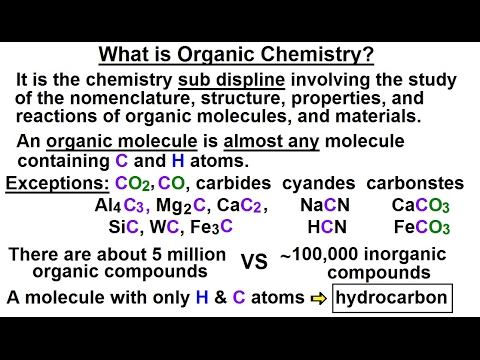
Added:Basic organic chemistry concepts, specifically what defines organic (carbon-based) molecules and their structures.
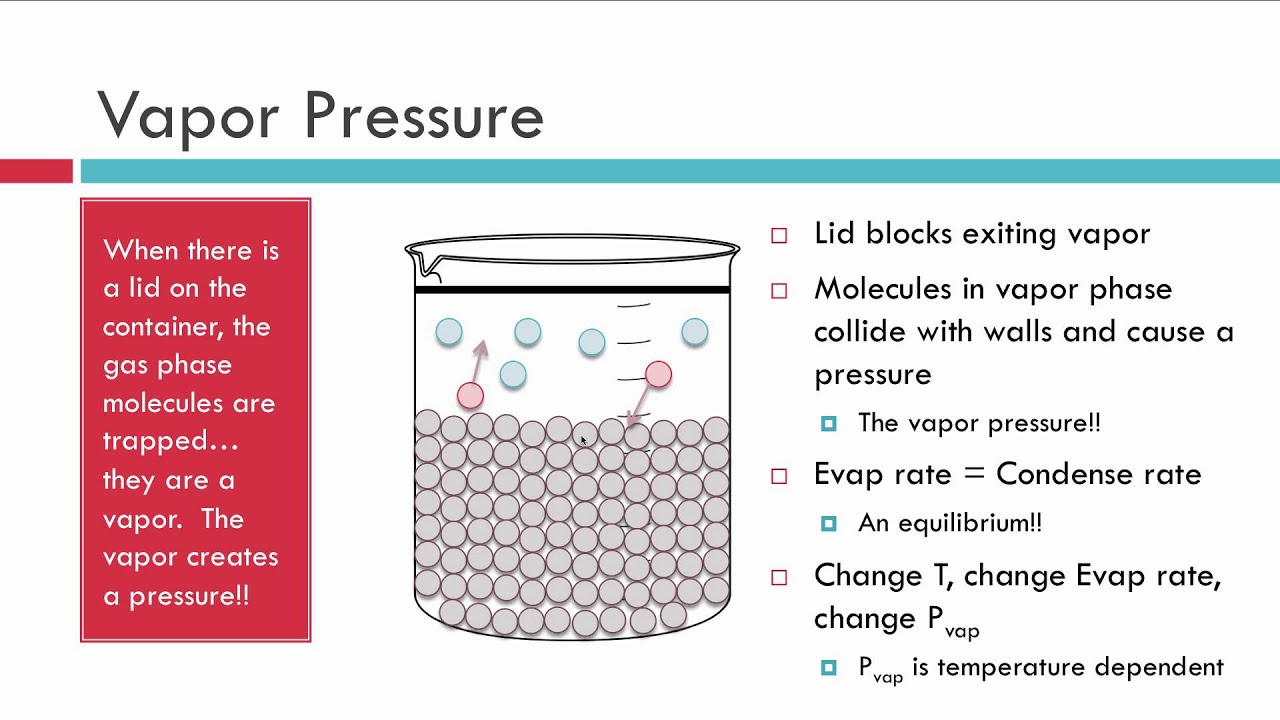
The physical science of vapor pressure and volatility, explaining how liquids evaporate into gases at room temperature.
Fundamental knowledge of human respiratory physiology and how inhaled toxins enter the bloodstream.
The distinction between particulate matter air pollution (like dust and pollen) and gaseous air pollutants.
The role of VOCs in atmospheric chemistry, specifically how they react with nitrogen oxides (NOx) and sunlight to form ground-level ozone and photochemical smog.
Advanced HVAC design principles and building ventilation standards (such as ASHRAE guidelines) to mitigate indoor air pollution.
The chemical adsorption mechanisms of activated carbon and specialized media, compared to particulate filtration like HEPA.
Environmental regulations and toxicological safety standards, such as EPA guidelines and Threshold Limit Values (TLVs) for indoor air quality.
236.2K views956likes6:01Original Release: 2024-07-03
in this video we're going to talk about voc's or volatile organic compounds what are they where do they come from and how do you get rid of them hi my name is Peter man with aroni and so to jump right into it a VOC is a volatile organic compound and what that means is it's a chemical that can easily turn into gases or Vapors at room temperature and so these chemicals are found in many common household products and materials the main sources are things like building materials and Furnishing things like paint varnishes or finishes carpet and vinyl flooring wood flooring Furniture new Cabinets furniture and beds a second category is household and personal care products things like cleaning supplies and room deodorizers air fresheners cosmetics and personal care products and pesticides art and craft supplies things like glues markers and paints print and photocopiers using fuel-based appliances like gas stoves and furnaces and so we have all of these voc's or chemicals in our home and it's it's particularly a problem uh because our homes are so energy efficient you know if you wind the clock back to the late 70s there was a you know gas shortage fuel supply issues were a problem and there was a huge focus on Energy Efficiency and what what resulted from that was homes were much more airtight much more energy efficient so when you were cooling it in the summer you weren't losing cold air to the outside and when you're heating it winter the hot air stayed in the problem is voc's you know these things are often stored inside they're just the the vocc levels can build up and so you know the next logical question is well how do you get rid of voc's and you treat a VOC like you would any other air quality issue and there's three main strategies the first being Source control which is don't bring the the VOC into the home you know in first place but in a lot of cases that that's just not possible the second strategy is ventilation but with our home so airtight and and really a focus on Energy Efficiency that's can be really difficult but opening Windows and Doors um is a great great way to get ventilation provided that the air quality outside um is not poor the temperature isn't too hot or too cold or it's not raining or too humid outside so um it's kind of conditional whether or not you can do that and the third strategy is air cleaning with air cleaning how do you remove the vocc from the air and so the main um filter type that you want is is a carbon filter and not just a thin carbon filter but a dense carbon filter um activated carbon is very highly porous it can absorb you know an broad spectrum of voc's it's not effective for all voc's there's things like form Malahide where activated carbon is is really not very effective for and you need another type of media um you know not to geek out too much but like potassium peragon is one that is pretty effective for for mahide and so your carbon a carbon filter like this is either treated like ours is to kind of um do more than what standard activated carbon can do or it has additional types of media like alumina or preium peragon in it um to absorb the full spectrum of voc's and then the you know the other piece is you have to move enough air through the filter to effectively clean the voc's in your space and that's just a matter of air flow um and so it's really the two working together you you can have the best filter in the world but if you don't have enough air flow it's not going to clean the voccs in your space and so what happens is as the voc's come in um it just gets absorbed into the pores or the cracks and crevices of the carbon filter and it's just held in place there so that's the key to you know a quality vocc air purifier some other things you can do along the lines of source control is really where you store your you know paints and gasolines and you know can you store certain things in the garage and away away from living areas or you know make sure things are sealed up um when you're cooking with the gas stove make sure the vent hood is on so you're ventilating the gases to the out outside uh nitrogen dioxide is a common vocc that gets produced um from cooking with gas either propane or natural gas and so it's very important to to get that um you know ventilated Out outdoors you know one final point about voc's that I would say is that if you know if you have a respiratory issue you're tend to be much more effective by voc's but I would also mention that if you have pets they have um more sensitive respiratory systems and also pets often are just stay at home all the time so while we may go to the store may go to work and may get out of the house the pets tend to stay in the house and they have much more exposure with um much more sensitive respiratory systems and so VC's aren't just important for people they're also important for pets and so it's important to uh be aware of that monitor um kind of what you have if you have new wood flooring it'd be a good idea to get a carbon air purifier just to be able to absorb some of that that vocc off gasing it can off gas for up to a year after you get new floors put in um and you know you and your pets are both bringing breathing in the voc's that's it for voc's if you have any questions please ask in the comments or reach out to us at aon.com and thank you
Up Next

63:32
Indoor Air Quality Optimization via Houseplants: Science of Phytoremediation
@CorridosdeOro2
23.6K views•2026-04-29

15:54
Life in Biosphere 2: Sustainable Ecosystems & Human Survival
@TED
334.9K views•2009-06-16

14:30
Microplastics Everywhere: How Plastic Impacts Our Lives
@TEDx
100.9K views•2018-05-08
10:28
Ice Stupa Artificial Glaciers: Solving Ladakh's Water Crisis
@SonamWangchuk66
3.2M views•2015-05-03
Related Study Plans & Knowledge Roadmaps
Structured learning paths in Environmental Science
environmental-science
Ocean Noise: Cetacean Impacts & Mitigation
01Fundamentals of Underwater Acoustics
02Marine Mammal Bioacoustics
03Anthropogenic Noise: Shipping & Seismic Surveying
+ 2 more learning modules
16h5 modules
Explore Roadmap
environmental-science
Road Ecology: Corridors, Overpasses & Fencing
01Foundations of Habitat Fragmentation and Carnivore Ecology
02The Road Barrier: Ecological Impacts of Transport Infrastructure
03Principles of Ecological Corridors and Connectivity Mapping
+ 3 more learning modules
14h6 modules
Explore Roadmap
environmental-science
Ocean Acidification: Kelp Buffering & Shellfish
01Fundamentals of Ocean Chemistry & pH
02Chemical Pathways of Coastal Acidification
03Bivalve Physiology & Calcification Under Stress
+ 2 more learning modules
18h5 modules
Explore Roadmap
environmental-science
Ice Stupas: Glacial Retreat & Water Security
01Foundations of Glaciology & Mountain Hydrology
02Climate Change and Glacial Retreat Dynamics
03The Science of Ice Stupas & Artificial Glaciers
+ 2 more learning modules
14h5 modules
Explore Roadmap