





























Houseplants can systematically remove toxic volatile organic compounds (VOCs) from indoor air through a three-pronged biological process called phytoremediation: leaf absorption through stomata, root zone microbial degradation in the rhizosphere, and transpiration-driven air circulation. NASA's 1989 Clean Air Study demonstrated that specific plant species can remove up to 87% of toxic chemicals within 24 hours. Key air-purifying plants include the peace lily (removes all major VOC categories), snake plant (uses CAM photosynthesis to release oxygen at night), spider plant (removes 90% of formaldehyde in 2 days), golden pothos (clears ozone), and Boston fern (highest formaldehyde removal). For effective air purification, scientific consensus recommends at least one good-sized plant per 100 square feet of living space, with optimal results achieved through proper maintenance including regular leaf cleaning, adequate light exposure, and organic soil care.
Indoor Air Quality Optimization via Houseplants: Science of Phytoremediation
Added:Take a deep breath right now, wherever you're sitting. Take a moment to notice the air filling your lungs. Most of us spend an astonishing 90% of our lives indoors. We carefully lock our doors and seal our windows to protect ourselves from the harsh elements, noise, and visible population pollution of the outside world.
But in doing so, we have inevitably trapped ourselves in highly concentrated invisible chemical subs- The Environmental Protection Agency, or the EPA, has consistently ranked indoor air pollution among top five environmental risks to public health. In fact, the air circulating inside your home, your office, or your bedroom can be two to five times and occasionally up to 100 times more polluted more polluted than the air outside.
We are suffering from what scientists call sick building syndrome, a condition where occupants experience acute health and comfort effects directly linked to time spent in a building, largely due due to poor indoor air quality.
But what if uh the solution to this modern synthetic problem isn't an expensive energy-consuming mechanical air purifier?
What if the most effective, sustainable, and scientifically proven method to optimize an our indoor environments has been evolving for millions of years?
Today, we are going to dive deep into the fascinating microscopic world of uh phytoremediation.
We will the exact science of how common common everyday houseplants can systematically dismantle toxic chemicals, produce life-sustaining oxygen, and fundamentally transform the air you breathe.
Before we understand the cure, we must clearly define the disease.
The primary culprits degrading our indoor air are known as volatile organic compounds or VOCs.
These are carbon-based chemicals that easily evaporate at room temperature.
Look around your room. That That new couch you just bought is likely off-gassing formaldehyde, a known uh carcinogen used in synthetic resins and glues. The fresh coat of paint on your walls, your synthetic carpets, your printer ink, and even your favorite household cleaning sprays are constantly emitting a cocktail of benzene, um trichloroethylene, xylene, and ammonia ammonia.
In the short term, inhaling these invisible compounds can cause headaches, dizziness, eye irritation, and fatigue.
Over years and decades, chronic exposure is linked to severe respiratory disease, mm neurological damage, and an increased risk of cancer. Furthermore, in our tightly sealed >> [music] >> energy-efficient modern buildings, carbon dioxide levels >> [snorts] >> inevitably stretch spike from our own respiration leading to decrease cognitive function, poor sleep quality, and that slackness feeling you get in a crowded meeting room.
The serious scientific inquiry into plants as air purifiers didn't actually start in a botanical garden. It started in outer space in the late 1980s.
The National Aeronautics and Space Administration and NASA was faced with a mushy problem.
They were planning long-term space habitats like Skylab, which were entirely closed biological systems. In this complete completely sealed synthetic environments, the off-gassing from plastic, electronics, and synthetic materials build up rapidly sickening the astronauts. To solve this, NASA teamed up with the Associated Landscape Contractors of America to conduct the now legendary NASA Clean Air Study in 1989.
They placed various common houseplants into sealed chambers, injected them with lethal doses of VOCs like benzene and formaldehyde, and and heat, and waited.
The results were revolutionary.
Within just 24 hours, specific plant species had removed up to 87% of the toxic toxins from the air, but how exactly does a simple silent plant achieve this chemical wizardly dry?
The answer lies in a complex biological process known as phytoremediation.
Phytoremediation in is the use of living plants to clean up soil, water, and air and water contained with hazardous chemicals. When it comes to indoor air, plants operate as highly advanced solar-powered air filtration system using a three-pronged approach. First, there's the leaf absorption. tion.
Just as humans breathe through mouths and nose, plants breathe through microscopic pores on their leaves called stomata.
While we know they absorb carbon dioxide to fuel photosynthesis, scientists discovered that stomata actively absorb airborne VOCs as as well.
Once these toxic molecules enter the leaf tissue, the plant's metabolic processes break them down into harmless organic acids and sugars, which the plant then used for its own growth.
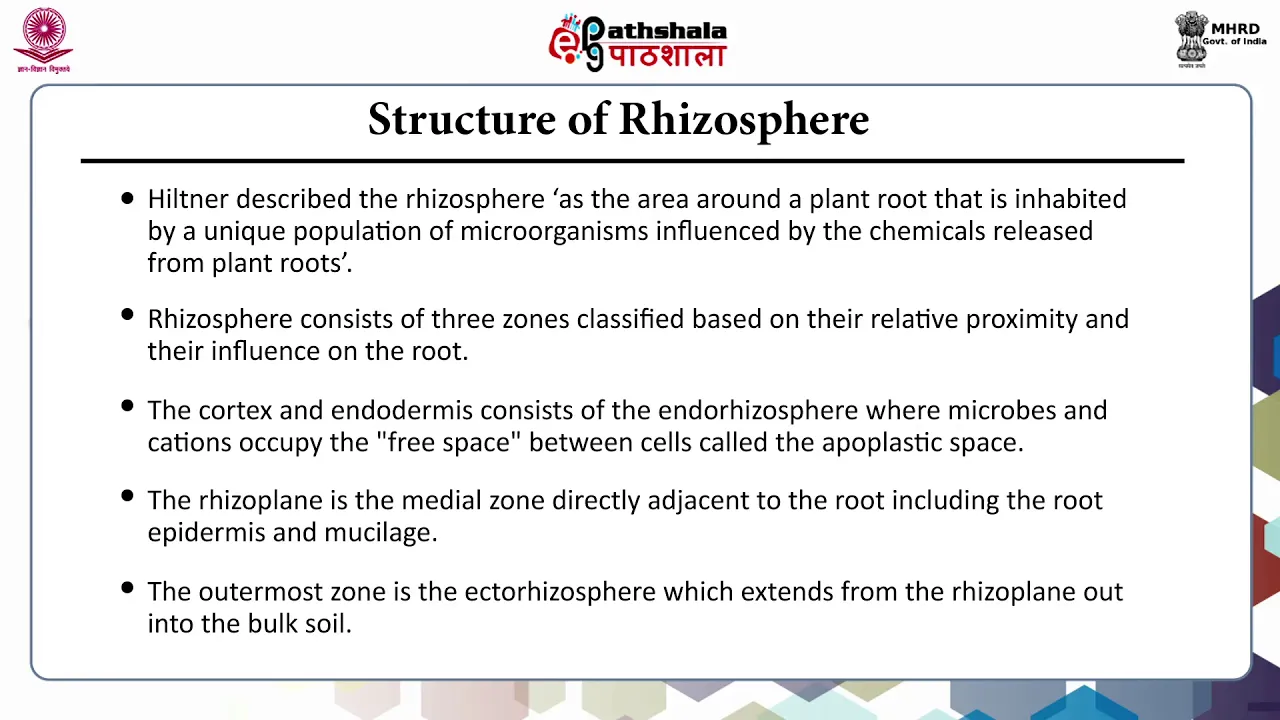
But, the leaves though are only half the star story. The second and perhaps most crucial mechanism happens underground in the soil, specifically in the rhizosphere.
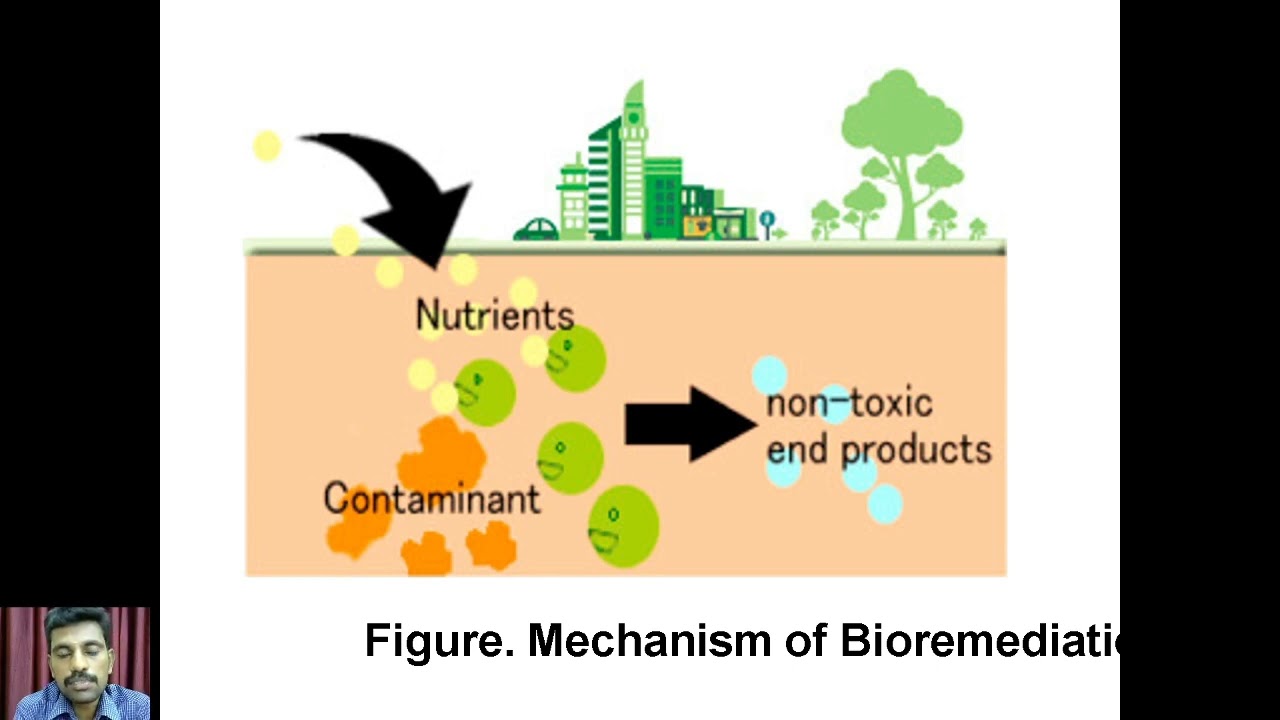
the rhizosphere is the narrow region of soil directly surrounding the plant's root system. This area is teeming with a highly specialized symbiotic microbiome where the plant absorbs VOCs, it translocates some of these toxins down into its roots. The microbes and bacteria living in the root zone actually feed on these chemicals, using them as a source of energy and rapidly degrading them into benign substance.
Thirdly, plants actively regulate air quality through transpiration. As water evaporates from the leaves, it creates a convection current then that pulls air down around the root zone, effectively vacuuming the dirty indoor air into the soil where those hungry microbes can do their work. At the same time, this transpired water dramatically increase indoor humidity.
>> The science of optimizing indoor air quality with common houseplants, take a deep breath.
Right now, wherever you are sitting, take a moment to notice the air filling your lungs.
Most of us spend an astonishing 90% of our lives indoors.
We carefully lock our doors and seal our windows to protect ourselves from the harsh elements, noise, and visible pollution of the outside world. But in doing so, we have inadvertently trapped ourselves in highly concentrated, invisible chemical soups.
The Environmental Protection Agency, or the EPA, has consistently ranked indoor air pollution among the top five environmental risks to public health.
In fact, the air circulating inside your home, your office, or your bedroom can be two to five times, and occasionally up to 100 times, more polluted than the air outside.
We are suffering from what scientists call sick building syndrome, a condition where occupants experience acute health and comfort effects directly linked to time spent in a building.
Largely due to poor indoor air quality.
But what if the solution to this modern, synthetic problem isn't an expensive, energy-consuming mechanical air purifier?
What if the most effective, sustainable, and scientifically proven method to optimize our indoor environments has been evolving for millions of years?
Today, we are going to dive deep into the fascinating microscopic world of phytoremediation.
We will explore the exact science of how common, everyday houseplants can systematically dismantle toxic chemicals, produce life-sustaining oxygen, and fundamentally transform the air you breathe. Before we understand the cure, we must clearly define the disease.
The primary culprits degrading our indoor air are known as volatile organic compounds or VOCs.
These are carbon-based chemicals that easily evaporate at room temperature.
Look around your room. That new couch you just bought? It's likely off-gassing formaldehyde, a known carcinogen used in synthetic resins and glues.
The fresh coat of paint on your walls, your synthetic carpets, your printer ink, and even your favorite household cleaning sprays are constantly emitting a cocktail of benzene, trichloroethylene, xylene, and ammonia.
In the short-term, inhaling these invisible compounds can cause headaches, dizziness, eye irritation, and fatigue.
Over years and decades, chronic exposure is linked to severe respiratory diseases, neurological damage, and an increased risk of cancer.
Furthermore, in our tightly sealed, energy-efficient modern buildings, carbon dioxide levels inevitably spike from our own respiration, leading to decreased cognitive function, poor sleep quality, and that sluggish feeling you get in a crowded meeting room.
The serious scientific inquiry into plants as air purifiers didn't actually start in a botanical garden. It started in outer space.
In the late 1980s, the National Aeronautics and Space Administration, NASA, was faced with a massive problem.
They were planning long-term space habitats, like Skylab, which were entirely closed biological systems.
In these completely sealed, synthetic environments, the off-gassing from plastic, electronics, and synthetic materials built up rapidly, sickening the astronauts.
To solve this, NASA teamed up with the Associated Landscape Contractors of America to conduct the now legendary NASA Clean Air Study in 1989.
They placed various common houseplants into sealed chambers, injected them with lethal doses of VOCs, like benzene and formaldehyde and waited.
The results were revolutionary.
Within just 24 hours, specific plant species had removed up to 87% of the toxic toxins from the air.
But how exactly does a simple, silent plant achieve this chemical wizardry?
The answer lies in a complex biological process known as phytoremediation.
Phytoremediation is the use of living plants to clean up soil, air, and water contaminated with hazardous chemicals.
When it comes to indoor air, plants operate as highly advanced, solar-powered air filtration systems using a three-pronged approach. First, there is leaf absorption.
Just as humans breathe through mouths and noses, plants breathe through microscopic pores on their leaves called stomata. While we know they absorb carbon dioxide to fuel photosynthesis, scientists discovered that stomata actively absorb airborne VOCs as well.
Once these toxic molecules enter the leaf tissue, the plants' metabolic processes break them down into harmless organic acids and sugars, which the plant then uses for its own growth.
But the leaves are only half the story.
The second, and perhaps most crucial, mechanism happens underground in the soil, specifically in the rhizosphere.
The rhizosphere is is narrow region of soil directly surrounding the plant's root system.
This area is teeming with a highly specialized symbiotic microbiome.
When a plant absorbs VOCs, it translocates some of these toxins down into its roots.
The microbes and bacteria living in the root zone actually feed on these chemicals, using them as a source of energy and rapidly degrading them into benign substances.
Thirdly, plants actively regulate air quality through transpiration.
As water evaporates from the leaves, it creates a convection current that pulls air down around the root zone.
Effectively vacuuming the dirty indoor air into the soil where those hungry microbes can do their work.
At the same time, this transpired water dramatically increases indoor humidity.
Now that we understand the intricate science behind phytoremediation, let's identify the specific botanical tools you need.
Not all plants are created equal when it comes to cleaning the air.
Different species have evolved to target and dismantle different chemical compounds.
Let's build your green arsenal.
First on our list is the elegant spathiphyllum, universally known as the peace lily. Do not let its delicate white flowers fool you. The peace lily is a biological powerhouse.
In the NASA study, it was one of the very few plants that successfully removed all major VOC categories: benzene, formaldehyde, trichloroethylene, xylene, and ammonia.
Ammonia is particularly prevalent in household cleaning products and window sprays, making the peace lily an absolutely essential addition to bathrooms and kitchens.
Scientifically, peace lilies have exceptionally high transpiration rates, meaning they constantly pump pure, filtered moisture back into dry, air-conditioned rooms, naturally soothing irritated respiratory tracts.
Next, we have Sansevieria trifasciata, commonly known as the snake plant or mother-in-law's tongue.
If you have a bedroom, this plant is non-negotiable.
Why? Because the snake plant utilizes a unique ancient evolutionary adaptation called crassulacean acid metabolism or CAM photosynthesis.
Most plants open their stomata to absorb carbon dioxide and release oxygen during the day when the sun is out.
However, the snake plant evolved in arid, blistering environments where opening its pores during the day would cause it to lose too much water and die.
Therefore, the snake plant keeps its stomata tightly closed during the day and only opens them at night.
This means that while you are sleeping, your snake plant is actively absorbing the carbon dioxide you exhale and pumping out fresh, pure oxygen into your bedroom.
Furthermore, it is highly efficient at filtering out formaldehyde and benzene all while requiring almost zero maintenance or watering.
For rapid air purification, look no further than Chlorophytum comosum, the spider plant. This plant is the sprinter of the botanical world. It grows rapidly and propagates by sending out long stems with spiderets or baby plants at the ends.
In scientific trials, the spider plant demonstrated an astonishing ability to eliminate up to 90% of formaldehyde in a sealed chamber in just 2 days.
Formaldehyde is ubiquitous. It's in paper bags, waxed papers, facial tissues, paper towels, and plywood paneling. The spider plant's massive surface area of dense, ribbon-like leaves makes it an incredibly efficient gas exchange machine.
It is also entirely non-toxic to cats and dogs, making it the perfect biological filter for pet owners.
Then we have a Pothos n'joy, the golden pothos. This trailing vine is practically indestructible, earning it the nickname devil's ivy because it is nearly impossible to kill.
From a scientific perspective, the pothos is uniquely highly rated for clearing ozone from the indoor environment.
While ozone high in the atmosphere protects us from UV rays, ground-level indoor ozone, often generated by laser printers, photocopiers, and certain electronic air purifiers, is a severe lung irritant.
Placing a golden pothos in your home office or near your workstation creates an active biological shield against this specific type of electronic pollution, while also aggressively tackling volatile compounds from the carpets and furniture around your desk.
Finally, we must mention Nephrolepis exaltata, the Boston fern. According to botanical research, the Boston fern holds the absolute highest rank for removing formaldehyde from the air.
But its secondary superpower lies in its profound ability to regulate indoor climate.
Boston ferns act like organic, silent humidifiers.
During the dry winter months or in heavily air-conditioned offices, indoor humidity can drop below 20% making us susceptible to dry skin, sore throats, and airborne viruses that thrive in arid conditions. A healthy Boston fern transpires a massive volume of water vapor, helping to push room humidity closer to the optimal 40 to 60% range, simultaneously pulling down airborne dust and particulate matter as the moisture weighs the particles down.
So, we know the plants and we know the science, but here is where we must separate botanical romance from scientific reality.
A common misconception is that placing a single tiny succulent on your desk will instantly purify the air in a 500 sq ft room.
This is scientifically inaccurate. While the NASA study proved that plants clean the air, those plants were tested in small, perfectly sealed chambers. In a real-world home, air is constantly leaking in and out of doors, windows, and HVAC systems.
To achieve a measurable, significant reduction in airborne toxins purely through passive potted plants, modern botanical research suggests you need density.
The general scientific consensus recommends at least one good-sized plant in a 6- to 8-in pot for every 100 sq ft of living space.
If you have a 1,500 sq ft home, you should aim for 15 to 20 healthy plants to truly optimize the air.
However, science has not stood still since 1989.
We are now entering the era of the active botanical indoor air biofilter.
Remember how we discussed that the root microbiome does the heavy lifting in destroying VOCs?
In standard potted plants, the air only slowly diffuses into the soil. Today, engineers and botanists are combining plants with mechanical air flow. By utilizing specialized fans to actively draw polluted room air directly through the root systems of plants, often integrated into stunning living green walls, the phytoremediation efficiency is multiplied by up to 200 times.
A single actively aerated plant system can do the filtering work of hundreds of passive potted plants.
Whether you are building a vast indoor jungle or starting with just three or four strategic plants, optimizing their scientific efficiency requires proper maintenance.
A plant is a living machine. If you neglect its mechanics, it stops functioning. First, you must keep the leaves clean. Indoor environments are notoriously dusty. When a layer of dust settles on a plant's leaves, it physically blocks the stomata, severely reducing the plant's ability to absorb VOCs and carbon dioxide, while also stunting photosynthesis.
Once a month, take a damp cloth and gently wipe down the leaves of your larger plants or place your ferns in the shower for a gentle lukewarm rinse.
Second, optimize their light exposure.
Phytoremediation is energy-intensive.
While many of the plants we discussed, like the snake plant and pothos, can survive in low light, surviving is not the same as thriving.
To maximize their air-cleaning metabolism, they need bright indirect sunlight.
The faster a plant is photosynthesizing and growing, the faster it is actively vacuuming toxins from your environment.
Third, care for the soil. Because the root microbiome is responsible for breaking down the chemicals, drenching your soil in synthetic chemical fertilizers can disrupt this delicate bacterial balance.
Utilize organic composts and ensure your pots have excellent drainage.
Overwatering leads to root rot, which not only kills the plant, but can introduce mold spores into the air, the exact opposite of what we are trying to achieve.
As we look to the future of architecture and interior design, it is becoming abundantly clear that we cannot simply engineer our way out of poor indoor air quality.
We cannot rely solely on synthetic HEPA filters, ozone generators, and carbon scrubbers to fix a problem created by synthetic environments.
The most sophisticated, self-repairing, and sustainable air purification technology on Earth has already been invented. It requires no electricity to run, it generates zero electronic waste, it reduces stress, it lowers blood pressure.
And it visually transforms our sterile concrete boxes into vibrant living spaces.
By strategically integrating specific species of houseplants into our homes and offices, by understanding the invisible biological mechanics of stomata, root microbes, and transpiration, we aren't just decorating. We are engaging in applied biological science. We are actively biohacking our indoor habitats to mimic the natural pristine environments our human bodies evolved to thrive in. The next time you look at a simple potted fern or a trailing vine of pothos, don't just see a decorative object.
See it for what it truly is, a silent, relentless, meticulously engineered biochemical machine working tirelessly day and night to keep you healthy, focused, and alive.
Start small. Bring a snake plant into your bedroom tonight, or place a peace lily on your kitchen counter tomorrow.
Observe the change. Feel the difference in the air.
And let nature do the profound scientific work it was always meant to do.
Thank you for joining us on this deep dive into the science of indoor phytoremediation.
If you found this information valuable and want to learn more about how biology and science intersect with our daily lives, please like this video.
Share it with someone who needs a breath of fresh air and subscribe to our channel.
Until next time, breathe deeply and stay curious.
>> Take a deep breath right now wherever you are sitting. Take a moment to notice the air filling your lungs. Most of us spend an astonishing 90% of our lives indoors. We carefully lock our doors and seal our windows to protect ourselves from the harsh elements, noise, and visible population pollution of the outside world.
But in doing so, we have inevitably trapped ourselves in highly concentrated invisible chemical soups.
The Environmental Protection Agency, or the EPA, has consistently ranked indoor air pollution among top five environmental risks to public health. In fact, the air circulating inside your home, your office, or your bedroom can be two to five times and occasionally up to 100 times more people more polluted than the air outside.
We are suffering from what scientists call sick building syndrome, a condition where occupants experience acute health and comfort effects directly linked to time spent in a building likely due due to poor indoor air quality.
But what if uh the solution to this modern synthetic problem isn't an expensive, energy-consuming mechanical air purifier. What if the most effective, sustainable, and scientifically proven method to optimize an our indoor environments has been evolving for millions of years? Today, we're going to dive it deep into the fascinating microscopic world of uh phytoremediation.
We will explore the exact science of how common common everyday house plants can systematically dismantle toxic chemicals, produce life-sustaining oxygen, and fundamentally transform the air you breathe.
Before we understand the cure, we must clearly define the disease.
The primary culprits degrading our indoor air are known as volatile organic compounds or VOCs.
These are carbon-based chemicals that easily evaporate at room temperature.
Look around your room. That That new couch you just bought is likely off-gassing formaldehyde, a known uh carcinogen used in synthetic resins and glues. The fresh coat of paint on your walls, your synthetic carpets, your printer ink, and even your favorite household cleaning sprays are constantly emitting a cocktail of benzene, um trichloroethylene, xylene, and ammonia. Ammonia.
In the short term, inhaling these invisible compounds can cause headaches, dizziness, eye irritation, and fatigue.
Over years and decades, chronic exposure is linked to severe respiratory disease, neurological damage, and an increased risk of cancer.
Furthermore, in our tightly sealed, energy-efficient modern buildings, carbon dioxide levels inevitably spike from our own respiration, leading to decreased cognitive [music] function, poor sleep quality, and that sluggishness feeling you get in a crowded meeting room.
The serious scientific inquiry into plants as air purifiers didn't actually start in a botanical garden. It started in outer space. In the late 1980s, the National Aeronautics and Space Administration NASA NASA was faced with a massive problem.
They were planning long-term space [music] habitats habitats like Skylab, which were entirely closed biological systems. In these complete completely sealed synthetic environments, the off-gassing from plastic, electronics, and synthetic materials built up, rapidly sickening the astronauts. To solve this, NASA teamed up with the Associated Landscape Contractors of America to conduct the now legendary NASA Clean Air Study in 1989.
they placed various common houseplants into sealed chambers, injected them with lethal doses of VOCs like benzene and formal- and- and aldehyde, and waited.
The results were revolutionary.
Within just 24 hours, specific plant species had removed up to 87% of the toxic toxins from the air. But how exactly does a simple, silent plant achieve this chemical wizardry dry?
The answer lies in a complex biological process known as phytoremediation.
Phytoremediation in is the use of living plants to clean up soil, water, and air and water contained with hazardous chemicals. When it comes to indoor air, plants operate as highly advanced solar-powered air filtration system using a three-pronged approach. First, there's leaf absorption.
Just as humans breathe through mouths and nose, plants breathe through microscopic pores on their leaves called stomata.
While we know they absorb carbon dioxide to fuel photosynthesis, scientists discovered that stomata actively absorb airborne VOCs at as well.
Once these toxic molecules enter the leaf tissue, the plant's metabolic processes break them down into harmless organic acids and sugars, which the plant then used for its own growth.
But the leaves though are only half the star story. The second and perhaps most crucial mechanism happens underground in the soil, specifically in the rhizosphere.
The rhizosphere is the narrow region of soil directly surrounding the plant's root system. This area is teeming with a highly specialized symbiotic microbiome.
When a plant absorbs VOCs, it translocates some of these toxins down into its roots. The microbes and bacteria living in the root zone actually feed on these chemicals, using them as a source of energy and rapidly degrading them into benign substances.
Thirdly, plants actively regulate air quality through transpiration. As water evaporates from the leaves, it creates a convection current then that pulls air down around the root zone, effectively vacuuming the dirty indoor air into the soil, where those hungry microbes can do their work. At the same time, this transpired water dramatically increase indoor humidity.
>> The science of optimizing indoor air quality with common houseplants, take a deep breath.
Right now, wherever you are sitting, take a moment to notice the air filling your lungs.
Most of us spend an astonishing 90% of our lives indoors.
We carefully lock our doors and seal our windows to protect ourselves from the harsh elements, noise, and visible pollution of the outside world. But in doing so, we have inadvertently trapped ourselves in highly concentrated, invisible chemical soups.
The Environmental Protection Agency, or the EPA has consistently ranked indoor air pollution among the top five environmental risks to public health.
In fact, the air circulating inside your home, your office, or your bedroom can be two to five times and occasionally up to 100 times more polluted than the air outside.
We are suffering from what scientists call sick building syndrome, a condition where occupants experience acute health and comfort effects directly linked to time spent in a building.
Largely due to poor indoor air quality.
But what if the solution to this modern, synthetic problem isn't an expensive, energy-consuming mechanical air purifier?
What if the most effective, sustainable, and scientifically proven method to optimize our indoor environments has been evolving for millions of years?
Today, we are going to dive deep into the fascinating, microscopic world of phytoremediation.
We will explore the exact science of how common, everyday houseplants can systematically dismantle toxic chemicals, produce life-sustaining oxygen, and fundamentally transform the air you breathe. Before we understand the cure, we must clearly define the disease.
The primary culprits degrading our indoor air are known as volatile organic compounds, or VOCs.
These are carbon-based chemicals that easily evaporate at room temperature.
Look around your room. That new couch you just bought? It's likely off-gassing formaldehyde, a known carcinogen used in synthetic resins and glues.
The fresh coat of paint on your walls, your synthetic carpets, your printer ink, and even your favorite household cleaning sprays are constantly emitting a cocktail of benzene, trichloroethylene, xylene, and ammonia.
In the short term, inhaling these invisible compounds can cause headaches, dizziness, eye irritation, and fatigue.
Over years and decades, chronic exposure is linked to severe respiratory diseases, neurological damage, and an increased risk of cancer.
Furthermore, in our tightly sealed, energy-efficient modern buildings, carbon dioxide levels inevitably spike from our own respiration, leading to decreased cognitive function, poor sleep quality, and that sluggish feeling you get in a crowded meeting room.
The serious scientific inquiry into plants as air purifiers didn't actually start in a botanical garden. It started in outer space.
In the late 1980s, the National Aeronautics and Space Administration, NASA, was faced with a massive problem.
They were planning long-term space habitats like Skylab, which were entirely closed biological systems.
In these completely sealed, synthetic environments, the off-gassing from plastic, electronics, and synthetic materials built up rapidly, sickening the astronauts.
To solve this, NASA teamed up with the Associated Landscape Contractors of America to conduct the now legendary NASA Clean Air Study in 1989.
They placed various common houseplants into sealed chambers, injected them with lethal doses of VOCs like benzene and formaldehyde, and waited.
The results were revolutionary.
Within just 24 hours, specific plant species had removed up to 87% of the toxic toxins from the air.
But how exactly does a simple, silent plant achieve this chemical wizardry?
The answer lies in a complex biological process known as phytoremediation.
Phytoremediation is the use of living plants to clean up soil, air, and water contaminated with hazardous chemicals.
When it comes to indoor air, plants operate as highly advanced, solar-powered air filtration systems using a three-pronged approach. First, there is leaf absorption.
Just as humans breathe through mouths and noses, plants breathe through microscopic pores on their leaves called stomata. While we know they absorb carbon dioxide to fuel photosynthesis, scientists discovered that stomata actively absorb airborne VOCs as well.
Once these toxic molecules enter the leaf tissue, the plant's metabolic processes break them down into harmless organic acids and sugars, which the plant then uses for its own growth.
But the leaves are only half the story.
The second, and perhaps most crucial mechanism, happens underground in the soil, specifically in the rhizosphere.
The rhizosphere is the narrow region of soil directly surrounding the plant's root system.
This area is teeming with a highly specialized symbiotic microbiome.
When a plant absorbs VOCs, it translocates some of these toxins down into its roots.
The microbes and bacteria living in the root zone actually feed on these chemicals, using them as a source of energy and rapidly degrading them into benign substances.
Thirdly, plants actively regulate air quality through transpiration.
As water evaporates from the leaves, it creates a convection current that pulls air down around the root zone, effectively vacuuming the dirty indoor air into the soil where those hungry microbes can do their work.
At the same time, this transpired water dramatically increases indoor humidity.
Now that we understand the intricate science behind phytoremediation, let's identify the specific botanical tools you need.
Not all plants are created equal when it comes to cleaning the air.
Different species have evolved to target and dismantle different chemical compounds.
Let's build your green arsenal. First on our list is the elegant spathiphyllum, universally known as the peace lily. Do not let its delicate white flowers fool you. The peace lily is a biological powerhouse.
In the NASA study, it was one of the very few plants that successfully removed all major VOC categories: benzene, formaldehyde, trichloroethylene, xylene, and ammonia.
Ammonia is particularly prevalent in household cleaning products and window sprays, making the peace lily an absolutely essential addition to bathrooms and kitchens.
Scientifically, peace lilies have exceptionally high transpiration rates, meaning they constantly pump pure, filtered moisture back into dry, air-conditioned rooms, naturally soothing irritated respiratory tracts.
Next, we have Sansevieria trifasciata, commonly known as the snake plant or mother-in-law's tongue.
If you have a bedroom, this plant is non-negotiable.
Why? Because the snake plant utilizes a unique ancient evolutionary adaptation called crassulacean acid metabolism or CAM photosynthesis, most plants open their stomata to absorb carbon dioxide and release oxygen during the day when the sun is out.
However, the snake plant evolved in arid, blistering environments where opening its pores during the day would cause it to lose too much water and die.
Therefore, the snake plant keeps its stomata tightly closed during the day and only opens them at night.
This means that while you are sleeping, your snake plant is actively absorbing the carbon dioxide you exhale and pumping out fresh, pure oxygen into your bedroom.
Furthermore, it is highly efficient at filtering out formaldehyde and benzene, all while requiring almost zero maintenance or watering.
For rapid air purification, look no further than Chlorophytum comosum, the spider plant. This plant is the sprinter of the botanical world. It grows rapidly and propagates by sending out long stems with spiderets or baby plants at the ends.
In scientific trials, the spider plant demonstrated an astonishing ability to eliminate up to 90% of formaldehyde in a sealed chamber in just 2 days.
Formaldehyde is ubiquitous. It's in paper bags, waxed papers, facial tissues, paper towels, and plywood paneling. The The plant's massive surface area of dense, ribbon-like leaves makes it an incredibly efficient gas exchange machine.
It is also entirely non-toxic to cats and dogs, making it the perfect biological filter for pet owners.
Then we have a Epipremnum aureum, the golden pothos. This trailing vine is practically indestructible, earning it the nickname devil's ivy because it is nearly impossible to kill.
From a scientific perspective, the pothos is uniquely highly rated for clearing ozone from the indoor environment.
While ozone high in the atmosphere protects us from UV rays, ground level indoor ozone, often generated by laser printers, photocopiers, and certain electronic air purifiers, is a severe lung irritant.
Placing a golden pothos in your home office or near your workstation creates an active biological shield against this specific type of electronic pollution, while also aggressively tackling volatile compounds from the carpets and furniture around your desk.
Finally, we must mention Nephrolepis exaltata, the Boston fern. According to botanical research, the Boston fern holds the absolute highest rank for removing formaldehyde from the air.
But its secondary superpower lies in its profound ability to regulate indoor climate.
Boston ferns act like organic, silent humidifiers.
During the dry winter months or in heavily air-conditioned offices, indoor humidity can drop below 20% making us susceptible to dry skin, sore throats, and airborne viruses that thrive in arid conditions. A healthy Boston fern transpires a massive volume of water vapor helping to push room humidity closer to the optimal 40 to 60% range, simultaneously pulling down airborne dust and particulate matter as the moisture weighs the particles down.
So, we know the plants and we know the science, but here is where we must separate botanical romance from scientific reality.
A common misconception is that placing a single tiny succulent on your desk will instantly purify the air in a 500 square foot room.
This is scientifically inaccurate. While the NASA study proved that plants clean the air, those plants were tested in small, perfectly sealed chambers. In a real-world home, air is constantly leaking in and out of doors, windows, and HVAC systems.
To achieve a measurable significant reduction in airborne toxins purely through passive potted plants, modern botanical research suggests you need density.
The general scientific consensus recommends at least one good-sized plant in a 6 to 8-in pot for every 100 square feet of living space.
If you have a 1,500 square foot home, you should aim for 15 to 20 healthy plants to truly optimize the air.
However, science has not stood still since 1989.
We are now entering the era of the active botanical indoor air biofilter.
Remember how we discussed that the root microbiome does the heavy lifting in destroying VOCs?
In standard potted plants, the air only slowly diffuses into the soil. Today, engineers and botanists are combining plants with mechanical air flow. By utilizing specialized fans to actively draw polluted room air directly through the root systems of plants, often integrated into stunning living green walls, the phytoremediation efficiency is multiplied by up to 200 times.
A single actively aerated plant system can do the filtering work of hundreds of passive potted plants.
Whether you are building a vast indoor jungle or starting with just three or four strategic plants, optimizing their scientific efficiency requires proper maintenance.
A plant is a living machine.
If you neglect its mechanics, it stops functioning. First, you must keep the leaves clean. Indoor environments are notoriously dusty. When a layer of dust settles on a plant's leaves, it physically blocks the stomata, severely reducing the plant's ability to absorb VOCs and carbon dioxide, while also stunting photosynthesis.
Once a month, take a damp cloth and gently wipe down the leaves of your larger plants, or place your ferns in the shower for a gentle lukewarm rinse.
Second, optimize their light exposure.
Phytoremediation is energy-intensive.
While many of the plants we discussed, like the snake plant and pothos, can survive in low light, surviving is not the same as thriving.
To maximize their air-cleaning metabolism, they need bright, indirect sunlight.
The faster a plant is photosynthesizing and growing, the faster it is actively vacuuming toxins from your environment.
Third, care for the soil. Because the root microbiome is responsible for breaking down the chemicals, drenching your soil in synthetic chemical fertilizers can disrupt this delicate bacterial balance.
Utilize organic composts and ensure your pots have excellent drainage.
Overwatering leads to root rot, which not only kills the plant, but can introduce mold spores into the air, the exact opposite of what we are trying to achieve.
As we look to the future of architecture and interior design, it is becoming abundantly clear that we cannot simply engineer our way out of poor indoor air quality.
We cannot rely solely on synthetic HEPA filters, ozone generators, and carbon scrubbers to fix a problem created by synthetic environments.
The most sophisticated, self-repairing, and sustainable air purification technology on Earth has already been invented. It requires no electricity to run. It generates zero electronic waste.
It reduces stress. It lowers blood pressure.
And it visually transforms our sterile, concrete boxes into vibrant living spaces.
By strategically integrating specific species of house plants into our homes and offices, by understanding the invisible biological mechanics of stomata, root microbes, and transpiration, we aren't just decorating. We are engaging in applied biological science. We are actively biohacking our indoor habitats to mimic the natural pristine environments our human bodies evolved to thrive in. The next time you look at a simple potted fern or a trailing vine of pothos, don't just see a decorative object.
See it for what it truly is, a silent, relentless, meticulously engineered biochemical machine working tirelessly day and night to keep you healthy, focused, and alive.
Start small. Bring a snake plant into your bedroom tonight or place a peace lily on your kitchen counter tomorrow.
Observe the change. Feel the difference in the air. And let nature do the profound scientific work it was always meant to do.
Thank you for joining us on this deep dive into the science of indoor phytoremediation.
If you found this information valuable and want to learn more about how biology and science intersect with our daily lives, please like this video.
Share it with someone who needs a breath of fresh air, and subscribe to our channel.
Until next time, breathe deeply and stay curious.
>> Mhm.
Up Next

Life Cycle Assessment Steps and Applications in Green Supply Chains
@mitocw
67.3K views•2015-08-24

Life in Biosphere 2: Sustainable Ecosystems & Human Survival
@TED
334.9K views•2009-06-16

Microplastics Everywhere: How Plastic Impacts Our Lives
@TEDx
100.9K views•2018-05-08

Ice Stupa Artificial Glaciers: Solving Ladakh's Water Crisis
@SonamWangchuk66
3.2M views•2015-05-03
Related Study Plans & Knowledge Roadmaps
Structured learning paths in Environmental Science