













![¿ LEED es Arquitectura SOSTENIBLE ? 🤯 [Spoiler NO]](https://i.ytimg.com/vi/TPCasbVPNQg/maxresdefault.jpg)









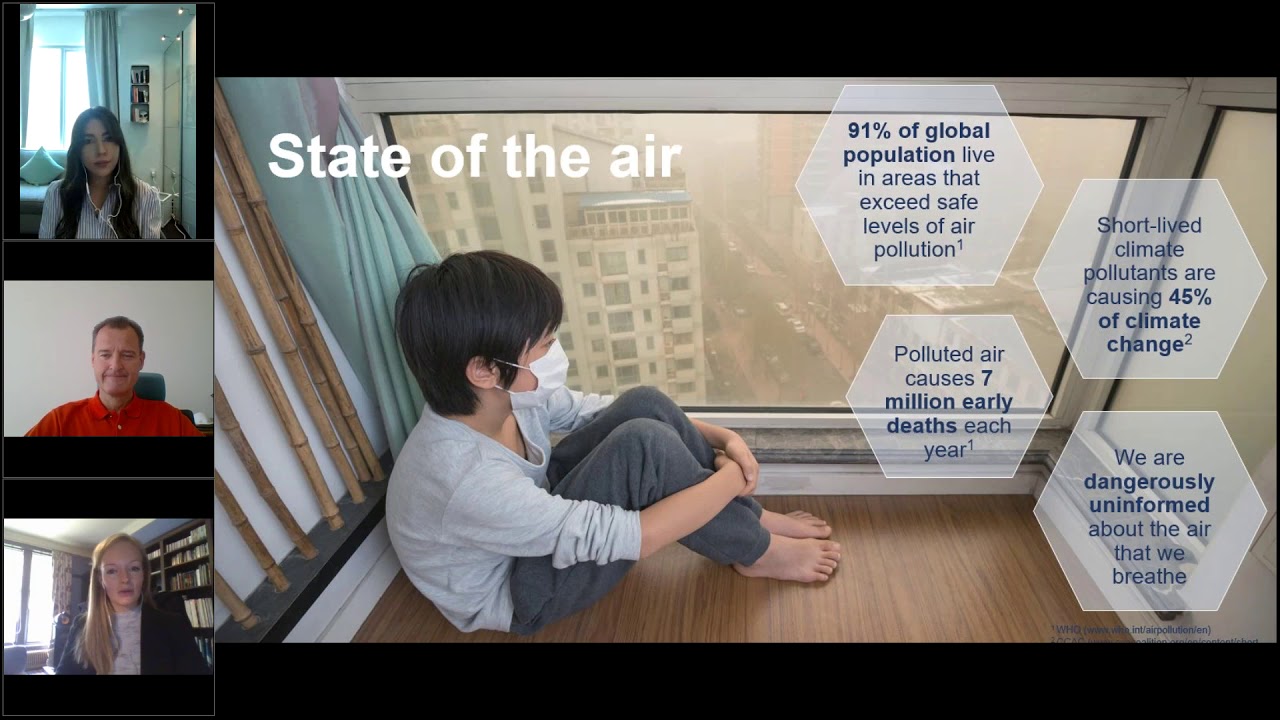
Sick Building Syndrome (SBS) is a condition where building occupants experience health symptoms like headaches, dizziness, nausea, and respiratory irritation without identifying a specific cause; the EPA estimates 30% of U.S. office buildings may be affected, with causes likely stemming from chemical and biological contaminants combined with inadequate ventilation, as buildings became more airtight during the 1970s energy crisis, reducing ventilation from 5 to 15 cubic feet per minute per person; solutions include improving ventilation, removing pollutant sources, maintaining HVAC systems, and using air-purifying houseplants.
Sick Building Syndrome Explained: Causes, Symptoms, and Solutions
Added:Basic understanding of the human respiratory system and how inhaled pollutants affect physical health.
Fundamental concepts of HVAC (Heating, Ventilation, and Air Conditioning) systems and the principle of air exchange.
Awareness of common indoor pollutants, such as Volatile Organic Compounds (VOCs), mold spores, carbon monoxide, and radon.
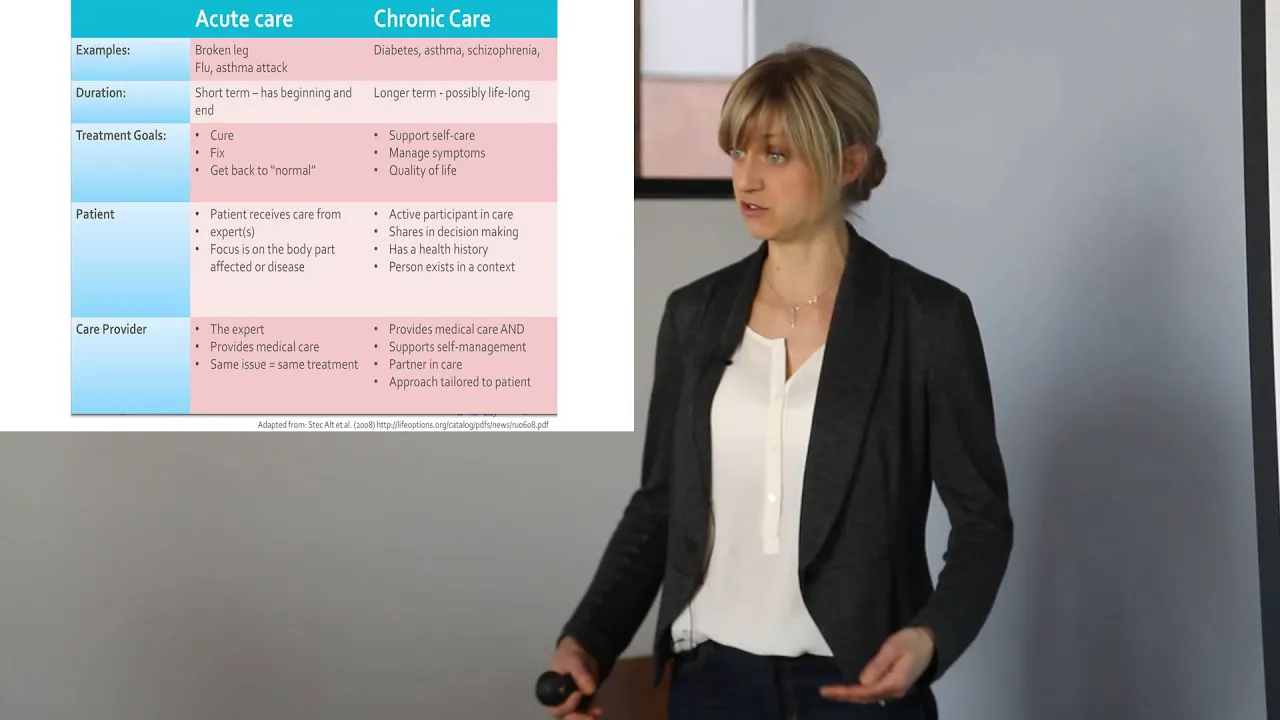
The distinction between acute health symptoms (temporary/short-term) and chronic health conditions (long-term).
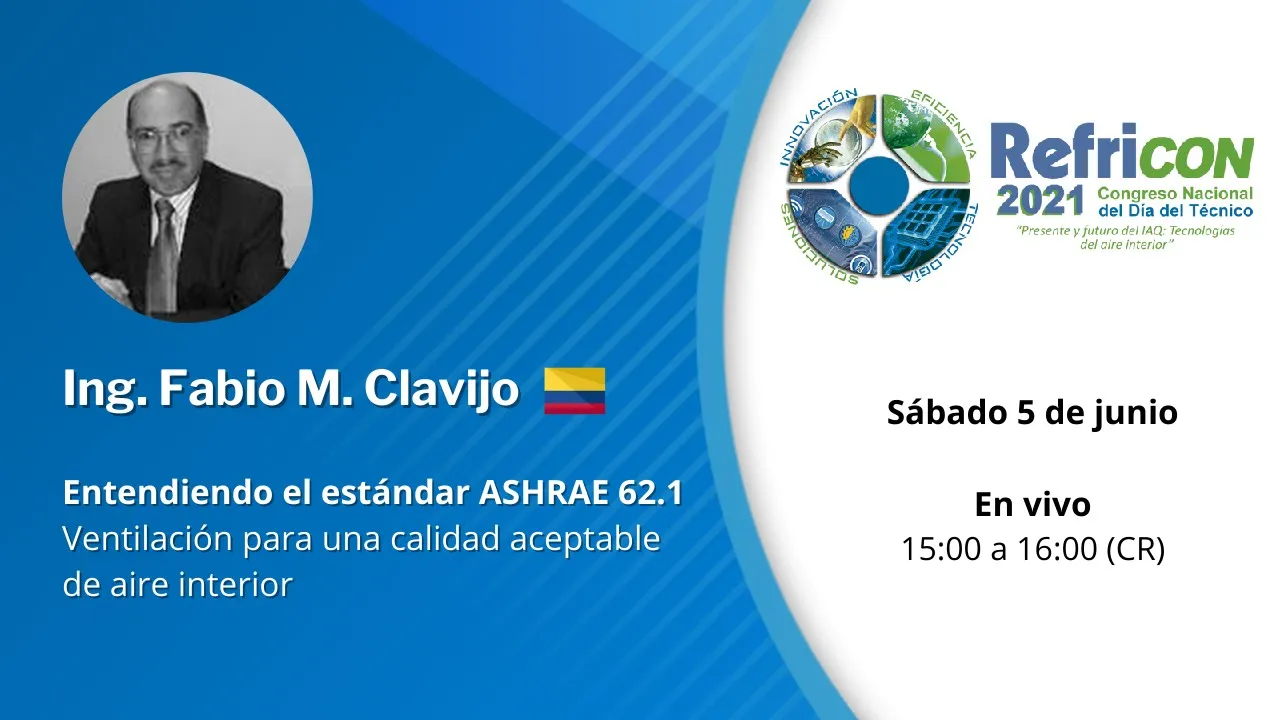
Advanced study of ASHRAE (American Society of Heating, Refrigerating and Air-Conditioning Engineers) standards for ventilation and indoor air quality.
Exploration of sustainable architecture and green building certification systems like LEED and the WELL Building Standard.
Investigation into environmental toxicology, focusing on the specific physiological pathways of chemical and biological indoor contaminants.
Methods of professional indoor environmental quality (IEQ) auditing, including the use of sensor technology and air sampling methodologies.
61.9K views952likes4:33Original Release: 2016-01-26
I want you to get up right now and go to the window.
Open it, and stick your head out, and yell, 'I'M AS MAD AS HELL, AND I'M NOT GOING TO TAKE THIS ANYMORE!
This guy gets it.
I’m Cristen Conger and you can consider this my letter of protest regarding these horrible working conditions!
That’s right boss, I’m talking about “Sick Building Syndrome.” I can already hear you, saying, “That’s not a real thing Cristen, stop whining and get back to work explaining how yoga pants can cause acne."
Well NO.
The Environmental Protection Agency says Sick Building Syndrome is real.
They define it as (and I quote) “a situation where a building’s occupants experience discomforting health effects, even though no specific cause can be found.
You know what else they say? That 30 percent of all office buildings in the United States could be sick.
That’s not just offices either. SBS is a problem in schools, libraries and even people's homes.
It's like everything everywhere is going crazy, so we don't go out anymore.
We sit in the house. And slowly the world we're living in is getting smaller.
In the United States, the average person spends 80 to 90 percent of their time indoors.
You know what else? Offices with mechanical ventilation and without open windows are at more risk.
So I hope you appreciate the health risk I'm making by bringing you this video.
“Well what are the symptoms?” you might have asked if you cared about my well being, in addition to your own accumulation of knowledge.
Headaches, dizziness, nausea, pain, fatigue, shortness of breath, coughing... and irritation of the throat, nose, skin and eyes.
You know what that does? It reduces work efficiency and increases absenteeism.
Let me stop you before you tell me that Tina in Accounting doesn’t have these symptoms, because inhabitants sharing the same office space are known to experience different signs of the illness.
Many people (like Tina) are either misdiagnosed or don’t even seek help.
So you better believe public health officials when they say that “seemingly minor complaints” should be taken seriously.
All I know is that first you've got to get mad. You've got to say, 'I'm a HUMAN BEING Researchers still haven’t identified a single cause for SBS.
Most say it’s likely a combination of things like chemical and biological contaminants, along with poor air ventilation.
See, during an oil embargo in the 1970s, buildings in the U.S. were made more airtight so the nation could conserve energy (and building owners could cut costs).
Sealing up buildings like this reduced ventilation down to 5 cubic feet per minute per person.
But! The American Society of Heating, Refrigeration and Air-Conditioning Engineers (yes, that’s a thing) has revised their modern ventilation standards to a minimum of 15 cubic feet per minute per person.
Exterior pollutants like exhaust and plumbing fumes - containing things like carbon monoxide, radon, formaldehyde and asbestos - can all enter through poorly located intake vents.
While inside, we’re circulating volatile organic compounds from adhesives, carpeting, cleaning agents, synthetic fragrances and even copy machines.
What to do, what to do?
So I want you to get up now.
I want all of you to get up out of your chairs.
Some governments have established guidelines for acceptable levels of gaseous indoor air pollutants.
And no, that wasn't a fart joke.
So you could start by increasing ventilation rates, removing pollutant sources and cleaning the air.
The EPA also recommends routine maintenance of HVAC systems.
Some houseplants might help too.
A study out of the University of Cologne in Germany found that certain plants can absorb air pollutants.
So if you think your work environment is making you ill, talk to your colleagues and compare notes about your symptoms.
And I'm looking at you, Tina.
I'm not going to leave you alone. MY LIFE HAS VALUE.
You can start by leaving a comment below about your experience with sick buildings.
And for more angry rants about my work life, subscribe to this channel, or visit us at HowStuffWorks.com.
I'm mad as hell and I'm not going to take it anymore!
Up Next
98:35
Indoor Air Quality: Ventilation vs. Equivalent Clean Air Flow
@buildingsciencecorporation8434
424 views•2025-08-20
30:32
Ultrasonic Transducers: Resonant Frequency Measurement and Horn Design
@imajeenyus42
229.9K views•2017-02-22

54:16
Polymer Environmental Degradation: Mechanisms & Stabilization
@iit
1.8K views•2012-07-10
33:39
How a Student's Question Saved a NYC Skyscraper from Collapse
@veritasium
22.8M views•2025-04-26
Related Study Plans & Knowledge Roadmaps
Structured learning paths in Engineering
engineering
Building Acoustic Levitators: Physics & Arduino
01The Physics of Sound and Standing Waves
02Piezoelectric Transducers and H-Bridge Drivers
03Arduino Programming: Generating 40 kHz Signals
+ 2 more learning modules
14h5 modules
Explore Roadmap
engineering
Building Peltier Cloud Chambers: Particle Tracks
01Cosmic Rays & Cloud Chamber Physics
02Thermoelectric Cooling (TEC) Fundamentals
03Custom Liquid-Cooling Loop Design
+ 2 more learning modules
18h5 modules
Explore Roadmap
engineering
Yagi-Uda Antennas: Modeling, Build & VNA Test
01Introduction to RF and Antenna Fundamentals
02Yagi-Uda Antenna Design Principles
03Antenna Modeling and Simulation in 4NEC2
+ 2 more learning modules
18h5 modules
Explore Roadmap
engineering
ECG Monitor Design: Op-Amps, Filters & Noise
01Electronics & Breadboard Basics
02Op-Amps and Instrumentation Amplifiers
03Bioelectricity and ECG Fundamentals
+ 2 more learning modules
18h5 modules
Explore Roadmap