
















Emergency physicians should approach drug overdoses by first stabilizing the patient's airway, breathing, and circulation, then identifying the drug through toxidrome recognition (sympathomimetic, anticholinergic, cholinergic, opiate/sedative, or serotonin syndrome), with treatment being primarily supportive care and specific antidotes like naloxone for opiates, flumazenil for benzodiazepines, and atropine for organophosphates; newer drugs like bath salts (mephedrone), K2/K3 (synthetic cannabinoids), and hand sanitizer (isopropyl alcohol) require specific recognition due to their unique toxicity profiles and potential for severe complications.
Street Drugs: EMS Guide to Emerging Overdose Threats
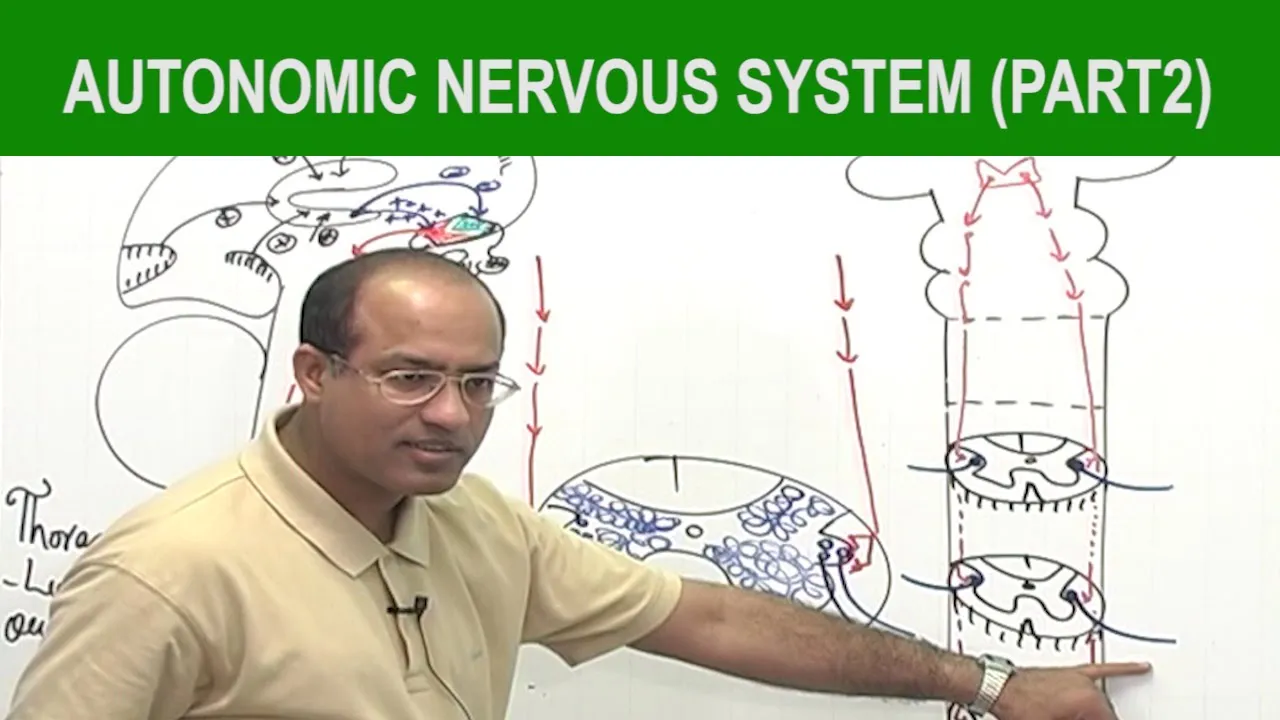
Added:Basic physiology of the Autonomic Nervous System (ANS), specifically the sympathetic and parasympathetic pathways.
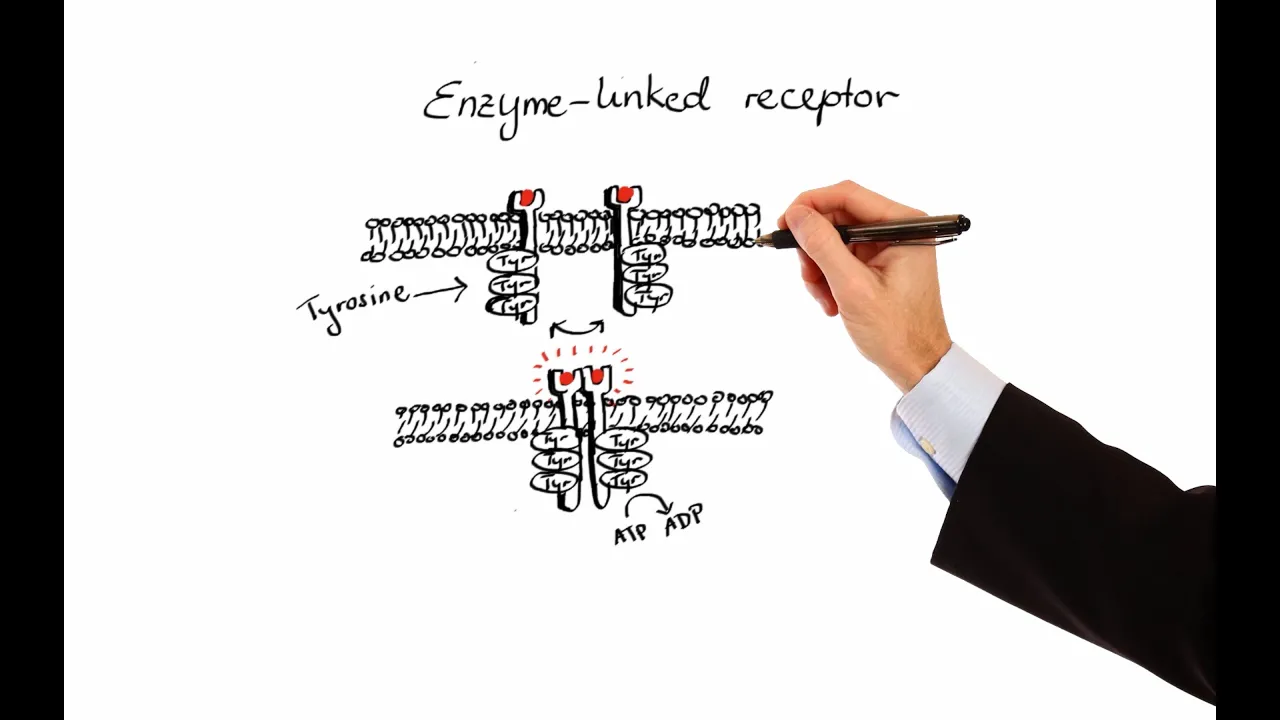
Foundational principles of pharmacology, including receptor theory (agonists and antagonists) and pharmacodynamics.
Standard emergency medical assessment protocols, such as evaluating airway, breathing, circulation (ABCs) and vital signs.
An introductory understanding of classic clinical toxidromes (e.g., opioid, sympathomimetic, and sedative-hypnotic profiles).
Advanced pre-hospital management of Excited Delirium Syndrome (ExDS) and severe drug-induced agitation.
The public health and epidemiological tracking methodologies for Novel Psychoactive Substances (NPS).
Clinical wound management and surgical debridement protocols for necrotizing drug contaminants, such as desomorphine (crocodyl).
Forensic toxicology principles and the regulatory frameworks, such as the Federal Analogue Act, used to identify and control synthetic drug variants.
152 views0likes35:40Original Release: 2014-04-21
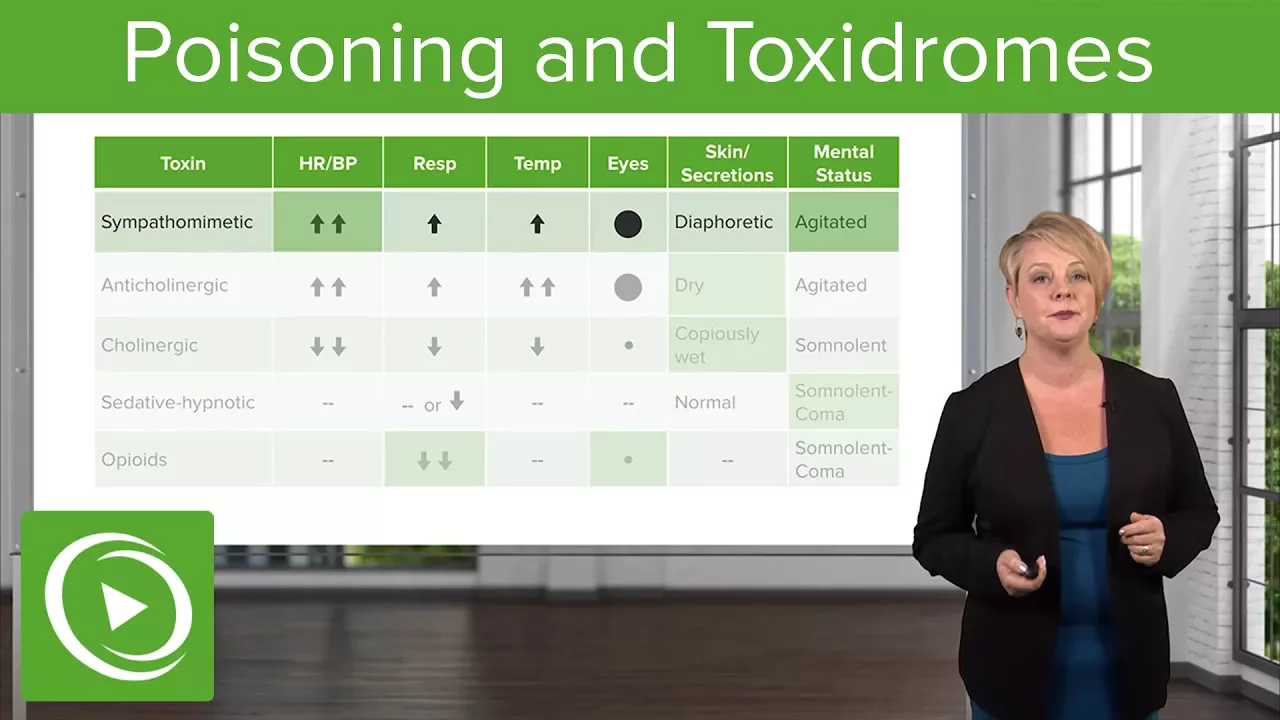
warm welcome Dr [Applause] raty good afternoon uh like you said my name is Brad raski I'm an Emergency Physician I work at Riverside Grant and Dublin method Methodist hospitals what I'm uh asked to speak to you about is uh drugs on the street um I know nobody here has ever seen a case of an overdose suicidal attempt or uh too much use of alcohol we never see that Friday night Saturday night it's never intentional what I want to do is I want to speak on drugs that maybe we're not so familiar with and I know we've all seen a lot of uh alcohol cocaine heroin and I'll touch on those because those are important and we need to know about those but what I want to talk with you about is some upand cominging drugs that we haven't seen that we may be starting to see um because you guys are our Frontline response you need to know about it you need to to kind of keep that in the back of your mind so that we can initi iate the appropriate therapy I have no disclosures and so the way I want to approach this is is first um obviously tell you who I am um as you I mentioned I'm Emergency Physician I uh did train as an emergency technician um back about 10 years ago so I do have some understanding of the field um and so I can appreciate um what you guys see on the scene the chaos the difficult nature of that um and so so I I think that can make me better as um an Emergency Physician I want to talk a little bit about how to approach poisonings um what to do what information to gather um what's your initial approach on the scene uh especially I want to really focus on making sure that everybody understands you know what happens in the field and what we do in the emergency department because I think that transition of care can really expedite the care um for everybody um I'm going to talk a little bit about some of the the Common Street drugs heroin cocaine meth um uh bath salts I know that's the the latest rage right now um and then some of the the newer drugs that maybe people haven't heard of so much uh hand sanitizer abuse K2 and spice C and uh some other ones that uh will be a little bit of a surprise so as far as the initial approach um this is what you guys do day in and day out this is what I do uh it's your ABCs it's your initial approach so at first don't even worry about the drug worry about their Airway breathing circulation take care of that most of what we do in toxicology and treatment is supportive care some of the more um fancy things we get down the line after we've stabilized our Airway um assessed for any additional things so obviously mental status uh ethanol uh heroin you know are they breathing are they obtunded you know sometimes yeah you know they're a little bit drowsy maybe we can talk about an antidote maybe we can try Naran but maybe they're just completely out of it and maybe it's not even worth trying that and just get a definitive Airway uh as far as um heart rate so braady cardia tachic cardia very common side effects with the drugs most of the time we can we can deal with heart rates in the 50s we can deal with heart rates up in the 140s but you start to get outside of those ranges that becomes very life-threatening and and we need to identify those um so that's very important uh to put them on uh you know get a life pack get a 12 Le kg to look at some of those dymas that we can and and through some of these uh toxidromes I'll talk about that'll tell you what to anticipate so that we're kind of ahead of the game instead of behind the game other things that are associated with these overdoses so is there a trauma did somebody uh become obtunded enough and uh hit their head follow down a story does their altered mental status have nothing to do with the drugs they're at a bar they're drinking had a couple beers they're found down in the the bathroom what happened are they so intoxicated that uh we need to go ahead and provide an airway or did they actually get assaulted and uh you know having worked almost every fourth of July and uh New Year's Eve for the last several years this is a very big problem in our emergency department we see these people couple drinks are very intoxicated fell off the bar stool slipped at the bar I can't assume that that's alcohol so we need to treat these almost like trauma patients at times if there's any small history I don't care they fell off a chair they stumbled we treat them close to a trauma patient I to uh near Year's EES ago I had a 26-year-old male who was intoxicated smelled of it slurred his speech we put him back in one of the rooms kind of you know finally got a story well maybe he fell off the bar stool I didn't see anything on his exam but pretty much my rule of thumb is you fall and alcohol you get a headcat scan well 15 minutes later there's a subdural bleed the patients in the O within 45 minutes now on New Year's Eve when we're seeing 40 drunk patients in the emergency department that can make a big deal if you just put them in a room say We'll sober them up and send them home in the morning so make sure you think about trauma make sure you think about glucose levels depending on what age of kids um that are into alcohol uh you can drop glucose levels either intentional or non-intentional um temperature everybody who uh comes in with a an overdose and an altered mental status temperature whether they feel warm or not this is a common thing that we see and something that can be life-threatening so full set of vitals temperature and everything so uh the initial approach is to stabilize after that let's get some history on the scene let's talk to people there let's look around are there drug bottles there um you know even if they have a drug bottle of something that doesn't even seem important I want you to bring it with them because because at the very least that'll tell me what pharmacy they go to and we'll call the pharmacy and get a full list of drugs so it's important to gather any information from you from the scene that you can is there any funny smells open containers uh is there anybody there that can provide any history um and then once we can identify the drug hopefully um we can start talking about some of the uh antidotes that we use so a little bit farther down the line this is what I kind of deal with mostly in the Emergen department is um uh some of these antidotes here but you guys everybody uses Naran okay altered mental status possible overdose let's give Naran um Tylenol we have an antidote for that and ayal cysteine so we need to initiate that early on to prevent um death of the liver benzo diazines flumazenil this always a tricky one and uh I just like to take a little sidebar to talk about flanel this reverses benzodiazapines it works great if I happen to give too much benzo diine to a patient in the emergency department I can give a little flanel wake them up I don't have to intubate them watch them for a couple hours send them home the problem is if somebody is a longtime benzo diazine user or uses multiple drugs and we don't have a good history we can and we think it's maybe benzo aines given flaminal actually may hurt them because I'm going to take away any effect that benzo has but what if they've done other drugs that cause them to have a seizure TCA what do we treat seizures with benzo aines what do I give to BL flamasil therefore I have nothing to treat the seizures with so make sure you use this very very judiciously the only time a lot of us Emergen Physicians will ever give it is if I know that I gave too high of a dose and I can avoid intubating the patient other than that I will not use it beta and calcium blockers we can give glucagon insulin uh ethylene glycol so that's what you kind of see in some of your anifree um my favorite one you can start them on an ethanol drip give them some shots of alcohol and that's how you treat it so there's also a very a commercially available drug fasol it's very expensive if I ever have one of these cases I'm going to do an ethanol drip just because I say I can that's why I give uh cocaine topically for the nose if there's a nose bleed because I can all right so at least through my training as an emergency medical technician they really didn't cover on toxidromes syndrome so syndrome is a collection of symptoms that we see we try to place them into it I know everybody's heard of anol energic drugs um sympathetic drugs but I kind of like to redefine and explain to you some of the most common toxidromes syndromes that we see and this helps you kind of identify the patients and whether what drug they took you can all treat them as the same so maybe you don't need to know exactly are they on amphetamine or cocaine doesn't doesn't really matter we can actually treat them very similar and get them the appropriate care so there's five common syndromes sympathic speeding up everything anti-cholinergic col energic everybody's favorite and the most common is opiate sedative and ethanol syndrome and serotonin syndrome which um I think goes underdiagnosed a lot of the time we don't think about it it's a little bit more subtle sometimes but it's uh definitely common and we've seen it several times in the last couple weeks so um I'd like to touch on that so sympathic this is our typical cocaine amphetamine um people do decongestants that have dexom methorphan in it what so what does it do it speeds everything up this is your fight ORF flight syndrome so I basically just think of if you get scared if you're in a stressful situation this is what you're going to have we're just making it artificial you get high blood pressure not uncommon to see 190s 2s 210 they're agitated you're going to see tachicardia again heart rates in the 150s 180s you're going to see dilated pupils that's used as one of our um evolutionary techniques so that we can see better in dark so I just kind of think of this as your fight or flight this is a synthetic you're in a fight type of situation your pupils dilate and then delirium when you get to the end of the spectrum they get very Delirious an overdoses high doses of cocaine and fetamines we get cardiovascular problems so this is when need kg if they're severely out of it I'd put on the Pacer pads this is the dmas that are are concerning and we need to act on quickly this is when you can make a difference um give fluids they're going to be uh most of the time uh hypothermic and then there's this this condition called excited delirium which is the very end of the spectrum where they are hypothermic they're 105 106 107° temperatures they are extremely out of it they have high potassiums this is the like The crucial part where we need to to take very good care get the IV in lots of fluids cool them this is uh you know wet them down throw water on uh turn on the the fans we need to uh cool them down and then we need to give benzos to sedate them and a lot of times in the emergency department we'll actually go ahead intubate them paralyze them to remove all muscle tone to allow them to cool off um these are very difficult patients at times this excited delirium will take five or six um police officers to hold this patient down to allow you to administer the medicine so if you have to these are the patients that if they're so out of it you know you may have to intubate to and paralyze to allow the appropriate treatment these unfortunately don't have any antidotes the antidote is time so we're going to have to just waight it out treat them treat the problems um like I said fluids benzo try to get them in a calm environment the next one anti-cholinergic syndrome so you've probably heard of anti Anolon allergic drugs um the most uh common drugs that we see that have this side effect benad dril antis psychotics so H doll Geodon anti-depressants so a lot of our anti-depressants that seems like almost everybody is on today uh if you take that in an overdose as Prozac would you're going to get what's called an anti-cholinergic syndrome so um and probably the most common one you'd see in teens other than benad is something called gimpson weed and we'll touch on that a little a little bit later and I'll touch on a little bit more of the symptoms but people are very Delirious they're out of it they're not making sense but they're not really sedated too much either they Mumble you can't understand them they're teac cardic they got the dilated pupils warm they're uh they got warm body temperatures and they have seizures a lot of time so again flamasil may not likely not good in this case I think of this as anticholinergic is dry so if you you see a lot of these symptoms teac cardia dilated pupils that sounds just like the last one the sympto memetics this these patients are dry so if you're in a fight and you got your revved up your epinephrine going you're going to be sweaty and you're going to be jazzed and you're going to have a hard time holding them down this is almost the opposite side where they're Delirious they're tartic but they are bone dry this almost looks like heat stroke is kind of how I picture it so we do have one antidote for this um this is in the Emergen Department it's rarely given um again it's usually supported of care um we do give this for severe dysrhythmias when their QRS widens um if they're starting to have seizures um this medication here is called physo stigmine um the problem with this is if they've taken a tricyclic antidepressant a TCA with this given this drug will cause their heart to stop you go right into assist so we use this as a last last Resort for people who we cannot control any other time when they're developing D rythmia is due to a known anti-cholinergic so benil overdose gimps and weed overdose all right so our third syndrome so we've talked about the sympathetic where you're revving up but you're still sweaty the anticholinergic where you're a little bit delirious but you're still revved up but you're bone dry this is the opposite of those this is where you're what i' classify as wet so this is when you vomit you're urinating over yourself you're having diarrhea over yourself it's the type of patient that they're diaphoretic you don't even want to touch cuz all your EKG pads are going to fall off it's it's kind of a mess luckily it's relatively uncommon the typical times we see this is Organo Organo phosphates insect um Killers uh fertilizers so it's usually uh uh not necessarily intentional but uh somebody who's working out in the fields who just exposed to it uh the typical case at least they describe as uh you know somebody who's working in California but definitely can be in Ohio who's out in the field when they're out in the field and it's moist in the morning all of the um insect Killers actually go off of the plants and get onto their um genes uh get absorbed into their system and then they become Delirious they're peeing they're it's just a big mess so they use the uh acronym sludge so Sal salvation lacrimation urination diarrhea GI upset and emesis um nerve gas overdoses presented this way as well U so the antidote for this is atropine and you give high doses of atropine it's routinely that we have to bring up multiple uh doses from the pharmacy because we've run out in the emergency department so you basically give atropine 1 milligram every 3 to 5 minutes until they start improving till they dry out until things improve so you can easily have eight 10 doses again I I don't think this is the definitive care that needs they need to be all better by the time they get to the Emer department but if they're braided cardic if they're severely symptomatic a dose or two may definitely help and uh improve the outcome and this is everybody's favorite here so opiate sedatives and ethanol narcotics benzo barbituates clonidine all these overdoses cause you to be sedated um it decreases your respiratory drive we've seen this respiratory rates of six8 very restricted pupils for most but not all drugs that they can take uh Naran so uh and it's all based on your EMS protocol likely I usually start with A4 milligram dose a lot smaller than um a lot of times what I see coming in I think this is a good dose if if the patient is kind of mumbling and out of it you notice that their respiratory rate is decreasing um but if they're completely out of it I think you need to jump to the higher doses so um I see a lot of 1 milligram 2 milligram starting Doses and that'll tell you tell you right away that's kind of their altered mental status coma cocktail um just on a side note here one of my um Favorite Drug inserts is Narcan it tells you that you can give 4 milligram to 2 milligram and you can repeat as necessary but if you get up to 10 milligrams of Narcan it says you may want to consider an alternative diagnosis so I don't know if anybody's ever pushed Naran but 10 milligrams yeah I think you better consider something else trauma perhaps and then serotonin syndrome so this syndrome is caused by either an overdose of medications that block serotonin um in the body or it's caused by the addition and poly Pharmacy of medications so a lot of the anti-depressants they're called serotonin reuptake Inhibitors what that does is it stops the serotonin from being broken down so that you have more of it around it gives you a better feeling well if you add multiple of those drugs or if you add some drugs that have that side effect so if somebody's on proac and they were seen in the emergency department or at their family doctor and they were given alram that drug combination can cause them to go into serotonin syndrome the drug can actually have been stopped like the proac could have been stopped up to two weeks ago and you'd still have the side effects if you're given tram at all so I think with all these multiple um visits to emergency departments urgent cares uh I think you're going to see a lot more of this so just keep this in mind um I think it's very difficult to determine the couple cases that I've had it's been difficult and we're not quite sure but they seem to fit it and so it's one of those we treat um because that's the the worst case scenario U so here's kind of a little graph of what you can see so you get diaphoresis they're agitated you're holding this patient down they're tacac cardic 170s 180s you give I give multiple liters of fluid no change um when you check our their reflexes they're hyperlexic so they just jump off the table um and you just notice that they're very unstable their blood pressure is 210 220 they're very very sick appearing that's the one end of the spectrum the other end is is they're starting to see some of these side effects and they're a little bit of this a little bit of that and that's when it's very difficult to determine um so obviously stop the drugs I you know um that's the the one and then there's an antidote called cyproheptadine the one kicker with this is makes my life difficult sometimes is these patients usually aren't quite with it this drug is only given orally so my choice is is I either keep them not intubated and convince them to chew this pill or I have to intubate somebody who has no respiratory problems but I got to put an NG tube down to give it and so unfortunately most of my cases have been that way is that we've just had to force it down them um never Pleasant for either person so kind of just wrap wrapping up some of the Common Street drugs that we see um ethanol it's in sedative category cocaine it's sympathic so we get revved up heroin sedative cannabis sedative LSD uh it's classified as both a hallucinogen but it gives you the sympathomimetic properties they're usually pretty reved up and ecstasy is sympath medic so I kind of put this in the common street drug category now because I think we've all heard about it I think has raise your hand if you've seen a case of this okay so a large majority so you know you're all smart people I don't want to bore your time with this but I do want to touch on it for some people who haven't seen it um and just kind of let you know the the State of Affairs that we are seeing now um so basically what it is it's a chemical called mephedrone or mpdv um there's a couple different categories and they can kind of tweak it a little bit to help avoid detection what it does is it they put it in this container they label it bass salts on the back of the container it says not for human consumption well I don't think anybody really uses it to take a bath and smell better and smell like mephedrone uh so uh this is kind of what we're seeing a lot of the new drugs to be is they're synthetic they are designed to avoid detection um and technically because they're not a certain compound they are actually legal so this is legal because uh or was legal because it's new there's other drugs I'll talk about that are technically legal because you have to identify the exact chemical in order for them to be on a scheduled controlled substance uh it's Sim similar to cocaine and amphetamine um you can't detect it most of the times um and uh in Fall 201 they put an emergency ban on this um since that time um we've been seeing a decrease in cases but um I talked with the uh poison Center um and they're still seeing about one to two cases a week um they were seeing about 20 cases a month at at the height of this um just uh from personal experience we're we were seeing a lot of that it's kind of dropped off these people are very sick and and it's very difficult to control them so the average dose is 5 milligrams to 20 milligram each packet contains about 500 milligram so you really hope that people are a little bit educated when they're taking this otherwise they're going to take the whole thing and overdose and this is what we see and that is why it's so dangerous in my opinion is that people don't know what they're taking and how much they should take so as you see right there not for human consumption um why did they start taking it well it actually stimulates a little bit it can improve your attention in lower doses it's not the lower doses that we're concerned about that we get called out to see it's these high doses when they take the entire package um there has been some case reports um with this of uh people giving H dool for Sedation causing um cardiac drimia and death so it's very difficult from us to uh sedate these people uh with the appropriate medications so I wanted to talk on some new drugs of abuse some people have heard of some maybe not but this is things that I think we're starting to see a little bit and I think it's important to be familiar with so um we'll start off with K2 and K3 so K2 again another synthetic this is synthetic weed essentially they Market it as incense this sounds very familiar to mass salts if you remember remember it's more expensive than weed but the advantage is is that it's not detected in most drug screens um what they do is they they manufacture the synthetic weed they put it on different particles um and uh you can inject it smoke it uh essentially it's similar to weed you get a little bit more teoc cardia psychosis and slurge speech people have a harder time it's more potent than the THC and most marijuana so so we start to see higher doses a higher effects than what you'd expect to see the next one this plant is called cot and it's been around for Generations it was first documented use I think in 600 AD it's used in a lot of cultures they um it's a stimulant they chew it they chew it throughout the day um it's mainly the weeds and the leaves and it has to be fresh so uh it's basically a sympathic drug all right so it's going to speed everything up um it's a it increases your heart rate your blood pressure it causes psychosis and diaphoresis um again this is a drug that we're starting to see a little bit more they've actually got some really um sophisticated I guess cartels um who will transport this as it's fresh they harvest it in the morning they'll fly it over here or to Europe um to be used the same day because you need it to be fresh um so as you see I mean it's technically legal um just kind of mention that the the one interesting thing in this is they've done studies and they found that heart attacks happen in these countries that use it one to two hours after what they call the chewing times early in the morning so they see about 9 or 10:00 a huge increase in myocardial inunctions because of some sympathetic effects we see it in young people 25 26 they're seeing a lot of heart attacks in result of this um so both K and cocaine are associated with heart problems so make sure you know if they're saying chest pain treated as real chest pain um obviously in cocaine avoid the beta blockers uh but make sure you take those complaints serious in addition to uh the overdose this is uh one of the newer drugs here crocodile raise your hand if you've heard of this this okay so maybe about uh a third of you nickname the drug that eats junkies so this started in Russia basically uh they've found it in Germany um within the last year or so um there's been some case reports here in the United States U basically it's made from coding which in Russia is legal to buy over the counter um they uh mix it with gasoline paint thinner hydrochloric acid which sounds like a wonderful drug to take it uh takes about an hour to make it's similar to Morphine so the the chemical name is desomorphine uh but it's about 10 times as potent um it's easy to make it's cheap so I believe they can get um about a third cost reduction to make this as opposed to um using heroin the way that you ingest it is you inject it into your skin this is where the problem occurs it breaks down your skin so what you do is you'll see some green scaly marks on the skin it starts to break down the arteries and veins it stops the blood supply it basically then just necroses your skin and it goes to the Bone so I want to show some pictures but I'll just warn you they are pretty graphic this is real life but this is this is what we're seeing in Russia right now so you do see the skin break down here you see all this surrounding um necrosis as well and he's got it here they actually say in Russia that once you start on it your Year's expect your life expy is for one more year once you start on this drug most people die within a year it's that potent it's that dangerous and it's that life-threatening again this is a common user she's peeling off all the dead skin I just I can't imagine people doing this to themselves to get a high but like I said their life expectancy is one year after starting it it goes down to the bone all right let's go to something complete opposite hand sanitizer it'll clean it all up we're seeing this here um in the United States uh California seen quite a quite a bit 2010 they saw 2600 cases this is cheap it's everywhere we're using it in the hospital you're using it uh in your rigs it's a dollar um to buy anywhere uh it's so what is what is in it um there's a an alcohol there that's more potent than ethanol they're seeing that younger kids are trying this so it's easier to go than to go to Manny's liquor store in the corner oh well mom's got a whole bottle of hand sanitizer let's just drink this well some people drink it straight up and that's got to taste really bad other people will distill it and can add salt to it and tips are on YouTube don't look at it guys um but uh you're able to distill it in an actually tastes a little bit better apparently um so what is in it so um ethyl alcohol it's similar to ethanol but it's more potent um what you can actually see is that um 60 this is a 62% concentration if you put it into to proof terms it's over 120 proof liquor so two or three shots for the kids um you know that's just four or five milliliters and and you're seeing very significant effects um the other problem is some actually contain isopropyl alcohol which people don't tolerate quite so much this is basically rubbing alcohol um so you get nausea flushing they decrease their CNS um and you can see the fruy odor so that's one of your your tip offs for that and we have to actually hemodial them if they get the wrong kind the isopropyl Visine ingestions has anybody seen a Visine ingestion yeah they're not too common I've had one case of this and this is usually more for a suicidal attempt or it's an attempt to be funny and play a practical joke on somebody so the urban myth is that putting a couple drops of vising will cause diarrhea it actually doesn't do that at all that's just a myth um as little as 1 to 2 milliliters of this can cause profound hypotension um can cause cardiac disturbances and people end up in the Intensive Care Unit with just 1 to two milliliters of Visine put in a drink or an ingestion so uh basically we just have to support it put them on pressors lots of fluid and monitoring so this is something called 2ce again it's a synthetic um drug it's a psychedelic so it's similar to LSD um PCP uh we even know who invented it um it's actually unscheduled so technically it's legal here in the United States because the FDA hasn't looked at exactly what chemical or or gone through the processes to put it on a scheduled controlled substance um it's Crystal powder uh it's a little bit more expensive um but uh the the latest prices on the internet that I'm seeing are uh $50 for 100 milligrams and that'll get you about five to six uh trips um you either orally take it just put on your tongue or you can snort it um you get nausea vomiting diarrhea itching muscle spasms huc ations and your sound the sounds are distorted again hallucinogen there's not really a whole lot of antidotes for it uh it's just some sympathetic uh care just treat the symptoms gyom weed it's common in teenagers is kind of the most common we see it uh this is where you're going to see the anti-cholinergic so basically this is like atropine and actually in parts of it there is atropine there's hyamine and Scopolamine Scopolamine is used for the patches for travel sickness all these are anticholinergic medications um long history of being used and abused goes back to some Shakespeare's plays um it grows almost everywhere and so we see either teens abusing it because um they can get uh some high effects from it or farmers can get it unintentionally by just being around it and having it rub off so people will eat the seeds uh they will smoke some of the leaves or they can make tea out of it um so it's actually class if as a badana um medication which uh is a little bit interesting because back in the times the in Italy they uh females used to take a couple drops of this put it in their eyes it dilates their pupils and they thought that was more attractive to the males um the anti-cholinergic so this is when we were talking about um the dry syndrome so you're blind because your pupils are dilated you can't focus very well um you get hot you get dry so these are the the anticolon effects that we see you can give um charcoal if it's early on the latest stances is we give charcoal if it's within an hour of ingestion if the patient has uh able to take things by mouth and not a huge risk of aspiration um a lot of times we're kind of using the poison CER to help us decide whether to give charcoal or not because it's not quite as effective as we thought but it does work well for this all right so kind of just summing up here um obviously when you initially get on the scene it's initial stabilization as if it was any other patient try to identify the drugs get a full set of vitals hypothermia is huge and is a problem in these ingestions um is try to if you can put them in one of those five boxes and that'll kind of let you to know what to expect because you may be seeing the early effects of this um ingestion and you want to kind of prepare and be ready for it um so we talked about bath salts again the temperature blood pressure benzo is not H all for this synthetic weed um you get slur speech it's again supportive care crocodil uh it's going to be uh very damaging to the Bone and SK skin um it's limited here in the United States at this point but this could be an upand cominging thing hand sanitizer the caution is is kids especially when they're young can't deal with alcohol very well in the sense that their blood sugar will drop so if you see or suspect one of this you need a BL blood glucose right away because um kids do not deal well with u alcohol all right um vising we talked about make sure um you know poison Center is there they're very good um so make sure you can you can always get online control with them and uh I want to give thanks to to Dr Hayes who uh assisted me and kind of let me know what the poison Center is seeing seeing and dealing with they're seeing a little bit less bath salts but continues the 2ce they're starting to see a little bit more of so that a stimulant all right does anybody have any questions in the back could you speak up soor could somebody relay that I couldn't oh bass salts they're dilated yep so you're going to get the sympathetic so they're going to be sweaty they're going to be hallucinating teoc cardia high blood pressure and dilated eyes yeah all right well thank you very much for your time I know you've had a long day
Up Next
7:35
Toxidromes Crash Course: Symptoms, Mnemonics, and Acute Care Essentials
@lecturiomedical
4.1K views•2025-04-06

48:47
Graphic Medicine: Comics for Collaborative Healthcare Communication
@nationalpatientadvocate
189 views•2023-12-04

10:28
Neuroanatomy: Central and Peripheral Nervous System Divisions Explained
@AKLECTURES
136.2K views•2014-09-20
3:05
Stages of Labor and Vaginal Birth | Childbirth Animation
@nucleusmedicalmedia
52.1M views•2017-08-18
Related Study Plans & Knowledge Roadmaps
Structured learning paths in Medicine
medicine
Abnormal LFTs: Diagnostic Workup & Pathology
01Liver Anatomy and Basic Physiology
02Introduction to Liver Function Tests (LFTs)
03Hepatocellular vs. Cholestatic Patterns
+ 3 more learning modules
12h6 modules
Explore Roadmap
medicine
Analyzing Blood Smears: RBC, WBC & Platelets
01Introduction to Blood Components & Smear Preparation
02Normal Morphology of Blood Cells
03Erythrocyte Pathologies & Morphological Variants
+ 2 more learning modules
12h5 modules
Explore Roadmap
medicine
Mechanical Ventilation: Waveforms & Alarms
01Anatomy and Physiology of Breathing
02Introduction to Mechanical Ventilation & Core Modes
03Ventilator Settings and Waveform Interpretation
+ 2 more learning modules
12h5 modules
Explore Roadmap
medicine
Neuro Exam: Localization & Stroke Syndromes
01Foundations of Neuroanatomy and Vascular Supply
02The Neurological Examination: Step-by-Step
03Principles of Neurological Localization
+ 3 more learning modules
18h6 modules
Explore Roadmap