


















Toxidromes are characteristic clinical syndromes caused by specific drug classes that can be differentiated by their autonomic effects: sympathomimetic toxidrome causes tachycardia, hypertension, hyperthermia, and mydriasis with normal secretions; anticholinergic toxidrome presents similarly but with dry skin and secretions (remembered by 'Mad as a Hatter, Blind as a Bat, Red as a Beet, Hot as a Hare, Dry as a Bone'); cholinergic toxidrome shows bradycardia, hypotension, miosis, and copious secretions (SLUDGE mnemonic); sedative-hypnotic toxidrome causes sedation without significant autonomic changes; and opioid toxidrome features sedation, pinpoint pupils, and respiratory depression.
Toxidromes Crash Course: Symptoms, Mnemonics, and Acute Care Essentials
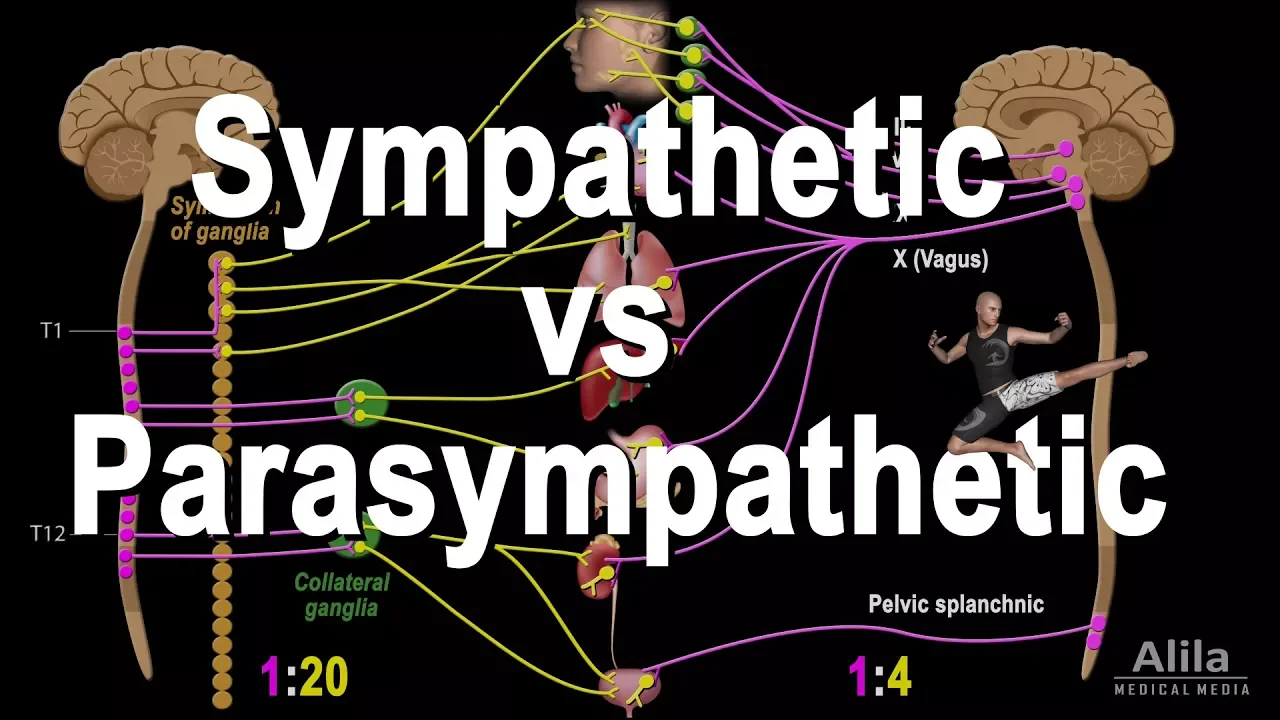
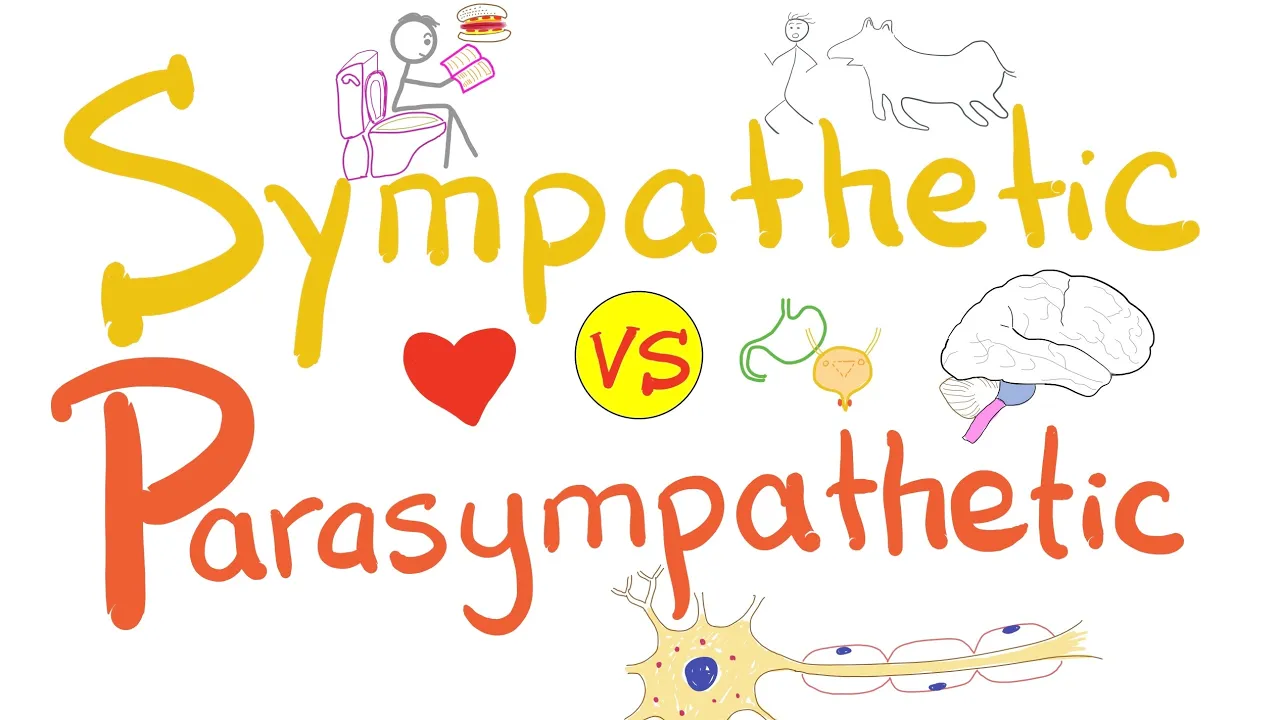
Added:Anatomy and physiology of the Autonomic Nervous System (ANS), specifically the contrasting roles of the sympathetic and parasympathetic pathways.
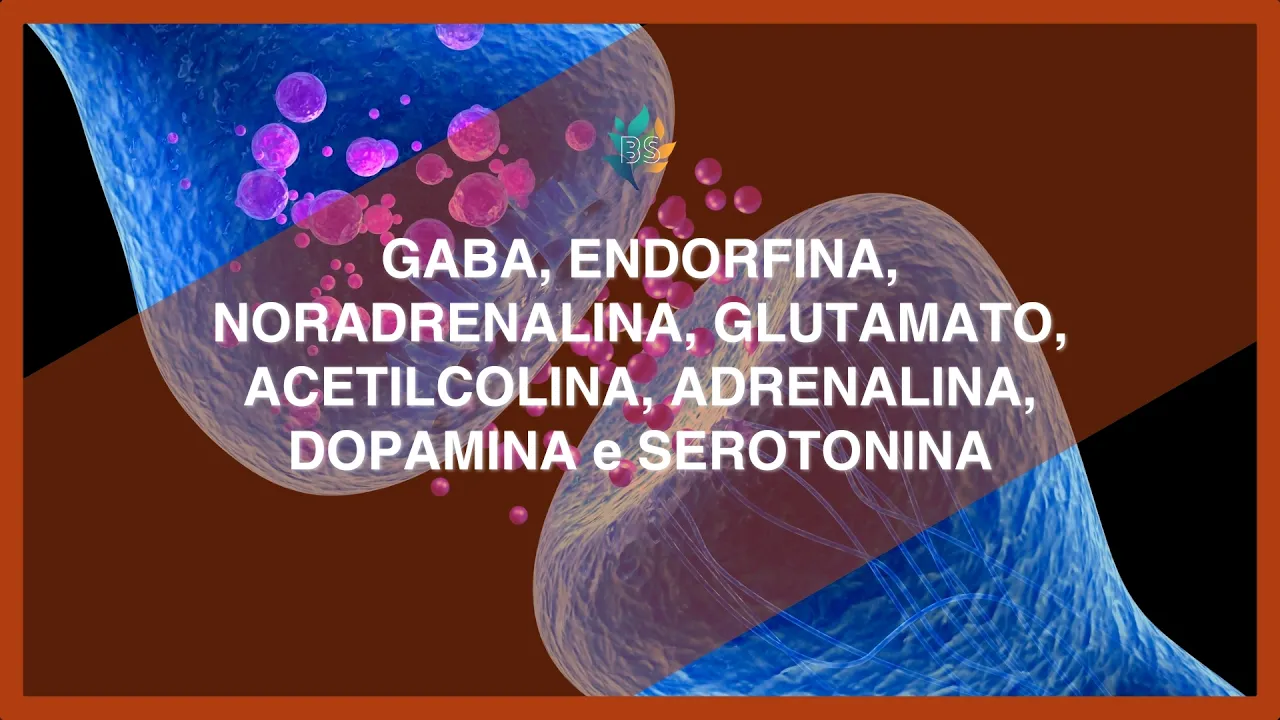
Basic principles of neurochemistry, including the primary neurotransmitters (acetylcholine, norepinephrine, GABA, and endorphins) and their respective receptors.
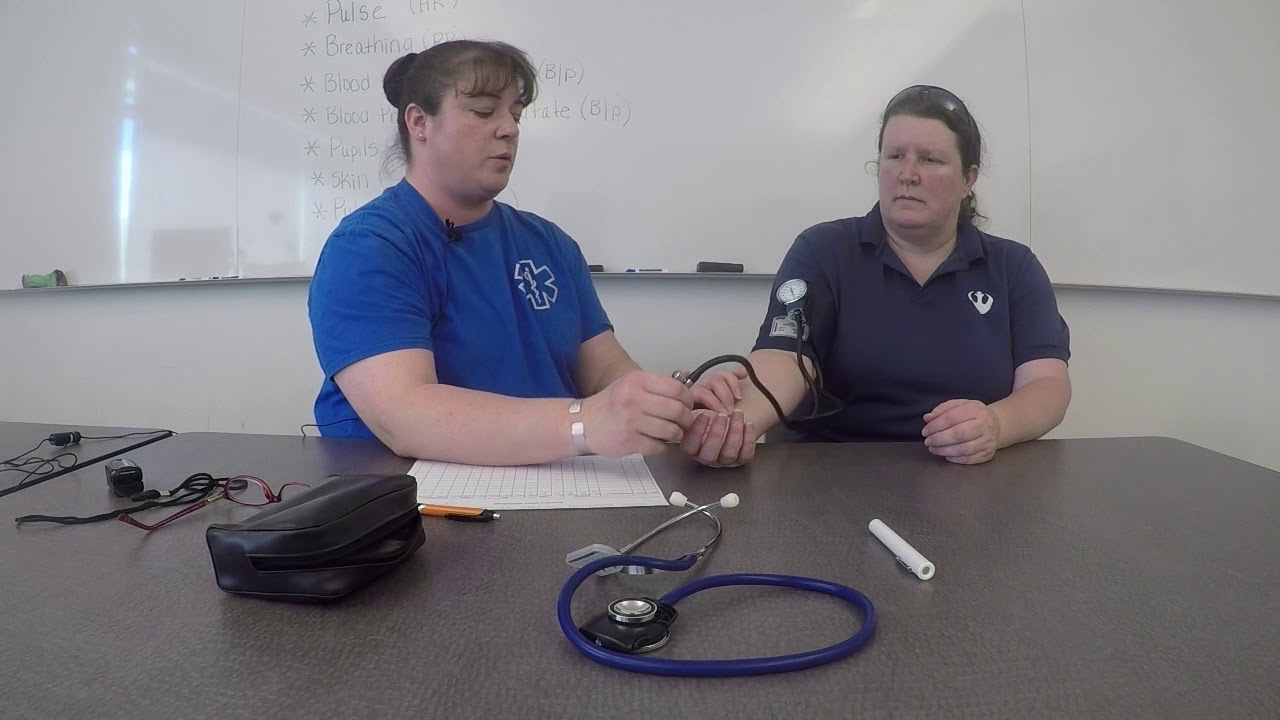
Fundamental clinical assessment techniques, including how to evaluate vital signs, pupillary responses (mydriasis vs. miosis), skin condition, and mental status.
Specific pharmacological antidotes and immediate acute interventions for each toxidrome (e.g., naloxone for opioids, atropine/pralidoxime for cholinergics).
Methods of gastrointestinal decontamination and active elimination strategies in toxicology, such as activated charcoal, gastric lavage, and urinary alkalinization.
Differential diagnosis of critical mimicking conditions, including distinguishing anticholinergic toxicity from serotonin syndrome, neuroleptic malignant syndrome, and thyroid storm.
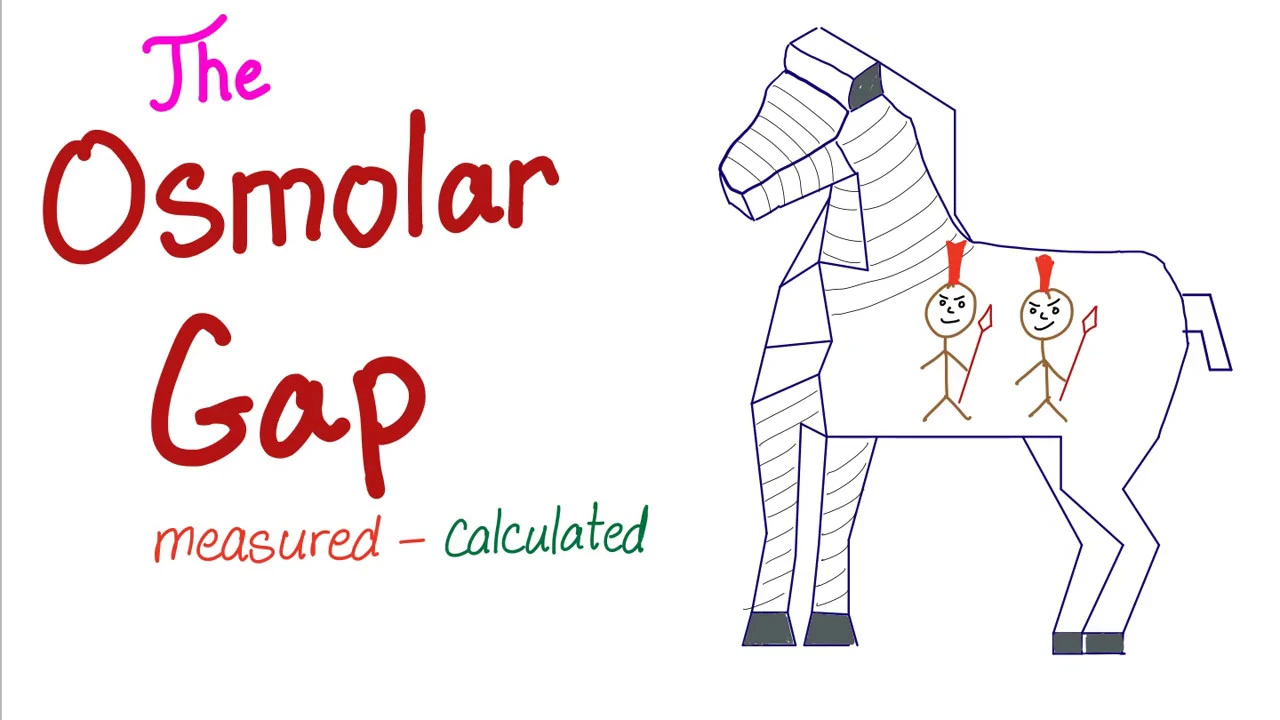
Advanced laboratory analysis in toxicology, including calculating anion/osmolar gaps and understanding the clinical limitations of rapid urine drug screens.
4.1K views102likes7:35Original Release: 2025-04-06
so let's start off with sympathomimetics this is a pretty easy one to understand all the sympathomimetics do is upregulate the sympathetic nervous system so basically they increase the heart rate increase the blood pressure generally produce sinus tacac cardia although in high doses they can also precipitate Tachi arhythmia they don't do a whole lot to respiration although some patients may present with Topia and many patients will present with hypothermia largely due to the motor activity and agitation associated with uh sympathomimetic ingestions when you examine the pupils in these patients they'll be midic so their pupils will be very large their skin may be normal but diaphoresis is quite common and their secretions are generally going to be normal so again this is a pretty easy toxidrome to understand it basically involves upregulation of the sympathetic nervous system fast heart rate high blood pressure um Medias but generally not a lot of effects on skin or secretions by contrast we have the anti-cholinergic toxidrome so as you can imagine when you block the parasympathetic nervous system you're going to have unopposed sympathetic innervation so a lot of the features of the anti-cholinergic toxidrome are similar to sympathomimetics you're going to have a fast heart rate a high blood pressure a rapid cardiac Rhythm and in some cases you may have tach arhythmia generally not a lot of effect on respiration but very commonly in elevated temperature this is actually an important feature of anti-cholinergic toxicity much like patients with sympathomimetic uh exposure you're going to have madas so large pupils however this is where it gets different so these patients lose col energic innervation to the skin and the mucosa so they're going to have dry skin and more importantly they're going to have almost no secretion so they're going to have a dry mouth they're going to have no tears they're going to appear clinically uh to be very dehydrated so there's a pneumonic for the anticholinergic toxid toxidrome it's mad as a Hatter because these patients will all have altered mental status and agitation blind as a bat which refers to the very dilated pupils red is a beet which refers to the skin flushing that you commonly see in patients with anti-cholinergic ingestions hot as a hair and I'm not really sure why hairs are so hot but this refers to the dry skin and the elevated body temperature and then lastly dry as a bone so these patients will have dry mucous membranes um and a lack of uh oral and ocular secretions now it might not surprise you to hear that the coleric toxidrome is pretty much the opposite of the anti-cholinergic toxidrome so these patients will have a slow heart rate a normal to low blood pressure they'll typically be in sinus braic cardia a rhythmia are very unusual with this toxidrome they're going to have some degree of respiratory depression typically a pretty normal temperature although they might be on the low side and their pupils are going to be myotic so their pupils will be constricted small so this is a really important differentiating feature of the colonic toxidromes these patients will be wet so their skin will be profusely diaphoretic and their secretions will be copious you'll see lots and lots of secretions in the mouth you'll see lots of tearing and that's because that's what the parasym sympathetic nervous system does it basically innervates all of the parts of the body uh that produce secretions and you can easily remember the colonic toxidrome by thinking about fluids pouring out of every orifice so there's a pneumonic for the colon toxidrome that includes salivation copious oral secretions lacation copious tearing urination these patients will commonly be incontinent of urine defecation or diarrhea and unfortunately that's an area where they're often incontinent as well GI dismotility and emesis so basically you can imagine there's something or other pouring out of every orifice in this patient there's another pneumonic um which Some people prefer that is includes diarrhea urination meiosis or muscle weakness bronchorrhea braac cardia emesis lacation and salivation now whether or not you use these pneumonics or however you think of the anti-cholinergic toxid drum an easy way to remember it again is if they have copious secretions if there's fluid pouring out of every orifice you want to be thinking about the colon orics all right the sedative hypnotics are pretty easy to understand because what they do is cause sedation um so somnolence is going to be the primary Hallmark these patients sometimes can be so deeply sedated that they lose their Airway protective reflexes so you do need to consider the possibility of intubation in some cases and respiratory depression might also occur so sometimes these patients require mechanical ventilation there's not a lot of autonomic effects associated with the uh sedative hypnotics but remember patients often take multiple drugs at the same time so they may have autonomic uh effects related to co-ingestions or other things that they took along with their sedative uh ingestion opioids are very similar to the stive hypnotics in that they produce somnolence however um they universally produce meiosis so opioids are a very powerful pupilary constrictor and when you see pinpoint or very constricted pupils you should always think about opioids the other thing to remember about opioids is that uh they very commonly cause respiratory depression um so patients can come in apnic or with respiratory rates that are significantly low and this can be a fatal event so for these patients we need to be pretty aggressive about treating them and restoring their normal respiration in order to save their lives all right so here's a review of the toxidromes and I'm going to highlight some of the things that differentiate them so you can remember sympathomimetics these patients will present hypertensive and tacac cartic and typically their mental status will be agitated anti-cholinergic patients will look a lot like sympathomimetic patients except they will have very dry skin very dry secretions by contrast our coleric patients will be copiously wet they'll have diaphoretic skin they'll have um uh increased secretions and they typically will be Som rather than agitated our sedative hypnotic patients will of course be sedated and our opioid patients will also be sedated however they'll present with meiosis and respiratory depression so hopefully this will help you keep different clinical syndromes associated with different classes of drugs straight and allow you to rapidly narrow your toxicologic differential when you're faced with a patient who has an exposure oh
Up Next
7:43
Paracetamol Overdose Management: NAC Protocol | Clinical Guide
@DetailsMedical
133.3K views•2018-06-14

48:47
Graphic Medicine: Comics for Collaborative Healthcare Communication
@nationalpatientadvocate
189 views•2023-12-04
8:02
Frontal Lobe Anatomy and Functions | Cerebral Cortex
@lecturiomedical
64.9K views•2018-04-16
3:05
Stages of Labor and Vaginal Birth | Childbirth Animation
@nucleusmedicalmedia
52.1M views•2017-08-18
Related Study Plans & Knowledge Roadmaps
Structured learning paths in Medicine
medicine
Abnormal LFTs: Diagnostic Workup & Pathology
01Liver Anatomy and Basic Physiology
02Introduction to Liver Function Tests (LFTs)
03Hepatocellular vs. Cholestatic Patterns
+ 3 more learning modules
12h6 modules
Explore Roadmap
medicine
Analyzing Blood Smears: RBC, WBC & Platelets
01Introduction to Blood Components & Smear Preparation
02Normal Morphology of Blood Cells
03Erythrocyte Pathologies & Morphological Variants
+ 2 more learning modules
12h5 modules
Explore Roadmap
medicine
Mechanical Ventilation: Waveforms & Alarms
01Anatomy and Physiology of Breathing
02Introduction to Mechanical Ventilation & Core Modes
03Ventilator Settings and Waveform Interpretation
+ 2 more learning modules
12h5 modules
Explore Roadmap
medicine
Neuro Exam: Localization & Stroke Syndromes
01Foundations of Neuroanatomy and Vascular Supply
02The Neurological Examination: Step-by-Step
03Principles of Neurological Localization
+ 3 more learning modules
18h6 modules
Explore Roadmap