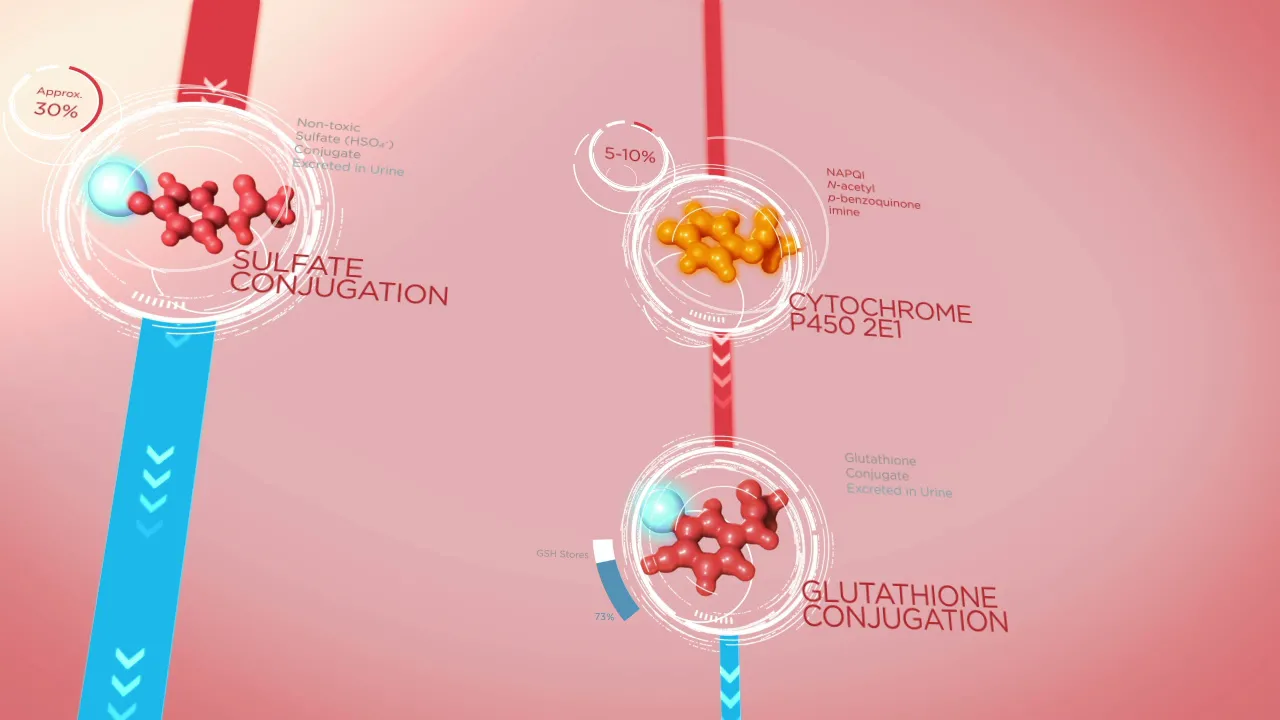


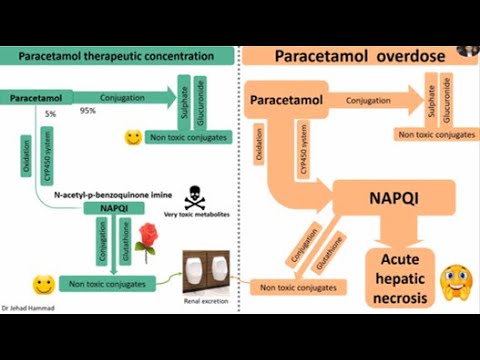
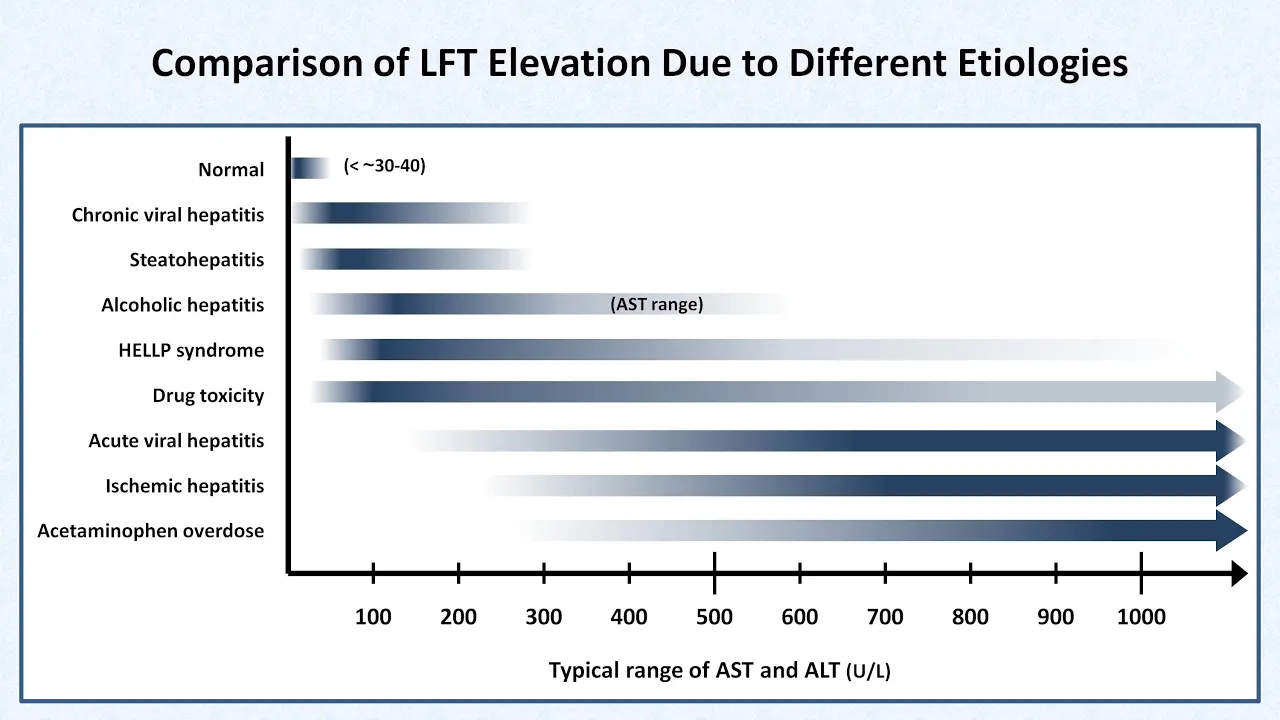








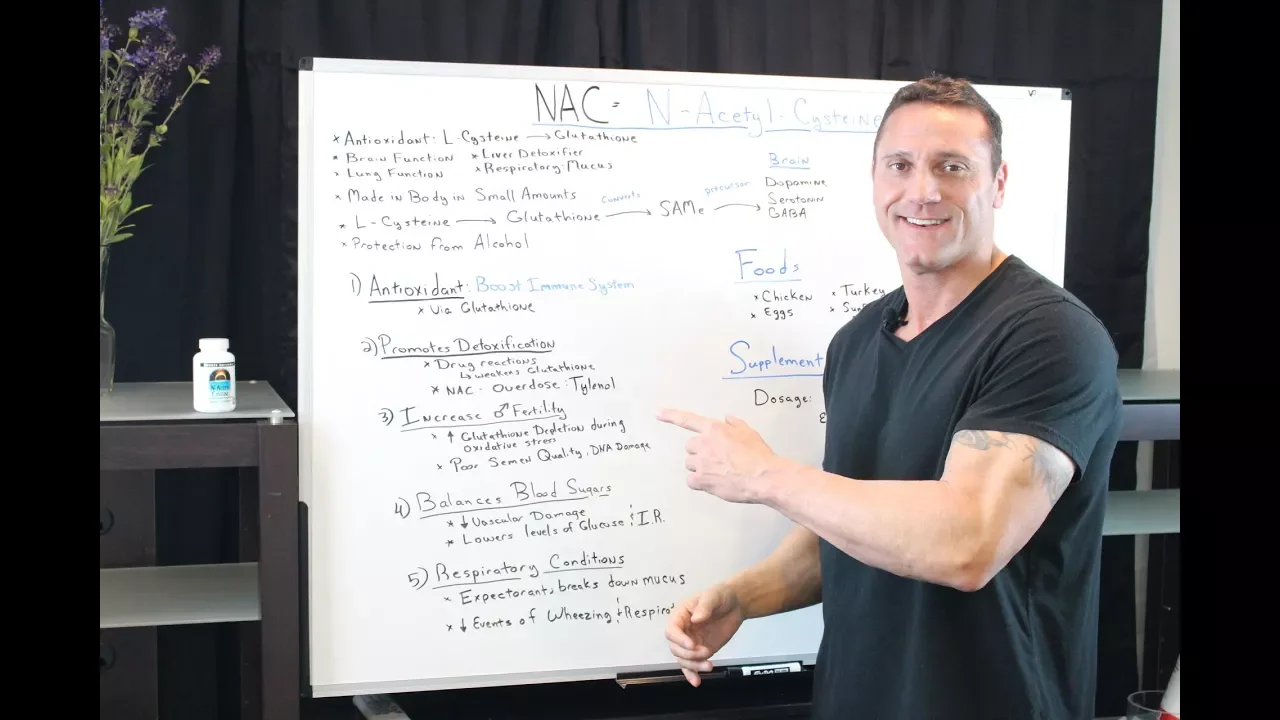







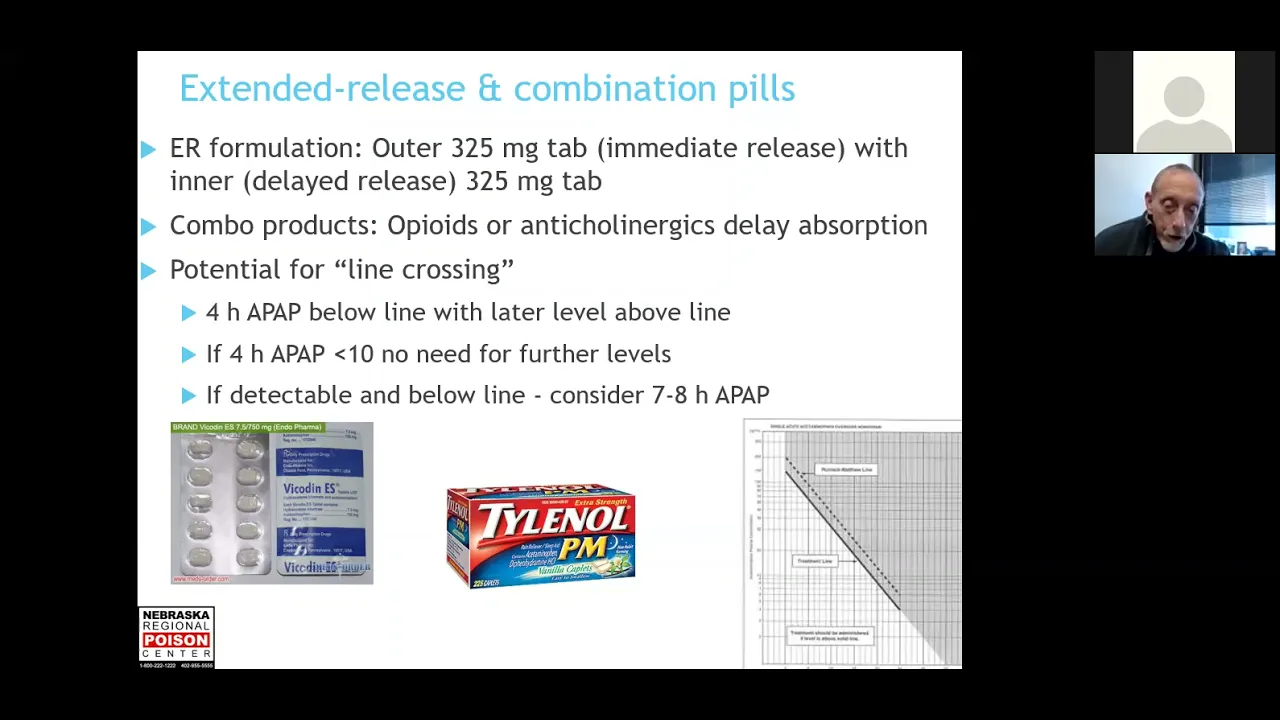






Paracetamol overdose causes severe hepatic necrosis by overwhelming the body's reduced glutathione supply, which normally binds the toxic metabolite NAPQI; N-acetylcysteine (NAC) acts as an antidote by providing cysteine for glutathione synthesis and directly binding NAPQI. The therapeutic dose is 4g in 24 hours, with overdose defined as >4g in <1 hour (single) or >1 hour (staggered). Management requires calculating ingested mg/kg (using 500mg/tablet), checking paracetamol levels at 4 hours, and administering NAC at 150mg/kg over 1 hour, followed by 50mg/kg over 4 hours and 100mg/kg over 16 hours. Immediate NAC is indicated for ingestions >75mg/kg, staggered overdoses, coma, or presentations >36 hours ago. Acute liver failure is confirmed by altered consciousness, PT>4s, INR>1.5, or clinical evidence of liver injury, requiring urgent liver transplant assessment using King's College criteria.
Paracetamol Overdose Management: NAC Protocol | Clinical Guide
Added:a dangerous situation Pary overdose is often accounted in patients presenting to the A&E department paracore is a safe analgesic when used in therapeutic doses however in overdose it can cause severe hepatic necrosis this results from overwhelming the body supply of reduced glut ofine a molecule which binds the highly reactive breakdown metabolite of paracetamol and aceto benzoquinoline the metabolite do damage hepatocytes naline the remedy we use for paracetamol overdose acts as a remedy because it provides cistin for the synthesis of more glutathionine and is for to directly bind the re reactive metabolite of paracetamol the rate of absorption of paracetamol depends on the rate of gastric emptying which is delayed by food diamorphine perine propan and enhanced by metaclopramide so the recommended dose of paracetamol is 4 G in 24 hours anything above this value is deemed as an overdose hence a single overdose is defined as taking in more than 4 G of paracetamol in a period less than 1 hour whereas a staggered overdose is a is a overdose taken Beyond an hour so how do we manage a patient who presents to the emergency department with suspected paracetamol idos firstly an accurate history is essential to elucidate how many tablets and in what time frame they were ingested this combined with the weight of the patient allows us to calculate the amount of milligrams ingested per kg which influences management s paracetamol concentration should be checked after 4 hours of uh suspected ingestion if we are uncertain in regards to the time of the over do or the patient has taken a staggered overdose then check the parasitol levels immediately Bloods should be sent off particularly looking for hints of liver toxicity and also pancreatitis which is associated with paraset and idos carry out an AVG and an ECG so this is the important point so we have an example scenario here um to calculate the amount of power ingested we need to know how many tablets have been ingested and the weight of the patient a single tablet holds 500 mg of paracetamol using an example of a patient who weighs 65 kg we can calculate the amount of paracone ingested by multiplying 500 with the amount of tablets taken in this is then divided by the weight in the weight in kg which is 65 this gives us a paracetamol concentration of 150 mg per kg which is toxic key points to remember when using this calculation in large patients if they exceed 110 kgs use 110 kg as the maximum weight during calculations for pregnant patients use their weight prior to pregnancy additionally if the quantity ingested exceeds 150 mg per kg and is recent within 1 hour consider administering Activa charal 50 g overly with IV emetic if overdose is um if the overdose threshold of Beyond 75 mg per kg has been met then start Knack administering Knack when should this be done we use a paracetamol overdose normogram if the plasma paracetamol concentration is above the treatment line start Knack KNC best protects the liver if given within 8 hours of paracetamol ingestion the indications for administering Knack immediately not waiting for the 4H hour levels of s paracetamol concentration to come back are those who have significant overdose above 75 mg per kg patients who present with a staggered overdose and patients presenting in a coma and with ingestions more than 36 hours ago with presentations of jness or liver tenderness how do we administer Knack in in practice this is a protocol for administering it beginning with the first infusion which should last for an hour we use 150 mg per kg of knack diluted with 200 mL of 5% glucose this is followed by a second infusion which will use 50 mg per kg diluted in 500 mL of 5% glucose lasting for 4 hours the final infusion will see 100 mg per kg diluted with 1,000 mL of 5% glucose giving over given over 16 hours so following this Knack Administration it is important to reassess further Knack treatment is indicated if the Li function tests are abnormal or the INR is elevated above 1.3 slight elevations in INR do occur with KNC therapy and that is normal get Psychiatry teams involved if the suspected overdose overdose was the result of a suicide attempt since paramal overdose can result in acute liver failure it is imperative to keep an eye out for any signs of acute or fulminant liver failure these include incopy cerebral edema junus aitis white upper quadrant tenderness hypotension and tachic cardia due to reduced systemic resistance lab results which suggest liver failure include PT values of greater than 4 seconds or the INR being greater than 1.5 acute liver failure is therefore confirmed if the patient has altered Consciousness or clinical and or laboratory evidence of acute liver injury if there is any indication of liver failure administer NE continuously and make contact with the liver unit who can assess the requirement for liver transplant this assessment usually takes this assessment is usually carried out using the King's College criteria with liver transplantation should be considered if the artal pH is less than 7.3 of or Arial lactate is greater than 3 mes micromoles per liter after fluid resuscitation alternatively if within 24 hours the creatinine of a patient exceeds 300 micro moles per liter and the PT exceeds 100 seconds with a grade three or grade four andal opathy then the patient needs a lier transport so here the here are the references used in this presentation thank you again for watching if you do have any questions please leave them in the comment section below if you have any topics that you'd like us to cover also leave it in the comment section below thanks again for watching
Up Next

How to Reverse an Opioid Overdose with Naloxone (Narcan)
@NationwideChildrens
107K views•2015-04-30

Graphic Medicine: Comics for Collaborative Healthcare Communication
@nationalpatientadvocate
189 views•2023-12-04

Neuroanatomy: Central and Peripheral Nervous System Divisions Explained
@AKLECTURES
136.2K views•2014-09-20
Stages of Labor and Vaginal Birth | Childbirth Animation
@nucleusmedicalmedia
52.1M views•2017-08-18
Related Study Plans & Knowledge Roadmaps
Structured learning paths in Medicine