


![Liver, Gallbladder, Pancreas & Biliary Tree Anatomy [Abdominal Anatomy 6 of 9]](https://i.ytimg.com/vi_webp/P97vkPed1Bk/maxresdefault.webp)










![CA LÂM SÀNG PHÂN TÍCH XÉT NGHIỆM SINH HÓA GAN [250228]](https://i.ytimg.com/vi/ht-EuGs5HN4/maxresdefault.jpg)



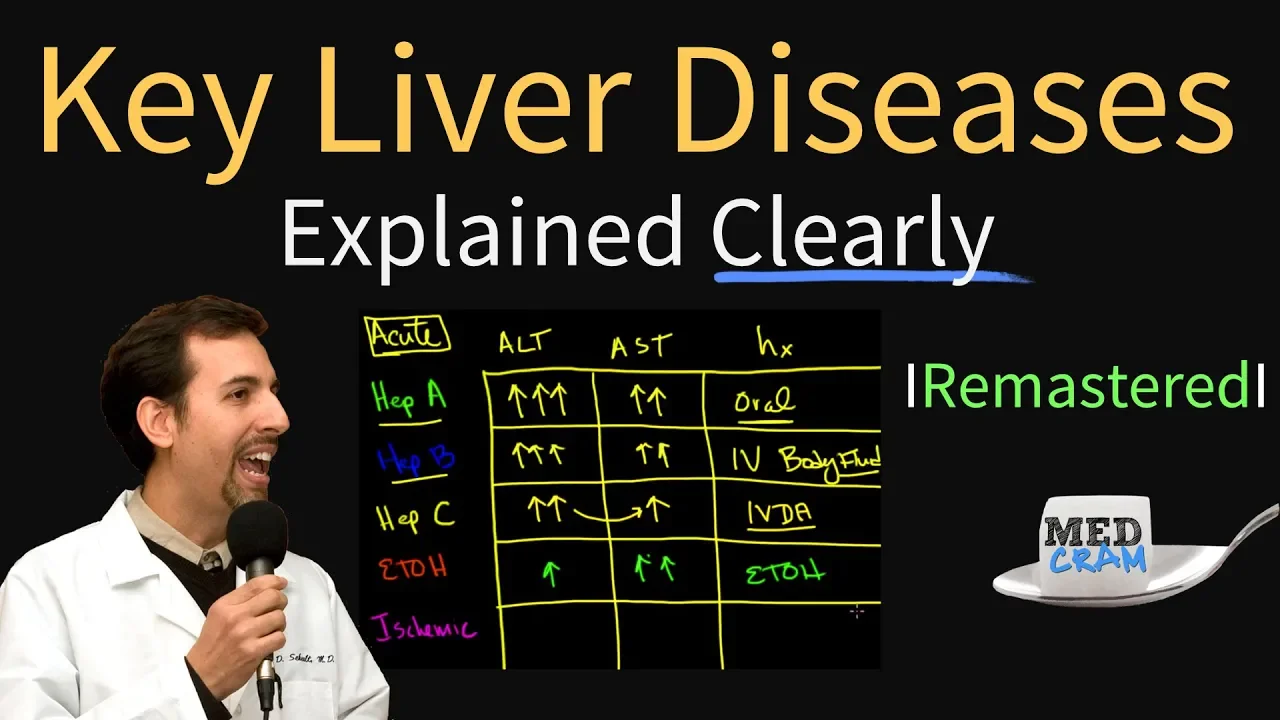
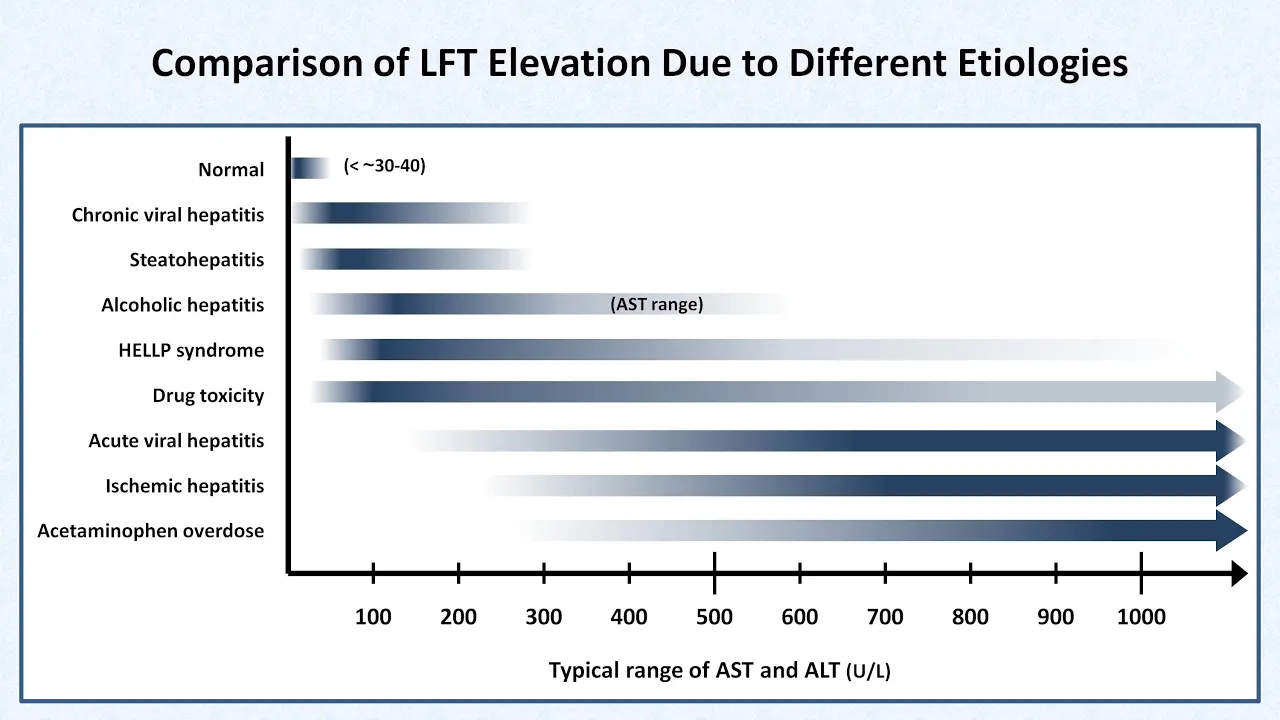


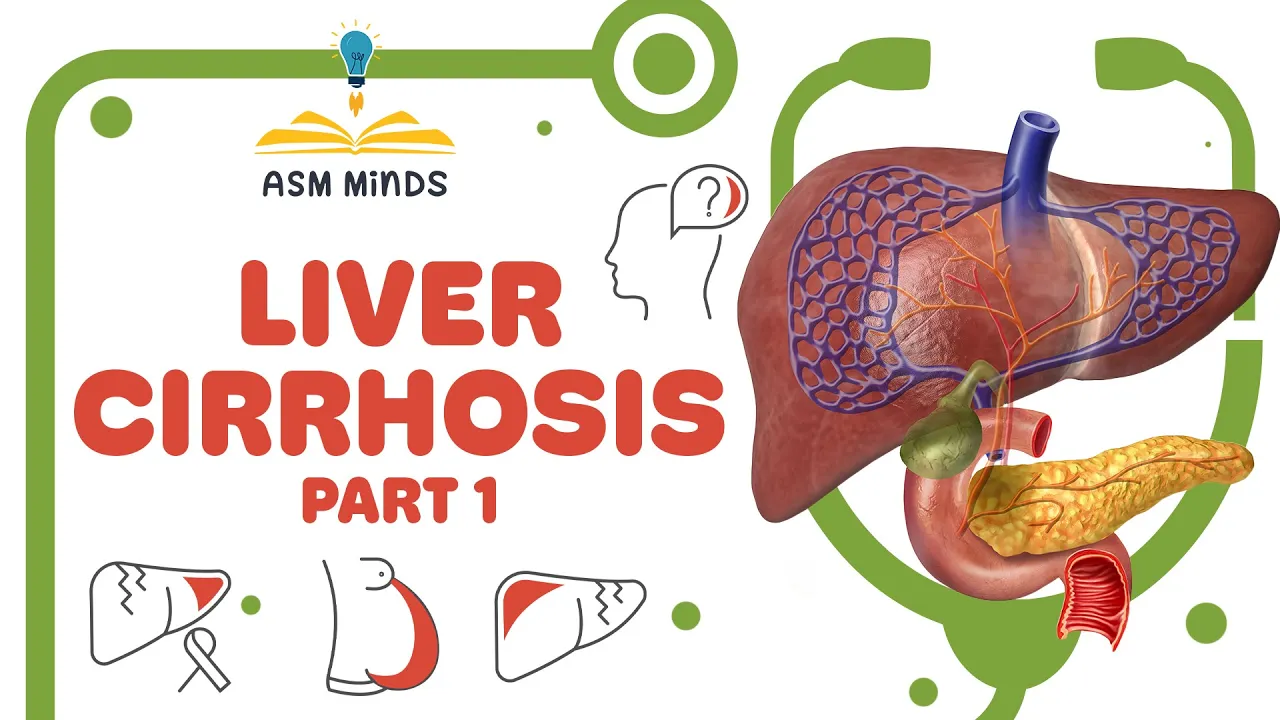

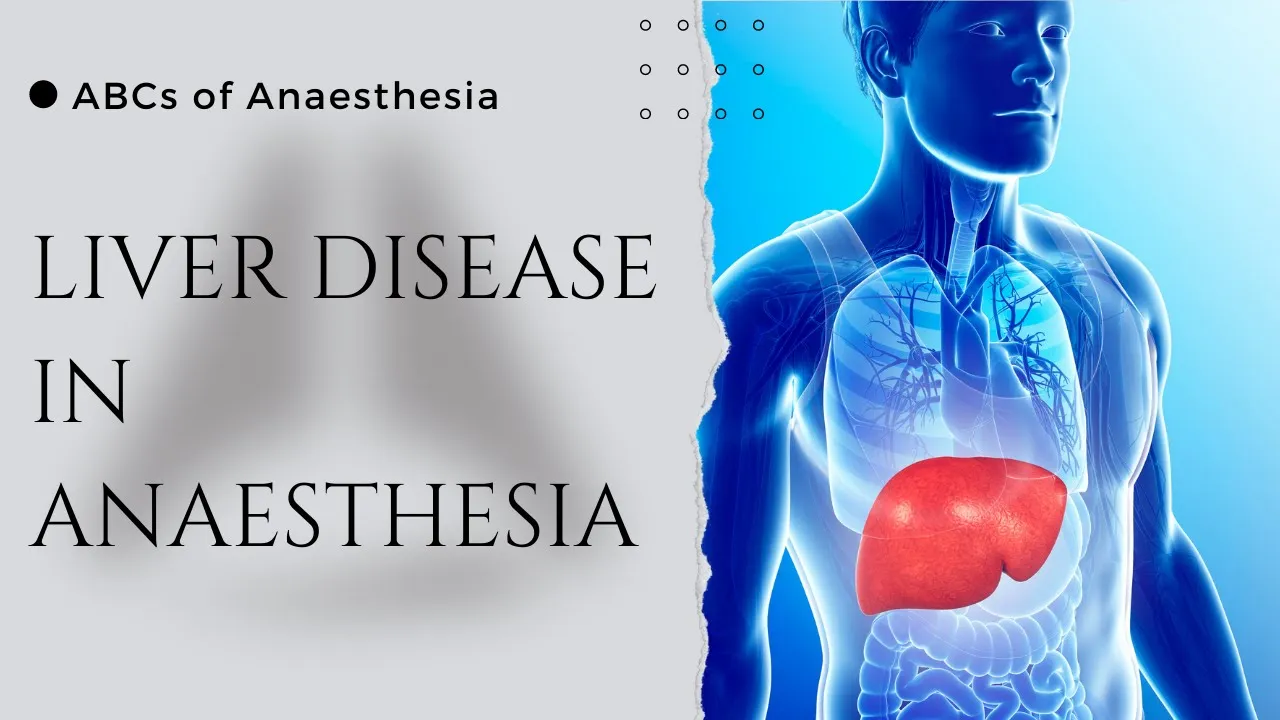





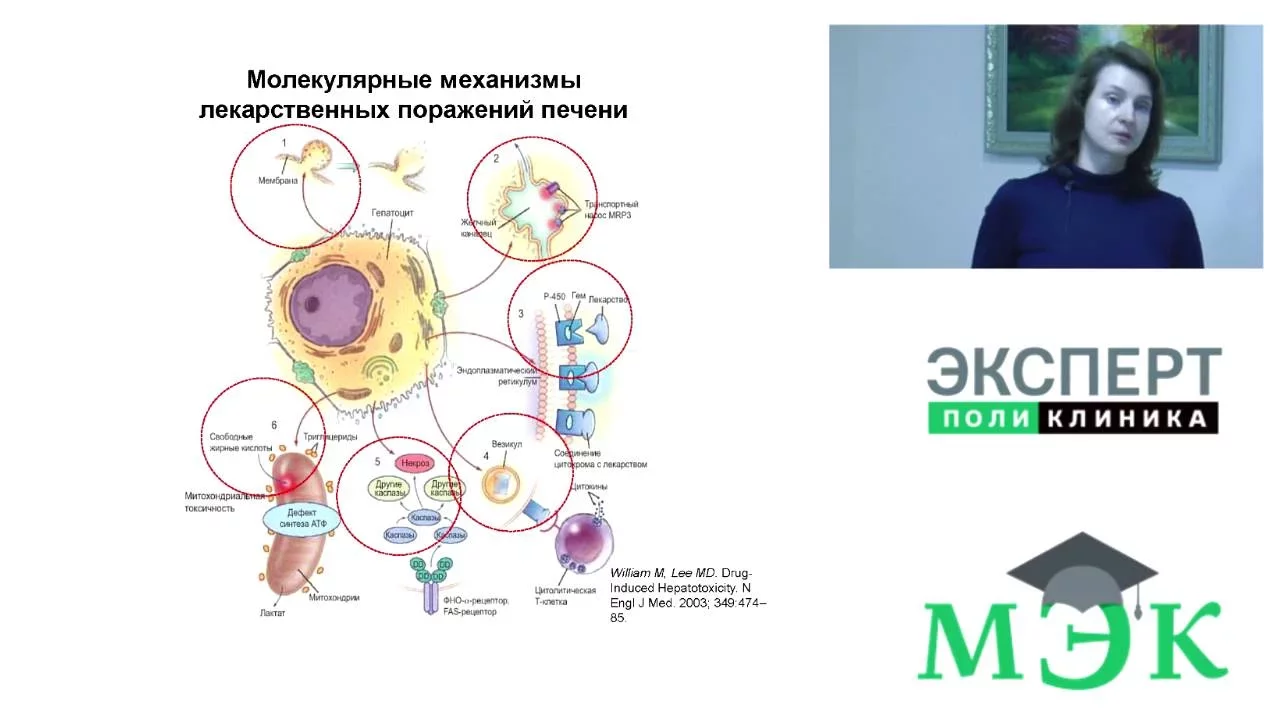
Liver Function Tests (LFTs) assess liver health through six key components: ALT and AST indicate hepatocellular damage (ALT is more liver-specific), ALP and GGT indicate cholestatic damage (bile flow obstruction), bilirubin reflects conjugation and excretion capacity, albumin shows synthetic function, and prothrombin time evaluates clotting factor production; interpreting these tests requires understanding their physiological roles and comparing ratios (e.g., ALT/ALP ratio >10:3 suggests hepatocellular injury, while <10:3 suggests cholestasis) to diagnose conditions like hepatitis, cirrhosis, or bile obstruction.
Liver Function Tests (LFTs) Interpretation: A Complete Guide
Added:Basic anatomy and histology of the liver, gallbladder, and biliary tree.
The physiological functions of the liver, including protein synthesis, detoxification, and bile production.
The biochemical pathways of bilirubin metabolism, including conjugation and excretion.
General understanding of cellular injury mechanisms and how intracellular enzymes leak into systemic circulation.
Differentiating between hepatocellular and cholestatic patterns of liver injury in clinical case studies.
Calculating and interpreting diagnostic ratios (e.g., AST/ALT ratio) to narrow down etiologies like alcoholic vs. viral hepatitis.
Utilizing liver function markers to calculate clinical severity scores, such as the Child-Pugh classification and MELD score.
Investigating the diagnostic protocols for drug-induced liver injury (DILI) and chronic liver diseases like NAFLD/NASH.
215.4K views5.4Klikes6:29Original Release: 2022-04-22
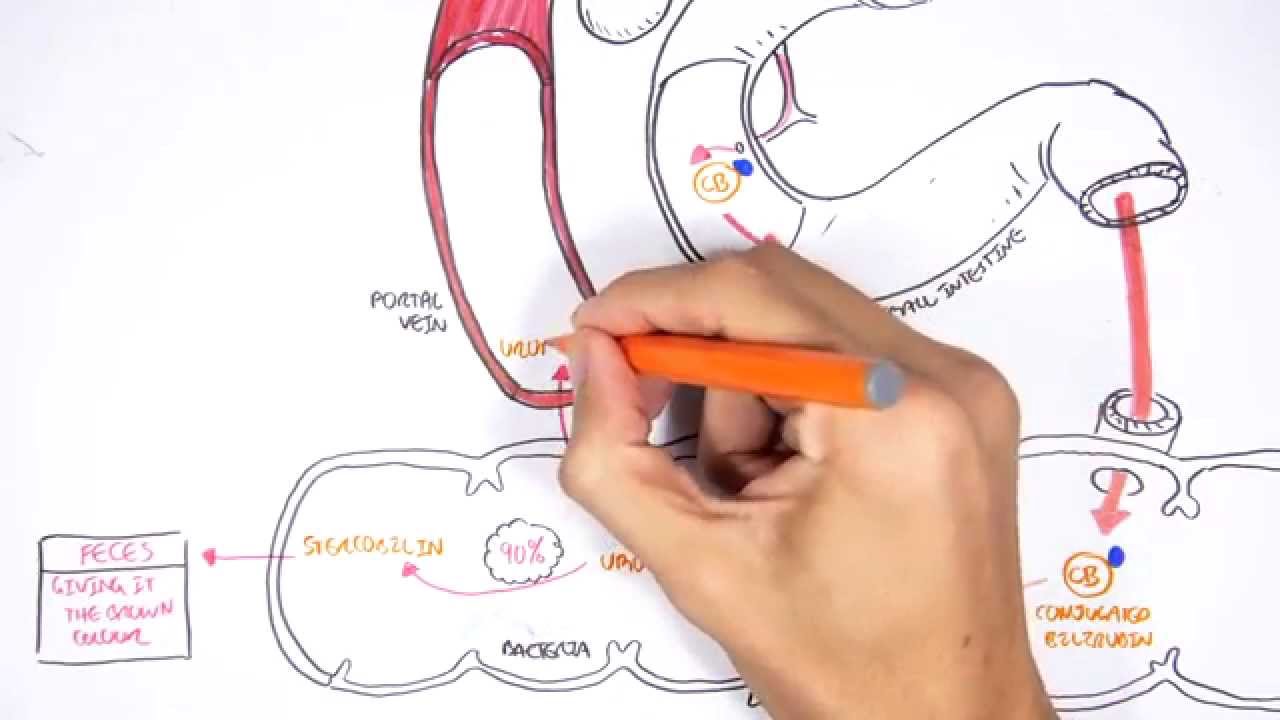
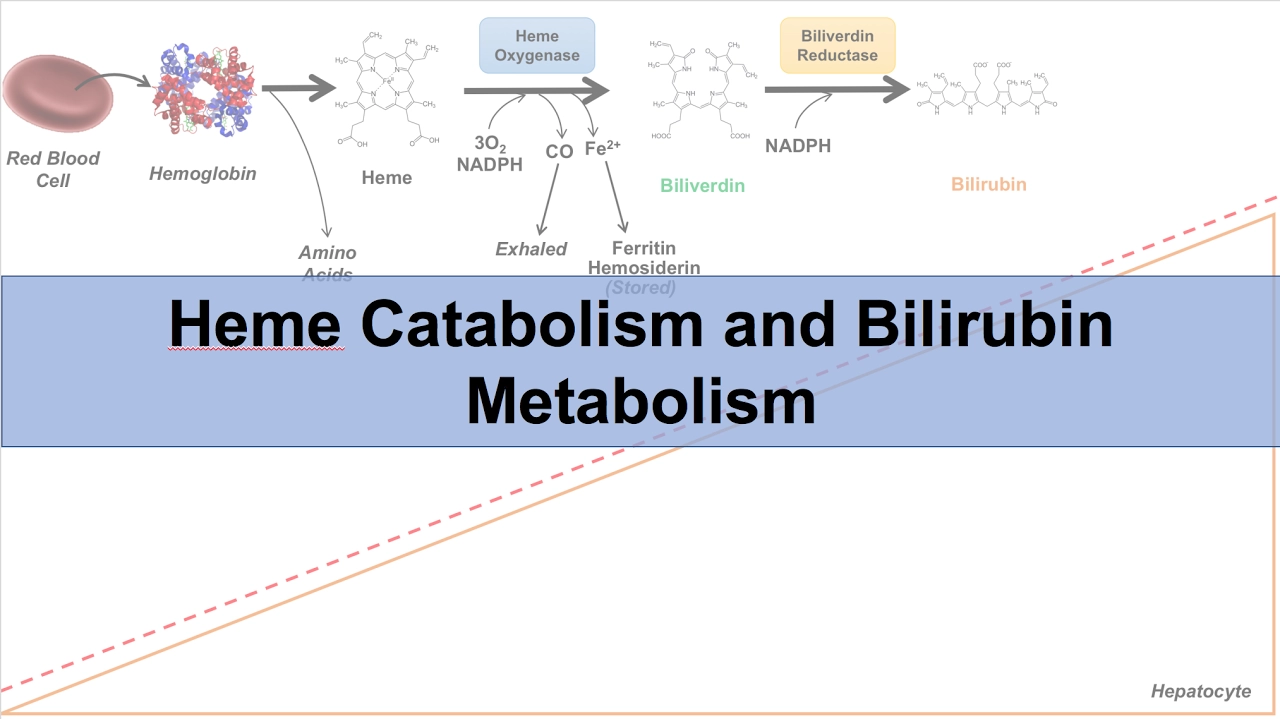
hi everyone in this video we will cover the liver function blood tests by the end of it you will understand what each component of the test means and how to interpret them to help make a diagnosis if you find the video useful please consider liking the video and subscribing to my channel these are the main components of the liver function test high alt ast alp and ggt all reflect some form of damage to the liver whilst bidirubin albumin and profrombin time reflects the liver's ability to conjugate and synthesize protein firstly let's look at the markers of liver damage alt and ast are often raised when the liver cells or hepatocytes are being damaged by a disease process whereas alp and ggt will be raised when there is a problem with the flow of bile which carries bilirubin from the liver to the small intestines this is known as cholestatic damage alt is found predominantly in the liver parenchymal cells and so is released into the blood when these cells are damaged ast is also found in liver parenchymal cells but additionally it's present in heart muscle skeletal muscle kidneys and the brain this makes alt a more specific test for determining liver damage when interpreting alt and ast we can look at a ratio between them an alt greater than ast is associated with most liver disease but ast greater than aot can be associated with liver cirrhosis or acute alcoholic hepatitis particularly if ast is more than two times greater than alt a high ast could also be due to non-liver causes for example myocardial infarction or rhabdomyolysis some common causes of liver damage are alcoholic fatty liver disease non-alcoholic fatty liver disease viral hepatitis drug toxicity autoimmune hepatitis and liver cirrhosis which is the end process of prolonged damage to the liver alp and ggt are tests for kodostatic damage alp is found in the bile duct and bone so damage to either of these will cause alp to be released into the blood ggt is just found in bile duct cells making it a more specific test for cholestatic damage so if you see a rise in both alp and ggt you can be fairly confident it's due to codeostasis a rise in alp alone is caused by damage to bone to help distinguish whether lfts are showing you her pathocellular injury versus codiostasis we can compare the ryzen alt with the ryzen alp if the alt is 10 times greater than it should be with alp being less than three times greater it's probably hepatocellular injury if aot is less than 10 times normal value with the alp over three times greater than its normal value there's cody stasis it's also possible to have a mixed picture of liver damage and codeostasis to finish we're going to look at the markers of synthetic function bilirubin is a breakdown product of hemoglobin so it's released into the blood when red blood cells hemolyze this is usually a natural part of the red blood cell cycle where bilirubin will travel to the liver a healthy liver will conjugate bilirubin which means a molecule is added to it conjugated bidirubin is water-soluble so it can be excreted by the kidneys into the urine some bilirubin is also excreted via the bile duct into the feces bilirubin is raised in some diseases when it reaches a level of 60 micromoles per liter in blood the patient will appear jaundice causes of jaundice can be divided into pre-hepatic hepatic and post-hepatic pre-hepatic jaundice is due to excess production of bilirubin i.e pathological hemolysis since this process occurs before the bilirubin has reached the liver it will be unconjugated hepatic causes of jaundice are those that prevent the liver from processing bilirubin efficiently post-hepatic jaundice is caused by anything that blocks the flow of bile from the liver to the small intestines we can help distinguish between these three causes by asking the patient about changes in color to urine and stool a conjugated jaundice will cause the urine to become darker since conjugated bilirubin is water-soluble and will end up in the urine post-hepatic jaundice will also cause stools to become pale since it blocks the flow of bilirubin containing bile into the small intestines where bilirubin would usually give stool a darker colour albumin is the most abundant blood protein in the body its main functions are to maintain oncotic pressure in the blood which stops fluid leaking out of blood vessels and is also a transporter protein for other molecules in the blood albumin can be low in liver damage as it can't be synthesized as fast it could also be caused by excessive loss of albumin through the kidneys in nephrotic syndrome it's also low during an inflammatory response finally prothrombin time is a measurement of how long our blood takes to clot more specifically it looks at the clotting factors in the extrinsic pathway of blood coagulation i'll cover this topic in another video pt can be high if a patient takes warfarin which means the drug is working also in vitamin k deficiency and liver damage so to summarize we've covered all the major components of lfts and how they can be used to identify liver damage cholestatic damage and reduce synthetic function of the liver thanks for watching and feel free to check out my other videos on interpreting blood tests see you next time
Up Next
8:46
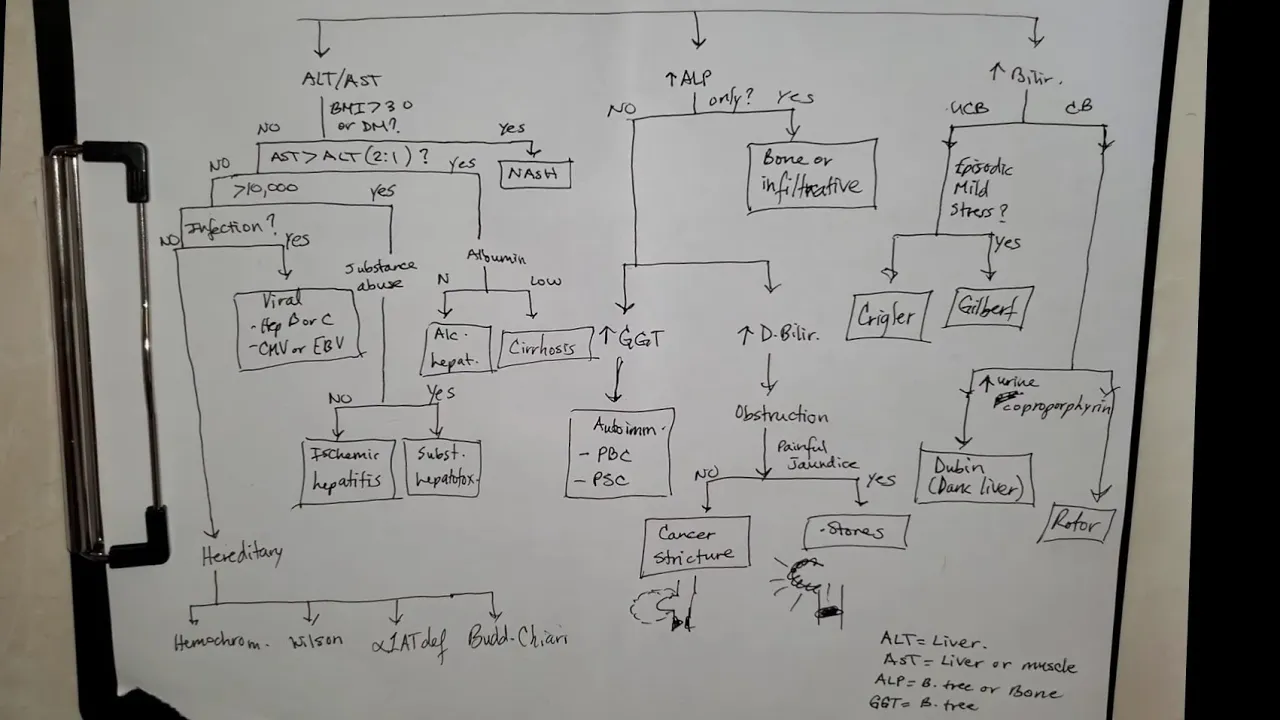
Liver & Biliary Tree Enzymes: ALT, AST, ALP Flowchart
@ASAPUSMLE
3.1K views•2021-05-09

48:47
Graphic Medicine: Comics for Collaborative Healthcare Communication
@nationalpatientadvocate
189 views•2023-12-04

10:28
Neuroanatomy: Central and Peripheral Nervous System Divisions Explained
@AKLECTURES
136.2K views•2014-09-20
3:05
Stages of Labor and Vaginal Birth | Childbirth Animation
@nucleusmedicalmedia
52.1M views•2017-08-18
Related Study Plans & Knowledge Roadmaps
Structured learning paths in Medicine
medicine
Abnormal LFTs: Diagnostic Workup & Pathology
01Liver Anatomy and Basic Physiology
02Introduction to Liver Function Tests (LFTs)
03Hepatocellular vs. Cholestatic Patterns
+ 3 more learning modules
12h6 modules
Explore Roadmap
medicine
Analyzing Blood Smears: RBC, WBC & Platelets
01Introduction to Blood Components & Smear Preparation
02Normal Morphology of Blood Cells
03Erythrocyte Pathologies & Morphological Variants
+ 2 more learning modules
12h5 modules
Explore Roadmap
medicine
Mechanical Ventilation: Waveforms & Alarms
01Anatomy and Physiology of Breathing
02Introduction to Mechanical Ventilation & Core Modes
03Ventilator Settings and Waveform Interpretation
+ 2 more learning modules
12h5 modules
Explore Roadmap
medicine
Neuro Exam: Localization & Stroke Syndromes
01Foundations of Neuroanatomy and Vascular Supply
02The Neurological Examination: Step-by-Step
03Principles of Neurological Localization
+ 3 more learning modules
18h6 modules
Explore Roadmap