

















This video presents a systematic flow chart for diagnosing causes of elevated liver enzymes: ALT elevation indicates liver damage (NAFLD if obese/diabetic, alcoholic hepatitis if AST:ALT ratio 2:1 with normal albumin, or cirrhosis if low albumin); ALP elevation suggests biliary tree issues (gallstones if painful jaundice, cancer/stricture if painless, or autoimmune causes like PBC/PSC if GGT also elevated); and bilirubin elevation differentiates between unconjugated (Gilbert's syndrome if mild/stress-related, or severe conditions like Crigler-Najjar) and conjugated (Rotor or Dubin-Johnson syndromes based on urine urobilinogen).
Liver & Biliary Tree Enzymes: ALT, AST, ALP Flowchart
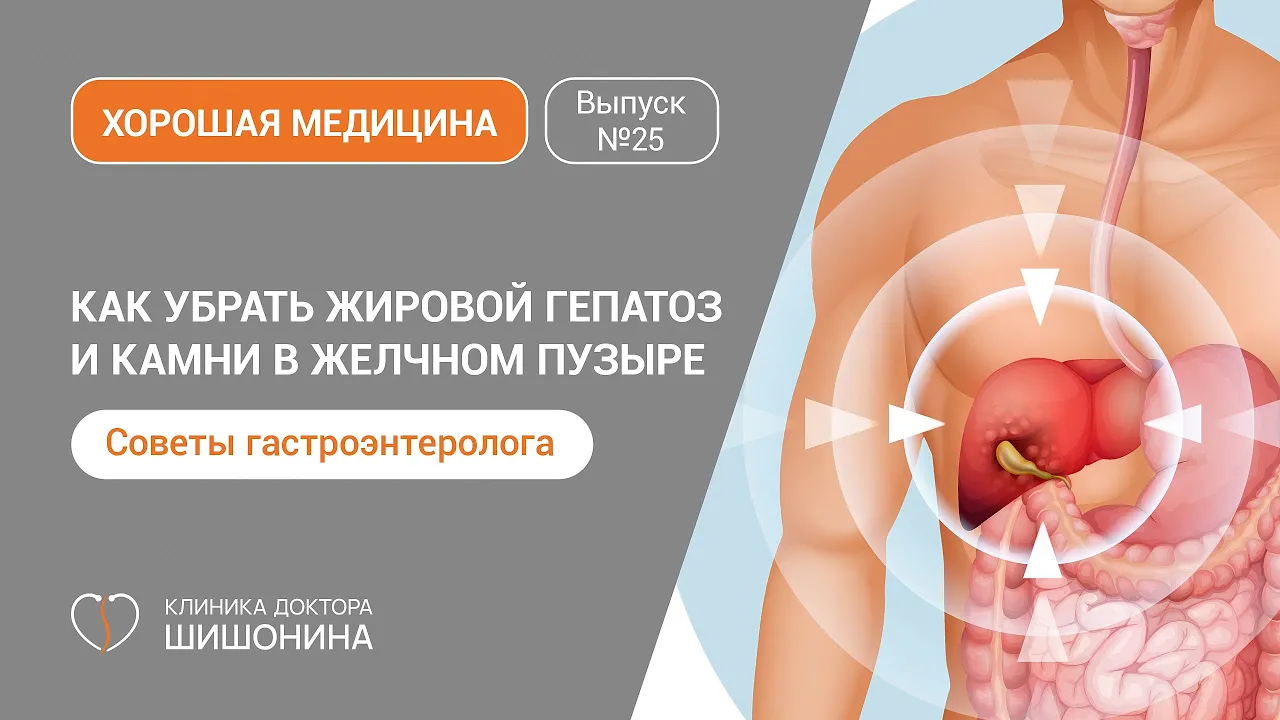
Added:Basic anatomy of the liver, gallbladder, and biliary tree, including the flow of bile.
The metabolic pathway of bilirubin, including the difference between conjugated (direct) and unconjugated (indirect) bilirubin.
The concept of cellular enzymes (ALT, AST) and how their release into the bloodstream indicates hepatocyte injury.
Basic pathophysiology concepts of cellular inflammation (hepatitis) and physical blockages (biliary obstruction).
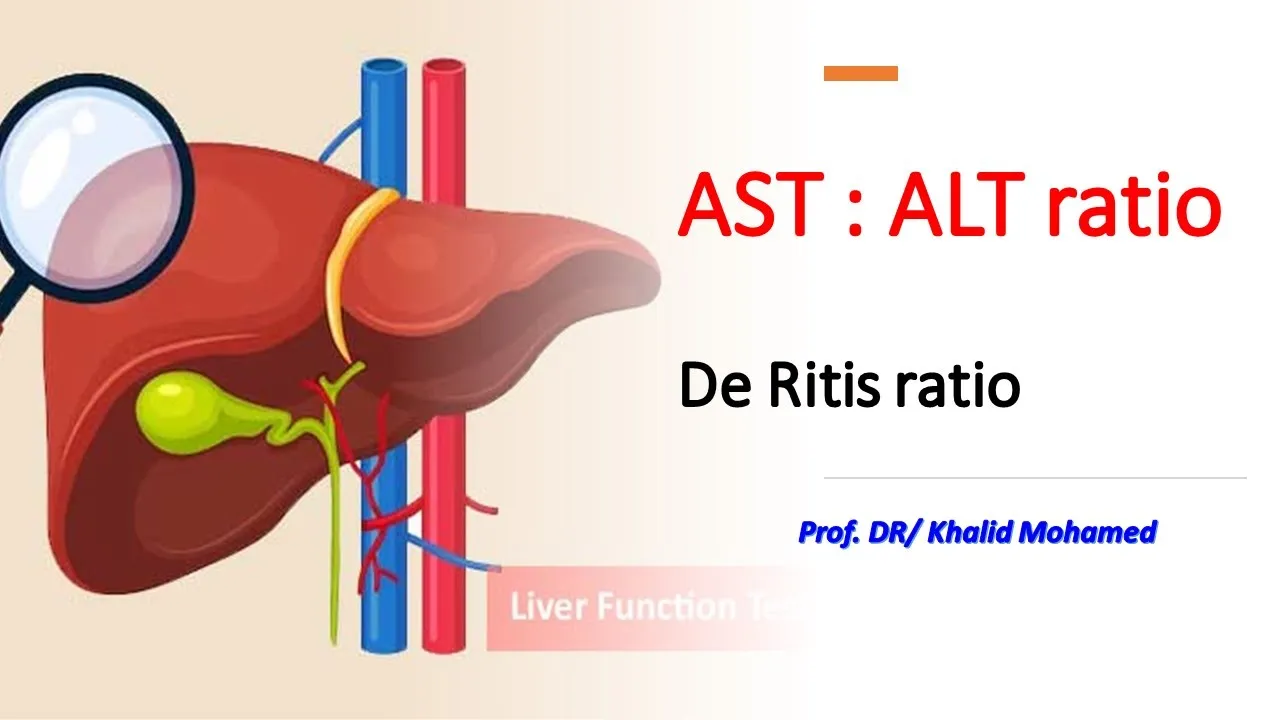
In-depth analysis of liver function test (LFT) ratios, such as the AST/ALT ratio (De Ritis ratio) to differentiate alcoholic hepatitis from other liver diseases.
Clinical diagnostic imaging modalities (such as abdominal ultrasound, CT, and MRCP) used to confirm biliary obstructions or fatty liver disease suspected from enzyme panels.
Pharmacological and surgical management of hepatocellular and cholestatic disorders, such as ERCP for gallstones or antiviral therapy for viral hepatitis.
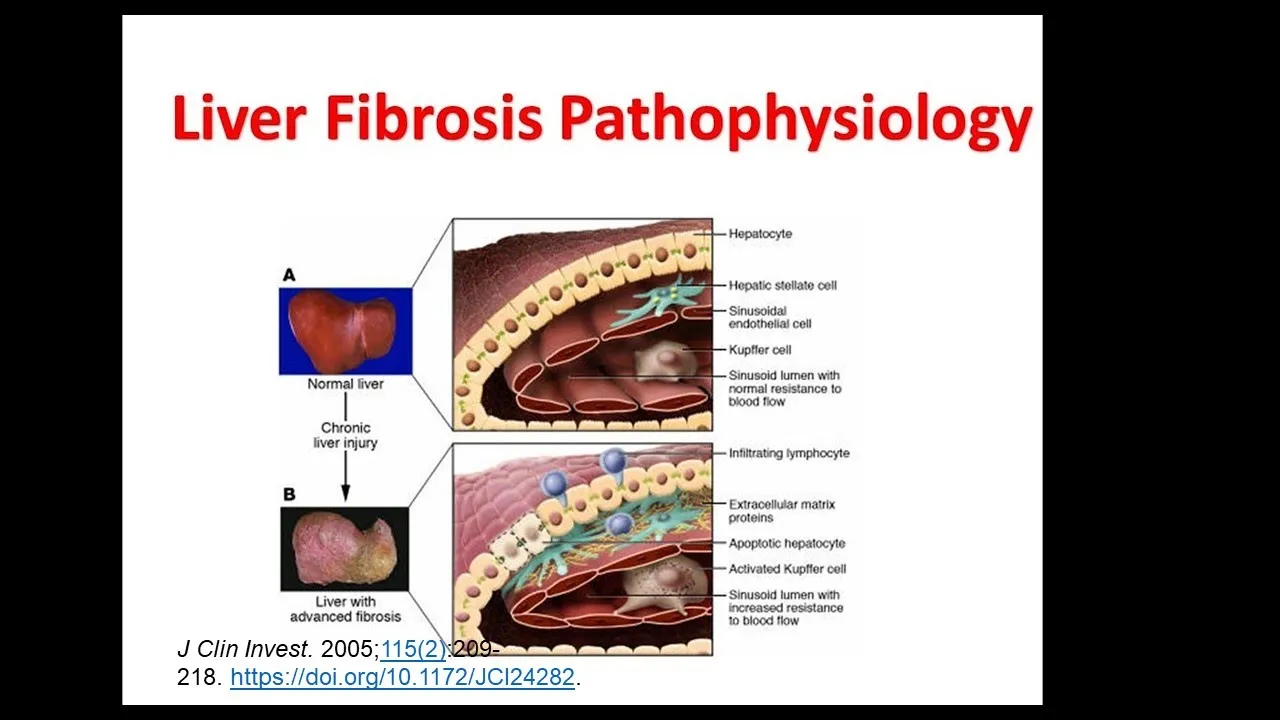
The progression of acute liver injury to chronic states, including the pathophysiology of liver fibrosis, cirrhosis, and portal hypertension.
3.1K views78likes8:46Original Release: 2021-05-09
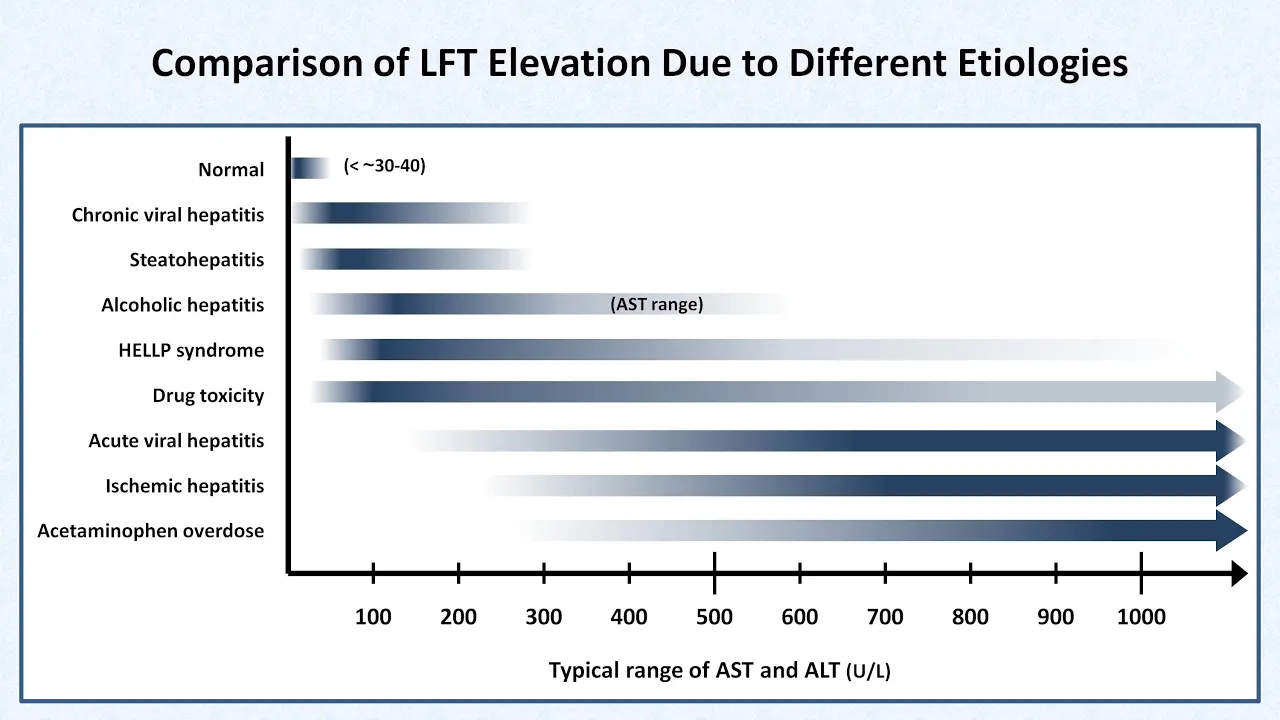
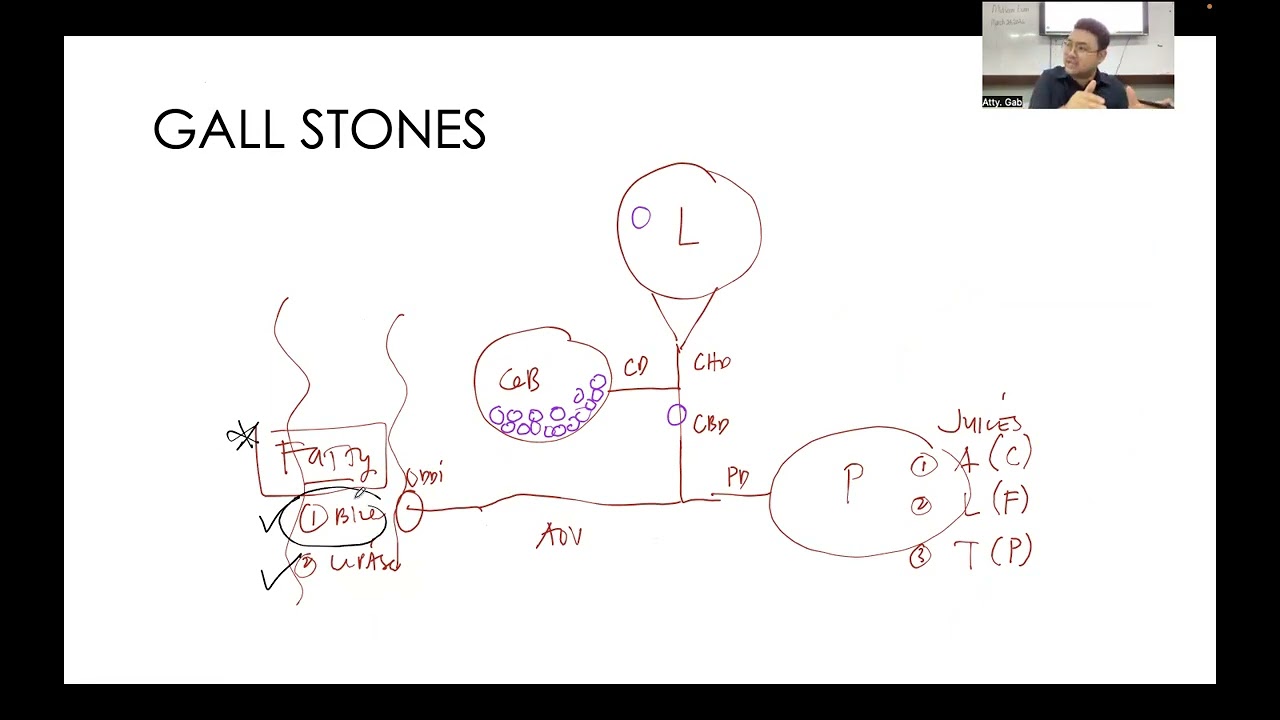
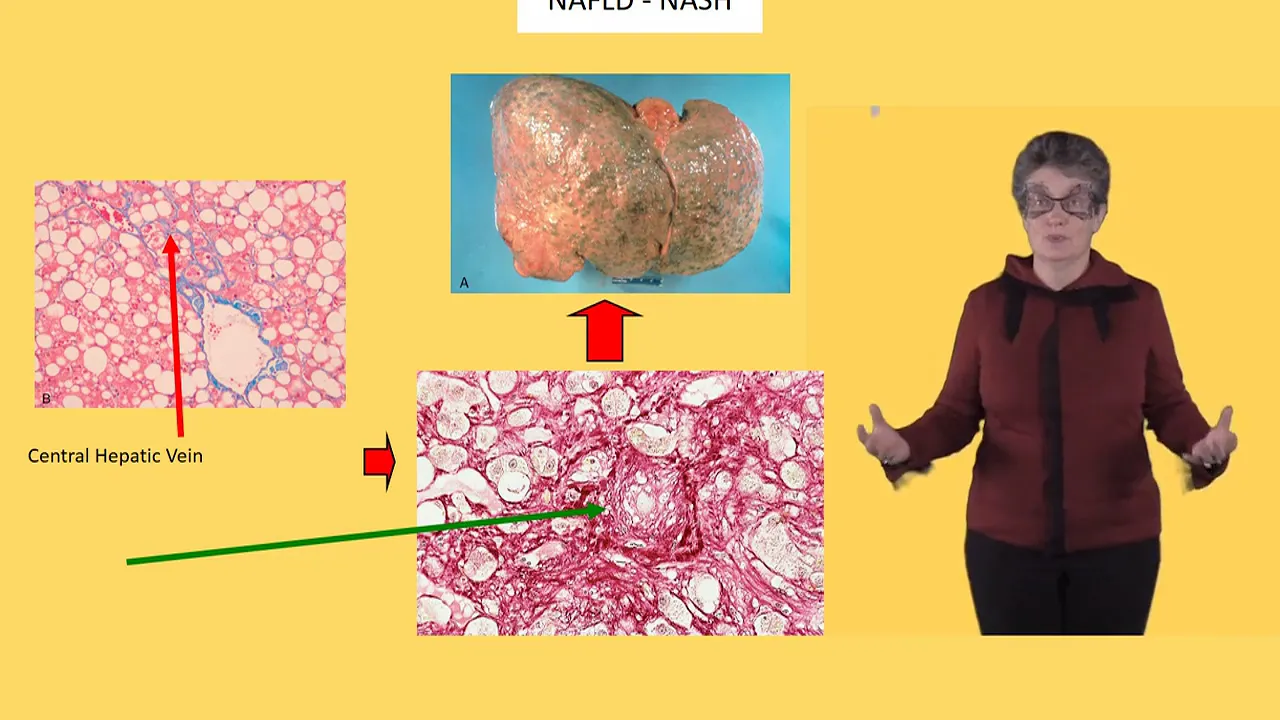
hey guys today we're going to talk about some of the enzymes that are elevated with liver and belly retreat damage so we're going to create a little flow chart if you want to follow along if you have elevated enzymes it can be one of three things you will either have increase bilirubin you'll have increase aop or you'll have most likely an increase in alt ast the transaminases before we go further i want you to know what each one of these means if you have increased alt this is specific for liver damage if you have increased ast this can be liver or muscle so you might want to order a ck if you have aop increase this can be either the biliary tree or it can be bone like prostate cancer which is osteoplastic and if you have ggt it'll be specific for biliary tree so now if you have an increase in alt and asp of course it's liver damage so it can be various things let's start with the easier ones is your patient obese meaning has a bmi over 30 or has diabetes if your answer is yes then this is nash which is the non-alcoholic fatty liver disease if your answer is no let's go ask ourselves the next question so is the ast more increased in alt about a two to one ratio if that's the case we need to look at albumin is albumin normal or low if albumin is normal we're looking at alcoholic hepatitis if the albumin is low we're looking at liver cirrhosis next we're going to look at the rest of them the next category is let's look at how elevated these transaminases are so let's say they're above 10 000 which is incredibly high what are we what we're going to look next if that is the case is substance abuse meaning tylenol usually or acetaminophen same thing if the answer is yes then you've got substance induced hepatotoxicity easy if you don't have substance abuse then you're looking at ischemic hepatitis now next we're going to look at signs of infection do you have a history of iv drug user any fever any signs that this person could be infected if your answer is yes then we're looking at viral causes of hepatitis so it can be hep b or c it could be cmv or epstein-barr virus and lastly we're going to look at whatever's left which most likely will be hereditary and these can include things like hemochromatosis it can be wilson's disease it can be alpha-1 anti-trypsin deficiency or it could be something like butt chiari now this is done let's go to increase alp as we said it's mostly going to be biliary tree but first we need to evaluate is the only thing elevated at the aop or mostly elevated aop with barely any alt ast so if it's pretty much only this we're going to assume it's either a bone problem or infiltrative oops trade of cancer sarcoidosis amyloidosis multiple things if it is not just aop that is elevated we could have one of two things as well that are elevated and that could be ggt being increased or we could have an increase in direct bilirubin so when we have an increase in ggt with aop nothing else you can start looking into autoimmune causes which could be like primary biliary colingitis and primary sclerosing colongitas for direct bilirubin usually this will mean there's obstruction now the question is they're probably going to have jaundice but the question is is the jaundice painful so painful jaundice well if the answer is yes then we're going to be having stones stones are painful why because they block the common duct and they completely back up into the gallbladder and the gallbladder is going to get very inflamed and it's going to start hurting and if nothing's going through you're going to have stasis and stasis leads to infection now if you don't have painful jaundice then we're looking something more like cancer or stricture and what happens here is the blockage is not completely it's not completely blocking the commons so we have a little bit of space to leave because it's the hands are growing or is a stricture undergoing and when it goes up it just dilates the gallbladder but it's still some of it is still going down so this is not exactly painful yet now lastly we're gonna have increased bilirubin you're gonna have to separate this into either unconjugated bilirubin or is a conjugated bilirubin that's elevated so if you have unconjugated you're gonna ask yourself are these episodes are these episodic mild related to stress if your answer is yes you've got gilbert usually a student who's very stressed about exams and suddenly develops jaundice but has basically no other symptoms if not then we're looking at a quick learn in a jar but this one's very severe depending on the type it could be you know deadly to even infants and then if you have conjugated bilirubin we're gonna have to look at the urine uh cobra porphyrin if it's elevated we are looking at rotor syndrome if it is not elevated we're looking at dubin johnson and remember dubin johnson's gonna have a dark liver so they might mention that too so that's it that's everything we're just going to leave this here so you can take a screenshot i hope this helps you guys study hard and i'll see you next time bye
Up Next
17:15
NAFLD & NASH Pathophysiology: Mechanisms of Liver Fibrosis
@fattyliveralliance
133 views•2023-12-18

48:47
Graphic Medicine: Comics for Collaborative Healthcare Communication
@nationalpatientadvocate
189 views•2023-12-04

10:28
Neuroanatomy: Central and Peripheral Nervous System Divisions Explained
@AKLECTURES
136.2K views•2014-09-20
3:05
Stages of Labor and Vaginal Birth | Childbirth Animation
@nucleusmedicalmedia
52.1M views•2017-08-18
Related Study Plans & Knowledge Roadmaps
Structured learning paths in Medicine
medicine
Abnormal LFTs: Diagnostic Workup & Pathology
01Liver Anatomy and Basic Physiology
02Introduction to Liver Function Tests (LFTs)
03Hepatocellular vs. Cholestatic Patterns
+ 3 more learning modules
12h6 modules
Explore Roadmap
medicine
Analyzing Blood Smears: RBC, WBC & Platelets
01Introduction to Blood Components & Smear Preparation
02Normal Morphology of Blood Cells
03Erythrocyte Pathologies & Morphological Variants
+ 2 more learning modules
12h5 modules
Explore Roadmap
medicine
Mechanical Ventilation: Waveforms & Alarms
01Anatomy and Physiology of Breathing
02Introduction to Mechanical Ventilation & Core Modes
03Ventilator Settings and Waveform Interpretation
+ 2 more learning modules
12h5 modules
Explore Roadmap
medicine
Neuro Exam: Localization & Stroke Syndromes
01Foundations of Neuroanatomy and Vascular Supply
02The Neurological Examination: Step-by-Step
03Principles of Neurological Localization
+ 3 more learning modules
18h6 modules
Explore Roadmap