





















NAFLD/NASH progression begins with obesity-induced adipose tissue inflammation causing systemic insulin resistance, which triggers increased lipolysis releasing free fatty acids and de novo lipogenesis converting glucose to fatty acids, leading to hepatic lipid accumulation (steatosis); subsequent lipotoxicity injures hepatocytes through apoptosis, activating hepatic stellate cells to produce collagen and fibrosis, while genetic polymorphisms like PNPLA3 and HSD17B13 influence susceptibility and progression, ultimately resulting in significant mortality risk with cirrhosis carrying approximately 7.5% annual decompensation risk and increased hepatocellular carcinoma development.
NAFLD & NASH Pathophysiology: Mechanisms of Liver Fibrosis
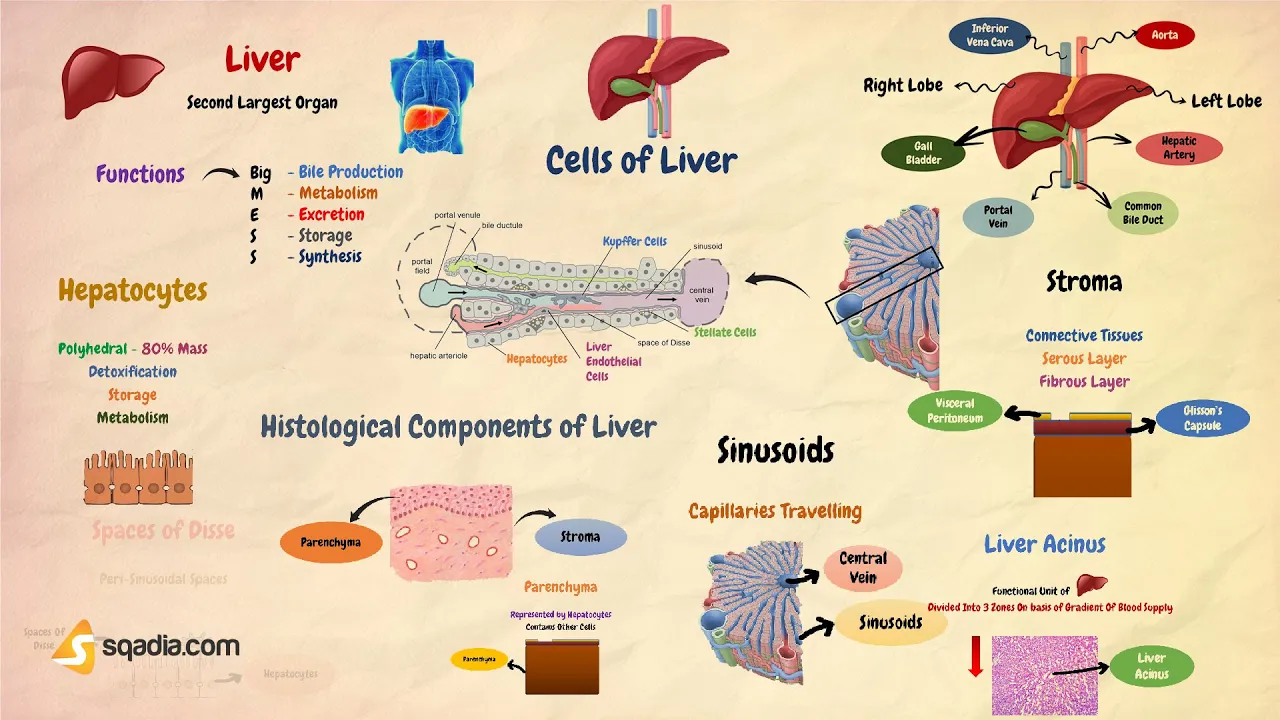
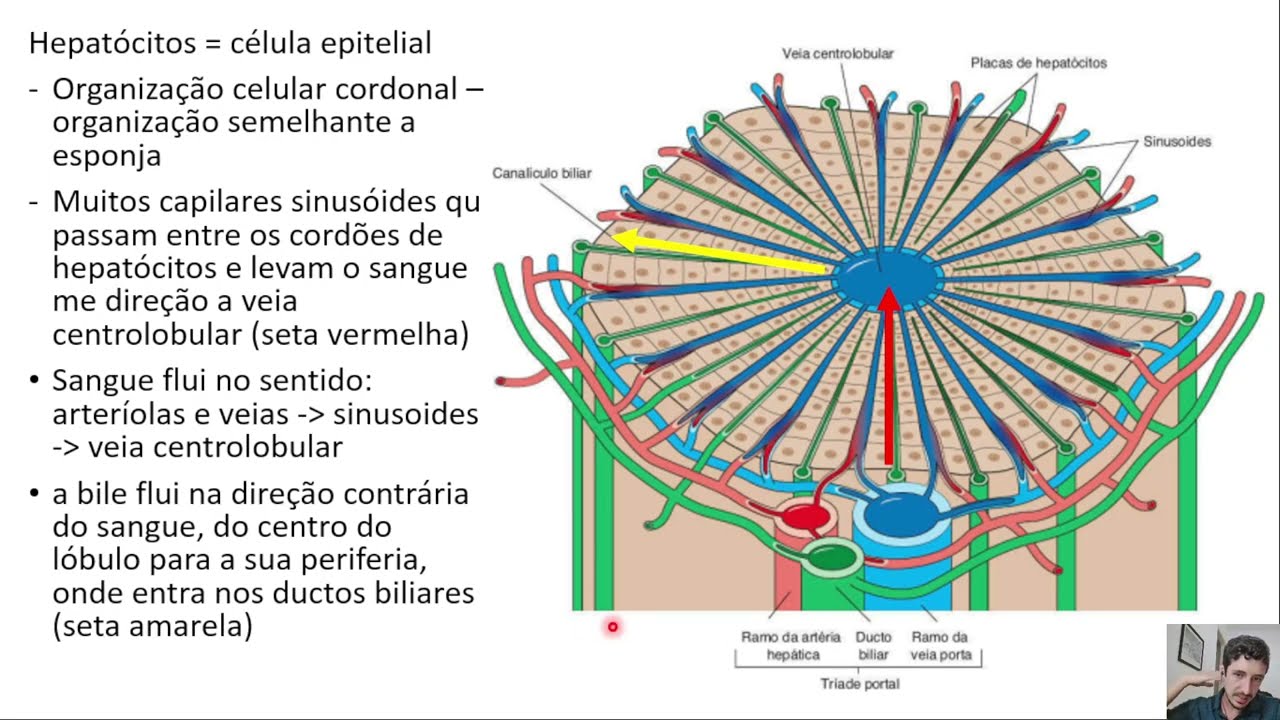
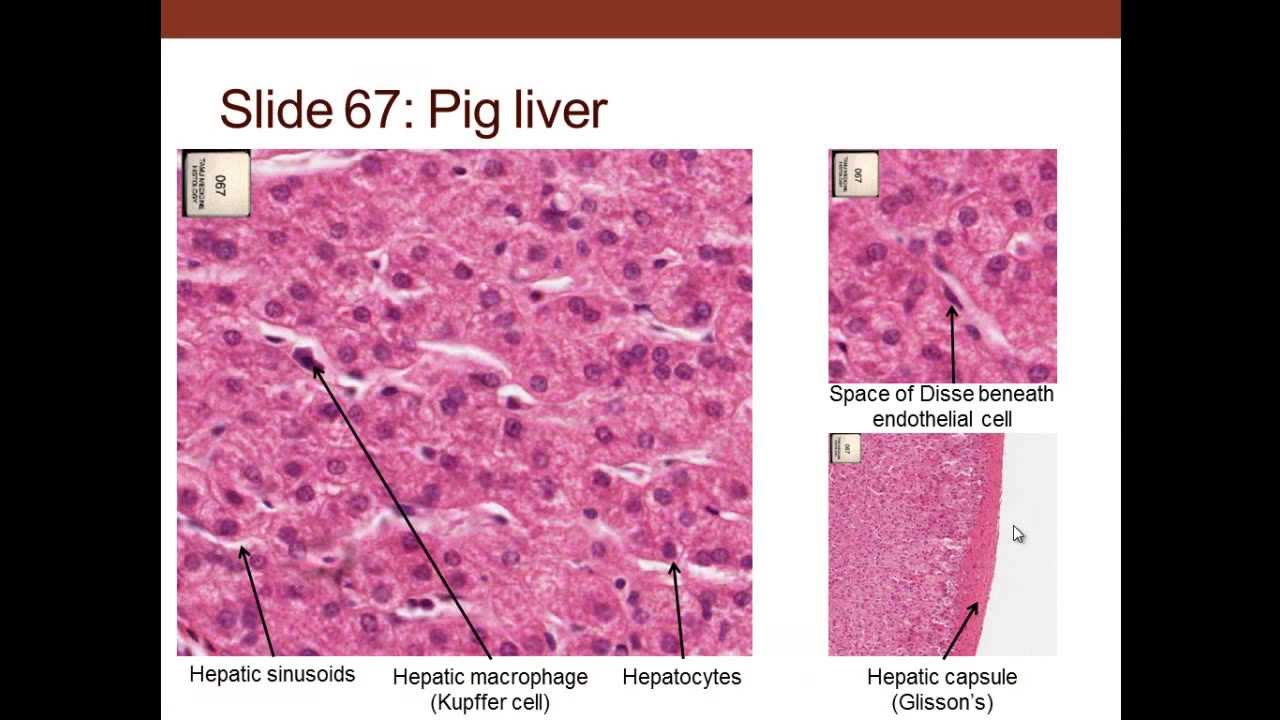
Added:Basic anatomy and histology of the liver, including the function of hepatocytes, hepatic stellate cells, and Kupffer cells.
The biochemical processes of lipid metabolism, specifically de novo lipogenesis, triglyceride synthesis, and beta-oxidation.
The pathophysiology of insulin resistance and its systemic metabolic consequences, such as metabolic syndrome and type 2 diabetes.
General cellular mechanisms of inflammation, oxidative stress, and the wound-healing response (fibrogenesis) in tissue injury.
Diagnostic and staging modalities for NAFLD/NASH, including non-invasive biomarkers (FIB-4), transient elastography (FibroScan), and liver biopsy.
Current and emerging pharmacotherapies for NASH, specifically targeting metabolic pathways, inflammation, and anti-fibrotic mechanisms.
The clinical management of advanced liver disease complications arising from NASH cirrhosis, such as portal hypertension and hepatocellular carcinoma (HCC).
Therapeutic lifestyle interventions, including the clinical impact of bariatric surgery and dietary strategies targeting the gut-liver axis.
133 views4likes17:15Original Release: 2023-12-18
thank you so much for the great introduction really appreciate it um I hope you can hear me well something came up at work I'm actually at the airport uh presenting from the American Airline Lounge so hopefully everything will go smoothly uh but you know and my friend Michael batil invited me I mean I take this very seriously he's done so much for our community and really appreciate all the great work he's done for our Nash patients um and I'm so glad that he also connected with the top knot hepatologists in in Canada um and they're doing a great job with organizing this Primary Care Summit so my task was to talk about the pathophysiology of mled and mash and then I'm going to talk about the consequences of the disease uh so this is the spectrum of the disease that has been discussed already and I'm going to take you through the development of steatotic liver disease from masle or simple steatosis and then what leads to progression to mash St hepatitis and how this leads to progression to fibrosis and eventually liosis it all starts with obesity and expansion of the adapost tissue in obesity there is a state of chronic inflammation and the OS tissue is actually infiltrated with mcroof fases that secrete inflammatory cyto kindes and that leads to a state of insulin resistance at the level of the liver uh but also the adus tissue and importantly also at the level of the muscles so you develop insulin resistance systemically and insulin resistance lead to actually uh the release of free fatty acids from the adose tissue uh through the process of lipolysis and this will actually uh represent a major source of lipid loading into the LEL uh there is a second process called Theo lipogenesis which is basically producing fatty acids from glucose and that's why being on a high carbohydrate diet can lead to stolic Li disease uh there's also decrease utilization of free fatty acids in the form of beta oxidation and the mitochondria and then there are alterations in the secretion of triglycerides from the liver in the form of bldl uh so all these processes will lead to lipid loading into the liver and steatosis and the two main sources are lipolysis from adeus tissue and a significant upregulation in the process of the nuo lipogenesis in fact in this slide you see the process of denuo lipogenesis or DNL uh so glucose through the process of glycolysis is converted into pyrovate and then pyrovate through several enzymatic reactions is actually converted into fatty acids that can be incorporated into uh triglycerides and triglycerides this is what we see within the hepatocytes in the form of lipid droplets and in fact you may hear about this later tonight but several of these enzymes in the process of deal lipogenesis can be targeted through pharmacologic treatment so the first step as I mentioned is really the buildup of lipids within the heyes or steatosis uh but then the process of lipotoxicity leads to disease progression to metabolic dysfunction associated with hepatitis or Mash so the first hit is really lipid loading into the hepatocytes but then through an increase in saturated fatty acids and other lipotoxic lipid species uh this will make the hepatocytes injured sick they undergo a process called apoptosis which is programmed cell death and that can lead to the activation of the fibrogenic cells on the liver what we call the hepatic State cells and this is important for our PCP colleagues to understand that collagen fibrosis is actually not produc in the hepatocytes but rather in the hepatic Sate cells and these are activated by injured hepatocytes there is also increase in oxidative stress activation of the resident mcroof fages of the liver we call them kuer cells release of inflammatory cyto and chemokines that can recruit mon cytes and other um inflammatory cells into the liver and these can also activate the hepatic State cells and the end result is really the ersion of these State cells into myofibroblast that can produce collagen and lead to fibrosis so again the first hit is steatosis lipid loading this leads to sep several parallel hits that can uh eventually activate the hepatic stellate cells leading to liver fibrosis now the microbiome plays a role also in disease progression through several um hypotheses we know that the microbiome can extract energy from our diet and convert certain um components of the diet that we cannot metabolize as humans into what we call short chain fatty acids that can be absorbed in the colonic mucosa so that can increase the amount of calories from a meal uh also the microbiome can activate the immune system through what we call the tool like receptors and pathogen Associated molecular patterns and that can lead to increasing proinflammatory cyto kindes uh there is a hypothesis that also the microbiome the gut microbiota can produce endogenous alcohols and these endogenous alcohols can contribute to further damage to the um hepatocytes um and finally we know in animal models that actually feeding mice a Coline deficient diet can lead to a severe sto hepatitis and there's a hypothesis that potentially uh the gut microbiome can metabolize choline in a way that leads to a state of relative choline deficiency in patients with the sead hepatitis that can contribute to further liver damage uh fructose is also known to play a role in the development of maim and progress progression to Nash we know that fructose can stimulate theu lipogenesis it is more steatogenic than glucose it may lead to increase in intestinal permeability um and that can lead to further inflammation uh so really avoiding diets that are high and what we call high fructose corn syrup is important to discuss with our patients with nazle than Nash and uh the muscle also plays a role we know that this is a bidirectional relationship between the liver and the muscle we know that patients with Advanced L disease curosis end up developing severe sarcopenia which is muscle loss having less muscle mass can actually affect glucose metabolism and as I mentioned earlier can lead to a state of insulin resistance and then Del liver itself through effects on myostatin potentially through production of ammonia can lead to a reduction in in muscle mass uh so basically having Advanced L disease can affect your muscle mass having low muscle mass can affect um the development of mled and mash so to summarize for you um these are the mechanisms of steatosis sppid loading into the liver uh one significant process is increased lipolysis in the adous tissue and the release of free fatty acids another important process is denuo lipogenesis and production of lipids from glucose and carbohydrates uh now we understand that this biosis and changes in the gut microbiome can lead to also worsening of mled than Mash there are genetic factors that I will discuss briefly and then of course dietary factors including dietary fat and fructose in terms of the development of stal hepatitis and mash uh there is increased activation of Cal cells and recruitment of other inflammatory cells into the liver uh there is also the conversion of mcroof phages into a pro-inflammatory phenotype there's effects on the heo site lipotoxicity increase oxidative stress and the end result is the activation of the hepatic stellate cells and the production of collagen and liver fibrosis and this is also Modified by certain genetic polymorphisms this is actually a picture of myself without the beard a few years back with Dr Helen hops from UT Southwestern and she discovered the first Gene and polymorphism uh that predisposes certain ethnic groups to developing mled and mash it's called pnpla3 Uh this was the classic nature genetics paper published in 2008 uh where they did a genome wide Association study a large cohort within the Dallas heart study they had MRI spectoscopy to quantify LEL fat they divided the cohort into those with mled and those without significant steatosis and identified this polymorphism in the pnpla gene that predisposes patients to masle uh this is known to be more prevalent in Hispanics and Latinos that's why they develop more masle than mash um in a subsequent study here they explored the interaction between this Gene pm pl3 and and the environment and the BMI and they showed that if you actually maintain a low BMI even if you had the variant associated with mled you did not develop stoic liver disease uh only when the BMI was in the overweight and OB range the this polymorphism can predict higher um what we call triglyceride contents within the liver another important Gene to know about is called hsd 17 beta 13 uh this was discovered in another um genome wide Association study uh collaboration between regeneron and the ginger Healthcare System and they actually discovered that loss of function in this Gene can be protective against elevated liver enzymes and the development of mled and alcohol associated liver disease so we have genes that can uh lead to progression of the disease and genes that can be protected uh there are other genes that I just want to mention quickly including GCR that which is involved in Deo lipogenesis mot s which is important in the incorporation of fatty acids into phospholipids um and then tm6 sf2 which is important for the release of triglycerides in the form of vldl so in the next few slides I just want to uh discuss uh the disease progression to what we call major adverse liver outcomes or Malo Malo in Spanish is bad so if you have Malo it means that you're developing aides and theopathy very seal bleeding very bad outcomes and this is from a large study done in Sweden where they had access to 10,000 Lial biopsies done over a 50-year period with very long longitudinal follow up over 30 years and they had general population cohorts so they actually match every patient with mled uh to five uh subjects from the general population without seic liver disease and they should increase overall mortality in all patients with mled regardless of disease severity so that's very important to know that having mled even if you don't have fiic mash this is still significant and can increase overall mortality and then they also looked at the severity of mled and they say they showed a progressive increase and mortality from those with simple steatosis to patients with mash without fibrosis to those with fibrosis and then the highest mortality was in patients with CIS uh this is a study that was done as part of the Nash clinical research Network sponsored by the NIH where they had over 1,700 subjects with biopsy proven disease so we can determine at the stage of fibrosis followed for an average of four years and they looked at the risk of developing um major adverse liver outcomes and you can see here an exponential increase in the development of VES veral bleeding incopy and increase in melt score more than 15 in patients with stage three and especially stage four fibrosis uh the yearly event rate in patients with curosis was around 7.5% per year uh so this is something I use in my clinic when I see patients with mosis when they ask me what's going to happen I say that on a yearly basis every year you have a 7.5% chance of developing decompensation uh which means that we may need to have a transparent conversation uh so this is important to provide some prognostic information for your patients now Mash is becoming the most common indication for listing and for receiving liver transplant from the night States uh this is from a study that I published with my colleague Dr Nan back in 2018 uh showing that in the United Network of organ sharing database uh mled or Mash is the most common indication for transplant in a woman you see that in the red line and then in men it was only second to alcohol Associated BL disease uh so although the majority of patients with mled and Mas will die from cardiovascular disease and nonl Cancers uh many of them will progress to therosis and they may need liver transplant and this is becoming the most common indication in the US also patients with mass curosis are at risk for hepatis cellular carcinoma this is a study from the Cleveland Clinic that looked at a large cor of patients with established sosis from hepatitis C and mash and they showed the incidence rate on a yearly basis and you can see patients with hepatitis C had a yearly incident rate of 4% per year and those with mosis the incident rate was at 2.6% per and then finally I want to show this new study that was published in the Lancet gasv looking at the impact of type two diabetes on outcomes so this was a large cohort over 2,000 individuals uh with and without type two diabetes followed for an average of seven years and they looked at the risk of decompensation um and the risk of liver cancer and they showed the clear separation and then inre risk in patients with type two diabetes compared to patients with mled and without type two diabetes um in fact the hazard ratio for aeic decompensation was around 1.9 after you adjust for the Baseline severity uh for developing decompensation in patients with type two diabetes compared to those without diabetes and then the hazard ratio for developing HCC was at 5.5 so my take home message is that steatosis and and lipotoxicity are the driving mechanisms of liver injury inflammation and liver fibrosis I want you to remember three cells that that play a role in disease progression the hepatus site where you see steatosis and where lipotoxicity plays a significant role in um uh hepatocytes injury and the development of ballooned hepatocytes uh the coer cells these are the resident microf phases of the liver that play a significant role in liver inflammation and other inflammatory cells being recruited into the liver and then finally the hepatic State cell uh which is the fibrogenic cell of the liver uh it is important to understand that genetic polymorphisms are associated with the predisposition to masle but also its progression to mash and advanced fibrosis and that Mash sosis has the highest overall mortality and can lead to decompensation and development of liver cancer and the need for liver transplantation um and with this I'd like to conclude and thank the organizers again and apologies about any noise and poor quality of my connection but appreciate the invitation and being part of this great team
Up Next

80:51
Jaundice Types Explained: Pre-Hepatic, Hepatic, Post-Hepatic | Clinical Guide
@NinjaNerdOfficial
567.6K views•2018-06-25

48:47
Graphic Medicine: Comics for Collaborative Healthcare Communication
@nationalpatientadvocate
189 views•2023-12-04

10:28
Neuroanatomy: Central and Peripheral Nervous System Divisions Explained
@AKLECTURES
136.2K views•2014-09-20
3:05
Stages of Labor and Vaginal Birth | Childbirth Animation
@nucleusmedicalmedia
52.1M views•2017-08-18
Related Study Plans & Knowledge Roadmaps
Structured learning paths in Medicine
medicine
Abnormal LFTs: Diagnostic Workup & Pathology
01Liver Anatomy and Basic Physiology
02Introduction to Liver Function Tests (LFTs)
03Hepatocellular vs. Cholestatic Patterns
+ 3 more learning modules
12h6 modules
Explore Roadmap
medicine
Analyzing Blood Smears: RBC, WBC & Platelets
01Introduction to Blood Components & Smear Preparation
02Normal Morphology of Blood Cells
03Erythrocyte Pathologies & Morphological Variants
+ 2 more learning modules
12h5 modules
Explore Roadmap
medicine
Mechanical Ventilation: Waveforms & Alarms
01Anatomy and Physiology of Breathing
02Introduction to Mechanical Ventilation & Core Modes
03Ventilator Settings and Waveform Interpretation
+ 2 more learning modules
12h5 modules
Explore Roadmap
medicine
Neuro Exam: Localization & Stroke Syndromes
01Foundations of Neuroanatomy and Vascular Supply
02The Neurological Examination: Step-by-Step
03Principles of Neurological Localization
+ 3 more learning modules
18h6 modules
Explore Roadmap