




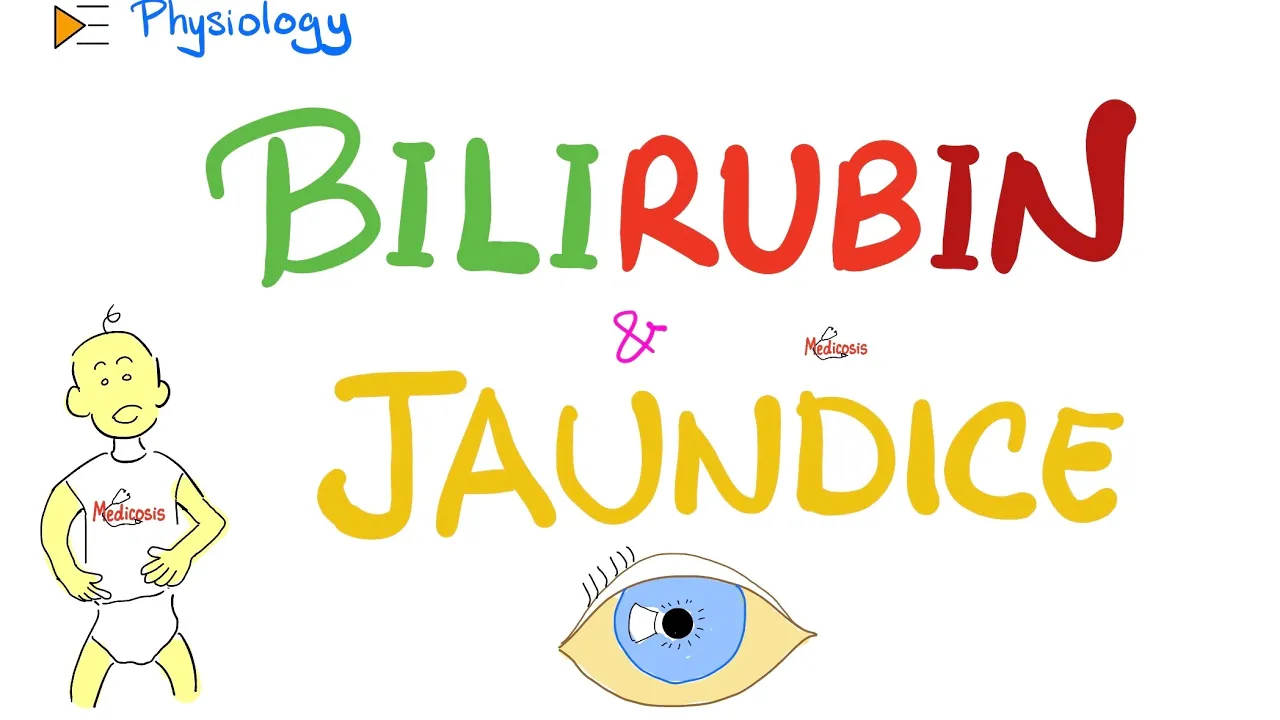

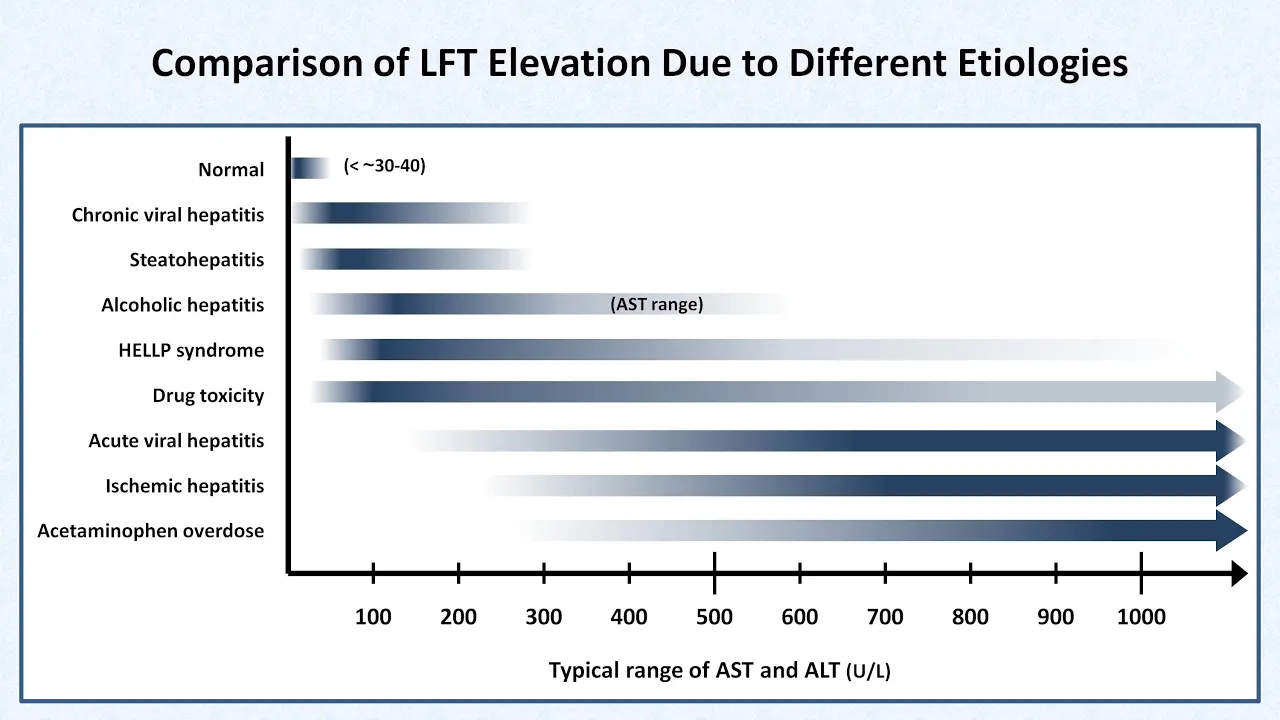



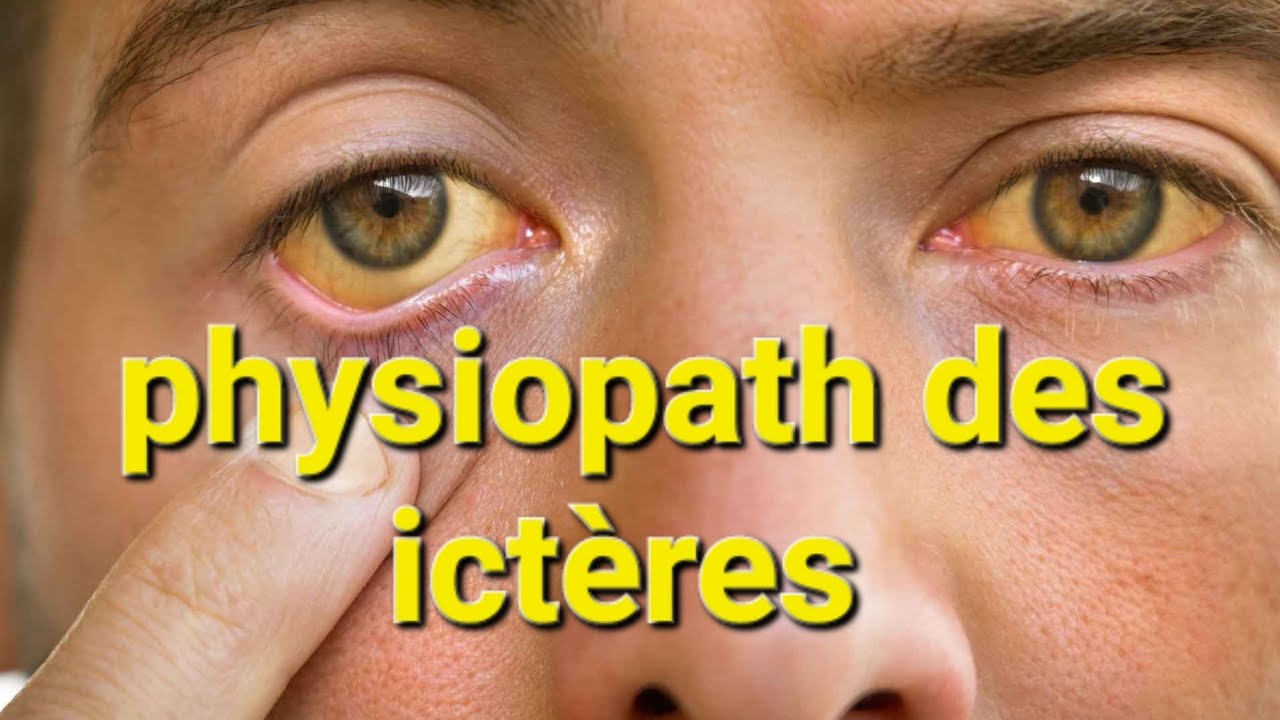







Jaundice is classified into three types based on the site of bilirubin metabolism impairment: pre-hepatic (hemolytic jaundice) occurs when excessive red blood cell breakdown increases unconjugated bilirubin production; hepatic jaundice results from impaired liver function affecting bilirubin conjugation or excretion; post-hepatic (obstructive) jaundice occurs when bile flow is blocked after leaving the liver, causing conjugated bilirubin accumulation. Each type has distinct laboratory findings: hemolytic shows elevated unconjugated bilirubin with normal AST/ALT, hepatic shows elevated AST/ALT with possible AST > ALT ratio indicating alcohol damage, and obstructive shows elevated ALP/GGT with absent urobilinogen in urine and clay-colored stools.
Jaundice Types Explained: Pre-Hepatic, Hepatic, Post-Hepatic | Clinical Guide
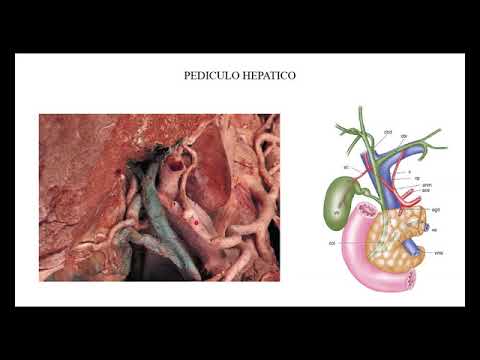
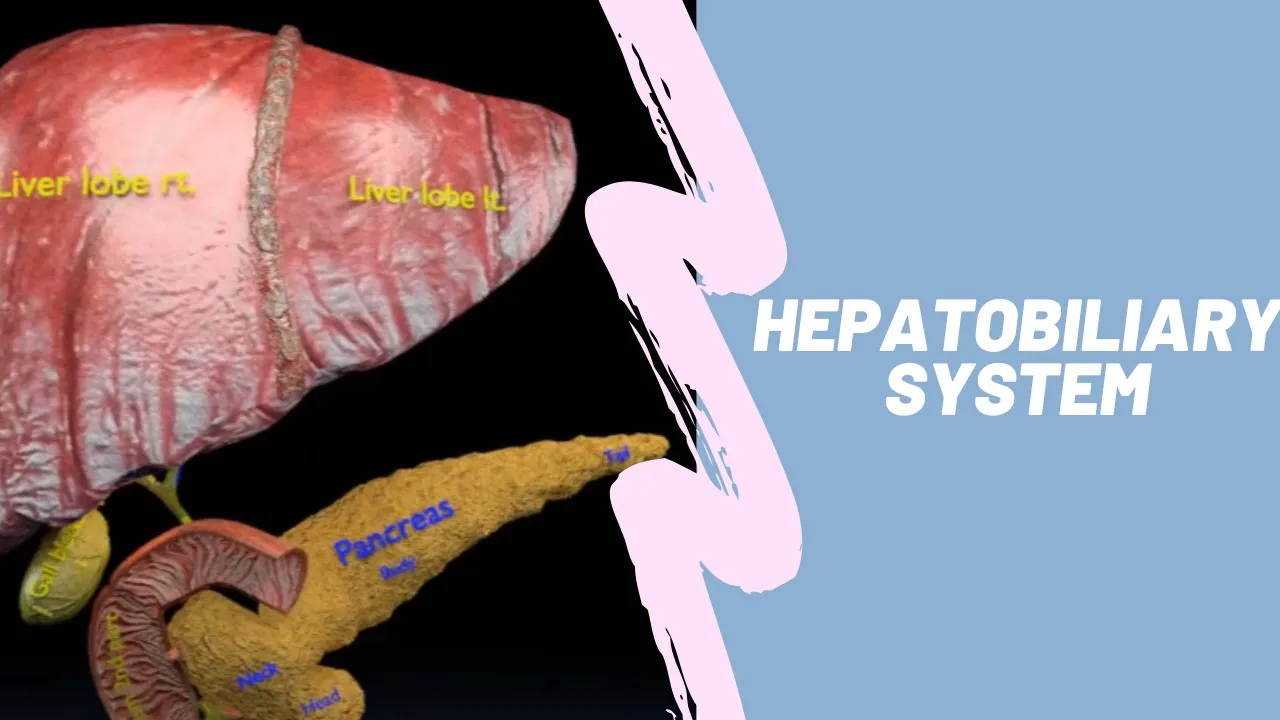
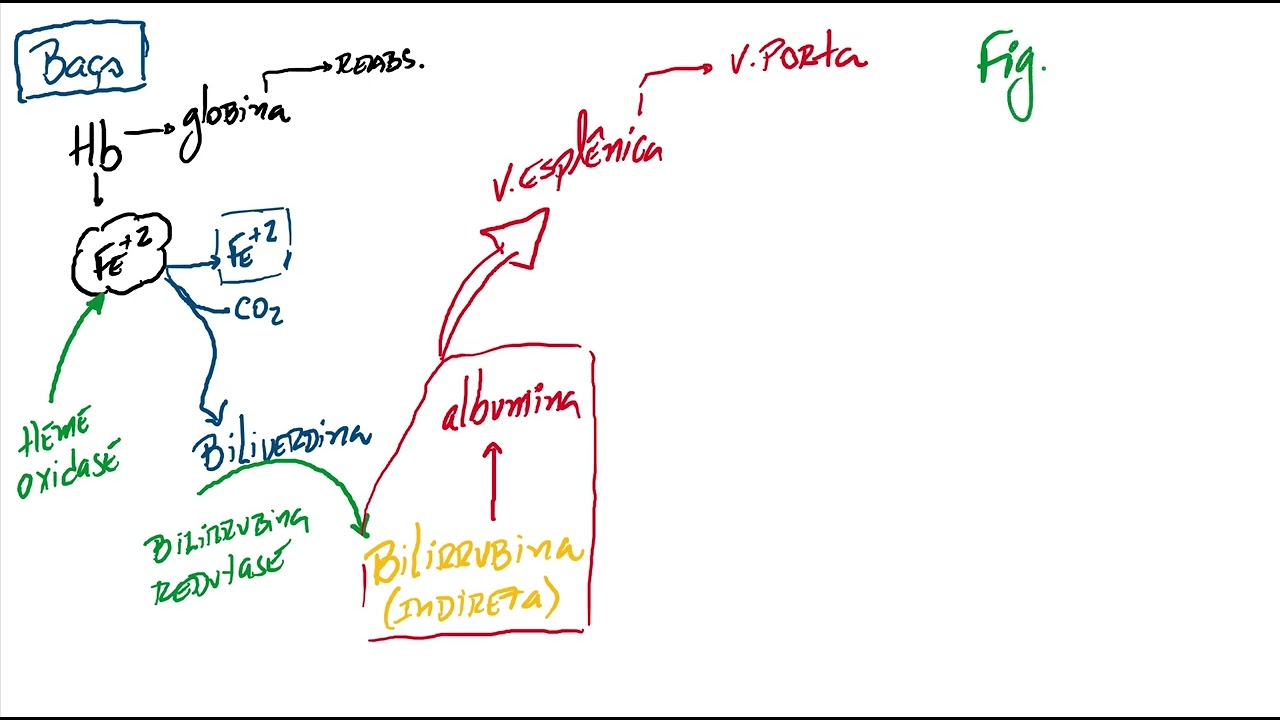
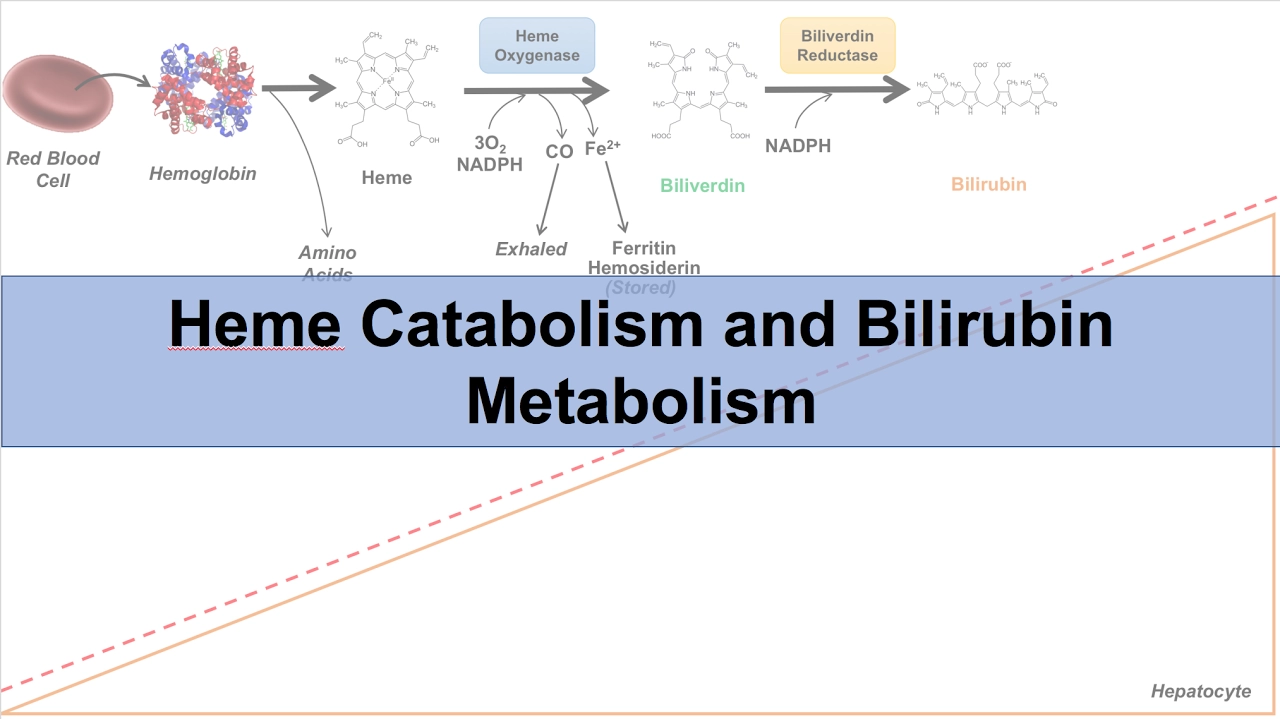
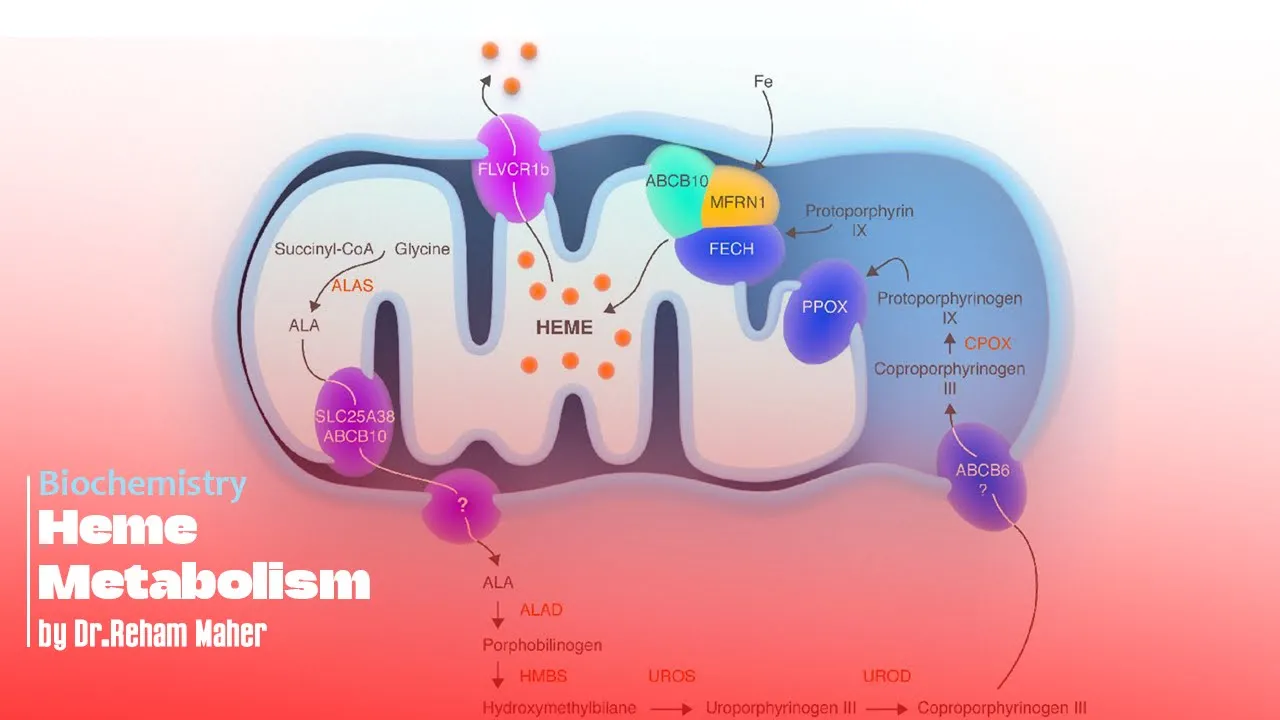
Added:I ninja toots in this video we're going to talk about the biliary system and we're gonna finish off talking about the types of jaundice it's really important that we have a very good clinical correlation between this kind of biliary tree a pata biliary tree and that we truly understand the different types of jaundice so let's go ahead and get started on that if you guys haven't already please make sure you guys go see our video on the biosynthesis and xenobiotic metabolism and also our videos on the liver physiology with metabolism storage and even the protein synthetic function but really really please make sure you see the xenobiotic metabolism and primarily the bile synthesis one because it's gonna go hand-in-hand with this video so what we're gonna do is we're gonna go over very briefly because we have already talked about in a good detail the bile system again what are some of those components of bile that we talked about the big one was our bile acids okay those were the big ones again remember that was derived from cholesterol Kolak acid and chino deoxycholic acid another really big component was phospholipids and if you remember we said one of the main ones was called phosphatidyl choline there's also phosphatidyl in a site oh and a phosphatidyl serine and phosphatidic acid but the main one is phosphatidylcholine there's also going to be cholesterol there's going to be tons and tons of different drugs that we can metabolize and excrete into the biliary system there's going to be a lot of water electrolytes amino acids glutathione which you remember was one of those antioxidant molecules so tons of different components and that's what I want to talk about I don't want to go over there synthetic pathways I just want to talk about how there see created what is the transporter that is secreting them because those are important unfortunately so I want to talk first off how do we get these substances in how do we see creat these substances and then where do they flow okay so let's go ahead and start on that first so let's say the first thing we talk about is how can we bring certain molecules into the cell that is necessary for the bile formation well if you look here you have this blue transporter ok this blue transporter right here is actually called an N tcp transporter in T C P transporter what does that stand for we're gonna use a lot of abbreviations today okay n TCP is the sodium Torro collate transporter simply it's responsible for taking up bile acids that's it I don't want to make it any more complicated than that and we're gonna represent bile acids as B a so there's our bile acids these transporters are primarily responsible for taking up bile acids and they do it by bringing sodium with them okay so that's their function they bring into the cell bile acids and again if you want to remember in order for them to be able to do that we have to bring sodium into the cell as well as a code transport mechanism okay so that's one thing that we bring in and we can't how does this bile acids get into the circulation where did it come from well if you remember we talked about it very briefly in the biosynthetic pathway is that if you remember bile acids they're going to be excreted into this biliary system they're going to go down through the biliary tree down the common bile duct and then out into the intestines and then once those bile acids are in the intestines you know that they perform emulsification of once of different lipids but then afterwards they get to the terminal ileum and they get absorbed taken back through the apat ik portal circulation and back to the liver so what do you think that transporter right there is this is again a sodium toro kool-aid transporter and it's responsibility is for bringing bile acids and again if you really want to remember the N is for the sodium to bring in via a simple mechanism or a code transport mechanism okay again we'll review that afterwards a little later but that's one thing the next thing in this pink this is actually going to be a organic an ion transporter protein organic and I a transporter protein what do you think that they were in organic anions what are some of these the main one I want you to remember is various different drugs they bring up tons and tons of different types of drugs and if you really want to remember they also can bring up some bile acids too okay so remember that when we talk about the organic anions port of their primary function is bringing into the cell drugs primarily but as well as bile acids and again you've already seen that we can bring bile acids in through the sodium tor okole transporter all righty now another one is called the organic cation transporter protein so now if you have this one here in red this is the organic cation transporter what do you think they're responsible for bringing in organic cations and these are done tons and tons of different drugs so again more drugs okay so we can bring in tons of different types of drugs as well as many different types of organic anions into the cell one more that is really important you can't forget this one okay this one right here is super important this is responsible for bringing bilirubin into the cell okay it's responsible for bringing bilirubin into the cell so this right here is a Billy Rubin transporter so it's right here Billy Rubin transporter now these are usually of two different flavors they're usually electrogenic or electro neutral channels these are gonna be bringing Billy Rubin but the question I want you guys to ask yourself is where the heck is that bilirubin coming from that's what I want you to ask so now we have to take a little bit of a break here come over to this area and we need to talk a little bit about the bilirubin metabolism if you guys remember we said that Billy Rubin was the breakdown product of the heme in hemoglobin why was that important because we said that there was particular cells located within the spleen as well as you can find other different cells in the liver and even a little bit in the bone marrow anywhere there was what's called sinusoidal Kapler so let's write that down wherever there is those sign you soil capillaries and if you remember there was three primary places for that one was the bone marrow one was the liver and the other one was the spleen but if you guys remember we said that the most important one is the spleen because this is going to be where a lot of red blood cell degradation is occurring all right that is important please don't forget to spleen so we're gonna assume that this organ right here is the spleen and what we have here is we have this mega megasaurus macrophage this macrophage let's assume that we have an old-age and defective red blood cell super old the dudes like crack and walking around with a cane he's like a hundred 120 days old once that happens this red blood cell has reached his endpoint so let's say here we take a red blood cell and this red blood cell it's time to get destroyed buddy now if you remember there was one really important component within the red blood cell that we care about and that is called hero right here on the side hemoglobin if you guys remember hemoglobin accounts for like 97 to 98% of the red blood cell contents when we break the hemoglobin down we break it down into two components all right pretty simple stuff heme and globin and it's pretty simple that we know that the globin is broken down into amino acids and they can be sent to various tissues to be recycled maybe like the bone marrow to use it to make more hemoglobin maybe the actual macrophage will use it to synthesize proteins whatever maybe that goes to the liver and the liver uses it to make proteins doesn't really necessarily matter but I want you to understand that that's what's happening to it now the heme is the one that we care about it gets broken down into two components the first component is called Billy Verdun so the heme it actually is made up of a nice pigment called protoporphyrin but it gets broken down into what's called Billy Verdun and then Billy Verdun is converted into what's called Billy Reuben and I'm gonna represent that here with a beat okay we're gonna use it as a B here now there's particular enzymes that are catalyzing these steps what are some of these enzymes for example taking the heme and degrading in it too Billy Verdun this is called heme oxygenase and then the enzyme is converting Billy Rearden into Billy Reuben is called Billy Verdun reductase now the bilirubin once it's done being metabolized with inside of the actual macrophage we're gonna take that bilirubin and put it into the general circulation again we're gonna represent it with that B now the liver is so kind to us that it makes a protein that will actually bind on to that Billy room because Billy Ruben is a fellow unfortunately not very hydrophilic it's not very water soluble and we also don't want it to be circulating around because it can't actually get into the central nervous system cause some pretty nasty damage if not bound to albumin so what we do is we produced this plasma protein here called I'll boomin one of the really main proteins of the liver and the albumin will come and actually bind with thee albumin now this type of bilirubin okay this type of bilirubin it's really important that we really hadn't understanding of this I can't can't stress this part enough this bilirubin which is bound to the albumin is called there's two names for it you can call it on conjugated or indirect Billy Rubin don't forget that okay so this type of Billy room which is bound to the albumen is actually called unconjugated or indirect bilirubin all right sweet now just to finish off this concept here what happens to the other component of the heme well if you remember we said that that's broken down into the actual Billy verdun but also we can't forget about the iron the iron has to do what we got to take the iron we can do two things with it one is we could take that iron put it into the circulation I'll say down here here's the iron and we don't want the iron just circulating on its own we don't want to just kind of rub rummaging through the blood because it can cause a lot of free radical reactions so the liver again is so kind to us and guess what it does it produces a protein that will bind to the iron and prevent it from actually circulating on along in its free form what is that protein called this protein is called transferrin alright so that's one big thing so some of the iron can actually get put into the blood but we can't just have it circulating on its own we have to bind it to transferring or we could take that iron and if you remember we bind it with another molecule which is called a PO ferritin so this is called a PO ferritin and when the Apryl ferritin combines with the iron it makes what's called ferritin all right then if we take a whole bunch of ferritin molecules and combine them together then we're gonna get one big clump of stuff and that's called chemo citroen all righty so that's important that we really get an understanding of this stuff with respect to the red blood cell metabolism because it does play a role in one of the types of jaundice all right but the main component that we were focusing on is the biliary once you guys to really keep in track of all the Billy room where it is where it's made where it's being secreted all that stuff now this unconjugated or indirect bilirubin what is it gonna do it's gonna come over here and get taken up through the liver right through this bilirubin transporter so what will happen is the albumin will actually come off of thee it'll actually disassociate away from the bilirubin and then again what will it go to it'll go back to thee free-formed albumin okay now that unconjugated or indirect Billy Ramona it's taken up by the liver cell via these bilirubin transporters we have to send it somewhere in the cell so we send it to this nice little organelle called the smooth endoplasmic reticulum so now here's our bilirubin okay that bilirubin will then get taken up into the smooth endoplasmic reticulum as it goes through the smooth endoplasmic reticulum there is a particular enzyme that it has to interact with you guys remember we talked about this in xenobiotic metabolism again a reason why it's important is this enzyme here it's one of the phase two enzymes all right up the biotransformation this is called u g t UDP glucose tile transferase and if you remember what is it responsible for doing it's putting a glue core on a group onto the bilirubin what does that do it makes it more polar which allows for it to be more hydrophilic more water-soluble which is what we want so now as a result let's say here I take and I put my bilirubin here and what did I add on to it now let's put over here a nice little bond to a glue coronate okay and that glue karani let's put like this eye here if you guys remember we kind of represent this as being a charged molecule now out of here out of here that conjugated bilirubin is going to get excreted out of the actual cell okay so we took the Billy run up through this bilirubin transporter we sent it into the smooth endoplasmic reticulum to get acted on by the UDP glucose all transferase become conjugated and then now that it's in the liver cell the liver cell is going to excrete that conjugated bilirubin out here into the biliary system so again here's our conjugated bilirubin all right now let's write this one down because again it's important what kind of bilirubin is this called this is called conjugated or direct bilirubin again you can't forget these things here I'm gonna do this so you guys don't forget the difference between these two so this one right here where the bilirubin is just on its own it's not really conjugated to anything it's called the unconjugated or indirect bilirubin and this one over here where it's bound to the glue Quran it is called the conjugated or direct bilirubin it's super and important to being able to diagnose different types of jaundice alright now that we've talked about the things that can bring these guys across the membrane and let's say that again let's say here's this big unusually shaped pata site this side of the apat aside is facing the actual blood so let's assume that this side is the sinusoidal membrane okay let's assume that this side is the sinusoidal membrane so this side is the basolateral membrane where there's a lot of micro villi and then there's the space of dis e this over here this side and this side right here where the biliary system is that's the cow now lick Euler membrane so all this is the canaliculus the apical surface so don't forget that remember that from the liver histology video okay so now we have these bile acids we have drugs we have different types of bilirubin many different substances that we brought into the cell and now we have this conjugated bilirubin now what is the name of this transporter you can't forget this transporter super important especially when it comes a familial disease this one right here is called M R P 2 it is called an MRP to transporter what that stands for is multidrug-resistant associated peptide type 2 this is really important because there is a disease where this actual Porter's defective and it's not able to push the conjugated bilirubin into the actual biliary system it's called Dubin Johnson syndrome so what does that call here let's put this right over here and M are P to defect it's a familial disorder okay this if that is the case if there's a defect in this it can produce a disease called Dubin Johnson syndrome it's not necessarily fatal at all okay but what it does produce is think about this think about it just logically this transporter is responsible for putting the conjugated bilirubin into the biliary system if it can't do that where will it go well eventually it's going to get pushed into the general circulation so what's gonna happen to the conjugated bilirubin inside of the actual blood it's gonna go up so what you'll see is whenever you're doing like blood work and stuff you'll see that they have a elevated conjugated bilirubin that's gonna be elevated in the blood another thing which is interested with this disease is that usually it doesn't represent no elevated liver enzymes so usually no elevated lfts okay liver function tests right we do those you your ast alt GGT ALP those are usually all normal okay but again thought I should mention that one there again it's usually a defect in the MRP 2 there is another one over here not as important but this actual transporter Oh ATP organic anion transporter there is a disease called Roeder's syndrome which can happen if this transporter isn't effective of being able to take up conjugated bile acids and so sometimes that can cause some a mixture of conjugated and unconjugated hyperbilirubinemia not necessarily that important though okay all right so now let's talk about one more thing okay on the side a little memory before we go to the canal ocular membrane you see this transporter right here there is a lot of research nowadays that is suggesting that there's actually transporters located on the sinusoidal membrane that my role with the e flocks of different types of xenobiotics drugs in this transporter is called M R P for and they even think that it might also be another one called MRP six and what these transporters are responsible for doing is remember from the smooth endoplasmic reticulum there was the cytochrome p450 complex and what was it doing it was taking different drugs and trying to make them more water-soluble and what did we do with them we hydroxylated them we conjugated them and then what did we do with those drugs we pushed those drugs either onto the canal ocular and it's about to be excreted or we can push those drugs into the blood maybe someone's taking cardiovascular drugs right and they need that drug to be into the circulation to go to the heart to cause whatever effect it might be so that's the aspect here is that when we deliver takes a bunch of different drug molecules let's say that that's that drug right there goes into the smooth endoplasmic reticulum undergoes its bio transformation process and then it gets excreted into the blood in its active form which then can go and work on the heart okay it just as an example so that's important to remember is that there is another transporter like MRP 4 and MRP six that do play a role in the II flocks of xenobiotics or drugs into the circulation alrighty that covers that aspect now we know what we have here one more thing one last thing here these are not the only things that we have coming into the liver right there's also other substances that are coming into the liver as well all right now what we're gonna do is is we're gonna talk about the excretion of these substances so we've seen how we've been able to take them up we've seen the modification of the bilirubin now what we need to do is we can either see how we can excrete these substances so now let's go through systematically step by step and talk about the different types of things that we're secreting so if you remember what does the liver have a lot of has a lot of cholesterol that it can store up right and it can used it it can get that cholesterol from you know endogenous pathways like the LDL HDL or it can get it from chylomicrons via the exogenous pathway things that we ingest either way we can synthesize cholesterol even to because of excessive amounts of acetyl co a right so either way you can have lots of cholesterol present within the liver well there's transporters to prevent this excessive cholesterol buildup and they're located on the canonical number again this is the canaliculus this is the sinusoidal membrane this transporter here is responsible for pushing the cholesterol out and this is called a b c v and then there's another one which is a b c 8 and all these r's their ATP cassette binding proteins they're just special proteins that are going to be responsible for translocating these different substances into the biliary system so that's one another thing is the liver also is synthesizing tons of different fatty acids if you guys know that right so let's say that we have lots of fatty acids here and those fatty acids we can convert them into different types of phospholipids right we know that the particular phospholipid that we like to until we talked about was called fossa Tittel choline right we said that this was one of the big ones and there is a transporter that takes this phosphatidylcholine and puts it out here into the biliary system what is the name of that transporter this transporter right here is called M dr3 okay multidrug-resistant protein type 3 now there's another one over here this blue guy and this guy is responsible for secreting tons and tons of different types of bile acids so this can have tons of bile acids that it can secrete our bile salts so this is called the bile salt export pump so all these bile acids that we take in or that we synthesize all of those different bile acids whether they're primary or whether they're secondary we can take these bile acids and pump them in to the actual canaliculus system and again remember these can be primary or secondary what else is there there's also things that we can want to excrete out here drugs there's tons of different drugs that we want to push out here so this purple guy is representing the different drugs that we want to excrete so if this guy is really important he is called mdr-1a multidrug-resistant peptide type 1 and this is responsible for secreting tons of different types of xeno biotics tons of different types of drugs okay so let's just refer to this as drugs all right and we're pumping that bad boy out there too okay and again these assume that these antibiotics have been modified via the p450 system and the conjugation phase 1 and phase 2 the next one here is this orange whoopsie and this guy's also really important he's really interesting he's called the breast cancer resistant peptide and the breast cancer resistant peptide is responsible for secreting a lot of steroid hormone derivatives and pushing them out here so tons of different types of steroid hormone derivatives and even certain drugs as well we can secrete these bad boys out into the canal ocular system there's one last one that I want to mention here before we go into this guy again that we've already talked about it's also copper if you guys remember we excrete a lot of copper and we can excrete some of the iron so some of the other things that we can use is we can excrete copper and we can excrete iron and usually these are through like different types of vesicles and stuff like that that we actually fuse with the membrane to excrete these substances out okay so that's important to remember as well the last one that we talked about we've already mentioned it over here it's the M R P 2 and what is the MRP 2 doing again don't forget it the M R P 2 is responsible for taking the conjugated bilirubin let's draw that again just to make sure that we're emphasizing that bilirubin and what is it bound to us bond to that glue Quran a group which is super polar this conjugated bilirubin can be excreted via this MRP 2 molecule ok so let's draw this out here and again what is this molecule here called it is call conjugated bilirubin alright so now we have a pretty good understanding of the main substances of the bile there is other things that we can push into the biliary system what are some of the other things that we can push into the biliary system we've said before that there can be a lot of water there's different aquaporins that we can utilize to push water in there we can take and push tons of different types of electrolytes for example maybe some sodium maybe some chloride maybe even some bicarbonate okay and we can excrete these substances in here we can even push out in there's maybe some amino acids maybe we'll want to push some amino acids in here we can do that we can even secrete out here glutathione ok glutathione which is that natural antioxidant we can excrete certain waste products like maybe nitrogenous waste products like urea we can even excrete that bad boy but here's one that I really don't want you to forget about we can also see Crete let's do this one in pink here so you don't forget it we can also excrete out into this area i G a antibodies and these are important because they prevent a lot of bacterial overgrowth within the biliary system now the liver isn't making these antibodies don't forget that the IG antibodies that are being secreted are not made by the liver they're made by plasma cells the liver takes these IG antibodies up and then C creates them into the biliary system and some of these Kalonji of cells they're aligned in the biliary ducts they might even be able to release a little bit of that IgA as well okay so now that covers that we should now have a very very good idea about how to get these substances taken up to the cell where those substances come from for the most part how they're being excreted now let's talk about where they're going the liver synthesizes on average approximate nine hundred million nine hundred millilitres of bile per day it's a decent amount of bile so we can refer to this as a paddock pile the bile that is being made by the liver now this nine hundred millilitres a good chunk of it will go into the gall bladder about 450 milliliters of that bow that is made by the liver will go into the actual gall bladder the remaining amount will go down through this biliary system and be within this biliary system until the next until we need like for example there's some type of stimulus from the intestines like cholecystokinin to cause that bout to be released but now let's just review our anatomy here okay let's say that this is our biliary can I lick your eye coming out of the liver is this duct right here okay this main one this main one right there is called the common hepatic duct you know that that's draining the liver okay then as it comes out of the liver it actually fuses with another duct here this duct right here we're gonna say that fuses with the common hepatic duct this one right here we're gonna assume that this one is called the cystic duct when the cystic duct and the common hepatic duct fuse they make this duct right here and this bad boy is called the common bile duct then the common bile duct comes all the way down here and it fuses with this duct right here what's this doctor here called this main doctor here is called the main pancreatic duct they also called the duct of were Singh right pancreatic duct it fuses with the common bile duct right here and when it fused it makes more of this like dilated region right here what is this dilated region right here called this is called the hepato pancreatic ambulance at a tank realloc ampulla then the apado pancreatic ampulla is actually surrounded by this ring of smooth muscle okay what is this ring of smooth muscle here called this ring of smooth muscle here is actually called the sphincter of Oddi or the apado pancreatic sphincter this controls the opening of the apado pancreatic ambulance and to be open it can release these bio contents out into the actual small intestine primarily in the duodenum right now we have an idea of where this ball is coming now we said 900 milliliters of the bile is actually going to be produced by the liver a good chunk of 450 mils is gonna go into the gallbladder okay the remaining amount will go down the common bile duct system now let's assume that the person is eating okay so they've ingested food so there's different there's protons in the intestine there's fats in the intestine there's carbs in the intestine there's proteins in the intestine a bunch of different substances but all these things what do they do they stimulate particular cells you know some of these cells they're actually going to be C creating what's called C cretan and another really important one is actually called Coley Sisto Kynan if you remember what did c cretan do c cretan was responsible for doing two things one is that actually it's followed up here it's responsible for stimulating all of these different and biosynthesis pathway so bile synthesis that's his function okay so secretin is designed to tell the liver to start synthesizing tons and tons of bile another thing that it can do is it can stimulate these cells so you see these cells here we call them colon geosite so what do you call these cells here that line the biliary ducts we call them colon geo sites these guys can be stimulated by secreting and guess what sea cretan can do it can take up a bunch of different types of water substances so maybe it might pull out water but actually one of the big things can't forget this one of the big things that it actually does it actually causes these calandria sites to secrete a ton of different bicarbonate to really help to make this bio nice and alkaline so that whenever the bile is pushed out here into the intestines what is there a lot of in the intestines right now a lot of protons so if we have a lot of bicarbonate we can neutralize that acidic chyme so that's important and again he also tells the pancreas to make a lot of bicarbonate rich pancreatic juice now the CCK what is he doing CCK also can help with secrets function to stimulate the liver to make bowel but one of the big things for this dude is he tells the actual smooth muscle that controls the gallbladder to contract and when it contracts again we're eating right now okay let's assume that we're in the fed state right now we're consuming food when the actual gallbladder is contracting its gonna eject a lot of its bile out into this biliary system but here's what I want you guys to be asking yourself what is the difference between the bile that is made by that is act not made but the bile that is in the gallbladder and the bile from the liver the difference is the gallbladder is responsible let's say that we're in the fasting state now okay let's just rack back and let's assume that we're in the fasting state during that time period what the gallbladder is doing is it's pulling out a ton of water it's pulling out a lot of sodium it's pulling out a lot of chloride and it's actually excreting in here lots of bicarbonate by doing that what is the function as we're getting rid of a lot of the non-essential stuff other words we're trying to make the bile more concentrated so the bile present within the gallbladder is going to be concentrated bile lots of bile salts lots of phospholipids and things of that nature and less of these water and electrolyte substances so the bio form by the are made by the gold butter I should say stored by the gallbladder is super concentrated while the bile in the made by the liver is more diluted if you want to think about that okay now we got that down let's go back to the we're eating again okay so we're eating food obviously you know that these cells who responsible for secreting CCK can be stimulated by certain substances like fats and proteins and even some carbohydrates and they can come over here and stimulate the liver to contract expelling that concentrated bile out here into the biliary system so now what are we gonna have well before there was the apat ik bile which was more dilute and then here's the concentrated bile from the gallbladder now we're gonna have a mixture of hepatic and diluted bile that's kind of interesting now another thing that CCK does is CCK also comes down here to the sphincter of Oddi causes him to relax when he relaxes guess what starts coming out bile and a lot of it and that bile is gonna mix with a lot of this intestinal substances and help to aid in the digestion and the absorption of these different types of substances okay so that's important to remember other things that you could remember just as a side here is that acetylcholine also has the ability to stimulate gall bladder contractions and acetylcholine has also been found to stimulate the sphincter of Oddi relaxation via the parasympathetic nervous system like the vagus nerve okay so that's important to remember as well so now we've followed it down to that part so now we're down here let's follow it just a little bit longer I promise we're gonna get to the good stuff the disease stuff now so let's look over here now okay now we have the bile the bile has been excreted into the actual small intestine now one of the main things about the bile is there's two big things obviously is gonna help to wither the emulsification of fat right we talked about that in our digestion absorption of lipids if you haven't seen it go see it but one of the big things is that those bile acids whether they were conjugated or not conjugated they can be recycled how much of these bile acids that we excrete can be recycled ninety-four percent ninety four percent of these bile acids that we secrete are actually going to be recycled and then taken up they're actually absorbed in the ileum so let's say that this is the ileum the distal part of the small intestine this can actually get re taken up by the ileum through the portal vein and taken back to the liver what is this circulation called here if you follow it watch this here's the bile acids being absorbed they're being taken up by the liver and then we're secreting the bile acids going back down here or making a circuit what does that circuit called this circuit is called the inteiro hepatic circulation so that is important all right there's other things that can actually be taken up here as well one of the things that we can actually have taken up is maybe some of the Billy let's talk about the bilirubin first so now we have that bilirubin down here right now the Billy Rubin is going to get metabolized by a lot of different types of bacteria okay so when it gets broken down it gets broken down by different types of bacterial enzymes they're proteases and what it does is it breaks it down first from the Billy room and it breaks it down to what's called euro but lineage in and then Yoruba lineage in' is then going to be broken down into what's called stir gobble antigen and then it can get further oxidized into it's called stir co billon this can all happen in the intestines now this stir globulin is what causes the brown feces the brown pigmentation of the feces which again is a clinical indicator a lot of this is going to go into that to forming the actual Sturgill billon but a percentage of it is actually going to get reabsorbed and taken back to the liver and utilized by the liver to make more bile or guess what some of that Yerba lineage in the liver can take up and put into the circulation so let's say that again it comes back to the liver through the entero patek circulation and then we take it and actually it gets back into the circulation and here it is let's write it right here uro and look what you be you bees urobilinogen the uribl antigen again what can happen it can get taken up absorbed at the actual small intestine via the atera patek circulation some of they can get taken up by the liver some can go into the circulation and get taken to the kidneys the kidneys will filter that you're a Belen engine and actually excrete it out into the urine so what are we gonna see in the urine you're a blown engine okay now along the way you're a balloon engine is acted on by different enzymes and oxidized into what's called euro bill and so really if we want to be particular this substance which is actually in the air and is called euro billon and this will cause that yellow pigment of the urine all right we have covered a good amount of stuff I think that is now necessary for us to really understand the different types of jaundice now next thing I want to talk about is I want to talk about the different types of jaundice but I want you guys to just for every single one that we cover follow the Billy Rubin follow the Billy Rubin so let's talk about the first type of jaundice now here before we actually do that shame on me what is jaundice how would you define jaundice jaundice is basically when there is an abnormal pigmentation or hue of the the skin okay the sclera and maybe even a little bit of the nail beds that is what we define as jaundice all right and the reason why it's like that is the bilirubin usually in jaundice bilirubin builds up and that's that bilirubin starts building up in the circulation it gets deposited into various different tissues those tissues the sclera it loves to bind into the sclera because there's elastin proteins in there it binds onto the skin tissue and it also binds into the nails and even some of the mucous membranes so that's what we're going to define as John this is just a yellowing hue or pigmentation of the skin sclera mucous membranes and the nail beds now one cause of this jaundice that builds up the bilirubin is usually due to excessive hemolysis so we're gonna say that this is called I know I'm short don't laugh at me hemolytic jaundice we're gonna call it hemolytic a jaundice now hemolytic jaundice there's there's two types if you really want to be specific we're not trying to go crazy I'm just trying to get the basic point for this jaundice there can be intravascular and extra vascular and get not necessarily super crucial to us understanding this but if you really want to know extravascular is usually it's primarily happening in the spleen okay so extravascular is primarily happening in the spleen so usually the patient will show splenomegaly enlarged spleen and that's more common for people who have a lot of like membrane defects in the red blood cells like maybe a g6pd h deficiency or maybe spherocytosis maybe even certain types of situations like there's a bacterial coli that can cause a very rare but it can cause a hemolytic uremic syndrome so there's different situations like that intravascular is more common with like mismatched blood transfusions other situations that can actually lead to that as well okay so that is the big thing here now why would this cause jaundice let's think very quick let's come back over here to this diagram because it's really important that we understand it let's assume that for whatever the reason might be whatever it might be this macrophage is breaking down tons and tons of red blood cells as it breaks down tons and tons of red blood cells it breaks on hemoglobin a lot into heme and globin the heme gets broken down into bilirubin so if we have a lot of red blood cell breakdown we have a lot of heme breakdown we have a lot of Billy verdun a lot of bilirubin and a lot of unconjugated bilirubin then that elevated unconjugated bilirubin that will be one big sign in the blood you look in the blood they probably have a high unconjugated bilirubin that'll get taken up by the liver it'll get modified and put into the biliary system go down through the biliary system and produce some you're a balloon engine or some Sturgill billon now when you look at a patient obviously you need to do a history and the physical exam and all that stuff but let's say that you do some lab work and when you do the lab work you do you check their hematocrit and you notice that their hematocrit is low they have a low hematocrit in other words it's less than 45% okay you notice that first off then let's say that you checked their hemoglobin and their hemoglobin is also low that's one big science knowing if they might have hemolytic induced jaundice so that's the big thing obviously there's another thing that goes hand-in-hand with the hemoglobin we talked about in the protein synthesis deliver physiology the liver makes a protein called haptoglobin haptoglobin will bind on to free hemoglobin I can come from natural hemolysis but if there's increased or excessive hemolysis the haptoglobin gonna have to bind on to a ton of different hemoglobin molecules so what do you think's gonna happen the haptoglobin level it the free haptoglobin level is gonna drop because it's gonna be bound to tons and tons of hemoglobin so obviously another thing that goes hand-in-hand with this is that the haptoglobin level the free form of it is going to be low okay so they'll have a low hemoglobin they'll have a low red blood cell count or hematocrit now the next thing is what about the bilirubin let's write this into did this way let's write total bilirubin so let's write total Billy okay total Billy is gonna be for the bilirubin let's keep track of the three types the unconjugated the indirect the conjugated direct and even a little bit of the urobilinogen so if we follow this if we look at the the guy will stay here I'm gonna put D Billy I D Billy and then uro Billy okay and this is your oh you're an area that's put urobilinogen euro balloon engine okay what would you see here for the direct Billy you're not gonna really see any increase in that it might just be normal and the reason why is the liver is actually gonna be taking up this bilirubin and conjugating it and stuff like that and there's no issue with the liver cell it's an issue where there's excessive hemolysis so you're not gonna really see any conjugated a lot of debility elevated so this will probably be normal we'll put an N for normal the indirect Billy or the unconjugated bilirubin we're having a lot of hemolysis so we're going to expect this to be pretty high in the blood so when you check their blood you're gonna notice that this is probably gonna be a little bit elevated another thing is they're gonna have a lot of this conversion of the bilirubin into the conjugated bilirubin and then eventually into your a balloon engine if you're having a lot of bilirubin being pushed into this area a lot of its gonna go into for me Turco villain and they might have a darker feces that might be another as you can see here but one of the big things is that you're gonna have a lot of your Abba lineage in production which is going to get taken up by the liver but more of it can go to the kidneys so what do you expect they might have a little bit of a darker urine so this might be slightly elevated okay now let's go to the next thing the liver has these special enzymes super important enzymes that are usually markers of cellular damage these enzymes there are two big types here okay let's write them right here one is called a LT and the other one is called a s T what are these enzymes stand for alt is alanine aminotransferase ast is aspartate aminotransferase or transaminase okay these are really important in amino acid metabolism we have a video on that in our biochemistry playlist if you want to see that but these are usually markers of cell injury if the cells are injured the liver is injured then the cell becomes leaky and if the cell becomes leaky let's assume that here's this little leaky spot there these ast and these alt enzymes can leak out of the cell and into the actual blood and that's why if you look at their blood plasma and you see elevated ALT and ast levels that must mean that the liver is being damaged because there's a lot of these enzymes leaking out into the blood but in this case with the hemolytic we're assuming that there's no problem with their liver so what are you going to expect there ast levels and their alt levels to look like it should be normal okay so they should have ast alt levels that are normal there's other enzymes I'm going to call them bile duct enzymes or biliary enzymes there are these two little guys here located within the biliary system they're really important what are these guys okay the a the a here is representing alkaline phosphatase okay alkaline phosphatase and the G is representing gamma glue to my tomorrow trans PAP today's okay I'm going to refer to this one a lot as a LP and this one as G GT okay here's the thing these guys are usually membrane bound on the biliary duct system okay so here's these : G of sites the bile ducts they're usually membrane bound enzymes and they have a bunch of different functions right for example the G GT is responsible for transferring a glutamate group to different amino acids to help them to be taken up into the different liver into these Colangelo various different cells but primarily into the clan geo sites purpose of that is to prevent there from being a lot of proteins there in the biliary system because bacteria can actually use that as a nutrient sourcing overgrow so that's one big thing there with the GGT it helps with the amino acid transport across the cell membrane so we're looking at these two enzymes these are usually enzymes indicative of some type of biliary injury or obstruction of the biliary flow is there any situation with that no there's a normal flow here there's normal functioning there so we would expect these enzymes the G GT and the ALP enzymes to be normal okay the last thing is if you look what the liver is what is one more thing that we're going to see well we said that they're gonna have a lot of red blood cell breakdown unfortunately whenever you break down this actual red blood cells sometimes unfortunately you leak a little bit more hemoglobin into the actual circulation and so sometimes because of that that hemoglobin is actually going to get taken up by the kidneys think it can be excreted so what you'll see sometimes is you'll see that they might have some hemoglobin in the urine and that can be indicative that there is a lot of red blood cell breakdown and that hemoglobin it's being laced and being released into the circulation usually this is indicative of like intravascular hemolysis but again I just want us to get the basic thing here it's usually some type of hemolytic jaundice so if you look they might have chemo globin urea which is hemoglobin in the urine hemoglobin and urine so that is one big thing for this now this last box is just giving you an idea of what are some of the causes what are some causes of this hemolytic anemia again it could be maybe a mismatched blood transfusion of some form of just giving a couple of these it might be some type of infectious situation like hemolytic uremic syndrome there's even snakebites like if you get bit by certain snake certain snakes have the ability their venom can actually cause lysis of the red blood cells so we can even just throw in there as a kick certain Venom's or it could be certain types of genetic defects like membrane defects okay excuse me and for example of these could be a spherocytosis okay there's a bunch of other types like g6pd H deficiency there's even another one called on paroxysmal nocturnal hemoglobinuria that's another type that can actually come up but again these are just I'm just kind of getting the point across that these are some of the situations that you might come across as causes or etiology zuv this hemolytic jaundice okay now we go on to the one that people see a lot of usually the more common this next jaundice is I want us to focus on the liver okay so because we're focusing on the liver we're focusing on what can happen to these apat asides so now let's talk about the apat effects and their effect now so this can be called a Patos cellular and do Jonah's a Patou cellular jaundice now for whatever reason with a Patou cellular jaundice what could be some causes let's do that first and then we'll talk about some of these situations here what could be a few causes of this type of jaundice obviously let's keep it simple guys we know that there's some rare diseases out there but one of the most common is obviously alcohol induced liver injury right so let's put EtOH induced liver injury that is obviously of all of these probably one of the most common another thing could be infectious so it could be some type of infectious liver injury for example what kind well it could be viral it could be bacterial it could be parasitic right so for example let's just name a couple obviously if you guys should all know viral hepatitis virus is a through F but again more commonly a and B and C and D are usually the more common ones that can happen and be a little bit more to what other viruses it's not just hepatitis viruses you know there's cytomegalovirus --is there's even herpes simplex virus is a varicella-zoster there epstein-barr virus there's so many different types of viruses other than the hep viruses that can cause a lot of liver injury what about bacterial you know people who actually like work in certain like sewage and waters like where there's a lot of rats who poop in the water there can be a lot of bacteria that can cause a condition called leptospirosis or people who have syphilis like the trippin IAM apple item that can also affect the liver parasitic there's so many different types there's one of them people can get whenever they go into the different rice fields there's the snails that have a certain type of liver fluke it's called the schistosomiasis schistosomiasis Manzoni is usually the main one that can also cause a lot of damage to the liver so these can be certain causes all right what are other reasons could be autoimmune there is certain people that have autoimmune hepatitis okay so it could be auto immune hepatitis let's uh Oh what about vascular issues what if somebody has bud Kyary syndrome what if what the heck is bud Kyary syndrome bud Kyary syndrome is a situation in which there is the occlusion of the apat acquaints that the veins that are draining the liver what if those are occluded they can't drain the liver properly what's gonna happen the liver cells are gonna be damaged and as the liver cells are damaged over time that can cause a lot of this hepatocellular injury another one is what if the liver isn't getting enough oxygen what if there is some type of liver shock right like some type of circulatory circulatory shock of some form low oxygen delivery right so low oxygen delivery to the tissues that can also cause some a Patou cellular injury another one not as common but some metabolic diseases so what if there is metabolic injury okay so metabolic hepatitis so for example there it could be induced by iron it could be induced by copper iron a little bit more common but again you've heard of hemochromatosis a buildup of iron within the actual liver and other tissues or copper buildup which is going to be Wilson's disease these can be certain things that cause a lot of damage to the liver and can actually cause the liver to become damaged to the point to where some of that bilirubin starts leaking into the actual blood plasma so now with that being said let's kind of follow this here let's go back to the actual bilirubin let's say that the liver is what is it responsible for it's responsible for taking the bilirubin up conjugating it and then excreting it so whenever you look at that just this part right here what is in liver there's a mixture there's a mixture of unconjugated bilirubin and there can be a mixture of conjugated bilirubin so because of that you have to understand that when we look at their total bilirubin when we look at their total bilirubin they might have kind of a mixture of stuff so for example their D Billy let's say we look at their D Billy are their conjugate ability that could be elevated so that might be elevated what about their unconjugated bilirubin that could also be elevated okay so if we look at the other one the indirect Billy that can also be slightly elevated what about their uribl Inogen okay well we're saying that there's liver injury if there's liver injury then the actual what are we gonna be able to put a lot of bilirubin out into this area no if we're not able to put a lot of bilirubin on into this area are we gonna be able to metabolize a lot of that Billy Ruben into uribl Imogen No so we might see a small decrease a small decrease in the euro balloon engine so we might see a small decrease I'm gonna put there small decrease in the urobilinogen in some cases it might actually be slightly normal okay okay now let's go to the next thing let's go back to these liver enzymes these liver enzymes we're assuming that there is liver damage now so that'll let the cells are being damaged there's some membranes are becoming leaky and it's leaking these enzymes out into the actual circulation so what are you can expect the ast and alt levels to be we're gonna expect these guys to be elevated now a lot of you guys have been asking about the liver function tests and stuff again we're trying to get some basic things in here not going ham on this but if there is a pouter cellular injury due to any of these causes what are you gonna expect the liver enzymes to be super elevated now I need to make a point here alt I want you to remember a al that's liver this one is specific to the liver specific to liver okay so for example if there's infectious okay if there's maybe some type of budget like circulatory issue bud Kyary syndrome or circulatory shock or metabolic hepatitis of that form these usually will result in an elevated ALT but here's where I want us to be very very careful ast is nonspecific it's usually nonspecific and the reason why is AST is actually present in other tissues like the brain the muscles the pancreas various different tissues so saying that it's just specific to liver it that's not the case it can be made by various tissues for example if someone had a myocardial infarction their ast levels are gonna be elevated but that's not the market that we go by we usually go by troponin levels and creatine kinase levels as well but AST is very very important for one thing that you guys got to remember with these ast when it is greater than the alt by two times so for example it's a two to one ratio if the ast is two times the amount of the alt liver enzyme level this is indicative of ethanol or alcohol damage okay so that is really important that you guys remember that one other thing if you see the alt and the ast levels in thousands that's pretty fricking hot just for you guys to know if you see the alt and ast levels are very very elevated in the thousands please remember that it is most likely acute viral hepatitis usually a and B if it's a little lower like let's say it's less than four and the four hundreds like less than that it's usually can be chronic hepatitis all right but usually if you start seeing the liver enzyme super super high it's usually indicative of acute viral hepatitis all right so again and a Patou cellular damage you're gonna see elevated ALT and ast but remember alt is more sensitive or specific to the liver ast is made by other tissues one big thing is that the ast when it is super elevated at least two times the level of the alt that is usually indicative of alcohol induced liver injury I want to just explain very briefly why in the liver cells you have the mitochondria in the mitochondria guess what enzyme you have in there a s T when there's a lot of alcohol induced injury guess what they you actually have a lot of reactive oxygen species guess what that does that damages the mitochondria because of the alcohol use the reactive oxygen species damage the mitochondria and what leak out the ast that's why it's a little bit more specific for the alcohol injury okay so we got that now let's go to these other enzymes the alkaline phosphatase and the GG T let's assume that there's liver injury but it's in the acute phases if it's in the acute phases let's assume that the liver cell the liver has an inflamed to the point where it's actually compressing the bile ducts but then let's say that we go over a long period time chronic hepatitis over a long period of time what's gonna start happening deliver cells are gonna start getting a little bit bigger and bigger and start gonna start pressing down the livers gonna become super and faint and inflamed and a lot of these intrahepatic ducts are gonna be compressed which is going to cause the reflux let's imagine that their cells yours that is compressing this guy it's gonna cause the reflux of these enzymes into the blood but this is chronic cases so remember and chronic hepatitis you will see slightly elevated GGT and you might see slightly elevated alq foss alkaline phosphatase levels okay one more for this sorry let's say that the liver has an acute liver injury right acute liver injury all right so again there was some type of viral hepatitis okay usually after a little bit of time okay let's again acute but like let's say that to the point to where the liver it's protein synthetic function starts dropping there's particular proteins in the liver that is good indicators that we can use as diagnostic tools that there is some type of acute liver damage the liver if you guys remember is responsible for secreting tons of different types of clotting factors some of the big ones was factor 2 factor 7 factor 9 factor 10 all of these guys will put into the circulation help with claudia if you remember they were important because they were vitamin k dependent if there's a cute liver injury when you do what's called a prothrombin time so acute you'll do what's called a prothrombin time in other words you're going to determine how long it takes for them to clot that'll be elevated okay that'll prolong prothrombin time but then if they have chronic hepatitis chronic long-term injury to the point to where the livers protein synthetic function starts decreasing significantly one of the big proteins that you'll start seeing a decrease in this is not a good prognostic sign is you'll see a drop in albumin and again if there's high probably I'll be Minami hypo albumin hypoalbuminemia that is usually going to say that there's not a lot of proteins to hold a lot of the water in the blood vessels if that's the case what's gonna happen a lot of that water is going to leak out into the interstitial spaces and start causing edema so what's one sign that you might start seeing with these people is you might start seeing edema and and as well as the other characteristic signs of liver injury like you know some of the peri and velichko veins are gonna be starting to distend maybe some esophageal varices some ascites different things like that okay so that's the big thing to remember here with the apado say landry now let's go to the last guy here and this last type here of jaundice is usually obstructive in nature okay so it's usually some type of Coley static that's actually do that let's say Coley static induced jaundice Coley stasis is basically any impaired bile formation or impaired bile flow so remember that cholestasis is the impaired bile formation or impaired bile flow whether it be intra paddock or extra paddock so what could be some causes well let's think here simply let's say that there is a lot of fibrosis okay of these actual biliary vessels so what if there is actually fibrosis so let's write one cause here one cause could be maybe some biliary fibrosis that could be one cause what about sometimes in certain situations the gallbladder produces these stones and let's assume that maybe there's a stone here a gold stone that actually starts occluding the bile flow and the bio starts backing up why does that call it gall stones so let's say that there's some type of gall stones what if there is another condition and which in certain situations the biliary docks fail to completely form or they narrow they narrow really bad this is called biliary atresia that's where the actual bile ducts fail to form properly so this can cause biliary atresia what if there's a tumor what if there's actually some type of tumor here or carcinoma of the actual biliary duct system so what if there's some type of tumor so what if there is a biliary tumor or what if there's a pancreatic tumor within the head of the pancreas that's compressing the apat of pancreatic ampulla so what if there's also a pancreatic tumor of some form any of these situations I want you guys to just realize that anything that can impair the bio flow so what if again what if there's a tumor right here in the head of the pancreas and it's obstructing the bile flow all right any of these situations could be common causes of this type of cholestatic jaundice now when we look at this type of cholestatic jaundice let's follow the Billy this one is usually the easiest one when you're trying to diagnose this type of patient the first thing that you should do is you should do a UA a dipstick and when you do the dipstick one thing that you're gonna see is is they are going to have pretty much no uro belen agent or very very little why follow the bilirubin unconjugated bilirubin this isn't affected conjugated bilirubin this part is not affected we're assuming they can be secreted but is it able to be pushed into the actual intestines no if it's not able to be in pretty and put it pushed into the intestines can it form Terkel billon no can we really religion and make that into euro bill and in the urine no so what is some signs gonna be it should make sense right you're gonna see that and these patients there they might have they might have some conjugated because a lot of the stuff is gonna be back flowing their conjugated actually that's cube stick with the situation your total Billie you have total Billie let's say that the direct bilirubin this might be slightly elevated let's put Haley slightly elevated the indirect Billy might be slightly elevated but the urobilinogen this is the big indicator this is the one I want you guys not from not forget this one is going to be really really low or absent this is the defining diagnostic tool here is that if you check the UA you do a dipstick and you see if that you're a balloon agent is pretty much they're not there it's completely absent that is a good diagnostic sign that they might have some type of obstructive jaundice another thing that you should look at with respect to this is look at their feces if they're not able to put out of the Billy Reuben can it cause the feces to become more pigmented no so because of that what will happen to their feces they're gonna have white turds okay they're gonna have white turds and that is gonna be because there's no well it's gonna be more white or clash color I'm just kind of emphasizing it to make it funnier but it's gonna be more clay colored because they're not going to have the circle billon to cause the brown pigment in the feces that's one identifier as well okay let's go to the next thing what about the liver enzymes the alt and ast the alt and the ast they might be slightly elevated but it's only because as there's actually this biliary system here these guys they're gonna be what happens is as the actual bile starts actually becoming backfloat it can cause a little bit of liver damage over time and can lead to some of these enzymes being released into the circulation big indicator though don't forget these is you're going to have elevated ALP levels and elevated GG T levels and another thing is is you're Billy Rubin another indicator is that you want your Billy Rubin you want that to be elevated and at least greater and representation than the ast and the alt you these are usually elevated but again the Billy is usually a little bit greater more elevated as compared to the ast and alt because there's gonna be a lot of D Billy and indirect bilirubin again conjugated bilirubin unconjugated bilirubin in the actual blood plasma that are gonna be elevated there okay another thing that you're gonna want to take into consideration here when you're looking at liver injury due to this Coley static effect alkaline phosphatase this guy is actually present in other tissues so here let me do a little thing here for a LP a LP can be found in like the bone it can be found in the liver and it can even be found in your GI T so because of that whenever there's damaged there never there's some type of issue with the bone there's issue with the liver or there's an issue with the GI T these enzymes could be elevated so you have to make sure that whenever you're doing this blood work and you look at their alkaline phosphatase levels if it's elevated make sure that you compare it with the GG t why let's say that you look at the ALP and it's elevated but then you look at their GG T and it's normal so let's say here let's look at the ALP is elevated but the GG T is normal this means that there is no issue with the liver it's most likely something to do with the bone of the GI T okay for example on the bone maybe there's some type of a situation where there's a lot of bone turnover but if there is an elevated ALP and elevated GGT then this is usually a good sign and showing that there is well that good sign but it's it's usually indicative okay that there is some type of cholestasis that's causing this jaundice okay one other thing with the G GT is the G GT is also elevated in ethanol induced liver injury so you can add that to there whenever you look at the situation with the ast so now let's write that down over here as this node over here this last whole thing that I want to point out here is that again if your ALP is elevated but the G GT is normal it's not liver if ALP is elevated in G GT is elevated than it most likely is some type of cholestatic liver injury and then one more thing to go with this ast and alt is that remember when we said that whenever there's any ethanol induced injury ast is usually 2 times greater than the alt levels and they're both elevated that is indicative of ethanol injury don't forget that G GT is also an indicator of liver injury due to ethanol or alcohol induced one last thing I got to talk about there is certain disorders that are familiar disorders we obviously talked about one the Dubin Johnson syndrome when we mentioned another one called Roeder syndrome I can write it up right here Roeder syndrome again not something that's significant to know but it's usually a defect in the Oh ATP protein which causes elevated conjugated and unconjugated hyperbilirubinemia and that's just high bilirubin in the blood and then there's Dubin johnson there is another one that should be mentioned and it's just with respect to the ugt okay I'm gonna write here you g.t and again this stands for udp-glucose out transferase there is two types of disorders here one is called Gilbert's syndrome and the other one is called krigger Najjar syndrome okay and this has a type one and a type two Gilbert's syndrome is usually both of these are usually kind of like this one can be a little bit can be pretty severe though but Gilbert's syndrome is usually pretty benign my brother has Gilbert's syndrome you guys didn't need to know that but still it is a situation in which there is a decreased ugt activity if there is decrease ugt activity what that means is this enzyme isn't able to convert the unconjugated and conjugated bilirubin so what are you gonna start saying it is but it's not going to be enough so what you're gonna see is you might see a little bit of unconjugated bilirubin a little bit elevated in the actual circulation so that's important to remember again this is usually benign it can become exacerbated if there's a severe alcohol induced injury or severe stress or infections of some form but again usually pretty benign Creek learn ajar syndrome is usually divided into two types and type one is the severe one this is the bad one this is no ugt activity okay and then type two is very very low you GT activity okay it's still high enough to be benign okay baby to be benign do not cause severe issues again if there's a lot of trauma to the liver or alcohol-induced or infections then it can become a little bit lower and stuff but generally this one is not the severe one that type one is the severe one it can be very fatal reason why is if there's completely no ugt activity then all of that bilirubin that we're actually breaking down from the red blood cells all of that bilirubin can't be converting to conjugated bilirubin other words it can't be excreted so this unconjugated bilirubin starts building up building up building up building up inside of the actual circulation and here's the dangerous thing he likes to go up here to your central nervous system and he deposits into the brain tissue you know where the basal ganglia is Valente form nucleus the globe is Politis right with the poodle moon and the sub thalamus all that structures there it likes to deposit into that area of the brain especially in the younger age is when the blood-brain barrier isn't completely formed and it can produce what's called kernig teres so as a result here one of the dangerous effects of it getting into the central nervous system is it can produce what's called kernicterus and that's whenever the bilirubin is built up in the brain it can cause a lot of encephalopathy a lot of problems it can even affect the third nerve and cause lethargy a lot of different types of negative effects there okay so that's this situation went quickly in the jar' syndrome there is one other thing that can happen too and that's usually with respect to babies whenever you're born you don't really have a lot of activity of this ugt enzyme and sometimes you can get what's called chloramphenicol as an antibiotic when they're really really young and the chloramphenicol actually inhibits this enzyme from functioning and because of that the bilirubin starts building up in the blood and it actually causes the the children to take on this gray color it's called grey baby syndrome okay and it's usually due to the administration of chloramphenicol whenever they're young and they have a low blue current glueck capacity or function and this can actually become pretty fatal if not treated quickly you can actually cause the circulatory system to completely collapse okay so it can be pretty negative effect there alright so that pretty much covers everything that we're gonna need to know about the PATA biliary system and the types of jaundice iron engineers in this video we talked so much about the PATA biliary system and types of jaundice I truly do hope it made sense I hope that you guys did enjoy I hope you guys learned a lot I'm sorry that it was long it was just trying to get as much of this information packed in as we possibly could to help it make sense for you guys if you guys did like this video please hit that like button comment down the comment section and please subscribe also if you guys get a chance please go check out our Facebook or Instagram even our patreon account if you guys have the opportunity to donate we would really appreciate it helps us to continue to make videos for you guys as always engineers until next time [Music] you
Up Next

Liver Function Tests Interpretation: LFTs in Clinical Medicine
@amplemedicallectures
133 views•2024-08-02

Graphic Medicine: Comics for Collaborative Healthcare Communication
@nationalpatientadvocate
189 views•2023-12-04
Hypothalamus Anatomy and Function: Diencephalon and Nuclei Explained
@NinjaNerdOfficial
676K views•2020-11-10
Stages of Labor and Vaginal Birth | Childbirth Animation
@nucleusmedicalmedia
52.1M views•2017-08-18
Related Study Plans & Knowledge Roadmaps
Structured learning paths in Medicine