





















Abnormal liver function tests (LFTs) do not always indicate liver disease, as physiological conditions like pregnancy and adolescence can cause elevated alkaline phosphatase; the interpretation requires a systematic approach including detailed history, examination, and appropriate investigations to identify the underlying cause, which may include viral hepatitis, alcohol, drug-induced injury, biliary obstruction, or non-hepatic conditions.
Liver Function Tests Interpretation: LFTs in Clinical Medicine
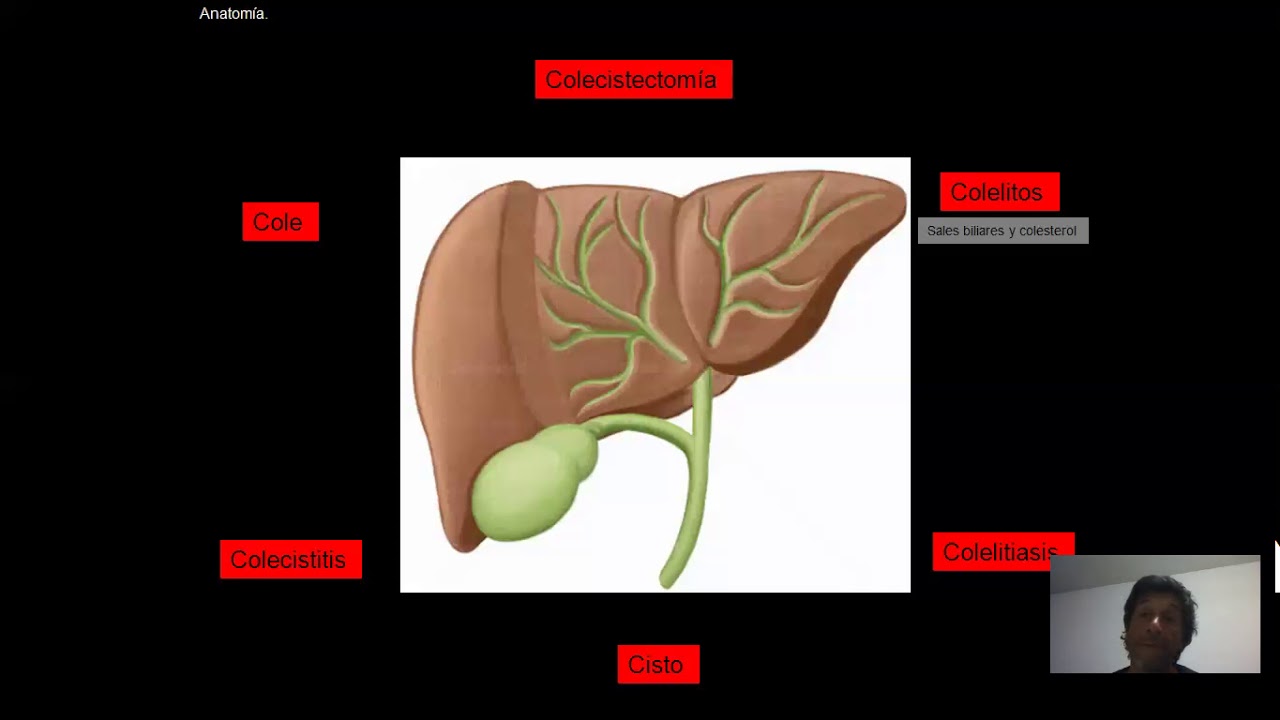
Added:Basic anatomy and physiology of the liver, biliary tree, and portal venous system.
Understanding of cellular biochemistry, specifically the role and cellular location of key enzymes (AST, ALT, ALP, GGT) and proteins (albumin).
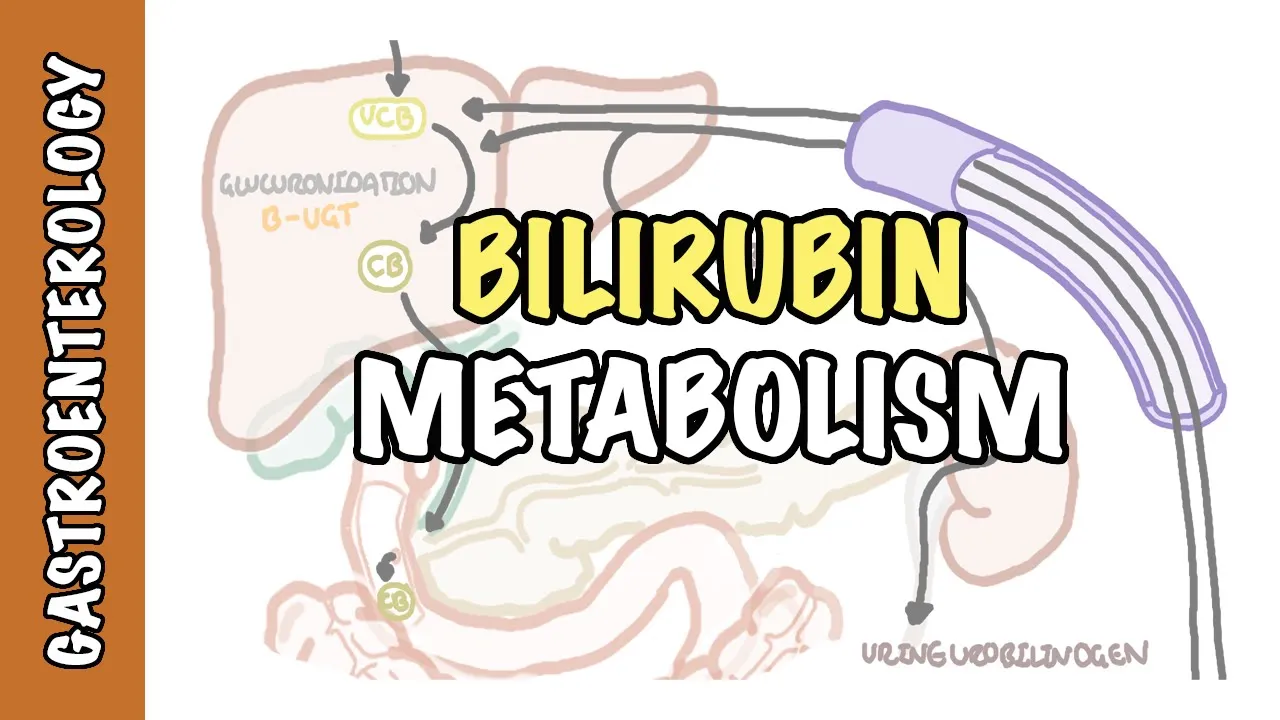
The metabolic pathway of bilirubin, including the clinical distinction between conjugated and unconjugated hyperbilirubinemia.
General mechanisms of cellular injury, such as hepatocellular necrosis versus cholestasis (bile flow obstruction).
Applying diagnostic workup algorithms for abnormal LFTs, including viral serologies, autoimmune markers, and iron studies.
Using advanced imaging modalities (such as RUQ ultrasound, CT, MRCP, and ERCP) to investigate cholestatic and infiltrative patterns.
Clinical management of specific liver pathologies like Drug-Induced Liver Injury (DILI), Non-Alcoholic Fatty Liver Disease (NAFLD), and Autoimmune Hepatitis.
Calculating and interpreting prognostic liver scores such as the Child-Pugh classification and the Model for End-Stage Liver Disease (MELD) score.
133 views6likes24:20Original Release: 2024-08-02
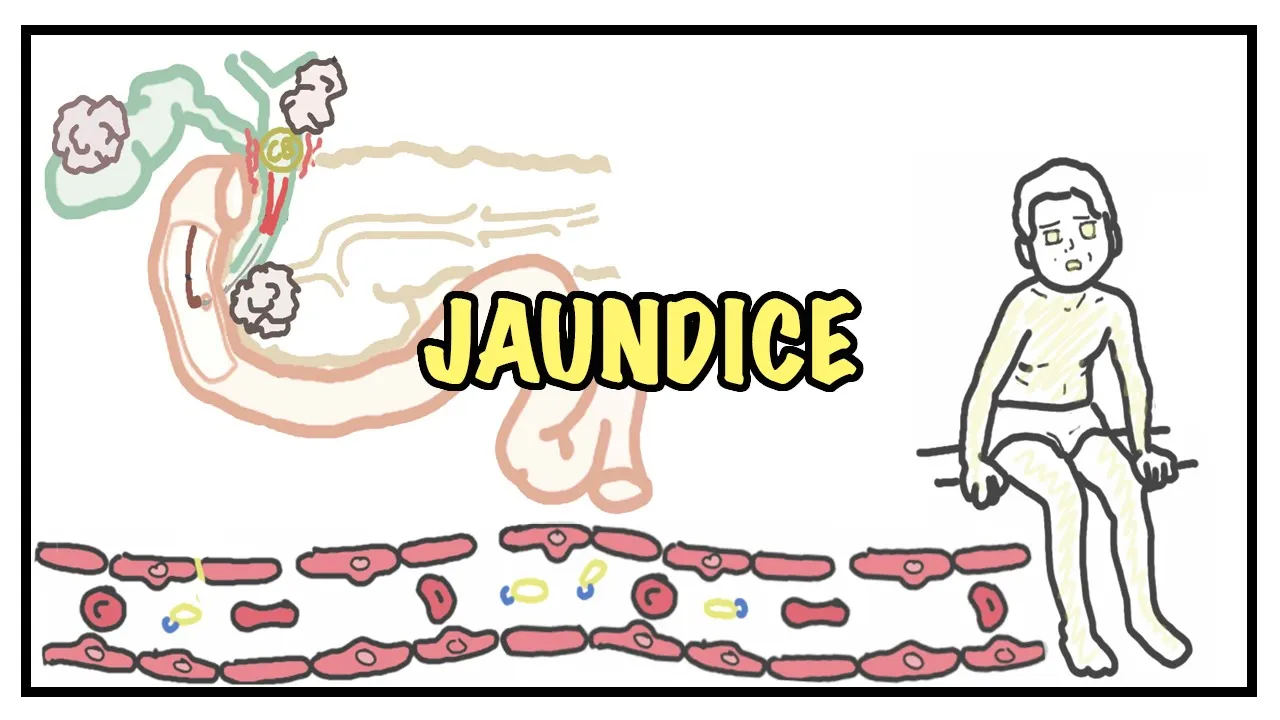
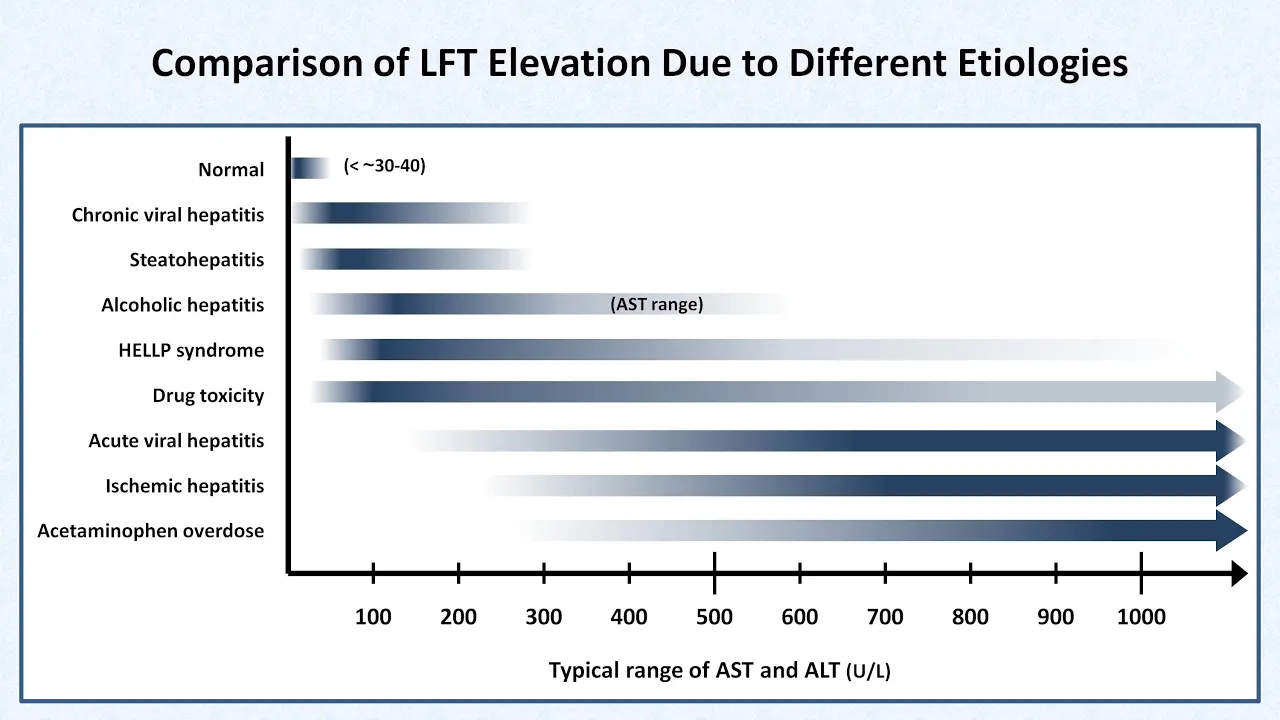
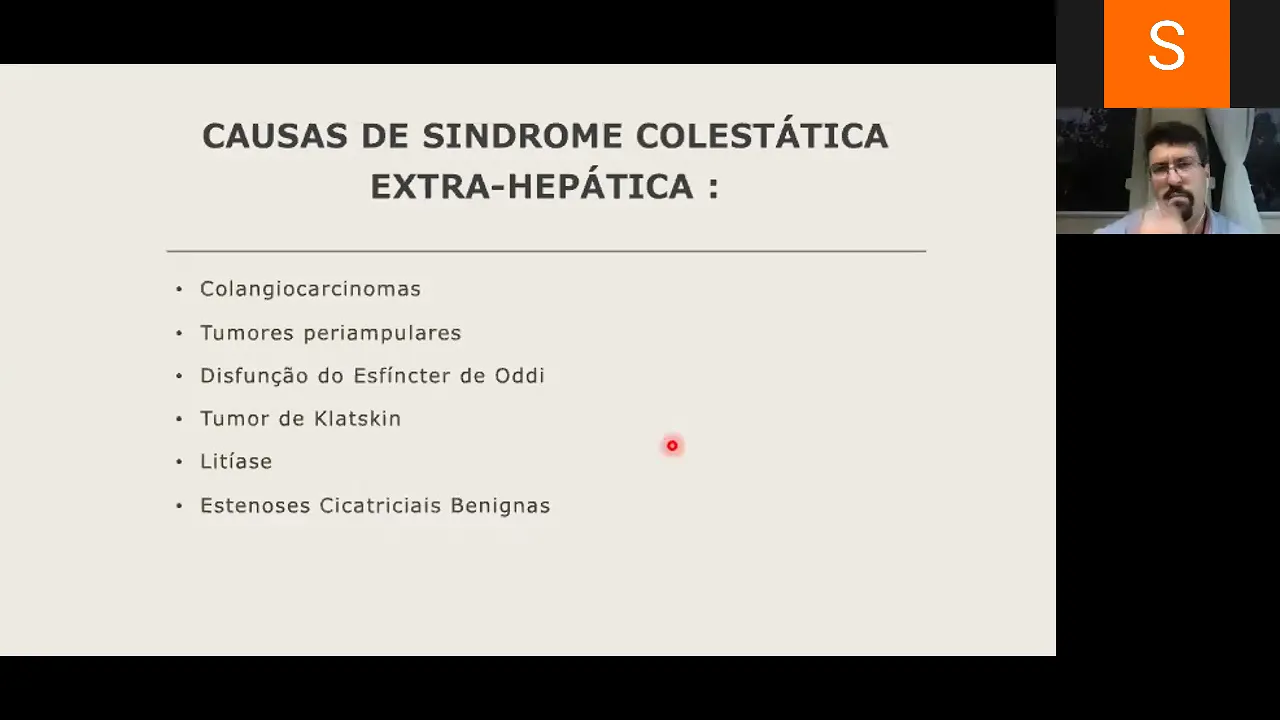
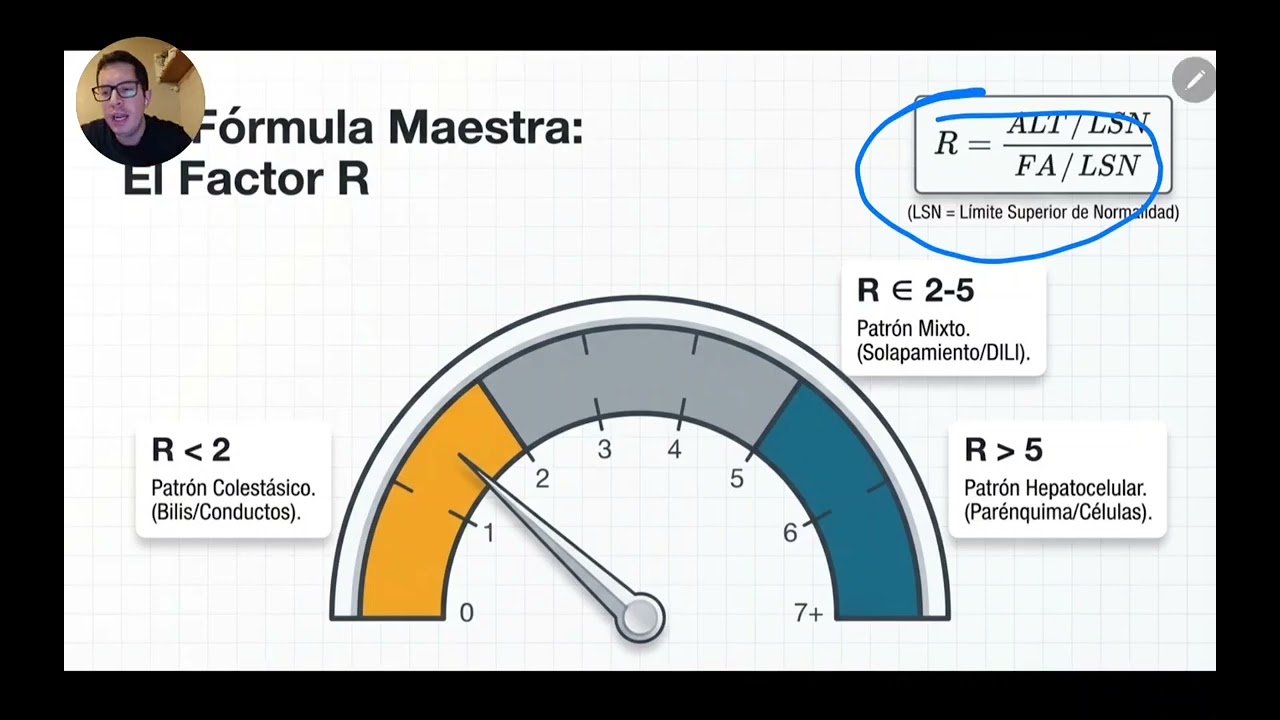
s not all person with one or more abnormalities in this test actually have liver disease so uh everybody reporting with deranged lfts does not mean that the patient has liver disease so uh the liver function test commonly includes bobin alt as gamma GT alkaline FP we all know but albumin and PT INR is also part of liver fun function test panel although we have to mark it separately so when faced with an abnormality in a clinic or in a w in an asymptomatic patient it is imperative to establish that there is an abnormality in the first place because sometimes there are physiological conditions in which that lfs becomes abnormal like uh in a dollis the alkaline phosphotase is raised in pregnancy the alkaline phosphotase is raised so those are physiological causes the test should be repeated when confirmed and appropriate steps be taken so the clinical situation where lfts are most helpful is differential diagnosis of jaundice DET detection of hepatic dysfunction in the non jaundice patient rough measure of the degree of hepatic dysfunction in a patient with known liver disease assessment of the progression of nonn hepatic illness under serial observation like we do it in liver disease patient which regularly follow us up in the clinic we do serial uh intermittent lfts to see whether the liver function test is worsening or not so detail history and full examination is the key and there's no shortcut in that drug intake Hakimi meds herbal medications we need to rule out because this is very common in this part of the world and uh we have to rule out whether the patient is taking a hem or herbal medication these medications are available over the counter risk factor viral hepatitis alcohol consumption so the good history will give you key diabetes obesity and Hyper lipidemia to rule out neph because U after hepatitis BC and alcohol this is the leading cause neph is the leading cause of der GES and U liver failure family history fobil disease hemocromatosis and autoimmune disease occupational exposures to toxin whether that person Works in a factory or in a company or with chemicals that can affect liver so we'll go each component one by one so B Rubin we all know is formed from the lesses of the red cells within the reticular endothelial system and we have two types of V Rubin unconjugated unconjugated unconjugated is transported to the liver Loop Loosely bound to alumin it is water insoluble and therefore cannot be exted in urine whereas conjugated Blue Ribbon is water soluble and appears in urine so this is the um um diagram which shows the physiology of uh and circulation of the Babin and uh you have already studied this and you know that the conjugated milin is sorry uh the unconjugated B Rubin uh cannot be excreted in the urine whereas after conjugation the B Rubin is exed in urine and part of the bbin is also exed into the fetus P sorry so what is the causes of isolated hyperemia and then we talk about it there we divide into two unconjugated and conjugated most of the causes are uh because of rais unconjugated bin in which there is ineffective hemolysis erop pois so if there is bobin incase you have to think of hematological disorders as well blood transfusion if the person has received more than four blood transfusion in a single day then it can cause increase B Rubin then decrease hepatic intake which is uh Gilbert Syndrome there medic various medication refin then there is cular Nar syndrome and there physiological jaundice of newborn in which again unconjugated Vin is increase then there are two causes of conjugated B Rubin which is increased which is dubben Johnson syndrome and rotor syndrome so it is worth worth mentioning here that b Rubin levels of more than 5 mgram per decil in the presence of normal hepatic function cannot be explained solely by chronic hemolysis alone so if the patient has more than five bluubin level we need to have some sort of liver dysfunction as well bluubin levels have prognostic significance in alcoholic hepatitis primary bosis and acute liver failure conjugated B Rubin is excreted in urine and B Rubin level rarely exceeds 30 mgram per decil in the absence of renal failure or Hy so if the uh conjugated bluubin or if the bluubin level is more than 30 m gr per decil so uh if it's the if the patient has normal renal failure the level should not rise more than 30 if the level rises more than 30 that means the now the renal is at fall the kidney is at F and it's not functioning properly what about Amo transfer these include EST and El and they are an excellent marker of hepat cellular injury whenever we talk about hepatitis means inflammation means we are talking about sgpt and S so EST is found in liver cardiac muscle skeleton muscle again it is not specific to liver and it is found in many organs in a body kidneys pancreas lungs red cells elt a cytosolic enzyme is found in its highest concentration in the liver and it's more specific in liver as compared to EST hepatocellular in Y and not necessarily cell death is a trigger for release of this enzyme the first step should be to assess the degree of abnormality so definitions of Mile moderate or marked elevation of liver enzyme when we talk about mile we are talking about less than three times upper limit normal of el less than two times upper limit normal of alkaline phosphatase and less than to three times upper limit normal of PR when we talk about moderate elevation we talk about from three times to 20 times elevation of alt or EST twice to five times elevated alkaline phosphates and thce to 10 times elevation in gamma G and Mark elevation means more than 20 times of alkaline phosphates more than five times of alal alkaline phosphates sorry more than 20 times of EST and more than 10 times of K what are the common causes of RIS Trans Am amasis common is alcohol then there is chronic hepatitis BC there is drug induced which is uh um lipid lowering drugs anti-epileptic anti- tuous drug anti-inflammatory duug then there's non-alcoholic fatty liver disease which is very common in this part of world because of diabetes obesity autoimmune diseases hemocromatosis Wilson's disease congestive cardiac failure sometimes celiac disease also get rise to mild elevation in aminotransferases and there's glycogen storage storage disease so when you encounter patient with elevated liver disease uh history and examination is important and then you have to first train out these patients with viral serology because this is the most common cause in this part of the world then according to symptoms and signs of liver disease you have to do further evaluation of these patient and if you think that the patient has genetic disease like um um hemocromatosis or Wilson's disease then you have to do workup by doing specific test and sometimes liver biopsy is also indicated and if you think that the patient is obese patient is um diabetic and you you have to think in terms of nephal disease and then you um also inquire about the uh drug intake history basically and then uh you have sometimes you have to observe if there's more mild elevation in lfs and then you need to repeat serial lfds so uh just give me a second so this is the general pattern of liver biochemical values according to type of liver disease if you talk about habat cellular necrosis theology if you talk about iology it's esia viral hepatitis alcohol and for Toxin and esia the common cause of toxin is acetominophen which is Panadol your paracetamol poisoning and in which the Amo transferases is way too high alkaline phosphatase is uh uh slightly raised B Rubin is slightly raised is prolonged and unresponsive to vitamin K in severe disease the PT and albumin is decreased in Subacute and chronic disease because we know that the half life of albumin is 21 days so alamin does not increase an acute injury while Hepatitis A and B is common sometimes there is atypical virus viral injury like these days we are seeing Corona and uh this is very common and we are seeing um derange lfts because of uh Corona and again in V hepatitis the aminotransferases are elevated but not to that extent as compared to esic hepatitis and then there's again mild derangement in alkaline phosphotase and uh bobin will be more increased as compared to esia then in alcohol there is M alt increase alkaline phosphotase will be increased more as compared to esia and V hepatitis and so is the Bel then we talk about bility obstruction we talk about complete and partial complete is pancreatic carcinoma partial is generally because of higher tumor primary primary sclerosing colitis in which as there is no hepatitus so alt will be mildly released increased but alkaline phosphates will be way too high and bluubin will also be high but more so in complete bilary obstruction the PT will be prolonged but it will be responsive to vitamin A because there is obstruction so fat soluble vitamin which includes vitamin K it gets a decreased absorption in terms the PT increases so if you give vitamin K the PT will be responsive and alumin will be usually normal until there is therosis when we talk about hepatic infil uh INF infiltrative disease we talk about primary or metastatic carcinoma tuberculosis sosis and amiloidosis and in which there is mildly increased El alcaline phosphatase will be increase B Rubin will be mly increased or they will be normal the PT and Alin usually will be normal unless if there istic malnutrition in in tuberculosis then the albumen will be lower alkaline phosphotase originates mainly two sources liver and Bone the enzyme may be present in a variety of other tissues intestine kidney placenta and lucos sites the elevation may be physiological or pathological physiological I already told you in pregnancy because it release from placenta in adolescent in teenage because they are growing so it comes from the B so common causes of raise physiological uh adolescence pregnancy sometimes it's familiar pathological B duct obstruction whenever you see raised alkaline phoso you need to rule out B obstruction primary bosis primary sclerosing Poors then there is drug induced metastatic liver disease bone disease so clearly the first step in determining the cause is to identify the source of rais alkaline phosphates a good discriminator is testing for five nucleotides or gamma GT which is rise in liver but not in bone disease so if you find alkaline phosphatases raised at once you need to see the gamma GT if the gamma GT is normal that means it is coming from the liver but if the gamma GT is also increased that means it is coming from uh sorry if the gamma GT is normal it is coming from the bone if the gamma GT is increased it is coming from the liver because uh in bone gamma GT is normal and uh you need to get an ultrasound abdomen done to rule out billary obstruction so this is an algorithm if you encounter raised Alp at once you have to see gamma GT increase if it's not increased you have to rule out other non- hypa causes if it's increased you have to get an ultrasound abdomen you have to see B duct obstruction if there's B duct obstruction you proceed with ercp if there's no bile duct obstruction you need to rule out primary bosis you need to get uh antimicro condal antibody and you need to consider liver biopsy if there is liver Mass you need to get further investigation CT scan and biopsy of the liver mass for GMA GT is enzyme in hepatocytes and B epithelial cells though is a sensitive test for hepatobilary disease if usefulness is limited by lack of specificity and sometimes it is also also raised in pancreatic disease myocardial infection renal failure and COPD so causes of gag GT is hepatobilary disease pancreatic disease alcoholism chronic obstructive py disease vure diabetes myocardial infection and Drug IND then we come uh to alumin alumin synthesis is an important function of the liver approximately 10 gam is synthesized and secreted daily so with Progressive liver disease serum almomen fall reflecting decreased synthesis so in patients with chronic liver disease we always do alen it is part of a child view scoring to find out the uh severity of disease and we all often found that albumin is way too low in these patients and we do give sometimes IV albumin and we do give oral supplements uh um for alen so PT the synthesis of copulation Factor except factor 8 is an important function of the liver the PT measures the rate of conversion of prothrombin to thrombin and thus reflects a vital synthetic function of the liver PT May therefore be prolonged in vitamin K deficiency warrin therapy liver disease and consumptive poope so this is the Hepatitis B we've talked about hepatite liver uh interpretation of liver function test and this in one slide I would like to talk about interpretation of lfs when we talk about interpretation of lfes we talk about Hepatitis B surface antigen uh Hepatitis B core antibody uh Hepatitis B core antibody IGM this is IGG and surface antibody so hepatitis if we talk about susceptible to Hepatitis B uh surface infection or if there's no infection all the hepatitis serology will be negative if the patient has Hepatitis B surface antibody positive and core total positive this means this patient had exposure of hepatitis B in the past and is now immune to Hepatitis B when we talk about vaccination only Hepatitis B surface antibody will be positive when we talk about past infection the Hepatitis B surface antibody and core total will be present so if the patient comes with hepatitis B surface antibody you have to check sorry you have to check core antibody and of course B surface antigen if the core antibody is negative that means the patient had vaccination if the patient is immune because of natural hepatitis B infection in the past and the patient will have Po antibod in the patient who has never exposed never vaccinated all the antibodies will be negative in acute hepatitis B the Hepatitis B surface antigen will be positive the Total Core will be positive sometimes it becomes negative also because it takes few weeks but IGM will be positive you know IGM is an acute marker so IGM and hepatitis B surface antigen will always be positive but core will be positive sometimes sometimes not in chronic hepatitis B infection the Hepatitis B surface antigen and core total will be positive so core is a chronic infection so in acute sometimes it if you have checked core in the acute very early phase it might become negative because it takes two to four weeks to develop so only the core is positive and other antibodies are negative which means that it resolve infection fals positive Hepatitis B Co toal s th Su susceptible low level of chronic infection dissolving acute infection that means that the patient does not have developed uh antibodies and you need to vaccinate these patient basically because they still can get uh Hepatitis B in future so when to refer for a specialist opinion every derangement thees does not means you need to refer to a gastroenterologist and sometimes the general physician the internist the family physician can manage these patient if there is unexplained liver abnormalities more than 1.5 times normal on two occasion a minimum of 6 months apart then you need to refer to a phys uh specialist unexplained liver disease with evidence of hepatic dysfunction like low alumin increased Babin level prolonged PT or INR this means that the patient has is going into chronic liver disease non liver disease with treatment beyond the withdrawal of the implicating agent is required if you know that this is drug induced and you have stopped that drug but still the liver function is not get getting better or it's worsening then this is the time that you need a specialist reference so what is the take home message liver test often become abnormal in non-hepatic disease so all liver function test does not mean that the patient has liver disease this is a very important point which I need to make if a systemic approach is adopted the cause is often apparent so you need to take a good physical history physical examination or good history because often the clue lies in the history taking a good clinical history and uh physical examination are often rewarding abnormal liver function test may present in an asymptomatic patient a specialist opinion should be sought when appropriate so this is quiz 40-year-old male previously healthy presented with low grade fever vomiting and nausea and anorexia for one week so it's a short history no PSC or no history of chronic liver disease so it's acute disease on examination there is junders but um um he's not pale the chest CVS and abdominal examination is unremarkable abdomin showed mild tenderness and right hypochondria the lab abnormality showed that the sgpt is way too high it is 2500 international units with increase in total Belin whereas the PT CBC is normal the gamma GT is also almost normal slightly increased alkaline phosphatase is normal and ultrasound abdom is also normal so if you see here the basically the uh primary component which is increase is sgb SL derangement in bin level so the patient is having um liver injury inflammation of the liver itis it means hepatitis and as I've said it's acute so the patient is having Short history is having acute hepatitis then you have to do viral serology hepatitis uh B hepatitis C hepatitis A Hepatitis E and if those are normal then you have to think whether it's drug induced whether it started any drug or you have to poke further into the history for any substance abuse or anything like that another uh qu 60 years old lady diabetes and diabetic and obese came with fever right hypochondrial pain for two weeks on examination tenderness and right hypoc condum the hemoglobin is 12 WBC slightly high 15 platet through 14 PT is also body line high bluubin is high sgpt is normal in this case Karma GT is high but in this case alkaline phosphates is high as compared to other components the ultrasound short all stones and CBD is prominent so in this case as I've already told you that alkaline phosphates when is high you need to think of B obstruction so you at once when the alkaline phosphatase is high you at once see the GMA GT where the GMA GT is normal or not in this case the GMA GT is not normal if the GMA GT is normal then you might think of bone causes or any other causes but in this gamma GT is also High and the pin is also high so there is some problem in the liver and you need to do L ability obstruction in this case likely cause of bilary obstruction is called bladder stones because on ultrasound the CBD is prominent there might be some small Stone which is not picked by ultrasound and then you have to move on to other test like MRCP which gives you clue regarding there is stone or not in the CBD and if there is uh Stone in the CBD you need to perform ercp in this case so this was the case of bilary obstruction thank you very much
Up Next

66:12
Chronic Diarrhoea & LFT Interpretation | ISG GAPIO Lectures
@gastrovideos
4.4K views•2023-08-14

48:47
Graphic Medicine: Comics for Collaborative Healthcare Communication
@nationalpatientadvocate
189 views•2023-12-04

10:28
Neuroanatomy: Central and Peripheral Nervous System Divisions Explained
@AKLECTURES
136.2K views•2014-09-20
3:05
Stages of Labor and Vaginal Birth | Childbirth Animation
@nucleusmedicalmedia
52.1M views•2017-08-18
Related Study Plans & Knowledge Roadmaps
Structured learning paths in Medicine
medicine
Abnormal LFTs: Diagnostic Workup & Pathology
01Liver Anatomy and Basic Physiology
02Introduction to Liver Function Tests (LFTs)
03Hepatocellular vs. Cholestatic Patterns
+ 3 more learning modules
12h6 modules
Explore Roadmap
medicine
Analyzing Blood Smears: RBC, WBC & Platelets
01Introduction to Blood Components & Smear Preparation
02Normal Morphology of Blood Cells
03Erythrocyte Pathologies & Morphological Variants
+ 2 more learning modules
12h5 modules
Explore Roadmap
medicine
Mechanical Ventilation: Waveforms & Alarms
01Anatomy and Physiology of Breathing
02Introduction to Mechanical Ventilation & Core Modes
03Ventilator Settings and Waveform Interpretation
+ 2 more learning modules
12h5 modules
Explore Roadmap
medicine
Neuro Exam: Localization & Stroke Syndromes
01Foundations of Neuroanatomy and Vascular Supply
02The Neurological Examination: Step-by-Step
03Principles of Neurological Localization
+ 3 more learning modules
18h6 modules
Explore Roadmap