


























Liver Function Tests (LFTs) evaluate liver damage, biliary system integrity, and synthetic function through key markers: AST and ALT (hepatocellular enzymes), ALP and GGT (biliary enzymes), albumin and INR (synthetic function), and bilirubin (conjugated/unconjugated). AST and ALT are transaminases where ALT is more liver-specific than AST; elevated levels indicate hepatocellular injury (hepatitis, cirrhosis, drug toxicity, fatty liver) or biliary disease. ALP and GGT help distinguish cholestatic disease (bile flow obstruction) from hepatocellular disease, with GGT also indicating alcohol abuse. Albumin reflects hepatic synthetic capacity, while INR assesses clotting factor production. Bilirubin metabolism reveals hemolysis (unconjugated elevation) or biliary obstruction (conjugated elevation). Five diagnostic patterns emerge: hepatocellular (AST/ALT elevated), cholestatic (ALP/GGT elevated), isolated hyperbilirubinemia, isolated synthetic dysfunction, and cirrhotic (combined derangements of bilirubin, albumin, and INR).
Liver Function Tests (LFTs) Interpretation Guide for Medical Students
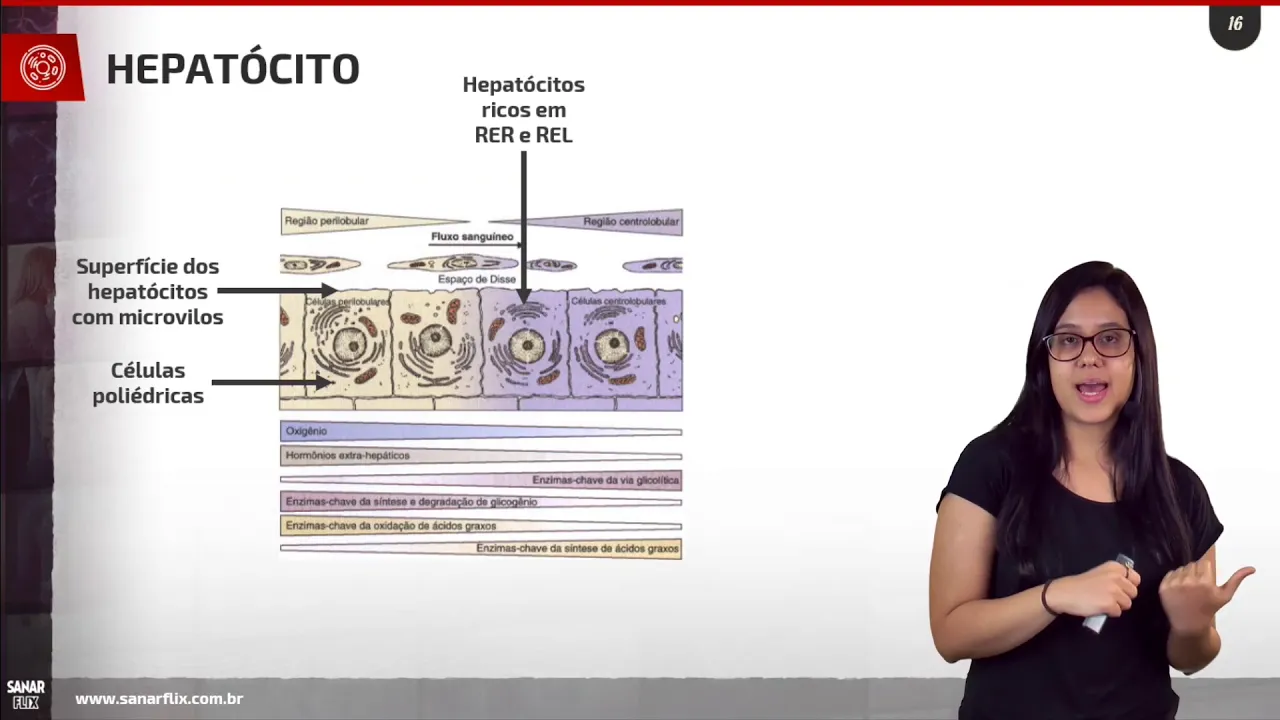
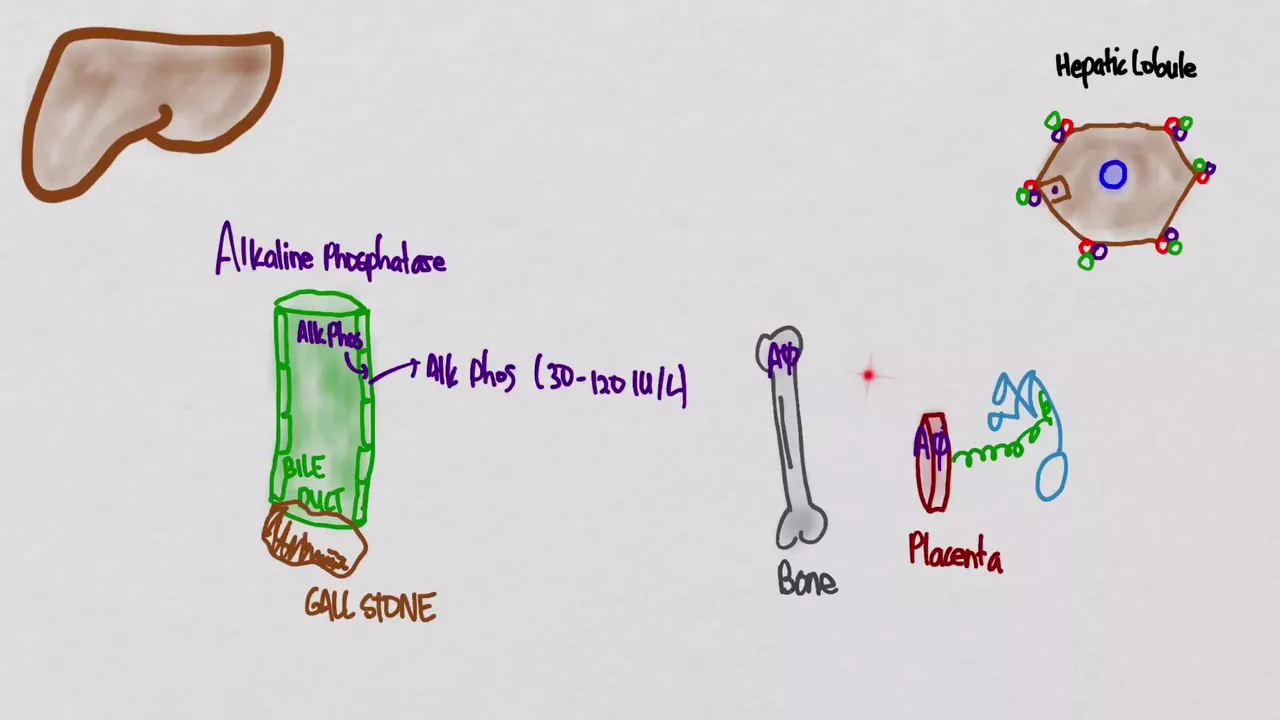
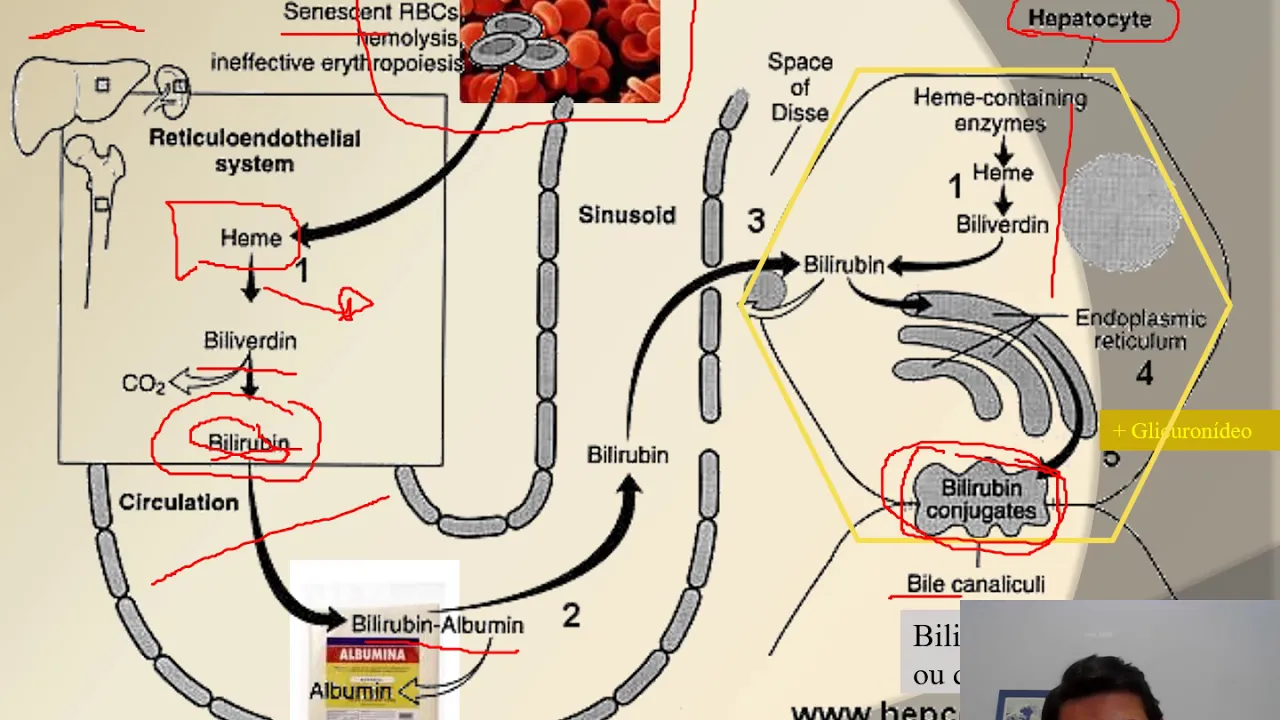
Added:this is Eric from Stanford and today I'm going to be discussing everything you will ever need to know about liver function tests what they are and an overview of how to interpret them the specific learning objectives are first to list the tests commonly included under the heading of liver function tests more commonly known as l.f.t.s second to explain the basic normal physiology of each of these molecules next to list the common ideologies for specific LFT abnormalities and the last to recognize common patterns of multiple LFT abnormalities which suggests specific diagnosis so what exactly are l.f.t.s they are a commonly ordered panel of blood tests which as you might guess evaluate liver function however they evaluate much more than that we also look at liver damage and that the integrity and function of the entire biliary system including the intrahepatic and extra hepatic bile ducts and gallbladder and elytis evaluate aspects of physiology outside of the hepatic biliary system altogether for example they provide some insights into coagulation hemolysis nutrition and bone turnover among many other conditions the specific tests included under the general heading of l.f.t.s are hepatic enzymes tests of synthetic function and bilirubin in common practice there are four hepatic enzymes of interest aspartate aminotransferase abbreviated ast alanine aminotransferase or alt alkaline phosphatase which is commonly informally abbreviated alpha and gamma glutamine transpeptidase abbreviated GG T ast and alt are collectively known as the amino transferases in addition to these four enzymes the literature also frequently discusses the diagnostic use of five nucleotide ace however I've never seen an ordered once so won't discuss it further here test of synthetic function that is how well deliver can synthesize new compounds particularly proteins include serum albumin and something called the International normalized ratio or INR and last bilirubin is subdivided into unconjugated bilirubin also known as indirect bilirubin and conjugated or direct bilirubin although the indirect and direct terminology is still used in some textbooks and labs it is based on the outdated lab assay technique and has nothing to do with physiology I'll therefore refer to these as unconjugated and conjugated bilirubin for the remainder of the video now when most people use the term l.f.t.s in the clinic or on the wards they're usually referring to a specific preset panel of blood tests all drawn off with the same tube the two tests not included in the standard lft panel at least not in the u.s. include the GG t and the INR it makes sense not to include the INR since it needs to be drawn into a different type of specimen tube however it seems illogical to me that the GGG is not included if labs are trying to save money by preventing redundancy it would seem to be more logical to include the GG T and not alphas and make alpha as a standalone test hopefully by the end of the video you understand why in addition there are several variations on how bilirubin is reported on an LF t panel uncommon ly although it would make the most sense is it reported separately as unconjugated and conjugated instead it is usually reported as conjugated and total bilirubin or sometimes just total bilirubin I'm going to now discuss these labs either one at a time or in pairs including both the normal physiology of each and ideologies of potential derangements first up are ast and alt ast and alt are two examples of transaminases which catalyze a reaction between a keto acid and an amino acid in which the ketone and amine groups are exchanged ast is found throughout the body particularly in the liver heart muscle kidney and red blood cells while alt is found predominantly in just the liver therefore increases in alt are more specific than ast for pathology of the liver and biliary system looking at the specific list of ideologies of increases in ast and alt can be seen in any form of a Patou cellular disease such as cirrhosis hepatitis drug toxicity fatty liver also known as da da hepatitis and venous congestion from CHF also known as congestive HEPA top a--they it can also be seen in any form of biliary disease such as Cola dhokala diocese cholecystitis cholangitis and colon geo carcinoma basically any disease that starts with the syllables kohli often diseases of the biliary system are collectively called cholestatic disease a term which serves as a parallel to hepatocellular in addition to hepatic biliary disease which is the umbrella term for both epidote cellular and cholestatic disease ast is also elevated in rhabdomyolysis which is muscle breakdown acute myocardial infarction and hemolysis the elevation in the last entry is typically only modest as previously stated the ideologies of an increase in alt are limited to a Patou cellular and biliary disease only occasionally you make your people informally referred to an increase in ast and alt in the absence of other overt signs of liver disease as a TransAm and itís a term i personally don't like since its suffix implies the presence of inflammation which may not actually be there let's take a look at how elevations in ast and alt compare to one another in different disease states alt is usually greater than ast in most chronic liver disease that is not caused by alcohol unless cirrhosis develops at which point ast becomes typically greater than alt I don't know of a specific study in which relative increases in ast versus alt are used to screen for when a patient with chronic hepatitis has developed cirrhosis but to me it seems to be potentially something to look for in the ast - alt ratio above - in a patient with probable liver disease is strongly suggestive of alcohol as an etiology the explanation as to why this happens is a little complex and beyond the scope of this video in ast - alt ratio above 5 is suggestive of an extra paddock source of ast such as rhabdomyolysis or an acute MI among patients with ll t increases due to liver disease we can use the degree of elevation in formulating a differential diagnosis since certain diseases result in a stereotypical range of L ft elevation the normal range of ast and alt differs a little bit between different labs and depending on gender but as a general rule the ast and alt should both be below 40 units per liter some sources advocate for a lower limit than this in chronic hepatitis B or C infection or with stay at O hepatitis the transaminases can be near normal or even normal and are usually not above about 200 to 300 units per liter in alcoholic hepatitis the ast typically ranges from about 100 to 500 with a LT about 1/2 of that in the help syndrome which is a life-threatening complication pregnancy the transaminases are usually above 70 and can range into the high hundreds increases from drug toxicity depending upon the exact situation can be anything from barely noticeable to an ast and alt in the thousands and then acute viral hepatitis ischemic hepatitis known colloquially as shock liver and acetaminophen overdose all can result in transaminases ranging from the mid hundreds to the many thousands let me move to discuss alphas and GGT although the latter is not included in the standard LFT panel al class and GD t act like a pair in analogous way to ast and alt alkaline phosphatase is actually a collection of ISO enzymes present throughout the body the most clinically relevant forms of alcohol are found in the liver bone white blood cells small bowel and placenta but it's exact physiologic purposes in these sites are not known normal alphas levels vary greatly depending on age and gender and even depend upon blood type and unfortunately although alphas exists as different ISO enzymes with different forms coming from different organs there is no reliable means of testing for individual iso enzymatic forms because of this problem we need the gdt gamma glutamine transpeptidase catalyzes the transfer of a gamma gluten meal group from the glutathione to an amino acid peptide or water as part of the rarely discussed gamma gluten meal cycle GGT is also increased in a broad range of apparel biliary diseases with similar sensitivity and specificity as alphas however GGG is not present in bone in significant amounts so let's compare the ideologies of increased alkaline phosphatase and GGT the most important general etiology of a high alpha is any form of biliary pathology next any form of hepatocellular disease though elevations from a Patou cellular disease on the whole are less dramatic than those from biliary disease then any cause of high bone turnover or bone loss such as bill metastasis Patridge disease of bone hyperthyroidism or hyperparathyroidism and the last major most of a high alpha is normal pregnancy where elevations tend to be more modest than in the above three categories let's compare that to causes of an elevated GGT so we have any form of biliary disease or had a settler disease but instead of bone problems there is alcohol abuse also although I have never seen a situation in which this becomes relevant diabetes phenytoin use and renal failure are all also reported to be associated with mildly elevated gggg levels here's a chart incorporating all the diagnostically relevant info about alcohol and GGG in situations in which the alcohol is mildly or moderately elevated and the GGT is elevated consider either hepatic or biliary disease if the alcohol is severely elevated and the GGT is elevated consider biliary disease only if only the alcohol is elevated the problem is likely in the bones finally if only GGT is elevated consider the possibility of alcohol abuse well there really isn't a such thing as a pathologically low ast alt or GG t there are a small handful of random conditions that are associated with a low alkaline phosphatase level for example hypothyroidism pernicious anemia and zinc deficiency and one really interesting Association is an extremely low alpha level seen in Wilson's disease which appears to be best described in patients presenting with a combination of fulminant hepatic failure and hemolytic anemia I've personally encountered such a case once in residency which the patient a 20 year old woman had an undetectable alcohol level had I not discounted it as some quirky lab artifact it would have suggested the diagnosis much more quickly than the standard workup did which took about two days I'll now move on to tests of synthetic function albumin is a globular protein produced solely by the liver and comprises about half of the total protein in the blood albumin is negatively charged at physiologic pH and therefore it binds the cations such as calcium sodium and potassium along with some hormones conjugated bilirubin and some medications the primary function of albumin to maintain capillary oncotic pressure here is the startling equation which mathematically describes the balance between fluid moving between the capillary or intravascular space with the interstitial space don't worry I'm not going to discuss the details of this equation but I just wanted to point out that albumin effects this value here the capillary oncotic pressure the greater the difference between the capillary and interstitial oncotic pressure x' the more fluid will stay in the intravascular space and not leak out of the capillaries there are three major categories of the ideologies of a low albumin there can be decreased synthesis as in chronic liver disease and malnutrition increased loss as in the nephrotic syndrome and the relatively uncommon condition of protein losing enteropathy and internal redistribution as in increased capillary permeability which might occur in the setting of severe sepsis the consequence of a low albumin is related to fluid leaking into the interstitial space so in the legs we would see pitting edema in which firm pressure applied to the subcutaneous tissue leaves an impression and in the abdomen it can contribute to the development of ascites which is fluid accumulation in the peritoneal cavity the next synthetic function is the INR the INR is actually based on something called the prothrombin time abbreviated PT which is a measure of the extrinsic pathway of clotting which is dependent upon clotting factor is produced by the liver if you're not familiar with the clotting cascade don't worry just remember that the higher the PT and the higher the INR the less your blood is able to clot in response to trauma the PT is a functional test that varies significantly between different labs therefore a calculation called the International normalized ratio or INR was created which normalizes the PT so that values between different labs can be compared ideologies of an elevated INR are primarily related to a decreased synthesis of clotting factors this can be due to chronic liver disease as the liver is responsible for producing these it can also be due to vitamin K deficiency since their synthesis is vitamin K dependent causes of vitamin K deficiency include general malnutrition fat malabsorption and prolonged use of broad-spectrum antibiotics as these can kill normal gut flora responsible for producing vitamin K in addition anticoagulants specifically coumadin and our gas turbine can affect the INR and finally in addition to decrease in assists of clotting factors and increase consumption of clotting factors as seen in di C can also lead to an high INR as expected the primary consequence of a high INR is a generalized increased risk of bleeding which can occur in the GI or GU tracts or in the soft tissue including retroperitoneal space here's a picture of a patient with a massive flank ecchymosis from a spontaneous retroperitoneal hemorrhage the final disgust is bilirubin bilirubin comes from hemoglobin as red blood cells break down either through physiologic degeneration at the end of the normal lifespan or as a consequence of pathological meiosis hemoglobin releases heme which is converted inside macrophages into a compound called billa verdun which is then converted to unconjugated bilirubin unconjugated bilirubin travels to the liver where combines with glucuronic acid to form conjugated bilirubin this step is important because unconjugated bilirubin is water insoluble which impairs its ability to be excreted in bile while conjugated bilirubin is water soluble in addition as mentioned briefly earlier a fraction of conjugated bilirubin binds to circulating albumin a form of bilirubin called delta bilirubin this is clinically relevant because it helps to explain what resolution of an elevated bilirubin level can lag behind resolution of other lab abnormalities following correction of some form of her panel biliary disease the delta bilirubin may persist for as long as the album innocence circulation which has a half-life of several weeks the ideologies of an elevated bilirubin depend greatly on which type of bilirubin is elevated if both unconjugated and conjugated bilirubin is elevated it is consistent with any diffuse para cellular or biliary process an isolated increase of unconjugated bilirubin suggests either hemolysis or one of two genetic diseases gill bearers and craig learner's are syndromes in which there are problems with the conjugation step in bilirubin metabolism I put syndrome in quotation marks here because although they are referred to us as syndromes in the medical literature the actual genetics and biochemistry of these disorders are well-established and their manifestations are so focused it doesn't make sense to me to refer to them as syndromes at all an isolated increase of conjugated bilirubin can be seen in early or mild biliary disease as well as in to other genetic conditions the Dubin johnson and rotor syndromes the latter of which can also be associated with a concurrent increase in unconjugated bilirubin to a lesser extent than conjugated the four genetic causes of hyperbilirubinemia can be difficult to remember and I don't necessarily recommend working to commit them to memory with a one exception of gay bears Gobert syndrome is especially common with as much as 5% of the population occasionally exhibiting subtle manifestations which in the vast majority of patients includes only mild asymptomatic hyperbilirubinemia during periods of fasting or physiologic stress what are the consequences of a high bilirubin it's really only dangerous during infancy during which it can lead to a spectrum of disease called bilirubin induced neurologic dysfunction this occurs in neonates who have bilirubin levels greater than twenty milligrams per deciliter the bilirubin is directly toxic to the neurons at the stage particularly in the basal ganglia and brainstem nuclei the manifestations range from sleepiness and subtle hypotonia to seizures and death among infants who survive the syndrome of permanent sequela is called connect Duras in older children and adults a high bilirubin isn't directly dangerous at all but can lead to a yellowish discoloration of the skin called jaundice and yellowish discoloration of the sclera called icterus both jaundice and icterus occur at a total bilirubin level above 2.5 to 3 milligrams per deciliter so that was a relatively thorough review of the individual components of the category of liver function tests in the last several minutes I'm going to discuss the higher level patterns which emerge and looking at the LTS as a whole I consider there to be five basic patterns of LFT abnormalities based on the relative derangement of the various components first is the hepatocellular pattern in this the ast and alt are mildly too severely elevated alpha and Gigi T as well as bilirubin aren't normal to moderately elevated albumin is normal to moderately decreased and the INR is normal to moderately increased next is the cholestatic pattern which the amino transferase is our normal to moderately increased alcohol GGT and bilirubin are mild lead to extremely elevated and the albumin and INR are usually normal unless the cholestatic process is chronic and severe in isolated hyperbilirubinemia as the name implies the only abnormality is the bilirubin and an isolated synthetic dysfunction the only abnormalities are albumin and INR finally in the cirrhotic pattern the amino transferases are often normal but can be mildly elevated alcohols and GG t are typically normal and bilirubin albumin and the INR are all quite deranged put in a slightly more succinct way the defining and most severe abnormality in a paleo seller disease is with the amino transferases and called a static disease it's with the alphas GGT and bilirubin these two are obvious and in cirrhosis it's that combination of bilirubin albumin and the INR if you're going to commit just one thing from this video to memory it should probably be this chart now some literature references also discuss a category for infiltrated diseases which the primary derangement is an elevation of alphas with a relatively normal bilirubin I have not personally found this category to be frequent enough to consider on a regular basis and the very last thing I'll discuss is a review of the ideologies of these various patterns and what the next steps typically are in the workup with the pad of cellular disease if the AST - alt ratio is greater than to consider alcoholic liver disease if it's greater than 5 consider rhabdo if the ast and alt are above 1,000 units per liter consider acute viral hepatitis drugs and toxins and ischemia otherwise consider chronic viral hepatitis stay at O hepatitis milder forms of drug toxicity and infiltrative diseases the next steps for a patient with a pad of cellular lfd pattern review medication in alcohol history check vial hepatitis serologies and consider workup for other causes as appropriate for example workup for less common causes of chronic liver disease such as hemochromatosis autoimmune hepatitis alpha 1-antitrypsin deficiency and wilson's disease for the cholestatic pattern if alcohols and GGG are both increased consider primary biliary diagnoses such as color dhokala diocese cholangitis and obstructing pancreatic mass primary biliary cirrhosis and cholangiocarcinoma among many other diagnoses if the al class is increased but GGG normal consider bone disease as a likely cause the next steps here of GGG is elevated get a right upper quadrant ultrasound or debatably an abdominal CT if the GGT is normal consider a bone scan and/or malignancy workup in isolated hyperbilirubinemia if the increased bilirubin is predominantly unconjugated consider hemolysis or guevara syndrome assuming the patient is not a neonate in which specialized testing for crime learn ajar may be warranted the next step should be hemolysis labs if the increased bilirubin is predominantly conjugated possibilities include early biliary disease or relatively obscure genetic defects and the next step should be a right upper quadrant ultrasound isolated synthetic dysfunction is usually due to malnutrition nephrotic syndrome or protein losing enteropathy for this review diet history and check a UA for proteinuria finally the cirrhotic LFT pattern is the end result of any chronic untreated or untreatable a pad of cellular or cholestatic disease for this the next step would be a medication and alcohol history review viral hepatitis serologies and an abdominal CT looking for both the cause of cirrhosis and to begin screening the patient for hepatocellular carcinoma addition to work up beyond that should be considered if the first round of tests are unrevealing so that concludes the very thorough review of liver function tests I hope I successfully covered everything about l.f.t.s you will ever need to know in the routine clinical care of patients if you found this video helpful please remember to click the thumbs up symbol and share it with your friends and colleagues and as always feel free to leave questions and comments below you
Up Next

Gut Microbiota in Chronic Liver Disease | Medical Lecture
@AcademicMedicalEducation
1.3K views•2021-04-16

Graphic Medicine: Comics for Collaborative Healthcare Communication
@nationalpatientadvocate
189 views•2023-12-04

Approach to Altered Mental Status: Delirium, AMS Evaluation
@StrongMed
51.2K views•2022-03-09
Stages of Labor and Vaginal Birth | Childbirth Animation
@nucleusmedicalmedia
52.1M views•2017-08-18
Related Study Plans & Knowledge Roadmaps
Structured learning paths in Medicine