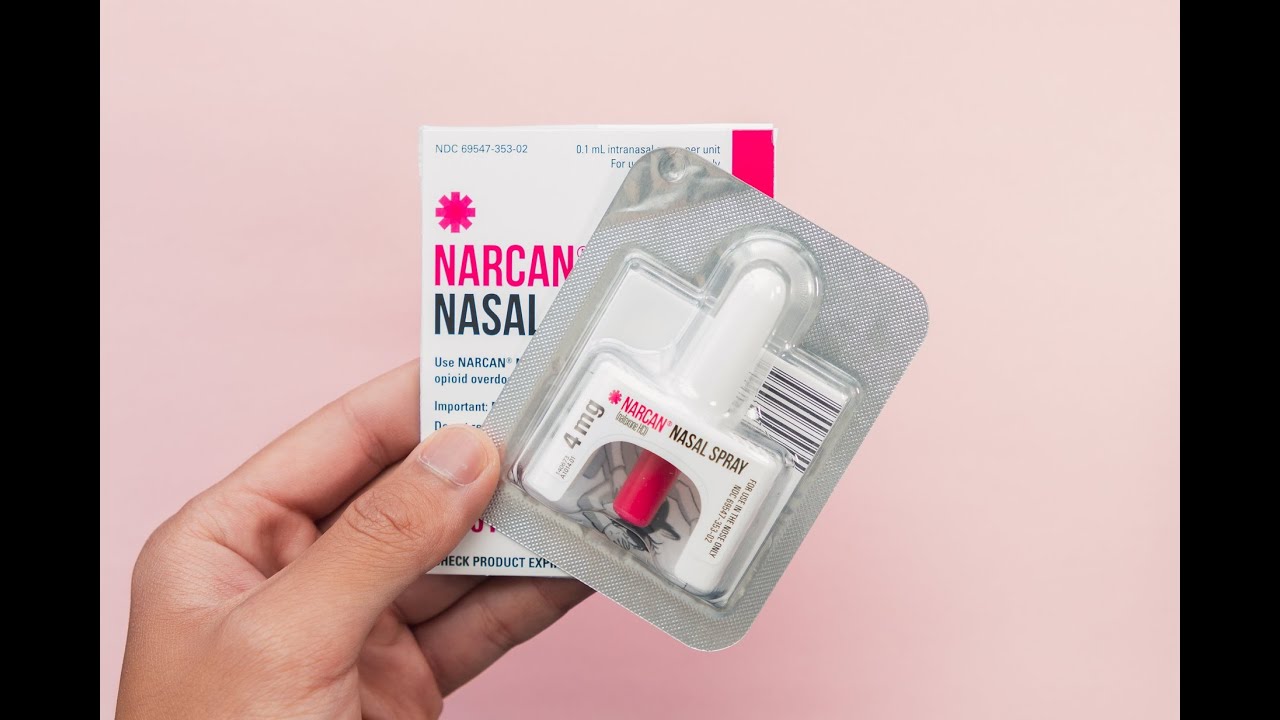
Naloxone (Narcan) is a medication that reverses opioid overdoses by displacing opioids from brain receptors, enabling breathing to resume; it is administered via nasal spray with half the dose going into each nostril, and if the person doesn't respond within 2-3 minutes, a second dose should be given while placing the victim in a recovery position on their side to prevent choking on vomit.
How to Reverse an Opioid Overdose with Naloxone (Narcan)
Added:Deep Dive
Understanding what opioids are (e.g., heroin, fentanyl, prescription painkillers) and their basic physiological effects on the central nervous system.
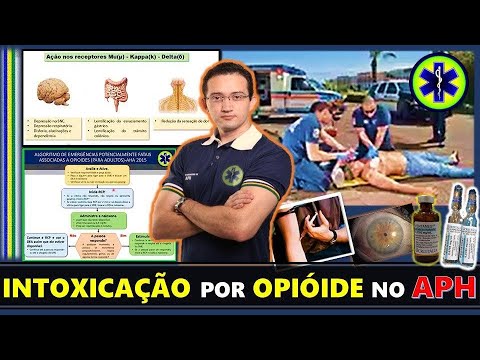
INTOXICAÇÃO POR OPIÓIDE NO APH.
9K
Opioids are substances that act on opioid receptors in the nervous system, causing depression of the central nervous system, respiratory depression, euphoria, hallucinations, and rapid dependence. Common opioids include morphine, methadone, oxycodone, hydrocodone, meperidine, propoxyphene, heroin, and codeine. These drugs can be administered through oral, intranasal, intradermal, intravenous, or inhalation routes. The 'speedball' refers to the combination of heroin and cocaine administered intravenously. Opioids cause intestinal effects including slowed colonic transit and reduced peristalsis, and reduce pain sensation which users perceive as pleasurable.
Click to watch →

OPRT CourseRecording 0722 V1
157
Opioids are powerful pain medications including prescription options (codeine, morphine, Percocet) and street substances (heroin, fentanyl). Heroin, derived from poppies, is rare and expensive, often laced with other substances. Fentanyl, synthetically manufactured, is cheap and readily available, frequently added to other drugs to increase potency. Counterfeit pills contain unpredictable substances—doses vary dramatically within the same batch. Lethal doses differ: heroin around 30mg, fentanyl about 3mg, carfentanyl just one grain. Tolerance varies greatly and can decrease during abstinence periods, creating dangerous situations. Three presentations of poisoning exist: typical, dissociative/ugly overdose, and atypical/soft overdose. Three to five minutes without oxygen cause irreversible brain damage.
Click to watch →
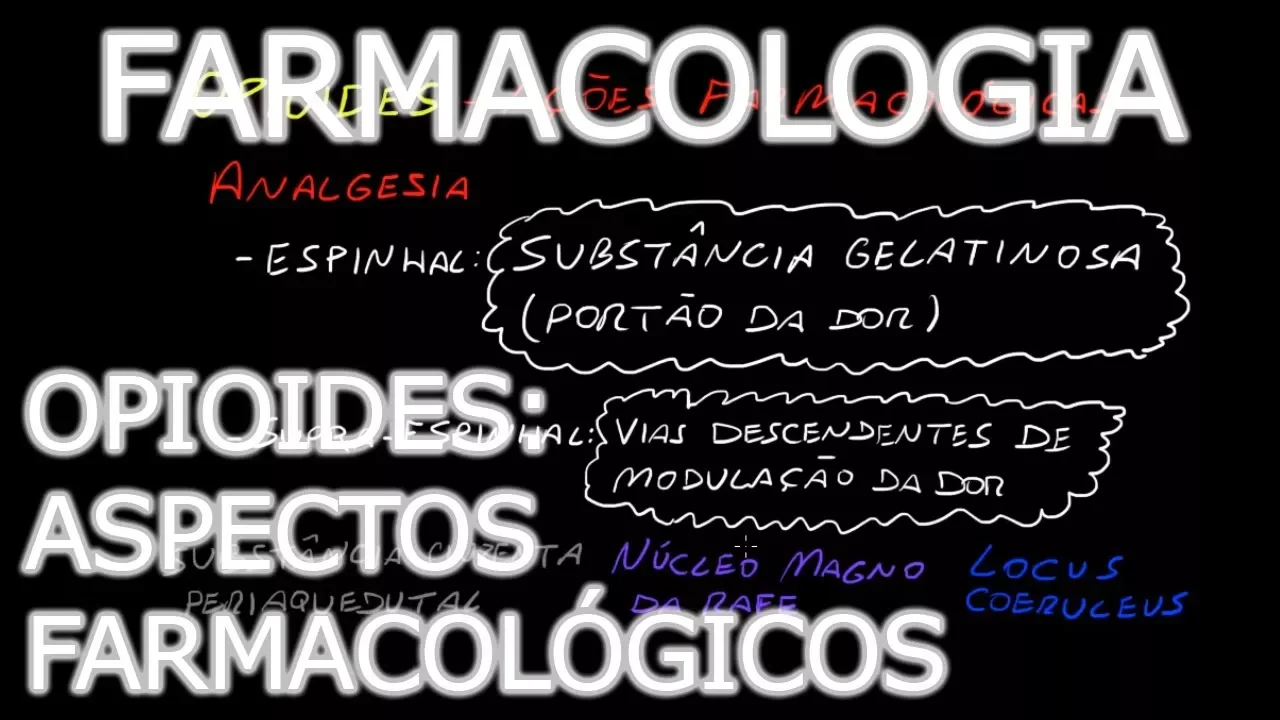
Aula: Psicofarmacologia - Opioides #1 - Aspectos Farmacológicos | Farmacologia Médica
228.5K
Opioids are central-acting analgesics that produce pain relief by acting directly on the central nervous system. The term derives from 'opium,' referring to the opium poppy plant used for thousands of years. Opium was valued for three effects: analgesia, sedation, and euforia (pleasure). In the 19th century, scientists isolated individual components, creating morphine, codeine, and heroin. In the 20th century, synthetic opioids like meperidine, methadone, tramadol, and fentanyl were developed. Understanding drug action requires knowing that most drugs act on receptors—molecular antennas on cell surfaces that generate specific effects when activated. The body also produces endogenous opioid peptides (endorphins, enkephalins, dynorphins, and NQNB) that activate the same receptors as exogenous opioids.
Click to watch →

Current Drug Trends (Grades 9-12 & Adults)
315
Opioids (Vicodin, OxyContin, oxycodone, tramadol, Demerol, Percocet) are prescription painkillers with extremely high addiction potential. In the mid-1990s, Purdue Pharma marketed OxyContin as less addictive, leading doctors to prescribe them for everything from tooth extraction to sprained ankles. Opioids and heroin are basically the same in their effects on the brain and body. Most heroin comes from Mexico and is produced from poppy plants. In 2015, fentanyl entered the country, causing an increase in overdose deaths. Fentanyl is 50-100 times stronger than heroin, and a very small amount can kill someone. Dealers add fentanyl to heroin packets for pennies, making it extremely dangerous. Signs of heroin use include nodding out, track marks, and very small pupils.
Click to watch →

Psychoactive Substances
3.9K
Opioids bind to opiate receptors in the brain. Natural opioids derive from the opium poppy (heroin, morphine); synthetic opioids include fentanyl; prescription pain medications include oxycodone/hydrocodone (Percocet, OxyContin). Physiological effects include profound pain relief, constricted pupils, drowsiness, lethargy, coma/death through respiratory/cardiac suppression. Behavioral consequences involve slurred speech and apathy. Psychological effects show initial euphoria followed by dysphoric mood, along with cognitive impairments in attention, memory, and judgment.
Click to watch →
Deep Dive
Recognizing the clinical signs of respiratory depression and how oxygen deprivation (hypoxia) affects the human brain and vital organs.
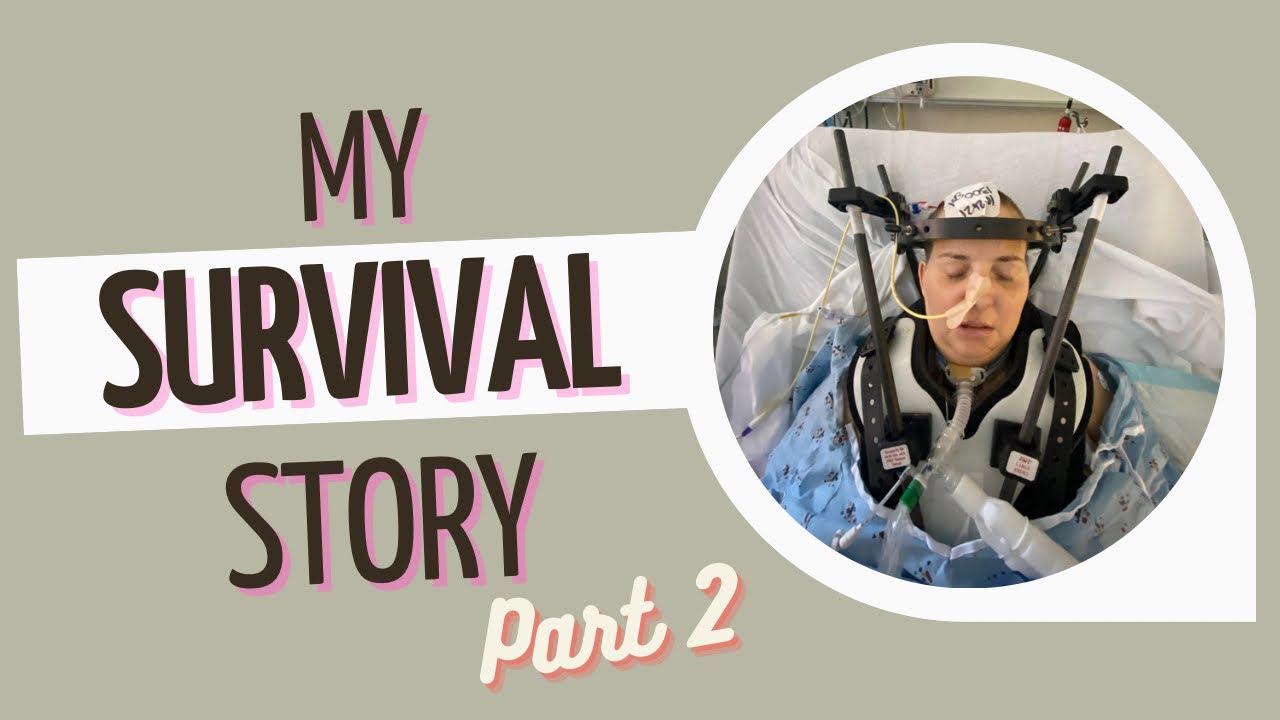
|| The Day I Wanted to Die || Internal Decapitation Story || Part 2
118.6K
Progressive deterioration in vital signs including dropping blood pressure (from 92 to mid-80s, then to low 70s and 60s) and decreasing oxygen saturation levels (from upper 70s to low 60s and upper 50s) indicate severe respiratory distress and potential hypoxia requiring emergency intervention.
Click to watch →

360 Degree Series| Most Imp. MCQ’s #38 | Staff Nurse |NHM UP |DMER|AIIMS Patna |GMCH | Siddharth Sir
32.3K
This comprehensive segment covers the clinical manifestations of hypoxia (oxygen deficiency in tissues). Early symptoms include restlessness and agitation as compensatory mechanisms. The body responds by increasing cardiac output and RBC production through erythropoietin release. Physical signs include body whitening (pallor) in anemia, disorientation in delirium and dementia, and clubbing of fingers with Lovibond's angle greater than 165 degrees. Understanding these signs is essential for early intervention and patient management.
Click to watch →
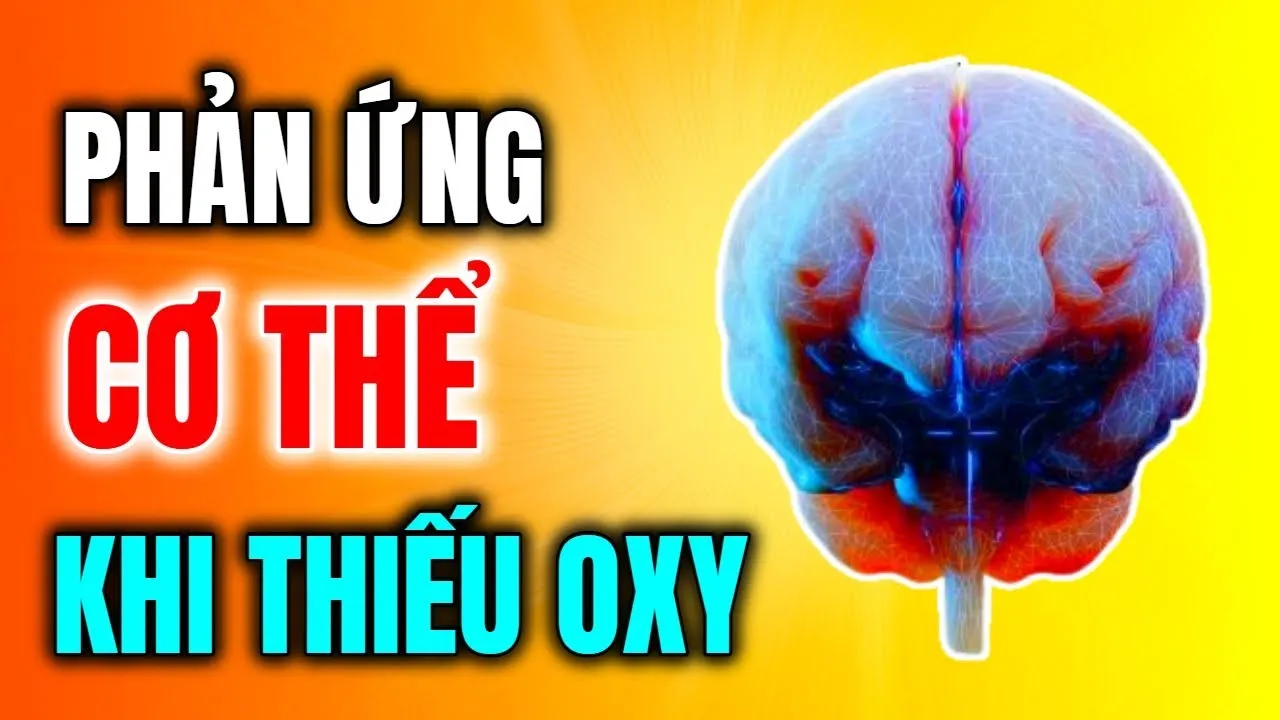
Khi Não Thiếu Oxy Cơ Thể Con Người Sẽ Như Thế Nào - Sức Khỏe Tràn Đầy
13.2K
The brain, despite comprising only 2% of body weight, consumes 20% of the body's energy and is the most oxygen-dependent organ; oxygen deprivation causes rapid and severe consequences: consciousness loss within 30-180 seconds, brain cell death after 1 minute, permanent neuron damage after 3 minutes, high mortality risk after 5 minutes, and near-impossible survival after 15 minutes, with symptoms including respiratory distress, confusion, rapid breathing, tachycardia, cyanosis, and impaired coordination, while treatment involves oxygen therapy through nasal cannulas, face masks, or oxygen chambers to restore oxygen levels and prevent further damage.
Click to watch →
Anécdota #181 - Qué bien descripta ESTA ANÉCDOTA
176.6K
When the body cannot breathe, oxygen deprivation (hypoxia) causes progressive loss of consciousness. The sequence typically begins with the inability to inhale, followed by a feeling of being blocked or suffocated. The person may feel impotent and unable to use their lungs. Consciousness is maintained only by the brain's survival mechanisms. The sensation of breathing may feel external rather than controlled by the person. Without oxygen, vision darkens, hearing diminishes, and the person eventually loses consciousness.
Click to watch →

What Taking Too Many Sleeping Pills Feels Like
44.7K
The medulla oblongata, a critical region in the brainstem, automatically controls breathing by monitoring carbon dioxide levels in the blood and signaling the lungs to exchange gases. When a person overdoses on central nervous system depressants, the medulla becomes sedated and loses its ability to respond to CO2 buildup. This causes breathing to become progressively slower and shallower, not simply like holding one's breath, but rather the body forgetting its fundamental respiratory function. This leads to hypoxia, a state where tissues become starved of oxygen. The experience is described as feeling like an elephant sitting on the chest or breathing through a tiny coffee stirrer, though the sedated individual may not fully register this sensation before consciousness is lost.
Click to watch →
Deep Dive
The basic concept of chemical receptor binding, specifically how opioid agonists interact with receptors in the brain.

Opioid Analgesics-1 (7) intro, SAR- Medicinal chemistry بالعربي
2.8K
Opioid receptor binding involves three primary types of molecular interactions: (1) Hydrogen bonds formed between the phenolic hydroxyl group and receptor sites, (2) Van der Waals forces between aromatic ring systems and receptor pockets, and (3) Ionic bonds between protonated nitrogen atoms and negatively charged receptor residues. The nitrogen atom becomes positively charged after crossing the blood-brain barrier, enabling ionic bonding with receptor components. These multiple interaction types collectively determine the strength and specificity of opioid-receptor binding. The precise arrangement of these functional groups determines whether a molecule will activate opioid receptors and produce therapeutic effects.
Click to watch →

¿Cómo actúan los agonistas opioides? Farmacología
21.6K
Opioid agonists like morphine, oxycodone, and fentanyl work by binding to mu, kappa, and delta receptors on neurons, which are coupled to G-proteins that open potassium channels, causing hyperpolarization and preventing calcium influx, thereby blocking neurotransmitter release and reducing pain signal transmission to the central nervous system.
Click to watch →
The Rewired Soul Can't Science: Suboxone, Addiction, and the Dangers of Misinformation
1K
Opiate agonists bind to receptors in the brain. Using a metaphor, imagine inviting guests to a party (the VTA) - initially reasonable guests come, then more friends join, eventually becoming too many to handle. The brain becomes overwhelmed with activity, things get lost (receptors become weakened), and when the guests leave, feelings of dysphoria set in, representing withdrawal symptoms.
Click to watch →

clase de repaso 1
316
Opioid receptors are distributed throughout the body: mu receptors are abundant in CNS (brain, spinal cord), peripheral nervous system, blood cells, joints, digestive tract, lungs, and kidneys. Delta receptors are primarily in CNS and associated with analgesia and reduced gastric motility. Kappa receptors are in CNS and associated with analgesia, diuresis, and stress responses. The mu receptor in the ventral tegmental area is linked to the reward circuit, explaining opioid addiction potential. Opioid agonists are classified by functional properties: full agonists (morphine) produce maximum receptor activation; partial agonists (buprenorphine) produce submaximal effects and can act as competitive antagonists at high doses; antagonists (naloxone) block receptor binding; inverse agonists stabilize inactive receptor conformations.
Click to watch →

Opiates vs opioids
191
Opioid compounds are classified by their receptor binding and activation effects: agonists fully activate receptors (morphine, codeine, heroin, oxycodone, methadone), partial agonists partially activate receptors (buprenorphine, tramadol), and antagonists bind without activating (naltrexone, naloxone). Structural modifications to side chains determine these pharmacological properties. Opioid receptors include mu, kappa, delta, and ORL1 types, with compounds showing different binding profiles across receptor types (e.g., buprenorphine is a partial agonist at mu, antagonist at kappa, and weak antagonist at delta).
Click to watch →
Deep Dive
Basic awareness of emergency response protocols, including how and when to contact emergency medical services (911).

Noyade, chaleur, soirées : accidents et urgences ados, ce que tout parent doit savoir avec @DOCFX
201
Effective emergency response requires knowing when to call help and how to communicate with emergency services. Call emergency services (SAMU 15) for any concern, even if the situation seems minor. Emergency dispatchers (ARM) will guide you through the process. The most critical action is placing the person on their side (recovery position). Regular first aid training provides confidence and competence, with recertification every 2-3 years. For cardiac arrest, immediate CPR is essential as emergency services cannot arrive in time.
Click to watch →

(UNOFFICIAL) The Mandela Catalogue Vol. 1 / Rewound Edition
5.5K
Emergency response protocols include: 911 dispatch operators may transfer calls to police departments when needed; available personnel should be sent to addresses provided by dispatch; for fire-related emergencies, contact the neighboring fire department with a provided address and brief description of the event; for medical emergencies, callers typically contact the local hospital where reception will take control of the line.
Click to watch →

Closing to Bob the Builder Snowed Under: The Bobblesberg Winter Games 2004 VHS
19.2K
In an emergency, the first thing to do is to dial 911 and ask for police, fire, or ambulance services. This is the standard emergency response protocol that everyone should know and follow.
Click to watch →

【一小時高效聽力磨耳朵】美國緊急情況英文全攻略|報警・醫療・求助一次學會|打造美國生活英文語言環境|沉浸式磨耳朵訓練|零基礎也能學|English Listening Practice附中文字幕
552
When calling emergency services (911), follow this protocol: (1) State the emergency type clearly, such as 'There's been a bad accident here.' (2) Provide precise location information including street address, apartment number, and landmarks. (3) Describe the person's condition, including consciousness level, breathing status, and visible injuries. (4) Report any immediate dangers like smoke or hazards. (5) Stay on the line and follow dispatcher instructions. This systematic approach ensures emergency services can respond quickly and effectively.
Click to watch →

Basic Rescue Honor
2.8K
This comprehensive section covers the foundational principles of emergency response and medical intervention. It begins with defining emergencies (life-threatening situations requiring immediate help) versus urgencies (situations needing help but not life-threatening). Key safety protocols include: never touching someone in electrical contact (use non-conductive materials like wood); staying low in smoke-filled rooms since air is heavier than fumes; using the stop, drop, and roll technique for clothing fires; and never jumping into water to rescue drowning victims (use floaty objects instead). The section covers six emergency types requiring 9-1-1: airway emergencies (choking—perform abdominal thrusts), severe bleeding (apply direct pressure), poisoning (do not induce vomiting), fires, heart attacks (chest pain with sweating), and electrical shock. The section emphasizes that 9-1-1 is the emergency number, and when calling, clearly state '9-1-1' to prevent confusion during high-stress situations.
Click to watch →
Prerequisite Knowledge
- Concept 01Understanding what opioids are (e.g., heroin, fentanyl, prescription painkillers) and their basic physiological effects on the central nervous system.
- Concept 02Recognizing the clinical signs of respiratory depression and how oxygen deprivation (hypoxia) affects the human brain and vital organs.
- Concept 03The basic concept of chemical receptor binding, specifically how opioid agonists interact with receptors in the brain.
- Concept 04Basic awareness of emergency response protocols, including how and when to contact emergency medical services (911).
Subsequent Learning
- Step 01The pharmacology of opioid antagonists, specifically the mechanism of competitive inhibition at mu-opioid receptors.
- Step 02How to perform rescue breathing and Cardiopulmonary Resuscitation (CPR) as part of comprehensive overdose response.
- Step 03Understanding 'precipitated withdrawal' and the critical importance of post-overdose medical monitoring due to naloxone's relatively short half-life.
- Step 04Public health policies and legal protections surrounding drug use, such as Good Samaritan Laws and community-level harm reduction strategies.
Overdose Response
Post-Revival Care
Overdose Response
0:01Playing Section
- 1
Heroin overdose causes breathing cessation and brain damage.
- 2
Naloxone nasal spray reverses opiates, reviving victims.
- 3
Calling 911 is critical since medication may wear off.
The Limits of Harm Reduction and the 'Moral Hazard' Debate
While naloxone is globally recognized as a crucial life-saving tool, critics and some public policy theorists raise concerns about over-relying on it as a standalone solution. One critical perspective is the 'moral hazard' argument, which suggests that widespread, easy access to naloxone might inadvertently reduce the perceived risks of drug use, potentially encouraging riskier consumption behaviors. Additionally, some addiction specialists argue that prioritizing naloxone distribution—a short-term emergency intervention—can divert attention and funding away from addressing the root causes of substance use disorder, such as mental health issues, poverty, and the lack of accessible, long-term treatment and rehabilitation infrastructure. From this viewpoint, emergency reversal is only a temporary fix that must be integrated into a broader framework of prevention and recovery.
Deep Dive
The pharmacology of opioid antagonists, specifically the mechanism of competitive inhibition at mu-opioid receptors.
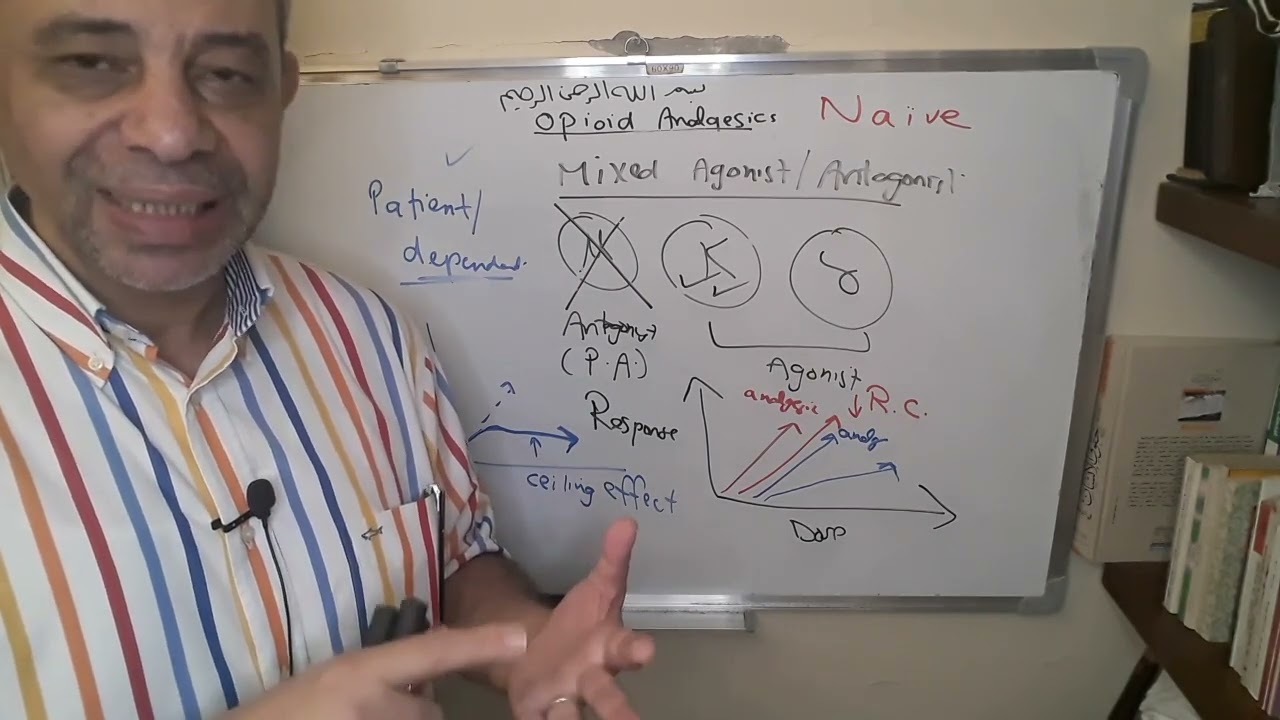
Module 310 - Lecture 21 - Part 3: Opiate antagonists.
2.1K
Opioid antagonists are classified as competitive or non-competitive drugs that block opioid receptors. Competitive antagonists bind reversibly to mu, kappa, and delta receptors, preventing agonist binding without activating receptors. The lecture covers naloxone (short-acting, IV use for overdose reversal) and naltrexone (long-acting, oral/IV use for dependence treatment). Research shows naltrexone reduces alcohol and tobacco cravings. The pharmacological theory explains that chronic opioid exposure causes receptor desensitization and endogenous opioid upregulation, which antagonists reverse by blocking receptors and restoring normal function.
Click to watch →

Narcotic antagonists-(Medicinal Chemistry-I, PCI)-Competitive antagonists at opioid receptors
2.8K
Competitive antagonists are drugs that bind to opioid receptors and block the action of opioid agonists; they compete with agonists for the same receptor binding site, thereby reversing or preventing the effects of opioids such as respiratory depression. Naloxone hydrochloride is an example of a competitive antagonist used clinically to reverse opioid overdose.
Click to watch →
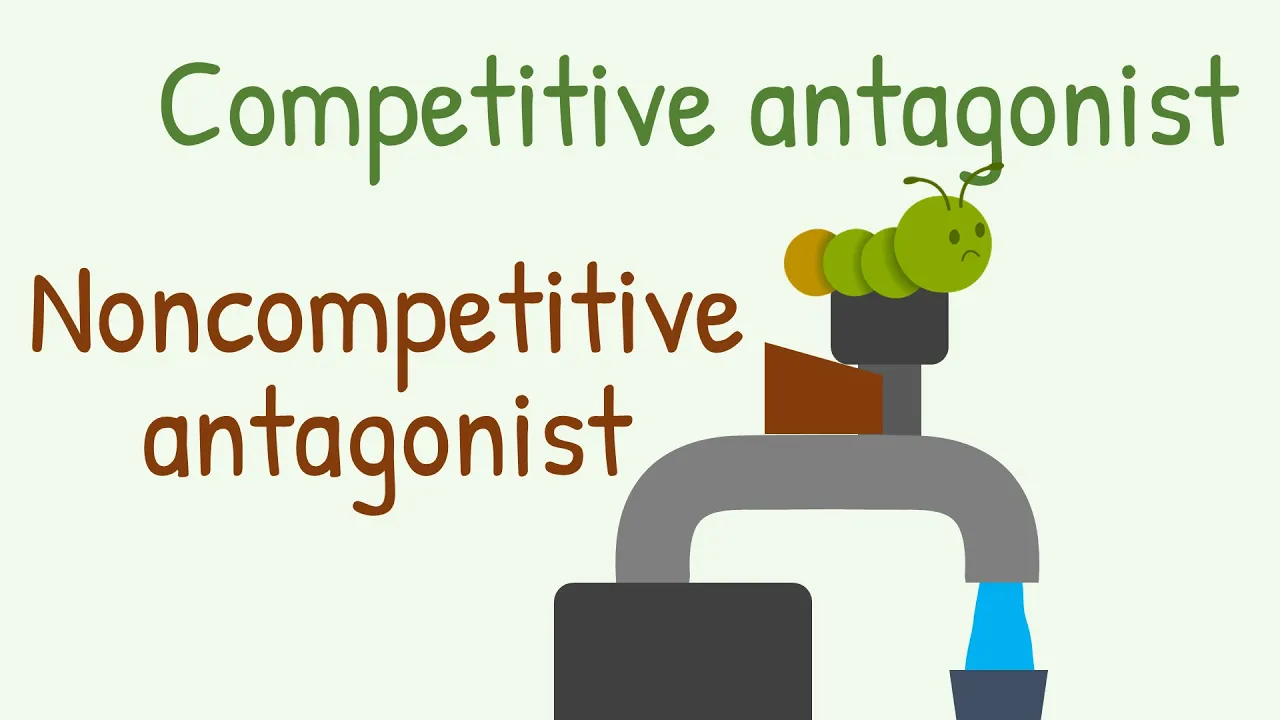
Competitive Antagonist vs Noncompetitive Antagonist
76.2K
For mu opioid receptors, morphine serves as an agonist that activates the receptor. Naloxone acts as a competitive antagonist that competes with morphine for the same binding site. When naloxone concentration is high, it occupies the receptor and prevents morphine's action. However, increasing morphine concentration can displace naloxone and activate the receptor.
Click to watch →
かゆみは死を招きます!この3か所がかゆいなら、あなたの寿命は短くなる可能性があります|かゆみ|危険な3つのかゆい部位|老後の健康|人生の知恵|オーディオブック
5.1K
The latest research reveals that chronic pruritus, especially from internal organ diseases, involves abnormal activation of mu-opioid receptors. These receptors, distributed in the brain, spinal cord, and skin nerves, normally reduce pain when activated. However, in chronic kidney disease and liver cirrhosis, elevated endogenous opioid peptides or toxins activate these receptors, causing pruritus instead of pain relief. This pruritus is resistant to antihistamines because it does not involve histamine. The mechanism involves suppression of GABAergic inhibitory neurons in the spinal cord, which normally block itch signals from reaching the brain. Naltrexone and nalfurafine, which block mu-opioid receptors, have become effective treatments for chronic pruritus associated with kidney and liver diseases.
Click to watch →

General Overview and Frequently Asked Questions on Compounded Low-Dose Naltrexone (LDN)
3.3K
Naltrexone is a pure opioid antagonist that blocks mu-opioid receptors through competitive inhibition, requiring 1-2 hours to act unlike naloxone's immediate reversal. Traditionally used at 50-100mg daily for opioid and alcohol dependence, it requires a 7-14 day washout period to prevent withdrawal exacerbation. At low doses (1-4.5mg), naltrexone reverses its mechanism by stimulating endorphin and dopamine production through receptor upregulation while simultaneously inhibiting inflammation via TLR4 receptor blockade and NF-kB signaling. This dual mechanism enables therapeutic applications in autoimmune and inflammatory conditions including MS, IBD, and rheumatoid arthritis, representing a paradigm shift from opioid antagonism to immunomodulation.
Click to watch →
Deep Dive
How to perform rescue breathing and Cardiopulmonary Resuscitation (CPR) as part of comprehensive overdose response.
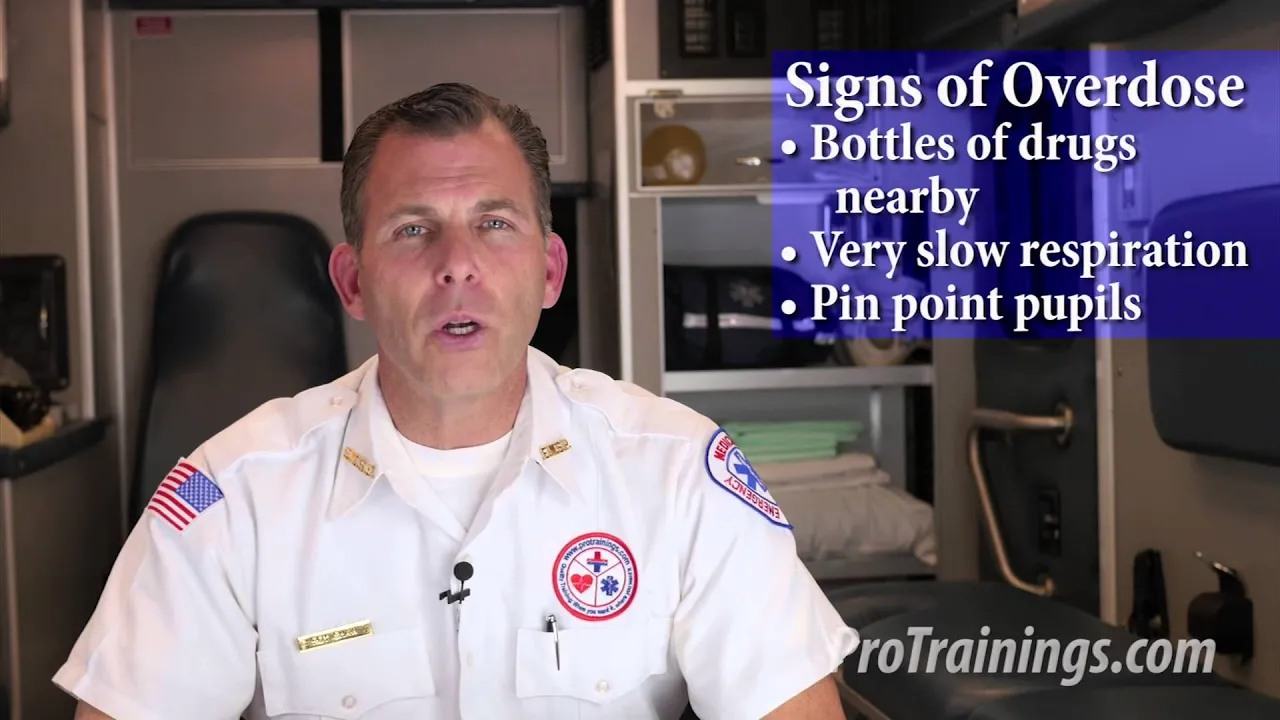
Opioid Overdose
55.1K
This comprehensive protocol covers the complete emergency response for suspected opioid overdose: (1) Initial assessment - check pulse and breathing, call for help and AED, provide ventilations if pulse present but no breathing; (2) Naloxone administration - 2mg dose via nasal atomizer (1cc per nostril), atomized into fine mist; (3) Monitoring - Naloxone takes 3-5 minutes for effect, duration shorter than opioids, requires 2-hour observation; (4) CPR protocol - lay-rescuers start CPR, providers check pulse for rescue breathing vs full CPR; (5) Response assessment - if no change in 3-5 minutes, administer additional Naloxone; (6) Alternative diagnosis - if second dose fails, opioids may be absent or unusually strong.
Click to watch →

Jag tänker fortfarande på dig...
1.7K
This segment provides a comprehensive demonstration of CPR (Cardiopulmonary Resuscitation) for an overdose victim. The emergency operator guides the caller through the complete procedure: opening the airway by tilting the head back, checking for breathing, performing rescue breathing (two deep breaths with lips sealed over the mouth), and executing chest compressions (15 compressions in the center of the chest between the nipples). The operator emphasizes maintaining a steady rhythm and continuing the cycle of 2 breaths and 15 compressions until emergency services arrive. This demonstrates the critical importance of immediate bystander intervention in overdose situations.
Click to watch →
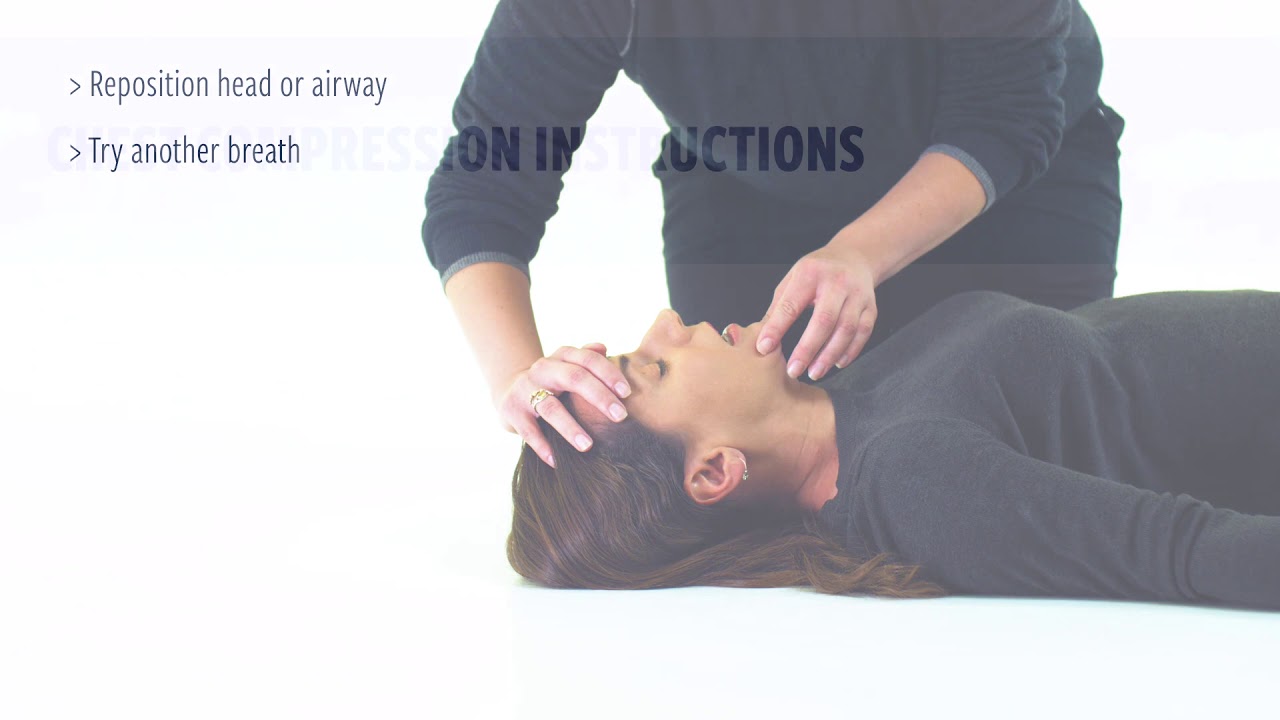
How to Administer Rescue Breathing & Chest Compressions
355.9K
In an opioid overdose situation, perform rescue breathing by opening the airway, pinching the nose, and giving one-second breaths until chest rises; then perform 30 chest compressions (pushing 2 inches deep at 100-120 per minute) after every two breaths, continuing until the person breathes normally, regains consciousness, or professional help arrives.
Click to watch →

How to administer rescue breathing during an overdose
14.9K
To administer rescue breathing during an overdose, first check if the person is breathing by placing them on their back, tilting their head back, lifting their chin, and listening for breath sounds while watching chest movement for five seconds; if not breathing, check for a pulse, call 9-1-1, clear the airway, pinch the nose, lift the chin, form a tight seal, and deliver two initial breaths followed by one breath every five seconds for two minutes, ensuring the chest rises but not the stomach.
Click to watch →
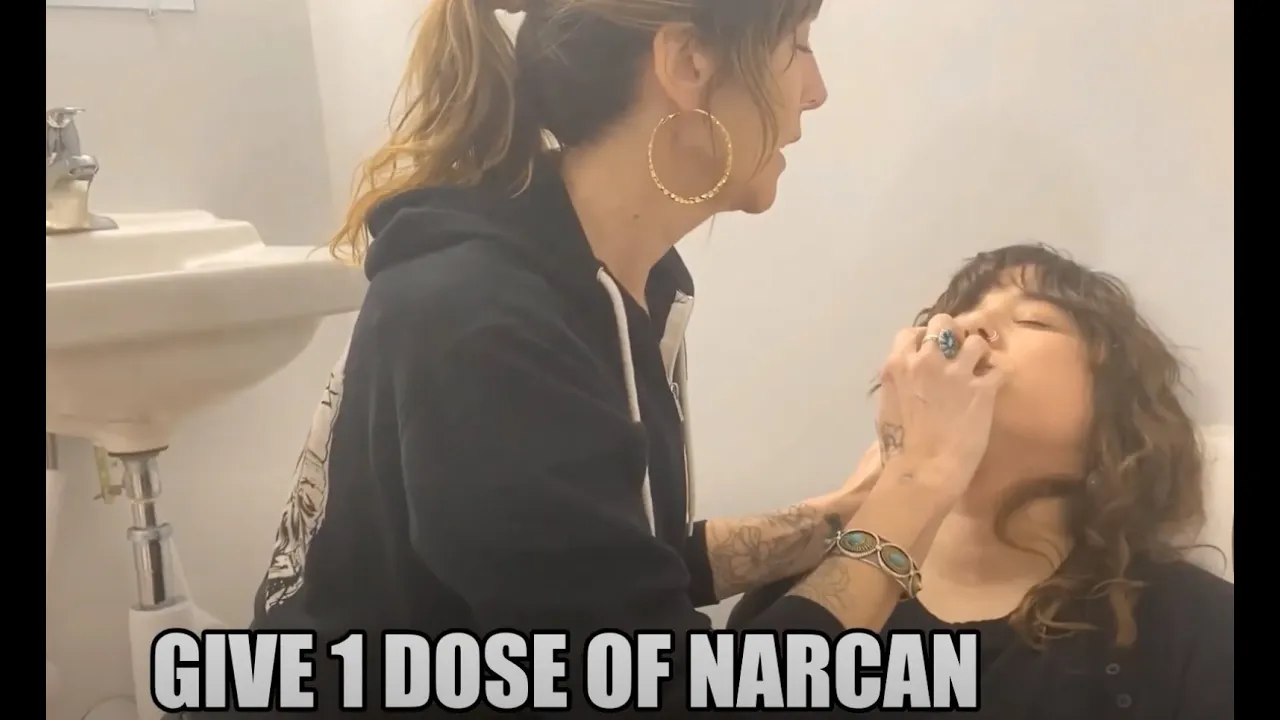
MAP Overdose Response Training
846
Effective overdose response follows a systematic protocol: 1) Verbally check the person and call 9-1-1 immediately, 2) Administer naloxone (4mg) into one nostril, 3) Begin rescue breathing with a barrier device, giving two initial breaths then one every five seconds, 4) If no response after 1-2 minutes, administer a second dose in the opposite nostril. For rigid victims, do not move them to prevent spinal injury. Place them in recovery position to keep airways clear and prevent aspiration. If sitting rigid, fold them forward by armpits. If against a wall, tilt head to side with skull on wall. The three key takeaways are: Naloxone, Call 9-1-1, and Air (rescue breathing).
Click to watch →
Deep Dive
Understanding 'precipitated withdrawal' and the critical importance of post-overdose medical monitoring due to naloxone's relatively short half-life.

Opioid overdoses: Risk factors, signs and saving lives (Jun. 2023)
152
Naloxone (Narcan) is a high-affinity mu receptor antagonist that reverses opioid overdose by binding more tightly to opioid receptors than the opioid itself, displacing it and restoring breathing. However, naloxone has a very short half-life (30 minutes to 1 hour) compared to most opioids (8+ hours, especially fentanyl), meaning it wears off before the opioid is eliminated. This necessitates continuous monitoring and emergency medical care. Despite this limitation, naloxone has an excellent safety profile with no dependence or tolerance development. It has no clinical effects in the absence of opioids—if administered to someone not experiencing an opioid overdose, it will not cause harm. The FDA has recommended naloxone for over-the-counter availability, reflecting its safety profile. Naloxone can precipitate opioid withdrawal symptoms, causing nausea and discomfort, which is why explaining what is happening to the person receiving it is important.
Click to watch →
Toxicology in the ICU with Dr. Suliman
4.4K
Naloxone reverses opioid overdose through opioid receptor antagonism. IV/IM/intranasal routes available with 20-90 minute duration. Dosing: start 0.04 mg IV, repeat every 2 minutes up to 15 mg total. Empiric dosing guided by clinical response. No evidence supports concerns about precipitating seizures/withdrawal in chronic users. Post-naloxone observation required 4-6 hours due to shorter naloxone half-life. Avoid bicarbonate as it precipitates overdose and prolongs drug effects.
Click to watch →
Intoxicación por Paraquat, opiáceos y cocaína
633
Naloxone is a competitive reversible opioid antagonist used for overdose reversal. Therapeutic indications include CNS and respiratory depression reversal in adults and neonates exposed to opioids in utero. Initial dosing follows titration: 0.4 mg IV for suspected dependence (max 15 mg) or 0.04 mg/kg for unknown dependence, titrated to 0.4 mg/kg with 2-3 minute reevaluation. If no response, infusion begins at two-thirds of the stabilizing dose, administered continuously until respiratory pattern stabilizes. Naloxone's short half-life requires ongoing monitoring, as patients may deteriorate as the drug wears off, particularly with long-acting opioids like methadone (4 times longer than naloxone). Care must be taken as naloxone can precipitate non-cardiogenic pulmonary edema.
Click to watch →
CNS Pharmacology (Ar) -01 - Opioid analgesics (Part 1)
973.9K
Opioid overdose causes respiratory depression due to excessive respiratory center inhibition. Signs include shallow respirations, cyanosis, and unconsciousness. Naloxone is the reversal agent, administered IV (4mg initial dose). However, naloxone has critical limitations: its effects last only ~1 hour while morphine's half-life is 4-5 hours, requiring repeated dosing. Most critically, naloxone is contraindicated in chronic opioid users as it precipitates severe withdrawal that may drive addicts to seek more drugs or commit suicide.
Click to watch →

Fentanyl & Naloxone
112
After naloxone administration, several critical considerations apply. Naloxone wears off in 30-90 minutes (longer with fentanyl or high opioid doses), and the opioids still in the person's body can cause them to overdose again as soon as naloxone wears off. The person should be monitored until emergency medical services arrives and informed that naloxone causes withdrawal symptoms and may cause re-overdose. If EMS is not coming, the person should visit a doctor as soon as possible because they may have vomited and could choke, may have fluid in their lungs (pneumonia), or may have sustained head injuries (concussion) during the overdose. Critical warning signs include: do not leave the person alone, do not put them in a bath (drowning risk), do not induce vomiting (choking risk), do not give them anything to drink, do not put ice down their pants (slows breathing), and do not inject anything other than naloxone.
Click to watch →
Deep Dive
Public health policies and legal protections surrounding drug use, such as Good Samaritan Laws and community-level harm reduction strategies.
Understanding Harm Reduction
155
The Good Samaritan law in Iowa is a harm reduction policy that encourages people to call 9-1-1 even in cases of drug overdose, even if they have substances or paraphernalia on their person. This law helps people feel more comfortable calling for help and protects people who are in a position to help someone experiencing an overdose, such as by using Narcan. While not perfect, it represents an important policy approach to harm reduction.
Click to watch →

Harm Reduction Laws in the United States - 2024 Updates
618
The United States continues to face a severe drug overdose crisis, with nearly 107,000 deaths annually, largely driven by opioids and stimulants. While incremental reforms have expanded naloxone access (now available in 39 states for lay distribution, 16 states allowing possession without prescription, and some formulations now OTC), drug paraphernalia laws and overdose Good Samaritan laws remain heavily restrictive. Paraphernalia laws, originally designed by the DEA in 1979 to broadly criminalize drug consumption equipment, create confusion and barriers to harm reduction despite public health evidence supporting decriminalization. Similarly, Good Samaritan laws in 48 states provide limited protection primarily from minor drug offenses, failing to address broader systemic barriers like probation violations, CPS involvement, or housing instability. True reform requires shifting from immunity exceptions to default protection models, as demonstrated by Maine's 2022 legislation granting immunity to everyone at overdose scenes. The fundamental principle is that every policy produces the results it is designed to produce—if the goal is saving lives, then immunity should be the default rather than the exception.
Click to watch →

Understanding Harm Reduction A New Paradigm for Treating Risky and Addictive Behavior
7.9K
Harm reduction has strong evidence-based public health applications including overdose prevention with naloxone, syringe and needle programs, safer consumption sites, and opiate substitution treatments like methadone and buprenorphine. These interventions save lives and help people stay safe. The Good Samaritan Law protects people who call for help during drug-related emergencies from arrest and prosecution. In some European countries and Canada, heroin maintenance treatment has been found effective for people unresponsive to other medications. These public health interventions form the foundation for therapeutic work, creating points of contact where people can engage with healthcare and helping professions.
Click to watch →

Opioid Use Disorders in Hispanic and Latinos Living in the United States
380
Effective policy interventions include Good Samaritan laws (protecting those who call 911 during overdoses) and Prescription Monitoring Programs (PMPs). However, Good Samaritan laws require education in communities of color because many fear police. Organizations should establish relationships with local public health professionals, train staff on naloxone administration, and develop policies ensuring ongoing training. Clients and family members should be educated about naloxone because users cannot administer it to themselves.
Click to watch →

Ask an Expert: What is Harm Reduction?
419
Harm reduction is a public health approach acknowledging humans engage in risky behaviors daily, whether legal (seatbelts, condoms) or illegal (drug use). It provides strategies to reduce harm without requiring abstinence. The philosophy recognizes drug use has existed for over 8,000 years and won't disappear, so criminalization fails. Many U.S. drug laws were rooted in racism rather than science: cocaine prohibition targeted African-Americans, opium criminalization targeted Chinese immigrants, and marijuana prohibition targeted Mexican workers. This historical context explains why substance use disproportionately impacts marginalized communities today. Syringe service programs originated in the Netherlands in the 1970s-1980s responding to hepatitis outbreaks, and in the U.S. in the early 1980s responding to HIV. Research shows these programs reduce HIV and hepatitis C risk by approximately 50% among people who inject drugs. CDC research confirms that syringe access users are five times more likely to enter treatment, demonstrating that respectful, non-judgmental engagement builds trust and facilitates recovery pathways. Language significantly impacts perception: person-first language ('a person who uses drugs' vs. 'addict') recognizes identity beyond substance use. The opposite of addiction is connection—not sobriety. Trauma-informed care asks 'what's happened to you?' rather than 'what's wrong with you?' Legal protections enable harm reduction: certified syringe exchange participants receive identification cards exempting them from paraphernalia charges. Good Samaritan laws protect anyone administering naloxone from criminal liability during overdose events, regardless of other substances involved.
Click to watch →
Overdose Response
Post-Revival Care
Overdose Response
0:01- 1
Heroin overdose causes breathing cessation and brain damage.
- 2
Naloxone nasal spray reverses opiates, reviving victims.
- 3
Calling 911 is critical since medication may wear off.
The Limits of Harm Reduction and the 'Moral Hazard' Debate
While naloxone is globally recognized as a crucial life-saving tool, critics and some public policy theorists raise concerns about over-relying on it as a standalone solution. One critical perspective is the 'moral hazard' argument, which suggests that widespread, easy access to naloxone might inadvertently reduce the perceived risks of drug use, potentially encouraging riskier consumption behaviors. Additionally, some addiction specialists argue that prioritizing naloxone distribution—a short-term emergency intervention—can divert attention and funding away from addressing the root causes of substance use disorder, such as mental health issues, poverty, and the lack of accessible, long-term treatment and rehabilitation infrastructure. From this viewpoint, emergency reversal is only a temporary fix that must be integrated into a broader framework of prevention and recovery.
Understanding what opioids are (e.g., heroin, fentanyl, prescription painkillers) and their basic physiological effects on the central nervous system.
Recognizing the clinical signs of respiratory depression and how oxygen deprivation (hypoxia) affects the human brain and vital organs.
The basic concept of chemical receptor binding, specifically how opioid agonists interact with receptors in the brain.
Basic awareness of emergency response protocols, including how and when to contact emergency medical services (911).
The pharmacology of opioid antagonists, specifically the mechanism of competitive inhibition at mu-opioid receptors.
How to perform rescue breathing and Cardiopulmonary Resuscitation (CPR) as part of comprehensive overdose response.
Understanding 'precipitated withdrawal' and the critical importance of post-overdose medical monitoring due to naloxone's relatively short half-life.
Public health policies and legal protections surrounding drug use, such as Good Samaritan Laws and community-level harm reduction strategies.
107K views774likes3:24@NationwideChildrensOriginal Release: 2015-04-30
[Music] death rate from drug overdoses have actually surpassed car accidents in this state somewhere 1500 to 1700 people are dying every year [Music] well usually you'll see something around maybe a a syringe or a spoon that shows that they've been using mostly they're going to look pasty and white and they're not going to be breathing they're going to look like they fainted and they're out and they're not responsive oh my God Jessica Jessica Robin it looks like she overdosed there's like an empty of heroin Jessica she's not breathing Robin call 911 unless you breathe the brain cells start dying pretty quickly so it's really important to get patients breathing again either by giving them some breaths some rescue breaths or getting the overdose kit going roben call 911 get the kit and the importance of calling 911 is that the medicine can wear off so you really need to get somebody help immediately yes yes my friend's not breathing she's not breathing well the overdose kid is specifically for opiates it uses a medication called nxone that pushes the opiates off The receptors in the body and uh allows them to start breathing again there's a needle there's a spoon there's there's there's a lighter I don't she's not moving she's not breathing it's a a syringe that holds the nxone medicine and then you put a little nasal adapter on it and basically half of the medicine goes up one nostril and half goes up the other nostril come on Jessica come on come on start breathing so every kit has two full doses of the noock Zone if somebody isn't really coming around in 2 or 3 minutes to give the second dose come on start breathing on you want to put them in a safe position um kind of rolling them over and getting them on their sides so if there's any vomit or things like that that they won't choke on that come on Jessica start breathing usually within a minute or so people will start to open their eyes and you'll see that they're making breathing movements on their own you awake she breathing is she breathing she's breathing when people use a kit people come back to life I see these overdose kits much like immunizations that uh we want to get as many out there in the community it's really a life saving opportunity I think people families are very happy to have that around when they're afraid that their child or young adult might overdose and we know that people are going to relapse but um people do get better as long as we keep fighting for them and uh many of our patients go on to live productive very happy lives um because of our intervention oh yeah she's got a she's got a really strong call you guys did a good job [Music]
Up Next

6:42
Aspirin Toxicity: ED Management in 5 Minutes
@EMin5
43.5K views•2013-10-11

48:47
Graphic Medicine: Comics for Collaborative Healthcare Communication
@nationalpatientadvocate
189 views•2023-12-04

10:28
Neuroanatomy: Central and Peripheral Nervous System Divisions Explained
@AKLECTURES
136.2K views•2014-09-20
3:05
Stages of Labor and Vaginal Birth | Childbirth Animation
@nucleusmedicalmedia
52.1M views•2017-08-18
Related Study Plans & Knowledge Roadmaps
Structured learning paths in Medicine
medicine
Abnormal LFTs: Diagnostic Workup & Pathology
01Liver Anatomy and Basic Physiology
02Introduction to Liver Function Tests (LFTs)
03Hepatocellular vs. Cholestatic Patterns
+ 3 more learning modules
12h6 modules
Explore Roadmap
medicine
Analyzing Blood Smears: RBC, WBC & Platelets
01Introduction to Blood Components & Smear Preparation
02Normal Morphology of Blood Cells
03Erythrocyte Pathologies & Morphological Variants
+ 2 more learning modules
12h5 modules
Explore Roadmap
medicine
Mechanical Ventilation: Waveforms & Alarms
01Anatomy and Physiology of Breathing
02Introduction to Mechanical Ventilation & Core Modes
03Ventilator Settings and Waveform Interpretation
+ 2 more learning modules
12h5 modules
Explore Roadmap
medicine
Neuro Exam: Localization & Stroke Syndromes
01Foundations of Neuroanatomy and Vascular Supply
02The Neurological Examination: Step-by-Step
03Principles of Neurological Localization
+ 3 more learning modules
18h6 modules
Explore Roadmap