




![55. Dr.Ahmed Abdelrahman [NSAIDs-salicylates ( kinetics + Dynamics + uses )]](https://i.ytimg.com/vi/8w79Ja4gPf0/maxresdefault.jpg)









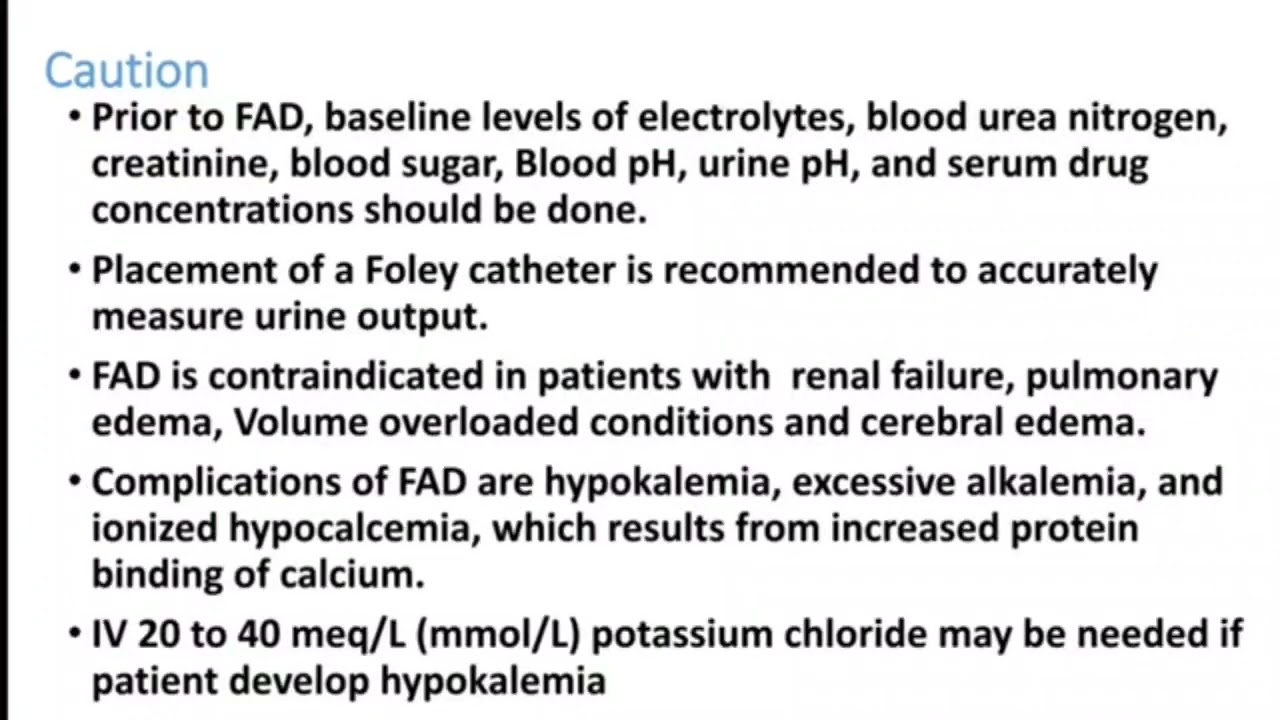
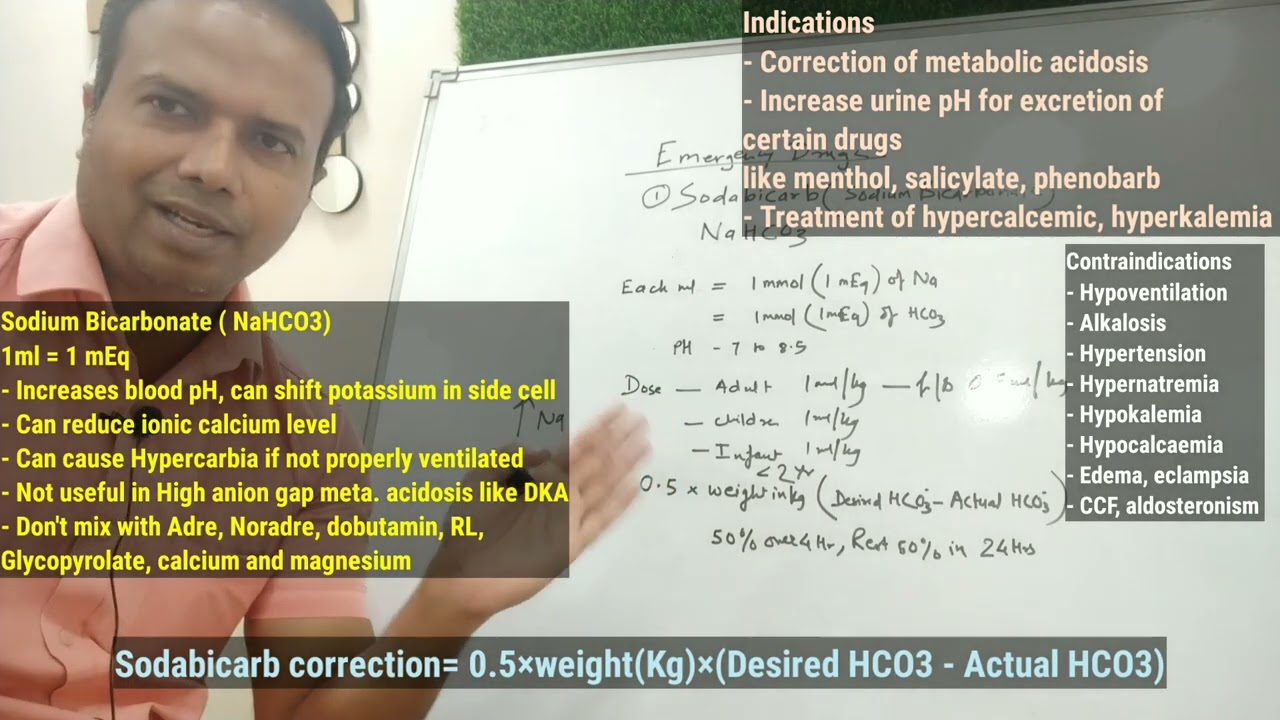







Acute salicylate toxicity presents with a characteristic triad of metabolic acidosis, respiratory alkalosis, and metabolic alkalosis, with treatment focusing on aggressive fluid resuscitation, urinary alkalinization to achieve a urine pH of 7.5, and hemodialysis for serum levels exceeding 100 mg/dL or severe symptoms; key diagnostic thresholds include ingestion of >150 mg/kg or serum levels >30 mg/dL indicating toxicity, with hemodialysis indicated for levels >100 mg/dL or significant clinical manifestations.
Aspirin Toxicity: ED Management in 5 Minutes
Added:Understanding arterial blood gas (ABG) interpretation and mixed acid-base disturbances, specifically respiratory alkalosis and high anion gap metabolic acidosis.
The pharmacology of salicylates (aspirin), including its therapeutic mechanism of action and the concept of zero-order elimination kinetics at toxic doses.
The chemical and physiological principle of 'ion trapping' and how systemic or urinary pH affects the membrane-crossing capabilities of weak acids.
Basic cellular metabolism, specifically how toxic substances can uncouple oxidative phosphorylation in the mitochondria.
Advanced clinical protocols for urinary alkalinization, including the precise administration of sodium bicarbonate and the critical role of correcting hypokalemia.
The specific criteria, access pathways, and clearance mechanics of urgent hemodialysis in severe toxicological poisonings.
The differential diagnosis and management of other common over-the-counter analgesic overdoses, such as acetaminophen toxicity and the clinical application of the Rumack-Matthew nomogram.
Recognizing the subtle presentation and high mortality risk of chronic salicylate toxicity, particularly in geriatric populations.
43.5K views350likes6:42Original Release: 2013-10-11
for today's em and5 I'd like to talk about acute silicate or aspirin toxicity so let's start off with the case we have a 23-year-old female brought in by her friend who admits that a couple hours beforehand she took 17 500 mgram tabs of aspirin because she quote felt tired and couldn't fall asleep so you do the math she's about 85 kilg which means she ingested right around 100 milligram per kilogram of aspin you go ahead and send some Labs including a solic late level and it comes back at 29 so what does all of this mean are we concerned about this girl who's otherwise asymptomatic or aren't we so just to go over how people can ingest it either in overdose intentionally or unintentionally obviously aspirin also you have to watch out for combo preparations pept abisol interestingly and lastly oil of rter green is the classic it has methyl solic in it and it has a lot just 1 ml of oil of rter green has 1,400 milligram of aspirin in it a therapeutic dose of aspirin should have an absorption in about 15 to 20 minutes it's fairly fast think about that as your normal headache you take a dose you should be feeling a little bit better about 20 minutes later an overdose however you have to think of a much more delayed reaction and also with inter coated aspirin so up to 18 to 24 hours can be how much it takes to actually absorb all that aspirin especially if you took a lot of it so you have a patient come in you estimate about how much they took you add up the milligrams per kilogram and that can give you some of the symptoms to expect so you have the amount ingested up across the top here our patient actually probably only took about 100 milligram per kilogram so that's looking good on the Spectrum so on the lower end less than 15 millgram per kilogram you're going to expect to see some nausea vomiting idus dizziness and some hearing loss 150 to 300 Mig per kilogram Topia diaphoresis anxiety you might see a fever some confusion or Axia 300 or greater milligrams per kilogram you start really having the bad effect so here we have altered mental status coma seizures you can have acute lung injury renal failure and also look out for arhythmia so I want to split the symptoms up into kind of the common ones that you'll see and the Really severe ones on the common side we have ringing in the ears we already talked about tenus and also some nausea vomiting now we have all the electrolyte abnormalities and I always try to remember you're going to have three of the four kind of basic metabolic abnormalities for solic toxicity first you have an anung Gap metabolic acidosis that's because aspirin inhibits the crab cycle to compensate for that you're going to have a respiratory alkalosis and that's because this metabolic acidosis makes the patients very topic um and they basically blow off all that CO2 causing a respiratory alkalosis and lastly this nausea vomiting causes a metabolic alkalosis that's from volume contraction and also vomiting which you can also see hypokalemia from over on the severe side you can have altered mental status that's both from a direct effect of the aspirin and also from a neuroglycopenia also vascular permeability can lead to pulmonary edema you have to be careful of that while you're resuscitating so here are the basic Labs you're going to be sending off you're going to get an AVG serum solic late levels and a BMP Q2 hours to monitor how the patient's doing also make sure you're check a point of care glucose and send off a urine tax and a Tylenol level just to make sure that you're not looking at other ingestions as well and then a urine pH is actually interestingly going to be something you might be tracking so you might actually you get that hourly if the patient has a severe toxicity so now you have that solic late level back what does that mean between 10 and 30 milligrams per D lator is actually a therapeutic level it will treat their headache and you don't have to worry about toxicity as long as you're tracking it over time and that's the peak that you see around 40 to 50 is where you start seeing the first signs of toxicity and remember we're going to be repeating this every 2 hours until we see it Peak so I know this is a really busy slide but I wanted to put all the treatment on one slide so you have it as a reference next think about fluid and an electrolyte resuscitation often these patients are very volume down so you need to give them normal saline IV and that encourages urinary elimination of the aspirin and you also need to replete back that glucose and the potassium that the patient's losing if the patient seems to be in the window for GI decontamination you can consider a standard activated charcoal dosing or if they have a lethal ingestion based on the dose that you calculate you could consider whole bowel irrigation next we're talking about about the fact that it's a urinary elimination one thing that helps is alkalinization of the urine and the way you can help that along is by doing a sodium bicarbon Fusion your goal urine pH should be about 7.5 and again that's where you're maybe tracking the urine every hour or two to try to make sure you're achieving that goal lastly if the patient has a serum level that's over 100 milligram per deciliter remember the dose which you start seeing toxicity is around 40 to 50 milligram per deciliter or if they have significant symptoms pulmonary edema renal insufficiency or altered mental status you need to consider humo dialysis fairly early and so altogether one IV you're going to run in normal saline through your second IV you can do 3 amps of bicarb added to 1 liter of D5W and also add some K into that as far as more advanced treatments remember that the patient is hyperventilating on purpose this is helping them achieve a respiratory alkalosis to compensate for the metabolic acidosis so if you intubate the patients as a of your resuscitation you need to match that so your goal should actually be a respiratory alkalosis and the way you do that is do higher tidal volumes and hyperventilate them overall you want to be doing all of this treatment in consultation with Poison Control Center and hopefully a toxicologist on call give them a call early on and they can help direct your care as well so three to remember for solic late toxicity the numbers we have the good numbers that's the Poison Control Center and then of course there's the bad so remember for the dose of ingestion how much the patient took greater than 150 is where you start seeing symptom as far as the serum level that you get back after you sign the labs remember that anything over 30 is where you start seeing a toxicity and if it's over 100 you need to be considering early humo dialysis now you're following the AVG and solic late level as well as a BMP and maybe a urine pH every 2 hours the treatment is fairly easy it's mostly supportive you want to have fluids and make sure and repete your potassium and glucose in order to help promote renal EX and also add on that bicarb to alkalinize the urine and lastly hemodialysis is your backup if they have a serum level greater than 100 or severe symptoms here are the references and thanks for joining us on emn 5
Up Next
3:43
Beta Blocker & Calcium Channel Blocker Toxicity Treatment
@MedMastery
8.9K views•2022-07-25

48:47
Graphic Medicine: Comics for Collaborative Healthcare Communication
@nationalpatientadvocate
189 views•2023-12-04
5:05
TCA Toxicity: Emergency Management and Antidote Strategies
@EMin5
41.7K views•2015-12-22
3:05
Stages of Labor and Vaginal Birth | Childbirth Animation
@nucleusmedicalmedia
52.1M views•2017-08-18
Related Study Plans & Knowledge Roadmaps
Structured learning paths in Medicine
medicine
Abnormal LFTs: Diagnostic Workup & Pathology
01Liver Anatomy and Basic Physiology
02Introduction to Liver Function Tests (LFTs)
03Hepatocellular vs. Cholestatic Patterns
+ 3 more learning modules
12h6 modules
Explore Roadmap
medicine
Analyzing Blood Smears: RBC, WBC & Platelets
01Introduction to Blood Components & Smear Preparation
02Normal Morphology of Blood Cells
03Erythrocyte Pathologies & Morphological Variants
+ 2 more learning modules
12h5 modules
Explore Roadmap
medicine
Mechanical Ventilation: Waveforms & Alarms
01Anatomy and Physiology of Breathing
02Introduction to Mechanical Ventilation & Core Modes
03Ventilator Settings and Waveform Interpretation
+ 2 more learning modules
12h5 modules
Explore Roadmap
medicine
Neuro Exam: Localization & Stroke Syndromes
01Foundations of Neuroanatomy and Vascular Supply
02The Neurological Examination: Step-by-Step
03Principles of Neurological Localization
+ 3 more learning modules
18h6 modules
Explore Roadmap