



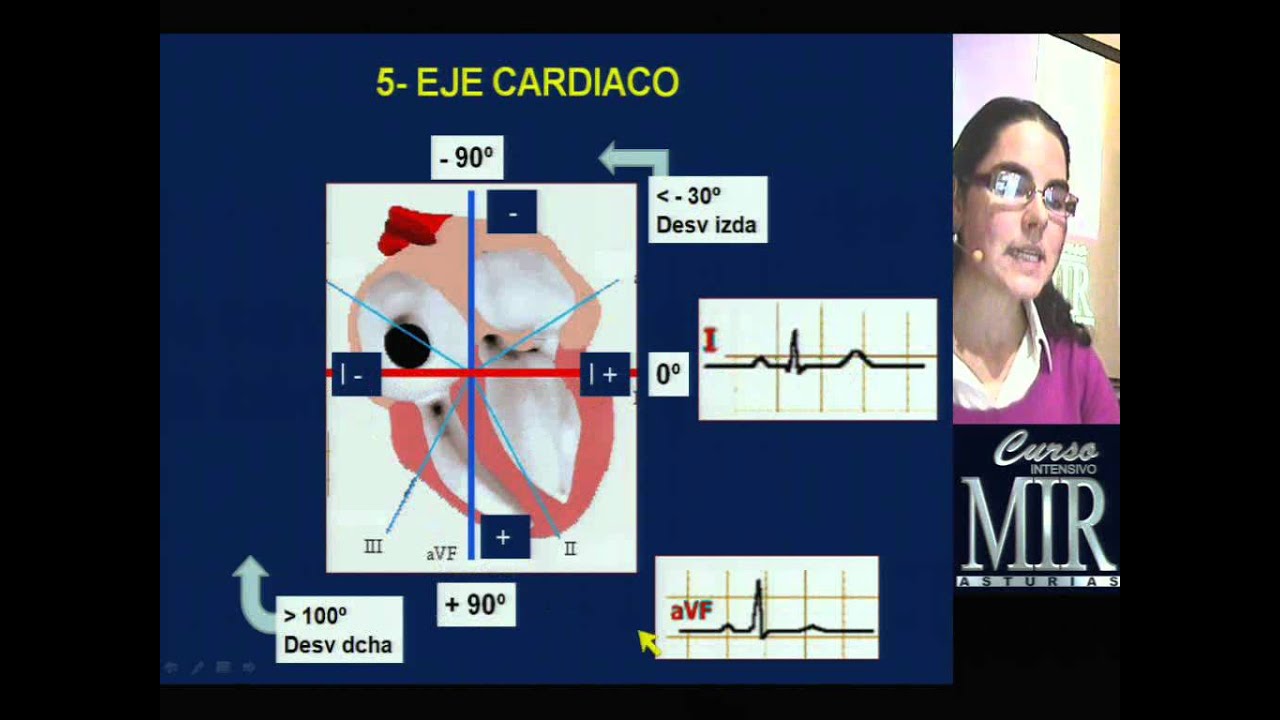

![(U1-C4a) Propiedades eléctricas corazón [CARDIO]](https://i.ytimg.com/vi/AlM_pmVzYxk/maxresdefault.jpg)













Tricyclic antidepressant (TCA) toxicity presents with varied symptoms due to multiple mechanisms including anticholinergic effects (confusion, dilated pupils, flushed skin, dryness), seizures, hypotension, and sodium channel blockade causing cardiac toxicity. Key diagnostic features include EKG findings of widened QRS complex and dominant R wave in AVR >3mm, which correlate with severity (QRS >100ms indicates increased seizure risk, >160ms indicates risk of VTAC). Management involves sodium bicarbonate infusion titrated to improve blood pressure and narrow QRS, with contraindicated medications including beta blockers, calcium channel blockers, and amiodarone. Supportive care includes pressors for hypotension and benzodiazepines for seizures.
TCA Toxicity: Emergency Management and Antidote Strategies
Added:This week for Ean 5, we're going to review triccyclic antid-depressant toxicity or TCA toxicity. And one of the really tricky things about this overdose is that TCAs have a lot of different mechanisms all throughout the body. And therefore, the symptoms that you see in the toxicity can really vary quite greatly. So for example, it blocks serotonin and norepinephrine re-uptake and that can result in seizures. Another thing it can do is have an anticolinergic effect. And anticolinergics have a toxone. In fact, this one has a little saying that goes with it. So, this is the matt as a hatter in the patient can be confused, have some altered mental status, blind as a bat. This refers to the midriasis, meaning the pupils can be very dilated.
Hot as a hair, red as a beat, and dry as a bone. So, just to review, they're going to be very hot, flushed, their pupils will be really big. So, it's actually very similar to a sympathy mimetic toxidrome. However, the difference is they're going to be very dry. So, they're not going to be sweaty.
So the anticolinergic toxidrome it can also have alpha adinuric blockade and this can lead to the hypotension that you see and lastly it has a sodium channel blockade and this is probably the most dangerous one for the patient.
It can cause a widened QRS and therefore some different tachihythmias. Now this presentation is a pretty fast one. You can usually start seeing symptoms within about two hours of ingestion and things you're going to look out for. So in neuroaltered mental status, seizures that we talked about, anticolinergic, you're going to look for them their skin exam. They can be hot, dry, flushed.
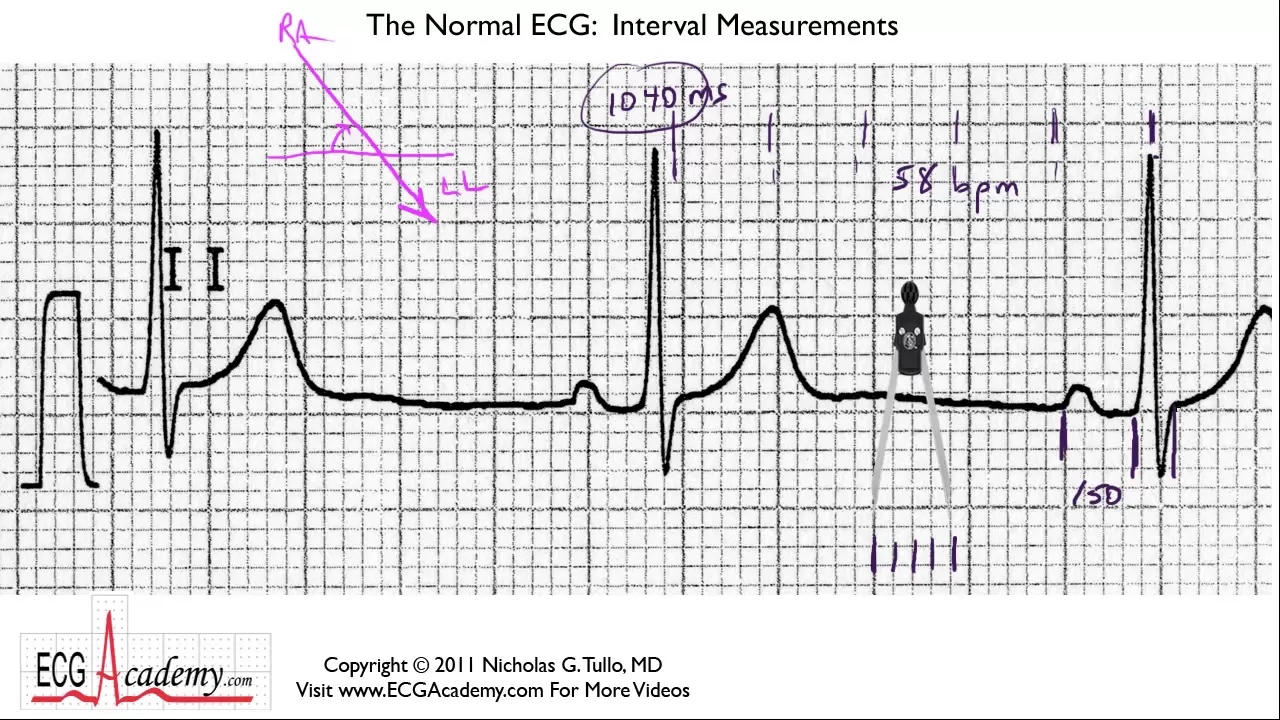
Look at their pupil exam. You should see the big dilated pupils. And then for cardiac, again, we talked about hypotension and you might see some tacoc cardia and arhythmias. The first thing to do for management is obviously get involved with poison control. They can help you determine if the dose is going to be significant or not and also help the management. The next thing I want you to do is get an EKG. This is really important and there's two things you're going to look for here. The first is a widened QRS and the second is a dominant Rwave in AVR. So you can see this Rwave here in AVR here's it blown up is really big. It's going to be greater than 3 millimeters. And these two things are basically pathneemonic for TCA toxicity.
In fact, if you're concerned about any patient, maybe a patient who comes in altered, you're not sure what they took, get an EKG. It can be really helpful.
You're going to look for that wide QRS and the dominant Rwave. It might give you some clues that maybe this is a TCA toxicity. And interestingly enough, the QRS can actually hold some prognosis for you. If it's greater than 100, that patient actually has an increased seizure risk. And if it's greater than 160, that patient has risk of going into VTAC. So for the treatment of TCAs, you're going to start off with your ABCs, IVO2 monitor, establish an airway if you need one, and make sure and get that EKG. The second thing is decontamination. If you're within the first two hours of industry and they have a safe airway, they're awake enough and they can tolerate it, you can give them activated charcoal at 1 gram per kilogram. And then the closest thing that we have to an antidote for TCA toxicities is sodium by cararb. And you're going to give that when you see either a patient who's hypotensive, is having arrhythmias, or the QRS is greater than 100. So you're going to give this sodium bicarb. And the interesting thing here is you're actually going to keep repeating that dose and you're titrating to an improving blood pressure and a narrowing QRS. So you're actually going to get an EKG over and over again and you're going to watch for that QRS to start narrowing. Now if that's refractory, some other things you can consider is IV lidocaine and also slight hyperventilation of the patient. There's a couple things that are contraindicated in TCA toxicity. So remember this especially when you're thinking about the arhythmias. You can't give fostmine.
So if a patient comes in who has an antiolinergic toxidrome, if there's any suspicion that they could have had a TCA cannot give fisc. The other things to think about is the anti-arithythmic medications. For sodium channel blockers 1 A and C, those are contraindicated and so are 2, three and four. So you can't give beta blockers. You can't give amiodarone and you can't give calcium channel blockers. That's because these can worsen the sodium channel blocker inhibition. Um it can cause prolonged QTs which can lead to VTAC and it can also some of these can worsen hypotension. So all of these things can make it worse. Make sure you remember which medications are contraindicated.
And lastly, for TCA toxicity treatment, we're going to think about a supportive care. So, if they have very low blood pressure, you can consider pressors such as norepinephrine. And also, if they're having seizures or they need to be sedated, benzoazipines is your go-to.
Now, if the patient remains asymptomatic and you've observed them for about 6 hours, they're not having any abnormalities in your EKG, no alterations in their mental status, they're not tacocartic, you can probably medically clear them, but you should consider if they need a psychiatry evaluation if there's any concern that this was intentional. So three things to remember for TCA toxicity. Think about an antiolinergic toxidrome plus other things such as seizure, hypotension, and EKG abnormalities. Make sure you get an EKG. The two things you're looking for are a wide QRS and a dominant Rwave and AVR greater than 3 millimeters. These are all caused by that sodium channel blockade. And lastly, your treatment is sodium by carb. This is the antidote for TCA toxicity. And you're going to watch for a narrowing QRS to make sure that your treatment is becoming effective.
Here's some references. And thanks for joining us on EM5.
Up Next

Serotonin Syndrome vs NMS: Key Differences (50-60 chars)
@jjmedicine
93.5K views•2021-11-19

Graphic Medicine: Comics for Collaborative Healthcare Communication
@nationalpatientadvocate
189 views•2023-12-04

Aspirin Toxicity: ED Management in 5 Minutes
@EMin5
43.5K views•2013-10-11
Stages of Labor and Vaginal Birth | Childbirth Animation
@nucleusmedicalmedia
52.1M views•2017-08-18
Related Study Plans & Knowledge Roadmaps
Structured learning paths in Medicine