













Beta blocker and calcium channel blocker toxicity causes bradycardia and hypotension by blocking calcium influx into cardiac myocytes; treatment follows the ABC roadmap with intravenous calcium salts (directly increasing calcium availability) and glucagon (indirectly activating calcium channels through beta-receptor stimulation), supported by atropine for heart rate, epinephrine for systemic support, and hyperinsulinemia-euglycemia for metabolic support, with magnesium added specifically for sotalol toxicity.
Beta Blocker & Calcium Channel Blocker Toxicity Treatment
Added:Understanding of cardiovascular physiology, specifically the cardiac conduction system and excitation-contraction coupling in myocardial cells.
Fundamental knowledge of autonomic nervous system pharmacology, focusing on beta-adrenergic receptor sub-types (beta-1, beta-2) and their physiological effects.
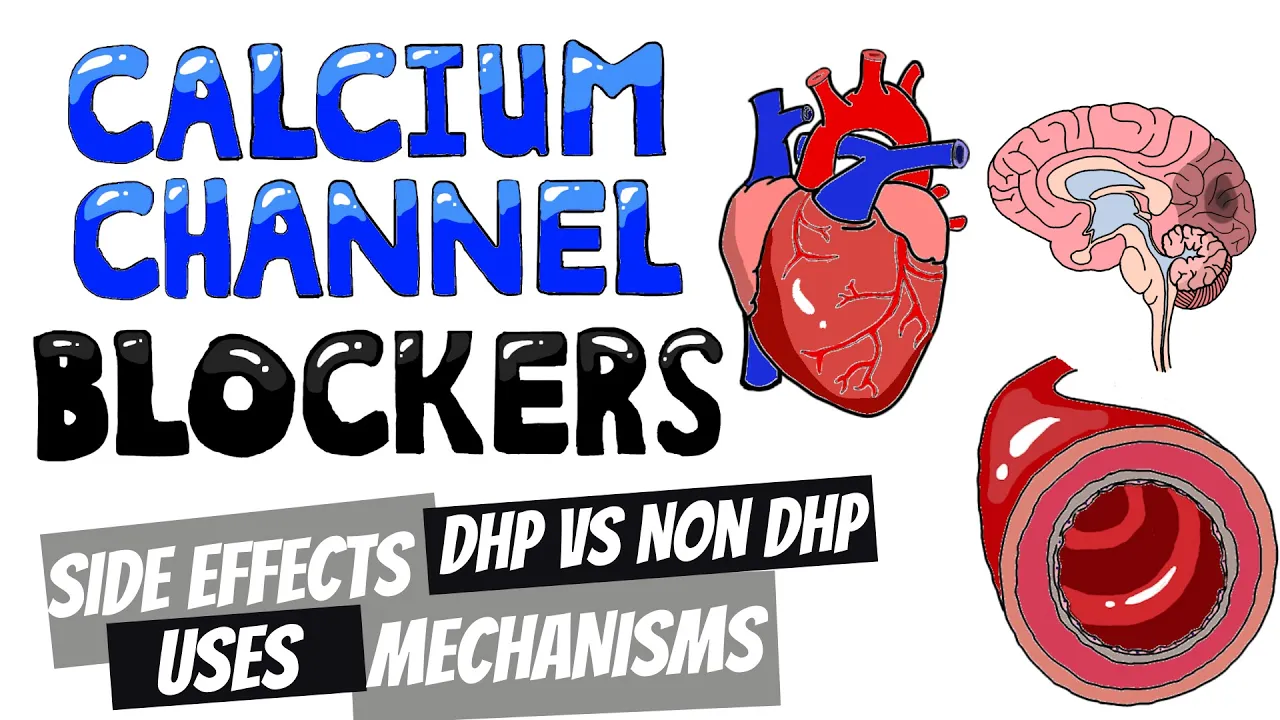
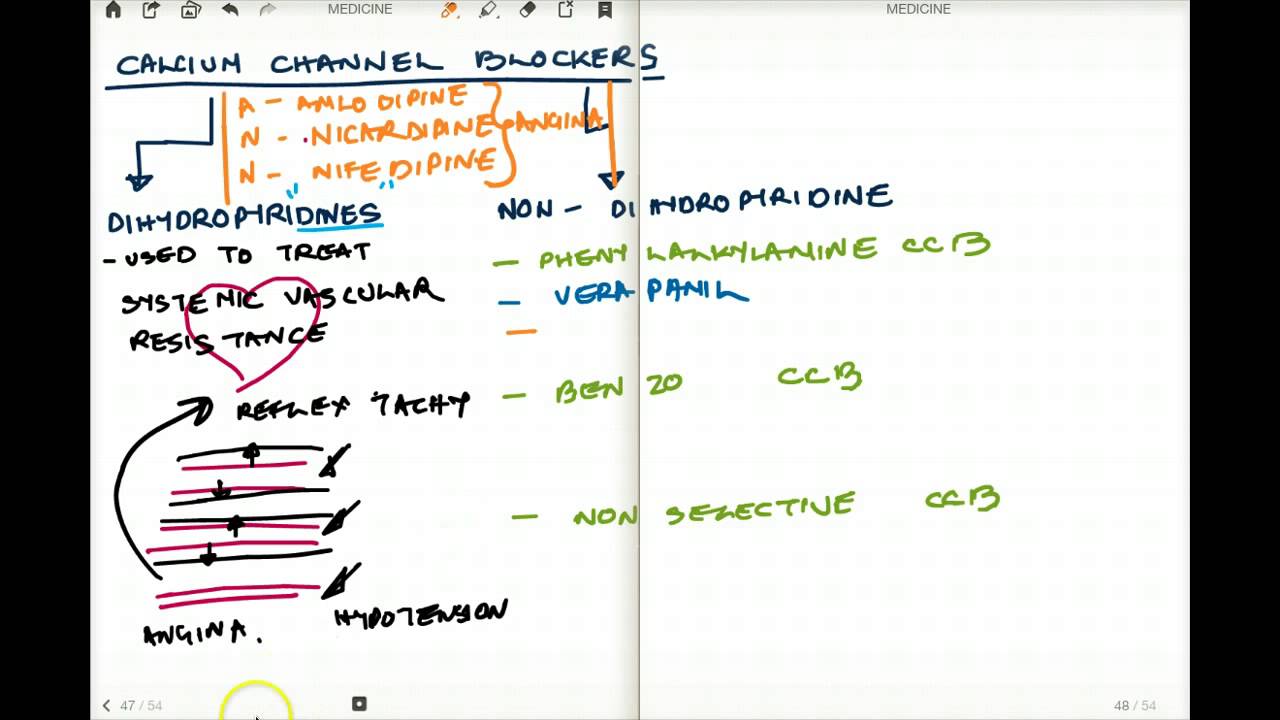
Basic mechanism of action of calcium channel blockers (dihydropyridines vs. non-dihydropyridines) and their therapeutic indications.
Familiarity with the clinical presentations of bradycardia, hypotension, and cardiogenic shock.
In-depth study of High-Dose Insulin Euglycemia Therapy (HIET) and Intravenous Lipid Emulsion (ILE) therapy for severe, refractory cardiotoxicity.
Differential diagnosis of drug-induced bradycardia and shock, including distinguishing between beta-blocker, calcium channel blocker, and digoxin toxicities.
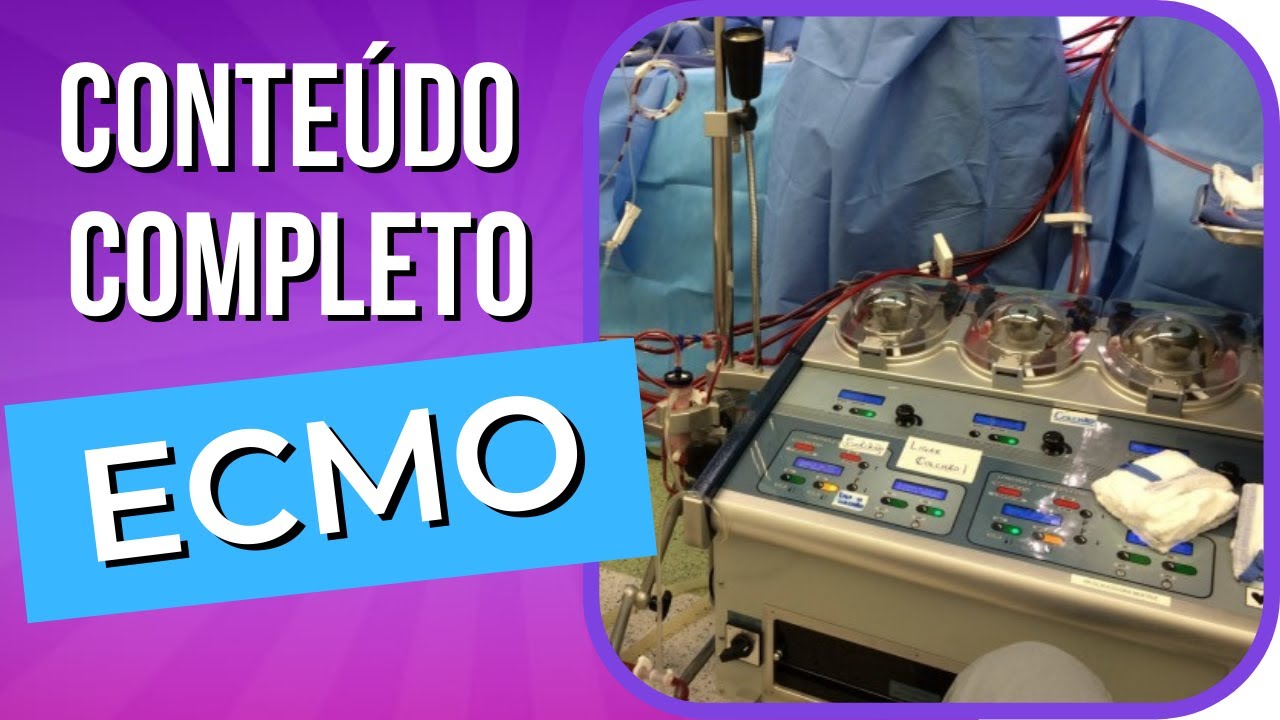
Clinical application of mechanical circulatory support, such as transvenous cardiac pacing and Extracorporeal Membrane Oxygenation (ECMO) in toxicological emergencies.
Management of metabolic complications arising from overdose treatments, such as severe hypokalemia, hypoglycemia, and fluid overload.
8.9K views128likes3:43Original Release: 2022-07-25
let's return to our patient who is feeling weak tired and dizzy as we discuss treatments for beta blocker and calcium channel blocker toxicity she also has a slow heart rate and low blood pressure and her daughter suspects that she may have taken two doses of her beta blocker medication our abc roadmap is essential here while the airway and breathing aren't directly affected by toxicity any patient with neurologic symptoms may require intervention because low blood sugar often accompanies beta blocker toxicity make sure to check this early and correct it immediately the circulation and electrocardiogram are the most important so we'll spend most of our time discussing these our goal is to increase the patient's heart rate and blood pressure an initial intervention that can quickly increase the heart rate is intravenous atropine it's often stocked in crash carts so it can be given quickly but remember the core issue with toxicity is the reduced influx of calcium so our treatment has to increase this recall that there are two ways to cause calcium influx into heart muscle cells directly through the l-type calcium channel and indirectly by stimulating beta-adrenergic receptors resulting in a reaction cascade that opens the calcium channel therefore there are also two types of treatment direct treatment involves administering intravenous calcium salts to increase the amount of calcium that can pass through the channel the indirect treatment is intravenous glucagon it binds to its receptor which activates an enzyme on the inside this initiates an internal reaction cascade that opens the calcium channel going back to our bank analogy think of these two treatments as increasing the number of people trying to get through the front door representing calcium salts and having a bank employee working as an accomplice to unlock the doors from the inside representing glucagon now that we've supported the heart muscle's ability to contract with calcium salts and glucagon it's important to stimulate both the heart rate via the sinoatrial and atrioventricular nodes and the strength of the heart's contraction via the his purkinje system this can be done with intravenous epinephrine also known as adrenaline this hormone stimulates our fight-or-flight system and activates all alpha and beta receptors so this should help increase the heart rate and blood pressure the final treatment is hyperinsulinemia euglycemia this treatment isn't entirely understood but it likely targets the dependence of heart muscle on glucose for energy our patient was evaluated in the emergency department and treated for presumed beta blocker toxicity she was given both atropine and glucagon with improvement in her heart rate and blood pressure and started on continuous intravenous fluids her electrocardiogram showed a prolonged qt interval which is known to happen specifically with sodolol so she was given intravenous magnesium in addition to calcium salts her sodalol was stopped completely and her vital signs stabilized so i hope you liked this video absolutely make sure to check out the course this video was taken from and to register for a free trial account which will give you access to selected chapters of the course if you want to learn how med mastery can help you become a great clinician make sure to watch the about my mastery video so thanks for watching and i hope to see you again soon
Up Next
5:05
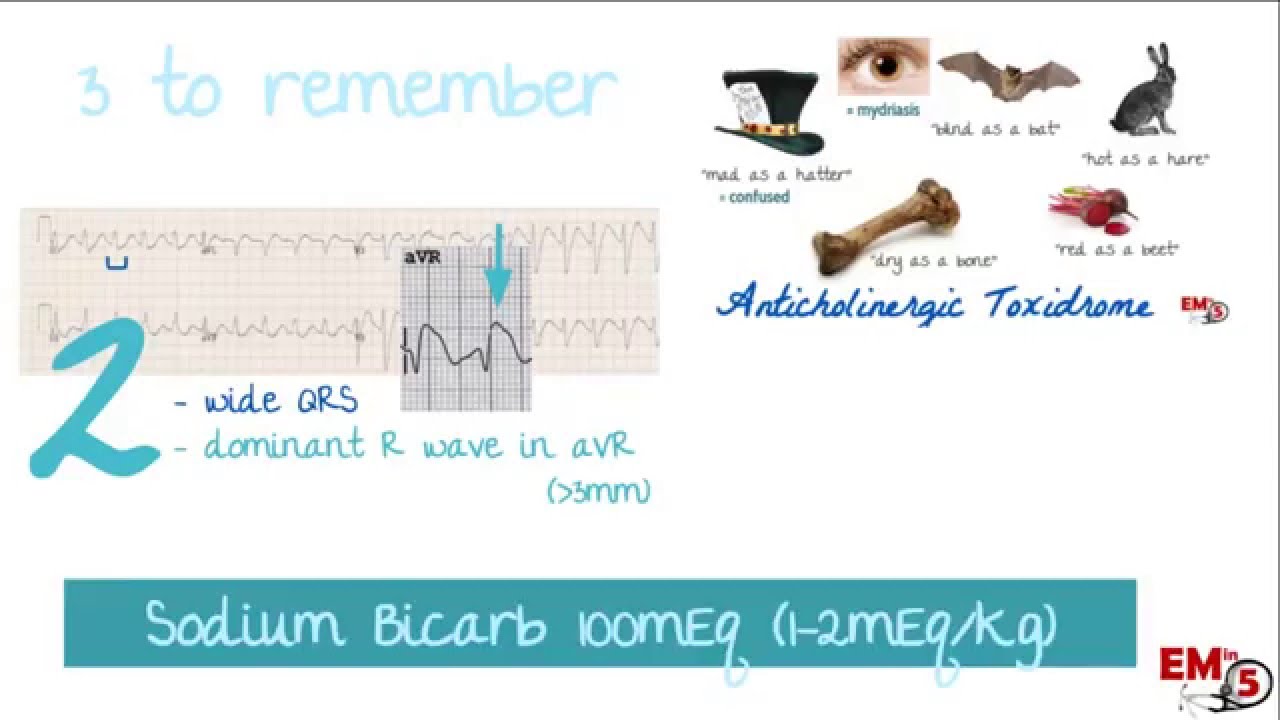
TCA Toxicity: Emergency Management and Antidote Strategies
@EMin5
41.7K views•2015-12-22

48:47
Graphic Medicine: Comics for Collaborative Healthcare Communication
@nationalpatientadvocate
189 views•2023-12-04
4:23
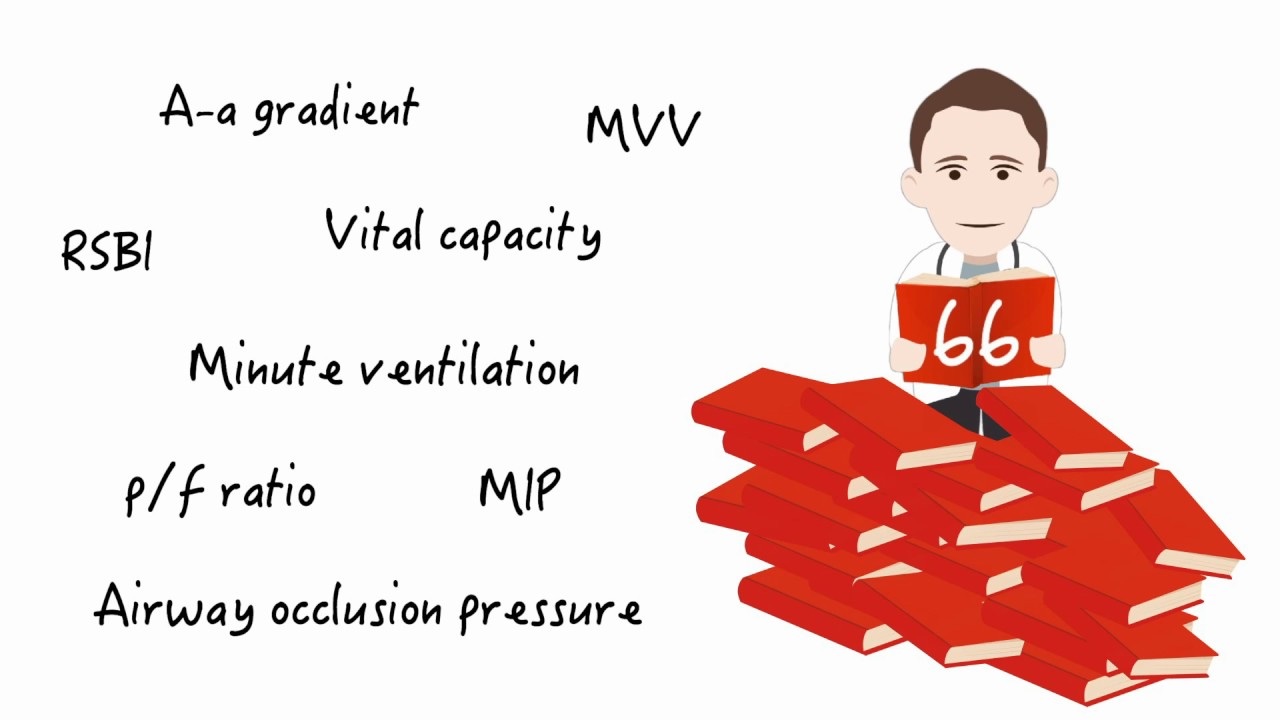
Key Weaning Parameters for Mechanical Ventilation Monitoring
@MedMastery
92K views•2017-02-23
3:05
Stages of Labor and Vaginal Birth | Childbirth Animation
@nucleusmedicalmedia
52.1M views•2017-08-18
Related Study Plans & Knowledge Roadmaps
Structured learning paths in Medicine
medicine
Abnormal LFTs: Diagnostic Workup & Pathology
01Liver Anatomy and Basic Physiology
02Introduction to Liver Function Tests (LFTs)
03Hepatocellular vs. Cholestatic Patterns
+ 3 more learning modules
12h6 modules
Explore Roadmap
medicine
Analyzing Blood Smears: RBC, WBC & Platelets
01Introduction to Blood Components & Smear Preparation
02Normal Morphology of Blood Cells
03Erythrocyte Pathologies & Morphological Variants
+ 2 more learning modules
12h5 modules
Explore Roadmap
medicine
Mechanical Ventilation: Waveforms & Alarms
01Anatomy and Physiology of Breathing
02Introduction to Mechanical Ventilation & Core Modes
03Ventilator Settings and Waveform Interpretation
+ 2 more learning modules
12h5 modules
Explore Roadmap
medicine
Neuro Exam: Localization & Stroke Syndromes
01Foundations of Neuroanatomy and Vascular Supply
02The Neurological Examination: Step-by-Step
03Principles of Neurological Localization
+ 3 more learning modules
18h6 modules
Explore Roadmap