




























Reparenting the inner child involves developing secure attachment to help individuals process childhood trauma and adjust their beliefs about themselves, others, and the world; this process includes increasing awareness of inner child distress, providing responsiveness and validation, restructuring cognitive distortions, developing emotional intelligence, practicing distress tolerance activities, building assertiveness skills, offering unconditional positive regard, and creating a sense of safety and empowerment in the present moment.
Reparenting Inner Child: Secure Attachment Strategies
Added:Introduction to Attachment Theory (specifically secure, anxious, avoidant, and disorganized attachment styles).
The psychological concept of the 'Inner Child' and its origins in Jungian psychology and Transactional Analysis.
Understanding the impact of childhood trauma, neglect, and Adverse Childhood Experiences (ACEs) on adult emotional development.
Basic mechanisms of emotional regulation and the nervous system's response to trauma (fight, flight, freeze, fawn).
Advanced therapeutic frameworks such as Internal Family Systems (IFS) therapy and Schema Therapy.
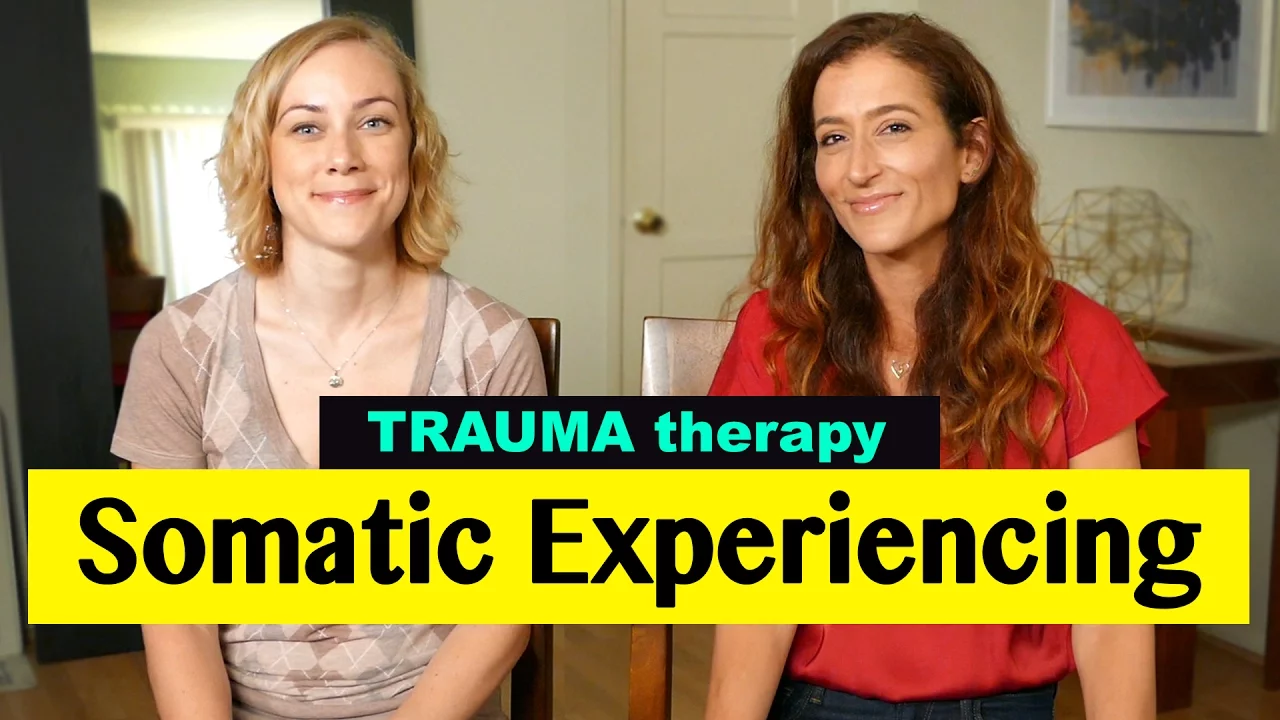
Somatic experiencing and body-centered approaches to processing and releasing stored developmental trauma.
Interpersonal Neurobiology (IPNB) and how secure attachment literally rewires neural pathways in adulthood.
Practical boundary-setting and communication strategies to maintain secure attachment in adult relationships.
111.9K views4.2Klikes35:28Original Release: 2022-10-24
Unlimited CEUs for $59 on Attachment and Inner Child Work at AllCEUs.com hey there everybody and welcome to this video on re-parenting the inner child I'm your host Dr Donnelly Snipes in this video we're going to review the concept of the inner child identify the needs of the inner child and explore strategies to re-parent the inner child through developing secure attachment so let's start out with a quick review for those of you who haven't watched the other videos on what the inner child really is the inner child is composed of all of the memories and sort of lessons learned from childhood these memories and lessons are supposed to help you accurately and effectively predict and respond to situations in the future however that's not always the case a traumatized child doesn't have the skills or tools to cope with the anxiety the anger and the sense of complete hopelessness so they often lock these memories away instead of dealing with them they don't have the tools this often causes them to continue to hold on to those belief systems even when they're no no longer accurate or helpful so think of it kind of like holding on to a PC that is running Windows 95 okay Windows 95 worked back in 1995.
but in 2020 not so much so it's not a helpful framework to do what you need to do re-parenting the inner child helps you address the trauma and loss from the past and examine and adjust your beliefs about the past present and future as appropriate so let's talk about how to do this now secure attachment is one of the best ways of re-parenting the inner child most people who have a wounded inner child have insecure attachment secure attachment teaches the child how to be self-mindful it helps them develop emotion but vocabulary and the ability to identify their emotions and what they feel like distress tolerance skills skills for emotion regulation and problem solving communication skills self-esteem the ability to set and maintain boundaries the ability to respect themselves and others awareness of other people's thoughts wants and needs in addition to their own so being sensitive to those around them it encourages the development of confidence and empowerment frustration tolerance a sense of Independence and feelings of safety through the provision of unconditional positive regard so these are all skills and tools that we know we need in adult life and unfortunately the child who experienced trauma and insecure attachment a child who didn't have a caregiver to help them feel safe often didn't develop these skills so the first thing in re-parenting that inner child is increasing awareness of your inner child's distress when you're experiencing intense reactions so if you're acting and some of my clients have said when I'm acting like a six-year-old I know that's my inner child coming out if you are acting stronger to a situation then maybe it deserves in the moment check that inner child that may be the inner child was being triggered memories from your past were being triggered and you were reacting as that inner child that inner child never had an adult to take care of them they had to learn how to take care of themselves so now when situations arise and they feel threatened they feel triggered they actually leap into action and start trying to be the parent and re-parenting the inner child involves helping that person that little person inside you understand that you don't have to do that anymore I've got this I am going to be the responsible adult it's also important to become aware of the inner child's wants and needs in general when you get up in the morning and you think hey I want to have pancakes for breakfast or in the evening you decide that you want to have pancakes for dinner get the idea that I like pancakes that may be your inner child coming out if you want to watch cartoons or you want to skip down the hall or whatever it is that you want to do that could be your inner child coming out your wounded inner child doesn't only provide you with um protection from bad stuff that's happening in the present or memories of bad stuff in the past your wounded inner child there's also a part of them that wanted to have fun and maybe sometimes they even did have fun and that may come out now re-parenting means noticing and saying hey you know let's do something fun today a lot of people who have a wounded inner child have forgotten how to have fun the next step and remember secure attachment is consistency so awareness responsiveness validation attention and safety so the next section is providing responsiveness and validation it's not enough to just be aware of your inner child hey how you doing great to see you okay that's good to notice but then you need to respond the child doesn't know how to respond the child doesn't have effective tools to respond remember all those things I went through in the previous Slide the inner child often hasn't developed most of those skills and tools so it's going to be your job if you will to teach them those skills and tools integrate those so you feel safer in the present moment help the inner child identify what they're thinking and feeling and why if they're feeling distressed if they're feeling anxious or if you're feeling anxious that could mean that your inner child's being triggered all right why is that what thoughts what things am I telling myself about this current situation maybe I'm telling myself the same things in the present that I used to tell myself back then that people aren't safe people aren't trustworthy here we go again another person's going to abandon me whatever your inner child used to tell themselves you may be still telling yourself that so help the inner child become aware of what the inner child is saying validate their thoughts and feelings you may tell yourself all right I'm feeling really anxious right now it was really scary when that happened today because I remember back when I was six or eight and that happened this was the end result you know it ended up being very painful or nobody was there to take care of me or you can say something to them like it made you really angry when they did that so talking about what happened in the present moment made you really angry when they did that because it reminds you of a time in the past when somebody did something similar to you and and they hurt you it was that you weren't able to protect yourself so it's important to validate how the person's feeling in the present and connect it to the past and go okay this is triggering those past memories it doesn't necessarily mean that's going to happen right now but acknowledging and validating hey that's that's some of your stuff being triggered is really important the next step is to evaluate if you're safe and reassure your inner child reassure yourself that you've got this and you're going to keep your inner child and yourself safe I've got this I can keep my say keep myself safe now that's really important because at the core of a wounded inner child is an individual who did not feel safe who did not feel empowered who did not feel loved and when you're in distress when those prior memories are triggered you may start feeling that way again so it's important to reassure yourself reassure that inner child hey I got this guide the inner child and yourself through distress tolerance activities once you have noticed what your what you're feeling what the inner child is feeling you have sort of identified okay this is reminding you of that time back then all right I get why you're upset right now I get why you're wanting to react this way let's practice some distress tolerance activities let's get into our wise mind so we can more effectively problem solve and we're going to talk about distress tolerance activities in a few minutes but it's important to have some because if you stay in that stressed out State you're going to have difficulty thinking clearly once you're in your wise mind examine the situation and options as the adult all right let's look at this situation in this context at this time with me the adult am I safe what are my options what's actually going on here am I making assumptions about this situation based on my past experiences so it's time for you the adult to jump into action to actually be the parent and let that inner child relax say you know what I'm not going to let anybody hurt you I got this restructure cognitive distortions especially ones that are extreme or overly personalized in language there are three strategies for addressing cognitive distortions facts what are the facts in the current context at this point in time what do you know not what are you assuming not what are you feeling not what are you fearing but what do you know what are alternative explanations for why this may be happening or why this may have happened in the past and or what are some exceptions to when this happens instead of saying this always happens or never happens find some exceptions so you can recognize that things are rarely always or never some examples the inner child may have learned that quote nobody is trustworthy remember children think very dichotomously children up until about the age of 11 think in very All or Nothing terms so their memories their schema their self-talk is very All or Nothing in nature and it's up to you the adult to help them reframe that now and examine exceptions examine the facts examine alternative explanations so nobody is trustworthy you might examine the uh exceptions to that has there been anybody in your life that's been trustworthy are you trustworthy you may want to examine something like I'm never safe all right as a child you may not have been and that is awful empathizing with that child empathizing with yourself and going that sucks you didn't deserve that that is totally good you don't have to tell the child well you shouldn't feel that way now what you're doing is saying all right this is how you felt and that sucks and I'm gonna be there for you now so let's look at the facts and the present to help you decide are you safe now so instead of telling the child how they should feel telling the inner child how they should feel telling yourself how you should feel look at the facts and make an informed decision I am unlovable a lot of wounded inner children did not get the responsiveness from their parents their parents didn't pay attention to them the parents didn't help them their parents criticized them a lot so they internalized the message that they were unlovable and it's important to reflect on that in the present and look back on it and go is there another explanation for why my caregiver was harsh was insensitive was unresponsive to my needs and as adults a lot of times we can look back and go yeah my my parent was a hot mess okay that doesn't mean the child deserved that and we want to make sure to empathize with the child that that was completely unfair and help the child examine you know what do you believe do you believe looking back at this it with fresh eyes if you will or with grown up eyes do you think that you were unlovable do you think that your caregiver did this because they didn't love you or because they were that broken and that can help people start restructuring their personal self-talk and exploring and maybe understanding the past from a different perspective in terms of responsiveness and validation what we just talked about was kind of handling the stressful situations we also want to proactively and preventatively help the inner child start developing that emotional intelligence help the child begin with yourself observe and describe what different emotions look and feel like in yourself when I'm happy when I'm sad when I'm scared when I'm curious what do those things look like and feel like to me that's important because that is not a skill we really are born with and children especially from unresponsive caregivers may not ever learn how to identify what they're feeling they just feel ick or they can't put a word on it but they act based on it they act out of fear they act out of anger so learning to identify what these feelings look and feel like in you can give you Clues you know early warning signs that you're getting angry that you're getting anxious those sorts of things so you can start intervening a little bit earlier and you can feel more empowered it doesn't feel like you're just reacting and out of control so observe and describe what different emotions look and feel like in yourself but then also observe and describe what these same emotions look and feel like in others and it's important to start noticing if you grew up in an unsafe environment you may have noticed or noted that particular non-verbals were indicative of danger were indicative of bad things and it may not those same nonverbals may not mean the same thing from other people so it's important to explore so you become better able at accurately interpreting nonverbals and not always or regularly frequently assuming that you are unsafe when you identify these feelings for each feeling explore what Memories or hopes they're related to obviously sadness is not going to be related to a hope but you want to explore Pleasant feelings as well as distressful feelings and then practice regularly practice stopping and noticing how you're feeling noticing and identifying those emotions in yourself and others and it is most helpful when you're trying to identify feelings in others if you ask don't assume when you're talking to somebody you know you can say Hey you seem like you're really happy today what's you want to share what's going on or hey you seem really stressed today is there something I can help with and by putting that out there it gives them the opportunity to say no I'm not stressed or yeah I am really happy let me tell you what's going on so that provides an a an Avenue for connection with other people which is great because that can help you develop social support but that also confirms or corrects your assumptions about particular nonverbal Behavior in terms of distress tolerance you don't want to try to figure out how to tolerate distress when you're in distress so practicing this ahead of time is really important develop a list of distress tolerant thoughts your inner child can tell themselves now we've talked about distress tolerant thoughts in other videos but when it comes to the inner child think about that six-year-old that's kind of locked away in the in the back of your head encourage them to tell themself I am safe now or my my adult self is going to protect me now thoughts that will help that inner child feel safe that helps that inner child recognize you know what I don't have to spring into action because there actually is somebody that cares for me and will protect me now practice distress tolerance activities and for some breathing actually is not helpful because it promotes dissociation so no for yourself when you practice that slow deep breathing inhale for four hold for four exhale for four hold for four does that trigger you trigger your vagus nerve and help you actually relax and calm down or does it trigger dissociation if it triggers dissociation then that's not what we want to do right now grounding is an alternative and in grounding you when you're feeling distressed you say okay I'm just I'm going to notice I'm going to turn my attention to something else I'm going to notice five things that I see four things that I hear three things that I smell two things that I can feel one thing that I taste that helps you stay grounded in the present moment but it distracts you from that those distressful thoughts that you may have been experiencing and unhooking is another activity that you can practice and this is one that children you know in real life children also like practicing because unhooking means unhooking the feeling or thought from yourself it doesn't have to be part of you so it's something out here I'm having this thought I'm having this feeling now what do I do with it and you can actually practice doing that holding a um a little squishy ball or something and say okay this is the feeling now what am I going to do with it to get used to recognizing that it's not necessarily Part of Yourself develop a safe image for the inner child what would have helped the inner child feel safe maybe you can develop this image of the inner child moving back behind you as the grown-up or maybe the inner child develops this image of a force field around them that protects them when you're around whatever it is but the child should be part of that image helping them see themselves as safe from harm in the present moment and finally you can identify Sensations that sort of what I call wake up the adult you when distress happens the inner child May spring into action because they never had anybody there to protect them before Sensations like cold or smells or sounds can wake up the adult you and say all right that's right these are the things that I like as an adult I'm an adult I got this now for me if you've watched my other videos do you know that coffee is one of my big things so Smelling Coffee I'm like oh that smells good that wakes up my adult self to start paying attention but these are things that you can identify and practice before you're in extreme distress emotion regulation is another skill identification and is not everything you identify it then what do you do with it distress tolerance does not regulate the emotion it just gives you a time out so to speak so until some of those stress hormones can bleed off and you can get into your wise mind emotion regulation is when you say okay what strategies and tools can I use to manage this emotion when I feel angry anger is a natural emotion how can I regulate it when I feel angry what can I do to address it when I feel sad what can I do to address it or maybe just sit with it emotions are not necessarily um well emotions aren't bad things they're natural reactions figuring out what the emotion is telling you anger and anxiety tell you that there might be a threat depression May indicate that you're exhausted and you're just you're overwhelmed and feeling hopeless or it could indicate that you lost something important but recognizing what those emotions represent and ways to cope with them can be helpful and then problem solving emotion regulation means helping you deal with the emotions but whatever triggered the emotion the problem still probably needs to be solved and I use the abcdes for problem solving assess the situation what are the facts in this situation at this time B brainstorm Solutions C consult with others reach out to others your inner child your adult self you're not necessarily on your own reaching out to others whether that's another significant other in your life or going online to reputable sources sometimes you can find information that you need that you didn't have before so assess brainstorm consult decide on a solution try it out and then evaluate the effectiveness if it's working great keep doing it if it's not working okay let's go back to the drawing board and choose one of the other options foreign skills is another thing that a lot of people with Wounded inner children need to develop they didn't learn how to be assertive when they were growing up either people stomped all over their boundaries and were aggressive and told them what to do what not to do you're supposed to be seen and not heard or maybe not even seen or heard um they got all kinds of aggressive or discounting messages they didn't learn how to be assertive assertiveness is a skill where we say my thoughts wants and needs are equally as important and valid as your thoughts wants and needs using active listening listen to that inner child and validate their thoughts wants needs and behaviors okay your thoughts in this situation and the way you reacted in this situation I get it I may not like it but I see where why that might have happened I get it Express as the adult your thoughts wants needs and Alternatives okay I was acting from the place of my inner child as an adult what are my thoughts wants and needs in this situation maybe it's not to run out maybe it's not to throw a temper tantrum okay what alternatives do I have right now what do I want in this situation avoid shooting the inner child instead explore with them how to improve the next moment what is it that you need from me right now to feel safe so thinking to yourself if you're starting to feel anxious if you're starting to fear abandonment or whatever it is that's triggering your distress think to yourself what is it that I can do what do you need from me in order to feel safe you can also evaluate the pros and cons of the current thoughts or actions instead of telling your inner child you shouldn't feel that way this is different get over it okay this is how you feel this is what you're thinking let's examine using the facts let's examine the facts in the current context and see if that's how you still want to feel or how you still want to think so you're empowering that inner child and instead of shutting them down you're saying okay let's look at it together attention is another aspect of secure attachment and this is proactive attention I want to spend time with you because you're worth it so spend time doing things you used to love or maybe even things you just wanted to do as a child but you were never able to do if that is swinging on swings or painting or learning a musical instrument or playing video games whatever it is spend time getting to know yourself in the present it doesn't have to be just a one way you are learning about the inner child let the inner child learn about you so they can develop an understanding and a confidence in you spend time reviewing successes milestones and what I call work product from the past and provide loving feedback you may have made I know when I was younger we had a class called industrial arts and we also had art my my parents had more ashtrays than they could possibly ever use granted this was back in the in the 70s and 80s um more more ashtrays than they can ever use from art class and then all these other little knickknacks and things that I made in industrial Arts The Woodworking class that they probably never had a use for but they were always you know acted glad to see them they acted happy to see them I remember this little um thing I made so you could take notes when you got phone calls ugliest thing I look back at today ugliest thing but I remember my mother hanging it up by the phone and it stayed there literally for years a lot of people didn't have that so review some of these things review some of the drawings that you did or the achievements that you did even if you didn't get positive feedback then give yourself positive feedback now nurture that inner child and go hey that was really good and safety safety is essential because the wounded inner child often never felt safe so reflect on prior instances in which the scared angry or hopeless inner child took over this will give you clues about what makes them feel unsafe what lessons or memories from your past were triggered that made made that inner child leap into action and what specifically was the inner child afraid of were they afraid of Abandonment rejection abuse what were they afraid of how are things similar and different now and it's important to recognize that there are things in the present that are going to be similar you're going to have people that you interact with that disagree with you you're going to have people that you interact with that ghost you for example um and that's unpleasant and that hurts and that's similar what's different is you don't rely on those people to make sure that you've got food in your belly and a roof over your head keep a list of safety triggers what things do you have right now what power what abilities do you have now to keep yourself safe how have you shown that how have you demonstrated that you can keep yourself safe in the present moment that you can tolerate rejection you can tolerate failure it's not fun don't get me wrong it hurts but you're you're able to keep yourself safe and experience unpleasant situations and finally what can you do when this situation happens again to reassure your inner child that they're safe so when you have a relationship that breaks up or when you get um scolded by your boss for something or whatever the case may be that triggers your inner child what lessons have you learned so your inner child recognizes hey in the past in my time that may have been very unsafe and very threatening but I've learned now that yes it's unpleasant and as I have an adult as an adult I can tolerate it and practice unconditional positive regard when talking to yourself separating your behaviors from yourself you may screw up you may make mistakes everybody does but that doesn't mean you're unlovable that doesn't mean you're a screw-up or you're a bad person so separate that when talking to yourself about yourself separate the past from the present you may have made a lot of mistakes in the past you may have behaved in ways in the past that you're not proud of in the present okay those are behaviors you were deserving of love you were coping the best way you could or responding the best way you could it doesn't mean you continue to have to do that now as people as humans we evolve we change we grow you're not the same person today that you were yesterday so separate the past and past behaviors from the present you don't have to continue to do the same thing and have compassion for that older you the or younger you I guess the view of the past that whatever behaviors they engaged they were doing the best they could to survive with the tools they had at that point in time you didn't will willfully try to create drama or problem in your life and as I mentioned earlier make sure to keep those cognitive distortions in check so you're not falling into the habit of using extreme language over personalizing or mind reading assuming you know what people are thinking or what their intentions are if these videos are helpful for you help us continue our mission of making practical tools available to everyone by donating at docsnipes.com donate become a paid member of the YouTube channel at docsnipes.com YouTube or purchase a super thanks on videos that are particularly helpful re-parenting the inner child basically means unlocking and processing those old messages and memories and adjusting your schema or your belief systems as needed your belief about others your belief about yourself your belief about the world there are many different ways to address the inner child or your past memories But ultimately recovery means processing the grief and Trauma and creating a sense of safety empowerment and self-compassion in the present
Up Next

27:33
Somatic Experiencing for Trauma: Physiological Healing Explained
@somatics1
596.2K views•2014-10-15

68:32
Cognitive Skills for Differentiated Instruction | Teacher PD
@BrainWareLearning
631 views•2017-12-17
13:40
5 Signs of Disorganized Anxious Avoidant Attachment
@DocSnipes
241.1K views•2022-09-09

6:40
The Nocebo Effect: How Beliefs Can Cause Real Harm
@CGPGrey
10.4M views•2013-12-23
Related Study Plans & Knowledge Roadmaps
Structured learning paths in Psychology
psychology
Neuroscience of Creativity: Networks & Training
01Foundations of Creative Cognition
02The Cognitive Neuroscience of Insight & Fixation
03The Triple Network Model of Creativity
+ 1 more learning modules
15h4 modules
Explore Roadmap
psychology
Imposter Syndrome: Etiology & CBT Framework
01Defining the Imposter Phenomenon
02Socio-Developmental Etiologies
03CBT Fundamentals & Thought Distortions
+ 2 more learning modules
15h5 modules
Explore Roadmap
psychology
Adult ADHD: Executive Dysfunction & Scaffolding
01Neurobiology of the ADHD Brain
02The Core Triad of Executive Deficits
03Executive Dysfunction and Emotional Regulation
+ 2 more learning modules
12h5 modules
Explore Roadmap
psychology
Loneliness: Evolution, Neurobiology & CBT
01Evolutionary Origins of Human Connection and Loneliness
02The Neurobiology and Physiology of Chronic Loneliness
03Maladaptive Social Cognition: The Psychological Loop
+ 2 more learning modules
12h5 modules
Explore Roadmap