Somatic Experiencing® (SE™), developed by Peter A. Levine, PhD, is a naturalistic therapeutic approach that addresses trauma and stress-related disorders by working with the body's innate physiological mechanisms to restore a sense of well-being, stability, and vitality.
Somatic Experiencing for Trauma: Physiological Healing Explained
Added:Deep Dive
The basic structure and function of the Autonomic Nervous System (ANS), particularly the sympathetic (fight-or-flight) and parasympathetic (rest-and-digest) responses.

الجهاز العصبي الطرفي - آخر محاضرة أحياء 2 ثانوي - تم بحمد الله
163.3K
The autonomic nervous system (ANS) controls involuntary body functions and is divided into sympathetic and parasympathetic divisions. The sympathetic nervous system (SNS) prepares the body for 'fight or flight' responses: dilates pupils, increases heart rate and blood pressure, widens bronchioles, inhibits digestion, stimulates glycogen breakdown, and releases adrenaline from the adrenal medulla. The parasympathetic nervous system (PNS) promotes 'rest and digest' functions: constricts pupils, decreases heart rate, stimulates digestion and salivation, promotes glycogen synthesis, and stimulates bile release.
Click to watch →
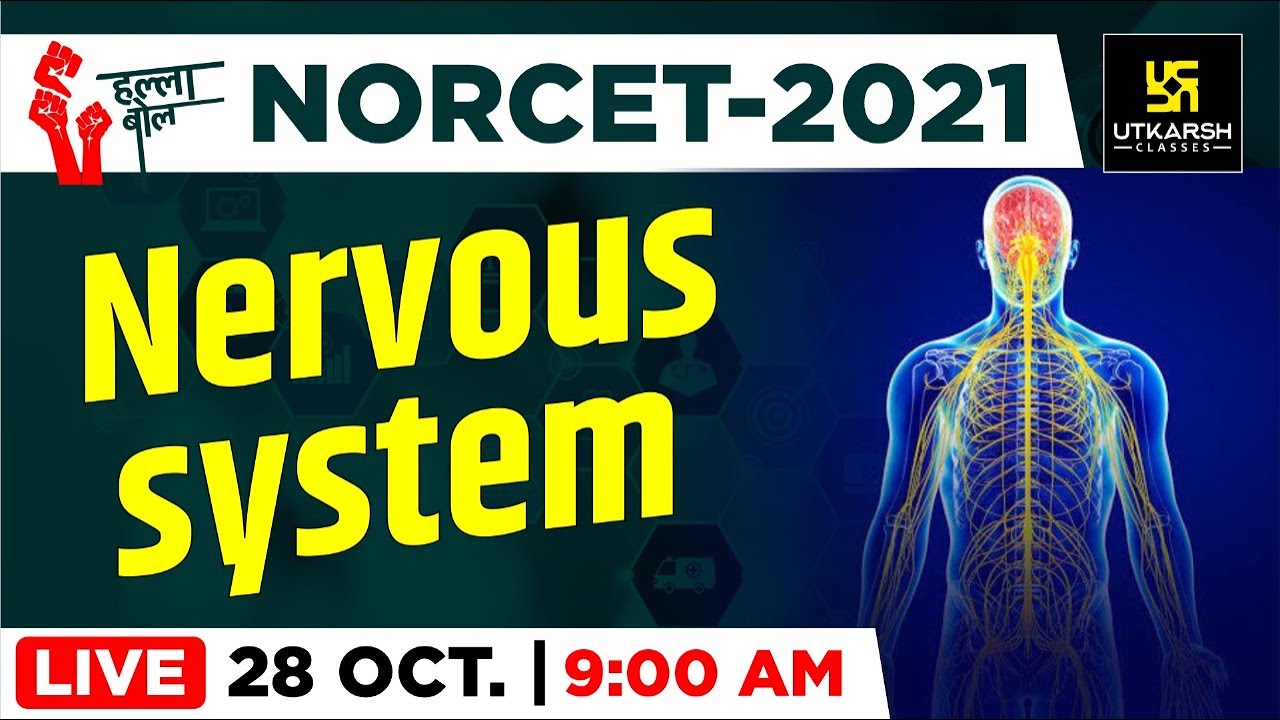
Nervous System || Important Questions || NORCET || AIIMS || By Raju Sir
53.6K
The autonomic nervous system has two divisions: sympathetic (fight or flight) and parasympathetic (rest and digest). Sympathetic activation increases heart rate, blood pressure, respiratory rate, blood glucose, and sweating while inhibiting digestion. Parasympathetic activation decreases heart rate, blood pressure, respiratory rate, and blood glucose while stimulating digestion. These systems work antagonistically to maintain homeostasis.
Click to watch →

SISTEMA NERVOSO - FISIOLOGIA - Aula | Biologia com Samuel Cunha
1.8M
The autonomic nervous system regulates involuntary functions. The sympathetic division prepares the body for stress (fight-or-flight): increases heart rate, dilates pupils, redirects blood to muscles, and releases stored glucose. The parasympathetic division promotes relaxation and digestion (rest-and-digest): slows heart rate, stimulates digestion, and promotes urination. These divisions use different neurotransmitters - sympathetic releases noradrenaline while parasympathetic releases acetylcholine.
Click to watch →

Introduction to Nervous System Anatomy & Physiology | CNS | PNS | Nerves | Lecture - 1
135.8K
The autonomic nervous system has two opposing divisions that work in opposition to maintain balance: (1) Sympathetic division - activates during stress, danger, or emergencies (fight or flight response); increases heart rate, dilates pupils, and redirects blood flow to muscles; prepares the body for rapid action; (2) Parasympathetic division - activates during rest and digestion; decreases heart rate, stimulates digestion, and conserves energy; promotes relaxation and recovery. These two divisions work together to maintain homeostasis by adjusting the body's readiness for activity versus rest.
Click to watch →
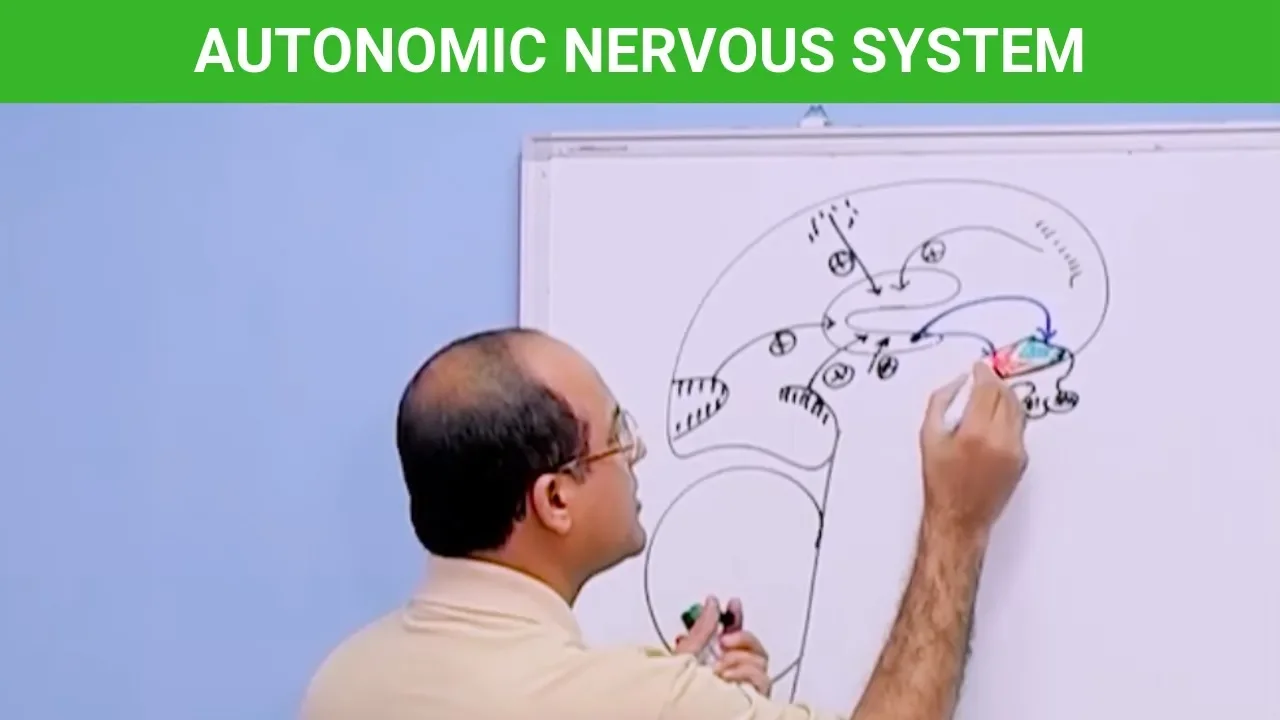
Autonomic Nervous System | Neuroanatomy 🧠
386.7K
The autonomic nervous system (ANS) supplies all smooth muscles, glands, and myocardium, controlling involuntary bodily functions. It comprises three divisions: sympathetic (fight-or-flight), parasympathetic (rest-and-digest), and enteric (GI tract with millions of neurons). Sympathetic activation occurs during stress, emotional distress, or threatening situations, mediated by the hypothalamus activating preganglionic fibers from T1-L2/L3 spinal cord segments. These fibers release acetylcholine onto postganglionic neurons, which release norepinephrine locally, while the adrenal medulla releases epinephrine systemically. This dual mechanism prepares the body for immediate survival responses by stimulating beneficial tissues (cardiovascular, muscles) and inhibiting non-essential functions (digestion).
Click to watch →
Deep Dive
The fundamental definition of trauma and PTSD, including how traumatic events impact both psychological states and physical health.
Defining PTSD and Trauma | What is PTSD
24.4K
Trauma is defined as an extreme threat to someone's physical or sexual integrity that is highly life-threatening, including events like shooting, assault, domestic abuse, war, robbery, rape, torture, serious vehicle accidents, and serious potential lethal illnesses. Trauma can lead to various consequences including depression, anxiety, substance use, and PTSD. The development of PTSD depends on multiple factors: the nature of the traumatic event, individual vulnerability factors such as pre-existing anxiety or depression, social support systems, substance use patterns, and the cumulative effect of multiple traumas. Not everyone who experiences trauma develops PTSD; it requires specific conditions including direct exposure to trauma, witnessing it in others, or repeated exposure (as seen in first responders). The distinction between trauma and PTSD is crucial—trauma is the event itself, while PTSD represents the psychological response that may develop afterward.
Click to watch →
Concept of trauma in Post-traumatic stress disorder (PTSD)
1.1K
Trauma is defined as an event or series of events experienced as physically or emotionally harmful or threatening, causing lasting adverse effects on functioning and well-being. PTSD is fundamentally a biological construct, not merely psychosocial - severe trauma causes measurable changes in the brain, endocrine system, immunological function, and resulting behaviors. Emotional responses range from immediate shock, denial, anger, and numbness to delayed irritability, mood swings, panic attacks, and dissociation. Physical reactions include nausea, sweating, fatigue, sleep disturbances, nightmares, elevated cortisol, and long-term health issues like hypertension and diabetes.
Click to watch →
How PTSD Affects the Brain with Sanne van Rooij | Emory BrainTalk Live
461
This section covers the fundamental distinction between trauma and PTSD. Trauma is defined as experiencing or witnessing events involving actual or threatened death, serious injury, or sexual violence, such as car accidents, assaults, or natural disasters. PTSD is a psychiatric disorder that can develop after trauma exposure, characterized by four clusters of symptoms: intrusions (flashbacks, nightmares), avoidance, negative alterations in cognition and mood, and hyperarousal. PTSD is not the only consequence of trauma—comorbid conditions include depression, substance use disorders, and increased risks for dementia, cardiovascular disease, and metabolic syndrome. Approximately 6-8% of the general population develops PTSD, with higher rates in populations experiencing repeated trauma or ongoing stressors.
Click to watch →
kennisclip Trauma en PTSS
14K
Trauma is not the same as PTSD, and not every stressful event constitutes trauma. Trauma comes from the Greek word meaning 'wound' and involves experiencing serious injury, sexual violence, or threats of death. There are 16 types of traumatic events, ranging from natural disasters to physical abuse. Exposure can be direct (experiencing or witnessing) or indirect (learning about it happening to others). Studies show 50-80% of people experience potentially traumatic events, with gender differences in exposure types. The physiological stress response involves two systems: the sympathetic-adrenal-medullary system (SAM) activates within seconds, releasing epinephrine and norepinephrine, while the hypothalamic-pituitary-adrenal axis (HPA) responds more slowly, releasing cortisol. Once the threat passes, stress hormones decrease and the body restores balance over several hours. PTSD diagnosis requires at least one re-experiencing symptom, one avoidance symptom, two negative thoughts/mood symptoms, and two hyperarousal symptoms. Approximately 7% of Dutch people develop PTSD in their lifetime.
Click to watch →

Em Questão: Psicotraumatologia – o estudo do trauma psicológico e seus impactos
450
Trauma affects both body and brain. Initial symptoms include psychological shock (feeling anesthetized, disbelief), amnesia, and blocking. PTSD creates a permanent state of alert with the 'syndrome of repetition' - anxiety that can be triggered at any moment. Some traumas cause severe dissociation where the subject experiences a divided self during recall. Trauma can lead to substance abuse and violence. Physical symptoms include thyroid problems and hormonal imbalances. The body serves as the 'voice' of psychological suffering, manifesting mental pain through physical symptoms.
Click to watch →
Deep Dive
An introductory understanding of Polyvagal Theory, specifically how the nervous system detects and responds to safety, danger, and life-threat.

Polyvagal Theory Made Simple
250.3K
Polyvagal Theory, developed by Dr. Stephen Porges, proposes that the human nervous system operates on a three-part hierarchy rather than a simple binary fight-or-flight model: the ventral vagal state (social engagement and connection), the sympathetic state (fight-or-flight mobilization), and the dorsal vagal state (freeze/shutdown). The vagus nerve, which regulates heart rate, breathing, digestion, and immune function, plays a central role in this system through neuroception—an automatic process that detects safety or danger before conscious awareness. Co-regulation, where individuals synchronize their physiological states through safe relationships, is fundamental to nervous system regulation. Vagal tone can be improved through practices like deep breathing, singing, humming, cold exposure, and laughter, helping individuals return to a safe ventral vagal state more quickly.
Click to watch →

Tělo řídí naše vztahy. Psycholog a neurovědec Stephen Porges na Hausbotu Petra Horkého
112K
Stephen Porges, a world-renowned neurologist, developed Polyvagal Theory to explain how the nervous system responds to threat and safety. Fear is a normal physiological response to uncertainty, but chronic overactivation leads to unhealthy states. Trauma is not defined by the event itself but by the individual's reaction to it. The nervous system is competent and quick to detect properties in others that people themselves may not be aware of. Many people experienced severe adversity in childhood or adult life, causing their bodies to become so locked in threat that they stop feeling their bodies. The nervous system can allow people to literally forget their experiences as a protective mechanism of dissociation. Viktor Frankl's concept that free will exists in the space between stimulus and response is crucial. The physiological state of the body is the main determining factor of how we react. Voice intonation is more important than words because the nerves regulating the larynx are connected to the vagus nerve. The brain, through neuroception, recognizes signs of safety and risk. If it detects safety, the vagus nerve remains calm. If blocked in feelings of uncertainty, the vagus nerve becomes inactive. Talk therapy alone will not work if the nervous system does not feel safe enough to be accessible. To calm a body in a threat state, look at a good mother and her child - not one who shakes or screams at a crying child, but one who empathically allows her body and voice to serve as support for the infant. Everything begins with our own awareness. The space between stimulus and response is our physiological state. Slow, long exhalations help 'hack' the vagus nerve setting.
Click to watch →
Restoring your Internal Sense of Safety after Trauma w/ CPTSD Expert Dr. Arielle Schwartz
194.3K
Polyvagal theory explains how the vagus nerve (the 10th cranial nerve) has multiple circuits governing our responses to safety and threat. The upper vagal circuit handles social connection and sensing safety through visual and auditory cues like loving gaze and soothing voices, while the lower vagal circuit connects to digestive and reproductive organs, enabling rest-and-digest states. This evolutionary adaptation means mammals need to assess their environment for safety before resting. The nervous system responds to threats through a tiered sequence: first attempting connection through the social engagement system, then mobilizing through fight-flight if connection fails, and finally entering dorsal vagal shutdown causing immobilization or fainting. The fawn response represents a hybrid state combining social engagement with sympathetic mobilization, where individuals navigate threats by taking care of others in hopes of receiving protection.
Click to watch →

Polyvagal Theory and Trauma – Deb Dana
212.4K
The autonomic nervous system serves as the fundamental platform for all lived human experience, functioning as an internal surveillance system that continuously monitors internal bodily states and external environmental conditions. Polyvagal Theory is organized around three foundational principles: (1) Co-regulation—a biological imperative meaning humans cannot survive without connection to another human being; (2) Neuroception—detection without awareness, where the nervous system takes in information about safety and danger without the thinking parts of the brain being involved; and (3) Hierarchy—three predictable pathways of response (ventral vagal, sympathetic, and dorsal vagal) that we travel in sequence. The social engagement system, consisting of five cranial nerves controlling eyes, ears, voice, face, and head movements, enables us to send and receive cues of safety and danger through non-verbal communication. Neuroception creates either a match or mismatch between the nervous system's interpretation and actual conditions, with humans having a negativity bias toward danger cues.
Click to watch →

How to build somatic and nervous system capacity
200.1K
Polyvagal theory explains how the nervous system responds to threat through different states. The dorsal vagal response represents a parasympathetic shutdown characterized by coldness, blankness, and dissociation—a shocked slowing down rather than genuine relaxation. In contrast, sympathetic fight-flight energy produces increased activation, humming, buzzing, and heart racing. Understanding these physiological responses allows individuals to recognize when they are experiencing shutdown versus mobilization, informing appropriate self-regulation strategies.
Click to watch →
Deep Dive
The concept of embodiment and the mind-body connection in modern psychology, acknowledging that emotional experiences are mapped in the physical body.

Thema: Einführung in die Körperpsychotherapie
16.6K
Embodiment is the concept that all mental processes occur within the body and cannot be separated from it. The body is in constant interaction with the external world, and this interaction is fundamental to human experience. The body serves as a memory storage system that carries life history, with all cells believed to store experiences. Working through the body provides access to experiences that may have been split off or repressed. Research demonstrates that body posture significantly affects psychological state, with bent postures reducing confidence and finding jokes less funny.
Click to watch →

Tu cuerpo habla - Las Tres Gracias
258
Modern medicine increasingly recognizes that emotional experiences directly manifest as physical symptoms. The field of psiconeuroendocrinoinmunología (emerging over 40 years ago) demonstrates that psychic, endocrine, and immune systems are in permanent dialogue. Emotions are energy in motion that mobilizes specific internal responses, translated into signs or symptoms called pathology. Yoga philosophy views humans as the union of body, mind, soul, and spirit. A case study illustrates this: a patient with Crohn's disease developed symptoms 7 years after a betrayal, manifesting in her colon where she felt she had committed an 'embarrassment.' This shows how emotional experiences translate to specific body parts based on where and how they are lived.
Click to watch →

Somatik Psikoloji ve Beden Farkındalığı - Psikolog Sibel Aydoğmuş
1.9K
The concept of 'embodiment' (bedenlenme) refers to the experience of emotions within the physical body. When individuals struggle to carry or express certain emotions like anger, it indicates their body's capacity to hold and process that emotion is limited. Somatic psychology focuses on expanding this capacity rather than eliminating emotions. The field recognizes two types of body: the gross body (kalın beden) made of flesh, bone, and organs that we can touch, and the subtle body (ince beden) representing vital energy that animates the physical form. These two bodies constantly interact and influence each other, with changes in one inevitably affecting the other. Physical trauma affects the subtle body, creating fear responses that influence future behavior, while emotional experiences can cause the subtle body to become affected, leading to ongoing anxiety or avoidance patterns.
Click to watch →

TEDx Amity University Noida | 23rd Jan 2026
2.5K
One of the biggest misconceptions is that emotions are just in your head. In reality, emotions are physical before they are psychological. You clench your fists when angry, your jaw tightens when frustrated, your heart breaks when sad, and your chest tightens when anxious. When facing trauma, the body reacts before the mind has a chance to process. The body is your survival mechanism, protecting you through physical responses. Mind and body are intricately connected—what happens to one happens to the other. This is a major flaw in modern medicine where mind and body are treated as separate.
Click to watch →

Пространственная психология и психокатализ
534
Spatial psychology is an approach that directs attention to internal body space, originally developed through autotrainning practices. Different emotions manifest in specific body locations: anxiety accumulates in the head during difficult problem-solving, anxiety concentrates in the chest, and fear gathers in the abdomen. This creates a somatic map where psychological states have physical locations. When investigating body sensations during therapy, transformation begins spontaneously as the organism uses feedback to self-regulate. Adaptive stress responses (fight, flight, freeze) help survival but become maladaptive when triggered inappropriately, potentially leading to chronic conditions like panic disorders.
Click to watch →
Prerequisite Knowledge
- Concept 01The basic structure and function of the Autonomic Nervous System (ANS), particularly the sympathetic (fight-or-flight) and parasympathetic (rest-and-digest) responses.
- Concept 02The fundamental definition of trauma and PTSD, including how traumatic events impact both psychological states and physical health.
- Concept 03An introductory understanding of Polyvagal Theory, specifically how the nervous system detects and responds to safety, danger, and life-threat.
- Concept 04The concept of embodiment and the mind-body connection in modern psychology, acknowledging that emotional experiences are mapped in the physical body.
Subsequent Learning
- Step 01Core therapeutic techniques used in Somatic Experiencing (SE), such as tracking bodily sensations (interoception), titration, and pendulation.
- Step 02How somatic trauma therapy facilitates neuroplasticity and the physical release of trapped survival energy (the 'freeze' response).
- Step 03A comparative study of Somatic Experiencing alongside other trauma-informed modalities like EMDR (Eye Movement Desensitization and Reprocessing) and Sensorimotor Psychotherapy.
- Step 04Clinical and self-applied strategies for using somatic tracking to build emotional resilience and restore autonomic nervous system regulation in daily life.
Somatic Intro
Somatic Intro
0:09Playing Section
- 1
Peter Levine presents a naturalistic method for trauma transformation.
- 2
Focus is on resolving stress-related disorders through body awareness.
- 3
Video aims to explain fundamental principles of somatic experience.
Cognitive-Behavioral Therapy (CBT) and Empirical Critiques of Somatic Experiencing
While Somatic Experiencing (SE) is a popular 'bottom-up' approach focusing on physiological release, many clinical psychologists and researchers advocate for 'top-down' therapies like Trauma-Focused Cognitive Behavioral Therapy (TF-CBT) and Prolonged Exposure. Critics of SE highlight a lack of robust, large-scale randomized controlled trials (RCTs) compared to these established cognitive treatments. Furthermore, some neuroscientists question the literal scientific validity of SE's core premise—that trauma is 'stored' as physical energy in the nervous system—arguing that this concept is more metaphorical than biological. From this perspective, cognitive processing and exposure-based habituation are viewed as the primary, evidence-based drivers of trauma recovery, making somatic interventions secondary or unproven.
Deep Dive
Core therapeutic techniques used in Somatic Experiencing (SE), such as tracking bodily sensations (interoception), titration, and pendulation.

Somatic Experiencing® con Fuensanta Muñoz de la Cruz
10.9K
Before addressing trauma, Somatic Experiencing focuses on identifying personal resources - activities and capacities that nourish the body, soul, and spirit. This preparation is essential because approaching trauma without resources is like fighting a dragon without armor. Titration is the technique of approaching traumatic material in very small, manageable doses - like adding acid and base drop by drop to prevent explosion. The goal is to process trauma incrementally without overwhelming the person's capacity to contain and integrate the experience. Pendulation is a technique where therapist and client move back and forth between the 'vortex of resources' (safety and capacity) and the 'vortex of trauma' (traumatic material). This pendulum-like movement allows the nervous system to gradually adapt to traumatic material without becoming overwhelmed. Through this process, traumatic experiences can be 'renegotiated' - their meaning and impact transformed.
Click to watch →

Abi Blakeslee, Ph.D. The Way of Somatic Experiencing: from the archives
226
Somatic Experiencing employs two core techniques: tracking and titration. Tracking involves following a client's internal sensory experience moment by moment, attending to bodily movements without interpretation—whether trembling, tightening, or shifting posture. Titration uses a drop-by-drop approach, allowing the nervous system to handle small amounts of distress before returning to regulation. Therapists may direct attention to areas of softening rather than discomfort, creating a 'parasympathetic domino effect' where small improvements cascade throughout the body. The amygdala, constantly scanning for threats, gradually calms as the body experiences safety in these small moments of betterness, reducing cortisol and catecholamine production.
Click to watch →

Waking the Tiger by Peter A. Levine with Ann Frederick
3.6K
Somatic experiencing offers a path to heal trauma through direct connection with bodily sensations. Four core techniques work together: grounding brings present-moment awareness through sensory details to anchor someone in the here and now; titration introduces small manageable amounts of stressors to avoid overwhelming the nervous system; pendulation alternates between grounding and manageable discomfort, gently swinging between ease and challenge; discharge releases pent-up energies through shaking, stretching, or sounds. Central to these practices is the 'felt sense'—a term coined by Eugene Gendlin describing holistic bodily awareness of an issue before it becomes clearly conceptualized. This felt sense serves as a portal for releasing old traumatic energies. By developing curiosity about nascent bodily sensations associated with trauma and exploring them slowly, individuals can transform trauma from the bottom up, re-patterning neural pathways of fear and dissociation into ones of groundedness and integration.
Click to watch →

Somatic Experiencing in the Treatment of Anorexia Nervosa
656
Somatic experiencing employs three key techniques to guide the nervous system toward balance: (1) Resourcing establishes safety and comfort at treatment onset, starting with simple external associations like holding a pillow or noticing a cushion; (2) Pendulation involves pulsating between distressing sensations and resource states to build resilience; (3) Titration slows down the body's natural trauma response by processing distress in small increments rather than overwhelming activation. Together, these techniques prevent the nervous system from becoming overloaded and help clients develop the capacity to handle distressing experiences without falling into learned helplessness.
Click to watch →

Beyond Theory Podcast | S2 E14: Dr. Peter Levine on Waking the Tiger
127.5K
Two fundamental principles guide trauma work in somatic experiencing. Titration accesses the trauma experience and its energy one small amount at a time to prevent overwhelm, since being overwhelmed is similar to having the original trauma. Pendulation involves guiding clients through a contraction (recoiling sensation) that opens into expansion, then to another smaller contraction and expansion. This demonstrates that initially worse sensations eventually move toward openness and freedom. These principles ensure safe processing of trauma energy without retraumatization, allowing the nervous system to gradually regulate itself through gentle oscillation between states of tension and relaxation.
Click to watch →
Deep Dive
How somatic trauma therapy facilitates neuroplasticity and the physical release of trapped survival energy (the 'freeze' response).

Persistent Fatigue and the Cell Danger Response to Toxins
1.1K
Somatic trauma therapies like somatic experiencing, EMDR, and sensory motor psychotherapy help decrease the nervous system's fight flight freeze response by working with the nervous system from a somatic perspective. In somatic psychotherapy, when experiencing symptoms like panic attacks, the goal is to hold curiosity about the symptom without fully believing the system's perception, orienting to the present moment to recognize safety. Through practice, people can learn to interrupt threat response cycles more quickly. People with chronic illness can learn to identify specific triggers that precede symptom flares, such as certain people evoking threat responses based on childhood experiences. Childhood trauma can set up pathways for a nervous system that becomes hypersensitive to environmental stressors. Recovery involves three key areas: identifying and avoiding toxins, changing personal sensitivity to toxins through nutrition and lifestyle, and using neuroplasticity to develop new response patterns.
Click to watch →

Беседа о ПТСР и КПТСР. Часть 6. Телесная терапия ПТСР: йога и соматическое переживание
130
Somatic Experiencing parallels rescripting by adding new elements to traumatic memories at the bodily level. The therapist helps clients physically express impulses they suppressed during trauma, allowing the body to 'rewrite' traumatic memories. This includes releasing fight, flight, and freeze responses through physical actions like walking or running in place. Tremors and shaking represent attempts to release frozen impulses, and amplifying these physical reactions allows for the gradual release of what was held during the traumatic event.
Click to watch →
Why do we keep repeating the same cycles? (intro to nervous system work)
4.6K
When trauma occurs and fight or flight responses are unsafe, the body activates the freeze response (dorsal vagal shutdown)—the 'deer in the headlights' state. When this happens repeatedly, tension and unexpressed emotion accumulate in the body. The body seeks physical expression through movements matching the original trauma: pushing away, fleeing, vomiting, or shaking. Effective healing requires working below the neck through somatic movement to release trapped energy and complete unresolved experiences. The body holds procedural memories that must be accessed and expressed. Awakening the body involves listening to basic physical urges without judgment—drinking, using the bathroom, laughing, passing gas. Suppressing these functions maintains the freeze response. This somatic work connects brain, nervous system, and body to facilitate true healing.
Click to watch →
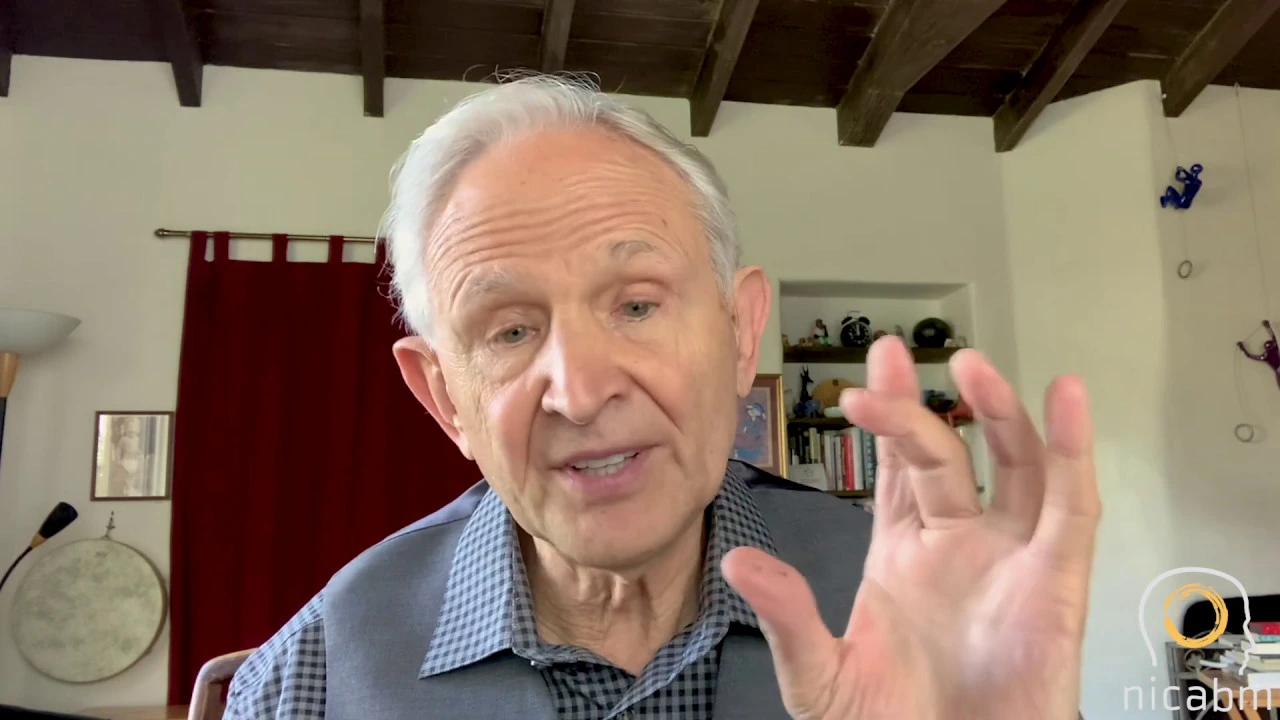
When a Client Is Stuck in the Freeze Response with Peter Levine, PhD
385.2K
The freeze response is a survival mechanism where individuals become physically immobilized due to perceived threats, even when those threats are not actual dangers; this response can become stuck when people suppress unacceptable emotions through muscle tension (armoring), and the key to healing is helping clients work with and release the energy locked in their frozen muscles through guided somatic awareness and movement, rather than avoiding these sensations.
Click to watch →

6 Science-Backed Ways to Heal Trauma Without Medication | Bessel van der Kolk
313
Somatic practices work directly with the body's physical experience rather than the thinking mind, including somatic experiencing, sensory motor psychotherapy, grounding practices, body scanning, and titrated trauma processing. Animals routinely experience life-threatening events yet do not develop PTSD because they physically complete the survival response—shaking, trembling, moving through freeze and returning to normal functioning. Humans frequently interrupt this completion by suppressing physical impulses to shake, run, or fight, trapping survival energy as chronic tension, hypervigilance, and persistent sense of threat. Somatic practices help complete what was interrupted—not by reliving trauma, but by gently tracking physical sensations and allowing the body to finish the survival response in small titrated doses. Grounding practices direct attention to present-moment physical sensations, anchoring the nervous system in the present and interrupting trauma responses oriented toward the past.
Click to watch →
Deep Dive
A comparative study of Somatic Experiencing alongside other trauma-informed modalities like EMDR (Eye Movement Desensitization and Reprocessing) and Sensorimotor Psychotherapy.

Webinaire : Comment la Somatic Experiencing a révolutionné le traitement des traumatismes
19.1K
Somatic Experiencing training is open to anyone who wants to accompany traumatized people, including yoga teachers, massage therapists, and others. However, each person should remain within their field of competence. Many trauma treatment methods that don't understand titration and resources can aggravate the situation. Somatic Experiencing and EMDR are methods that have been developed separately with radically different principles. Both are exposure methods, but their goals for resolution are radically different. EMDR initially placed people in the worst moment of the event, which could aggravate the situation if it didn't work.
Click to watch →

Somatic Experiencing vs Sensorimotor Psychotherapy: Which Trauma Therapy Works Best? | Catriona
8.9K
Somatic Experiencing focuses on tracking bodily sensations to complete incomplete actions from trauma triggers, creating new neural pathways so the body doesn't automatically enter freeze mode; in contrast, Sensorimotor Psychotherapy breaks the self into parts, recognizing that trauma responses affect specific body regions rather than the whole self, allowing individuals to observe, resource, and integrate different parts of themselves to heal attachment wounds and developmental trauma.
Click to watch →
An introduction to Somatic Experiencing Therapy, EMDR Therapy, and TF-CBT Therapy
2K
This video introduces three evidence-based trauma therapies: Somatic Experiencing Therapy (SE), which helps release trapped energy from trauma through body awareness and pendulation between constricted and strong states; EMDR Therapy (Eye Movement Desensitization and Reprocessing), which uses bilateral stimulation to rapidly reprocess traumatic memories and achieve symptom relief in fewer sessions than traditional talk therapy; and Trauma-Focused CBT (TF-CBT), a brief intervention for children that educates parents and children about trauma and helps correct maladaptive narratives. Each therapy addresses how trauma compromises our ability to engage with others by replacing connection patterns with protection patterns, and each works by helping the nervous system regulate and process traumatic experiences differently.
Click to watch →

LIVE Somatic Experiencing® Una cita con el abordaje corporal del trauma
323
Somatic Experiencing serves as the foundational 'alphabet' for therapeutic depth, providing resonance, connection, and discovery of nervous system states. It can be incorporated into any therapeutic approach including Brain Spotting, Sensorimotor Psychotherapy, Bioenergetics, Gestalt, and Cognitive Behavioral Therapy. Traditional therapies work from cognition to emotion (top-down), while Somatic Experiencing works from the body and sensory nervous system upward. According to Liana Neto, trauma renegotiation is only possible when there is a change in the nervous system state. The experiential approach involves practicing with different nervous system states (safety, freezing, sympathetic activation) and learning to observe these states in oneself and others.
Click to watch →

LYB401 - Niklas Thrane: Det Fælles ved Alle Traumeterapier - 2 timers Special - Video Version
280
Somatic Experiencing (SE) therapy involves first helping clients establish positive somatic experiences before approaching trauma material. The approach treats attention like a canvas, first painting with positive sensations before introducing potentially overwhelming trauma material. Effective trauma therapy involves gradual exposure to trauma material - taking small 'drops' of trauma at a time while maintaining connection to positive somatic experiences. Internal Family Systems (IFS) therapy works with different parts of the self, including vulnerable exiled parts and protective parts. By helping clients locate and engage with specific parts in their body, therapists create distance from overwhelming trauma material. EMDR uses bilateral stimulation to help attention engage with trauma material without being captured by it, engaging the orienting response to prevent complete absorption.
Click to watch →
Deep Dive
Clinical and self-applied strategies for using somatic tracking to build emotional resilience and restore autonomic nervous system regulation in daily life.

How To Overcome Chronic Fatigue And Feel Good Again
7.8K
Somatic practices help reconnect with the body and reestablish safety, as dissociation prevents feeling safe. Practices include somatic meditations, body movement, chi gong, yoga, EFT tapping, and psychological therapies focusing on the somatic body. Emotional awareness—learning to name and honor emotions—is powerful for recovery. Somatic tracking retrain the brain that physical and emotional sensations are safe. When emotions are allowed, they can become energy in motion. The key is welcoming sensations through a lens of safety, which turns down the brain's danger alarm signal.
Click to watch →

Chronic Pain, Chronic Fatigue & Migraine Cure with Nick Koutsos
7.6K
Somatic tracking involves bringing attention to bodily sensations through a lens of safety, which retrain the brain to recognize these sensations as non-threatening. This practice calms the nervous system by signaling that there is no actual danger. Self-compassion is equally important, as self-criticism activates the brain's danger signals and perpetuates symptoms. The key is to recognize when you are being brutal to yourself and shift toward kindness. This combination of somatic practices and self-compassion helps break the cycle of mind-body symptom generation.
Click to watch →

Emotional Resilience Through Mindfulness-Dharma Talk
46.7K
The autonomic nervous system operates on a ladder of arousal: (1) Social engagement at the bottom—feeling safe, grounded, connected; (2) Parasympathetic activation mid-ladder—fight or flight responses with urgency and fear; (3) Dorsal shutdown at the top—freeze, dissociation, collapse, numbness. Meditation is most accessible from the social engagement state because the mind cannot observe clearly while tracking threats. Regulation means returning to internal steadiness after activation—not perpetual calm, but the ability to come back. It involves remaining connected to breath, retaining curiosity, and staying with body sensations without drowning in stories.
Click to watch →

🎙️ “Emociones bloqueadas: cuando el cuerpo habla… y no lo estás escuchando”
617
Somatic therapy is based on strategies of self-regulation: learning to read our own nervous system and exit survival mode to enter consciousness mode. It uses exercises with breathing, body awareness, and movement from precise observation. It develops: (1) Self-regulation skills; (2) Emotional self-awareness; (3) Empathy; (4) Assertiveness; (5) Teamwork abilities; (6) Motivation maintenance. It works by using the body as a vehicle to reprogram neural pathways created by trauma. The body stores blocked emotions, and somatic work releases these patterns, allowing the nervous system to find safety and new responses. This approach is suitable for everyone - not just for those in crisis but for anyone seeking to grow their consciousness and develop emotional intelligence.
Click to watch →

Somatic Tracking for Anxiety Regulation
50.3K
Somatic tracking is an anxiety regulation technique where individuals learn to observe and attend to physical sensations of anxiety without trying to change or eliminate them, which helps the nervous system recognize safety and reduces the need for anxiety responses.
Click to watch →
Somatic Intro
Somatic Intro
0:09- 1
Peter Levine presents a naturalistic method for trauma transformation.
- 2
Focus is on resolving stress-related disorders through body awareness.
- 3
Video aims to explain fundamental principles of somatic experience.
Cognitive-Behavioral Therapy (CBT) and Empirical Critiques of Somatic Experiencing
While Somatic Experiencing (SE) is a popular 'bottom-up' approach focusing on physiological release, many clinical psychologists and researchers advocate for 'top-down' therapies like Trauma-Focused Cognitive Behavioral Therapy (TF-CBT) and Prolonged Exposure. Critics of SE highlight a lack of robust, large-scale randomized controlled trials (RCTs) compared to these established cognitive treatments. Furthermore, some neuroscientists question the literal scientific validity of SE's core premise—that trauma is 'stored' as physical energy in the nervous system—arguing that this concept is more metaphorical than biological. From this perspective, cognitive processing and exposure-based habituation are viewed as the primary, evidence-based drivers of trauma recovery, making somatic interventions secondary or unproven.
The basic structure and function of the Autonomic Nervous System (ANS), particularly the sympathetic (fight-or-flight) and parasympathetic (rest-and-digest) responses.
The fundamental definition of trauma and PTSD, including how traumatic events impact both psychological states and physical health.
An introductory understanding of Polyvagal Theory, specifically how the nervous system detects and responds to safety, danger, and life-threat.
The concept of embodiment and the mind-body connection in modern psychology, acknowledging that emotional experiences are mapped in the physical body.
Core therapeutic techniques used in Somatic Experiencing (SE), such as tracking bodily sensations (interoception), titration, and pendulation.
How somatic trauma therapy facilitates neuroplasticity and the physical release of trapped survival energy (the 'freeze' response).
A comparative study of Somatic Experiencing alongside other trauma-informed modalities like EMDR (Eye Movement Desensitization and Reprocessing) and Sensorimotor Psychotherapy.
Clinical and self-applied strategies for using somatic tracking to build emotional resilience and restore autonomic nervous system regulation in daily life.
596.2K views7.7Klikes27:33@somatics1Original Release: 2014-10-15
hi I'm Peter Levine Developer of somatic experience in this instructional video we will present some basic basic ideas behind this naturalistic approach to the transformation to trauma and the healing of stress related disorders
Up Next

102:33
Attachment Repair, Metta & Vipassana with George Haas | Reach Truth Podcast
@tasshin
1.6K views•2022-09-03

68:32
Cognitive Skills for Differentiated Instruction | Teacher PD
@BrainWareLearning
631 views•2017-12-17

9:55
Thinking, Fast and Slow: Daniel Kahneman Animated Book Summary
@FightMediocrity
2.3M views•2015-06-05

6:40
The Nocebo Effect: How Beliefs Can Cause Real Harm
@CGPGrey
10.4M views•2013-12-23
Related Study Plans & Knowledge Roadmaps
Structured learning paths in Psychology
psychology
Neuroscience of Creativity: Networks & Training
01Foundations of Creative Cognition
02The Cognitive Neuroscience of Insight & Fixation
03The Triple Network Model of Creativity
+ 1 more learning modules
15h4 modules
Explore Roadmap
psychology
Imposter Syndrome: Etiology & CBT Framework
01Defining the Imposter Phenomenon
02Socio-Developmental Etiologies
03CBT Fundamentals & Thought Distortions
+ 2 more learning modules
15h5 modules
Explore Roadmap
psychology
Adult ADHD: Executive Dysfunction & Scaffolding
01Neurobiology of the ADHD Brain
02The Core Triad of Executive Deficits
03Executive Dysfunction and Emotional Regulation
+ 2 more learning modules
12h5 modules
Explore Roadmap
psychology
Loneliness: Evolution, Neurobiology & CBT
01Evolutionary Origins of Human Connection and Loneliness
02The Neurobiology and Physiology of Chronic Loneliness
03Maladaptive Social Cognition: The Psychological Loop
+ 2 more learning modules
12h5 modules
Explore Roadmap