



















Building somatic and nervous system capacity involves developing the ability to be present with and regulate current physical sensations, which enables the release of stored trauma from the body; this process requires learning to recognize and stay with physiological responses (such as heart rate changes, muscle tension, or digestive shifts) without becoming overwhelmed, thereby improving neuroception (the body's perception of safety/danger) and allowing accurate intuition to emerge.
Building Somatic and Nervous System Capacity for Trauma Healing
Added:Basic anatomy and function of the Autonomic Nervous System (ANS), specifically the sympathetic (fight/flight) and parasympathetic (rest/digest) responses.
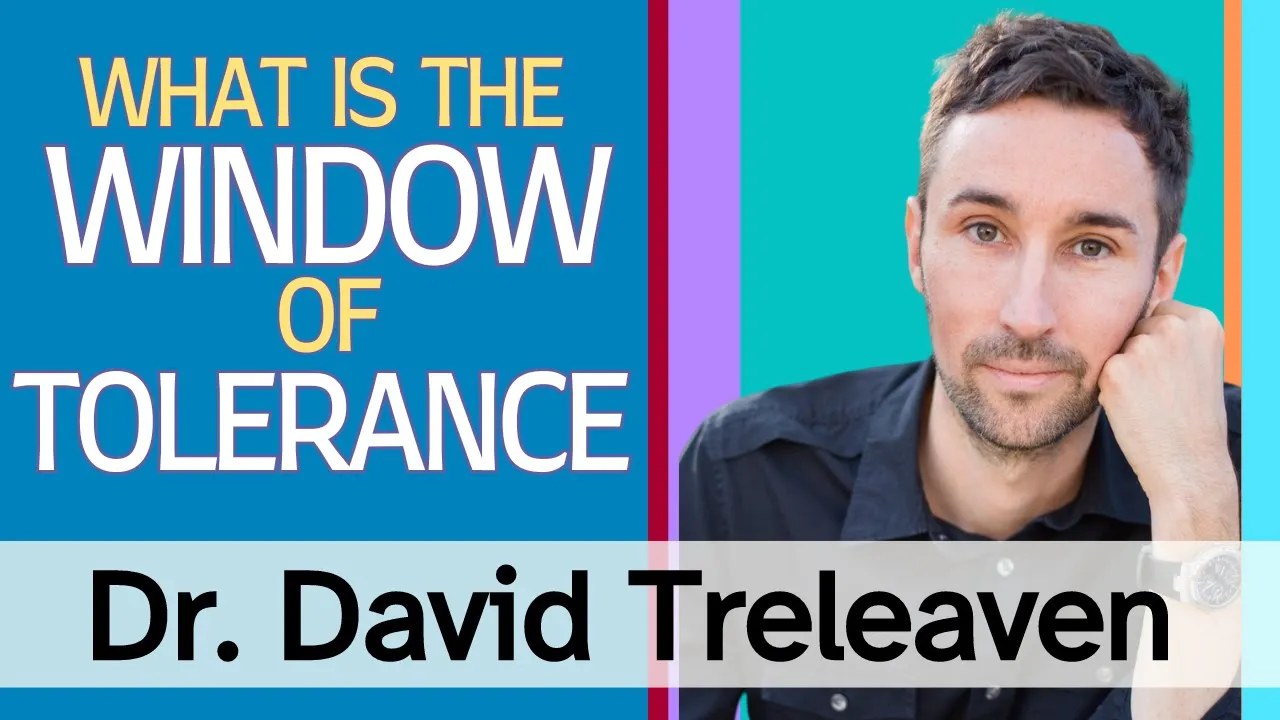
The concept of the 'Window of Tolerance' (Dr. Dan Siegel), which defines the optimal zone of physiological arousal for safe emotional processing.
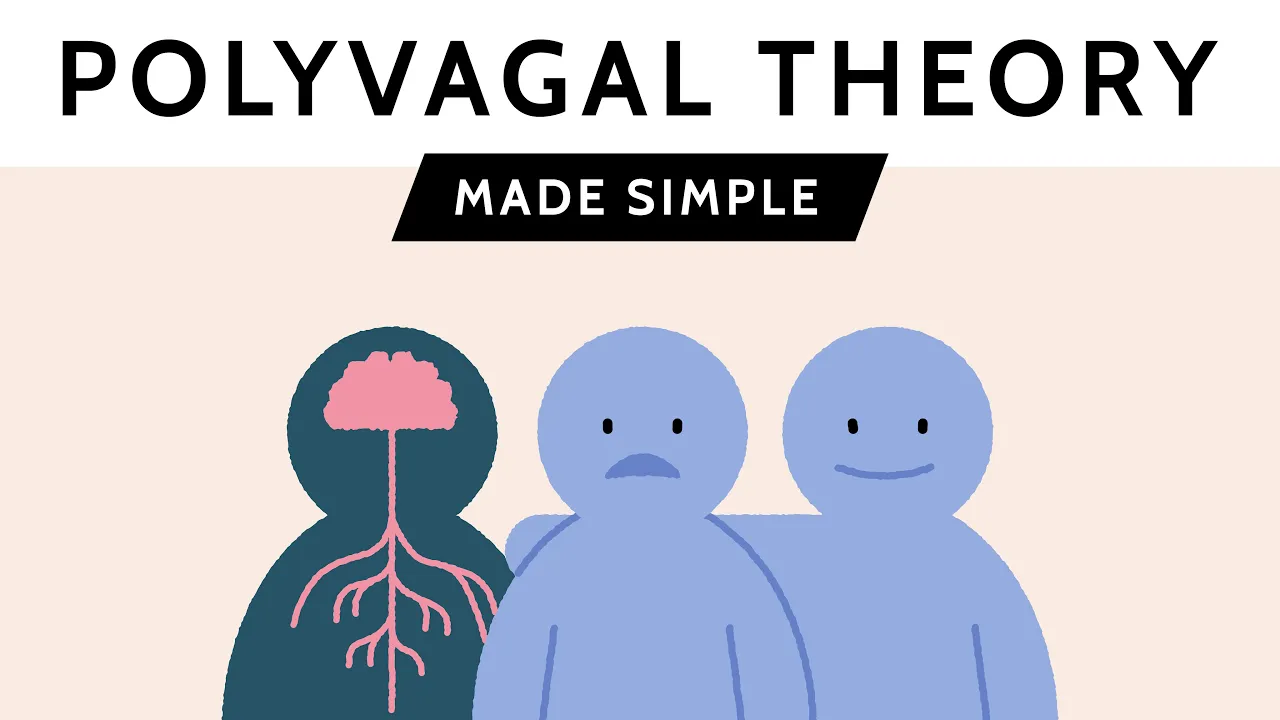
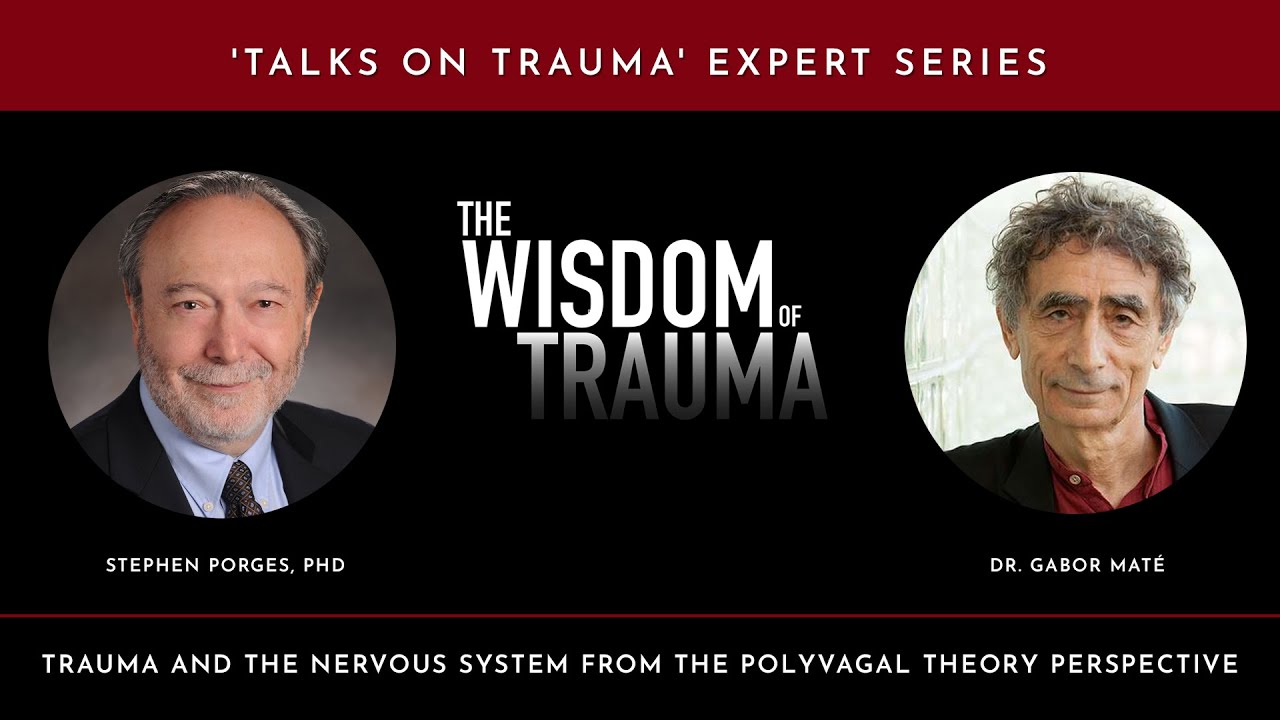
An introductory understanding of Polyvagal Theory (Dr. Stephen Porges), particularly the distinction between social engagement, mobilization, and immobilization states.
The physiological definition of trauma as an incomplete stress response stored in physical tissues and the nervous system rather than just a psychological memory.
Practical somatic techniques such as titration (processing trauma in small, manageable doses) and pendulation (looping between resources and traumatic stress).
The role of co-regulation in relational neurobiology, exploring how secure interpersonal relationships help stabilize individual nervous systems.
Integration of somatic-based healing with other therapeutic modalities, such as EMDR (Eye Movement Desensitization and Reprocessing) and IFS (Internal Family Systems).
Long-term neuroplasticity and nervous system retraining practices to permanently alter chronic hyperarousal or hypoarousal patterns.
200.1K views8Klikes31:01Original Release: 2022-01-16
hey everyone irene lyon here welcome to this video to this channel and this entire world of healing trauma nervous system health and all things neuroplasticity i'm going to talk to you today about capacity so building capacity within the nervous system and building capacity within the somatic systems which is basically our body and this is a large topic and i'm going to hit on some key pieces please know that this is not going to cover everything around this topic but one of the reasons i wanted to make this video is in many of my other videos i will talk about how we need to build capacity within ourselves so that we can naturally organically release trauma so trap survival stress but also so that we can be with what's happening around us in current time now and going forward i'm going to start with an example that is not within the healing trauma fields but it is in the healing fields the health field so if we think about fitness and the capacity to have aerobic fitness muscular fitness strength agility power all the things that go with a healthy human physical body this was my expertise it still is i suppose i'm in my 20s i did my master's in exercise science and my bachelor's in exercise physiology so this was my my main thing for quite a while but if we think about exercise if i say to you if you wanted to build up the capacity the ability to let's say climb up a mountain to go for a hike or to run a marathon or to swim across the lake in the summer my sense is you know that if you don't have the physical fitness on board to to do that whole piece of a distance you would need to build up your fitness capacity you would need to build up your aerobic capacity your ability to to get oxygen into your body and expel the waste products of exercise and and basically metabolism same with strength right i would never take someone a client of mine when i was in fitness who has never lifted any weight and say okay go into the squat rack and let's see you pump out a hundred pounds um on your back squatting or lunging or dead lifting or anything like that that wouldn't happen we would start slow we would start small we would start with movement teaching can the person even do the movement properly first before we load any weight on so i use this example in fitness and in exercise to just sort of give you a little taste of you might know what capacity building is in other aspects and so as i switch gears to the nervous system and building up somatic capacity what i'm going to first start with is in order to heal the old traumas in our system that are stored the somatic stress the memories that are trapped within our physiology in our tissues the fear the the stored up fright the stored up emotions the the shame that we might carry within our cells due to past abuse and adversity all these things that maybe you know you are carrying and that's why you're here watching me in this channel there is this knowing that there is stored old stuff very technical word i don't always like to just say trauma i like to be very specific stored survival stress so these are these fight flight and freeze responses that our body had to go into in the past usually when we're young um but it doesn't have to be when we're young we have something bad happen to us we mount these survival reactions fight flight freeze and then because we don't have enough capacity or understanding of what's going on we shut them down we do go into this more freeze shock collapse don't feel it numb it out dissociate from it distract ourselves all the things to not be with the internal physiology that is on fire and is saying danger danger so i wanted to just start with talking about capacity from a fight flight freeze perspective first so let's just say you're in that boat where you know that you've stored up some old stuff and there's so many types of old stuff i won't get into that um today but you know that there's stuff in there and i say we have to build the capacity in our nervous system and in our somatic systems to be able to work this stuff out to be able to uncover it what that means is we are helping our systems we're learning in our in real time how to be with current day sensation current day stimulus that might stress us a little bit so one of the hallmarks of somatic work isn't necessarily going into the memories because sometimes there might not be any memories this is what happens when we've had pre-verbal trauma early developmental trauma there's no cognitive representation of i had that accident and i almost saw my mother die in it but she didn't think goodness et cetera there's no cognitive declarative memory these early early experiences that maybe we had and so there might not be a memory and that's okay but one way to build up capacity this somatic and nervous system capacity is to get better is to get more experienced at feeling our internal systems in the here and now so one of these things might be something like how can i sense my body when i get a little scared in current day do i notice that i completely black out and go blank and i can't think or the flip side i feel my heart rate go up and i think i'm going to crawl out of my skin or i have butterflies in my stomach or my throat starts to clench or i get flushed and hot and i start to sweat or i start to shake and i shiver or i get a headache or i get a pain through my spine that i know happens but i don't really pay attention to it or it might be my digestion goes off so i keep saying these these pieces because it's not a one-size-fits-all you have to get to know what's happening in your somatic your body system under regular daily stressors so that you can start to understand the old stuff that's trapped from years ago last year 10 years 50 years ago okay so this is kind of the first piece is building somatic and nervous system capacity means being able to be with what we're feeling and sensing in the current moment and getting really good at it it might mean working with a somatic practitioner to help you uncover that it might mean doing my programs and courses to help you uncover that i'll go over a few ways that you can do that either free or paid at the end of this video just so that you have somewhere else to practice after this and and have a a blueprint if you will but we want to get better at knowing what's happening now in our body in this moment by doing that we build capacity to be with our internal physiological sensations and what's going on the fancy word for this is introception into roception the perception of our internal environment this has become a really hot topic in the fields of neuroscience and it's something that i work with daily with my clients with my students with myself but it's as simple as just noticing oh i've got some butterflies in my belly or i'm feeling a little hard to breathe or all those other things i just mentioned now the key when we feel these things is we need to be with them and respect them and honor them and it might be just two minutes of pausing and noticing now the interesting thing is when we pause and notice what's happening we also have to monitor whether or not we get completely consumed and go down a bit of a spiral into like doomsday we don't want to do that either and i'm talking a little more advanced here but this is where learning a few more skills that are a bit more specific through again a practitioner or a course or program are important but let's just say you're feeling something that's really intense in that moment you have to make a choice point can i continue to be with this intense thing this scary thing and stay present and connected in the here and now it is this date my name is irene i'm looking outside my kitchen's over there i can feel my feet on the ground and i'm going to continue to feel this heart that's just pounding if for let's say whatever reason this pounding is so intense and you're starting to feel yourself ramp up even more or ramp down and start to shut down that's where you know that your capacity so listen very carefully here you're somatic and nervous system capacity to be with this thing that's coming up this old survival stress this fight flight energy because that's usually what this is usually um not always but usually you then know that your capacity isn't quite big enough to ride out this wave i often say to my students the tsunami wave of survival stress you would not surf a tsunami wave until you know how to swim and surf and and tread water and be under water and hold your breath all these things so if you know that you can't surf that wave that is where you then have to pull yourself out and it's not about distracting yourself but it's about going to a resource going to something that you know will help you come out of that stress maybe it is uh calling a friend maybe it's listening to some music maybe it's watching a funny video maybe it's um some containment exercises or squeezing uh feeling the body touching the body maybe it's getting up and going for a walk you have to start to build your resource list of healthy helpful options so that when you feel that your capacity isn't there to be with that big thing you can default you can shift gears to something that's resourcing that's good that then allows your system to come down a little bit now the hallmark of nervous system work at the somatic level and healing trauma at this level is actually being able to be with these big big tidal waves i'm using a lot of water metaphor here tidal waves of stored fight flight and freeze so that we can release them and get them out of our system the fancy word would be deactivate old procedural memories that are stored in the body these memories get trapped when we can't deal with them because we didn't know how to maybe when we were young we weren't taught how to or we were so young that we didn't even know they were happening to us and our body was just going into a shutdown and collapse and a collapsed state to protect so this ability to build capacity as an adult in this day and age means being with the physiology and the sensations and everything that comes with our bodies and actively accepting kind of in some ways the decision yes i want to work on feeling the tough stuff that might be popping up and i'm not going to do something to pull myself out of it unless and this is where this gets trickier in a little little more um skillful skillful for you is to go okay this is my threshold i'm going to pull myself out i can't ride that that tsunami anymore i'm now gonna go into the life raft sit there drink my warm cup of tea listen listen to some music read a book whatever it might be and bring myself down in the way that i know helps i was um working with someone the other day just real quickly friend was having a little bit of a something going on i won't go into the details it's not important and what i noticed is when i had her start to notice this flutter in her in her body it was intense there was this immediate breathing she went into a very controlled state of breathing to try to dissipate the intensity now if i didn't know her better i would have let her continue to do this because maybe her system didn't have the capacity to be with this big physiological reaction that was happening but i know her really well and i said you know what would it be like to not breathe in this controlled way and just let your breath be shallow just let it do its thing and what occurred was that allowed with she was able to be then with that intense thing that was happening inside it was able to hit a sort of thermostatic reset and then it came out the other side and then she had a shift in her physiology that was quite pronounced now like i said i know her really well i knew that she had the capacity to be with this um i was there with her albeit was over a whatsapp call um but i say these two scenarios because some of you might not be able to yet i'm going to say that yet very important to be with an intensity and that's where i would say if breath work works to help calm you down great and so how do you know whether or not you're ready to kind of stick with that intensity you have to test it you have to trial it out you kind of have to dip your toe in a little bit and come out and then be like okay i'm going to stay in a little longer and see what happens but you also have to be smart you don't want to be ego based with this one of the reasons i see a lot of folks go too far with this work and rightfully so they want to be better they want to be better yesterday and this building of somatic capacity takes time so the other very important piece to building this somatic capacity and nervous system capacity it's a bit more cognitive it's a bit more theoretical that is learning the theory the deep theory and of course i have hundreds of videos here on this channel for you to watch and lectures and q and a's but one that i am going to guide you to is called the healing trauma series it's a three-part video series it's on my site completely free and complementary three videos the first video goes into a s it's called a swimming pool and beach ball analogy this is something that i've been teaching for years i won't give you the full full but it's of of what it is but it is a very simple way to understand capacity building stored stress and why we don't want to add more stress to the system if we can help it so definitely watch those three videos because that will give you more visuals as to what i'm talking about with this building of capacity but also more of the education around the fight flight and freeze and also how we store stress and then the repercussions of that so be sure to watch that now the other reason why education is important and getting more theory on board at a very deep level is so that when we are in a moment of feeling something intense and we're like this is that thing that irene was talking about i'm starting to find myself go a little a little blank i can't think clearly i'm starting to feel my body get really cold oh gosh that might mean that i'm going into a bit of a parasympathetic shutdown of my nervous system something called the dorsal vagal response of the parasympathetic very wordy i know but this is an important thing to understand because it's not it's not a true calming down it's a slowing down at a very sh in a shock way in a shocked way it is a shutting down because the physiology can't handle something that it is intense i've done many videos on the polyvagal theory so i'll link them below so you can check those out definitely get into those if you've never ever come across this concept of polyvagal theory very important to understand um likewise let's say a person is feeling increased activation in their body and they're humming and they're buzzing and they feel like their heart is going to explode and if they understand okay this is sympathetic adrenalize fight flight energy and they know that they actually have a lot of capacity like say my friend did they might then go into acting that out a little bit maybe there's some stored anger and aggression in the system some rage some words that just need to get shouted out of course not to harm anyone or yourself but this would be a higher level of work where if you understand the physiology and you've built up a little bit of the capacity you can then express perhaps these old fight flight anger um wanting to like put boundaries out all the things that come with our system when it's been wronged and hurt and harmed and maybe you're like whoa this is that opportunity for me to move this out and i know that i have the capacity to move this energy out i'm feeling this this survival response in my sympathetic physiology and i'm here in my home it's safe it's this day my name is irene i can feel my feet and i have the ability to stay present and get this out that is another reason why understanding the theory and the education is super duper important all right the other reason why getting better at being in our physiology building this somatic capacity this nervous system capacity is so that we have a more accurate perception a more accurate neuroception that's the fancy word perception of safety or perception of danger now this concept neuroception it was coined by dr steven porges who also coined the term and developed the polyvagal theory that i just mentioned a second ago when we have had a lot of bad scary things happen to us or even just really insidious traumas that are just kind of always there our perception of what is safe and not safe or dangerous and not dangerous gets thrown off it kind of gets skewed and so a common thing people ask is irene how can i trust my intuition when i never knew what was to be trusted in the environment you know and so that the answer to that is practice it goes back to trial and error but when we can build up more capacity so this is going to thread back to the first piece when we can build up more capacity within our physiology the somatic body we can be with more of these fight flight freeze responses when we start to do that we are becoming more accurate with what's actually inside as opposed to bypassing what is inside it then allows us to process these old stored things that have been lingering on forever around forever we release them from our system and when that occurs we free up space we actually have more of us on board more of our true nature on board and not the stored past icky stuff that we've been carrying around when we start to build up this capacity and we get this old junk out our perception of what is actually safe or what is actually dangerous gets better it gets more accurate and it's about as much as i can say because the only way to actually get this is to start to experience it yourself and just like i mentioned a second ago it's trial and error it's knowing when to listen and maybe test some things like actually i think today i'm gonna drive this way i'm feeling this really curious desire to go a different route to get to the grocery store and perhaps in that there is something that you see that you never knew was there and it was really important for you these are these little things that occur when our perception of the environment becomes more accurate and our perception i should say of our intuition becomes more environment it actually leads us into places and spaces where we find things that aren't for us that we need to find people we need to meet and then of course in going with that intuition let's call it our sixth sense our gut impulse our gut sense we are also avoiding things that might be dangerous for us i know that sounds a little more cosmic and out there but i can tell you whenever something bad has occurred to me recently at least it's because i'm not following my gut i'm not following my intuition i've put my cognitive brain ahead and then like well no no that doesn't make sense cognitively i'm gonna go do this and then something bad happens right obviously nothing deadly because i'm still here but we get these little hints and we have to learn from them so one other reason to build up this somatic capacity and kind of as a default this nervous system somatic capacity is it gives us some more accurate capacity there's that word again to know what we need to go towards and what we need to pull away from it's very very indicative of also what we maybe did get or did not get when we were young with our primary caregivers were they listening to us and this goes back to how all of this started in the beginning and i won't get into all the developmental pieces because i have many other videos on that but how we are listened to when we're young how we're attuned to how we're allowed to feel our bodies and be connected with in a gentle way or maybe not a gentle way all of that will determine determine our capacity to regulate as human beings to be with ourselves to be with our physiology but if we had an upbringing where our caregivers didn't never allowed us to fully let something cry um because we hurt ourselves you know and every time we we fell and we scraped our knee we were told to just get right up and not feel it and we're big and strong and don't feel that don't cry i did a video on what functional freezes i go into much more in depth detailed description so be sure to watch that if that concept is new to you um but if we didn't have that capacity to learn or that ability i should say to learn when we were young we're not going to know how to feel the difficult stuff because we were just told to not feel it and we're going to listen to those primary caregivers when we're really really little because they are our teachers so as an adult if you know to bring it back to kind of a more simple lens here if you know that you were not allowed to feel all the feelings to express all the expressions um then this is the work you need to do now to feel the feelings to go back to what i was saying at the very beginning of this video in the current moment now as an adult how can you be better at listening to your somatic expressions from the body stuff just as simple as listening to when you have to go to the bathroom listening to when you're there's pressure in the bladder when there's pressure in the rectum when there's gas that needs to come up allowing these things to come out of the body and do so in a way that's neutral is another way to start to build up our somatic capacity okay the final thing i want to say are or is i should say ways to start to practice so if you haven't gone to my site yet please do there are so many resources there there are ebooks there are audio samplers so you can actually download a lesson of me teaching for free to help you get guided into this body but also to the environment one of the hallmarks of this work we have to connect to the environment we have to connect to the internal and we have to do them both at the same time when we master this we master this capacity or this ability i should say to be with ourselves in relationship to the environment and other people as i mentioned also on my site is that three-part video training series definitely get into that it is a wealth of information and it'll give you just those ideas as to what this is all about i get into the research more of the science so be sure to check that out and then if you want to do a little more with me and get into building more capacity and learning more of the in-depth education definitely start out with my 21 day nervous system tune-up course this is available all year round and you can begin getting some of these more practical somatic tools on board and then depending on when you're watching this video once a year we run my program smart body smart mind this is a 12 week online group program that we've been running for many many years in the year 2022 it'll be the 11th time we have run this course um it teaches you everything that i have learned in terms of building capacity with the physiology with the actual body parts um working with the organs of the body the stress organs of the body the kidneys the adrenals the brain stem the guts all the parts of our body that go into survival mode when we've had a lot of bad scary things happen to us there's movement within this program there's interaction with my team and myself so that is really kind of the the the the holy grail if you will of my online programs and offerings is smart body smart mind um the one other thing i will mention that i almost forgot and then i'll end and on this note when we start to build more capacity within our body and nervous system we actually can get a bit bigger and by bigger i don't mean gain excess body fat i mean our our size can get bigger because we are no longer collapsed in our system we actually start to build more volume within our lungs within our pelvis within our bones i can no longer wear any of the clothes that i had five years ago 10 years ago i've had to replace everything rib size has increased and with that there's just more space inside and when there's more space inside physically we can actually bring in more sensation and feeling because at the end of the day our feelings our emotions are within our sensations and our sensations are felt from our internal physiology our viscera our heart our lungs the tissues all of it so this has been a little longer today kind of went in a few different directions but just to review building somatic capacity and nervous system capacity we want this for many reasons one to not hold any more stressors in our system so current day so we can be in current day and work with what we have to in our day-to-day but also we want to build capacity at this nervous system and somatic level so that we can heal and release and integrate the old stuff the old stuff that is trapped in our system and is keeping us either in this fight flight mode or in this freeze mode or maybe a combo of both um as many of you know when we're trapped in this mode this creates a whole host of troubles at the autonomic nervous system level chronic illness mental illness relationship troubles addictions trouble connecting with the environment trouble connecting with our cognitive brain thinking clearly being creative it really is an important piece to get into and to master so with that said thank you so much for being here be sure to get into those resources i mentioned everything i've mentioned is linked below in the show more section take good care and we will see you next time [Music] you
Up Next

10:09
Dr. Peter Levine: Somatic Experiencing & the Concept of Titration
@PsychAlive
327.1K views•2014-03-10

12:54
Triumph of Orthodoxy Icon: Byzantine Art & History Explained
@BenCallan
2.1K views•2024-08-06

9:49
FastAPI vs Flask vs Django: Choosing the Right Python Web Framework
@TechWithTim
302.5K views•2024-05-26

1:42
Game of Thrones Opening Credits: A Cinematic Analysis
@gameofthrones
46.3M views•2011-04-18
Related Study Plans & Knowledge Roadmaps
Structured learning paths in General & Interdisciplinary Studies
general-studies
Elevator Engineering: History, Physics & Cities
01From Hoists to Safety Brakes: The Dawn of Vertical Lift
02Hydraulic vs. Traction: The Engineering Physics of Elevators
03Modern Speed, Safety, and Algorithms
+ 2 more learning modules
12h5 modules
Explore Roadmap
general-studies
Rubber: Material Science, History & Geopolitics
01Origins of Natural Rubber & Mesoamerican History
02The Chemistry of Natural Rubber & Vulcanization
03The Geopolitics of the Rubber Boom & Colonization
+ 2 more learning modules
12h5 modules
Explore Roadmap
general-studies
Containerization: Evolution, Logistics & Trade
01Ancient Trade & Bulk Cargo: Amphorae to Barrels
02The Industrial Revolution & Cardboard Packaging
03The Containerization Revolution: Malcom McLean
+ 2 more learning modules
12h5 modules
Explore Roadmap
general-studies
Textile Tech: Evolution, Labor & Global Impact
01Pre-Industrial Textiles: Handloom & Cottage Industry
02Mechanization: The Spinning Jenny to the Power Loom
03The Factory System & Global Labor Transformation
+ 2 more learning modules
10h5 modules
Explore Roadmap