











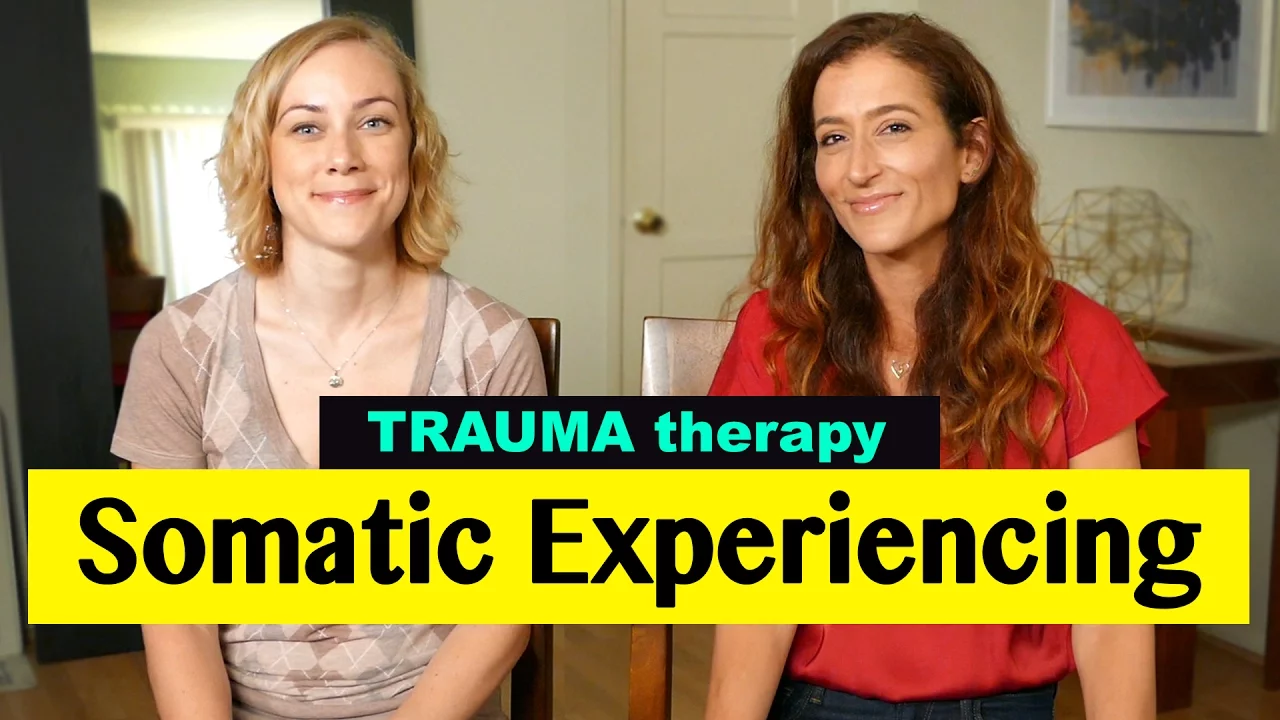


The Somatic Experiencing Approach, developed by Dr. Peter Levine, uses the concept of titration—gradually exposing individuals to traumatic bodily sensations one drop at a time—to help them safely process and release stored trauma energy, thereby developing resilience, confidence, and even joy; this technique is inspired by chemical titration, where mixing strong acids and bases requires careful, incremental addition to achieve neutralization safely.
Dr. Peter Levine: Somatic Experiencing & the Concept of Titration
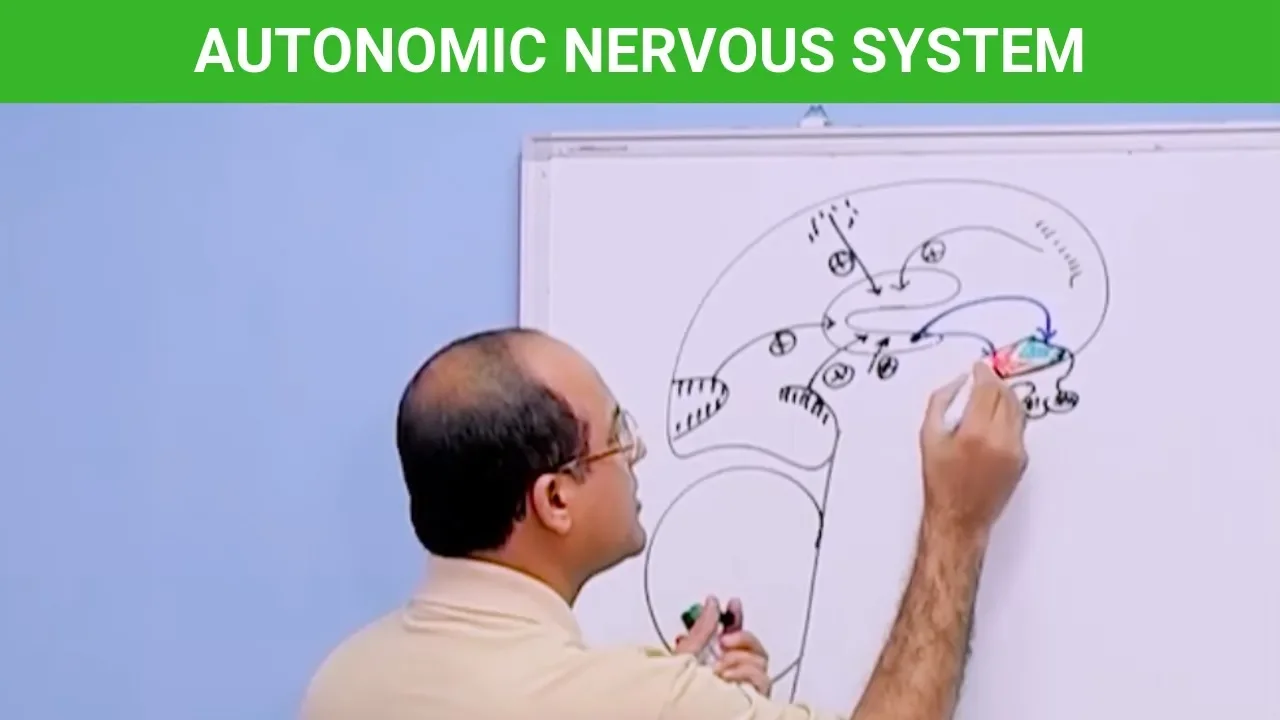
Added:Basic understanding of the Autonomic Nervous System (ANS), specifically the roles of the sympathetic (fight/flight) and parasympathetic (rest/digest/freeze) branches in response to stress.
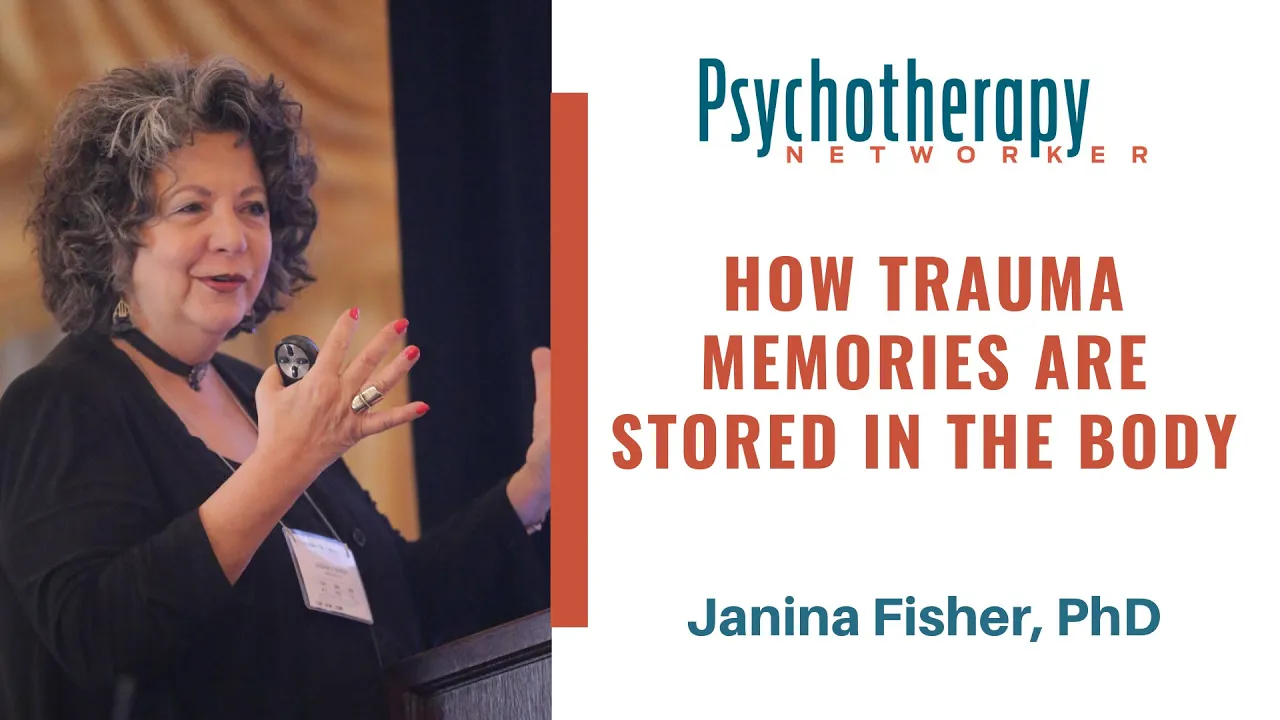
The psychological concept of trauma, particularly how traumatic stress can be stored implicitly in the body rather than just as cognitive memories.
The concept of interoception, which is the ability to perceive, interpret, and integrate internal bodily sensations such as heart rate, respiration, and muscle tension.
Dr. Dan Siegel's 'Window of Tolerance' framework, which describes the optimal zone of physiological arousal where a person can process emotions and experiences effectively.
The concept of 'Pendulation' in Somatic Experiencing, which is the therapeutic practice of looping attention between resources of safety and areas of traumatic activation.
Dr. Stephen Porges' Polyvagal Theory, which provides a deeper neurobiological framework for understanding safety, threat, and social engagement in trauma recovery.
Clinical applications of Somatic Experiencing for specific conditions, such as developmental trauma, medical trauma, and chronic pain syndromes.
A comparative study of other body-oriented psychotherapies, such as Sensorimotor Psychotherapy, the Hakomi Method, and EMDR (Eye Movement Desensitization and Reprocessing).
327.1K views4.4Klikes10:09Original Release: 2014-03-10
[Music] as I started to work with many people and we would see symptoms often connected with what we would think as being relatively benign experiences you know falling off bicycles being in accidents having invasive medical procedures I mean these are all seem like ordinary things and of course things like abuse neglect molest molestation rape all of these things of course those those are clear traumas trauma of war those are clear traumas but there was I discovered there are so many other things that could cause these effects and I thought we'll wait a minute we have the same part of our nervous system of our brains did that have to do with survival that have to do with dealing with prep with with predation with a threat with danger as animals do and if animals develop the kinds of symptoms that we do the kind of symptoms that Nancy developed well they wouldn't survive nor were there species you know it's a it's an evolutionary it's a Darwinian Olympic race you know if you if you get the gold medal you win but there is no silver and there is no bronze you either escaped or you're don't so if you lose that edge as anybody who has trauma knows they lose that edge then it wouldn't be possible for the animal or the species to survive so I realized that animals must have the same kinds of innate mechanisms or they must have innate mechanisms and that we also must have these same innate well when I studied animal animal behavior and and one of the reasons why this image of the tiger came to me is because I was a my graduate work initially was in the neuro ethology lab of Donald Wilson who sadly was killed and I - and what's very sad for me but we were taking a kind of an informal graduate seminar and one of the professor's was presenting some work on what's called tonic immobility when animals are immobilized they freeze right playing a possum if you take a pigeon and hold a bird in your hands and restrain it even without fear it stops fighting it just or it's exactly it stops moving and if the animals is frightened it stays and longer and longer so I started again doing more research but I'm sure that that image come from came from that graduate seminar because I realized that she was feeling immobile and was feeling terrified and that this image of escape you know came clearly for what animals do because after they've been in this immobility response and the predator is gone they escaped right you see sometimes where the I have some videos showing a cheetah chasing down the gazelle the cheetah grabs the gazelle takes the gazelle down to the ground the gazelle is dead it's not moving it appears to be dead and the the cheetah is chewing on her neck on its neck of course the the the cheetah is is exhausted from the chase and so the hyenas come in and they end and scare and shoes off the the cheetah and then the hyena starts chewing on the gazelle then the the the the cheetah comes back again and starts you know getting a little more energy and and and backing off the hyena the gazelle gets up and runs away as nothing as though nothing had happened what happens with people is we become afraid of this the actual sensations of coming out of the immobilization response also when animals come out of the immobility response if the predator is still around the the prey will counter-attack I've even seen a mouse counter-attack a cat the cat catches the mouse pass it around it goes into immobility or holes it goes into immobility well the cat wants the the game to continue so the cat bats it around tries to revive it it gets up and I and you and and and runs as quickly as it can in any direction but again I've seen times when it actually went right into the cat you know hit its nose or maybe even bit its nose the cat is completely you know dazed for that moment and then away the animal goes but anyhow these sensations to escape when we come out of the immobility or the counter attack this surge of aggression for most people that in itself becomes frightening so we stop the very things that would take us out of the shock reaction out of the immobility we we keep ourselves we perpetuate the the immobility response by continually frightening ourselves so gradually what I would learn or I would help my clients learn is that way they could touch into these sensations one drop at a time again this idea of titration now I I borrowed the term from chemistry so you if you take for example one beaker of hydrochloric acid very strong acid and another beaker of sodium hydroxide caustic soda or if you put your finger in either of those your finger is going to be gone they're both extremely the acid and a base of extreme corrosive ability capacity and if you put them together what happens you get an explosion but the final result of that explosion is water and salt right not only neutral but necessities of life so I started to think it but if you're a smart chemist you don't do that exactly you take one drop at a time you drop down the one drop of the hydrochloric acid into the caustic soda and you got a like an alka-seltzer fizzle another one like an alka-seltzer FIB fizzle another one and maybe on the 25th drop all of a sudden the salt starts to form around the sides and water is released so that was the idea of finding a way to touch into bodily experience in a way that was safe and that each time gave the person more of an island of safety more of a sense that they had the capacity to defend themselves and to deal with these sensations so that they became less and less frightening and sort of like if you look at it this way it's like here is the trauma okay and as you loosen the trauma where's the trauma and that's what I was learning with my clients if we could just touch and learn to befriend our body sensations that was the key befriending our bodily sensations then that let us develop this capacity of resilience of confidence and really even of joy what I would discover with Nancy and many many most of my early clients was that they would experience as a side effect tremendous joy and peace because by liberating that energy and being able to live that energy this is a tremendous tremendous gift you know there's I if I take the liberty of mix my metaphors a little bit you know in the in the yogic in the Eastern yogic systems of spiritual transformation there's one approach is called a Kundalini where you release this latent energy and as the person is able to integrate this energy they are able to transform it in the different spiritual ways but I realized that this so-called first chakra is the chakra of basic survival and so when a person is traumatized that's the energy that is mobilized that's the energy that allows a hundred-pound mother to lift the car off a trap child and pull the child out she may break our bones tear our muscles break our bones but she does that this surge of energy again if we have it all at once it too much but if we learn to touch to it and to let it move through our whole body experience then we really come home to ourselves in a profoundly deeper way [Music]
Up Next

57:13
Healing Trauma with Somatic Experiencing: Peter Levine
@ForrestHanson
122K views•2024-04-29

12:54
Triumph of Orthodoxy Icon: Byzantine Art & History Explained
@BenCallan
2.1K views•2024-08-06

9:49
FastAPI vs Flask vs Django: Choosing the Right Python Web Framework
@TechWithTim
302.5K views•2024-05-26

1:42
Game of Thrones Opening Credits: A Cinematic Analysis
@gameofthrones
46.3M views•2011-04-18
Related Study Plans & Knowledge Roadmaps
Structured learning paths in General & Interdisciplinary Studies
general-studies
Elevator Engineering: History, Physics & Cities
01From Hoists to Safety Brakes: The Dawn of Vertical Lift
02Hydraulic vs. Traction: The Engineering Physics of Elevators
03Modern Speed, Safety, and Algorithms
+ 2 more learning modules
12h5 modules
Explore Roadmap
general-studies
Rubber: Material Science, History & Geopolitics
01Origins of Natural Rubber & Mesoamerican History
02The Chemistry of Natural Rubber & Vulcanization
03The Geopolitics of the Rubber Boom & Colonization
+ 2 more learning modules
12h5 modules
Explore Roadmap
general-studies
Containerization: Evolution, Logistics & Trade
01Ancient Trade & Bulk Cargo: Amphorae to Barrels
02The Industrial Revolution & Cardboard Packaging
03The Containerization Revolution: Malcom McLean
+ 2 more learning modules
12h5 modules
Explore Roadmap
general-studies
Textile Tech: Evolution, Labor & Global Impact
01Pre-Industrial Textiles: Handloom & Cottage Industry
02Mechanization: The Spinning Jenny to the Power Loom
03The Factory System & Global Labor Transformation
+ 2 more learning modules
10h5 modules
Explore Roadmap