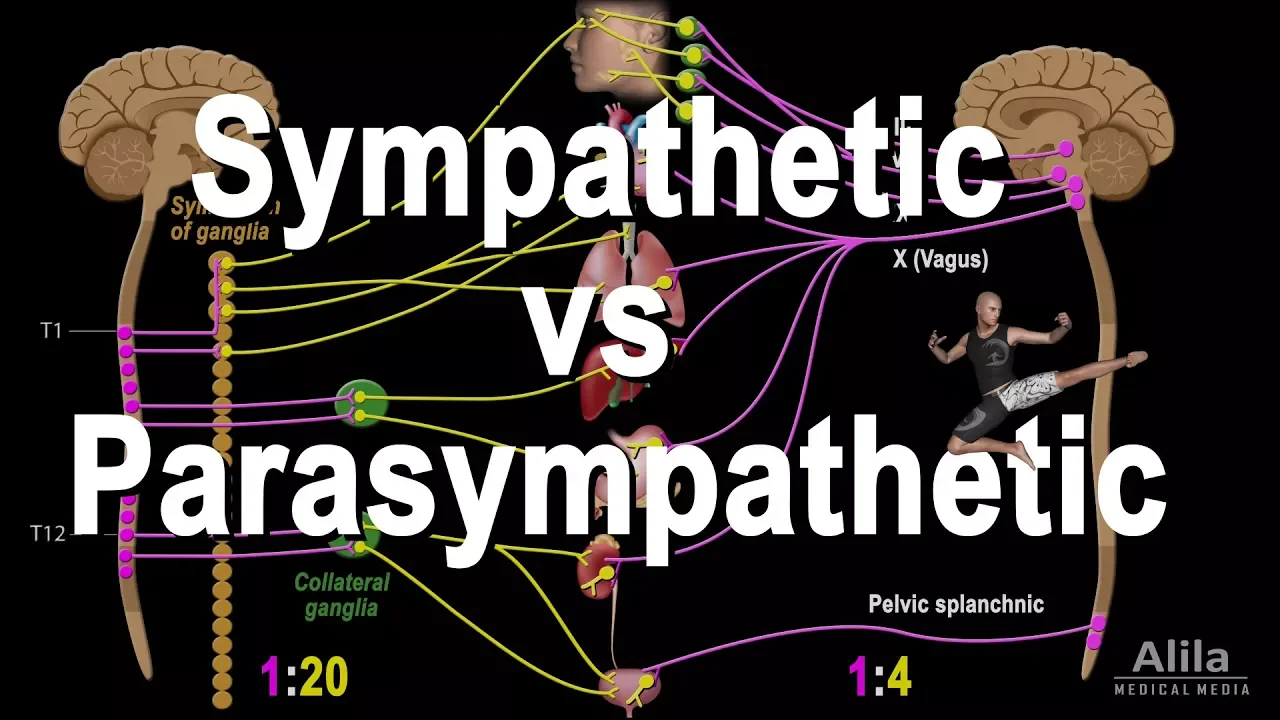














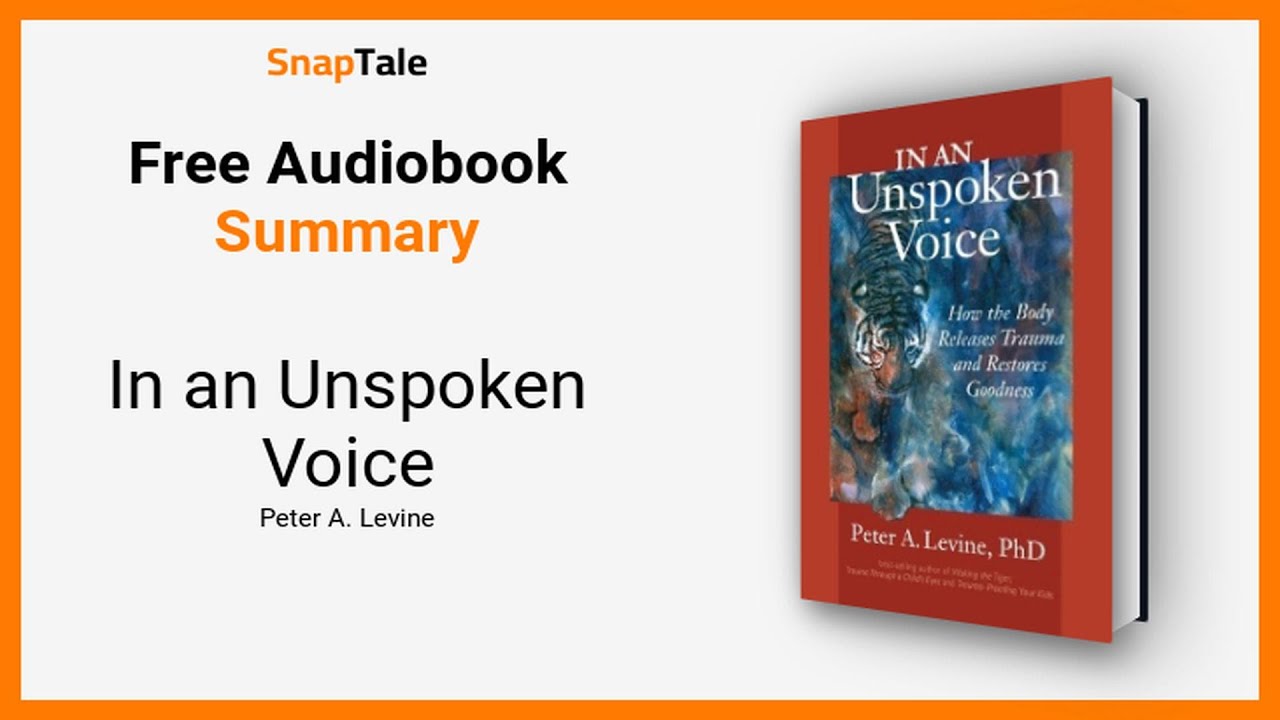


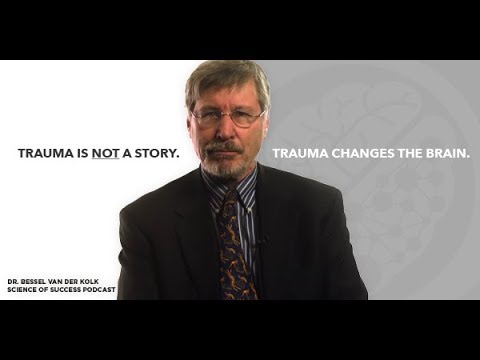





Somatic experiencing, developed by Dr. Peter Levine, is a body-based therapeutic approach that helps individuals recover from trauma by completing the natural defensive responses that were interrupted during traumatic events. The method emphasizes working with physical sensations in the body rather than directly confronting traumatic memories, using techniques like pendulation (gently swinging between traumatic material and resourceful states) and helping the body complete the arc of coping that was originally thwarted. This approach recognizes that trauma becomes stored in the body as incomplete responses, and healing occurs when these responses can be safely completed, allowing individuals to develop a sense of internal safety and well-being.
Healing Trauma with Somatic Experiencing: Peter Levine
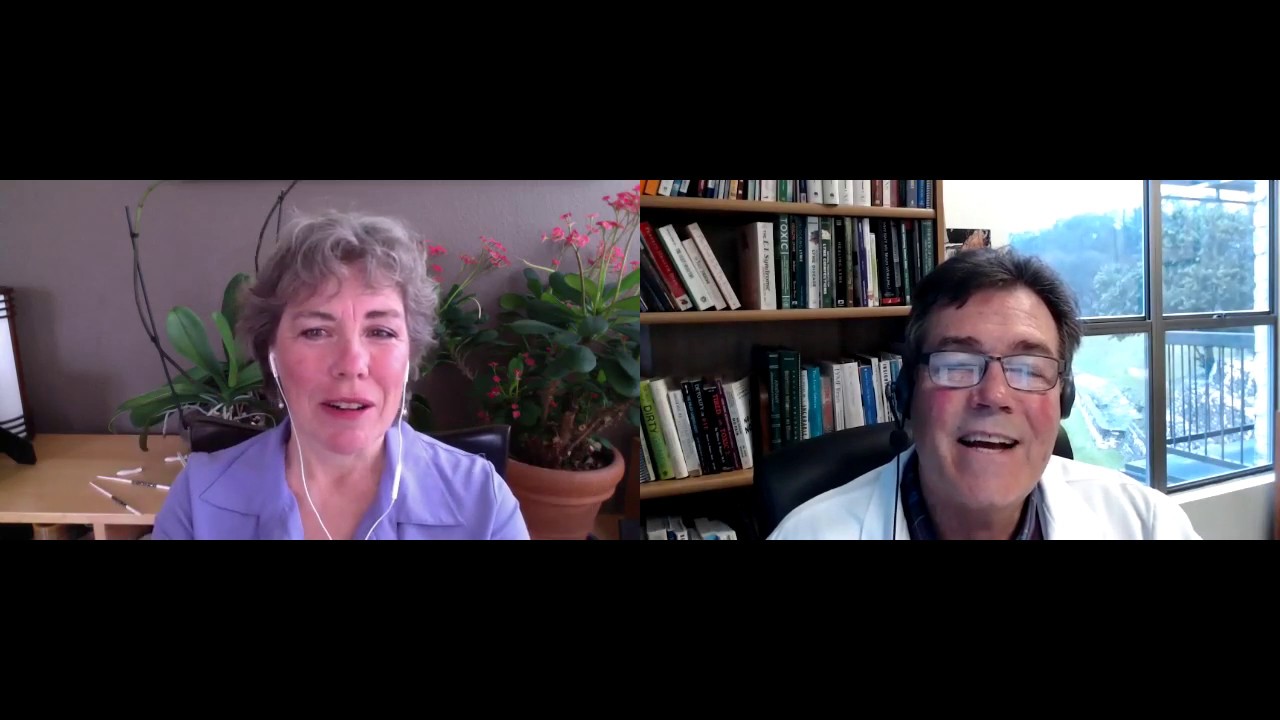
Added:hello and welcome to being well I'm Forest Hansen if you're new to the show thanks for joining us today and if you've listened before welcome back I'm really looking forward to today's conversation where we're going to be exploring more body-based or sematic approaches to working with trauma with a truly worldclass expert I'm joined by two people first he's a clinical psychologist best-selling author and he's my dad Dr Rick Hansen Dad how are you doing today I'm doing great Forest I'm happy to be with you of course and I'm tickled pink to be with my friend and someone I've learned immensely from Dr Peter LaVine Peter through and through from the start has been just a super real deal and when I was a young pup and got to meet him for the first time Peter you were genuinely kind to me and benevolent and took time and a lot of people wouldn't have done that so I just want to express my gratitude for you and say absolutely you're the real deal and I'm also tickled pink that we're going to have a chance to explore your new book autobiography of trauma a healing journey in which you get very intimate very very intimate so I'm glad to be here yeah equ good to see you so if you are new to Peter's work uh he's the founder and president of the earos institute for sematic Education he's taught at a number of universities including UC Berkeley go Bears and has received a Lifetime Achievement Award from Psychotherapy networker in addition to a bunch of similar awards from a number of other organizations and he spent probably about the past 50 years or so working on some sematic experiencing which is an approach to therapy that has been taught to over 30,000 therapists I think it's 60,000 60,000 60,000 well you got to update your website Peter okay I'll oh man that's twice as many 60,000 oh man I'm like I'm I'm way it's in 44 countries now and at one time everything was on my shoulders you know that was a burden really I realized there was something important but the the the system wasn't open to that you know and I was considered to be a fringe or even doing something that was dangerous to actually have people feel their bodies things have changed dramatically so Peter just to start your recent book autobiography of trauma is of course very personal and it's interesting that the through line in the book is trauma itself your personal history of trauma your Reflections about it you're working with that material and the ways in which your personal experiences um have helped to give rise have been the the birthplace really the Midwife and Crucible of your work sematic experiencing and when you look back on your history and you're like me old enough now to have some history uh if you if you were to pick the really short list I mean it's hard to pick two or three major themes in the braided weave of that history that are relevant to people listening what are the two or three themes that really stand out for you especially when you integrate the personal and the professional yeah talking about our age because I'm now at the age where I clearly have less time ahead even if it's still vital and and and involved and passionate so I decided it was a good idea it was time for me to really look at the Arc of my story of how I became shaped how I was shaped how I developed uh where I am in my in my world right now and that was the beginning but I had no interest I never thought of it as something to that would actually be published as a book and a really good friend of mine uh Laura she really encouraged me to write it as a book and I I remember saying there's no way it's too personal it's too raw it's too vulnerable and she said but I think that's exactly what could help other people but you know a lot of times when I don't know what steps are going or I don't know what needs to come next I'll have a dream and I H and I had this following dream I'm standing in front of a a field and I have in my hands two reings of paper and there's obviously a manuscript because there's something written type written on it and I look to the left and I look to the right and again I just feel I I'm stuck I don't know what to do I don't know where to go and in that stuckness from behind came a strong Breeze and it took all of these pages and blew them out into the into the meadow to land where they might land so that's that's that's how I started and that's where and and to just kind of take this one step further when I I I was asked to present you know the evolution of psychotherapy and that's what the aronian Institute and they have sometimes like between five and 8,000 people attending so I this was the first time I was going to talk publicly and that was in December about the book and when I stood up and I looked out you know at these thousands I the words wouldn't come they got stuck in my throat but then I remembered the endorsements that a number of people had made including you and that how supportive they were and I could feel that support literally I could feel the support by my side I could feel my support from my back like the people had my back and then I could speak and that kind of turn the corner so that that's really how the book began so if I I could say it back to you to me that's one of the through lines in your work the connection of the depth of injury and wounding that people can experience which then calls for an equal depth even a greater depth in tenderness and caring which you yourself really deliver and which you are speaking here has carried you in some ways along the breeze and the dream the support of the people in the audience endorsements and all the rest of that so that's such a crucial through line speaking to my question here about through lines for you the the importance of support is there another major through line when you look back on your work connecting personal and professional my family my father parents in particular were threatened by the mob it's a long story but my they wanted to get my father to testify against the joh diardi Johnny Dio and he was one of the most ruly killers in the entire mob he basically told my father that if my father testified he'd find his family us laying face down in the East River but you know every other Friday a lawyer would come I later found out it was from the mafia to kind of coach my father and what to say and what not to say so me and my brothers we we knew something was wrong but it never got talked about we never got this message that we're going to take care of you you know we'll keep you safe so we didn't know that and so we lived with that uncertainty and in many cases it's the milu which trauma occurs that's the most uh troubling that's a real headline here thank you the context the setting the milu including what's missing including what's missing that's right you got it you got it so anyhow I started this is about 35 30 years ago uh I was teaching my work to a number of people and it was starting to become into the world and be accepted and around that time I started myself I started having some disturbing Sensations feelings little flashes of images and I realized it was time for me to take a dose of my own medicine so I asked one of my students uh former students uh to guide me and one of the things in sematic experiencing couple of things we never go right into the trauma we don't have people reliving the trauma over and over again I think that's a faulty approach to trauma this this kind of prolonged exposure therapy and that's extremely important what you're saying there and it opposes much you know convention received wisdom in the field and it's an extremely important point and so maybe I can use my story to kind of illustrate that so uh when I was with my guide she delicately kind of worked with some very positive Sensations that were just starting to emerge in my body and I went to the following memory when I was four or five years old my birthday my parents it must have been in the in the night or early in the morning came into the room and laid the tracks for a model train or underneath my bed out into the room and then back again and then in an oval back underneath my bed again so when I awoke I awoke to the train going around and to say I was excited would be an understatement I was beside myself and I lit literally jumped out of bed and went to the Transformer so I could control the speed and also make the horn go toot toot and although I didn't have the words for it in that moment I felt cared for I felt safe I felt that I was loved and that was the feeling that I didn't get in the milu uh with the mafia even though your parents did love you which makes another really crucial point that what counts as what we experience that's right and sometimes there's a disconnect between quote unquote object of reality your parents love for you and their willingness in your father's case to make a lot of sacrifices to protect his family uh but yet that isn't how it landed for you you were yeah and there were times when there was a lot of trauma that occurred from the family in the family but you know I mean that's not so uncommon I think when you said it I think it actually moved me when you said they really loved you I mean I was just saying essentially that but with your words you're reflecting it really touched me I felt an opening here in my chest yeah which is nice and so anyhow from this memory my guide noticed the slight shuffling movements with my feet and and it was more like rapid and so she did again very thing that we often do in somatic experience having me slow that down and feel it as I slowed it down and during this time you know when our family was in danger and it was like my legs got pulled out from under me and there was a park at the other side of the road in front of the house where of the apartment where we lived the trauma does that it knocks us off our feet and but then one day and this was the park I loved it was my refuge in a way but something horrible happened one day I climbed the fence and off to my left I saw a group of I'm sure they were from the mob they were gangsters by the way before you go further Peter I just want to alert people that this is a really horrific thing that happened to you and uh very traumatizing so you know people listening can should just be aware of that um Okay so with a lot of respect to the enormity of what occurred I'm not going to go into details but anyhow I I realized if I went back to the to climb back on the fence I would be an easy target so I ran back into the woods as I into the into the bushes as I had done many times before but sadly they followed me and pulled me to the ground and uh violently rape me and there was a reason I re I realized this much later that what they wanted to do again was to scare my father off so I would tell my parents about what happened but I didn't I didn't tell them because of the shame and I didn't tell myself and in a way I put that in the corner like I walled It Off from any memory until that day with my student who guided me deafly there so I wasn't overwhelmed at any time and could go back and forth between these exciting Sensations I felt at my birthday and the horror of what happened and so I was able to with her guidance to let it go and to let it put back to put it back in the past where it belonged and um and again that's an important thing in sematic experiencing approach is we try to come into the peripheral We Touch into these difficult Sensations again we don't go to Memories but memories may come up but we again work to see where the body has become stuck and how we can help move it through in time may I just sort of say back to you some headlines that I'm hearing here one is so true to your work is picking up the physicalization of trauma I think uh people talk about the body speaking in its way like your feet moving another key element is what you call I believe pendulation where you swing like a pendulum into the material you touch it and then you swing back to Resource yourself so you can go into it again maybe moving back and forth including the resourcing of that beautiful birthday memory with the trains and all of that right and then very interestingly in part as you all know um in terms of how the brain works uh oftentimes trauma gets Frozen and it's decontextualized particularly really early trauma before the uh hippocampus has become anatomically mature around yeah the third or fourth birthday because there's no locating in time and you're helping it be located in time as in that was horrible and it was then and this is now the light is coming through the window you're safe you're okay I'm with you this is now really really crucial thing so I just wanted to say back to you uh you know some of the huge headlines you know that I'm getting from what you're saying here I really appreciate that and you know when I finally decided to write the book as a book I really still had to test myself that this could help people the readers makes some more compassion for what happened to them and also encouraging people to write their own stories because I believe truly believe that we all whatever our history whatever our background we all have important stories to tell it can be just to us or it can be more public but I really encourage people to start thinking about their life and the Arc of their life and where they can from where they ended up Peter I have a I have a question for you but it's quite a personal question and if you want to you know skirt around it in any ways you're more than welcome to for many people traumatic experiences happen to their body or are associated with their body you just shared an example of this like that's a very intimate example something bad happened to you physically and then you went on to create this whole methodology of therapy that's tied to the body there's something in that that really I don't know there's there's really something there for starters and for many people when they go through these kinds of experiences um they understandably have an enormous amount of pain shame judgment discomfort associated with their physical form and so you're using all of these sematic body driven tools to help people access feeling better but the body is a painful place to be that's right and that seems like this really core tension um inside a lot of the work that you do and I'm just wondering how you how you help people work through that how maybe you worked through that in some ways in your own life wherever you want to take that let me just start with the archetype of Chiron from the Greek mythology the wounded healer that we all have to heal our own wounds at least adequately before we can be present with others and being being present with with others is is essential um you know in in in in in one of my books in in unspoken voice I write that trauma is not so much or not just what happened to us but it's rather what we hold inside in the absence of that empathetic that present empathetic other and I think that's that's um really critical they have that witness there who's basically by their presence is saying that I'm here I'm here for you and I'll stay here so that That's essential and working with pain and shame you know very often trauma is not comes not in the form of U you know of flashbacks the traditional uh models of trauma but as physical symptoms as pain and as corrosive emotions such is shame and shame really strangulates the self strangulates the spirit and holds it hostage and so working with shame is an important component in working with with with trauma when we are feeling shame our bodies do a very specific posture so we look away and down because we want to avert anybody's eye contact so we look away and down and then our body collapses that just robs the vital energy and we collapse like this and so we stay in this embodied State this physiological shame State and it seems like it's going to be impossible to do anything to get out of it but one of the things I discovered and and my my guide worked with this with me uh is that when we move into that shame just the smallest amount and then come back out and then just sense what's going on in our body a lot of times it could be tingling vibration inner movements things like that and then just letting that settle letting that go to equilibrium to balance and then again going into that movement just a little bit more this time just touching into it often images come up from where the came from and then slowly coming back up and what I've noticed when you come back up from that the chest I'm doing this as an exercise my chest is expanding I feel something that's akin to Pride and and even dignity so again as we find somatic ways to because it's the imprint that this has on the body as I think about it most of the people that when I don't see people privately anymore but when I did for years uh many of them not I would say most of them presented with pain and shame and that the way that both of that just robbed the our Vitality so again how to work with that in a safe in a relatively Safe Way and just to be supported in in doing that what basically blew my mind when I first learned about your approach was its fundamental View that we are innately healthy and what trauma does is it blocks uh um innately healthy Expressions such as fleeing or fighting back or or using your feet let's say in your own personal memory to get away so one of the really very powerful things you do when you work with people is to enact in various ways creatively and safely a kind of a completion of the Arc of coping to challenge that was thwarted as people were defeated and trapped and and then locked in as a result yes and I think that's really quite fascinating how you help people complete that Arc like the release of Shame and the physical Arc that's involved in that with the idea that simply unlocking unleashing you know the tiger within that can really complete that Arc that itself is profoundly healing and I find that both brilliant and really really helpful in a way we go back to where the person got thwarted in their basic survival instincts or survival motor patterns where got stuck and then help the person lead it towards completion because when we complete an act then that becomes beautiful I know it might seem a little bit strange but that's been my experience in the completion itself we find the roots of Freedom as far as I know the only way to do that is with the body because again that's where it got stuck and that's where those movements like like you alluded when I was working with my guide seeing my feet moving as though I were fleeing and I couldn't flee then because I was overwhelmed I was tackled I was injured so again being able to complete that and to take defang it is a critical element of good sound trauma therapy I have an oddball question for us forest and I prepped quite a lot for this Peter because we you know we wanted to rise to your level and so but this is an oddball question Forest just doesn't know that this is Gonna Come excited yeah so lately in a way that's really good I've had several people write me related to some talks I've given and so forth who basically are challenging the the common mindfulness centered instruction and the classic therapeutic instruction U like feel that in your body you know locate the sense of that emotion in your body where do you feel that in your body what is your body telling you blah blah blah these are very well intended and very standard kinds of instructions these are people who are writing me and saying well and this languaging is somewhat fraud and controversial at this point but people so-called in the kind of more autistic Spectrum neurodivergent I think atypicality is much more typical than we've previously credit it yeah so for me it's a kind of respect for diversity how do you include people who experience things there's a wide range of the ways of what we experience and even wide range how we experience in a really wide range and access to our experiences or the connection between language and our experiences especially experiences that are not languaged well and so what do you do with people who are you know in probably a third of the population for whom kind of the well-intended previous suggestions oh where do you get in touch with that in your body it's like uh and then they start to feel there's something wrong with themselves they're failing the therapy you have to meet people people where they are if they're intellectual you meet or or at an intellectual or academic or scientific point of view and then if you see something spark then you say it's just looked like you just all of a sudden felt some warmth coming into your face I wonder if you notice that one of the last clients that I saw was I saw him specially because in a way because of that he was a kid who was clearly on the Spectrum and he heard me give a lecture and he asked to see me and he came in with his computer he wouldn't look at me he would look only at the computer and he would write me an email and then I would read the email and then I would write back to him so he would come down you know every year for about three or four sessions so after the first year the second year he did kind of the same thing but he looked at me for a momentarily the next year he came he didn't come with his computer and we just sat together and just spent some time together and I asked him some things about what he was interested in why he wanted to meet with me and so forth and um the next year he came back and he had met a woman a girlfriend and they got married and every year they send me this beautiful beautiful postcard around Christmas what that story tells me is again you have to meet people where they are and when you do that and they know you're doing that then they're willing to take the risk of taking a next step and again the again getting those postcards every year I put them on my refrigerator I you know I'm just I'm just deeply touched and again reminded that if we ask the person well what are you feeling in your body you're likely to put them in a defensive position so you yeah so I think basically I think you said it and I said it slightly different words but I think it's the same thing how to meet people how to feel that you're being met that they're being met for many of the people who are listening um that sounds like a really wonderful thing to be met by somebody else in that way I would imagine it's also quite an unusual experience for people outside of the therapeutic space I think that's probably fair to say unfortunately in life and um most of the people who are listening to the podcast or certainly most of the people broadly in the country will never go to therapy I think that we probably have a disproportionately high number of therapy goinging persons listening to the show but you know even so many people listening will never have the access to work with a therapist or a sematic experiencing person for people who are in that position but they like your work and they would love to be able to get more in touch with themselves in a variety of different ways maybe developing T reception uh but they've always struggled with that maybe using my dad as an example he's referred to himself when he was a kid as being kind of numb from the neck down um what would you start to do or what would you recommend to somebody for being able to develop that kind of facility that might give them access to some of the other tools that you teach yeah well as you say it is it's interesting it's a little bit usual you know and if we can get into a judgment about a person and say something like um well uh what's wrong with you I mean you don't say it exactly like that but if you're doing it like a clinical assessment rather then what happened to you and can I reach out my hand to you uh now one of the key things is about evoking curiosity if you're able to help a person become curious about their belth experience then you've gotten 51% there and again that's not a given to actually when we meet a person to get to know them to talk about what's important to them to share with them what's important to us and I mean I think this is a gift that we can give to other people and this is something I think that's so sore sorely needed in the world I mean we look and there's so much strife and so much disconnection and so much disembodiment how can we help people take a step towards healing those wounds one thing B all that I'm feeling right now is your tenderness I heard heard you say just a few moments ago in in response to to a kind of a thought experiment when if you were to see someone having a little more red a little more warmth let's say in their face color to say you're you're I wish I could recreate it it was sort of like something like huh you know what like you're noticing something in a really warm and receptive and curious inviting and welcoming way I wonder if you could just maybe talk about that the quality that I'm speaking to here tenderness welcoming receptivity gentleness which seems frankly in terribly short supply uh in you know the kind of discourse we see in social media in our politics and in our public life and and even just in how people interact with their neighbors or their family members tenderness so or lack of tenderness I think tenderness has something to do with opening some of our internal space like our heart space and our visceral space and to communicate that to others to be willing to communicate that to others and if we look around in the world and just see how sorely that is needed especially in in so in many of the western cultures and you know and that's about social intelligence emotional social intelligence and in our society that is I won't say it's nonexistent but it's pretty um it's not something that's uh usual when you go to the somatic experiencing. comom website sematic experiencing one word there's a link to a um a marine that I worked with Ray it's called Ray story and he was serving in Afghanistan and Iraq and he was blown up by two of these IEDs and literally thrown into the air and he woke up two weeks later in uh Germany in the hospital Lo loen stle Hospital in Germany unable to walk or to talk and when I saw him he was still in pretty bad shape he'd been diagnosed with depression PTSD anxiety disort of tourettes but you don't get tourettes overnight something precipitated that and and for me it's very clear we're talking about incomplete responses he was trying to orient to where the sound of the blast came from but it got immediately blocked thed and then his whole body was Contracting to protect to make the exposed part of the body as small as he could when he's up in the air and you see after the first session those convulsive movements because he was able to complete that enough he said we're 80% gone then we worked for about four or five more sessions the last one was I I invited him to Elin where I was teaching a workshop and you really see how a reflective human being he's become and you really see how tender he is to his wife and his child and he couldn't do that at all and that was scaring them because he was so abrupt and so angry but that's what happens in trauma you know we get not in trauma but we get caught up from those feelings but they're there they're part of our human DNA our primate our Maman DNA so is there a typical Arc to the work that you're doing with somebody Peter either you or or a sematic experience trained person uh when somebody comes in and is having similar experiences they know that something has happened or they have a sense of a long number of something that have happened uh they know that it's attached to some some kind of an experience that they're having right now that they're having a hard time working with or or getting some distance from and they want to feel better is there a a kind of pathway that's typical for the work or is it just completely individual both there are you know Arts but but it is individual and that's important actually because every person is different you know you sort of alluded to this when I work with people even though this may have to do with past events or even generational ancestral effect I work in the here and now so we may reflect on some of these Sensations and images but it's in the present time and so it's important before you excavate this kind of work it's really essential that the person be able to have at least some modum ability capacity to be in the here and now to be present otherwise you can just this can just result in in regression and you know regression is is generally not helpful so working in the Here and Now reflecting perhaps on well certainly on Sensations and feelings and images and looking at memories when they do come up and work with them to complete some of those incomplete responses and then welcome them back when we're able to look at some of these events that may have occurred both positive and negative the idea is not to get the memory but really is to be able to come sufficiently into the here and now so you're not sucked into the Vortex of trauma to the black hole of trauma you're able to have a distance and mindfulness training can be useful also as a important part to De develop those capacities those skills and they are skills so that's the first thing I would say that really to have the person that they're anchored enough in the here and now so that they won't be overwhelmed because in terms of the nervous system overwhelming the nervous system is no different than the original trauma which overloaded the nervous system so by just having them U you know Rel live those events uh it then it takes away from their strength to um to heal in in the here and now and just want to also say that you know when I came out to Berkeley in 1964 I didn't know I had a body I didn't know what a body was for well except for carrying my mind from one class to the next I I was in a way lost I mean like you said you know that you were there from your head up from your neck up and I definitely fit that description so I have a really good friend Jack Jack Kaplan he was one of the meditators at the green Gulch uh Meditation Center in Mar yeah and uh Charlotte sers and her husband Charles Brooks were giving a workshop for the monks that resided there and but he was able to get me in even though I wasn't and so for all day long we would pick up like a stone hold it in our hands and feel its texture feel its weight feel its temperature and then we would be walking around and feeling our feet as they contact the ground and then our ankles and anyhow this went on and on and on anyhow she had us laying down on the floor and had us do different things with our awareness like actually feel like my our breath coming in from our feet up our legs into our belly and so forth and of course I know I'm a scientist type that you do not breathe through your feet I mean you may smell in your feet but you don't breathe through your feet but something actually quite mirac miraculous happened at the end when we walked out it was Twilight and looking down into the valley from above the church and then out to the Bay Bridge and it was the most beautiful site that I had ever seen and I realized there was something here that was very important and something that I need to follow and explore and learn about there's a line in your book that really ties to something that I've been thinking a lot about recently and it feels like such a huge part of this process for people who particularly people who have experienced a significant amount of trauma in their life is creating a concept of themselves as a thing from which they can derive safety yeah so their safety is not just about the circumstance they're in it's not just about the people that they're interacting with of course these are important parts of it yeah but they themselves are something that's helping them become safe you know they're a gentic in that process I'm wondering how you how you think people can develop that again particularly when that's been so disrupted for them well you know somatic experiencing is basically a bottomup approach in contrast to a lot of talk therapies which are much more talk tuck down but but soic experiences both you have to work together but primarily starting from the bottom up and then working from top down or even starting from top down and then working more with bottom up and in doing that we start to develop what sometimes is called a self-concept a p picture of who we are and the other thing and that's a very positive thing there's also a problematic part of the self-concept that sometimes people who are traumatized they that's worn as like a on their sleeve as a bad of bad Badge of C courage which it is but it's not who the person is yes this happened to them but they're not that person they Ian they're not what happened they are this self this growing self this emerging self this new connection with self and in when we were able to do that we feel more safe you know there are numbers of different exercises that I may do with people so for example this one I call the self hug exercise and when we just put our hands here and gently squeeze the muscles our arms often we'll feel like an inner movement beginning and then if we follow this movement it takes us to a deeper experience of the body there's a wonderful saying from the from Papa New Guinea where they say knowledge does not exist unless it's in the body and the self-concept really doesn't exist unless it's felt in the body I love that point there Peter about identification because one of the things you said earlier in the the conversation was the value of coming fully into the present so of course we are to some extent our history but we're also this other thing too and this other thing too it's whatever is going on right now it's whatever is living into the future it's tough to talk about because it does have a sort of like ephemeral feeling to it but we are both of those things at the same time so there can be an appreciation of what's happened with this kind of leaning into what else might be possible about self-compassion I really do I've asked the question um Forest have I done enough have I done enough and I can now answer that in the affirmative yes I have done enough and so I've let go of that it doesn't hold me hostage anymore but there's another question and that question is a lot more difficult and that is am I enough and I think that's something I'm gradually learning about and moving into and in writing the book I came much more to that self-concept of someone who who is enough that I don't have to add anything that just being myself is enough there's a line in the book Peter related to uh experiences you had early on in life of uh abandonment of being essentially left behind left with your grandparents actually specifically if I'm remembering correctly by your parents when you were very very young for a couple of weeks and you talk in the book about being able to generate your own internal well-being learning how to generate my own internal well-being I thought that was such an interesting line and in the book you just kind of leave it there as this ongoing process where it's something that you're still learning and I just had to ask you about it like what did you mean by that and how are you learning how to do that yeah abandon is a very Primal wound but specifically what happened to me is um I think I was about 6 months old and my parents thought that my father might get drafted into World War to and so they went on a vacation together and I was left with my grandparents who lived in a different part of that AP apartment complex and they were good enough they were not on kind but they weren't my parents and I cried inconsolably and then finally I just stopped feeling and when my parents did return it's almost that I didn't recognize them and you can imagine how this really can get into the in the way of intimate relationships because you know I've been so blessed blessed in my life I'm a heterosexual person and I've been with um different women who have been so kind and generous and supportive that I was able to feel enough space to work with that abandonment to own it to not put it on them and to not be in the place where I felt like I had to leave before they abandoned me or and again I think that's the thing that we often do in relationships we stop the relationships we cut them off because we're afraid of being abandoned and this is something that did not happen all at once it took me many years many encounters to really come at peace with that to feel the procedural memory of my body bracing against the door and work with those images and then like you said develop my internal sense of well-being and I think when two people do that develop their own internal sense of well-being they've given themselves a gift to themselves and a gift to the other and with both people have done that adequately then we can celebrate joyfully the connection I'm reflecting on major takeaways for people working with this material on their own as Forest said which will be most of the population most of the time and I sort of reflect on this for myself and for people in general I just want to share some of the headline takeaways that stand out for me one is that uh your history matters it's real it happened it's designed to affect you you were affected by it in the ways that you were there's an honesty and there's even a dignity yes in facing your own history second you can't change what happened but you can heal it's a effects on you today it's lingering effects in your body your emotions how you approach things including uh effects you're unaware of as even exemplified by the recovery of a real memory uh of being assaulted yes that really happened to be able to say that to it really did happen and it really does happen so uh there's there's a lot of Hope here okay so how to do it right so what are some of the keys and awareness of the traces in the body really instructive and the body is often trying to tell you something and the traces in the body and also elsewhere often indicate where your original Natural Healthy coping response was thwarted and Frozen and incomplete and so recovering that and getting in touch with it safely swinging into it to touch it then swinging away to Resource yourself swinging into it to become more and more aware and then finding ways to complete that art that's right to of healthy coping so your body can experience a completion around that trauma it's just really really powerful and it takes patient I'm sorry yeah and takes patience thank you for jumping into my recap of your greatest hits here also finding the right the correct teacher because it's important who we tell our stories to you know they have to be a person of high integrity and capacity to be present for sure including yourself tell yourself the story to be careful about res shaming yourself about it and dismissing it and you know internalizing as we do what others have done to you but still try not to do it to yourself and of course careful with not telling your story to people who dismiss it or deny it or oh that happened a long time ago yeah not that not that and then in all that as Forest was pointing out the power and the importance of um creating your own context of safety for yourself in your journey right including if you do work with people who are less in perfect I think there's a wide range of therapists yep and a wide range of friends and parents and you know and others helping you know getting helping yourself get the most you can from people who are not perfect I like that let me just add one other thing I know we're coming to the end you know the last chapter the last chapter in my book is uh titled living my dying and it's starting to come to bring in my mortality and examine that and I did that in a number of different ways ways I did do a psychedelic experience once which again gave me more of that feeling that yes death is inevitable but it's not necessarily the end of the story I came to in one of those sessions came to reconnecting with that vital child even though he had exper abandonment that he was still there as this I really embraced him I felt love towards him and love from him and one of the chap one of the pictures here oh that's you great and that's where I want to return that's about living my dying of really caressing that beautiful wonderful child hug him hold him close to me and just feel the tears of gratitude beautiful beautiful beautiful it's really sweet Peter well maybe a lovely lovely point to uh to finish this conversation that was great really enjoyed both of you and and connecting with you again uh you know Rick and one of the commitments I made in writing the autobiography of traum is that I would follow my truth wherever it took me and it took me some places where I wish I hadn't I wish I wouldn't have gone there voluntarily but I did and they were important and they were in a way seminal you know there's a saying that when the student is ready they will find a teacher when the student is truly ready that teacher will disappear will go away and I think we all need that help that connection from from somebody who's a teacher somebody who's grounded who's embodied who's open and who's compassionate I think I would leave you with that thought thank you so much Peter this has been really fantastic we really appreciate yeah no kidding that was really cool really cool we had a great time talking today with Dr Peter LaVine the creator of the sematic experiencing approach to therapy and this is normally when I would offer a summary of everything that we talked about during the episode but Rick kind of already did that at the end of the conversation where he gave a uh a final summary not only of what we had talked about during the conversation but of many of the key points of Peter's work so I'm going to do a little bit less recapping during this outro and offer just a bit more context on sematic experiencing as a whole if you're a bit less familiar with it in a way that might help you understand some of the things that Peter was talking about during the conversation in the sematic experiencing framework trauma is when we are unable to complete the body's natural defensive mechanisms to a bad experience happening to us trauma occurs when we are trying to do something when we're trying to fight or run away or hide and we're unable to do that then according to Peter post-traumatic symptoms are the result of the body trying to complete that natural defensive response in other words the body has become essentially stuck in the moment of the traumatic experience and it keeps on trying to complete a cycle that it's just never able to complete so the past has become fully present for us it is walking around with us as we're going about our day and this is why Peter emphasized the importance of coming fully into the moment of the present experience understanding that yes of course our past has a lot to do with who we are now we are formed based on our experiences but we're also continuing to be formed into the future and if we start to view ourselves as an outcome as a calcified thing that is no longer capable of change rather than as an ongoing Dynamic process that's when symptomology becomes extremely difficult to work with or change in meaningful ways because we've lost touch with the self-concept the view of ourselves as somebody who can change and grow and improve and unburden ourselves from these things over time and that view itself of yourself as something that can change of yourself as something that can that can as Peter said like generate your own internal sense of well-being that self-efficacy that agency to uh fill out the being well bingo card that's such a huge part of the process and the more conversations that I have about these topics the more focused I become on that as a key lover for people and that's why I just thought it was so um I don't even know if I really have the right words here uh so touching so so real how uh Peter was open to bringing his own personal experiences into the conversation and into the book that he wrote as well uh because you could just tell that this is a person who has not these questions are not academic for him in nature they are they are intimate and practical and personal and the methods that he's developed over the past 50 years to help people work with their own painful experiences are drawn in large part from his personal experience trying to recover from his own painful past and helping so many other people around the world do the same so again thanks to Peter for joining us today for this conversation it's always a just a real treat to talk with him and also he's just you know he's such a luminary in the field it's a real privilege to be able to have that kind of a conversation with him so again Peter's new book is an autobiography of trauma a healing Journey uh if you haven't read them already and you are interested in these topics I would strongly recommend the books waking the tiger and healing trauma there're two more foundational books that really explore sematic experiencing as a whole and if you're trying to work on these issues inside of your own life I would really strongly recommend them if you've made it this far and you are somehow not subscribed to the podcast wow you should really subscribe to it I would really appreciate it that would really help us out uh if you are listening to it right now and you want to be watching it instead I have a YouTube channel you can find me it's Forest on YouTube the channel has been really growing recently which has just been you know an amazing experience for me I've been kind of overwhelmed by the support and I just so appreciate it on the other hand if you're watching it on YouTube and you would rather listen hey we've got a podcast and you can find us basically wherever you listen to your podcasts if you'd like to support us in other ways you can also find us on patreon it's patreon.com beingwell podcast and for just a couple of dollars a month you can support the show and receive a bunch of bonuses in return until next time thanks for listening and we'll talk to you soon [Music]
Up Next
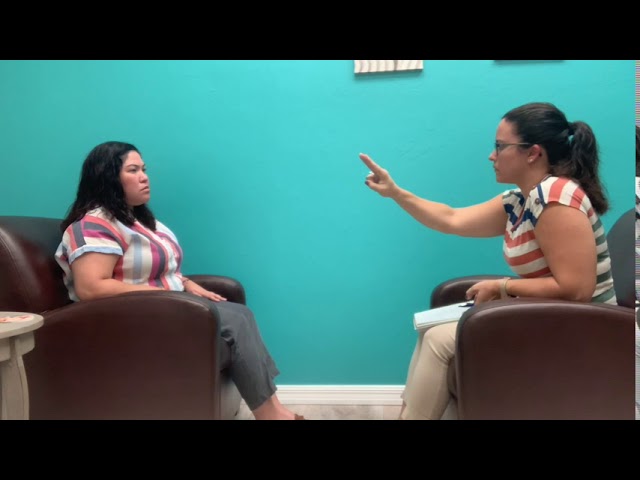
EMDR Therapy Demonstration: A Step-by-Step Guide for Trauma Processing
@thetravelingtherapist5680
1.1K views•2020-09-15

Triumph of Orthodoxy Icon: Byzantine Art & History Explained
@BenCallan
2.1K views•2024-08-06

FastAPI vs Flask vs Django: Choosing the Right Python Web Framework
@TechWithTim
302.5K views•2024-05-26

Game of Thrones Opening Credits: A Cinematic Analysis
@gameofthrones
46.3M views•2011-04-18
Related Study Plans & Knowledge Roadmaps
Structured learning paths in General & Interdisciplinary Studies