








![[Palestra] SAÚDE MENTAL E ESPIRITUALIDADE - Dr. Cesar Vasconcellos Psiquiatra](https://i.ytimg.com/vi/FugOFiJxGXw/maxresdefault.jpg)













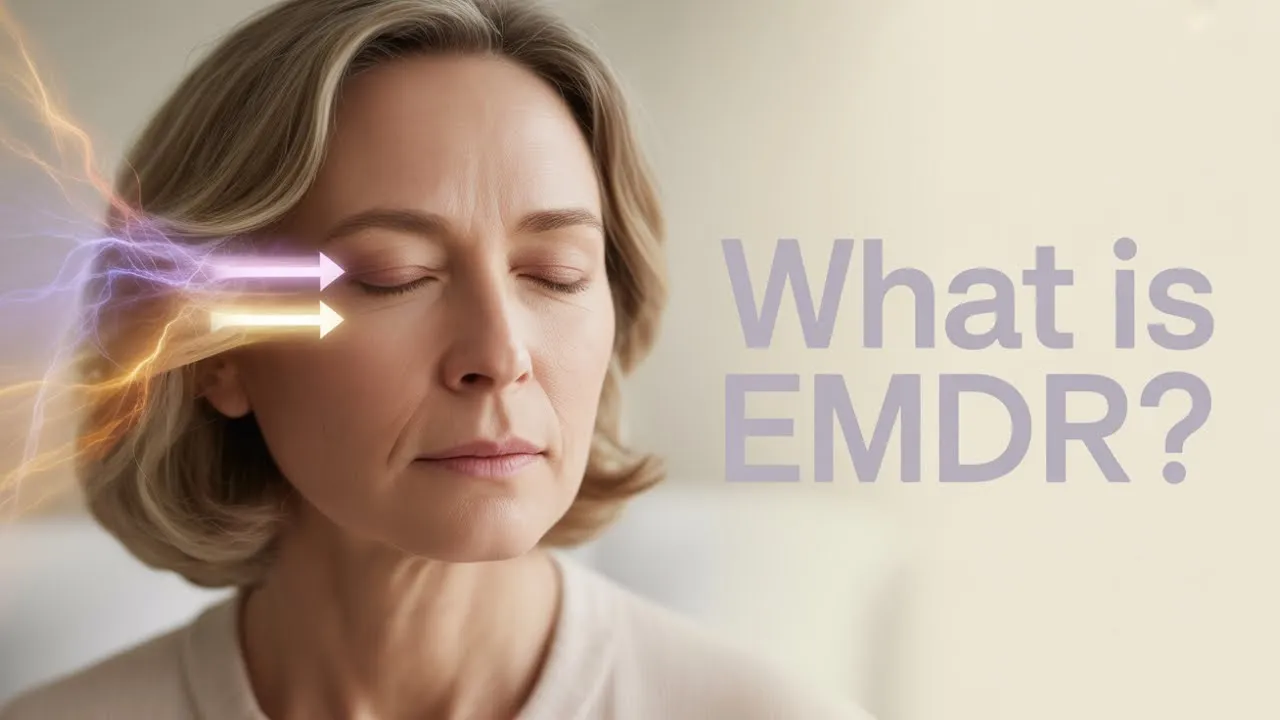
EMDR (Eye Movement Desensitization and Reprocessing) is a therapeutic approach that helps the brain naturally reprocess traumatic memories that have been stored improperly, allowing clients to transform negative beliefs (e.g., 'I am useless') into positive adaptive beliefs (e.g., 'I am powerful') through bilateral stimulation exercises that reduce emotional disturbance and physical tension associated with the memory.
EMDR Therapy Demonstration: A Step-by-Step Guide for Trauma Processing
Added:Understanding of trauma psychology, including how traumatic memories are stored differently in the brain compared to normal memories.
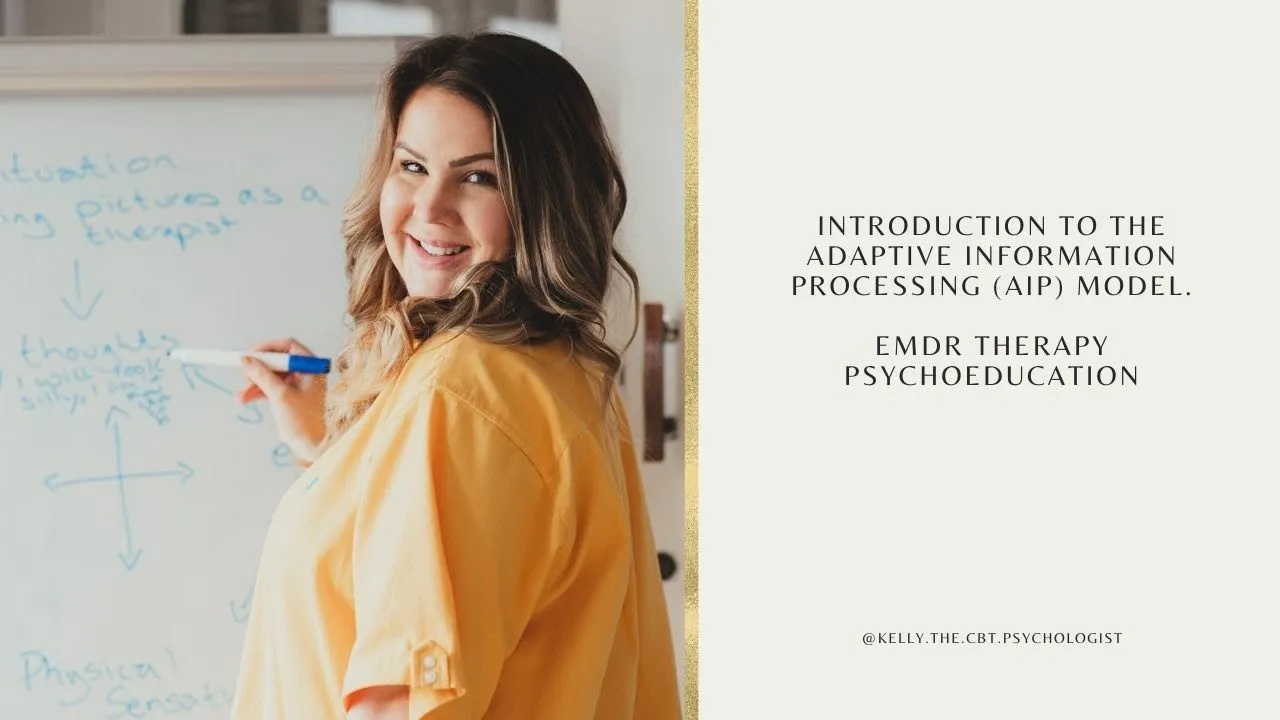
Basic knowledge of the Adaptive Information Processing (AIP) model, which serves as the theoretical framework for EMDR.
Familiarity with the concept of Bilateral Stimulation (BLS) and its various forms, such as lateral eye movements, tactile taps, or auditory tones.
Awareness of cognitive distortions and negative core beliefs (e.g., 'I am unsafe' or 'It was my fault') that typically stem from unresolved trauma.
In-depth study of the neurobiological mechanisms of EMDR, specifically focusing on amygdala down-regulation and the role of REM-like states in memory reconsolidation.
Exploration of the full 8-phase EMDR clinical protocol, including preparation, resourcing, and installation of positive beliefs.
Comparative analysis of EMDR efficacy versus other evidence-based trauma interventions, such as Prolonged Exposure (PE) and Cognitive Processing Therapy (CPT).
Examination of clinical contraindications and safety considerations for EMDR, such as managing severe dissociation, active psychosis, or patient instability.
1.1K views18likes11:34Original Release: 2020-09-15
Welcome to the traveling therapist. My name is Yalily and this is Maribel our director......we are going to be rehearsing for you what a typical EMDR session would look like now this... is the initial session. So what i'm going to do is i'm going to ask her if she can share with me what brings her today and we're going to identify the trauma behind what happened.
We are going to work through it, using EMDR exercise. Now are you ready? I'm ready. Okay Now what brings you to the office today? I'm here because i want to work through some of......my um i've been noticing that i've had some childhood trauma been that's been coming up for me a lot.
So I've been having difficulty sleeping, difficulty with just being able to rest at times.
I feel tense a lot.
Okay. So just kind of want to work through some of those things. Okay now when you think of the memories that you're struggling with can you tell me... What negative words or thoughts about yourself come to mind. I am useless.
Okay, and can you tell me, when you think of the memory. Pick one of the memories and tell me what is a picture of that memory. Something particular about that memory that is clearest to you... or most disturbing. I would say my mom kind of towering over me and i'm sitting there crying (*pause to note important dialogue*) And Can you tell me on a scale of 1 to 10 from 1 being not upsetting at all 10 being extremely upsetting.
How would you scale that memory. I would say it's about (7/10)seven.
Okay so that's pretty high.
So, EMDR works with memories now obviously Maribel has stored this memory and it has not been stored and processed properly and so now it's coming back and causing disturbances in sleep difficulty resting and tension it's also causing her to think negatively about herself. Now can you tell me ideally something positive that you would like to think about yourself when you in relation to this memory so instead of I am useless.
What would be something positive you'd like to think of? I am powerful. Okay.
What EMDR does is basically take this memory that's been stored in the wrong way basically... meaning it hasn't been fully adapted properly hasn't been processed properly. It allows your brain to just naturally reprocess the memory on its own to end up with the results that you want which is i am powerful now we're going to start doing the exercise and i will ask you periodically to let me know on a scale of (1)one to (10)ten. How traumatic do you find this memory okay now you don't have to give me any particular details on the memory you don't have to re-live verbally what is happening or what happened. All I need you to do is just give me a word or phrase associated as the memory starts to change and shift and things begin to progress.
Okay, so now what we're gonna do is just have you relax. Okay. I'm going to be moving my fingers from side to side in front of your eyes and I just want you to follow them with your eyes. You... can blink that's okay um and i'm going to do that for about 30 seconds okay so take a deep breath Ready?
Now take a breath (Inhale) Let it go. (Exhale) I'm noticing that I am feeling a little bit less tense, a little less anxious than I was when I first started talking to you, so I can still see the image but it's not as clear as it was when it first started. Now again I want you to go with that feeling less tense, less anxious hold the image in your mind hold the words i am useless in your mind and follow my finger okay Stop take a breath What did you notice?
Noticing I feel a lot more calm than even that first set I'm noticing even in the image that i'm getting up. Okay Anything in your body um just a little bit of tension here okay you didn't mention that you were tense before yeah so the shoulders are your primary area of tension okay all right Now go with that you're getting up hold that image again i am useless and follow my fingers What do you notice?
noticing a lot less tension in my shoulders I'm noticing that the image of my mom is she's almost like a distance away okay and i'm standing up fully and i feel a little bit better now as far as that memory okay so so go with that thought okay hold that image she's at a distance you're standing up okay and again you're going to hold I am useless in your mind Let it go, what do you notice? The same calm piece go with that feeling a lot less tension feeling more relaxed feel almost sleepy okay now i'm just gonna do a quick touch in Now on a scale of one to ten (1-10). You mentioned before it was a (7)seven. You said I am powerful is where you want to be on a scale of one to seven how much do you believe I am powerful. It is I would say it's a seven. Okay perfect and on a scale of 1-10. How disturbing is the image now? It's zero (0) Perfect okay so let's go ahead and finish up with getting you to be comfortable with......the word i am powerful. I'd like for you to go back just kind of think of the image again.
Where ever you're at with it okay just think of the image and focus on i am powerful we're going to install that thought into that image and finish processing. All right, ready?
How are you're feelings right now? Make sure that... you're checking your body. Is there any area where you are so tense and folded anywhere in your body great well that's EMDR for you folks and if you have any questions you're welcome to call us 239-354-7227 We are available for schedule & appointments for you!
Up Next

53:11
IFS Therapy Demonstration: Complete Session with Unburdening
@IFSCA
95.9K views•2021-01-13

12:54
Triumph of Orthodoxy Icon: Byzantine Art & History Explained
@BenCallan
2.1K views•2024-08-06

9:49
FastAPI vs Flask vs Django: Choosing the Right Python Web Framework
@TechWithTim
302.5K views•2024-05-26

1:42
Game of Thrones Opening Credits: A Cinematic Analysis
@gameofthrones
46.3M views•2011-04-18
Related Study Plans & Knowledge Roadmaps
Structured learning paths in General & Interdisciplinary Studies
general-studies
Elevator Engineering: History, Physics & Cities
01From Hoists to Safety Brakes: The Dawn of Vertical Lift
02Hydraulic vs. Traction: The Engineering Physics of Elevators
03Modern Speed, Safety, and Algorithms
+ 2 more learning modules
12h5 modules
Explore Roadmap
general-studies
Rubber: Material Science, History & Geopolitics
01Origins of Natural Rubber & Mesoamerican History
02The Chemistry of Natural Rubber & Vulcanization
03The Geopolitics of the Rubber Boom & Colonization
+ 2 more learning modules
12h5 modules
Explore Roadmap
general-studies
Containerization: Evolution, Logistics & Trade
01Ancient Trade & Bulk Cargo: Amphorae to Barrels
02The Industrial Revolution & Cardboard Packaging
03The Containerization Revolution: Malcom McLean
+ 2 more learning modules
12h5 modules
Explore Roadmap
general-studies
Textile Tech: Evolution, Labor & Global Impact
01Pre-Industrial Textiles: Handloom & Cottage Industry
02Mechanization: The Spinning Jenny to the Power Loom
03The Factory System & Global Labor Transformation
+ 2 more learning modules
10h5 modules
Explore Roadmap