




















Polyvagal Theory, developed by Stephen Porges, explains that the autonomic nervous system operates through three distinct states—calmness (social engagement), mobilization (fight/flight), and shutdown (immobilization)—which fundamentally shape how we perceive and respond to the world; trauma occurs when the body becomes chronically retuned to a threat state, disrupting normal physiological regulation and manifesting as various physical and psychological symptoms, but healing is possible through practices that restore vagal tone and promote social co-regulation.
Trauma, the Vagus Nerve, and Polyvagal Theory Explained
Added:Basic structure and function of the Autonomic Nervous System (ANS), specifically the traditional sympathetic (fight-or-flight) and parasympathetic (rest-and-digest) divisions.
The physiological definition of psychological trauma and how chronic stress impacts brain chemistry and systemic health.
An introductory understanding of neuroanatomy, particularly the roles of the amygdala, prefrontal cortex, and brainstem in threat detection.
The concept of homeostasis and how the human body naturally regulates physiological equilibrium in response to environmental stressors.
The clinical application of Polyvagal Theory in trauma therapies, such as Somatic Experiencing, EMDR, and Sensorimotor Psychotherapy.
The concept of 'neuroception'—how the nervous system subconsciously assesses safety, danger, and life threat in social interactions.
Practical somatic techniques for vagus nerve stimulation (vagal toning), including breathwork, mindfulness, and vocalization.
The intersection of attachment theory and neurobiology, detailing how early childhood relationships shape nervous system regulation and the 'vagal brake'.
Psychoneuroimmunology, exploring Dr. Gabor Maté's work on how chronic nervous system dysregulation links emotional trauma to autoimmune diseases and addiction.
252.8K views5.8Klikes1:07:33Original Release: 2022-01-24
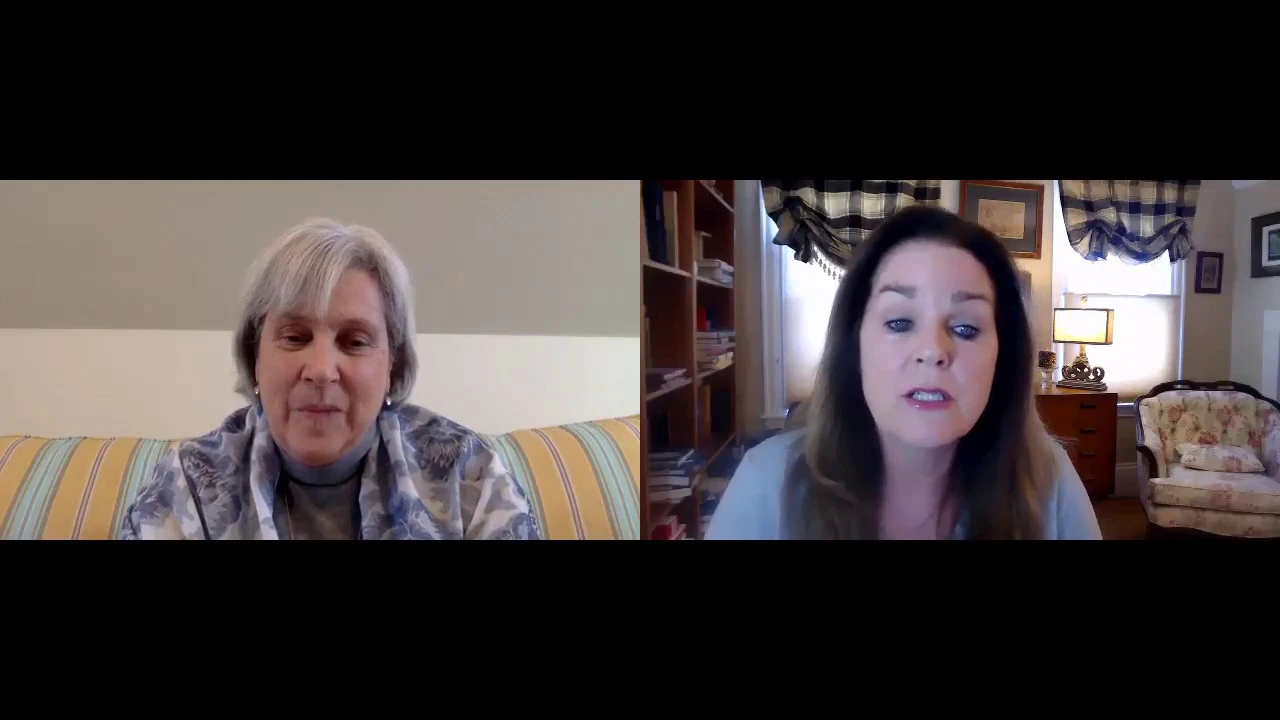
[Music] welcome back uh to the trauma talk series now the next uh conversation for this morning is between gabor and stephen parker stephen i really want to thank you immensely for being for accepting our invitation it's been such a pleasure to to relate to you and we deeply look forward to more so thank you thank you for being here such an honor gabor i think you wanted to introduce our guests so i'll pass it back to you thank you thank you this is a pleasure to meet you face to face at least through the internet and you made a wonderful product i really enjoyed the movie very much thank you thank you it means a lot to us for me thank you hello hey hello hello welcome to our home yeah thank you welcome to my home um so i'd like to introduce you to our audience yesterday when i was asked what i would do differently about this movie or what i what is missing for me what is missing for me is the voices of the people the many people but some salient ones that i've learned so much from i knew of course leading one amongst them your work on uh really the wisdom of the body i might say uh including wisdom of trauma about how our nervous system um either resists or integrates a trauma either um separates us more from ourselves or actually helps us heal and i'm not going to go to the mechanisms now but your work has largely been on the vagus nerve uh vagus meaning the wandering nerve like in vagrant really and it's been absolutely uh seminal work um your work has changed the practices and the understanding of multiple tens of thousands of therapists and psychologists around the world and nobody in the future will be able to talk about the regulation of the body or the impact of trauma without referring to your work and particularly through the polyvagal theory which i i'll leave you to explain but let me start with a question and so i have two books in front of me one is your um i know you have a one one just coming out now or maybe it's already out but um the original polyvagal theory which is not for the faint-hearted i have to tell you it's very full of deep science and and and profound uh research and then i have the pocket guide to the polygale theory which you kindly created as being a more accessible exp explanation of your of your views and findings and i want to start with the quote from the pocket guide where you say on page 133 we wear our hearts on our faces so there's this expression of wearing our hearts on our sleeves but you say we wear our hearts and our faces and i'm going to compare that to a statement in the little prince by antoine the same thing zookery which where the little fox says and now here's my secret a very simple secret the little fox says it's only with the heart that one can see rightly what is essential is invisible to the eye so stephen can you please talk to us about how we wear our hearts on our faces and how and how it's impossible to see just with the eye well it's a a marvelous question first of all thank you good mor for inviting me and letting me be part of this literally a celebration of heroic uh proportions of giving voice to those who have been traumatized and let me also say that watching the movie i realized what courage you have expressed in your own journey dealing not only with your own traumas but how you translate that into being a helping person and you know we've had some discussions but certainly not enough because we we share a hungarian route and uh except you know my relatives left at the turn of early 1900s and we start thinking now about this transgenerational traumas and my family was affected by a different one than yours yours was totally life or or death and ours was really uh oppression so there's a different transgenerational history but we all both of us have come through this with a deep desire to lessen the burden of suffering on humanity now let me kind of play with the wonderful question you led with and let me give you the new words that i would use i would say that we broadcast our feelings in our physiological state in our voice we literally broadcast that and we express it in our face so those of us and those of us who are in a sense have dealt in the world of trauma we see very instantaneously our body responds to another who has suffered uh trauma but not just in seeing them but in feeling their facial expression and feeling their voices our nervous system evolved to detect those features and we just have in a sense turned off our natural gifts of connecting with each other through voice and through expression and we superimpose on that this pragmatic view that words carry meaning only all the meaning and they only carry a small aspect of the meaning of life our voice our intonation our facial expressivity are really the cues to tell the other person that we're safe to come close to and that we're there to help them co-regulate so i i love the fact that you found an antecede for that but there's even an earlier one if you go to chinese language and look at the word listen it uses the symbols of ear and heart and we have to understand that to listen is to be embodied in being embodied in in a sense feeling the vocalizations of the other person so listening is far more than hearing and we have not in a sense given its true place but in the world of trauma healing we know the power of witnessing the power of listening because it's not only how our body responds but our as our body responds to the other it's broadcasting those cues of accessibility to the person who's speaking you know there was a study last year maybe two years ago i think they looked at electrical magnetic radiation coming from the hearts of client and therapist and sometimes they were incoherent and sometimes they were not but they were most uncoherent and when they were coherent when they were incoherent then later on without the client or the therapist knowing what the measurements were showing but those are the moments they reported as being the most meaningful and and particularly they happened when the therapist was listening rather than speaking yeah and on a simple let's say we don't have to get into a high level uh physics lesson on this but basically just visualize your heart pumping and blood flowing through your body in two different states a state of feeling accepted and safe and calm or a state of being uh basically uh marginalized and under threat and just visualize which looks redder to you which is warmer the state of calmness and accessibility so we can reduce that and we can say that even as we look at people's faces we can see the coloration in their face which is telling us a lot about the blood flow in their body um well so and one more point you you talked about words as opposed to emotional manifestations like voice and place in in in your in the pocket guy you talk about you you call it a corticocentric world yes i use uh interchangeably uh cortical centric or cognitive centric it's uh the big brain metaphor we think that everything is due to intentionality due to learning and due to higher uh executive functions we do not respect the more primitive bodily reactions that are linked to survival and so if our body feels under a state of threat it kind of determines uh all the higher brain structures how they function so we get our bodies mobilized into threat we're not deep thinkers we don't make good decisions we can't solve big problems and i think as our dialogue progresses as our dialogue progresses over let's say over years and as we get more time to spend with each other we'll see that our society is under a society that's under chronic threat and that society shapes the individuals because the physiological state of individuals are now threat oriented and they can't utilize literally their evolutionary given privilege of co-regulating and feeling safe in the arms of another well you know i just had a conversation with thomas hubbell about collective trauma and uh and you and i have had a bit of a conversation about this topic before when i interviewed you for the book about to be published next year and you talked about the fear in society but just to get a bit more specific um you look at certain politicians and but almost any of them really you know there's a famous story in oliver sacks rhoda in his uh the man who mistook his wood for his wife for a hat wrote about a group of aphasia patients listening to watching lorena dragon on television the president the great communicator and most of them are laughing and some of them are totally outraged and saks asked himself what is it is it that they don't understand reagan or is that they understand him all too well because not these aphasiacs who had a stroke and they can't understand the words they're reading the body language and they're seeing the inauthenticity yeah so that keeps most of us from seeing that that we buy into the words rather than there's another reagan story and it's about if you listen to the words or listen to the face without the words and the issues or listen to the words without the face uh if you listen to the words without the face the the speech sounds broken and almost incoherent in places the issue is our nervous system is such an integrated unit that it uses the visual to integrate what's missing from the auditory so it actually puts it together so in the case of people with specific you know disorders following stroke they couldn't that integration wasn't working for them so they were picking up the specifics based on the intonation of the vocalizations no so with that introduction i'm going to ask the big one 500 or less what the heck is polyvagal theory i don't mean quite regardless but i mean for an audience that isn't very scientifically trained well i i though i mean first of all i i always say that's the the question i like the least because it really depends upon how much time we really have um but let's start off with what i think is one of the major take-home lessons from the theory and that is our underlying physiological state shifts our perspective of the world so if our body's in a state of mobilization or fight flight we see the world more negatively if our body is calmer through this newer vagal regulation of our of our autonomic nervous system we see the world optimistically if we're shutting down with an ancient vagal circuit where we're dissociating and immobilized and we are literally withdrawn from society we have no contact with the world so the first take home is that our physiology our autonomic state is this powerful intervening variable a word from graduate school that comes between the context that we live in and our responses to that context and if you step into the world of trauma people are telling you that they are dealing with a world that is threatening to them and that and they're literally telling you that their physiology is in the state of threat which it is and all the comorbidities that they describe including cardiovascular irritable bowel a variety of things that are clearly features of the autonomic nervous system not supporting homeostasis but when does the autonomic nervous system not support homeostasis when it's being diverted to deal with threat it says it's interfering with our homeostasis now our current miracle world treats each of these disorders separately and tries to treat it when it's a neural retuning of the entire autonomic nervous system with a very powerful adaptive function of trying to enable that individual to survive survive using threat reactions so i would say that's the take home embedded in it is the fact that we have these three different physiological states a state of calmness that supports our ability to engage each other or functionally to co-regulate with another person a physiological state that is uh supports mobilization but be but can be contained with that newer circuit for play so we move and we smile at each other and we are co-regulated but if we don't have the smiling our movement leads to aggressive behavior and we have a shutting down defensive response but when we keep the social engagement system on board that immobilization response becomes moments of intimacy our body doesn't need to fight we are comfortable in the proximity of another so polyvagal theory identifies this evolutionary hierarchy that occurs and the newer circuits are basically our management circuit that when we're safe we we exploit utilize at the best our entire system let me jump in with a personal story okay and i want you to tell me what's happening okay for me okay i'm married to ray my wife of 52 years and i i can experience her voice as loving and inviting and present and nurturing but sometimes i experience it as harsh and threatening and i want to shut it out and depending on what physiological state i'm in and it's not necessarily to do with what she's doing it's very much on my perception so what's happening in my body in those two different states well i would actually first start off by telling you how to manage that and that is that's a powerful clue to you that you're in a sense pretty your body is put into a state of defense probably because you have a deadline probably because you're trying to do too much probably because you're not honoring your own body's needs to what we would now call self-compassion the respect for your body needing things and you're just pushing it i mean that that much i know about you so the the issue is you're detecting these things with a bias and potentially your wife may be saying evaluating you and saying literally take care of yourself and you're taking that now as a criticism and not as a reaching out to help you because you have an agenda and that agenda drives you i mean it's a good agenda but we have to understand that even good agendas result in basically contradictions in being able to co-regulate with another human being i'm married and i live in a world that has some of these features as well and you have to become very respectful of your reactions to the other and you can't interpret it from a level of intentionality so the fallacy of our culture is that as soon as we feel bad and we attribute it to someone else our narrative says that other person had intended to be hurtful to us or should have been sensitive to us and the answer is highly unlikely so we literally have to become our own let's say own parent in a way and observe ourselves and say look i'm feeling this way now how do i manage that within the complexity of a social interaction a marriage a family a work environment a laboratory i used to go through this with my lab i had a relatively large lab and if a paper wasn't accepted or a grant wasn't funded you know it was visually transparent in me and i would realize that because my body went into these states and i would go to my lab and say don't react to me because you may see something in my face and that this is what has happened now telling them had absolutely no effect because they were the mo the potent cues were not my words the potent cues was my ability to be a supportive person in their lives and i was saying i now have an excuse for not being a supportive person in your lives and they weren't buying that in a sense in terms of the social interaction and as parents we have to acknowledge that that's what we're doing all the time with our children exactly so physiologically i mean look like the same person extensively let me let me interrupt you on that you may not look like the same person and the issue is we're just not superficial yeah i may look like the same person yeah but you know i'm not the same person at all am i right and we're not instructed to detect those variations we in a sense allow them to pass so you know so my life when i go back and look at older pictures of people and i said and you see the flat face the around the eyes you know you see a trauma face is what i'm saying and now when i look at these pictures and i say to myself i should have known you know instead i this is a part of my kind of dinner time discussions with with sue and that is i used to interpret the flatness of people's faces as if they were thoughtful they were thinking not dissociative i was misreading the cues and it took me decades to figure this one out so when a person's face is flat and they don't appear to be there it's not like they're thinking about what you're discussing they're dissociating and it often is related to let's say a bad history a history in which there was some level of abuse or chronic stress you know when i look at photographs of myself from childhood there's barely anyone on which i'm smiling well i i have the privilege of gabor of watching your movie the movie yeah and when i came out of it because you know i and i wrote to maurizio i said you know it really showed that the heroic nature of the trauma survivor but it also showed the courageous gabor so we i saw your courage and it was in a sense an active it was not a act of pleasure or joy or exploration it was a battle you you were you were trying to fight a war and so it so it says i'm going to juxtapose you to where i am since i'm not neither physician nor a therapist and i didn't come into the world of trauma uh as a therapist or with a really severe trauma history but i came into it through invitation because insight provided that invitation and as i started to understand it i started to see in the people around me their history as it was being embedded in their gestures in their voice in their facial expressions now you talked earlier about um smile and there's a certain politician smile that you know it's not genuine because there's a kind of lack of coherence within the upper part of the face and the lower part of the base let me talk about that in terms of your poly vegas oh yeah it's the upper part of the face is where the smile should be not in the lower part of the face in in fact if you think about uh how autistic individuals are often treated they're told to smile but the smile is using the the cheek muscles and if you understand the essence the evolution of the facial muscles the lower part of the face is part of our aggressive system it's for biting you know it's with manuals so when people do the false smile we don't respond in a positive way we almost feel like they are aggressive which they are i i used to say uh put the hand up over the eyes or hand up over the mouth and what are you seeing what part of the face is moving and the answer is the upper part of the face is linked to the nerves that regulate the middle of the middle ear muscles that enable us to uh emphasize human voice so when we have exuberance in the upper part of the face the middle ear structure is tense and it dampens low frequency sounds where predator sounds evolved or used to come from so we can now focus on social communication it's also regulate those upper the muscles of the upper part of the face and the middle ear muscles are regulated in an area of the brainstep that regulates this newer mammalian ventral vagus and i'd like to just take one moment and say that the evolutionary journey from a social reptile to a social mammal is the story that we're talking about it's a story that we're reliving uh in in the world that we're in and that is where uh virtually every rep every vertebrate has a cueing system which i call neurosception with the nervous system detects risk they have one for for for danger or threat and they react to that but on this phylogenetic journey to sociality mammals had a unique autonomic system and no reception of safety and that required the changing and how we regulate our autonomic nervous system we really have a reflex that turns off threat i mean it if you want to think about a miraculous system if the cues of safety are detected uh a baby stops crying a person who is upset if cues of safety are detected they feel from being in a tense fight for light their bodies now conform they take the hug so we have this miraculous system that basically down regulates defense and this system also is anti-inflammatory and now we start seeing what are some of the disorders associated with trauma not just defensiveness but inflammatory disorders and autoimmune disorders so yeah i've i've seen autoimmune diseases for a long time as as responses to early threat yeah yeah now let me just a few things come up for me i again uh your thoughts come so rapidly i have but one is i now understand that song when irish eyes are smiling it doesn't say harsh modes are smiling when irish are just lying yeah yeah and when you hear the words you visualize uh this glow or exuberance in the upper part of the face yeah and when you see that exuberance in someone's the child up for the face we say oh that's wonderful no the second thing that came up for me was um i forget what it was so let me go to the third thing the ripping that came up was that you talked oh no yeah about safety now a big emphasis in your work is on safety and when i heard you in london once you said something that really uh stuck with me you said that safety is much more than just the absence of threat you said the presence of connection yeah oh yeah i think again culturally we have things wrong and we think about removal of threat as the basically what we need removal threat isn't bad i'm not saying that i'm saying but it's not sufficient yeah so in a sense when we deal with schools and we start having uh metal detectors and teachers with guts it's sending cues that are not cues of safety our nervous system evolve with this capacity to down regulate threat reactions with cues of safety those are voices that have intonation gesture and in the world of therapy we talk about being present we talk about witnessing we talk about shared moments or shared intimate moments of intimacy are shared even shared attention it's when uh or what you were talking about two bodies co-regulating in space and time that's that's our nature that's what we evolved to be that's our biological imperative so our biological imperative said that threat isn't good but not enough what made mammals different was this biological imperative they had to connect they had to co-regulate to survive and we still do so that brings us to my next question then which is um both about trauma and the nature of our society today so first of all one thing i realized is that as much as we're in communication with each other people in the trauma field uh people that you and i know you and i we still have slightly different interpretations of the word trauma i don't know that there's a common agreement from my perspective though trauma can be both when bad things happen to people that shouldn't happen but also when the good things that should happen don't happen and for example you talk about this biological imperative now for connection now i don't feel good with me but i'll posit that in our society the way we're trained to raise children is constantly cutting off or or frustrating the need for connection and that and the frustration of that need is in itself traumatizing i think what would you i okay i would start with what my definition is and i think the definition is a it has been poorly used i i tried when i created the traumatic stress research consortium at indiana university i basically went in and started to look at definitions of toronto for the first time and i realized that the cdc and all these other places including aces work we're all event related yeah and polyvagal theory says events are important but the real issue is the body's reaction the body's response right so if we take your your speculations your speculations say that it can be a variety of external cues but the critical thing is what happens in the body i agree and so the issue is does the body shift state into a chronic state of threat yeah and i think that becomes almost operationally what trauma is the body has been retuned and we actually have now a lot of bitter data on this including during the pandemic that individuals who have let's say child histories of trauma adversity histories when during the pandemic and these are people who did not get infected but looking at the psychological features the more adversity the more autonomically reactive they were but the trauma the direct path from trauma history to worry and anxiety and depression during the pandemic went through whether or not their autonomic nervous system was retuned so if they had an autonomic nervous system that was already in a state of threat it's often related to their childhood history or developmental history then those were the people who were reacting to the cues of the pandemic the threat of the pandemic so in the sense that was their pre-existing condition wasn't the trauma but was the retuning of the body to be defensive that was their pre-existing condition hasn't the same thing being shown in post-traumatic stress disorder that that people go through a difficult experience in adulthood but it's the people who've been dysregulated previously that yeah so if one uh in a sense deconstructed that that you would say that their autonomic nervous system uh was already retuned creating a lower a vulnerability for this triggering in fact uh we're finding i'm actually got interested in a clinical disorder known as ehlers-danlos syndrome which is hyperbola tell me about that okay that's a supposedly a collagen disorder of hypermobility double jointedness however it is a high co-occurrence of dysautonomia meaning autonomic nervous system being destabilized and second the onset of the clinical features seem to be trauma related in many of them so in the sense they have a pre-existing uh vulnerability one could say based on this collagen disorder but they're living their life fine and then something happens and now their their autonomic nervous system is dysregulated they're suffering from chronic pain and they have their quality of life is poor in our research what we're finding is that their autonomic regulation is not just in a sense low vagal tone which would be the metaphor that people would use but it's poor vagal efficiency meaning whatever vagal tone they have they can't use it it doesn't draw there's a disconnect so if we start building a different model of connection so you and i live in a world where we say that connection is between people and that's really an important part of the theory but the theory is also saying there's an internal connection really where the brain and the body have to be co-regulating each other sending cues back and forth that's what's coming up with that measure of vagal efficiency and with dysautonomia i should say with ehlers-danlos that vaguely efficiency is very poor and in other research that we're doing uh people who have even a mild trauma history have low vagal efficiency so this goes to your earlier point that that it's the history that creates the vulnerability and then something else happens so this is interesting because illidan laws is considered one of these genetic diseases but what i hear you saying is that it could be a genetic predisposition but it still depends on environmental circumstances whether it's the pain i'm going to basically i we're doing a clinical trial to try to test i would say probably the most controversial thing that i've ever done and that is to try to decouple the autonomic uh this the dysautonomia from the disease right and in a sense i want to in sense say that the disease itself whether it's a pathogen or a genetic disorder or something occurs in itself is a threat stimulus to that nervous system but not part of the disease so when that threat signal goes the autonomic nervous system goes into this defensive mode and you get this whole cascade of symptomatology but that cascade of symptoms is really not the disease it's being triggered by the disease and i'm in sense proposing that we can intervene to stop that cascade and if we can the burden of suffering will be greatly reversed but how do we stop the cascade we instance learned from our evolutionary history that to turn off threat we need to direct cues of safety to that nervous system so that ought to begin in early childhood shouldn't it and uh which is let me tell you again a personal story so i've always known my dramatic history of of of jewish infant or nazis and i don't have to repeat it but but recently i was reading my mother's diary and i think i said this maybe the other day but she's writing in her diary i'm three weeks old and she's saying my poor little guppy um my heart is breaking for you because you've been crying for the last week and a half but it's not time to feed you yet because i promised the doctors that would feed you on a schedule and so here's this woman who's her heart is really crying out to hold and and and and and nurture the baby but she's following a cognitocentric uh doctor's orders now what's it like for n never mind trauma and nazis and genocide is a child are we traumatizing infants and i say we are just by not responding to their cues where they need holding and safety well let me uh give you a simplistic developmental model yeah that is shared across many many million species and that is co-regulation enables self-regulation to occur except in our society so in a sense what we're calling smothering or mothering or parenting is really exercises in co-regulation ask any parent that when you're feeding or dealing with your child how does it make you feel it's a co-regulatory experience it's not giving food to the individual it's the shared feeling of support that you're getting the conforming of bodies and that gives the individual the neural plasticity or say even the boldness the strength to go out on their own so i think especially like if you watch other mammals like kittens playing or puppies playing uh or rats playing even they will go out and then they'll scamper scamper back to the mother to to the breasts of the mother and so it's part of this natural bit that you explore but you have instance what was called the safe base to come back to and as you mature your explorations can go on for longer and longer periods and you don't need the mother but you need friends or you need a spouse and they serve or you need a dog and a lot of people do it in that way in a sense you need an appropriate mammal to co-regulate with now which brings us to another question you mentioned pledges now and uh yak pancetta great neuroscientist talked about the place system in our brains excuse me and you talk about play as immobilization without fear you you talk about how mobilization without fear okay mobilization with a fear um so just talk about the importance of play and and for human development because that's another thing that we're depriving children of by giving we without giving them all these gadgets we're deprived in a more natural place or we're not well we just think about the educational system what got kicked out of it recess play um music i mean all the things that result in reciprocity of behavior play is systematic reciprocal behavior and we have co-opted the word play we think you can play with an object it's different so play with an individual has all the cueing of intentionality and reciprocity and that's a complex neural exercise and when i was in graduate school and i use this in my talks i showed two kittens playing and i reflect on what i was taught when i took comparative psychology and i was taught that the cats were practicing hunting skills but from a polyvagal perspective i looked at the pictures again and you notice that the claws are retracted they don't break skin when they bite and above all they maintain face to face interactions during all the rough and tumble play the face-to-face interactions enable their nervous systems to know that the movements are not aggressive right and that in a way defines play and that's why many children who have let's say uh spectrum features are not really welcomed that much on the playground because they break face-to-face contact and people get hurt so it's this understanding of the intentionality of movement that plague gives us that skill set it's a neural exercise it's a neural exercise that enables the body to sit still to become cognitive centric for a while so think about the school systems they should be really emphasizing play during the first few years so the children develop that resource to self-regulate and instead they're being told to self-regulate without the neural resource wow so that that moves to the next question which follows naturally uh over the last several decades we've had a preponderance in the diagnosis of children with the whole riot we have so called medical disorders and i say so-called advisedly but really what it seems to me if i understand what you're saying but much of the research as well what's really going on is increasing levels and different variations of nervous system dysregulation that's a response to social conditions and and and conditions in the homes rather than some intrinsic disorder of the child the nervous systems get retuned to a chronic state of threat and the manifestations are both mental health issues but also physical health issues and again this understanding of comorbidity even the use of the word is a misdirection the word really is telling us that our nervous system is being affected being affected by the chronic demands on many levels um you know as a physician here's the the question i would probably ask you and i already know the answer and that is um how much time was spent discussing neuroregulation of visceral organs yeah i can see the zero right and so there is no understanding of the bi-directionality of the visceral organ influencing the brain and even our thought processes let alone our mind changing our physiological state so we don't have that didn't have that information so there was a disconnect uh to that but let me let me ask you the other question in terms of end organs were you taught about how to assess damage to those organs the damage yes yeah so blood tests and other stress tests so the end organ became the target of the diagnosis not the neural regulation of the organ now from a pragmatic point of view wouldn't you speculate that before you had an organ damage neural regulation of that organ would be compromised well absolutely and and even the word end you know at the end of what it's the end of something you know it comes at the end of some process but we never look at the process right we don't have the process and we and within medicine people talk about titration of levels not in terms of the neural feedback of the level so the concept of a feedback loop is very distant or distal from the concept of medical care well and of course to go into medical training itself it's highly dysregulating because medical training itself puts people in a state state of stress and fear yeah there's a belief though and that this is the right thing to do when i was 17 i was an operating room orderly so this was when i was going to become a physician which i didn't become but what i learned was that you can become numb to the feelings of others relatively rapidly yeah and it was in a sense a part of that journey was to kind of understand what it was to become a physician and part of becoming a physician was not to feel it was the numification of our ability to feel other and in doing that we lose our ability to feel ourselves because we are a connected species do you happen to know james doherty by any chance yeah okay so jim dory you know the neurosurgeon and he wrote the book of the magic shop of the heart oh yes and he told me a story once that i mean when you speak with him on stage as i have when he's moved we'll just cry right on stage so you have this huge handsome neurosurgeon weeping on stage you know and and he told me the story was that he cried once at a presentation and the psychiatrist came up to him and said you know dr dory just come to me in three sessions that can get rid of that for you your capacity i can get rid of your capacity to express you feel to feel uh it gets in the way but doesn't our culture teach us that that we shouldn't uh respond to our feelings it starts in the classroom and it goes on and on i mean remember what nancy reagan said just say no so in terms of one's own let's say sexual drives just say no turn it off and then we start asking questions about in a sense with adults later in life about their sexual function and how they deal with it you start finding out that antecedent conditions such as childhood traumas such as a retuned autonomic nervous system impact on their intimacy well let me end with another politician story and then open it up for questions to the audience there was a very um public display of what you're talking about when when hillary clinton was nominated for the presidency and there was the film played by her life narrated by morgan freeman and hillary was saying that my mother really wanted me to be resilient so when i was four years old i was bullied by neighborhood kids and i ran into the house looking for protection and she said there's no room for cards in this house now you go out there and deal with those bullying and he really thinks this is a wonderful bit of teaching and i thought oh my god you know uh am i the only one in the whole world who's noticing that was being glorified here is the traumatization of a child whose vulnerability is being shut down yeah well i want to build on that not with the political story but i watched the original a star is born movie a couple nights ago it's a 1930s movie and this young lady from a midwestern town is going off to hollywood to become a famous actress and her grandmother tells her that when you want something you're going to feel the pain of it and you're going to get hurt but you have to keep going on and on and so in a sense i was i've been watching old movies because i want to get a better understanding i should say watching old movies during the pandemic because i want to get a better understanding of what was the world like that i was dropped into where did these cultural expectations come from and watching movies tells you a lot of the treatment of others the treatment of feelings and especially the treatment of women this is really and people of color this is remarkable that we have this documentary literally of watching uh movies that tell us really how our society is so biased and literally violates the principles of what it is to be a human well my next book is entitled for which i interview you is entitled the myth of normal trauma illness and healing in a toxic culture so with that let me thank you so much for this conversation i could personally go on forever but i'd like to give other people an opportunity to pose their questions to you as well so zaya murzio if you'd like to come back in and and motivate that for us so thank you goodbye wow thank you wow what a conversations we heard two or three times for me too so great thank you we have lots of questions about different conditions mls autoimmune disorders you touched on that little bit already what else we had fibromyalgia and people saying you do give some insights on autism from the point of view of polyvagal theory what about these additional conditions well this first of all these are great questions and they are actually telling you where i am going so we are doing a clinical trial on alex danlos but we're also doing a feasibility study on parkinson's disorder and we're using in both those studies we're using the safe and sound protocol which functionally which is an intervention i developed but it's functionally an acoustic vagal nerve stimulator and in a pilot subject with parkinson's the person is now literally dancing there's a video from his behavior change and there's going to be a paper published in the psychiatric uh excuse the harvard uh psychiatric review of a case study of a young lady in australia who had functional neurological disorders and was in a wheelchair and now she's at school after five one-hour sessions of listening to the safe and sound protocol which we can now deconstruct is saying her body was in the state of threat and when the body is no longer in state of threat what are the emergent properties uh so we could start seeing these things occurring uh with fibromyalgia we have to start seeing many of these disorders that are now known as medically unexplained uh symptoms because physicians just don't want to don't know what it what to do i mean they're pulling their hair out because they're not seeing it as a autonomic nervous system under threat and if they get the system out of threat these symptoms now would uh be would dissipate so fibromyalgia chronic chronic pain is another area and to my great surprise uh a group of pain psychologists and surgeons pain pain physicians and spinal surgeons uh were created a study group online on polyvagal theory because they said this is what we're using now we're not doing surgery because we found out that spinal surgery doesn't take pain away but listening to people and supporting them uh moves people into pain-free relatively rapidly and i will tell you my own story i hurt my back a year ago in june during the pandemic i twisted and i was in really chronic pain and i was excruciating but i was still as i'm a trooper i was still doing my webinars and i was online all the time and i even did a full day workshop and the interesting point was as long as i was online engaged i had no pain it was social engagement that was took me out of the pain it didn't cure me because i had injured something so it took several weeks for it to occur but with most people who have chronic pain they don't have an injury anymore it's a retuning of the nervous system to think that they're in pain it's a conservation it's like trauma trauma we are in a state of threat if we've been traumatized as a conservative reaction we've been hurt we're not going to get hurt again chronic pain fits that same model so the answer to a lot to that basic question is i think that if the symptom if the disorder has core features of dysautonomia autonomic features of dysregulation i i think there's an optimistic journey that will start being unfolded as people start understanding that they can optimize the neural regulation of their autonomic nervous systems and they don't have to do it through surgery and they don't have to do it with pharmaceuticals so i'd like to see a few things here first of all um there's all kinds of evidence with fibromyalgia that people is really related to childhood trauma which will put people into a state of fear of course number one number two there's evidence as far as i'm concerned not because i'm concerned with parkinson's that is related to uh to stress and and um finally what you said about chronic pain i mean i'm glad that's being discovered now but there was this american physiatrist back specialist called john sarno yeah who talked about decades ago about how chronic pain is actually has to do with uh do your body dysregulation it's not so that you can operate on it all you want yeah he saved thousands of people from surgery just by making them aware of their emotional states yeah this the people were actually i would say uh pro uh children of uh sarno in since they were his offspring literally who followed him and then the group was is basically centered or organized by a spinal surgeon who quit after 35 years because he felt he was doing damage he was hurting people and it was too much for him and basically and he's now functionally i would use the term a group psychotherapist he runs groups and people become pain-free and so it's very much in the sarno tradition wonderful wow wow we're getting a lot of questions about how to so what are some of the two three practices you recommend to increase the vagal health or the um yeah okay i'm going to basically give you categories so we're really talking about neural exercises that turn on and off the newer ventral vagus so we are able to access it and regulate our bodily state by getting more of this vagal influence to our organs and we do this through things like breathing breathing is the simplest mode deep slow exhalations as we exhale the vagal break gets really implemented and when we inhale we turn off so if we watch people when they get anxious and excited long inhalations short exhalations so we if we extend the durations of our phrases if we sing or play a wind instrument those are neural exercises and if dancing is a good neural exercise because it's movement with facial interaction reciprocal play is important and so we start seeing that these are really in ways of i would say neural exercises so i want to in my own uh conceptualization i want to elevate play as a neural exercise and i want to elevate sociality or social interaction as a neural modulator i want it at the range the level of a neural stimulator and once we accept that social interaction is as potent as a neural stimulator we'll start inviting sociality into treatment models given that everything you've said is an organic part and parcel of indigenous cultures yeah and seeing the the singing you know now nothing original you know my view has been is that part of our western world is everything has to be new and original and part of my thrill of actually unfolding polyvagal theory is that it has continuity within the history of humanity and so you feel comfortable that it's not different than it just creates a different language within the world of yoga they have really embraced polyvagal theory because they're parallels even using different words for the same step for the same states but the issue is continuity giving a language that is neuroscience based and contemporary to create a validity to provide a validity on our ancient knowledge i have to tell you sometimes i laugh about it because you know people like you and i get a lot of attention for work and how great and what we think what we're saying has been known by human beings for so long yeah i have the same response and i actually feel that the theory just put together what in my mind was obvious and in your words and the issue is it built on my extraction of information it didn't build on discovery of new information it built on the integration of it wonderfully but thank you beautiful maybe one final question what is the future of poliwago theory what might an integrated theory of neuro and vista regulation offer well i i feel that uh polyvagal theory provides literally an umbrella to start re changing how we treat the human condition that it it should be understood in terms of how we create schools or regulate or develop educational models but i'm also now vested in working with a group to see if we can redesign medical education and and doing this literally in a gentle way the gentle way is that polyvagal theory provides organizational properties or principles and it doesn't throw out the content that has been established but puts it into the context of human interaction and remember in medicine what's going on is that people are treated as if they're objects and both by the by the physicians but also by the treatment that physicians are administering and the individual feels marginalized from the get-go well the the speed with which we are living like you said we're living in chronic threats state like what can we do collectively to slow down is there anything yeah yeah you know okay this is part and i gotta hope that gabor joins me on this journey that as we get older we become less vulnerable to the things that affected us when we were younger so our children are growing up they're doing well we have sufficient financial resources and then our our issue of prestige becomes less important because you know people have treated both of us very nicely when we get to that stage we get a degree of being patient and we realize that when people understand and start to understand what their vulnerabilities are let's say you take the vulnerability of financial security away what is life and so much of life in the world that has been structured is linked to financial uh security or appearance of financial security and what we need to understand is that underneath the what i call wrappers around our core we have to have great respect that our human core our essence is really quite benevolent it's quite accessible and welcoming to others it's the rappers that give us the problem in our society the protections that we put around ourselves to survive because we're under chronic threat so we need to be respectful of that core and if we are respectful enough of that core we're not going to have the same opportunities for our lives to be taken over by fear and threat and so we can start working on let's say generations our children their children our grandchildren what can we do to enable them to have sufficient security to be bold enough to move outward now see with gabor gabor had the resources to be bold and this is the part that i am really very interested in because i've been reflecting on my own trajectory and saying where did that boldness come from where was the security it said go out there and break the paradigm because we all and as a we i mean poor people like us want to be accepted we want it we want the mutuality of connected with with our peers and we know that when we have this passion to do things we know that we are actually creating a risk of our relationships with those who are our peers and this is an interesting journey but it's a journey based on a pure and deep conviction and passion that in a sense i'm going to say this kind of often we've seen a light we've seen an understanding of what it is to be a human being and we will not stop until we see it in a sense actualized in more people never anything to comment on that or well two things can be very briefly one is stephen talked about as we get older well there used to be an institution called eldership yeah and stephen jenkinson talked very quickly about that that you know it's just better we have elders but we know we were probably we have i'll be at the elderly but we no longer have elders yeah and then there's wisdom in eldership and then we just don't recognize that we don't honor it we don't listen to it you and i may be getting older but we're less than what we listen to for our expertise um but elders leaving without expertise have a lot of wisdom and probably number one number two uh there's a deep choice that people have to make and unfortunately a lot of children because of childhood experiences are unable to make it which is between being authentic or being attached now ideally we can be both authentic and attached in others we can be ourselves and still be in a relationship but what happens when if we ourselves our relationships will reject us the child is in no position to choose authenticity because they can't live without attachment so very early in life most people make this tragic unconscious choice and i talk about this in my new book okay i'm gonna do whatever i can to fit in and therefore surrender my authenticity and i think much of life's journey afterwards is actually rediscovering our authenticity and and and as an adult i no longer have to give up myself to be in relationship and if i have to give up myself to be in a relationship i'd rather not be in a relationship for a lot of people well gabor you're actually uh there's a part of that that is you know very intriguing because part of the relationship is our relationship with the past and with our family with our parents and those of us or many of us who have been bold were actually deviants within our own family and this this was very painful and difficult but as we get older we start for me i see my parents in a totally different light i see them as as heroic trying to deal with what they had and also seeing them trying to deal with this complicated kid that was literally dropped in their laps and and they did did well the the issue is they weren't me i think that's part of what we start learning is that our kids we have a responsibility to our children but we are not our children and our children are not us and we do what we can do and as long as we do it with a degree of humility and gratitude i think things work out really well and it's that latter word gratitude which is in my life a new word coming into my experiences that when you wake up in the morning and you read the emails and i'm sure you have some of these as well that your heart both opens up and you feel that you what a wonderful opportunity you've had to impact on a positive level to humanity that you're not a uh this sense you're not a blade of grass that has just been stepped on you you are actually out there sending out seeds and spores all over the place with good ideas and courage and that's how i i feel it's a remarkable time in one's life to feel that way and i think you should feel you you i assume you feel the same way i should say you should oh what i do what i do and and finally one more thing i can be absolutely grateful for is because i pursue this path and i do this work i get to meet such wonderful people you know and like yourself like these two who are conducting this workshop it's um it's visually rewarding where you can start expressing yourself and and and make money oh yeah to say things without being for me i remember i come from a very structured academic tradition or history and the world that i come from doesn't in a sense sanction even what i'm doing with you today it's just not what what uh laboratory scientists do they don't in a sense create and express and infer they restrict they basically express the fear of pure ostracizing although all the more things to you then because but i don't have to worry about that i don't know one of the things i've been grateful for is that i was spared having to exist in an academic background you know well it's an interesting journey that's all i can say and and i can smile back and i can see all the flaws in it but i also can see uh the benefits that you know credibility within that world has been useful and it has also enabled me to walk into your world with the degree of credibility so i'm not totally negative and now i'm crossing back in i'm trying to restructure you know how educational programs are set up in well one was there actually three areas we're working on one is medicine um one is education and the other one is business organizations so in a sense uh we're actually we created an institute called polyvagal institute gabor is on the board and part of the agenda is to develop educational materials and to certify different educational programs and institutions as being polyvagal informed meaning that they adhere to the principles of the theory which in a way is we're really saying treat people like they're human beings that's what we're saying well thank you stephen for sharing not just your brilliant intellect and mind but also your beautiful heart with and letting us really feel you thank you and probably are you a brilliant interviewer it's just yeah such a liveness in this conversation it's so engaging and so alive exactly thank you thank you both for letting us in to your brilliance and please down well let's put brilliance aside and say our passionate uh commitment i think is far greater than our brilliance that we have we have this passion and the passion is really what comes from our insides speaking speak for yourself gabber's brilliant is passionate but what kind through us is the heart i mean passion cannot come just from here passion is something that has to be embodied and both of you in similar and completely different ways at the same time embody that and that's such so refreshing to talk about such important topic and feel that they come you know with the yummy that's like i think for me and i'm sure for gabor there's so many rewards we've got we've been helpful to people and that helpfulness to other has certainly been uh the rewards that we wanted that we were on the right track and i think that is really that's the resource is the people responding to us yeah yeah yeah yeah yep thank you thank you thank you so much [Music] [Music] you
Up Next
5:25
Removing the Hippocampus: The Medical Case of Patient HM and Brain Memory
@TEDEd
5M views•2014-08-26
21:55
Deciphering Neural Circuits Controlling Anorexia in Mice | Richard Palmiter
@AllenInstitute
2.3K views•2011-10-10

4:10
Vagus Nerve (CN X): Anatomy, Nuclei & Functions Explained
@Alilamedicalmedia
305.2K views•2022-10-31
13:03
How Exercise Benefits Your Brain: Science Explained
@TED
11.4M views•2018-03-21
Related Study Plans & Knowledge Roadmaps
Structured learning paths in Neuroscience
neuroscience
Appetite Regulation: Brain Circuits & Hormones
01Foundations of Endocrinology and Brain Anatomy
02Introduction to Energy Homeostasis
03Peripheral Signals: Leptin, Ghrelin, and Insulin
+ 2 more learning modules
14h5 modules
Explore Roadmap
neuroscience
Neuroeconomics: Value, Risk & Brain Mechanisms
01Foundations of Neuroscience and Brain Anatomy
02Introduction to Neuroeconomics and Subjective Value
03Dopaminergic Prediction Errors & Reinforcement Learning
+ 3 more learning modules
18h6 modules
Explore Roadmap
neuroscience
Spatial Navigation: Cells, Grids & Brain Maps
01Foundations of Brain Anatomy and Memory
02Place Cells and Head-Direction Cells
03Grid Cells: The Brain's Coordinate System
+ 2 more learning modules
12h5 modules
Explore Roadmap
neuroscience
BCIs: Neural Decoding & Prosthetic Control
01Neuroscience Foundations: How the Brain Signals Intent
02Signal Acquisition: Recording the Brain's Activity
03Neural Decoding: Translating Brain Waves into Data
+ 2 more learning modules
25h5 modules
Explore Roadmap