
















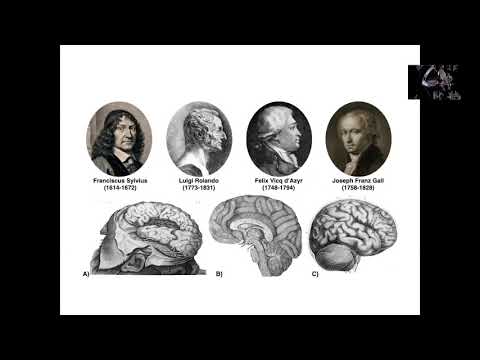

The hippocampus is essential for forming new long-term memories, as demonstrated by patient H.M. whose hippocampus was surgically removed, leaving him unable to create new declarative memories while preserving procedural memory, thereby establishing that memory involves distinct systems (short-term vs. long-term, and declarative vs. procedural) stored in different brain regions.
Removing the Hippocampus: The Medical Case of Patient HM and Brain Memory
Added:Basic neuroanatomy, specifically the location and general function of the temporal lobes and the limbic system.
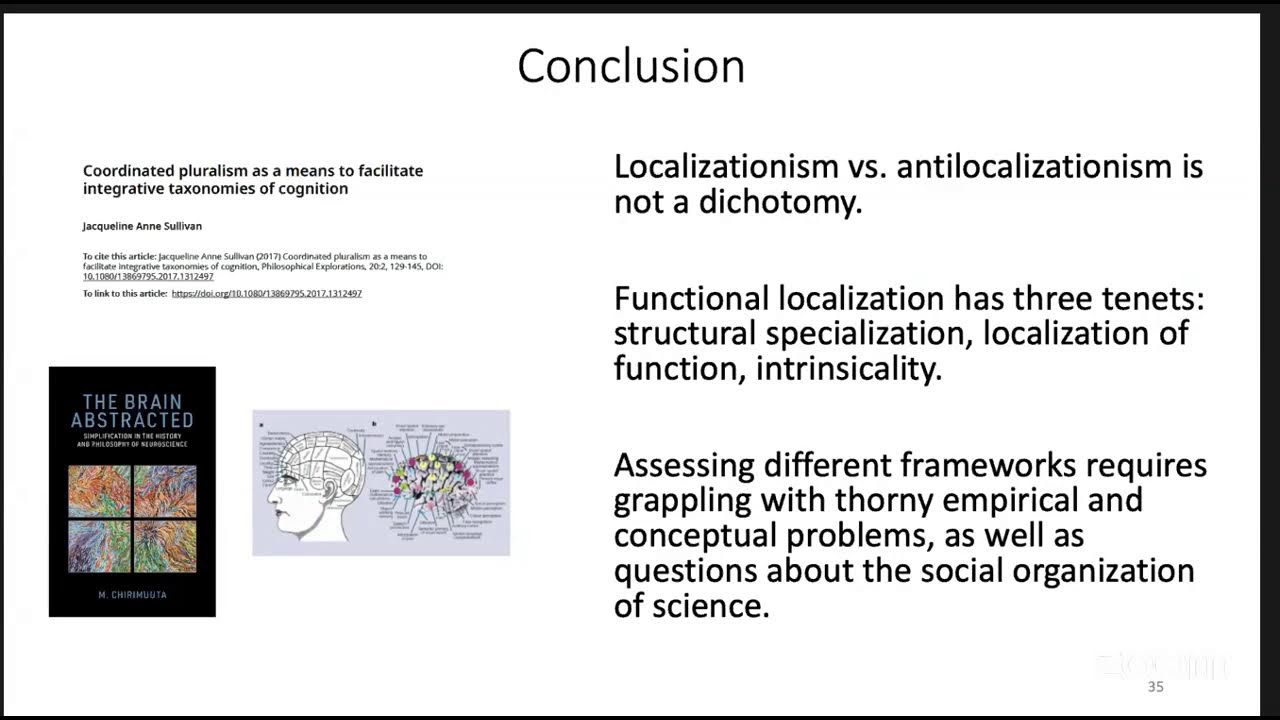
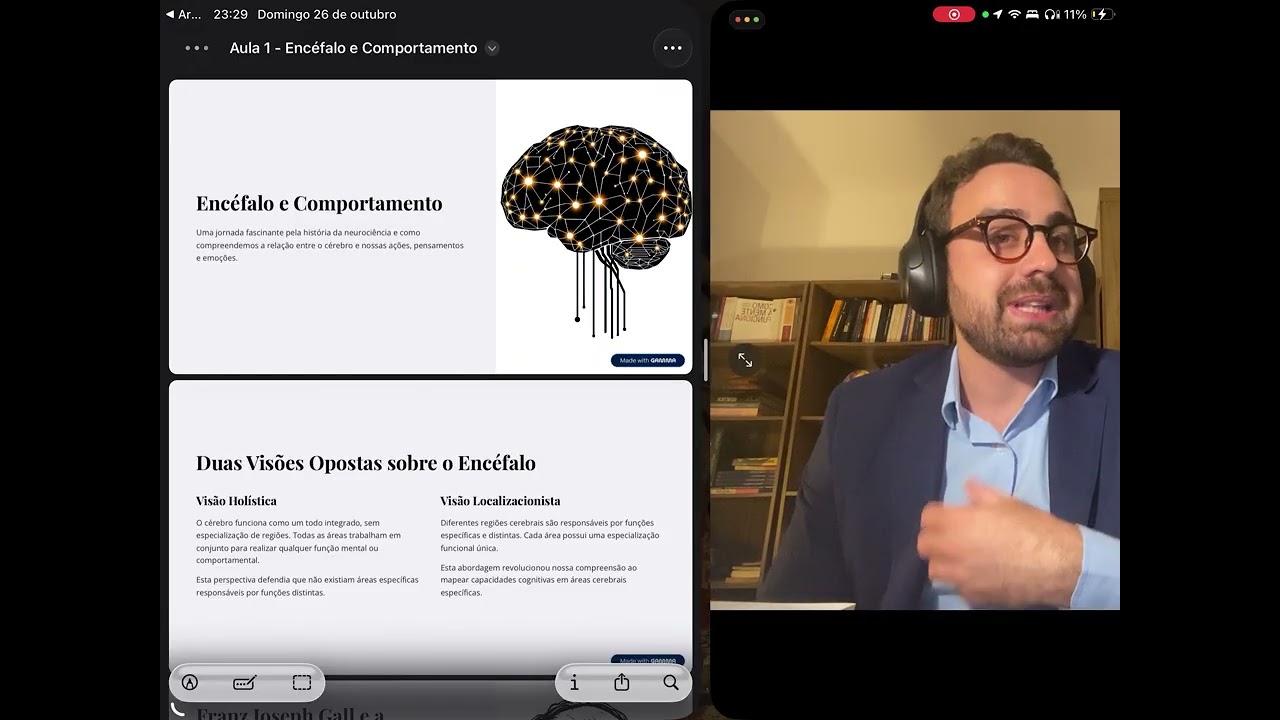
The historical debate surrounding localization of brain function versus equipotentiality (the theory that the brain acts as a whole).
A foundational understanding of epilepsy and the historical use of neurosurgery as a treatment for intractable seizures.
The conceptual distinction between working memory (short-term capacity) and permanent storage (long-term memory).
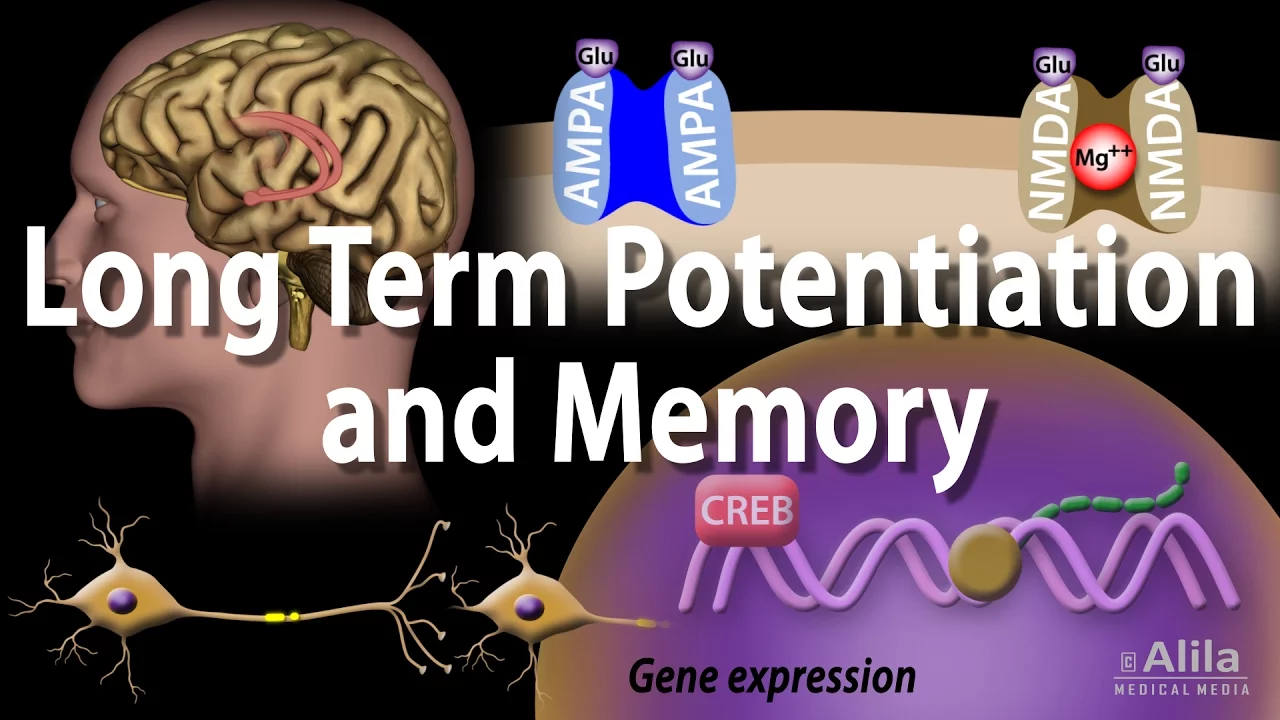
The cellular and molecular mechanisms of memory consolidation, including Long-Term Potentiation (LTP).
A deeper exploration of cognitive amnesia types, specifically distinguishing between anterograde and retrograde amnesia.
Comparative neuropsychological case studies, such as Patient K.C. (who shed light on episodic vs. semantic memory) and Phineas Gage.
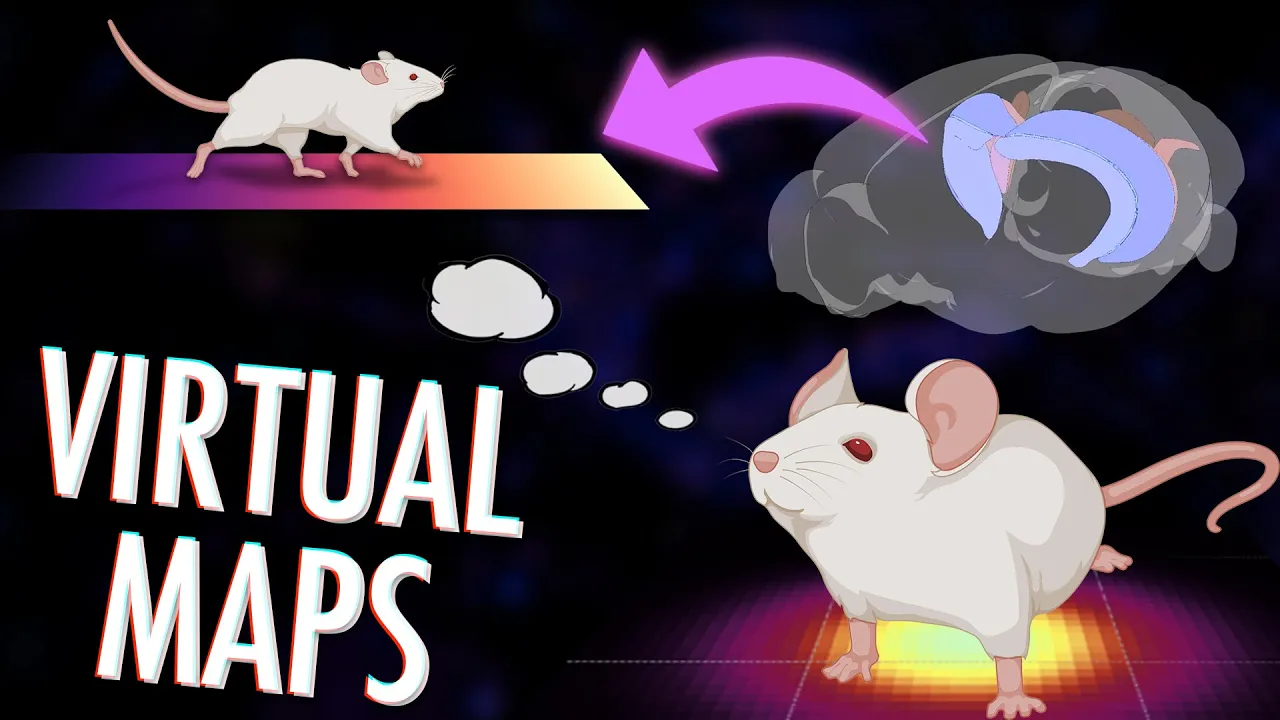
The role of the hippocampus in spatial navigation and cognitive mapping, including the function of place cells and grid cells.
How modern neuroimaging techniques like fMRI and PET scans are used to study memory systems in healthy, intact brains.
5M views108.3Klikes5:25Original Release: 2014-08-26
On September 1st, 1953, William Scoville used a hand crank and a cheap drill saw to bore into a young man's skull, cutting away vital pieces of his brain and sucking them out through a metal tube.
But this wasn't a scene from a horror film or a gruesome police report.
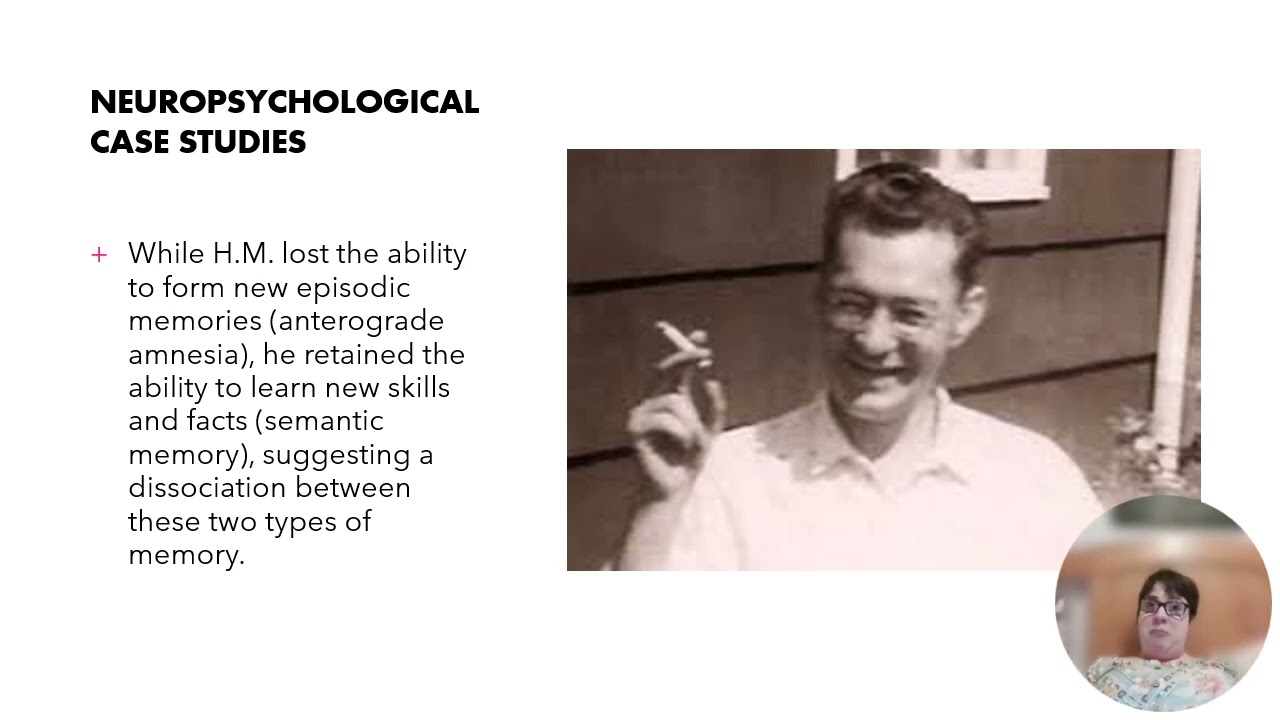
Dr. Scoville was one of the most renowned neurosurgeons of his time, and the young man was Henry Molaison, the famous patient known as "H.M.", whose case provided amazing insights into how our brains work.
As a boy, Henry had cracked his skull in an accident and soon began having seizures, blacking out and losing control of bodily functions.
After enduring years of frequent episodes, and even dropping out of high school, the desperate young man had turned to Dr. Scoville, a daredevil known for risky surgeries.
Partial lobotomies had been used for decades to treat mental patients based on the notion that mental functions were strictly localized to corresponding brain areas.
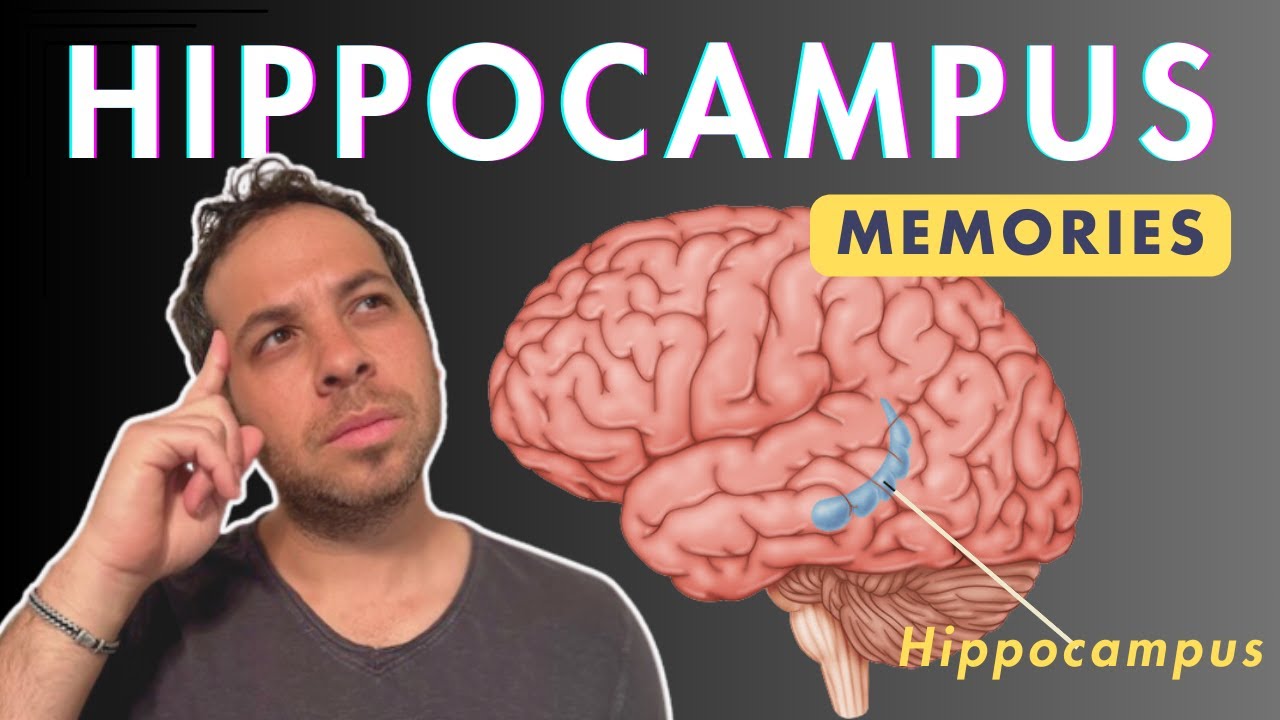
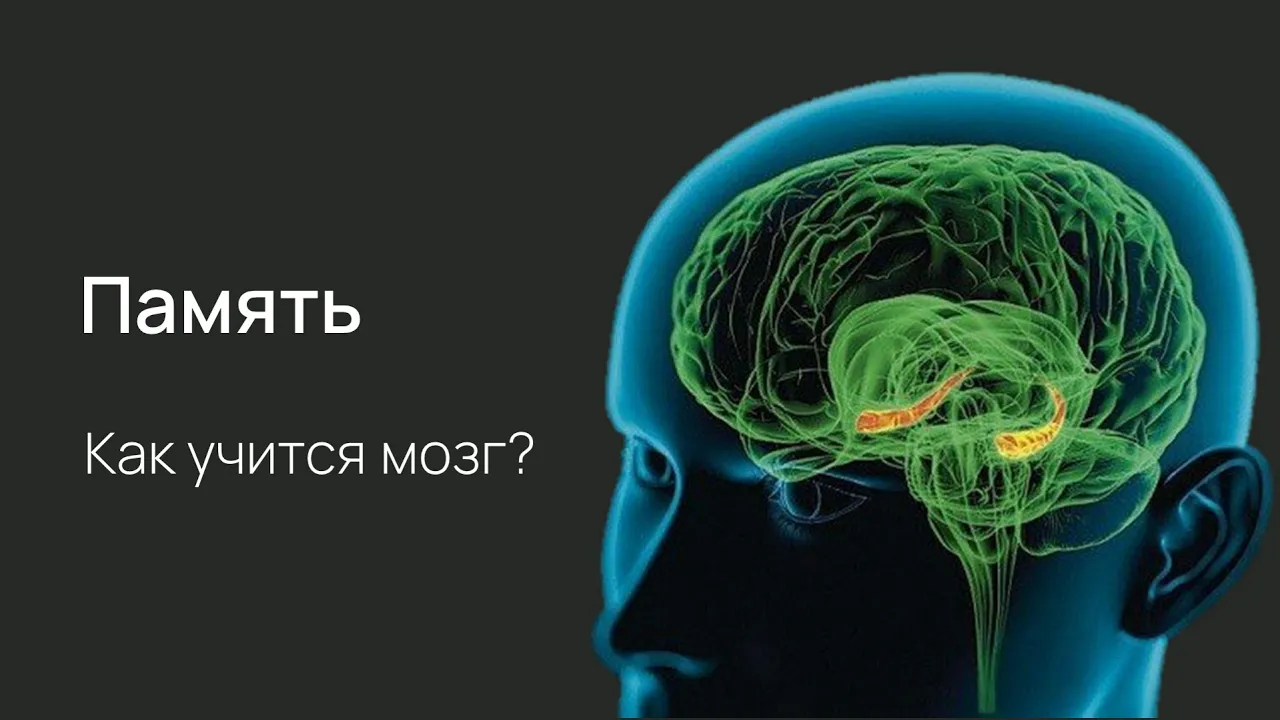
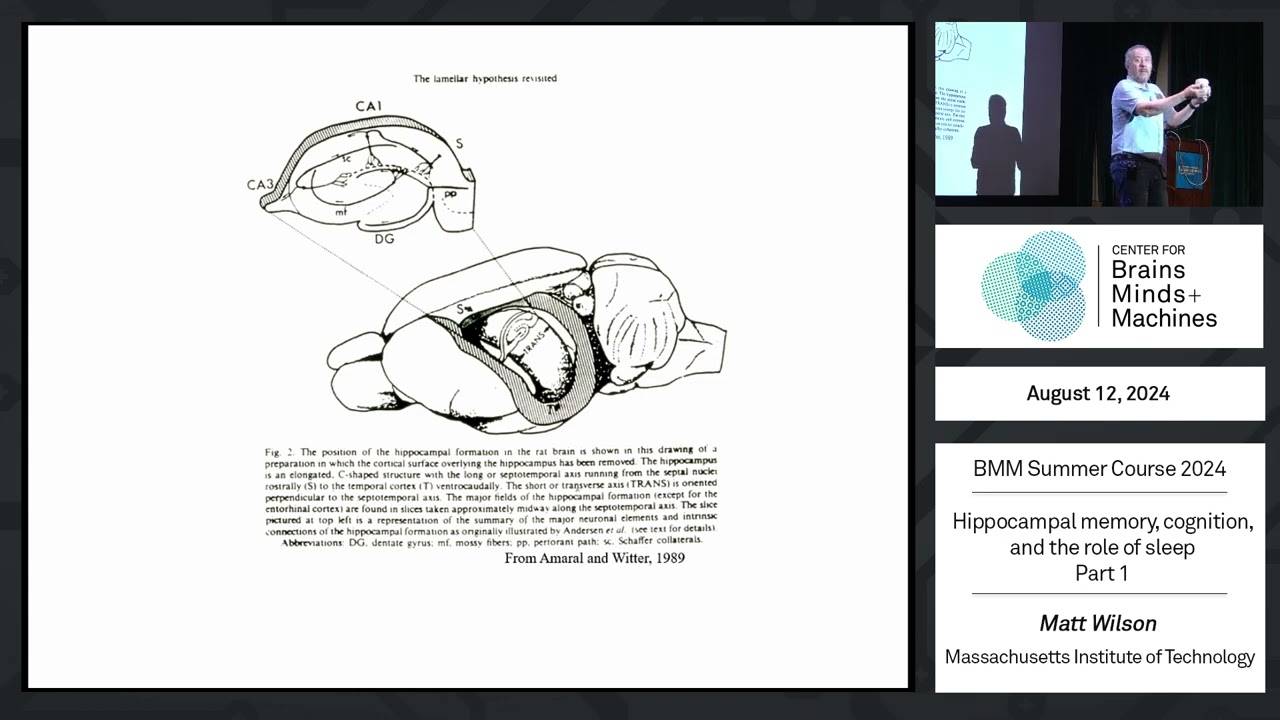
Having successfully used them to reduce seizures in psychotics, Scoville decided to remove H.M.'s hippocampus, a part of the limbic system that was associated with emotion but whose function was unknown.
At first glance, the operation had succeeded.
H.M.'s seizures virtually disappeared, with no change in personality, and his IQ even improved.
But there was one problem: His memory was shot.
Besides losing most of his memories from the previous decade, H.M. was unable to form new ones, forgetting what day it was, repeating comments, and even eating multiple meals in a row.
When Scoville informed another expert, Wilder Penfield, of the results, he sent a Ph.D student named Brenda Milner to study H.M. at his parents' home, where he now spent his days doing odd chores, and watching classic movies for the first time, over and over.
What she discovered through a series of tests and interviews didn't just contribute greatly to the study of memory.
It redefined what memory even meant.
One of Milner's findings shed light on the obvious fact that although H.M. couldn't form new memories, he still retained information long enough from moment to moment to finish a sentence or find the bathroom.
When Milner gave him a random number, he managed to remember it for fifteen minutes by repeating it to himself constantly.
But only five minutes later, he forgot the test had even taken place.
Neuroscientists had though of memory as monolithic, all of it essentially the same and stored throughout the brain.
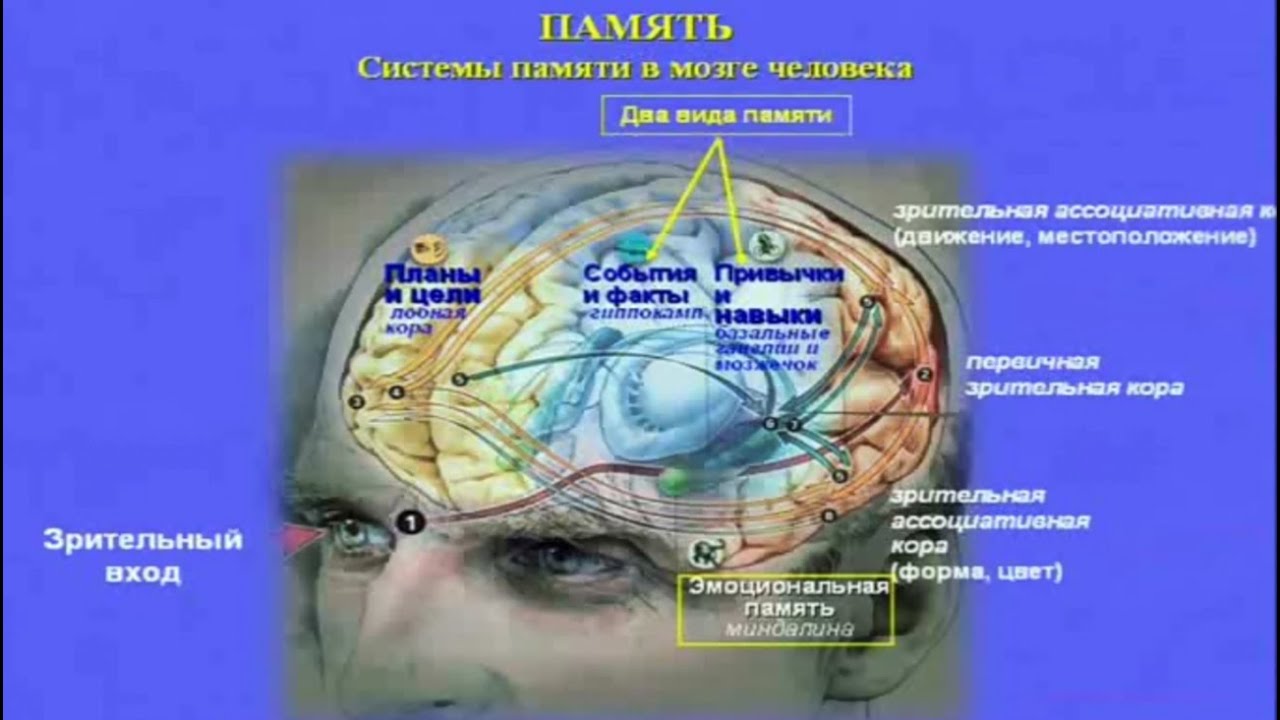
Milner's results were not only the first clue for the now familiar distinction between short-term and long-term memory, but show that each uses different brain regions.
We now know that memory formation involves several steps.
After immediate sensory data is temporarily transcribed by neurons in the cortex, it travels to the hippocampus, where special proteins work to strengthen the cortical synaptic connections.
If the experience was strong enough, or we recall it periodically in the first few days, the hippocampus then transfers the memory back to the cortex for permanent storage.
H.M.'s mind could form the initial impressions, but without a hippocampus to perform this memory consolidation, they eroded, like messages scrawled in sand.
But this was not the only memory distinction Milner found.
In a now famous experiment, she asked H.M. to trace a third star in the narrow space between the outlines of two concentric ones while he could only see his paper and pencil through a mirror.
Like anyone else performing such an awkward task for the first time, he did horribly.
But surprisingly, he improved over repeated trials, even though he had no memory of previous attempts.
His unconscious motor centers remembered what the conscious mind had forgotten.
What Milner had discovered was that the declarative memory of names, dates and facts is different from the procedural memory of riding a bicycle or signing your name.
And we now know that procedural memory relies more on the basal ganglia and cerebellum, structures that were intact in H.M.'s brain.
This distinction between "knowing that" and "knowing how" has underpinned all memory research since.
H.M. died at the age of 82 after a mostly peaceful life in a nursing home.
Over the years, he had been examined by more than 100 neuroscientists, making his the most studied mind in history.
Upon his death, his brain was preserved and scanned before being cut into over 2000 individual slices and photographed to form a digital map down to the level of individual neurons, all in a live broadcast watched by 400,000 people.
Though H.M. spent most of his life forgetting things, he and his contributions to our understanding of memory will be remembered for generations to come.
Up Next
81:08
Neuroanatomy: Nervous System Basics | CNS & PNS
@DoctorNajeeb
3.8M views•2019-01-29
21:55
Deciphering Neural Circuits Controlling Anorexia in Mice | Richard Palmiter
@AllenInstitute
2.3K views•2011-10-10
4:00
Neurogenesis: Can Adult Brains Self-Repair?
@TEDEd
1.4M views•2015-04-27
13:03
How Exercise Benefits Your Brain: Science Explained
@TED
11.4M views•2018-03-21
Related Study Plans & Knowledge Roadmaps
Structured learning paths in Neuroscience
neuroscience
Appetite Regulation: Brain Circuits & Hormones
01Foundations of Endocrinology and Brain Anatomy
02Introduction to Energy Homeostasis
03Peripheral Signals: Leptin, Ghrelin, and Insulin
+ 2 more learning modules
14h5 modules
Explore Roadmap
neuroscience
Neuroeconomics: Value, Risk & Brain Mechanisms
01Foundations of Neuroscience and Brain Anatomy
02Introduction to Neuroeconomics and Subjective Value
03Dopaminergic Prediction Errors & Reinforcement Learning
+ 3 more learning modules
18h6 modules
Explore Roadmap
neuroscience
Spatial Navigation: Cells, Grids & Brain Maps
01Foundations of Brain Anatomy and Memory
02Place Cells and Head-Direction Cells
03Grid Cells: The Brain's Coordinate System
+ 2 more learning modules
12h5 modules
Explore Roadmap
neuroscience
BCIs: Neural Decoding & Prosthetic Control
01Neuroscience Foundations: How the Brain Signals Intent
02Signal Acquisition: Recording the Brain's Activity
03Neural Decoding: Translating Brain Waves into Data
+ 2 more learning modules
25h5 modules
Explore Roadmap