




![백세인생 특집 몰아보기 l "박건우 교수의 치매 상식 10가지" [몰아보기] - 치매의 모든것을 알려드립니다!!](https://i.ytimg.com/vi/VG7qZbeQPCc/maxresdefault.jpg)

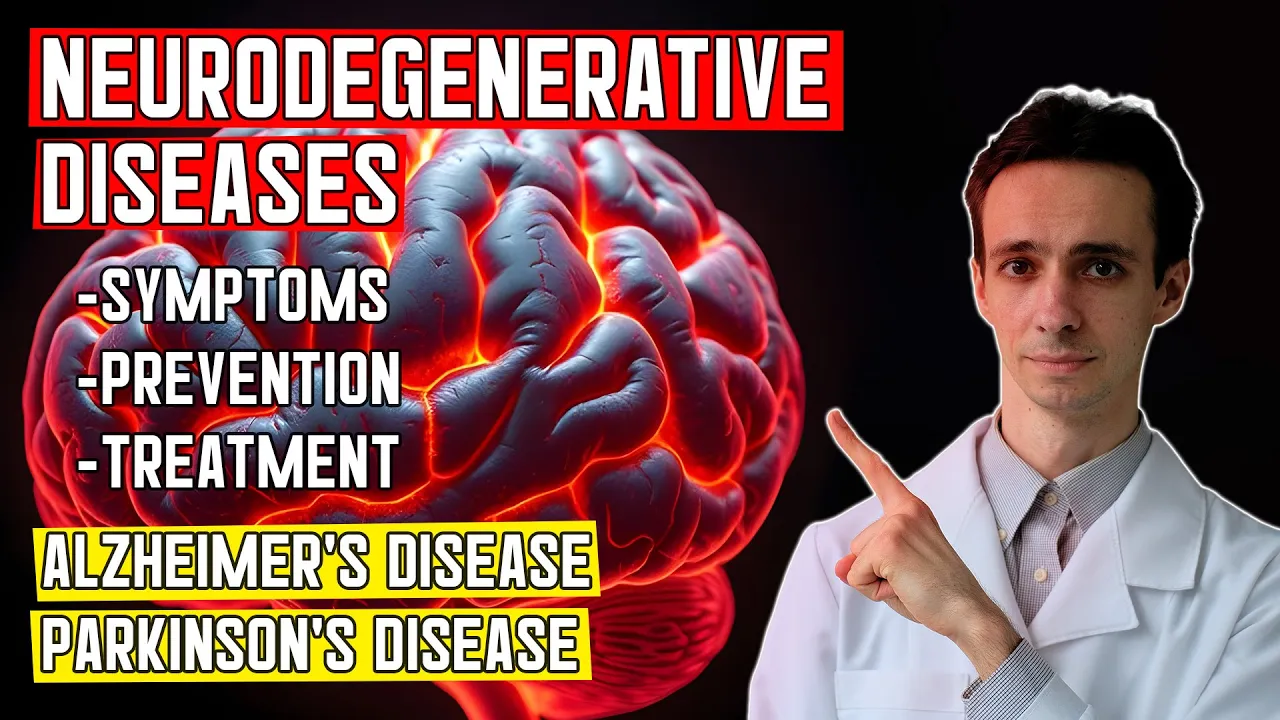



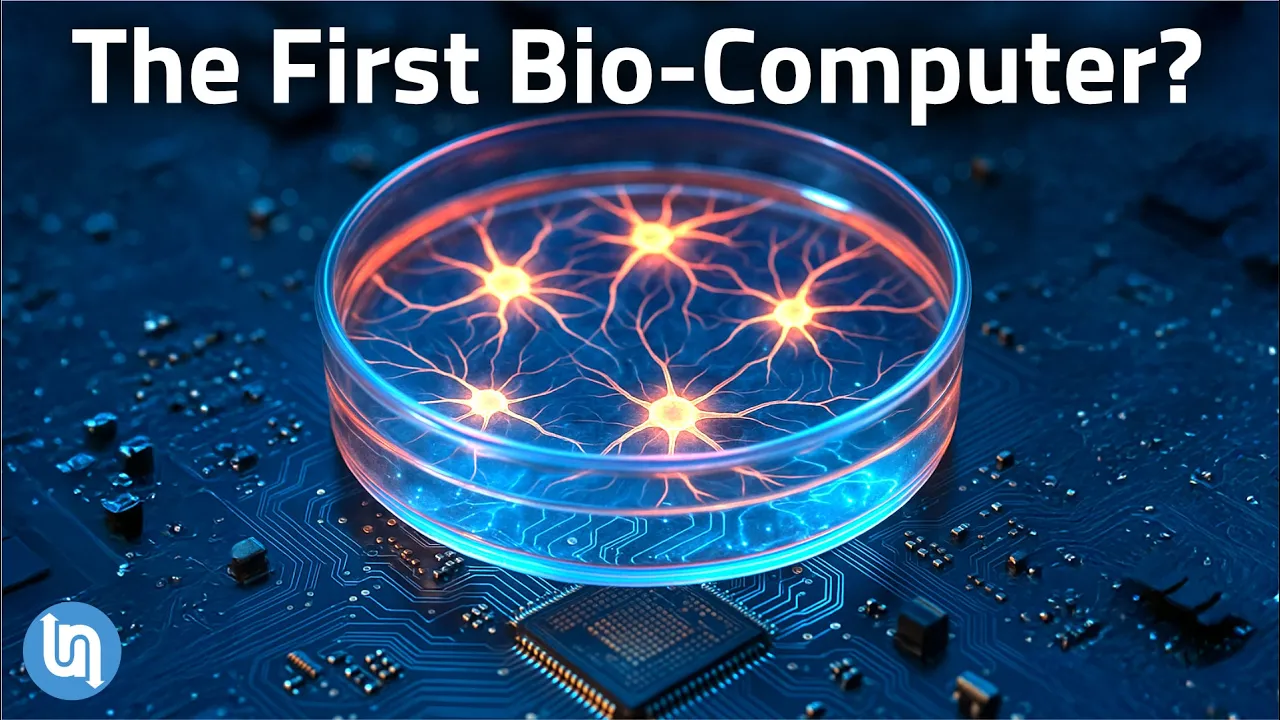








The brain can repair itself through neurogenesis, the process by which neural stem cells and progenitor cells generate new neurons in three specialized regions—the dentate gyrus (learning/memory), subventricular zone (olfactory function), and striatum (movement)—offering promising avenues for treating neurological diseases like Alzheimer's and Parkinson's through protein stimulation, cell transplantation, or reprogramming other brain cells to behave like neural stem cells.
Neurogenesis: Can Adult Brains Self-Repair?
Added:Basic neuroanatomy, including the structure and function of neurons, glial cells, and synapses.
The concept of neuroplasticity, which is the brain's ability to reorganize existing neural pathways in response to learning or injury.
An introductory understanding of neurodegenerative diseases, specifically how Alzheimer's and Parkinson's cause progressive cellular damage.
Fundamental principles of stem cell biology, particularly how undifferentiated cells can specialize into specific cell types.
An in-depth study of the specific neurogenic niches in the adult mammalian brain, namely the subventricular zone (SVZ) and the subgranular zone (SGZ).
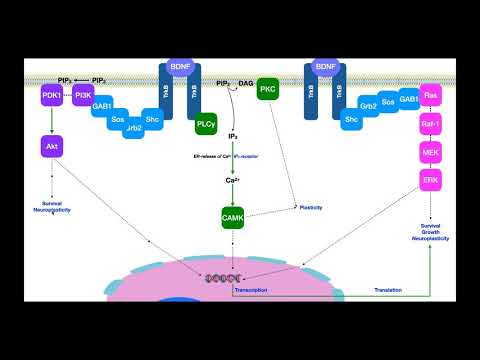
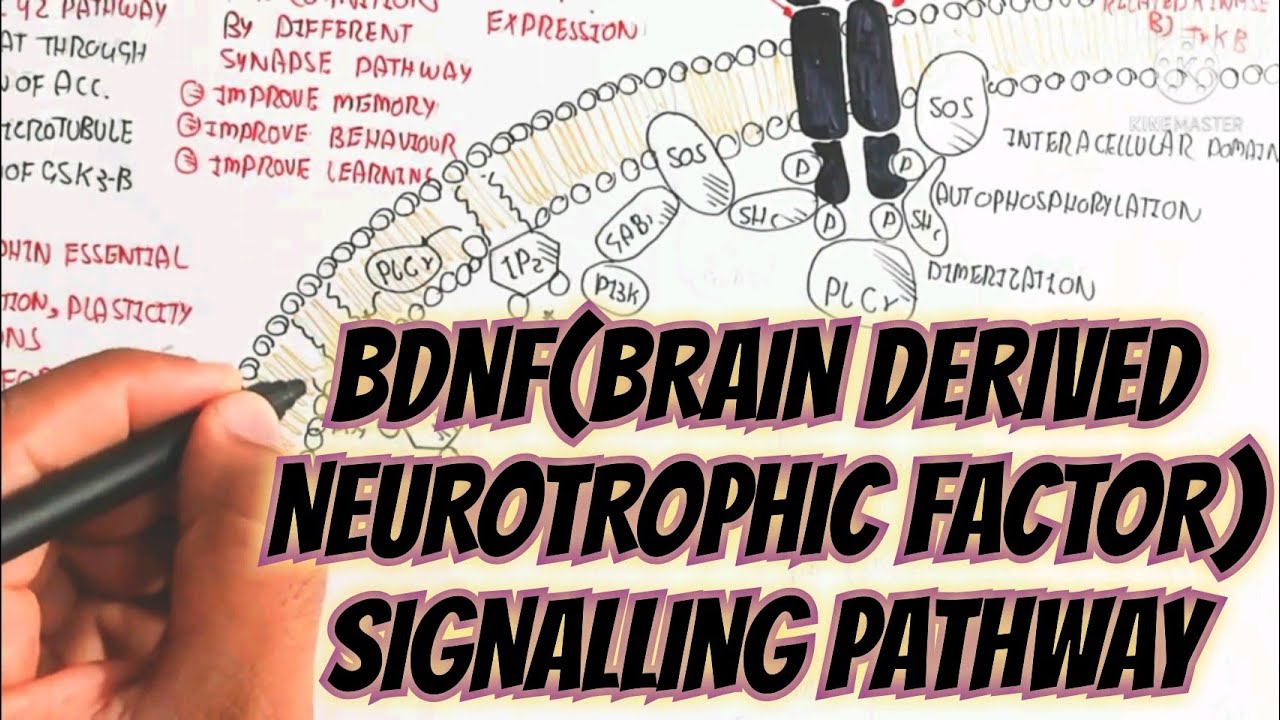
The biochemical pathways of neurotrophic factors, such as BDNF (Brain-Derived Neurotrophic Factor), and how they regulate the survival and growth of new neurons.
Clinical applications and current research limitations of induced pluripotent stem cell (iPSC) therapies for brain tissue regeneration.
The impact of environmental and lifestyle factors, such as chronic stress, sleep, and aerobic exercise, on modulating adult neurogenesis.
1.4M views28.3Klikes4:00Original Release: 2015-04-27
Imagine the brain could reboot, updating its withered and damaged cells with new, improved units.
That may sound like science fiction, but it's a potential reality scientists are investigating right now.
Will our brains one day be able to self-repair?
It's well known that embryonic cells in our young developing brains produce new neurons, the microscopic units that make up the brain's tissue.
Those newly generated neurons migrate to various parts of the developing brain, making it self-organize into different structures.
But until recently, scientists thought cell production came to an abrupt halt soon after this initial growth, leading them to conclude that neurological diseases, like Alzheimer's and Parkinson's, and damaging events, like strokes, are irreversible.
But a series of recent discoveries has revealed that adult brains actually do continue to produce new cells in at least three specialized locations.
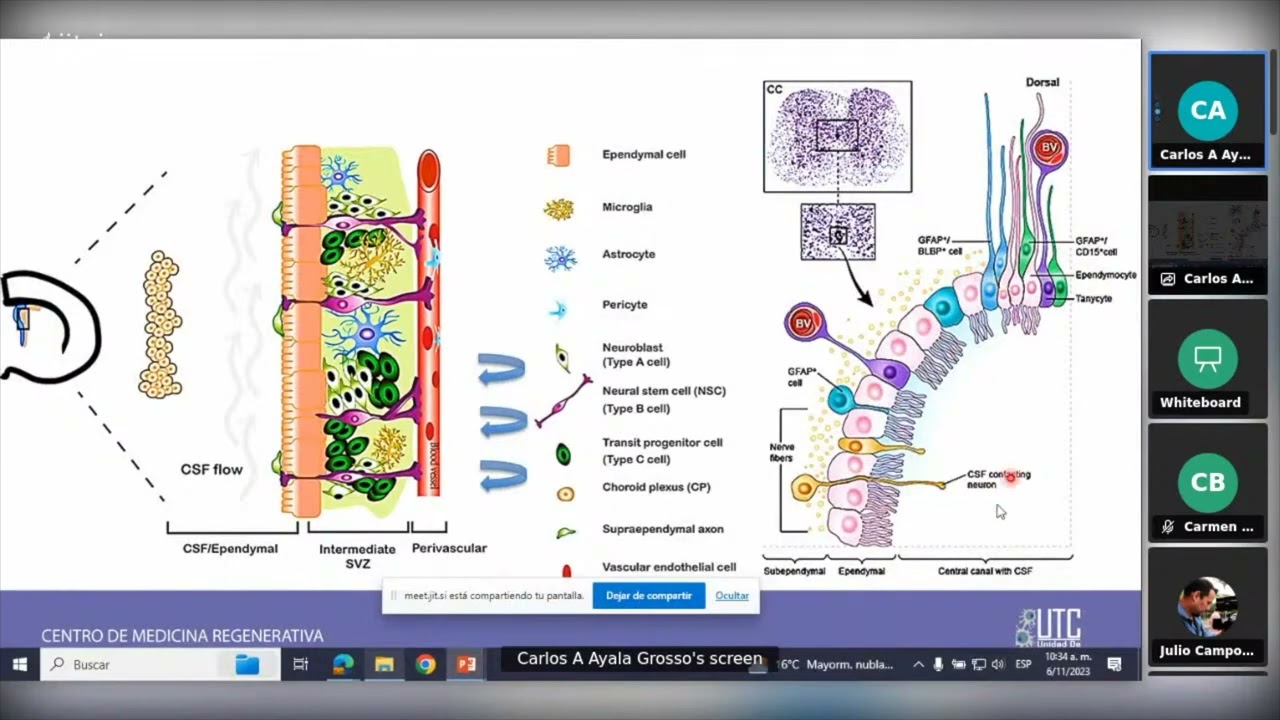
This process, known as neurogenesis, involves dedicated brain cells, called neural stem cells and progenitor cells, which manufacture new neurons or replace the old ones.
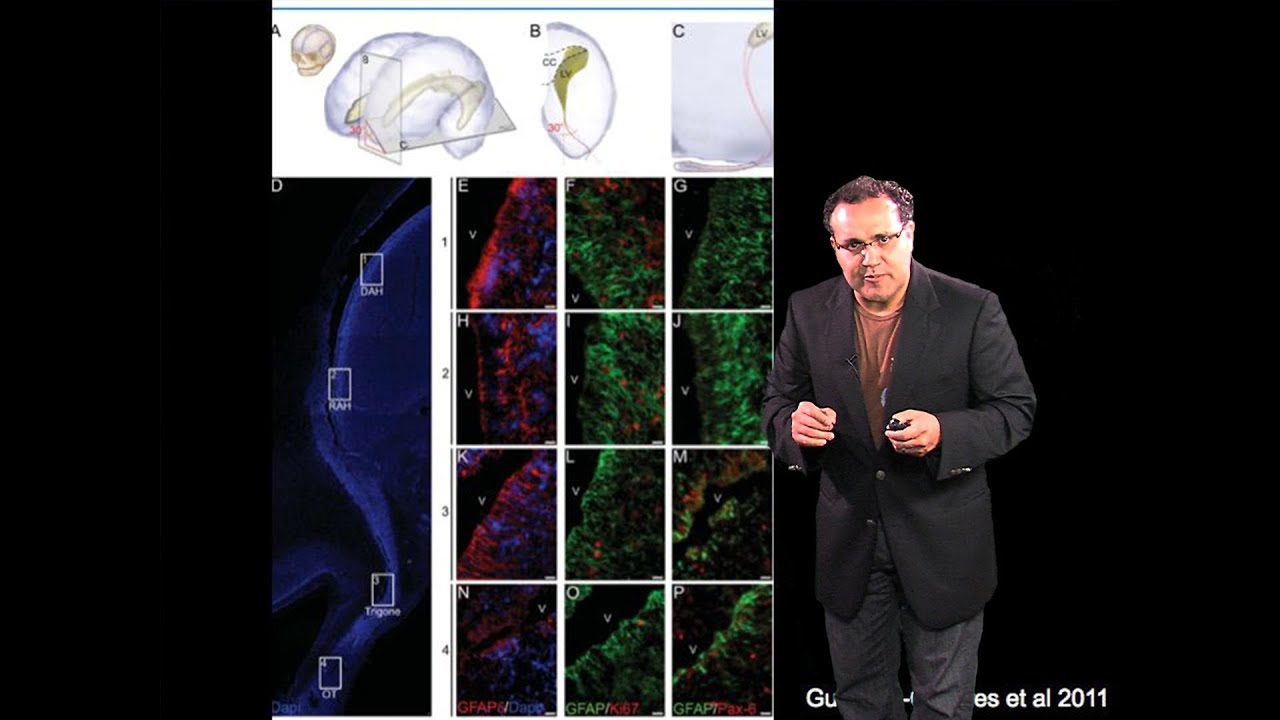
The three regions where neurogenesis has been discovered are the dentate gyrus, associated with learning and memory, the subventricular zone, which may supply neurons to the olfactory bulb for communication between the nose and brain, and the striatum, which helps manage movement.
Scientists don't yet have a good grasp on exactly what role neurogenesis plays in any of these regions, or why they have this ability that's absent from the rest of the brain, but the mere presence of a mechanism to grown new neurons in the adult brain opens up an amazing possibility.
Could we harness that mechanism to get the brain to heal its scars similar to how new skin grows to patch up a wound, or a broken bone stitches itself back together?
So here's where we stand.
Certain proteins and other small molecules that mimick those proteins can be administered to the brain to make neural stem cells and progenitor cells produce more neurons in those three locations.
This technique still needs improvement so that the cells reproduce more efficiently and more cells survive.
But research shows that progenitor cells from these areas can actually migrate to places where injury has occurred and give rise to new neurons there.
And another promising possible approach is to transplant healthy human neural stem cells, which are cultured in a laboratory, to injured tissue, like we can do with skin.
Scientists are currently experimenting to determine whether transplanted donor cells can divide, differentiate and successfully give rise to new neurons in a damaged brain.
They've also discovered that we might be able to teach other kinds of brain cells, such as astrocytes or oligodendrocytes to behave like neural stem cells and start generating neurons, too.
So, a couple of decades from now will our brains be able to self-repair?
We can't say for sure, but that has become one of the major goals of regenerative medicine.
The human brain has 100 billion neurons and we're still figuring out the wiring behind this huge biological motherboard.
But everyday, research on neurogenesis brings us closer to that reboot switch.
Up Next

77:16
Neural Stem Cell Origins and Parkinson's Hedgehog Signaling | Neuro Zoom
@neurozoom
575 views•2022-08-23
21:55
Deciphering Neural Circuits Controlling Anorexia in Mice | Richard Palmiter
@AllenInstitute
2.3K views•2011-10-10
5:25
Removing the Hippocampus: The Medical Case of Patient HM and Brain Memory
@TEDEd
5M views•2014-08-26
13:03
How Exercise Benefits Your Brain: Science Explained
@TED
11.4M views•2018-03-21
Related Study Plans & Knowledge Roadmaps
Structured learning paths in Neuroscience
neuroscience
Appetite Regulation: Brain Circuits & Hormones
01Foundations of Endocrinology and Brain Anatomy
02Introduction to Energy Homeostasis
03Peripheral Signals: Leptin, Ghrelin, and Insulin
+ 2 more learning modules
14h5 modules
Explore Roadmap
neuroscience
Neuroeconomics: Value, Risk & Brain Mechanisms
01Foundations of Neuroscience and Brain Anatomy
02Introduction to Neuroeconomics and Subjective Value
03Dopaminergic Prediction Errors & Reinforcement Learning
+ 3 more learning modules
18h6 modules
Explore Roadmap
neuroscience
Spatial Navigation: Cells, Grids & Brain Maps
01Foundations of Brain Anatomy and Memory
02Place Cells and Head-Direction Cells
03Grid Cells: The Brain's Coordinate System
+ 2 more learning modules
12h5 modules
Explore Roadmap
neuroscience
BCIs: Neural Decoding & Prosthetic Control
01Neuroscience Foundations: How the Brain Signals Intent
02Signal Acquisition: Recording the Brain's Activity
03Neural Decoding: Translating Brain Waves into Data
+ 2 more learning modules
25h5 modules
Explore Roadmap