

![DOENÇA DE PARKINSON: SINAIS, SINTOMAS, FISIOPATOLOGIA, DIAGNÓSTICO E TRATAMENTOS [AULA COMPLETA]](https://i.ytimg.com/vi_webp/u6XPbGDUG2I/maxresdefault.webp)



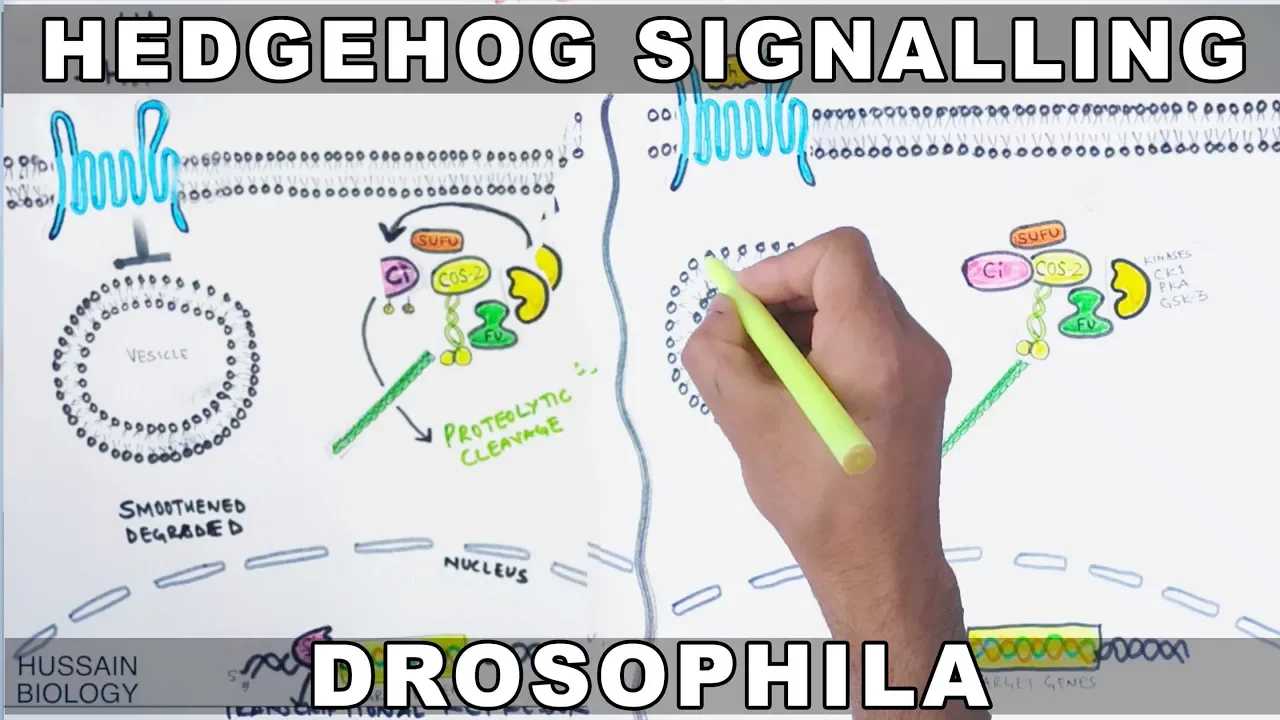












Neural stem cells originate from distinct embryonic lineages rather than being randomly selected from embryonic pools; p57/Kip2 induces cell cycle quiescence which activates Notch signaling and sustains HEY1 expression for long-term stem cell maintenance, while LRKK2 mutations cause primary cilia loss in cholinergic interneurons of the dorsal striatum, disrupting Sonic Hedgehog-GDNF neuroprotective signaling and contributing to Parkinson's disease pathogenesis.
Neural Stem Cell Origins and Parkinson's Hedgehog Signaling | Neuro Zoom
Added:Fundamentals of neural stem cell biology, including the concept of cellular quiescence (reversible growth arrest) versus active neurogenesis.
The pathophysiology of Parkinson's disease, specifically the progressive loss of dopaminergic neurons in the substantia nigra and the role of genetic factors.
Basic principles of signal transduction pathways, particularly how morphogens like Hedgehog (Hh) regulate cellular behavior and development.
An introduction to LRRK2 (Leucine-rich repeat kinase 2), including its kinase activity and its status as a major genetic risk factor for familial Parkinson's disease.
The cellular link between LRRK2 mutations, primary cilia defects, and impaired Hedgehog signaling in the brain.
Advanced therapeutic strategies in regenerative medicine, specifically using neural stem cell transplantation or endogenous stem cell activation to treat neurodegeneration.
The design and clinical trial status of small-molecule LRRK2 inhibitors as potential disease-modifying therapies for Parkinson's disease.
Epigenetic and transcriptional networks that govern neural stem cell fate determination, niche maintenance, and long-term brain plasticity.
575 views4likes1:17:16Original Release: 2022-08-23
hi Suzanne hi Aaron hi Yukiko hey Suzanne you're still muted can you hear me now yes thank you great Erin where are you I'm in Boston okay um just there's some uh Huntington's disease meeting I'm attending great um maybe Yukiko wants to show her slides first okay yeah you can both test your slides all right oh my goodness no Erin I heard you gave an amazing talk in Spain oh wow thanks I don't know if it was amazing but it was a great great meeting Dario was there he he said you you uh he got to know you quite a lot at this meeting he was quite impressed with some of your secret talents oh yeah he had some yeah so um he had a bunch of friends with him and I wanted to go down to the beach into the Mediterranean in the middle of the night and they said no we don't want to go I said if I could show you something amazing will you go and then they said okay so then I I showed them and they said wow that was amazing but then they ended up not going anyway well Dario was impressed with your magician skills yeah so you'll have you'll have to share some tricks sometimes okay I'm having trouble okay so um what do you do you see like the green button that says share screen yeah yeah yeah but I I'm I have Juris Dura screen yeah and I can just I cannot select the the screen actually I don't know how what to do with this but all right uh you can you see it dual screen uh that's great can you do like just if you hit display yeah yeah and I'll try um oh now okay so go to this go to the thing that says swap just swap displays do you see in the top left there's like a whatever yeah there you go perfect yeah it looks good good yeah that looks good right then okay I will stop this okay let's see if this is gonna work we have to allow Zoom to share my screen hold on I was just having dinner with uh Wade Harper Suzanne yeah that you're hosting a bunch of them in December December 12th there's a I'm gonna host a cell biology of Parkinson's disease mini conference wow if you need someone to bring like I can carry around the microphone or something or help out they don't need to carry out the microphone but uh I'll tell you more offline I have to figure out how to share preferences for zoom um security and privacy Maybe yeah to restart it I just want to do that um do you see the security and preferences yeah I'm getting there it wouldn't open a second ago okay well here we go meanwhile how's Tokyo Yukiko yeah it's been the all of the incidents and the the patients are covid-19 increases a lot but yeah in general their life comes back so people don't care about that so much is it looks okay to you Erin yeah it looks it looks great yeah great okay so I'll unshare beautiful perfect um Yukiko is it the ba5 variant yes yes yeah it's the the dominant the species right now so I I got infected last month but it was very mild so it was like vaccine I um talked to mommy she seemed to get like three times or in fact really already yeah wow how about you uh once this once yeah I cut it once ba5 uh that's a good one to get if you if you have to pick one to get it seems era hi it's long actually nice to see you hello hi all right so I'm gonna share this before you share um you can I'm gonna give like some oh no yeah well I'll share one slide in the beginning sure oh where are you you're not in California I'm in Boston oh okay yeah put in a hotel in Boston how's Shanghai doing uh hot super hot it's crazy through this the summer and all over the world so today is supposed to be the last hardest day in Shanghai tomorrow is a drop down on five degree and since we're fine okay fingers crossed for you we have a very mild summer in Stanford it's actually very pleasant but nowhere okay yeah California is always great foreign are you still in Boston are you back in Japan no I'm back in Japan I came to Boston yesterday go already sorry I missed you nothing Frisk are you married I'm in the Marriott yeah do you recognize the yeah everything's good back at Stanford Suzanne everything's fine yeah normally it's the undergraduates will be able to come into the classroom starting a normal sweet sweet yeah I think they still have to wear masks in the classroom but in their living situations they don't have to so much and um they'll try to Stage the return of the students to campus so that everyone is tested and and uh try to get back to normal a little bit hopefully that goes well yeah I missed the the huge class I had or once or twice a year as we cancel that for a while are they gonna start that up again so yeah I guess so yeah they're coming for they have a few hundred people because it's very boring to have a class online you know yeah you don't feel the students at all you don't know what yeah yeah oh yeah with no idea what these uh exactly even though I love listening to these Zoom talks every week I actually hate giving Zoom talks ironically yes then you'll be sympathetic with us today yes no this one is different this one is a lot of fun and um this will be great I mean we'll wait a few seconds and then get started [Music] I was just going to add a moment ago that hidey UK gave a great talk at MIT a few weeks ago that I heard but I was on mute when I tried to say it foreign I was complimenting I was complimenting your talk at MIT a few weeks ago oh okay maybe as long as we get started sure okay hi everyone um welcome to another week of neuro Zoom broadcasting today from Boston and um we have two great speakers um coming up but uh let me advertise uh next week's talk um talks we have uh JoJo from uh Institute of Neuroscience in Shanghai and wagon Lee from Fudan University so please tune in for those talks and keep contacting uh it's along or me if you want to talk about your your latest research we have slots available in the fall and um we'll we'll keep going and um now we'll get started with uh uh Yukiko goto and so long we'll introduce her sure okay he's my great pleasure to introduce the professor you can go to from University Tokyo and actually I be I became a big fan of UK's work since I started to learn new biology or develop development with animal coaching you can see like I was searching 15 16 years ago so uh so UK has did her bachelor degree math degree in PhD University Tokyo now he's Professor Tokyo so after a PhD and he briefly went to U.S to work with Jonathan Cooper Mike gundberg so in her own lab in Tokyo University of Tokyo uh the UK has used a series of allergens essay to study the role of epigenetic modulators such as polycom in your development so I'm always still amazed by a serious amazing work by by her group so today she will talk about her latest the Veronica origin of adult several particular neural stem cells so welcome maybe take away thank you so I yeah great is it is okay yeah yeah great right right we're right so first of all I'd like to thank our own and xeron for organizing this very meaningful online seminar series which gives everybody in the world an opportunity to get together even under difficult situations like Harvard so and thank you for inviting me to this to assume that many of the people in this audience are not familiar with my work so I'd like to start with some introduction of some background and then talk about our recent study so here I'd like to compare embryonic tissue stem cells and other tissue stem cells in general the mission of embryonic tissue stem cells is development of the tissue by contrast the mission of adult tissue stem cell is the maintenance of the tissue as well as the adaptation to environmental changes in the case of adult neural stem cells their functions have been studied extensively in mice adult neural stem cells reside in two places in the brain there's a ventricular zone of the lateral ventricles and subgranules on other people campaigners so newborn neurons generated at these two places contribute to various cognitive functions such as learning and memory including forgetting mood control innate behaviors as well as damage repair so they play very important roles in the adult break in mice adult neurogenesis can be regulated by various extrinsic inputs for example the integers neurogenesis is enhanced by enriched environments running neuronal activities injury and antidepressants whereas adult neurogenesis can be decreased by stress or aging and the defects in adult neurogenesis has been associated with impaired cognitive functions and mood control both in mice and humans especially in the context of psychiatric and neurodegenerated diseases so here I'd like to emphasize that one remarkable feature of adult stem cells in some tissues is quite sense they rarely divide however when necessary they start to divide and produce different cells in need and come back to their quiescent state again then why are these other tissue stem cells kept in quiescence it's been proposed that quietens is essential for the long-term maintenance of other tissue stem cells in the case of adult neural stem cells we have previously shown that acidic inhibitor 57 cap2 is essential for the questions so we found that 57 knockout in the adult neural stem cells reduce quiz and neural stem cells and increased peripherating neurosem cells and newborn neurons importantly we found that the long time duration of 57 resulted in the exhaustion of neurosem cells so 57 knockout in the adult neural stem cells for two years reduce the number of neural stem cells total proliferating cells and the newborn neurons so 57 blocks the cell cycle and 57 knockout accelerates the cell division and enhances neuronal production at the beginning but eventually this results in premature exhaustion of neural stem cells so this study and many other studies in other tissue stem cells such as hematopoietic stem cells indicated the essential role of questions in the long-term maintenance of other tissue stem cells however it Still Remains unclear why choices is beneficial for the long-term long-term maintenance so this may be due to limitation of division times called Health Lake limits but this is not proven so I'll come back to this point later in this talk so anyway here I'd like to emphasize a sharp contrast between embryonic neural stem cells and adult neural stem cells so Empire neural stem cells divide rapidly to make a brain within a limiting time period whereas adult neural stem cells are kept in a quiescent state and divide very slowly for their long-term maintenance so an important question arises how does the origin of adult neural stem cells emerge from embryonic neural stem cells during development so in a previous model 10 years ago about neural stem cells are thought to be randomly selected from embryonic neural stem cells after a drain development however this is a bit puzzling because if there is a limit of division times many rounds of cell division during development may result in exhaustion of adult neural stem cells earlier also by the end of the development most embryonic neural stem cells stop producing neurons and produce only glial cells which is called gliogenic phase however adult neural stem cells produce neurons so it doesn't seem natural that gliogenic neural stem cells produce adult neural stem cells so we hypothesize that the embryonic origin of abdominal stem cells may be distinct from embryonic neural stem cells dedicated to the brain development and we also hypothesize that if they are distinct the origin of adult neural stem cells may be slowly dividing just like adult neural stem cells for their long-term maintenance so we perform in Vivo h2b gfp retention analysis to estimate the cell division number in this analysis we induce h2bgfp so gfp fuse to histone h2b transitory by using a test on system with a single dock cycling injection in rapidly dividing cells hdbgfe gets diluted quickly and becomes undetectable but slowly cycling cells are expected to retain high level h2b gfp for a longer period okay so we inject detox cycling at E9 and after one day at E10 almost all the neural stem cells in the ventricular Zone were strongly labeled by h2bgfp quite homogeneously however after six days of dilution at E15 only a fraction of cells in the ventricular Zone retain high level h2bgfp so these h2b gfp retaining cells were positive for neurostem cell markers such as socks2 so therefore slowly dividing neural stem cells indeed exist in the embryonic brain remarkably some of these cells still retain high level hdbgfp even at p28 after 38 days of dilation importantly these cells show typical features of adult neural stem cells so they suggest that a majority of adult neural stem cells at the salventricular zone are derived from slowly dividing embryonic neural stem cells so this result indeed demonstrated that slowly dividing embryonic neural stem cells are set aside in the early stage of development and they later become adult neural stem cells in the salventricular zone that produce neurons throughout life so these lineages the neural stem cells for development and neurostem cells for adult neurogenesis are indeed distinct from the beginning group also came to the same conclusion so this is about the gangrenic eminences and fleder Millis group shows that neurosem cells in the neocortex also slow down the cell cycle during the embryonic stage and become similar to other neural stem cells then a big remaining question is how the origin of adult neural stem cells established at the beginning so we have shown that the silica inhibitor 57 actually plays a causal role in the establishment of this adult neural stem cell lineage for example 57 knockout in the embryonic neural stem cells Marquee 3 reduced the number of adult neural stem cells so these green cells success with positive cells lining the ventricular surface are adult neural stem cells and they are progeny and you can see the market reduction by 57 knockouts so 57 expression appears to play a pivotal role in establishing about new stem cells then how does P57 work so using halada a talented staff scientist in my laboratory asked this question so using overexpressed 57 in rapidly dividing neural stem cells in the neocortex and examine what kind of genes are upregulated by 57.
surprisingly 57 Expressions alone were sufficient to make a global transcriptional profile close to adult neural stem cell the question neural stem cells in this Gene set enrichment analysis so this is an amazing enrichment so we indeed found that the 57 expression induces not just the questions but also various features of adult neural stem cells so here I'd like to focus on the not signaling pathway so not signaling is known to play a central role in the maintenance of both embryonic neural stem cells and adult neural stem cells as you know activation I'm not not signaling induces expression of has and hay family transcription factors which in turn suppress through neural genes and thereby maintain the undifferented state of neural stem cells so using actually found that the level of active nutrient protein was much higher in slowly dividing your stem cells compared to rapidly dividing neurosem cells so these h2b gfp retaining neural stem cells are slowly dividing neural stem cells and you can see that the level of clip Notch one active Notch one was higher in these slowly dividing your stem cells compared to rapidly dividing neural stem cells then is there any difference in the notch effectors as I mentioned there has a family transcription factors the major Downstream effectors are not sick which inhibit proneurology in rapidly dividing neural stem cells in the neocortex has one and has five play a major role in mediating not signaling so Dr kagema's group has shown that in rapidly dividing proliferating neural stem cells the expression knob has 1 and has five oscillates at about 90 minutes to to our cycle based on their negative feedback by which S1 and has five proteins suppress their own Gene promoters so this oscillatory expression of his 1 and his five result in oscillatory and low level expression of Downstream targets such as pro-neuro genes which enables neural stem cells to balance between maintenance and neuronal differentiation so his 1 and his 5 are expressed in rapidly dividing neural stem cells then what about in slowly dividing embryonic neural stem cells so interestingly again in this h2b gfp retention analysis we found that the expression of A1 and A2 was much higher in slowly dividing your stem cells compared to rapidly dividing neural stem cells so unexpectedly A1 and A2 were more enriched in slowly dividing neural stem cells compared to rapidly dividing neural stem cells then are there any different properties between Hess and hey family members so we found that A1 and A2 messenger RNA are much more stable than his one and his five messenger RNA in the neural stem cell culture as you can see the degradation of A1 and A2 messenger RNA after the addition of actin mycnd was much slower than the degradation of his one and his five messenger RNA actually this can be a very important difference because the short half-lives are necessary for the oscillatory Dynamics of his one and his 5V expression so if their degradation is not fast enough they cannot oscillate so A1 can also suppress its own promoter through inbox but because of its stable nature we assume that A1 may not oscillate so we perform a time-lapse Imaging of a reporter of Haven promoter activity in collaboration with Dr Yamada imayoshi and kageama at Kyoto University and very interestingly we indeed found that the heiwan reporter does not oscillate so his five reporter obviously oscillated at about 90 minutes cycle but hey one reporter did not appear to oscillate within this time scale so this finding may have an important implication because if A1 does not oscillate hey one may be able to constantly suppress the differentiation inducing factors proneuro genes such as acl1 which may result in robust maintenance of the undifferented state and long-term maintenance of neural stem cells and using indeed found that haven noctum reduce the neural stem cells and increase prematurely differentiated cells possible for asl1 as a result he will not cut mice showed a reduced number of postnatal neural stem cells at the dose lateral ganglink eminences so these results support the notion that A1 is necessary for the robust maintenance of neural stem cells so this result indicated that 57 induced cell cycle rest can activate not signaling and induce sustained non-oscillatory Haven expression which may in turn the result in robust and long-term maintenance of neural stem cells and contribute to the establishment of adult neural stem cell lineage actually we found that 57 induced cell cycle rest induces various features of other neural stem cells in addition to the notch hay signaling such as enhanced lysosome biogenesis fatty acid oxidation and anti-oxidation Pathways although which may also play a role in the role in the robust maintenance of neural stem cells all right so this is the question that I mentioned before why is the questions it's beneficial for the long-term maintenance the limitation that division times may be one of the reasons but in addition to it here I'd like to propose that the quiescence May actively trigger a program for stem cell maintenance so my take-home message here is that a cell cycle rest of stem cells is not just about stopping proliferation but it actively triggers your signaling Pathways such as notch hay signaling which promote adult neural stem cell specific properties then you may wonder how cell cycle rest activates not signaling so one possible explanation is this so Kim Dale's group has shown that cdk1 and cdk2 phosphorylate cleaved Notch active knot and this for celebration promotes degradation of active nodes so therefore sales cycle rest is expected to stabilize active knowledge so sales cycle rest can initiate various events like this so by the way you might wonder what kind of signals May trigger 57 expression in embryonic neural stem cells at the very beginning we found that 57 is regulated at the protein level rather than the transcription level in the embryonic neural stem cells and 57 protein is known to be stabilized in response to BMP signaling so actually we found that BMP 6 starts to be expressed that the dose lateral ganglionic eminences at around e14 to E15 and also VMP ligands such as pmp245 are highly expressed at the colloid plexus and secreted into the cerebral spinal fluid so BMP may be involved in the stabilization of 57 in the embryonic neural stem cells and interestingly we found that the treatment of embryonic neural stem cells with bmp2 or bmp6 increased the adult neural stem cell markers such as A1 or dlk1 so given that essential role of A1 in the establishment of adult neural stem cells this suggests that BMP signaling plays a role in the emergence of embryonic origin of adult neural stem cells so we are now examining the role of BMP signaling in the emergence of abdominal stem cell lineage VR 57.
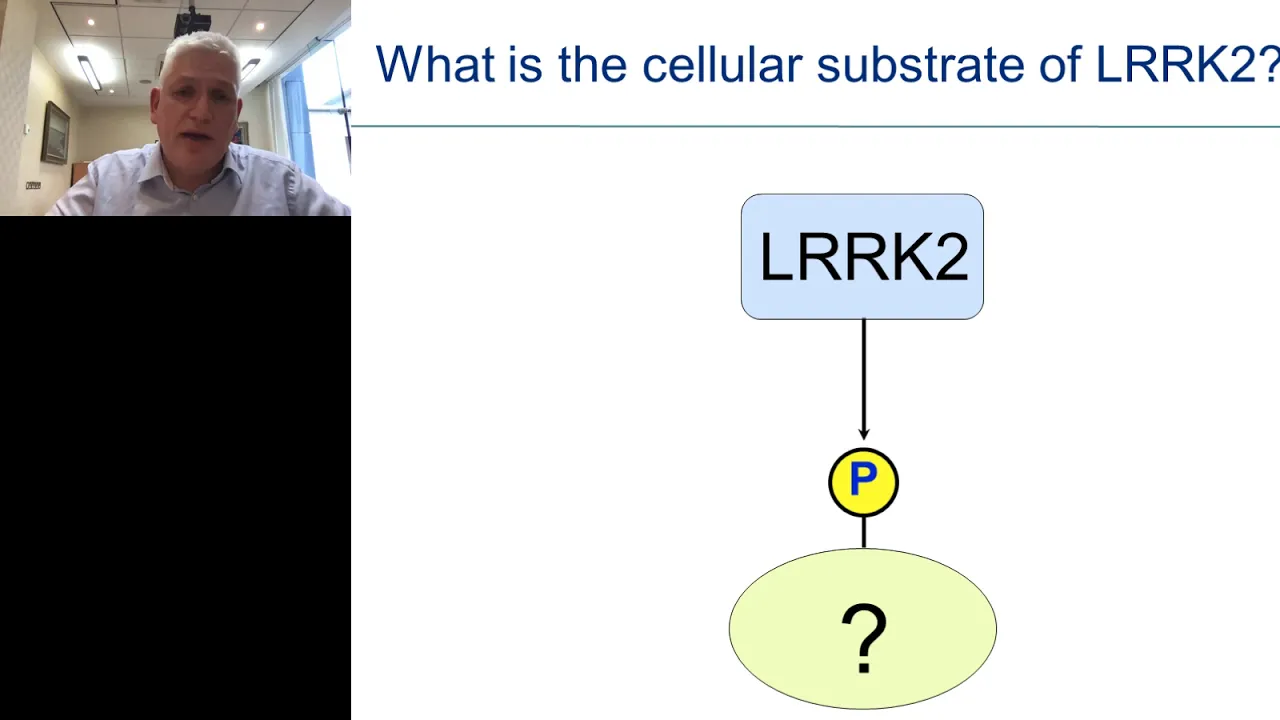
so these are the people who contribute to this work especially the Eugene halada did almost all the work regarding the hey one in establishing adult neurosemite origin and thank you very much for your attention okay thank you for great uh Google Talk uh one more questions so so may I ask you first first quick question so um I'm quite interesting about new or Dentistry recently so I found out one of our genetic mutations about these models there are some things especially in their different adult audiences since sales around svz so what was your uh suggestion to to find out whether it has a reactivation or some different things happening in the adult neural stem cells well what should we look at looking at uh so you're talking about the the uh um yeah yeah uh yeah you know our one without the this model of how something happened uh Gene coolable in the adopting your svz so what's your suggestion what should we look at where's your markers to look at for the your stem cell yeah so I I think it's it's uh pretty straightforward to to contact the number of other neural stem cells like using the you know the markers and and also the um renewable neurons like you know they don't have a coating all these things okay yeah great thanks I'll talk tomorrow yes thanks yes thank you for our first Hawaiian please oh yeah yeah really nice talk as usual um so um I have a question is that so it should at the last pretty quickly that you think pnp4 is a BMP signal only is probably important for regulating the P57 expression in the learning stages so because BMP signal is also important for astrological Genesis so right how does the sound you know decide whether they under you know become a slow dividing down your stem cells or they're becoming astrological precursors yeah that's a yeah very very great question thank you very much so I so we think that the BMP signaling uh alone is not sufficient to to establish the the adult neural stem cell manage so the combination between BMP and not signary is very important so in this case so so BMP treatment itself is uh yeah so not just in the feature but also in Vivo so the persistent not signaling the Via um hey hey one there is not just induced by the uh so the combination of the not singering nvmp is necessary for inducing the hey one at the the sufficient level so I think that these two things are important thank you thank you okay okay wonderful too as always so okay I have a question about so the behavior to other you know stem cells so in my understanding is to for Essence is different from the postmodotic and what so uh let me ask you about trigger that activate quiescent neural stem cells I believe that so ask one regression press important rules maybe has submitted depression if it is removed it's activated so you can understand stem cells that is one thing is it scanning how it's regulated okay that's my question here is that so yeah chord plexus has produced a lot of factors so some years ago Chris was watching children hostel so reported so mitotic activity is induced by the chord plexaderia practice how do you so uh correlate your the bnb's actions that's my questions thank you did yeah both are great questions so the first one is how how is are there that neural stem cells activated so I so so we actually uh examine the the level of 57 the in response to the running the the the mice and we saw a degradation of 57 in uh very efficiently so I so there must be some the Upstream factors that that blocks the stabilization or induce the degradation we don't know what signal is it is but so I so uh it's quite likely that so akt is always like involved in the activation of these cells so stem cells so I think it's really possible that akt they goes into that direction and the second one is that what was that oh yeah yeah fruit yes so the crisp watch uh the show that igf2 is involved in the uh the proliferation of of the neural progenated cells at the ventricular surface but so in the so I think it's the um so igf2 and BMP are secreted factors so basically they all the cells are exposed to these ligands but we think that the the BMP signaling are somehow that they're starting with they all all cells may may they may be exposed to BMP and igf but there may be a segregation the process after this this the Airbnb and igf the signaling so and that's discrimination in probably involves the the notch lateral inhibition and also we think that the the BMP signaling induces the BMP antagonist Downstream of this signaling so I it's possible that that's also involved in this discrimination of the neural stem cells and surrounding cells okay receptor regulator will be praying for them yeah Downstream the BMP the receptor that there might be the signaling that discriminates the the the BMP positive cell versus being negative cells in the the later step okay thank you thank you very much thank you for the great questions that's stored please oh sorry first of all year after so many years what a great talk yes so uh you know this is kind of a corollary of the last talk do you think there's a potential for therapeutic conversion of adult neural stem cells by inhibiting the notch a one signaling pathway after an injury or a degenerative disease I'm sure you thought about that right right right so it's it's very yeah we really think that the so not singing or hey hey pathway maybe you know they you if you manipulate it so you might be able to sustain the certain population for a longer period so that's that's quite possible thank you very much for pointing out foreign please yo I'm gonna I couldn't hear me hey I'm using you're still muted thank you yes oh hi okay for talk uh I really liked your finding that in a fast cycling on your stem cells the the effector of Notch is has one has five virus in the slowing uh slowly dividing your stem cells it is the high one so my question is you know how this kind of effective selection is controlled yeah that's a okay really great question so yes so why this effect is a uh selectively activated under the the same Notch pathway right so so and the Michael Elvis group The published the paper in 2018 that the the sustained not activation can actually produce uh induce the hay hey expression but the um the how the transient the notch activation can induce the hasp has induction now the mechanism is not known but I think that's one of the the reasons that you can uh you can see differential activation not not uh hay and has family members and in that case so actually in in his paper they show that the activation of Notch is also the so the transient activation of Notch is induced by Delta like that like the ligand and the the sustained activation I did like one but the sustained activation of nuts is induced by this like four so I think that this you know the the kinetics of Notch activation is important is the key for the induction of differential the effectors so that means the the difference also need to switch up sorry I also need to switch when the adult uh your stem cell need to by The Quiet Center one need to be selected out of the embryonic origin yeah another great question so we don't know about the lichens actually uh it can be dealt like one or a jagged one but in this case so as I showed you in the during the talk so it's possible that the cdk Inhibitors are the the ones that that is responsible for the the the stable activation and the stabilization of active knots the intracellular nodes so in that case the the intracellular nodes active Notch can be um uh it's like it's not transient probably so it's it's there for a long time and that that is that can explain the expression of A1 rather than his one and his life okay thank you so much beautiful work thank you thank you thank you thanks so much for the beautiful talking some of the questions okay uh so it's starting the the students talk thank you thank you okay thanks so long thanks Yukiko awesome talk um so now it's uh really an honor to introduce our next speaker my colleague at Stanford Dr Suzanne pfeffer and um when I first came to Stanford and I was in seminars and she was there I was a little bit Starstruck because she's a legend in the field and it's wonderful to have a great colleague like her so um Dr pfeffer did her undergraduate degree at Berkeley then uh PhD in Biochemistry at UCSF and during her PhD she had important papers where she uh systematically using uh biochemical methods uh purified and Define the components of clathrin coated vesicles she then did a postdoctoral fellowship with Jim Rothman at Stanford and she continued to study um vesicles but now looking at how at transport of how mechanisms of transport of proteins from ER to Golgi and within the Golgi and then she launched her own laboratory at Stanford in the department of biochemistry and um study transport of proteins within Golgi always using biochemistry defining um the components of the process that she was studying reconstituting them she had major findings about use using biochemical analyzes of rad GTP Aces how those worked and given her seminal findings and her expertise it really led into her being the key person of the field to help figure out how this Parkinson's disease Gene that's most commonly mutated Parkinson's disease Gene lurk 2 works when it was appreciated at one of its most important substrates and targets is around gdpas she's been the um she's an elected fellow of the American Academy of Arts and Sciences she's elected fellow of the American Society for cell biology she served as the president of the American Society for cell biology at Stanford she was the chairman of biochemistry department and all around an inspiring scientist and rigorous biochemist and looking forward to hearing your talk Suzanne thank you so much Aaron and to both you and uh zilong thank you for organizing uh this uh Symposium series what a wonderful opportunity that you guys have catalyzed to bring everybody together so as Aaron told you my work has turned from rap gtpaces to understanding the molecular basis of inherited Parkinson's disease today I'm going to focus on our work and brain and I have to say my PhD was on synaptic vesicle protein recycling in clathropoded vesicles so coming back to brain is is a big circle uh over many many years and Lou reichardt who's on the call was on my thesis committee so thanks for joining us today Lou so I'm going to share my screen okay so today I want to tell you about our work on Parkinson's due to mutation in leucine Rich repeat kinase II and I'm going to tell you how it links to Hedgehog signaling and I just want to point out that as we study the effects of lark2 pathogenic mutations and this kinase we want to focus our understanding on how it specifically gives us Parkinson's disease and not Alzheimer's or some other form of neurodegeneration so in our thinking we have to turn to always have in mind the fact that Parkinson's disease is first and foremost the loss of dopaminergic neurons in the substantia so everything we think about as part of my presentation has to come back to those specific neurons and also I want to point out that our work is funded by a program called aligning science across Parkinson's disease which encourages open science and team collaborate collaboration and because I'm new to this field I really welcome from your feedback and I'm going to give you a progress report today on our work this is our most important collaborator Dr Dario alessi he's the director of the MRC Labs of protein phosphorylation and ubiquitilation in Dundee Scotland perhaps the most generous collaborator I could imagine this is my team and today a particular shout out to Herschel dekna and shahzad Khan and I will point out their work as I go along so the Lucy and Rich repeat kinase is a gigantic protein it's a very unusual protein 2500 amino acids it may function as a tetramer sorry it has a protein kinase but unlike most other kinases it right next to the kinase domain it has a small GTP binding domain that looks structurally just like a RAB gtpase and that should have been a clue a long time ago but what's also unusual about this protein it has to bind GTP for the kinase to work and that's almost unheard of and about six years ago on my collaborators Dario alessi in Dundee matthiasman in Martin's read Germany discovered that among the most important substrates of this kinase are the small RAB gtpases that are Master Regulators of membrane trafficking now shown at the top here are our particular mutations that cause disease what I want you to point out what I want to point out to you is that they're in two domains the kinase domain and in the GTP binding domain and in every case those mutations increase the level of activity of this enzyme inappropriately and so our job is biochemist and cell biologists is to understand what's the consequence of that inappropriate activation and then how does that eventually lead to death of dopaminergic neurons in a lot of work I'm not going to have a chance to tell you about uh and uh really predicated on uh Insight from Dario alessi we know that rad phosphorylation is predicted to interfere with the ability of rabs to bind to their partner proteins the phosphate is right on the side of the molecule that would be critical for those interactions now importantly what happens is when you phosphorylate a subset of wraps it completely flips a switch so instead of binding their normal partners that are important for their normal roles you get enhanced binding to a new set of partner proteins and it's these interactions with proteins with very funny names that have dominant effects on Cell physiology of the 65 human rabs there are about 10 that are true physiological substrates of this kinase but RAB 10 is perhaps the most significant together with rabbit and it is complex as a phosphorylated rabbitin with proteins especially real Bell one that have dominant consequences in cells now if this were happening on a large scale it would be deadly for cells because they need rabs to carry out normal protein secretion and and organization of the secretory nendocytic pathways but it turns out it's steady state only a very small percentage of rad proteins are phosphorylated at any time and forming these complexes nevertheless they do have dominant phenotypes that we need to be aware of and all of this can be reversed by a phosphatase first also discovered by Dario alessi called ppm1h and we've helped to characterize the cell biology of that particular enzyme that seems to be a rat phosphorab specific phosphatase and I won't say much more about that except we have a mouse knockout and I'll tell you about the phenotype okay so Herschel decnet in my lab Martin schtager and Matthias monslab at the same time discovered that primary cilia formation is blocked when cells Express pathogenic mutants of the lacto kinase and this is an example of culture 3t3 cells you see the nuclei stained in blue you see primary cilia stained with an antibody to RL 13B and this green cell is expressing pathogenic lark2 and I think everyone can see it is not ciliated and if we simply add a small molecule inhibitor of the kinase to these cultures despite the presence of pathogenic lark2 we see a very nice primary psyllium now primary cilia are essential for the ability of cells to respond to a hedgehog ligand primary cilia emanate from all cells neurons astrocytes except certain cells of blood lineage and what's shown here is in the primary cilia at an arresting condition the receptor for Hedgehog which is called patched resides almost exclusively in the primary psyllium in the presence of ligand what happens is this particular receptor changes the availability of something we call accessible cholesterol specifically in the primary cilia outer leaflet it leaves the primary psyllium and the smoothing protein then it becomes concentrated in the primary cilia and Begins the signaling pathway which ends in a transcriptional response and all of this requires primary cilia and that's very important for what I'll tell you about today what we showed is his work again of Herschel decna a postdoc in my lab is that if we used undifferentiated IPS cells that are patient derived IPS cells that we saw that in culture these cells failed to produce significant cilia and when this line was corrected by Talen approaches uh it where the Cilia were then seen so this is identical background except for uh repair of the mutated Locus so we can quantify this and we see about a 50 decrease in cilia and we can measure the ability of these cells to respond to Hedgehog by looking at Downstream expression of Glee and we see that the response to Hedgehog as monitored by Glee expression absolutely mirrors the presence of cilia this is a classic paper from the work of Takeshi kaneko that many of you are familiar with but for for the non-experts in this area it really gives you a good sense of the anatomy of the system that we're studying what kaneko and colleagues did was use a synvis virus stereotactic injection directly into the substantia of a virus expressing palmitilated gfp to enable tracking of the projections from single neurons dopaminergic neurons emanating in the substantia so what's shown in blue is the pathway if you can follow my cursor of a single neuron coming from the substantia Niagara here all the way into the striatum right here and I'll show this blown up in the next slide it's quite remarkable these are the projections in blue of a single neuron emanating from the substantia and so these are all communicating with neurons and astrocytes in the dorsal striatum and those are the ones we're going to focus on our work is really um influenced by this paper from Andreas cutman and colleagues from the city University of New York they were studying Sonic Hedgehog in relation to this same pathway that I'm showing you so down here are the diplominergic neurons of the substantia up here is the dorsal striatum in the study what Cotman showed is that these neurons the tyrosine hydroxylase positive neurons require Sonic Hedgehog for their survival but they do not have Sonic Hedgehog receptors instead they secrete Sonic Hedgehog into the dorsal striatum and he also showed in this paper that the cholinergic interneurons these are two to three percent of the total neurons in this region of the brain are also dependent on this Sonic Hedgehog for their survival and in exchange upon receipt of that signal they send back gdnf as a neuroprotective factor for the dopaminergic neurons because this is focusing on the nigrostriatal circuit and is directly relevant to cilia we wanted to find out what was going on with the the ability of these cholinergic neurons to sense this Sonic Hedgehog signaling because we had seen a ciliary dependence in cell culture and this is work from Herschel dekna from my lab what he showed is that in this region of the brain is exactly these cholinergic neurons and only these cholinergic neurons that lose their primary cilia in Mouse models of lark2 Parkinson's and I'll show you that data next so this is a from the dorsal striatum of a mouse carrying an r1441c lark2 mutation the cholinergic interneurons are stained with a choline acetyl transferase antibody they're shown in green the Cilia on these neurons are labeled with adenylate cyclase III antibody and you see a very nice psyllium coming right from this nucleus region of this cholinergic neuron in the wild type animal the surrounding uh nuclei are from medium spiny neurons that are the predominant neurons in this region of the brain they're perfectly nicely ciliated and when we go to the mutant animal there's a cholinergic neuron you see they are lacking cilia very clearly and we can quantify that sorry and what Herschel showed is that sorry this is too far back if you quantify the medium spinal neurons cilia they are really unchanged those are shown in the dark bars but the gray bars show you that the r1441c mutant animals have about 50 percent the level of cilia um as normal in the mutant animals compared to the wild type so what you would predict from this is that these cells would be less able to sense Sonic Hedgehog they will be more more vulnerable to loss of this essential growth factor for them and you would expect also that they would decrease their ability to send back neural protection to the substantia and it's important to remember Parkinson's is a disease of Aging so it may be as a slow insult over years of human life months of mouse life that could yield significant death in that region this postdoc Shazad Khan has gone on to show that it's not only in that model of mouse but it's in two other Mouse models with different mutations in the Lark II protein that have identical phenotype and most remarkably in The Knockout mouse that doesn't have the phosphatase so it will have inappropriate levels of hyperphosphorylated wrap we see the identical phenotype loss of primary cilia on cholinergic interns in the dorsal striatum which is that also discovered is that uniformly astrocytes in the same region have this have also a cilia defect and now um I'm going to show you some very recent results these are from Human patient samples from the banner brain Institute in Arizona we're looking at astrocytes in this striana these are control astrocytes you can see uh cilia shown here in red we stain these cilia with RL 13B we have analyzed sporadic Parkinson's patients and five g2019s carriers which are age controlled in our control samples are of similar age and we see a complete deficit or almost complete deficit in primary cilia in this region of the brain for these astrocytes and when we go looking for the cholinergic interneurons we aren't even able to find them preliminarily in the brain this brain region for sporadic patients or for patients with arc2 mutation so it's clear there's a very serious defect in Hedgehog signaling to non-existent cholinergic neurons that are controlling this neuroprotective pathway in human disease which we are of course interested in continuing to study okay Eureka sobu a former postdoc in the lab did single cell RNA scope and situ hybridization experiments what she found is here we're again back in the dorsal striatum of the mouse here you can see this is a R4 this is a wild type cholinergic interneuron nicely ciliated and she could look specifically at the level of Hedgehog signaling in those single cells using a probe for gli1 transcription in the cells that are remaining that have cilia even though there's a cilia loss in the lark2 mutant this is a ciliated cell in the mutant cells she saw an overshoot in other words these cells were inappropriately over expressing um the Glee one uh Downstream reporter as if they either had too much ligand or too much stress from the fact that there weren't other cells around to present or provide neural protection Downstream now the story sounds good but we really need to see what's happening with that neuroprotective factor and this is a very recent result from Shazad Khan this is from single nuclear RNA seek that we've done specifically of the dorsal striatum comparing only we're looking specifically at the cat neuron transcription profile from that region of the brain by single nucleus rna-seq and you can see highly significant lower levels of gdnf RNA in the cholinergic interneurons when they have a lark2 mutation compared to the well-type so this really brings us back to this model that's also true in Parkinson's where this at least in the inherited Parkinson's and possibly in the human case that we've been studying these cholinergic neurons are playing a really important role there's a there's a decrease in their ability to synthesize gdnf because of a cilia defect that's caused by lark2 and that will give less neural protection to the tyrosine hydroxylase dopamine positive dopaminergic neurons of the substantia Niagara so we have some unanswered questions that we really are hoping that the single nuclear nucleus RNA seek are going to give us some Clues to why is it that only certain neurons lose cilia in the brain I told you that all those medium spiny neurons have perfectly normal cilia so there's something special it may relate to which cells make more of the phosphatase to protect from inappropriate kinase activity and we'll have that answer soon what do neuronal cilia do in the adult adult brain to modulate neuronal function what we know is g-protein-coupled receptors neuropeptide receptors neurotrophic Factor receptors are concentrated in the ciliar membrane itself so it's not just Hedgehog signaling that will change in the presence of a defect in cilia other things will change the ability of these cells to talk to each other and of course we'd also like to understand what the consequence of astrocyte cilia loss is on the overall circuit what are those cilia doing to support the synapses in the dorsal striatum so I want to just give you some hints again work in progress for this specific region of the mouse brain we're busy cataloging the different cell subtypes for example and this region of the brain gfap is not a good marker of astrocytes S100 beta is because only one subclass of astrocytes in this region of the brain are gfap positive but they all are positive for other astrocyte markers and so we're beginning to subcategorize this could be as many as nine it may be as few as two different types of astrocytes in the brain and we're busy validating the markers for this but we already have some interesting results that I can share for example all the astrocytes are responding to Hedgehog ligand in both the wild type and the mutant case they all have uh glutamate receptors as you'd expect but interestingly you'll see about half of them have Lark 2 both the mutant and the wild type animals and half of them really don't express much Lark too and that's completely novel observation people have assumed that including starting with Ben barris's rna-seq analysis that this was a highly expressed astrocyte marker but in fact there are subclasses and we want to understand are these cells the astrocytes that Express more lark2 are they more vulnerable to the mutation are they the cells we're looking at that are specifically losing their cilia and it's these kinds of classifications we will continue to carry out and then finally I want to give a shout out to this amazing story from XU xenshu working with David Clapham and this will be coming out next week and sell what he has seen by incredible morphological approaches is synapses that are functional directly onto primary cilia it's the most amazing paper if you haven't seen it it's a bioarchive right now and we are very excited because we would like to look for these kinds of synapses to understand what the ciliary Deep deficits are doing for Lark 2 patients and our lactum lice and with that I will stop sharing my screen and open my talk to questions and again thank you so much for giving me a chance to share our ongoing work thanks so much Suzanne amazing talk um should I tie first question thanks hey Suzanne um really nice work and I learned a lot I was a former postdoc with Matthew Scott thank you yeah so really I learned a lot about uh from your talk about head housing name Parkinson's disease so a quick question I have is um a lot of mutations are familial mutations so embryo has it too so so do you have any this is more like speculation type of question maybe those notation might impact development of the brand so what you notice in no case do you lose all the Cilia there's always some cilia there and so many people have said is is this a ciliopathy when you have a mutation in Lark two it's not a it is a ciliopathy and that you have an effect but obviously for some reason uh cells are some cell types in the animal are completely okay and so uh there's no question that primary cilia are needed for development they're needed for brain development you can knock out primary cilia and have all at different stages of development and also even in the adult and have different phenotypes but I think it's because you don't have full loss of cilia that you're able to develop and the Brain seems to function pretty normally for us to see the phenotypes we only need to look at it we see our phenotypes at eight weeks of age in the mouse so it's not that you have that the Cilia are lost at late stages and as you're all as you're also familiar in the mouse we know that the Cilia get law longer with age so they are changing almost as if they have to get longer because they're doing less good a job of sensing and signaling so it's an interesting question about how how do the mice develop so well uh with a cilia defect and I think it's just because it's it's uh Limited in terms of which cells are affected thank you but there's a you bring up another really important point which is that every cell we've looked at in cell culture including primary astrocytes and and other cell types show a cilia defect but when we look in the animal we can't recapitulate that in the animal for example the medium spiny neurons are totally normal so we think that will be a challenge if we wanted to use for example um uh neuronal stem cells and culture or uh um astrocide stem cells and culture that they may not do what they do inside the brain thanks and um shotsai has an amazing still unpublished story about uh proteome of cilia in Vivo in brain which could could well be of interest um yeah okay yeah um so hideyuki your question okay so great talk and so it's very interesting that only subset when you don't have so it's a Serial phenotype so recently so uh based on spatial transcriptome analysis wrap in Broad Institute have shown that so only a better half of the you know substance scenario is very vulnerable in Pakistan disease do you see do you think that there's a difference in uh Sonic expression pattern and the substance in Agra and do they contribute some neurons specific phenotype industry Atomic uh I think there's going to be many different kinds of cells communicating in many more specialized ways than we've got so far so we've only mapped out the responses in the um uh dorsal striatum and uh one's going to need to do the same kind of single nuclear analysis in the substantia and that is in progress and we will have much more information soon but yes I mean because there's the different the neurons are going to different places and also getting feedback from from different places and so we need to match those and I think that's a really interesting question okay thank you yes um oh yeah oh yeah um Suzanne nice talk so question from non-expert um have you tried to uh supplement or like enhance the level just adding that gdnif or enhance the function of CDs that you can rescue the phenotype by the look to limitation a couple of things there um in terms there are kind like to kinase Inhibitors that are brain penetrant that are currently in clinical trials and the question is could would that be enough to bring back cilia in the brain so we fed animals for two weeks with this drug with the hopes of bringing back cilia we were not successful at bringing back silly in this region of the brain even though we have evidence that the drug did get into that part of the brain or at least into the whole brain we didn't dislike substantia Niagara to detect the drug there um a challenge and of course we hope that you will be able to reverse this effect if that Drug's gonna if this is gonna help patients if this is the mechanism by which one of the ways it's helping patients we hope those cilia will grow but the challenge of course is and this relates to yukiko's talk um cilia are very cell cycle dependent structures they and neurons are not non-dividing cells and so the question is is the block decade one that can be reversed or do you need a cell cycle to grow a new cilia and so I'm hoping that it that it will be that we can reverse that effect with regard to the ability to use gdnf as an as a to help patients there were trials some time ago using gdnf that were not entirely successful because you probably also need the Hedgehog signaling but there's a recent paper from my colleague Andreas Cotman who set us onto this whole circuit which is really interesting so it turns out one of the few ways you can help patients with Parkinson's disease is you give them l-dopa and their Tremors will immediately stop but after a few years of l-dopa they acquire a condition which is called l-dopa-induced dyskinesia and this is a form of movement with very jerky motions and it's not very pleasant and patients often refuse l-dopa treatment because they don't want the dyskinesia side effect that will come with time and what Andreas cutman has shown is if you modulate if you use Hedgehog modulators in conjunction with l-dopa you actually can rescue the this dyskinesia effect by balancing out the Hedgehog signaling on both sides so by using Hedgehog agonists in conjunction with gdnf it may be of great benefit to patients especially getting rid of the dyskinesia and so we're very interested in following that up and he's seen that in three different Mouse models uh rodent models of Parkinson's and also in macaques it's very compelling data thank you so much so um Suzanne maybe a little bit more of a provocative question you said that you treated mice with the lyrics to inhibitor that you fed them in yes what what if um that is telling us something important maybe maybe there or you know maybe there's some other effects other than just the kinase role or maybe there's even a loss of function that might be contributing to some of these phenotypes I'm just wondering if you've looked at The Knockout animals or you know knocked on situation of lurk the lurk 2 Gene is required for so what we know from the yes absolutely so um The Knockout animals so uh type 2 pneumocytes in your lung the same cells that are targets of cov2 um uh those cells need lark2 to secrete surfactant and if you totally you accumulate surfactant containing granules in those rare cells of the lung uh if you have no lark2 at all but imagine you know uh for a lark2 inhibitor to work you don't need to inhibit it all the mutations increase kinase activity two-fold so presumably you just need to inhibit half as much and that might be a therapeutic regimen that could work Denali people they're in clinical trials think you have to go a little bit higher but I don't think you have to inhibit it all but the mice are otherwise pretty okay so but your post you're postulating that the kind of the kinase inhibitor is not or you're you're saying two weeks is not enough to regrow a cilia in the brain because in general we don't know we don't know what it is you're reversing and remember that sorry does it reverse the wrap 10 phosphorylation though it does reverse the Rev 10 phosphorylation uh but rev it's complicated because there's a lot of the phosphatase there it's a it's a complicated answer the I'm not saying like like what if what if um the Cilia and the Hedgehog defect is not due to a gain of function in lark2 what if it's right that's all that's all I'm saying so again um the full cause of Parkinson's we need to figure out the inhibitor does work in terms of changing secreted lipid levels due to kidneys secretion that's a lactose sensitive thing that you can easily measure I think the changes in the brain are hard but separate from Mark two um Sarah Getz at Duke University who trained with Catherine Anderson and she's a worlds expert on cilia she showed if you block cilia by genetic means and asked Can can a cilia come back she has to wait months for them to come back in a brain okay I think that's a better answer so I'm hopeful that longer term Lark 2 inhibitor treatment could be a benefit to patients got it okay any other questions no okay Suzanne thanks so much really thank you very much thanks everyone yeah thanks it's a long thanks everyone um see everyone next week
Up Next

12:50
Brain Cells That Could Heal Stroke Patients | Jocelyne Bloch | TEDxCHUV
@TEDx
68.7K views•2014-11-20
21:55
Deciphering Neural Circuits Controlling Anorexia in Mice | Richard Palmiter
@AllenInstitute
2.3K views•2011-10-10

4:10
Vagus Nerve (CN X): Anatomy, Nuclei & Functions Explained
@Alilamedicalmedia
305.2K views•2022-10-31
13:03
How Exercise Benefits Your Brain: Science Explained
@TED
11.4M views•2018-03-21
Related Study Plans & Knowledge Roadmaps
Structured learning paths in Neuroscience
neuroscience
Appetite Regulation: Brain Circuits & Hormones
01Foundations of Endocrinology and Brain Anatomy
02Introduction to Energy Homeostasis
03Peripheral Signals: Leptin, Ghrelin, and Insulin
+ 2 more learning modules
14h5 modules
Explore Roadmap
neuroscience
Neuroeconomics: Value, Risk & Brain Mechanisms
01Foundations of Neuroscience and Brain Anatomy
02Introduction to Neuroeconomics and Subjective Value
03Dopaminergic Prediction Errors & Reinforcement Learning
+ 3 more learning modules
18h6 modules
Explore Roadmap
neuroscience
Spatial Navigation: Cells, Grids & Brain Maps
01Foundations of Brain Anatomy and Memory
02Place Cells and Head-Direction Cells
03Grid Cells: The Brain's Coordinate System
+ 2 more learning modules
12h5 modules
Explore Roadmap
neuroscience
BCIs: Neural Decoding & Prosthetic Control
01Neuroscience Foundations: How the Brain Signals Intent
02Signal Acquisition: Recording the Brain's Activity
03Neural Decoding: Translating Brain Waves into Data
+ 2 more learning modules
25h5 modules
Explore Roadmap