




























![[ 神経幹細胞からの神経新生機構のiPS細胞を用いた解析 ] 中津大貴(細胞制御工学研究センター)](https://i.ytimg.com/vi/yrO9Ggrb4Lg/sddefault.jpg?sqp=-oaymwEmCIAFEOAD8quKqQMa8AEB-AH-DoACuAiKAgwIABABGHIgWCglMA8=&rs=AOn4CLBaDFAxnrCwRGXRgqjFEhAHrq6HKg)


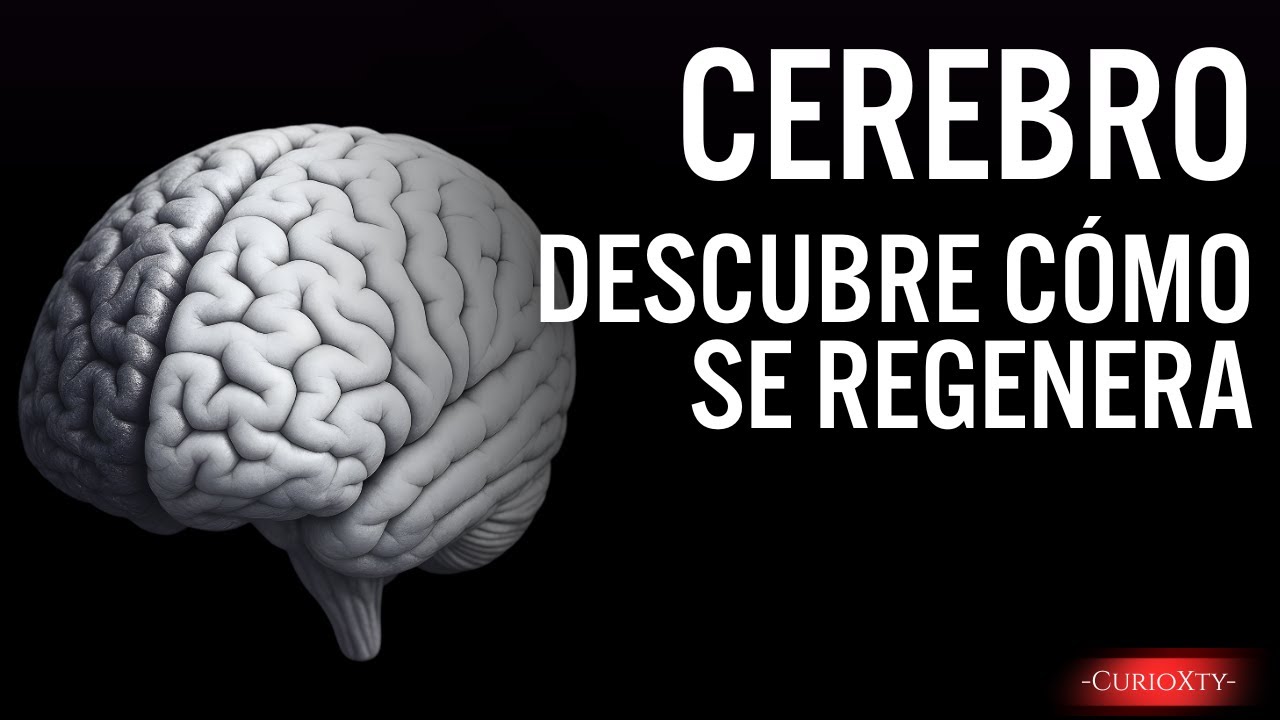
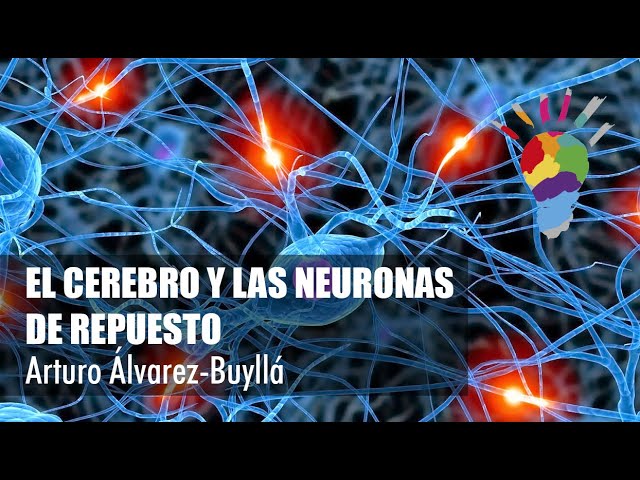
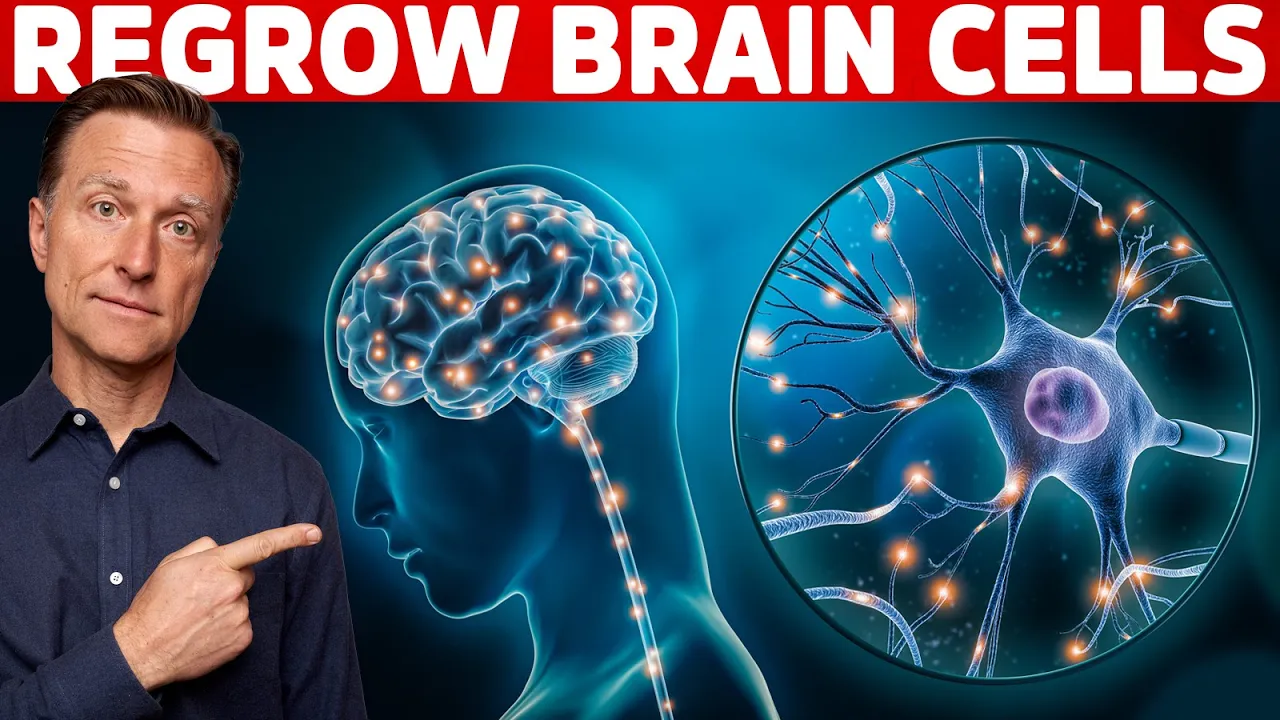
The adult brain can generate new neurons (neurogenesis) primarily in the hippocampus, with approximately 700 new neurons produced daily; this process supports learning, memory quality, and mood regulation, and can be enhanced through exercise, calorie restriction, flavonoid-rich foods like blueberries, omega-3 fatty acids from fish, and crunchy textures, while being suppressed by stress, sleep deprivation, high-fat diets, and excessive alcohol consumption.
How to Grow New Brain Cells: Adult Neurogenesis Science
Added:Basic neuroanatomy, particularly the structure and primary functions of the hippocampus, where adult neurogenesis primarily occurs.
The fundamental structure of a neuron and how neural communication (synaptic transmission) functions.
The general concept of neuroplasticity, which is the brain's broader ability to reorganize and adapt its structure and pathways.
The historical scientific dogma of the 'static brain,' which falsely asserted that adult brains could not generate new neurons.
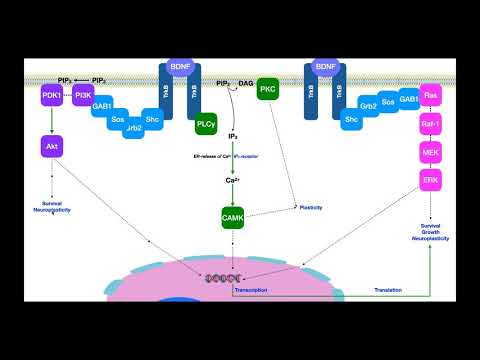
The biochemical pathways of neurogenesis, specifically focusing on the role of growth factors like Brain-Derived Neurotrophic Factor (BDNF).
How impaired adult neurogenesis relates to the pathophysiology of major depressive disorder, anxiety, and cognitive decline.
The specific role of newly integrated adult-born neurons in complex cognitive processes like pattern separation and spatial memory.
Translational medicine and pharmacological interventions designed to stimulate neurogenesis for treating neurodegenerative diseases like Alzheimer's.
8.3M views168.4Klikes11:05Original Release: 2015-10-30
Can we, as adults, grow new nerve cells?
There's still some confusion about that question, as this is a fairly new field of research.
For example, I was talking to one of my colleagues, Robert, who is an oncologist, and he was telling me, "Sandrine, this is puzzling.
Some of my patients that have been told they are cured of their cancer still develop symptoms of depression."
And I responded to him, "Well, from my point of view that makes sense.
The drug you give to your patients that stops the cancer cells multiplying also stops the newborn neurons being generated in their brain."
And then Robert looked at me like I was crazy and said, "But Sandrine, these are adult patients -- adults do not grow new nerve cells."
And much to his surprise, I said, "Well actually, we do."
And this is a phenomenon that we call neurogenesis.
[Neurogenesis] Now Robert is not a neuroscientist, and when he went to medical school he was not taught what we know now -- that the adult brain can generate new nerve cells.
So Robert, you know, being the good doctor that he is, wanted to come to my lab to understand the topic a little bit better.
And I took him for a tour of one of the most exciting parts of the brain when it comes to neurogenesis -- and this is the hippocampus.
So this is this gray structure in the center of the brain.
And what we've known already for very long, is that this is important for learning, memory, mood and emotion.
However, what we have learned more recently is that this is one of the unique structures of the adult brain where new neurons can be generated.
And if we slice through the hippocampus and zoom in, what you actually see here in blue is a newborn neuron in an adult mouse brain.
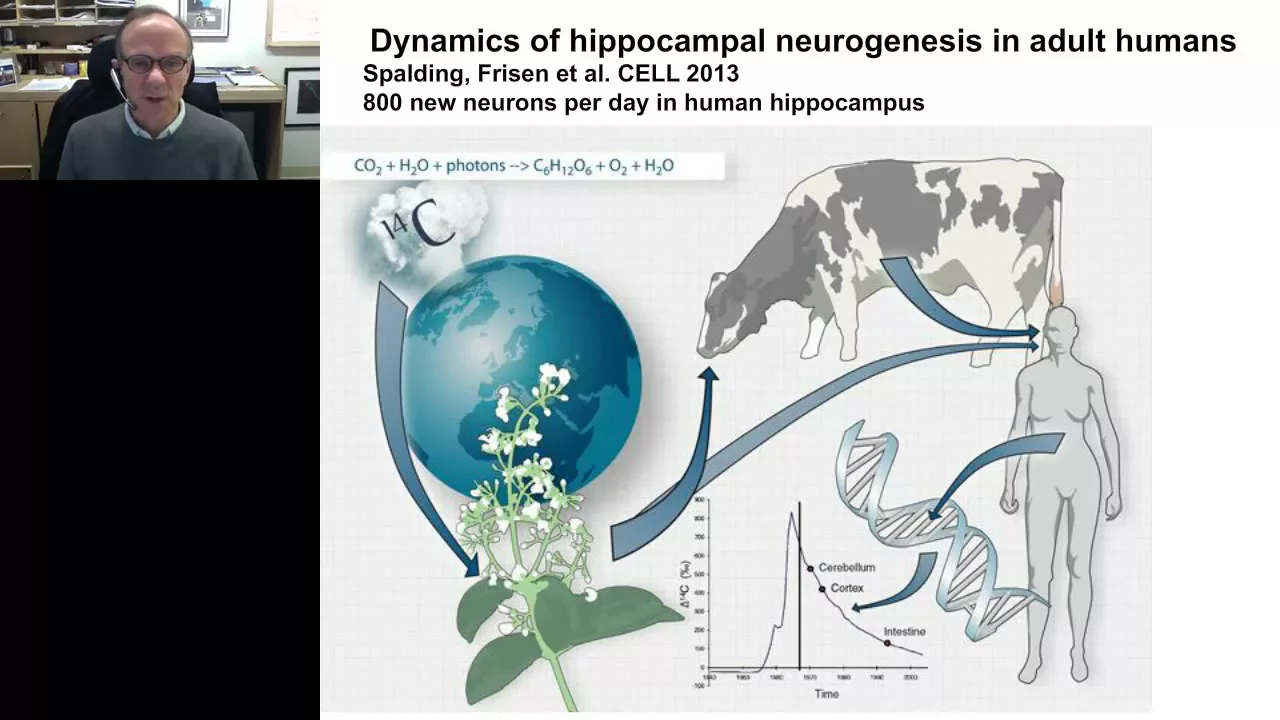
So when it comes to the human brain -- my colleague Jonas Frisén from the Karolinska Institutet, has estimated that we produce 700 new neurons per day in the hippocampus.
You might think this is not much, compared to the billions of neurons we have.
But by the time we turn 50, we will have all exchanged the neurons we were born with in that structure with adult-born neurons.
So why are these new neurons important and what are their functions?
First, we know that they're important for learning and memory.
And in the lab we have shown that if we block the ability of the adult brain to produce new neurons in the hippocampus, then we block certain memory abilities.
And this is especially new and true for spatial recognition -- so like, how you navigate your way in the city.
We are still learning a lot, and neurons are not only important for memory capacity, but also for the quality of the memory.
And they will have been helpful to add time to our memory and they will help differentiate very similar memories, like: how do you find your bike that you park at the station every day in the same area, but in a slightly different position?
And more interesting to my colleague Robert is the research we have been doing on neurogenesis and depression.
So in an animal model of depression, we have seen that we have a lower level of neurogenesis.
And if we give antidepressants, then we increase the production of these newborn neurons, and we decrease the symptoms of depression, establishing a clear link between neurogenesis and depression.
But moreover, if you just block neurogenesis, then you block the efficacy of the antidepressant.
So by then, Robert had understood that very likely his patients were suffering from depression even after being cured of their cancer, because the cancer drug had stopped newborn neurons from being generated.
And it will take time to generate new neurons that reach normal functions.
So, collectively, now we think we have enough evidence to say that neurogenesis is a target of choice if we want to improve memory formation or mood, or even prevent the decline associated with aging, or associated with stress.
So the next question is: can we control neurogenesis?
The answer is yes.
And we are now going to do a little quiz.
I'm going to give you a set of behaviors and activities, and you tell me if you think they will increase neurogenesis or if they will decrease neurogenesis.
Are we ready?
OK, let's go.
So what about learning?
Increasing?
Yes.
Learning will increase the production of these new neurons.
How about stress?
Yes, stress will decrease the production of new neurons in the hippocampus.
How about sleep deprivation?
Indeed, it will decrease neurogenesis.
How about sex?
Oh, wow!
(Laughter) Yes, you are right, it will increase the production of new neurons.
However, it's all about balance here.
We don't want to fall in a situation -- (Laughter) about too much sex leading to sleep deprivation.
(Laughter) How about getting older?
So the neurogenesis rate will decrease as we get older, but it is still occurring.
And then finally, how about running?
I will let you judge that one by yourself.
So this is one of the first studies that was carried out by one of my mentors, Rusty Gage from the Salk Institute, showing that the environment can have an impact on the production of new neurons.
And here you see a section of the hippocampus of a mouse that had no running wheel in its cage.
And the little black dots you see are actually newborn neurons-to-be.
And now, you see a section of the hippocampus of a mouse that had a running wheel in its cage.
So you see the massive increase of the black dots representing the new neurons-to-be.
So activity impacts neurogenesis, but that's not all.
What you eat will have an effect on the production of new neurons in the hippocampus.
So here we have a sample of diet -- of nutrients that have been shown to have efficacy.
And I'm just going to point a few out to you: Calorie restriction of 20 to 30 percent will increase neurogenesis.
Intermittent fasting -- spacing the time between your meals -- will increase neurogenesis.
Intake of flavonoids, which are contained in dark chocolate or blueberries, will increase neurogenesis.
Omega-3 fatty acids, present in fatty fish, like salmon, will increase the production of these new neurons.
Conversely, a diet rich in high saturated fat will have a negative impact on neurogenesis.
Ethanol -- intake of alcohol -- will decrease neurogenesis.
However, not everything is lost; resveratrol, which is contained in red wine, has been shown to promote the survival of these new neurons.
So next time you are at a dinner party, you might want to reach for this possibly "neurogenesis-neutral" drink.
(Laughter) And then finally, let me point out the last one -- a quirky one.
So Japanese groups are fascinated with food textures, and they have shown that actually soft diet impairs neurogenesis, as opposed to food that requires mastication -- chewing -- or crunchy food.
So all of this data, where we need to look at the cellular level, has been generated using animal models.
But this diet has also been given to human participants, and what we could see is that the diet modulates memory and mood in the same direction as it modulates neurogenesis, such as: calorie restriction will improve memory capacity, whereas a high-fat diet will exacerbate symptoms of depression -- as opposed to omega-3 fatty acids, which increase neurogenesis, and also help to decrease the symptoms of depression.
So we think that the effect of diet on mental health, on memory and mood, is actually mediated by the production of the new neurons in the hippocampus.
And it's not only what you eat, but it's also the texture of the food, when you eat it and how much of it you eat.
On our side -- neuroscientists interested in neurogenesis -- we need to understand better the function of these new neurons, and how we can control their survival and their production.
We also need to find a way to protect the neurogenesis of Robert's patients.
And on your side -- I leave you in charge of your neurogenesis.
Thank you.
(Applause) Margaret Heffernan: Fantastic research, Sandrine.
Now, I told you you changed my life -- I now eat a lot of blueberries.
Sandrine Thuret: Very good.
MH: I'm really interested in the running thing.
Do I have to run?
Or is it really just about aerobic exercise, getting oxygen to the brain?
Could it be any kind of vigorous exercise?
ST: So for the moment, we can't really say if it's just the running itself, but we think that anything that indeed will increase the production -- or moving the blood flow to the brain, should be beneficial.
MH: So I don't have to get a running wheel in my office?
ST: No, you don't!
MH: Oh, what a relief! That's wonderful.
Sandrine Thuret, thank you so much.
ST: Thank you, Margaret.
(Applause)
Up Next
2:00
Hippocampus Anatomy & Memory Function: 2-Minute Neuroscience
@neurochallenged
425.2K views•2015-06-02
21:55
Deciphering Neural Circuits Controlling Anorexia in Mice | Richard Palmiter
@AllenInstitute
2.3K views•2011-10-10

11:35
Heart-Brain Connections: Science of Interoception and Empathy
@TEDx
24.2K views•2018-01-23
13:03
How Exercise Benefits Your Brain: Science Explained
@TED
11.4M views•2018-03-21
Related Study Plans & Knowledge Roadmaps
Structured learning paths in Neuroscience
neuroscience
Appetite Regulation: Brain Circuits & Hormones
01Foundations of Endocrinology and Brain Anatomy
02Introduction to Energy Homeostasis
03Peripheral Signals: Leptin, Ghrelin, and Insulin
+ 2 more learning modules
14h5 modules
Explore Roadmap
neuroscience
Neuroeconomics: Value, Risk & Brain Mechanisms
01Foundations of Neuroscience and Brain Anatomy
02Introduction to Neuroeconomics and Subjective Value
03Dopaminergic Prediction Errors & Reinforcement Learning
+ 3 more learning modules
18h6 modules
Explore Roadmap
neuroscience
Spatial Navigation: Cells, Grids & Brain Maps
01Foundations of Brain Anatomy and Memory
02Place Cells and Head-Direction Cells
03Grid Cells: The Brain's Coordinate System
+ 2 more learning modules
12h5 modules
Explore Roadmap
neuroscience
BCIs: Neural Decoding & Prosthetic Control
01Neuroscience Foundations: How the Brain Signals Intent
02Signal Acquisition: Recording the Brain's Activity
03Neural Decoding: Translating Brain Waves into Data
+ 2 more learning modules
25h5 modules
Explore Roadmap