










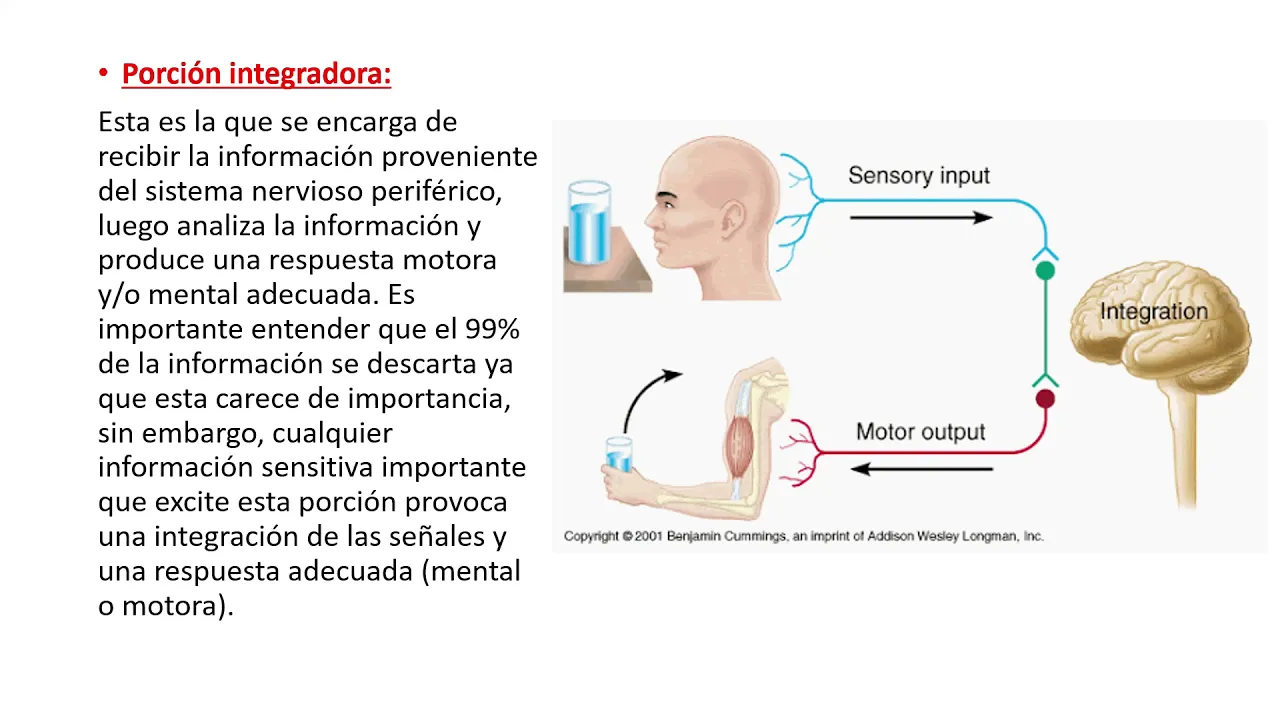













Adult neurogenesis is the process by which new neurons are continuously generated in specific regions of the adult brain, primarily the hippocampus and subventricular zone, from neural stem cells. This process is regulated by environmental factors such as physical exercise, enriched environments, and social interaction, which enhance neurogenesis, while aging, inflammation, and stressful conditions reduce it. The newly generated neurons play crucial roles in cognitive functions including pattern separation (distinguishing similar memories), reversal learning (adapting to changing circumstances), and emotional resilience. Research has shown that antidepressant treatments can increase neurogenesis in patients with depression, and reduced neurogenesis has been observed in Alzheimer's disease patients even before symptom onset. While adult neural stem cells have limited fate potential and are restricted to specific brain regions, they offer promising therapeutic targets for neurological disorders through non-invasive environmental interventions or potential future stem cell transplantation approaches.
Adult Neurogenesis: How Neural Stem Cells Shape Our Brains
Added:welcome to all the participants you have joined in with us for shastra monthly webinar series before i offer warm welcome to our today's guest i would like to tell you all a bit about shasta's naive shah says a platform a community of science enthusiasts where people from various backgrounds and parts of the country come together with the sole purpose that is to make science enthralling for all now my dear friends with great pleasure i would like to welcome our today's speaker dr hiya ghosh she has received her doctoral degree from the university of pittsburgh school of medicine usa she later joined columbia university medical center new york for her post-doctoral studies where she focused on the transcriptional regulation of immune cell development after finishing her post-doctoral studies she spent a brief tenure in neuroscience department at albert einstein college of medicine new york there her work focused on two diverse areas of research under professor jean hubbard she researched on cortical neuron regeneration and signaling pathways in adult neurogenesis she is currently working as a faculty in ncbs national center for biological sciences in bangalore which is a part of tifi here she uses an interdisciplinary experience in molecular biology immunology and neuroscience to understand some fundamental cellular processes in the adult brain from the morphological and neuroimmune perspective her lab is interested in understanding the genetic control of cellular processes this underlying normal brain function using mouse as a model system hal group investigates molecular regulation of neuronal glenia and stem cells of the adult mammalian brain her studies contributed significantly to the understanding of plasmacetoid dendritic cell development and maintenance during her post-doctoral studies she was awarded the prestigious scholar award from the american society of hematology for her investigation in pdc and my dear friends she is also a ramanujan fellow we are thrilled to have you map with us today without further ado let me hand over to dr hiya ghosh for today's session thank you asta is the audio it's echoing for me is it all right for everyone nice fine man all right so thank you so much for inviting me for this webinar series and i'm thrilled uh to know that this is mainly organized by students and and we get a chance to discuss some biology especially about the brain and the stem cells so without further delay let me take you to my slides all right so um as you guys know today we are going to talk about neural stem cells and the process of neurogenesis and so to begin with if i told you that running or physical exercise aerobic exercise that pumps up your heart rate makes you sweat actually has benefits to improve cognition that is to do with learning and memory it also has something to do with improving your mood that is to do with the emotional function of the brain and in fact it also helps protect your brain cells in the long run and all of this has something to do with new neurons that are generated by stem cells that reside in the brain in the adult brain and make neurons throughout the lifespan and conversely studies also show that situations that are more deprivated like for example social isolation or sedentary lifestyle where you are not doing much physical activity and mostly by yourself that can actually slow down your cognition that can also cause anxiety and depression and make your brain cells more vulnerable to diseases with aging such as neurodegeneration and hello ma'am can you stop sharing and screen that one more time everything is fine but uh it is little problem with the screen sharing that's it nothing should i stop sharing yeah just stop sharing and do share one more time that's it okay so let me know how much of it was uh is to be said again just to be repeated are you able to see now is the screen visible okay um is clear perfect all right so i was talking about the impact of stem cells and the process of neuro neuron deterioration in the adult brain in the context of things that elevate your memory functions and mood and protect your brain cells and conversely can actually reduce neurogenesis or reduction in this process can lead to an opposite effect where one can face emotional issues slow down cognition and in fact the brain cells could get more vulnerable um is there a problem with okay all right so more than a hundred years back santiago ramini kahal who is also known as the father of modern neuroscience posited that in adult centers the nerve path are something fixed and immutable everything may die nothing may be regenerated it is it is for the science of the future to change if possible this harsh decree and indeed research in the last decades have proved these wrong new neurons are indeed made in the new in the adult brain and this is done from cells that are called neural stem cells that reside in the adult brain so it's exciting news indeed that you have cells in the adult brain that can make cells of the brain and these are neurons and a collection of other cell types that are called glia so does that mean that the solution of neurodegeneration will finally be dissolved because you have cells that can make new neurons or is there physiological function of these stem cells and these newborn neurons in the healthy brain and after all is that all good news so to understand this we'll discuss today a little bit more about the nature of the stem cells and the process of adultogenesis the first indications that new neurons could be found in adult brain came about six decades back through the work of joseph altman so and in 1962 what he was intending to do in his experiment was to study glial proliferation now unlike neurons we are the other cell types which consist of pesticides and oligodendrocytes astrocytes in specific were known to undergo proliferation and make many more of them in response to injury to respond to injury and in order to study this process uh what altman did was create a lesion in the retinogeniculate center of the brain which is known as the relay center for visual cottage so the neurons of the retinogenic age center are the one that receive inputs from the retina and then relate it relate to the other parts of the brain the visual cortex allowing us to encode for what we are seeing and in this process in the process of while doing this lesion in the retinogenic area he also infused something else he infused precursors of dna now most of us know that dna is made up of oligonucleotide bases of four types atgc and t stands for thymodine and this is the nucleotide the dna precursor that was infused in that intracranial lesion process and this nucleotide was further marked through um labeled radio labelly radio label so that it could be visualized later in the slices through autoradiography in brain slices and after doing this experiment you waited for several days and then took the brain slices to see what all types of cells incorporated this radionuclide now the the expectations from this labeling process is that since you are infusing a dna precursor any cell that will divide would have to make dna and in the process of dna synthesis it will incorporate this radio label nucleotide which will then mark the cells to be one of the new cells that came upon after the infusion was put in and therefore any cell that would have a radio label would have to be a newborn cell in the brain and when he was looking for these cells many days later after the infusion he found that several of these cells were actually not glial cells but in fact they were neurons so this was very striking and he quickly published the short letter showing that new neurons seem to be there in adult brain but this was highly controversial but he went on with his studies and performed repeated this experiment in absence of a lesion just by infusing the radio label nucleotide this time systematically in the body instead of in the brain uh through intraperitoneal injection and then looked for the presence of this nucleotide containing new cell in the brain and we saw that in the hippocampus specifically of the rodent brain you could find a lot of cells that did not look like glia but looked like neuron in the dentist area of the hippocampus at the time when this studies were published it was highly controversial because uh because of the long-standing notion that no new neurons are ever born after birth but decades of research during that time ultimately led to detection of new neurons even in the adult human hippocampus and this was work done about two decades or more later in fred gage's lab where they looked at post-mortem tissue from cancer patients now brdu is is also a thymidine analog and you know decades have passed by now and so instead of radio labeling which is a little dangerous now nucleotide could be chemically modified so that they could be detected later by immunochemical staining and brdu is one such modification of the thymidine and cancer patients are often given this brdu infusion to detect dividing cells as a cancer diagnostics so these patients after you know they had lived their lives their postmodern tissues were analyzed for the presence of brdu in the brain and in fact that in the same location as found by altman in the root and brain that is in the hippocampus and in the hippocampus the dentagiaris area they could find brdu labeled neuron looking like cells in the granule cell layer of the dental gynus and in their experiment they went a step further and labeled or immunohistochemically labeled these slices with a neuronal marker that was specific to granule mature granule neuron which are the neuron type present in the dental gyrus and were able to say show that the brdo label itself was indeed a neuronal cell and not a glial cell so this was the first time the first evidence that new neurons new mature neurons were found in human adult brain and this then started a whole lot of effort to investigate more about the stem cells more about the function of these new neurons that are formed and we have learnt a lot in the last decades so a few things that are definitely known now is that adult neural stem cells are present in the adult brain of many vertebrates including human however these stem cells are not everywhere in the brain they are not in all locations of the brain they are located in very restricted locations um and to be specific they are found along the lateral ventricles of the ventricular walls and in the hippocampus and to give you an idea of these technical terms that i just um said if this is a mouse and you're looking inside its brain this is the snout and this is the back of the head um then you will see this hollow part these are the lateral ventricles and now if you make a cut from top to bottom which is called dorsoventrally then you can get a slice that looks like this and this hollow area is the lateral ventricle on both sides of the hemisphere and it is along the wall of this lateral ventricle do you find stem cells and this niche is called the subventricular zone the other area the other particular part of the brain where neural stem cells reside is in the hippocampus now if you go a little bit back quarterly to the brain and make a slice there instead you get a slice that looks like this and you can see the hippocam hippocampal formation beautifully here looks like a butterfly and inside this hippocampal formation this structure is called the dental gyrus and the very thin first two layers of these cell this is a pack of cell layers is the subgranular zone where stem cells reside in the hippocampus so pretty much two specific places in the adult brain the other thing that is known now is that although these are stem cells capable of making neurons and glia they are in fact restricted for the fate of the cells that they can make for example in rodents the only new only new type of neurons that are made are the interneurons of the olfactory bulk that has to do with the olfaction and the granule neurons of the hippocampus that has to do with hippocampus function and consistently in humans also the new neurons that are born are a specific types that is the granular neuron in hippocampus striatal interneuron and of late very recently olfactory neurons have also been formed found to be made in the human brain and finally but the most exciting part of understanding the process or finding out more about stem cell has been the realization that the stem cells residing deep inside the brain actually talk to the environment how much neurons can they make or if or at all they will make a neuron or a glia can actually be dictated through their experiences an enriched environment enhances adult neurogenesis whereas a deprived environment decreases it and consistently it has also been shown that physical situations physiological situations which are thought to be uh less than ideal such as aging or inflammation has also been shown to have an adverse effect on the process of adult neurogenesis now before i go further uh talking about the importance of neurogenesis or about stem cells i think i'd like to give you a glimpse of how experimentally we gain understanding about the process and the cells so in my previous slide i showed you these cartoon this is a cartoon which was a rostral section of the brain and this is actual picture of a brain section in which you can see the hippocampal formation the cortex and this this picture can tell you the different regions of the brain but it cannot tell you the cells and tell you the difference between tell a cell from being a glia or a neuron or a stem cell but scientists are able to genetically manipulate um the system so that they can specifically look or perturb the cell type of their choice at the time of their choice too and one such example would be the expression of green fluorescent protein in a cell specific manner so these are sections of same kind from a rodent brain except that this mouse is genetically modified to express green fluorescence protein only in neural stem cells and if you remember i told you that the neural stem cells are not found everywhere in the brain but only in specific locations called the neurogenic niches one of which is along the lateral ventricle and the other is in the subgranular zone of the dentate gyrus now if i say that my mouse now is supposed to express green fluorescent protein only in stem cells then you would intuitively expect green color only in these regions that are the neurogenic niches and that's what you see in this brain sections of a gfp nesting gfp mouse which shows neurogenic cells expressing green fluorescent protein along the wall of the lateral ventricle and in the hippocampus so this is the lateral the posterior ventricular wall showing neural stem cells and this is the this is the dentist of the hippocampus again showing sparse neural cell population neural stem cell population and if i now zoom into the dental gyrus you can perhaps see it better the green cells are the only cells that are stem cells whereas the blue cells which are thickly packed in this blue um halo around these green cells called the dentate gyrus are the mature granule neurons and i hope you can appreciate that the presence one thing that first the neural stem cells are only present in the first two cell layers of the dental gyrus and there are relatively far few in numbers when compared to the total number of cells in the dental hrs now through these kind of genetic pharmacogenetic manipulations and cell molecular studies we have learned a great deal about the process of neurogenesis the various stages that a neural stem cell has to go through to become a neuron a mature neuron in the adult brain and this is a very simplistic cartoon of what goes on in hippocampal neurogenesis in the rodent brain and the first thing to show here is that the stem cell has a very characteristic morphology it is also called a radial glia like cell because it has a soma and a radial process that is shooting upwards without branching until the very end which is where it has more branches and this is the characteristic morphology of rgl which is distinct from a mature neuron where branches start to shoot very proximal to the cell body and now the stem cells of the adult brain actually are largely quiescent meaning this live in a very inactivated state where they are just there they're not making cells due to environmental stimulation or other reasons any or many of these stem cells can get activated making the activated radiation cell which then can undergo process of division either symmetric division or asymmetric division in symmetric division a radial glial cell can divide into two cells one of which could be an astrocyte and the other could be a self-renewed stem cell and this is how to make sure that the population or the pool of stem cell kind of renews because you sh you saw in the last slide that to begin with the number of stem cells are far few and very restricted in the region so every time they proliferate or they divide they try to make one of their own types so that the pool is maintained the other type of division that can happen is a symmetric division in which the radial glial cells divides and make two radial real cells but the more dominant possibility of a cell division of a radial glial cell or a neural stem cell is a asymmetric division that is destined for neurogenic program so in this asymmetric division of course it makes one of its own type radial glia cell and the other side that it produces is a neural progenitor it's also called an intermediate proliferating progenitor because the function of this cell is to just divide and amplify itself to make many more of these cells and these proliferating cells at some point decide to take the fate of a neuron at which point they're called neuroblast and these neuroblasts then gain various undergo various cell molecular processes to to the path of maturation to become a mature granule neuron that integrates into the circuit of the hippocampal circuit and contributes to hippocampal function now one interesting thing about this process is that of the many cells many immature neurons that are produced only 25 percent or less actually make it to maturation and integration in that brain so the question is why do we have such a wasteful process why make so many neurons to begin with when 75 percent or more are destined to die well research has shown that this specific stage which is the immature neuron stage has different electrophysiological properties and this specific properties actually i have a functional role to play in the in the normal cognitive functions and has importance and that's an important part of the adult neurogenic function um in a healthy brain so we'll talk about the functions a little bit later but now i want you to imagine that if you are a scientist and trying to look or quantify the number of newborn neurons that are born how would you go about it because it's the brain is full of neurons right that are embryonically born some of which in some locations are new adult bond how do you distinguish essentially all of them will have a neuronal marker so what you would look for is a stage prior if you are able to identify an immature neuron because each of these cell stages can be identified based on not just their structure but also specific genes that are expressed only in restricted cell stages for example this gene is expressed only when the stem cell is activated and is about to proliferate whereas this gene is only expressed in proliferating progenitors and double cotton also known as dcx is expressed only in immature stages of a newborn neuron so these are some of the markers that are used to quantify neurogenesis and this is an example of how we look at newborn neurons in the other brain again blue stands for all the mature granule neurons that are thickly packed in this dental gyrus region and these red cells are the new bond neurons that are marked by the double quadrant protein and you can see they are fewer but abundant in the sgz region of the hippocampus so this is an example of good adult neurogenesis and conversely if you can if you manipulate or the organism has gone through physiological situation that reduces neurogenesis and looks something like this far fewer red cells you can see the structure of the newborn neurons are also not good so this would be an example of a poor adult neurogenesis which can be qualitatively and quantitatively assessed now good news we know stem cells make new neurons in the adult brain but why why are continually these new neurons mean what are their functions now a lot of this a lot of things we've learned initially was from songbirds and as many of you know probably songbirds actually learn singing and sing their songs i'd like you to hear a little bit of it and i'd like you to pay notice that the the it's not general chirping if you listen carefully you will see that the syllables are on a loop it is a song that it has learned and it repeats the exact same syllable in a rhythm [Music] so i guess i hope you can appreciate that that was a song being sung by the songbird and what is known about songbirds is that they learn these songs before they attain sexual maturity that use these songs to attract mates and many of them continue to learn new songs during adulthood which changed from one year to the next and what scientists noticed and this was work that started around the time when new neurons were being discovered in the in the adult brain of vertebrates scientists found that the vocal the high vocal centers which were responsible for this singing actually seasonally changed in volume in male songbirds male are the songbirds which sing songs to attract mates they also noticed that old neurons in this high vocal centers were being replaced by new neurons and interestingly learning of a new syllable was enabled by cell death mediated weakening in the motor control of the pre-existing syllable in a way the weakening of the whole neuron was making way for a new neuron to be born and made and perhaps encode a new syllable another interesting thing was that it seemed like there was a correlation they saw that cells that were born in the late summer or early fall and that presumably partake in song learning at that time were still around the next stream and when when the and these songs that they had learned eight months earlier were being used during the breeding season in contrast half of the neurons that came upon in the hbc new neurons during the spring season did not last that long they perished within the next four months so this showed a correlation that the amount of singing had something to do with the presence and survival of the new neurons in the hbc not only that they also noticed that not all neurons of the high vocal center were being replaced they showed through experiment that only if they eliminated a specific type of neuron called the ra projecting cells were these cells replaced by neurons in contrast if they eliminated another cell type which was another neuron type which was an area x projecting cell then these cells were not replaced so these gave some very fun this showed some very fundamental principles which correlated learning on neural action to the production of neurons and also iterated that this replacement of formation of neurons is not generic but it is specialized and restricted and these studies were then further confirmed in rodent models as well in the 19 late 1990s um the groups have performed experiments in rodent model where they show that enhanced learning can actually enhance neurogenesis and for this they studied hippocampal neurogenesis and they tested two different tasks one that was hippocampus dependent and one that was hippocampus independent now to give you an example any or many tasks can be encoded in our brain through different processes for example the task of navigation can be encoded or learned through a system called spatial navigation which is dependent on hippocampal circuits however navigation can also be learned through cue training which is trital dependent and not hippocampus debate not super campus dependent so to give you a little bit more clarity of what i mean by spatial learning spatial learning is the process in which the information of the environment is encoded and that information is used through for navigation through the space so this is an example of spatial learning where this is a big water tank and a mouse is released in this water tank mounts mice they are natural swimmers so no danger but nonetheless they don't like water even if you leave them and they can swim they would try to find a place where they can take a rest and get out of the water and in the same tank you could have a platform that is hidden beneath the level of the water and you can make the water opaque so that it cannot really see where the hidden platform is and in the same room one could put spatial cues like this square and a circle and a triangle at different parts of the wall that is in the visual parameter of the mouse and you can give it several trials in which it can make a note of the spatial cues and based on that it can have a geographical map for the location of this platform so after several trials if you leave this mouse any part anywhere in the in the swimming tank it would be readily able to find the platform by using the special cues which it has used to encode the location of this platform so this form of navigation is called spatial learning is spatial learning based and is hippocampus dependent but there is another way to do the same thing if you had a tank and this platform on this platform you put a red flag and through the trial session the mouse would learn the association of this flag to the existence of this platform and in this learning it would not depend on any special cues so it wouldn't matter whether you know this this box or anything else is there around it would just look for the red flag and would know that is where the platform is and this form of learning is called q learning and it is hippocampus independent it depends on circuits the stratum now they in their experiment they had the mice perform or learn uh spatial navigation using either uh spatial cues or through queue training and they showed that when spatial navigation was done that led to increased adult hero genesis whereas if q training was done there was no effect on neurogenesis so this showed that learning that used the hippocampal circuit activated the neurogenic niche of the hippocampus and resulted in increased neuron production in the adult brain another interesting um observation that was made um which has a great impact on the field is the fact that hippocampal neurogenesis actually responded to environment and this was a very simple experiment done again in the late 90s where mouse were either kept in normal housing cage where there is bedding food and water and they're just there versus they're kept in a cage where the lots of toys a treadmill a running wheel and other stuff is around so that and this is called an enriched environment for ee where the mice can not only live but also has play um and physical exercise voluntary physical exercise and they showed in this that mice that were in enriched environment and had enhanced neurogenesis and later on few years later it was also shown that this was true for enhancing neurogenesis in uh even in adult and older mice that if they're put in isolation the number of newborn neurons reduces dramatically whereas if they're put in enriched environment and access to voluntary exercise their neurons dramatically increase so this led to the hypothesis that external perturbations especially like exercise which are non-invasive can actually manipulate the production of neurons in your brain which could have a direct impact in your cognitive capability so new neurons are made in response to neural activity we saw and the stem cells in the brain respond to an organism's environment so these two are fantastic but the question is what happens after the neurons are born what are their functions so again studies in rodents have uh and non-human primates as well have given us a lot of information about what these new neurons might be doing in the brain and one of the things um that they have been implicated in is the ability to patent separate now the our ability to be able to differentiate between highly similar yet distinct objects or context depends on the hippocampal circuit and specially the dental gyrus and if you remember this is the place of the brain which is one of the neurogenic niches and here you're seeing picture of two animals one is a cat and one is a black panther sitting exactly in the same posture looking very similar but i am very sure that most of you in fact all of you must have been able to encode them as two different animals and what it took for your brain to do that was to encode all the details that means a lot of encoding but at the same time these encoding details had to be orthogonally separated they could not be overlapped meaning a same neuron could not be encoding two details that were very similar so this ability to uh encode in detail but keep them non-overlapping and separated is a specialized function of the dentagerius which is attained through a very careful balance between excitation and inhibition of the neurons and this is the process which is influenced by the presence of the newborn neurons in their immature stage and um again to give you a glimpse of how these these uh this was learned uh through rodent experiments is um and because this is mostly a student oriented talk um i'm going back to the experiments giving a glimpse of how things are learned and this is um just in the genetic sense if you want to understand what a particular molecule a gene or even a biological process is doing what's its functional role then what would you like to do perhaps the one thing that you can do very straightforward is if you could just take that uh process out or you could destroy it or block it and then look at what are the disturbances that are happening then that gives you a very straightforward clue as to what the the molecule of the process is important for in normal physiology so exactly that is what was done the neurogenic process was ablated to understand what it indeed was important for so for this um x-ray radiation was used this was also more than a decade back um so why extra irradiation if you remember the stem cells have to go through a process of proliferation that is division of cells and x-ray radiation as many of you might know has the property of producing dna breaks so it basically breaks the dna and renders it um impaired to produce new dna and so cell division is restricted and if you restrict cell division then you will restrict formation of new neurons in this neurogenic niche however you want to do it in a very localized manner so one could you know cover the other parts of the brain and the body so that the x-ray radiation happens very locally and focally on the hippocampus and by doing this they were able to ensure that neurogenesis was the adult neurogenesis adult hippocampal neurogenesis was indeed ablated and then after doing this they took the mice and subjected them for a complex facial learning task that would have some hints of spatial that would make them to use the capacity of pattern separation so this experiment consisted of a eight arm radial maze in which the mouse was first released in the start arm and of all the eight arms only one arm was open so it could go and take a look however 20 seconds later it was again released in the same maze but this time another arm was open where a food reward was kept and through trial various different trials repeated trials the mice learn that once it's um once it's released into the into the choice mode uh in the radial arm then it should avoid the first open arm but go to the next one next open arm only then it can get the food removed and this is the kind of learning that would be useful for it during the test phase in the test phase the mice were then released in three different situation where the other open arm was either very closely located to the first arm or it was distantly located in this case in a separation of two other arms and in this case in a separation of three other arms distantly located and it was and and the ability that was tested is whether the mouse was able to discern this extra open arm from the first open arm and how quickly was it able to do that this experiment showed that mice that were depleted for adult neurogenesis could not distinguish between these two arms if they were located very close by however they were able to do so if the distance between these two arms were increased and in an in a collaborative experiment several years later uh it was also shown that if you could genetically manipulate to enhance adult neurogenesis then you would help the pattern pattern separation ability of an organism so what about memory that can be erased now this was an interesting observation that is also made and um that implicates adult neurogenesis as as you would um probably by now remember that hippocampus is one of the place where neurogenic adult neurogenic niche exists and neurons are born so in another hippocampus dependent task which is a contextual fear memory so in this task what is done is that the context in which a mouse may experience your life so in this case this is a box in which there are these grades and once the mouse enters the box after giving it some time to encode the context that is recognize its environment it's given a very mild food shock through these grains and that is the adverse stimuli and as soon as that happens its brain encodes or associates this context with the adverse stimuli and once this association memory is formed next time when the mouse is just brought in this context without any foot shock it was able to recognize the context and get afraid by showing freezing response and this freezing response is what can be quantified to know if it was able to first encode the memory and then recall it um so this is called contextual fear conditioning so firstly what was tested was juvenile mice and adult mice were given this food shock treatment and then brought into the context a day later seven days laters to two weeks later or a month later and seen if they still remember the context and freeze because of their fear memory what they saw was that while the adult mice very robustly remembered their fearful experience and showed a freezing speed freezing response the young mice did not do so they had forgotten everything by two weeks and did not show any freezing response to the context so this was interesting because it is already known that the juvenile brain the post-neutral developing brain has far higher rate of postnatal neurogenesis compared to an adult brain so this what this could then suggest is that perhaps higher adult neurogenesis had something to do with the forgetting of the context in the young mice and this was very intriguing so they tested this by taking the young ma the older mice the adult minds and this time after their fear fear experience fear context experience one group was left just like that whereas the other group was given running wheel if you remember voluntary exercise increases adult neurogenesis so they were giving this running wheel so that their adult neurogenesis increases after they have encoded the fear context memory and then later on they were tested for their freezing response and what was seen was that mice that had enhanced adult neurogenesis had less freezing meaning they forgot more they forgot the fearful context so this was very interesting because here earlier i showed you that adult neurogenesis was important for specific cognitive capabilities such as pattern separation and now i'm telling you that in other context pure memory if you have higher adult neurogenesis that actually erases your memory and makes your contextual memory poor in this experiment they further went on to prevent this enhanced neurogenesis by pharmacogenetic approaches and they could see a rescue in the freezing so the question then is why erase memory do i have a process that instead of making memories or helping in formation of memory will actually erase memory well some of you may guess that there might be some benefit because if there is only certain amount of hardware space in your brain then to be able to encode new memories maybe you want to get rid of some you know purge some of your memory but more um evidence came from from further experimentation which showed that specifically in the context of hippocampal neurogenesis um and its role in erasing memory that helped in the process of reversal learning now what is reversal learning reversal learning is a process in which pre-existing memories that are tied to a given context have to be erased in order to write a new memory for the same context now to simplify it a bit i will go back to the water maze platform uh experiment uh where the task of the mouse was to find the location and uh let's say this is not the flag this is just the platform and we are using spatial navigation so the context is important really and if in the same context i asked the mouse to first learn this location for the platform but then i change the location of this platform but do not change the context now the mouse have to encode new memories or rewrite its memory of this context and place this platform in another location so this is a very overlapping situation where the context hasn't changed but the location of the platform has changed and these are the kind of memory uh where reversal learning is very important that is to erase the previously acquired memory in relation to the context has to be erased for new memories to be successfully formed and finally um the third angle in which adult hippocampal neurogenesis has been implicated is the emotional function of the brain it has been shown that our ability to deal with stress is enhanced if adult neurogenesis adult hippocampal neurogenesis are improved and so these data have uh come poured in over years in which human subjects were shown that hippocampal adult neural progenitors were reduced in cases of depression and that antidepressant treatment in major depressive disorder patients increased the number of adult neural stencils in the dentist of the hippocampus and also increased the volume of the dentagenas in rodents people have shown that if rodents are subjected to environmental stressor such as prenatal stress or social defeat or early life stress or even administer glucocorticoid as a form of induced stress then all of these things lead to impaired adult hemogenesis also ablating adult neurogenesis has been shown to increase anxiety like behavior and increasing neurogenesis has been shown to improve recovery from acute stressors so this shows that adult neurogenesis is good for mood and for our memory however other conditions where this nice physiological process is adversely impacted and yes indeed like most other things all good things um have a vulnerability to be affected adversely and so is adult neurogenesis it has been shown that aging which is normally not a pathological state but is understood and has been seen to be a most significant risk factor for various cognitive decline and neurodegenerative disorder is one physiological condition where adult neurogenesis dramatically reduces it has been seen that the number of stem cells and proliferating progenitors decrease with aging also hippocampus-dependent cognitive capabilities also these specific type of capabilities decline with age in human and one such example will again be the switch from contextual to procedural learning and we already spoke about it so i'll go back to the same example this is another form of spatial learning this is called advanced maze where on a circular table you have several holes and in one of these holes there is a food reward and the mouse would be released on the center of the table and allowed to learn where the food reward is and this mouse can either make use of this spatial glue a triangle on the wall um to know where the location of this target is to learn where the location of this targeted or it could take another approach to learn where the targeted target is and when they tested a young mouse versus the old mouse they found that the strategies were different now to define the strategies in the beginning when the mouse is left um onto the center of the table they will go randomly because they don't even know there is a food palette and they'll finally find that there is a food palette at one particular location in the whole but the other strategies is called the chaining strategies where a mouse can go hole by hole by hold by hole to find and finally learn where the location of this thing is where it's able to find or it can take help of the context which is the spatial navigation form and it was seen that when a young mouse was put in place it almost always made use of spatial navigation capability using the context of the environment to correctly identify the location of the food reward whole whereas the older mice almost always use the procedural learning that is the egocentric learning process to find the target and this was correlated with the fact that allocentric learning which depends on hippocampus also which depends on people campus is at a location where neurogenesis declines with age whereas ecocentric learning which makes use of striatal circuit is unaffected with age and in fact uh well as you can understand that regardless of which strategy the mouse is using they were able to they will be able to find the reward and go to its place the only advantage the contextual learning gives is the flexibility if the food palette is moved to another location the mice that has used spatial context to learn its location would be quicker to relearn or reverse and learn the position compared to the one that has used egocentric procedure to learn its location and again in another genetic trick um this was uh rather recent in which they found a way to genetically increase or enhance adult hippocampal neurogenesis by simply increasing the proliferation rate of the progenitors and they could do that in a in a time specific manner when they wanted it on when they wanted it off very neat genetic techniques and they were able to show that 4d mice which were the mice in which progenitors were enhanced and the adulthood genesis was enhanced the older 4d mice were able to use an allocentric technique and recognize the food reward center far quicker than the mice that only got the control treatment um and used mostly procedural learning or egocentric learning to find its target the other thing that is known to um adversely affect the process of adult neurogenesis is inflammation um it was shown that systemic inflammation just like a bacterial inflammation uh infection in your body uh could actually influence the stem cells sitting in your brain resulting in reduction of adult hemogenesis furthermore it was shown that this cell cns or central nervous system extraneous source of inflammation that can influence adversely adult hemogenesis can actually be reversed this was again another neat experiment which is called parabiosis in which the uh the circulation the blood circulation of the mice are um are connected physically connected the both the mice are alive all you do is suture their skins together and the blood vessels grow uh to connect the two mice blood circulation and by doing so what they were able to achieve was to circulate the young blood into the older animal system and vice versa and what they showed was that in young mice isochronic means they were connected to a similar kind a younger mouse and heterochronic means they were connected to an older mice and they saw that when young mice were connected to an hetero older mouse then an amount of newborn neurons were reduced conversely if an old mouse in which the proliferating cells and the newborn neurons were very few these numbers actually increased when young mouse was attached to the old mouse and its circulation was shared into the old mouse circulation furthermore they were able to show the same thing by infusing the young blood plasma into the old mouse and the old blood plasma into the young mouse through intra ventral administration intravenous administration where you can see that the young plasma in the old brain um could this is the young brain neurogenesis with young plasma but if you infuse now old plasma plasma from an older brain into the young mouse then amount of neuron neurons dramatically decreases now so these these are very important and interesting observation that even systemic information we knew that uh environment of the of the organism affects neural stem cells in the brain residing in the brain but now we also see that the systemic uh melee of the circulation can actually influence stem cells in the brain now this is about the cns extraneous influence what if the inflammation source is inside the cns how is neurogenesis affected and this would be contextual if you think about neurodegenerative disorders which often come with neural inflammation in the cns and very recently uh it was shown that in the adult uh human patients firstly um this was a detailed study much more thorough than all the previously existing uh human studies um in which it was first a certain that new neurons or immediate neurons can be in fact found in uh human brains and well up to the ninth decade of life uh although the number of newborn neurons decline from anywhere between um you know after 40 years of age they steadily decline but you do see uh plenty of newborn neurons in that brain going all the way up to the ninth decade and furthermore they showed that in patients that had various stages patients of various stages of alzheimer's disease um there was a reduction in newborn neurons and most interestingly uh of these stages uh the black stage one and two are stages where the senile plaques that are responsible for the neurodegeneration and alzheimer's disease or that which are detected are diagnostic marks of adult of alzheimer's disease even before they they are formed the number of newborn neurons actually dramatically goes down and they even compared these adult uh the alzheimer's disease samples with age matched normal postmodern brains and they showed that even though the neurogenesis decreased with age in normal patients for a same age group patient and alzheimer's disease patient had even fewer number of numeral newborn neurons and this is interesting if you think about the context first is that in alzheimer's disease a lot of hippocampal dependent functions like memory and dementia is one of the hallmark of alzheimer's disease many of the hippocampal dependent functions are deteriorated and second hippocampus is one of the prominent region where neurodegeneration is seen in alzheimer's disease and what this study is revealing is that the neurogenesis decline of neurogenesis actually precedes the presentation of symptoms for alzheimer's disease which then tells you that it is possible that decrease in adult neurogenesis could be a causative as well so in this context one may want to think if the inflammation angle which is known to reduce neurogenesis could have a role to play in neurodegeneration as well what about regeneration i'm sure that a lot of people who tuned into this talk tuned in because they were interested in neurodegeneration and a stem cell that can make neurons seems very lucrative for this whole topic of regeneration so we have to talk about it a little bit now in the context of in the context of what we have just discussed about the uh the bona fide neural stem cells of the adult brain what we know is that first thing is that they are very restricted in their fate potential they don't make all types of neuron they are coded to make specific types of neuron the second thing we learnt is that they are only located in specific locations one that is in the hippocampus and other in the lateral ventricle walls so for neurodegenerative disorders that are happening elsewhere such as parkinson's happening in striatum it would be a real challenge for first these stem cells to be available in that part of the brain and then to be able to make neurons that are dopaminergic the neuron type that is affected in that particular neurodegenerative disease now it doesn't it cannot one cannot say that is unachievable because we are still learning more about these stem cells and as we go on identifying molecular regulators that can manipulate the fade plasticity of these cells and also alter the locations that has to do with the migration of the cells perhaps or integration into another circuit these are the type of information that we need to know to be rightly able to use the endogenous stem cells residing in the adult brain for regenerative purposes however it's not all sad story because there are ample evidence of progenitor potential of other parenchymal cells other cells in the brain that can be induced to make neurons so this is one of my concluding slides giving hope for all regeneration enthusiasts beyond the existing adult stem cells in the brain which is that it has been shown that in the normal healthy brain there are these cells called astrocytes and there are cells called epidermal cells which kind of line the ventricular wall these cells are normally kept quiescent meaning in their epididymal state or astro state state um through various cell signaling processes however it has been shown that in the context of stroke and other type of injury this quiescent stage or the signaling that keeps these cells inactivated is broken and they in fact are released from quiesons to make cells that can become neuroblasts that can go on to uh give rise to neurons so this is a example where the endogenous cells can be involved in ways uh to make neurons for the purpose of perhaps regeneration the other hope is transplantation embryonic stem cells or stem cells that can be derived from skin cells let's say can be made into neural stem cells and then can be implanted into the uh into the brain at the region where neurodegeneration is happening to make to uh to enable neurons of that kind to be formed and be integrated and some of very preliminary studies in model organisms have shown that that might indeed be possible in the environment of a degenerative um or a or a lesion brain where stem cells implants have been shown to be actually differentiate into neurons and be able to connect to the circuit however these are very early studies and this is a long way to go because the task is not just to make a cell type differentiate and become a neuron but you have to understand that the adult brain is very different from a growing brain all the circuits are made and there is hardly any space and if you make a new neuron it's not just about making the cell but it is more about that cell being able to make synaptic connections to the right circuits and the right cells to be able to impart its function so this is a complicated process and the journey has begun but it seems very optimistic be it for implanted or spontaneous invoke uh invoked neurogenesis in the context of neurogenesis however going back to the the bonafide address neural stem cells uh the bare fact that these stem cells make these specialized neurons which have very specific function that enhance our capability of cognition and emotional resilience is a very exciting news and to top that the fact that these um actually respond to the environment makes them a very um good target for therapeutic use because non-invasive procedures can actually make an impact in mood and memory disorders and also through transplantation and regeneration goal if we understand more about the character of this stem cell and the regulators how they can be instructed to become one or the other how are the environmental cues mediated to these cell types to behave a certain way and what are the what is the full repertoire of its responses does it only make neuron and real cells or are there other detrimental possibly detrimental uh potential of these stem cells the holistic information about these cell type would lead us to better usage of their therapeutic promise so with this i think i will conclude my talk thank you all for listening in this is my research group at ncbs and if any of you are interested in neuroscience um feel free to connect and join us thank you ma'am thank you for such a wonderful talk man and we are getting so many questions even from uh the youtube and also some people are texting me personally from the whatsapp webinar groups so okay the first question i got is uh from swath and she want to know do a growing child or an adult have a large number of nsc okay so yeah so like i said uh when we were talking about the juvenile mice experiment right the growing child has far more number of neural stem cells and neural proliferating cells compared to even a teenager okay and other question she also has to another question but that is what are the ethical issues associated with nse or similar to embryonic stem cells do they possess any ethical issues similarly well the ethical issues are most uh most consequential when you're talking about research in human or human cells a lot of these studies are done in rodents where you take animal ethical clearance you have to get that as well um as far as transplantation is considered uh all of the those have an so basically if you are talking about whether you can get ethical one can get ethical clearances to utilize uh the the the existing information to to further research and understand better yes there are processes in place in which uh through which you can get ethical clearances and get these experiments done but if you are talking about ethical uh issues related to making a monster that's a that's a different question and here we are talking only about a restrictive potential um of say embryonic stem cell and that is to make a certain type of neuron not an organism right so it's it's it's slightly different than making or cloning an organism altogether okay and another question uh this is this one i was actually waiting for actually we got a few many questions the similar way many times we might have heard that we use only 10 percentage of our brain is that true what does that even mean in the first place yeah i like the second part of the question what does it even mean in the first place right um i think if you are to talk at a very you know cell molecular anatomical level then what it probably means is that you know that neurons are very complicated in structure right a cell has many projections shooting out and each of these protection projection makes thousands of connections synapses to another cell another neuron and even to glia right uh now a lot of these connections are physically there but they are not functionally there they're not functionally activated one thing that is known about neurons is that until a signal is processed through them and process enough number of time the connections are not functionally realized they are not functionally activated so when when people say that if you do diverse amount of things the more you engage your brain the more active it would be it actually is real because the more you're engaging the more signals are passing through your neurons and the more signals the pass and more circuits that it is engaging more synaptic connections are becoming functional right and that is how you could possibly activate more percentage of your neural circuits than there are physically okay ma'am the previous question was from vivek and this question is from abin is asking is mind a real thing then what is meant by a subconscious mind wow that's a deep question it's a philosophical question um well subconscious mind very technically subconscious mind is when you're not in your conscious maybe when you're in deep sleep and there are a lot of things happening in the brain when you're in the deep sleep and a lot of it has to do with how your cognitive processes your memories and your cognitive abilities develop so this is a well-studied subject in which people are trying to understand when we are not conscious meaning so conscious could be that you are totally knocked off right you don't even you know cannot even feel anything or it could mean that you are in sleep in deep sleep but you can be awakened uh in either of these stages it's not that the brain shuts down it's not that the neural circuits all of them kind of go to rest that's not what happens actually that is a very active process of the brain where consolidation of memory happens that allows us better cognition when we are conscious um so this is this would be one way to uh say what is a subconscious brain is um thinking about mind um you know i'm a neuroscientist so probably it's a wrong question for me i definitely think that uh the mind is real and it consists of the anatomy and the neuro chemical reactions that are going on inside our brain okay and the other question is from pranav raj man is that habit cycle connected with the neurons if connected what happened if we start that heavy habit yeah yeah yeah man okay so habits are actually um they are a product of your memory your learning and your memory and then something to do with a little bit of a reward cycle perhaps and [Music] it definitely is a process anything that is neural in nature that is instructed by neurons can be trained and retrained so if you are trying to ask whether habits can be changed yes they can be um changed it you know by more or more rigorous or less rigorous processes but given that it is a process that is governed by neural functions um any cellular functions can be actually trained um as so far as neuronal training is concerned yes okay ma'am the other question is the first question i got written in this webinar and the single question is also there in the youtube okay ma'am i think all of them want to grow a new brain and want to replace their brain with that can we grow a new brain if possible can we make the duplicate of our brain and replace the current brain by transplantation and another question and another question the similar question i found in youtube is like um what uh ma'am how far we are from creating an artificial functioning human brain do you think it is possible in near future by fatima okay near future no maybe not but in the future nothing is impossible right what i can tell you the current state of affair is that there are things called organoids and that are being uh realized for not just the brain but for any other organ in the brain what they are trying to do is create a three-dimensional structure in which stem cells could be put in and allowed given growth factors to differentiate into the cell types of that organ for example the brain consists of neurons astrocytes origin dendrocytes ependymal cells microglia vasculature all of that it's a very lofty task as you can imagine uh you can take a cell and make it to become neuron and then you can put it in a three-dimensional structure so it entangles and make a lot of uh you know more circuit looking like thing that is one thing but that's not brain because brain has to have all these other cell types along with the pasculature if you are to make an artificial brain but the efforts are on and these are called organized uh maybe you can look up and read up more about brain organoids um a lot of success has happened in being able to grow not just neurons but other supporting cells and vasculature um in brain organisms and as we go about it if not anything else these will these are actually being grown and right now the the the goal with it is to be able to create model for studying human brain and functions and disorders and so forth um now that brings me to the question the first question which was about replacement of brain i wish this was a more interactive platform if i were to ask you guys how why do you think brain may not be a replaceable entity um one could argue that unlike other cells the way brain works is through encoding and consolidation of information right and at this stage and and these things the encoding and consolidation of these information happen through experiences an organism hears something sees something smells something feels something and these are the information that are firing the neurons of a certain circuit in a certain way and creating or encoding those experiences in a certain way even if you create the cells even if you make the physical connection unless the same environmental situation is recreated so that the same exact firing is happening in exact similar way in the neural circuits you cannot possibly replace the existing brain okay thank you ma'am and we have three more last three more questions man okay uh this question is very interesting because someone want to erase her painful memories can we isolate and manipulate the cell which hauls memory of painful past events and create new beautiful memories wonderful right that would be such a wonderful thing to be able to do the first thing is that erasing memory is totally possible and i gave you an example of how hippocampal neurogenesis actually plays a role in erasing memory and that how that helps cognitively uh cognitively an organism's uh survival and um and acquisition of reversal memory um in terms of manipulation you know there are um the newest in the art is the are the optogenetic techniques uh which can allow to manipulate single neurons in a live animal by just shining light on the neurons of a specific these are again genetic manipulation pharmacogenetic manipulations and um through through these processes i mean as as you as i mean if you're talking about humans and these have to you know go through various processes of development and you know you know that neural circuits are can be stimulated in human and is done in very many neurodegenerative disorders so so long as you can manipulate neurons and you keep finding out which circuit and how a particular experience is encoded there is a possibility that you can manipulate then that particular neuron in that particular circuit to modulate the memory that has been formed already so yes the possibility is there okay the second last question is from aadhar shah and his question is man what do you think about our penrose orchestrated objective reduction hypothesis for the heart problems of consciousness or what is the most popular solution for the hard problem of consciousness whoa i don't know what is the heart problem of consciousness can you define it i think he is not available in the youtube i mean i think again like i said i was talking to arun before heart is again in the relative term right what is what you're trying to describe by a hard problem of consciousness is actually a subjective matter and so long as understanding consciousness is concerned yes the whole neuroscience communities and and beyond that are very interested to understand consciousness there are many ways to kind of reconcile with what you make of consciousness conscience consciousness um and um and neuroscience is one way um that's the way scientists want to decipher and understand it and going by it the more you understand um about how uh the circuits um work how various uh situations uh experiences emotions and memory are coded and coded erased um man can be manipulated um through external and internal uh changes that are happening but the more you learn about how how these things work and maybe those are the information that can provide you a little zoomed out picture to understand what consciousness is um and perhaps being able to understand if there is a problem with it at all okay ma'am okay at the last question um is uh human brain size has evolved to be bigger compared to the past is that an advantage to our intelligence if so why aren't animals like elephant and whales more intelligent than us as they have larger brains than humans hello ma'am yeah so i had muted myself because there was a loud train going in yeah so yes uh definitely the larger area of the brain is a definite advantage to uh human beings being more intelligent species um and even though our brain do not look as big as the brain of an elephant it probably has a huge uh surface area if you if you uh see any image of the brain human brain it has a lot of sulci um that means a lot of holes in the neocortex that increases the area of the surface area of the brain where neurons can be embedded and can have their processes and interact with that and that definitely has um advantage in in terms of how much can we encode um and learn um and i i believe that that is that is what gives us a bigger advantage compared to other larger vertebrates which might have bigger looking brain but may not necessarily have a similar surface area ratio to the body okay well thank you ma'am ma'am i got a question from a sixth grade boy i mean he's a student so oh wonderful assistant boys attending this talk that's amazing yeah his name is arjun suresh and his question is um i have a question man a few thousands of years ago there are no internet no calculators or anything they made many discoveries but uh today with the technology and still rate of discovery is uh less why man yes thing right of discovery is lower than before something like that um i i completely disagree with that i think that the rate of discovery is much higher also the quality of discoveries and i'm talking about biological sciences in particular so it is true that physics and maths have have gone on full speed even before the technology was available computers were available and fundamental principles have been deciphered and you know instated long back but that has not been the case with biology the biology and the cell are very very complicated and without the help of technology it was only possible uh to discover so much and it is in fact amazing how i talked about kahal in one of my slides and this was hundreds of years ago where just by looking at the anatomy of the brain or the structures of the cell uh ramani kahal was able to distinguish between glial cells of different type and neuronal cells that were different types and were able to predict a lot of things that came out to be true later on through experimentation other a lot of lot of his predictions or predictions from other scientists who did not have the technology to go look inside into the cell and in the genome and the expression of proteins and genes some of them actually did not turn out to be true so while you know we had made huge advances in medical science and in understanding biology proving many of those predictions or many of those hypotheses or thinking have only started to happen in the 19th century where in the 20th century where with the help of the technology we are able to look deep and broad and understand uh biology in a zoomed out and um zoomed in perspective at the same time thank you ma'am we are also very happy to have you ma'am because uh even though we conducted previous webinars for astronomy the people were curious to know about the black holes and the questions were also very common and from the common people so it was very interesting also from your explanation also thank you mom thank you so much and i am handing out the session to our senior board member gautam krishna thank you arun thanks a lot thank you hi good evening i on the behalf of negi and the entire team working behind each event extend a very hearty thanks to today's speaker dr hiagosh for sharing her expertise and opinions with us and giving us an opportunity to learn something new thank you man i would also like to thank our mentor dr anand naradan for this constant support i also extend my sinful thanks to all our members and viewers for joining us with today have a great evening thank you thank you all thanks a lot it was exciting to be part of this effort thank you thank you man thank you let's go
Up Next

Hippocampus Anatomy, Function & Pathology | Neuroscience Tutorial
@SotonbrainhubUk1
3.7K views•2021-08-01
Deciphering Neural Circuits Controlling Anorexia in Mice | Richard Palmiter
@AllenInstitute
2.3K views•2011-10-10

Vagus Nerve (CN X): Anatomy, Nuclei & Functions Explained
@Alilamedicalmedia
305.2K views•2022-10-31
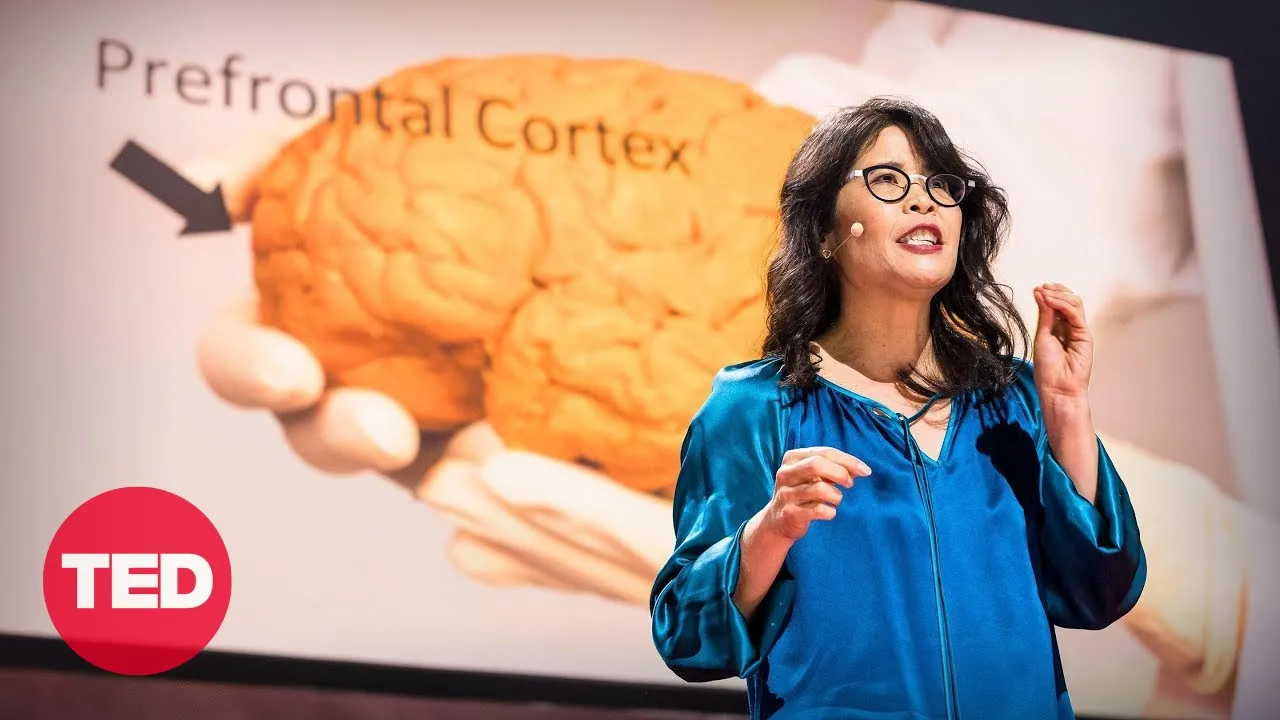
How Exercise Benefits Your Brain: Science Explained
@TED
11.4M views•2018-03-21
Related Study Plans & Knowledge Roadmaps
Structured learning paths in Neuroscience