

























Adult neurogenesis occurs in specific brain regions—the subgranular zone of the dentate gyrus and the lateral ventricle—with new neurons undergoing a maturation process spanning approximately six to eight weeks, during which they migrate, develop dendritic spines, and integrate into existing neural circuits; this process is regulated by environmental factors such as physical exercise and enrichment (which enhance neurogenesis) and stress (which suppresses it), and plays a crucial role in pattern separation—the brain's ability to distinguish between similar memories—making new neurons essential for learning and memory formation.
Adult Hippocampal Neurogenesis: Regulation & Function | Neuroscience Lecture
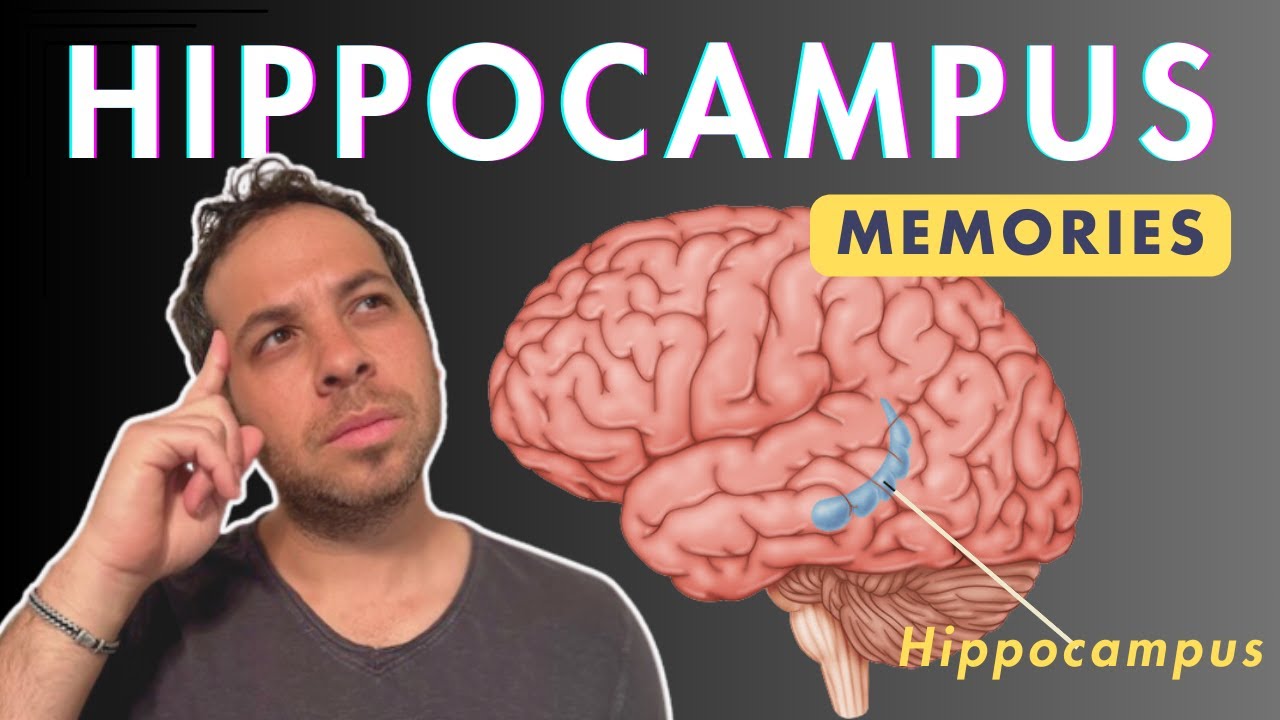
Added:Basic anatomy of the brain, specifically the location, structure, and primary functions of the hippocampus.
Fundamental concepts of cellular neuroscience, including the structure of neurons, synaptic transmission, and neural stem cells.
The concept of neuroplasticity and the mechanisms of synaptic plasticity, such as Long-Term Potentiation (LTP).
Basic cognitive psychology theories of learning and memory, including the distinction between short-term, long-term, and spatial memory.
The clinical implications of impaired neurogenesis in psychiatric and neurodegenerative disorders, such as Major Depressive Disorder, PTSD, and Alzheimer's disease.
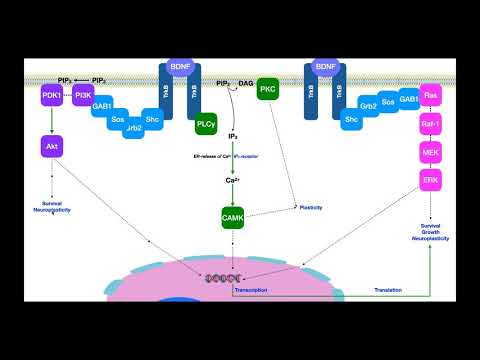
The molecular signaling pathways (e.g., BDNF, Notch, and Wnt signaling) that regulate neural stem cell proliferation and differentiation.
Computational neuroscience models of pattern separation and pattern completion in the dentate gyrus.
The impact of lifestyle factors (e.g., exercise, chronic stress, sleep, and diet) on adult neurogenesis and cognitive reserve.
Advanced research methodologies used to track and manipulate adult-born neurons, such as optogenetics and retroviral lineage tracing.
9.7K views139likes58:43Original Release: 2016-03-16
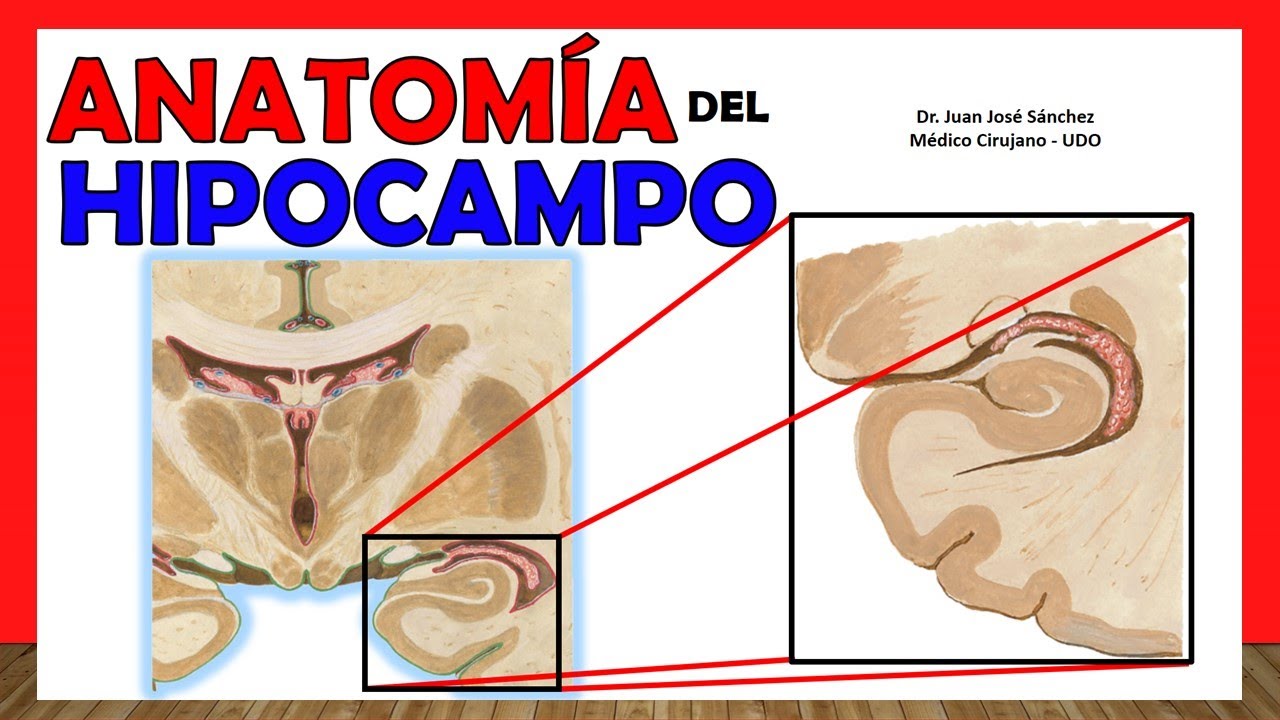
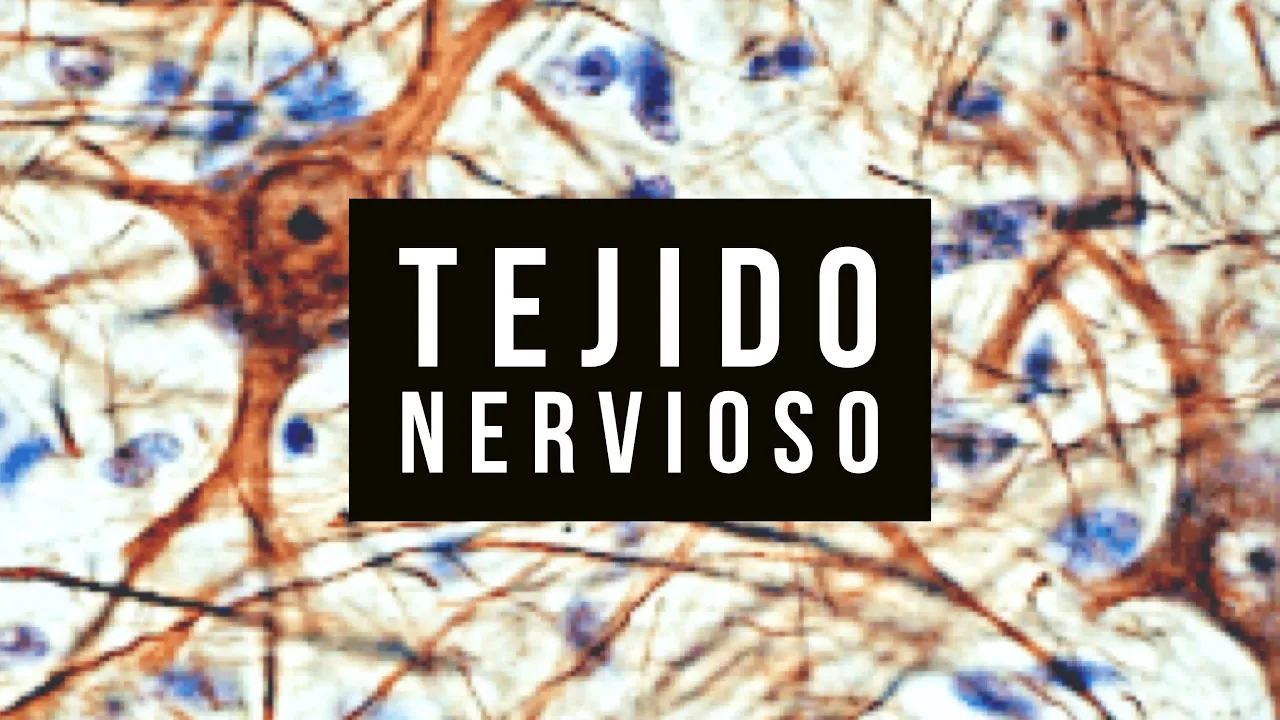
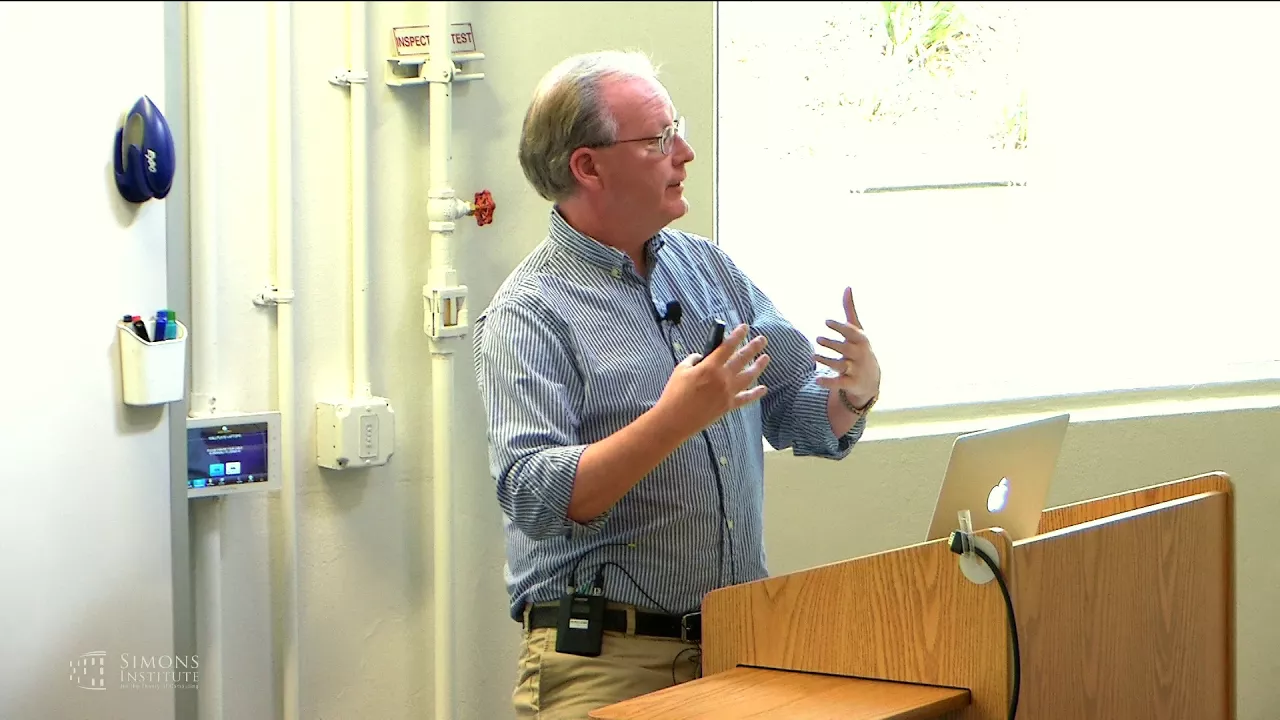
you wonder num broadcasting hi this is Fred eh I'm your lecturer for today like you to read this CME continuing education disclosure and at the end of the talk or during the talk you can post some questions in the question and answer write them down and I'll try to get to most of them as we go along or at the end of the talk I'll put some timely to answering some of your questions ok so you've read all that I'll move on to my first slide of the presentation which is gives the title function and regulation of adult neurogenesis and all these pick me today the whole idea the donor genesis came somewhat of a surprise for people to critical issues here one is that the cells were dividing all the time in the brain we have no consistency wouldn't be able to keep them memory and the other is who we are as person the second really was that how could a neuron actually undergo cell division is such a complex structure so and know that these neurons here I'm going to use my tool to point out you see how neurons are really complex structures you have branches the idea that the silicon are going to go was unusual and we have 10 billion neurons in the brain and hundreds of thousands of connections so the idea that this was resolved by the fact that two things one is that neurogenesis of the birth of new neurons did not occur in every year in the brain but restricted to just a few areas of the brain so the whole brain wasn't turning over all the time and the other point is that cells really didn't divide your arms didn't divide but in fact there are stem cells and mature cells exist in the brain and those are the ones that gave rise to the absolutely new neurons so those who are with those new facts coming along we were able to accommodate these concepts there's too many instead of the mammalian brain where neurogenesis occurs one is in the lateral ventricle region right here and the cells are born in this area here then migrate along this pathway here where they reach the olfactory bulb and once they get a ride Neil factory bulb they passed through the grandness a layer or giving rise to stem cells here but also periodically giving rise to neurons but by passing these micro areas in there I'm just learning how to do this pointer so bear with me here the other area in the brain where this occurs is a structure called campus and the campus is the structure that is involved in learning a memory and the cells are born right in here it's called a sub granular zone and this is what is themselves proliferate and then migrate and eventually differentiate not going to this one more detail so this is a real picture not a cartoon shows the area specifically of the dentate gyrus where these new neurons are being born they're represented by these green cells and I'll tell you how they are labeled all the cells in the dentate are for the most part excitatory neurons inside here we have and interestingly the cells that are for any use of internal turn I'm going to olfactory bulb they're inhibitory so there really is a difference in the faint at least of the stem cells that are in these two different areas so in a more detail about Anatomy here's the whole of the campus again here's our dentate gyrus this is called the c3 is where the fibers from the dentate project and seeing one is where c3 then projects and the inner zone between the two deletion of the dentate gyrus called Hylas we'll go into more detail and this molecular layer here is where the branches from the Granville cells move into so this is what we call a niche here's the dentate to get you oriented again these are the stem cells they're surrounded by blood vessels and astrocytes keeping these stem cells nourished they have to move away from that niche in a few days to get rise to their neurons with branches well it takes about a month to six days before the immature cell is is fully mature more like six to eight weeks here's the whole structure now giving us an idea of the dentate granule nods with the inner cells here being hollow cells inhibitory neurons that are suppressing the activity of these an excitatory neurons these new materials sending their processes out to sea a3 the ca3 then going to the ca1 and then back out again to the internal cortex it's the internal cortex each tune that gives us these cells here that then go all the way to the granule neurons they go from here to there there to there and then back out again so that's the synaptic circuit can't this how information is processed and the memories are formed so here's a diagram again and what you see here is that there is inches here this is where the cells are born and here we can see down here that there are various transmitters that regularly the fate of the cells at various stages so we have progenitor cells progenitor cells that go to differentiated cells all mature cells let me see that GABA is controlling at various stages of this process from from stem cells on down glutamate acetylcholine are more involved in the process of maturation and the M energic system is controlling them at earlier stages of differentiation you should also talk about this give you some details about this Wow but the rate that neurogenesis occurs and the number of cells that are born is influenced by activity so physical exercise like running and increase neurogenesis an enrichment can support survival so you end up with more new cells while our stress is a negative regulator and decreases in our local operating cells again the circuitry showing this inputs from the internal cortex again to get to the communal cortex to yeah from Iranian cortex the dentate didn't take to see a tree seed one and then back out again now we know the more detail about the timing of this we think that there are these very primitive cells that are non-dividing for the most part they can give rise to a rapidly dividing so that's after this division occurs this initial invasion occurs things about seven days for the first processes to get out and then they don't get their inputs till later I'll be repeating this with various examples over time one thing it's clear as we now know a lot about the molecular markers that identify the cells at various stages so the quiescent mostly quiet stem cells are if you think he positive sucks to positive intestine positive whereas the proliferating population of cells or socks to positive nest and positive and TLX positive but they're not G FA p+ these these cells here stem cells sorry these are the whites and stem cells he's rapidly dividing cells and these are the neurons neurons in the campus express variety markers that identified them as being mature in particular aprox 1 and a new variety ways to mark these cells as being newly born we use a world nucleic acid analogue called grow deoxy urging their substitutes for your genome the cells undergoing cell division so he incorporates into the DNA after a single injection so all these black dots respond to them in born cells in other cases we use transgenic animals that Express markers of the cells at varying stages in addition we use retroviruses retroviruses our viruses that can be modified to the non-toxic that express a gene like GFP that can mark the cell that undergo cell division and the cells stay mark the advantage here is it fills up the cytoplasm so here's an example of the fact that me can see this neurogenesis now in every million organism that has been identified so far so from the mouse to human and in the dentate itself was very much the same in all these structures they all have a coxswain making this human study back in 1998 visions of cancer were administered after your game to see how fast their tumor was growing and subsequently when their brains were examine it was shown that there was an incorporation into stem cells that became neurons and survived for years and their brains evidencing for the first time that there is adult neurogenesis in humans this was subsequently confirmed years later many years later the Swedish study by Spalding Andreessen showing more quantitatively than up to 800 new neurons are being born human campus on a daily basis so here's what some of these retroviral injections look like and how they function this is a retrovirus has three components the virus itself with core proteins and a pseudo envelope that allows it to infect mammalian cells easily stereotypes we inject this this virus into the brain where it is any weights into just those cells they're undergoing cell division within the within the structure here and the advantage of it is that it fills up the cell cytoplasm not just the nucleus so here are three days you can see the cells that just infected and they're very immature not many processes by seven days they have already begun to show processes and then by 10 days you have long processes going up here and by 14 days they branched and then by 21 days it's even further branching and importantly here we go only up to 14 months after the initial injection the cells are 5 and are fully integrated into the circuit here's the study asking the nature of these cells so can we use one of these markers like socks to which identifies the stem cells and be certain that they really are coming from the socks to positive cell so we've used a variety of molecular trick techniques the tutors you only have transgenic Mouse expressing socks to off the gfa expression GFP of the substitute promoter and you can see here that this the brain is its GFP positive if we now look inside the brain we can see that the dentate gyrus is gfp positive so it seems you've worked our socks to positive cells are there we need to confirm this and what I'm sorry so you can see that when we double label B some of our other markers we have soft to positive cells with long processes likely the immature radial cells and also we have some of these small amount of radial cells as there as well so socks - was labeling both the Quietus and so as well as the Richer so the advantage of this mouse is that we can actually sort for GFP and pull down this fraction of primitive cells that exist in there about 6% of the total population and in T cells they can be propagated in culture your socks - positive nested positive GFP positive beside negative negative as I show you that the proliferating cells are gaap negative whereas the quiet ones are typically positive so here were liberating the we call type tool or the pool if reading themselves these cells then can be induced to differentiate into neurons to uj1 positive double cordon as well as all of your vendor sites and energy a few closes evidencing the fact that these really are stem cells as they can be isolated propagated into different cell types now to do fake marking what we've done is to take monkey bars that has a Sox tuning promoter driving GFP slash cream and we inject that into a flock stops flux negative Mouse so when we knock out that flocks with the cream then we get recombination event occurring and the cells turn green so we can mark cells permanently that had been socks - at the time of the injection didn't make impulse would be Arnie you and father sells at various time points later to see what not that sorry what the fate of that sucks to positive cell was and when we do that you can see that here's the socks to positive cell it was at one point and some twenty eight days later it had undergone cell divisions these ones and it still sucks too that means some of the stem cells are dividing and became separating or some others I can give rise to neuron so here's a sucks to infected cell so the water sucks to under division BR new label and now it's double cordon positive and here's another one this Cox one so they have capacity for giving rise to multiple images and here's the gif a pea pod this is rare they don't give rise to gif ap sucks - I'm sorry in GFP sucks 100 cells very often usually they give advice to neurons so the conclusion here is we think that this living cell is the one that gives rise to neurons and glial cells and there is some evidence that this can also be differentiate into the kawaii as himself we think of these as the initial cell but they are not giving rise directly to neurons but rather it looks like they're given rise this intermediate stem cell then give rise to the other cell types okay so let's look at what role the local environment might play is there something unique about these cells interestingly when we post an animal increment great throw many up to your name you can find the rd labeled cells all over the bringing in the cortex and certainly the subgrade is known but also you know the white matter so why don't we get nerves in other places so what we can do is we could isolate these stem cells directly from the brain and inject them into either a neurogenic region or a non dimensional region so here we've taken stem cells directly from the brain and injected them into the pecans and they can give rise to mature when we inject hippocampal neurons into the olfactory bulb they can go only that the effective bald area in your eyes to olfactory you're not suggesting that these cells can behave according to the environment that they're in so they're not restricted in terms of their capacity if we inject them into the spinal cord what we do we see that they they don't give rise to no - Krishna there are no stem cells give rise to neurons there but if they do survive migrating here belies the kalila cells so what is it about the environment that's so important for giving rise to neurons exclusively in the olfactory bulb in the campus there's animosity image of the dentate gyrus and you can see that there's this blood vessel and these cells are in the cusp of light vessels so they're getting some sort of nutriment from the blood vessels that seem to me one of the important features of of this this is actually more power showing that labeled cells GFP green neurons here you can see the highly rich that's your nature of this doesn't seem to be an important feature of this in addition to blood vessels astrocytes are important so here we're labeling with the are you and with GF ap and they find that they're surrounded by blood vessels and with astrocytes forming this need for the cells so main let's see if there's something important about the astrocytes when we take these cells out of the brain and as cultured and plate them on hippocampal astrocytes they will spontaneously differentiate into neuron suggesting astrocytes are making something that allows them to differentiate if I would put them on astrocytes from spinal cords they don't differentiate so already we know that there's something unique in the environment that allows them to differentiate that's fine astrocytes so we've gone in to dissect out what was unique about these extra sites in the two regions of the brain we find it in in the spinal cord I started with big campus astrocytes they contained all major pathways singly so the receptor is all the way down through the TCF lot of wishes that I can a binding domain for the canonical my signal with the are missing these are the neural progenitor cells have all the signaling pathways so they can be affected by like what they don't have is any other factors themselves the ligands but when we look into the exercise we see that they are in fact contained with activity and when the test for the effect of blocking when signal we can show that we can decrease the amount of neurons that are they made so when it seems to be in vitro crucial factor in taking themselves from an undifferentiated state into a differentiated state we prove this very convincingly by using a dominant negative wind so that's a block light signaling and inject that into the hippocampus where the monkey buyers with blocks with signaling and then we look for a marker of their Genesis between you double court here's the controlled wires you can see the red it's all double court and the cells are flying with the control virus but it blocks neurogenesis and then negative Mickey virus this is the complication of that so what more do we know about this we know that narudy is a transcription factor that's really important in the transition from a stem cell to a neuron us or the middle stage and when signaling appears to be a an activator of marady in fact within the promoter of nerdy there are a number of these beta team and GCS not binding sites and is truly believe it's through this direct application activation of this promoter that the economic system turns on the mural differentiation program these are some studies showing that when you block your OD in vitro you can block the differentiation of cells into neurons and this docks regulated controlled 19 cells here in vivo in a study was published by another group showed that when you knock your idea entirely in this group here we did a complete loss of the dentate gyrus showing the nerdy is obligatory for the formation so when you get in a more general way to think that when signaling at early stages is important proliferation of the cells but then it activates a past initial cascade that induces the cells differentiate so it's a crucial factor through its activation of directing interestingly the canonical wind signaling pathway decreases as the sales beef differentiate and the non-canonical pathway plays a role in the carbonization story today we'll be able to get to today but was recently published numerous neuroscience so we've got a an interesting conundrum here we've got a new bunch of cells coming in know that they're receiving well they potentially can receive inputs from either on your cortex and then send out axons to the c3 and also get interactions with these hyper cells question is in the adult brain aren't they actually integrating fully into this into the system here is a cartoon this is actually a real picture of a GFP fox gfa p+ juice our GFP labeled newly born neuron and solutions are called spines lines come in different flavors they have these Phillip rhodium very young begin to mature they become steady in them they're little larger than the Heavy's large mushroom audience from their non-mobile and quite mature so we can quantify these in vivo and in vitro itself don't have any spines when they're 14 days but by 21 days they have a lot become very dense responds later a finer dissection shows that it's really the transition between a 15 and 16 that they get supplies my 17 year on so this is timing of spine development is very specific I mean I wanted to look very specifically whether or not the environment for chicks which is the input from the cortex TV screen themselves make contact so here's a green GFP positive cell here and we use a red virus in the internal cortex which is a linking virus and it tracks the excellences they go through the neural cortex to be to the dendrites of these cells red up here and here you can see in red presynaptic terminal on a green post net terminal suggesting that the neural cortex actually makes direct contact with and here we're taking this to the electron microscopic level so we get photo bleaching of this green fluorescent dye so the cells turn black the processes turned here's a spine in every one cell making contact with the presynaptic terminal there's all these nice little vesicles these vesicles in there you see here's their person at the presynaptic side in addition on the other side so these are the axons that are coming out of the these are the axons coming out from the mossy fibers growing up to ca3 region here we look at this higher power you can see that there are in fact mostly fiber big mostly fiber terminals from a newly born cell making contact on the dendrites and on the shafts of the existing ca3 domes so all we can see now that newly born cells make contact both with their new the more cells make contact with the inputs coming in from your neural cortex on their spines and the newly warm mostly copper terminals to make contact with their partners on the ca3 region right here you look at the time course of this and what looks like happening is that there's a temporal nature the Phillip Odia form first and then later on we get mature and mossy fiber terminals and it looks very much like there's some sort of competition that's going on we hypothesize that these these fine processes here for liquidity here compete with the existing senses and they get larger once they get there and finally they compete out and where this one's now lost and the sole new one takes its place competition and we see the same thing happening in the exons inputs music time course this process of a so we have both a presynaptic and postsynaptic competition so there's no we don't think there's actually new synapses being formed to me but rather the formation of competition of a pre-existing synapses that constitute this process here's a cartoon of that so you have a previous image here's the new Tripodi coming in over time they had this direct competition and one runs out there are a bunch of theories and other people are testing this hypothesis right now one suggestion is that the astrocytes which were not depicted in here are playing some key role in regulating this but it remains to be seen this is on the presynaptic side the new terminals coming in from the movie for themselves are competing for this spy existing synapse so we know now that they make anatomical connections the question is are they physiologically the first evidence for physiological and electrophysiological activity these newly forming cells came in 2002 2004 interesting paper showed that the young cells when they're moving in have a different activity there they seem to be hyper excitable and this was confirmed later on so what what is this hyperexcitability all about so I want you to look at here are some electrophysiological tracings that show that the immature cells so here we'll look at one month one month of age in the new so the cells are one month of age and immature neuron and this regular LTP like response is close a longer term or hyper excitable LTP whereas immature cells we have an LTP but it's much lower level so this is the hyperexcitability has been reported by many investigators of the young cells that seems to go away so people wanted to know what this hyperexcitability really is all about it does show that the four-week-old animals have this hyperexcitability from baseline whereas the eight-week-old don't have it in the presence if you don't block in addition gaba so there's so much gaba normally you miss slice these things if you block gaba you you can see the hyperexcitability but interestingly young animals it doesn't matter if you brought gaba or not they're hyper excitable that gives you a hint of what I'm going to tell you about in a minute and that is that the so distorted a little bit but that here's this hyperexcitability in young cells and if we give gaba we can suppress that however in the old cells we have to block gap in order to be able to see the elevated amount of LTP so if you have explained two different roles in the young versus the old cells so what's the source of the in addition that we see actually here's this campus again we've got a lot of inputs I told you that these transmitter systems could regulate neurogenesis and they also have excellence into this area but what is the source of the gaba that we've seen we use the technique called rabies virus tracing your little tracy mcgrady started reading letters naturally propagates between neurons in a retrograde manner and colleagues here at the swamp join young and weaker Shaun in Callaway's lab developed this as a technique to convenience or trace of neurons and they use a modified rabies virus which is normally toxic so they jump across more than one synapse that's restricted to only label cells that are connected to them - like mono synaptic connectivity and I'll show you an example of this here we have the model that we used and this is based transgenic animal by lincoln floor stand which has a flux top which normally prevents the rabies lipoprotein from being expressed and if you use a Kree retrovirus which is only been labeled with dividing cells remember we can flux this out and express this TBA so now we can come back at a later time point with Wiress the rabies virus which has a deleted glycoprotein and ejected and whenever we want and see who's connected to the newly born self right at that very moment so it's a very effective way of selectively labeling just a newborn cells and this was that some more yours just showing that it work she proceeded in yellow or the double labeled cells of a are the cells that were originally labeled in the red ones without the yellow of the cells that are connected to those cells so this is all within the dentate so there's a lot of connections right there nearby but if we look distal to it here we are in Iran cortex maybe that's layer two so those are the cells that connect to that really bore themselves and this is showing that they're connected through validation of technique works interestingly in the medial septal area we're getting nice connections : your cheek and GABAergic neurons that are in the medial septal area that project into new b1 cells and we see in the mid brain cells that are as expected we see cells in the Hylas these are these large Highland mossy cells these are in fact excitatory as well as inhibitory neurons in meeting connections we have a little bit of surprise in a molecular layer so this is where the dendrites are we found these large cells that had been identified by Thomas point and need a new jockey some years ago molecular called mob cells and they are also connected to the unit point cells this is single cell this is almost in critical axonal processes sound as an inhibitory cell also has a control from this region when we record from these cells we see that they are in fact inhibitory cells in this lens so the theory and we think how this works is when a stimulus comes in from the environment cortex we have some direct input to the granule cells but there's also a feed-forward in addition here there's some missing a line go through these inhibitory neurons to shut ourselves off and you can see the timing of this so this is a excitatory postsynaptic terminal epsp with short duration that would be the direct this would be the direct connection from the neuronal cortex here and then you have this one here with the delay and that is because you're recording from here and you're going through the inventory notes before you get there so you have a delay so the first is an excitation followed by an inhibition making the regulating as the duration of the response so here we have potential for a feed-forward and a vision mechanism from the molecular layer feeding medium this maturation dependent in addition at the midpoint and here just gives you a summary of these lop cells that are they're called and molecular layer the trainer and we identified and that the brain is also received from both of these locations so the conclusion is that cortical and subcortical local dilatory inputs are identified by genetic rabies Jenica irises even babies during maturation mobile inhibitory inputs through our neurons are gradually increasing it become excitatory this is during all the critical period this developmental change in in addition has a dual role it can increase societies that they are able to respond to environment in an exaggerated way but it also acts to the timer because they may turn down and become more over time so let's talk about another feature that I mentioned to you before about different environment events that affect your genesis we have enrichment exercises I mentioned can increase your chances in terms of learning it's negative things like epilepsy stroke increase neurogenesis they increase neurogenesis but cells that are for more aberrant there's also a lot of things that decrease neurogenesis genetic changes stress aging very smart and models and actually in the clinical tissue for 18 diabetes intimate issues this is the example of attrition environments so here's an almost normal housing enrichment and you can see here very dramatically that there's an alliteration there cells in the money pages and this increase in writing can an enrichment here for example can result in forty five to fifty thousand in neurons over 30 to 45 days and the ball unit entry increases so this is a highly regulated phenomenon experiencing regularly here's a here's a picture of the mouse on the money this is actually manufacturing picture that they usually running running also have these super close to four little humor but the truth is that there's this is the distance and this is not granule itself and there's a good correlation treaty - interestingly there's a decrease in neurogenesis with aging dramatic ears that six months versus 21 months in a rat decreases we asked whether or not old animals increases neurogenesis could be activated by mining today i'm mr.kidding brdu and Brandon O'Neil and they were tested in water near nineteen months of age what we see is that the old runners in a sedentary situation had a lot of hard time finding the means deciding and this is documented here showing that the aged animals that the ancient animals that had writing experience and this is these guys here in the circles they performed latency nearly as well as Nino controls so not only are we seeing an increase in their Genesis what we're seeing a an increase in performance in these here's their quantitation on the performance this is the young animals that are running it over the world here's the young animals and what we get is a significant increase in the performance of all the animals that had some money experience in there if we look at atomically in old and yummy materials a decrease but there is a significant increase so here's the old guys the label be are you winning can bring them up to the level you know that we're not running it doesn't bring them up to running but it does increase and if we look at their GFP labeling from retroviruses these cells that are born in the old soul bring our maturity of spines and they look so if you can get a new cell to be born it's good so now we learn at the final stage to try understand if these are functionally significant what all these new neurons they play and there's been a lot of study he's trying to figure this out most summarize a few of them and they're based on a series of computational models that have tried to map out the possible role that the dentate may play in a function that we know of as canvas that we know that the canvas plays the model was based on the more recent movement based on an older model by David Marr who suggested based on the density of in Tate where they have so many neurons compared to their input in our cortex that it was a great location for what's called sparse vacation and when he later described as pattern separation so keeping memories distinct is one of the functions in the dentate the process is taking complex memories and converting images representations that are less easily confused in this process is known as pattern separation the model goes on to say that the particularly the new neurons are involved and have an integration where the mature neurons are involved in pattern separation that the timing of this neurons least typical dynamics we can have calendar type memory and some specialization of these cells Wednesday so here's a practical example when you park your car and the location beginning today you come out in the day it's a big parking lot you're not parking the same place each time you have to recall what you did that morning and separate that from the other mornings that you come out that's a separation here's an animal version of it this is an eight-armed maze and these red bars respond to the these red bars here correspond to the house separate the bars are so the animals put into the maze at this point and then they have wounded into the maze on one trial they go down and get food and then on the second trial they have to remember to go to the other and they're taken out and put back in time and some of them are very different from each other and some are pretty close and what's clear is that when you knock out neurogenesis jam animals have a pretty high rate of learning this at this low rates low separation but you knock out American assets and they have a much harder time when you're very separate from each other both blue stroke this will come here's another task where an animal has to press a bar press their nose against these windows here when they're separated far apart like this it's high separation it's easy for the animal to make the discrimination between they seeing the seeing here here the first time and here the second time versus when they close together it's harder to make that distinction and curious showing that again on this second task that if you knock out neurogenesis they have taken many more trials to criteria than to the Sham animals but when it's very easy to discriminate and we have been proud we want to show that if you run the animals and let them run their running we know that you actually enhance their ability to make discrimination and small differences so both knocking down and over pressing neurogenesis has a reciprocal effect on this type of pattern separation is been tested in humans too and with a very very similar result there's a paper by Craig stark and science in 2008 so a lot of people have published work on this idea of neurogenesis and pattern separation and all coming up with pretty much the same conclusion so we're going to so do let's test this a little bit let me show you one more test here and here we have a a an example of a mouse that has a nest and driving TK the time you can kinda needs then you give gen cyclope R to these cells that are dividing and they'll die so it's a selective way of knocking out just the dividing cells or bring in cells their nest in positive way to look wise that fact and when you do that you can show that that's a repeated Testament in cyclic you not got about 50% of these it comes back in time so if you stop giving the drug them you know pick up again so here we are so this is a test we've done to look for that separation in another sense and then you wait for a period of time and exposure to that box or to a slightly different box and so here's the pattern separation they're very similar boxes and what happens in normal animals can make this discrimination though it's a little tough for them they normally freeze 40 50 seconds and they're showing your ladybugs they they can tell the difference statistically but it's tough if you knock out neurogenesis they can't tell them all if you wait nine weeks it comes back again so they can they can actually recover neurogenesis recover their ability to make these apparent separations this is just to show that in fact it's saying in effect that is dependent upon it being a closely related box it's a very different box so this this year would be the very different from this box then we had no trouble even without a very Genesis the neurogenesis really is important only for discriminating between closely related objects so four-week-old hyperexcitability neurons are not mature neurons and are required for pattern separation the neurons are only required to disagree in small differences between practice and let's get this and come to the conclusion and say here that the brain is the organ control behavior neurons continually made throughout life you've really been making neurons is dependent on behavior in experience we've learned about running and exercise and the depend on those kinds of things your behavior can just affect the structure the brain which controls behavior thus learning music instrumented we're deeply experienced a new event can activate in neurons and this could appreciate this could help appreciate the finer details that exist in life so last 20 years a lot of progress in adult neurogenesis much more you learn of mechanisms and new technologies are needed to visualize and see needs in the future so stop hearing thank you for your questions the go over here to the Q&A part and what are your articles you've written that new important rooms are different we act differently than old ones newborn neurons fires up at anything I'd like to know that that case how the memory is stored or replaced in that case so they are different should I just try to respond to that question the new neurons neurons do respond differently the new neurons when you're four weig olds they're hyper excitable they have a lower threshold for firing they have less inhibition and the old ones are highly limited and sparsely respond like to know that in that case how so we don't really know what the source of the in gram is or how information is stored within a particular cell but the idea is that that excitable moment hyper excited the Lord makes some change in that cell that once it's mature its maintained and that is a wonderful question of how its information stored within the brain within a cell I think it has there's probably some molecular event that occurred I see so anyway does a link from experience to the innate immune system and the creation will affected receptors extend into the creation of ignorance that's a great question there is a significant amount of evidence now suggesting that the immune system is regulating to some extent neurogenesis in particular in the endogenous immune system is it's reflected in the microglia within the in the brain and those mic media are definitely involved in regulating adult neurogenesis now whether or not that involved in the olfactory receptor gene creation I'm not sure about that I know mostly done that but I would not be surprised sucks - cells can differentiate into all injuries as well right they can but in vivo they rarely do different change into all the danger sites you don't see all the new site differentiation in vivo very often in vitro enforced conditions to make them old in inter sites but not not in vivo let's see yes further shown an ASCII such an expression caused in neural stem so different you know finish sites so at the time to warm to August all your dinner plates to for my landing neurons it's true it's true that refers back to the previous question by the same person I see ok yeah so if you force ASCII or mash one in your neurons you can you can get them to express it but that's a it depends on the to the concentration that your you're using normally it doesn't occur but you can force it that's a good point thanks for reminding me professor if newly born neurons if you leap or neurons compete from pre to post synapses does this mean that older cells have a pitocin you know you have to think about this at the Senate just every every newer ones got thousands and thousands and 5,000 expected five thousand synapses on each granule neuron so the competition is just at that individual level so gaining them using a few synapses may not result in death on the other hand if you do mean if a cell loses enough synapse that will occur with it and we do see some advertisers economy with age but it's not it's not a dominant feature it's not dummies regulatable one hello would it be possible for you to post a list of papers that you referenced through this lecture in future well certainly look into that shame to your point there is a review written several reviews about this and one of them in physiological reviews and the 2014 is a good summary of them very very long chapter with hundreds of references they began as you said increased activity increased nurture this is why this is like more exercise means higher in my control so what people think about the reasons why neurogenesis increases with with exercise is because two things one is its serotonin he takes this to some extent insulin IGF ones involved in it and they'd activity in hippocampus is involved so we know several regulators we don't know all the details but there are endogenous mechanisms that are affected by exercise which will we should each affect neurogenesis and we think that they're mediating it's not it's not wrong to implicate mitochondria I'm sure mitochondria are playing a role in this as well still much work needs to be done how do you relate the brain plasticity when learning what okay how do you relate the brain clusters english-learning well you know if adult neurogenesis is a form of playing plus two C which it certainly is and we believe that these cells are important for learning information particularly but as I said things that are closely related to each other and my complete are playing a pretty strong role particularly we think there's there's evidence that they're playing role in making these new synapses bye-bye gobbling up and thanks to tying the existing synapses on the surface itself so yeah Michael payroll what foods slices I'm losing questions how much time can elapse before synapse rebuilding related to recovery happens how much time can elapse before snaps rebuilding recovery happens you know that's going to be determined append on the circumstances looks like my time is up you enjoyed this thanks very much bye
Up Next

82:48
Adult Neurogenesis: How Neural Stem Cells Shape Our Brains
@shasthrasnehi2264
2.9K views•2021-01-17
21:55
Deciphering Neural Circuits Controlling Anorexia in Mice | Richard Palmiter
@AllenInstitute
2.3K views•2011-10-10
66:42
Cracking Neural Circuits: High-Res Physiology & Connectomics
@Labroots
236 views•2020-03-31
13:03
How Exercise Benefits Your Brain: Science Explained
@TED
11.4M views•2018-03-21
Related Study Plans & Knowledge Roadmaps
Structured learning paths in Neuroscience
neuroscience
Appetite Regulation: Brain Circuits & Hormones
01Foundations of Endocrinology and Brain Anatomy
02Introduction to Energy Homeostasis
03Peripheral Signals: Leptin, Ghrelin, and Insulin
+ 2 more learning modules
14h5 modules
Explore Roadmap
neuroscience
Neuroeconomics: Value, Risk & Brain Mechanisms
01Foundations of Neuroscience and Brain Anatomy
02Introduction to Neuroeconomics and Subjective Value
03Dopaminergic Prediction Errors & Reinforcement Learning
+ 3 more learning modules
18h6 modules
Explore Roadmap
neuroscience
Spatial Navigation: Cells, Grids & Brain Maps
01Foundations of Brain Anatomy and Memory
02Place Cells and Head-Direction Cells
03Grid Cells: The Brain's Coordinate System
+ 2 more learning modules
12h5 modules
Explore Roadmap
neuroscience
BCIs: Neural Decoding & Prosthetic Control
01Neuroscience Foundations: How the Brain Signals Intent
02Signal Acquisition: Recording the Brain's Activity
03Neural Decoding: Translating Brain Waves into Data
+ 2 more learning modules
25h5 modules
Explore Roadmap