

![Totipotent, Pluripotent & Multipotent Stem Cells - What is the Difference? [Cell Potency]](https://i.ytimg.com/vi_webp/6vkFU5dWjTU/maxresdefault.webp)


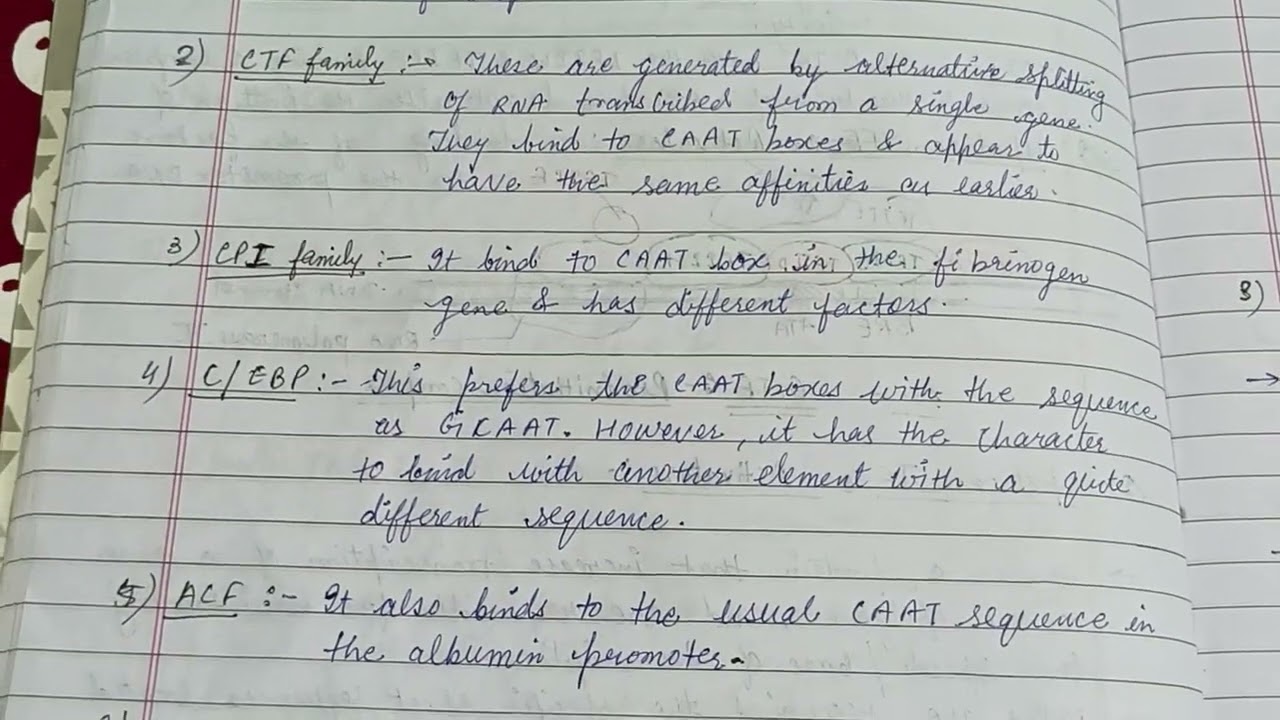

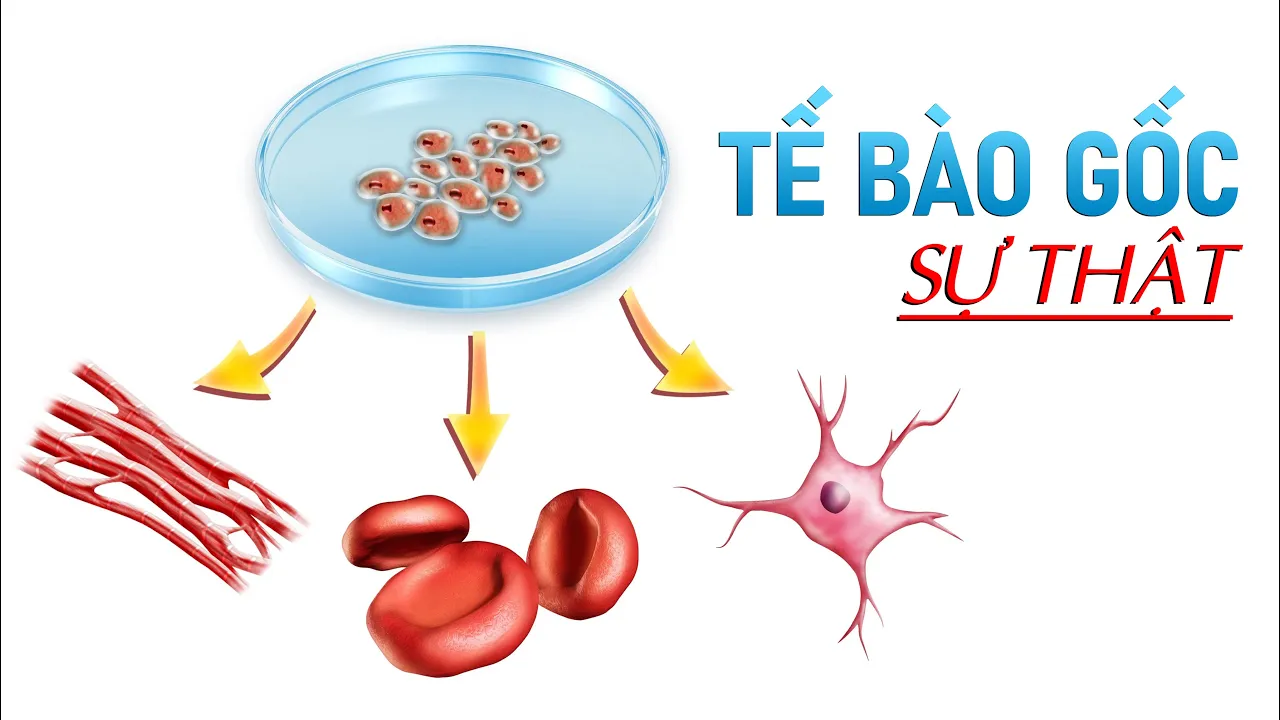



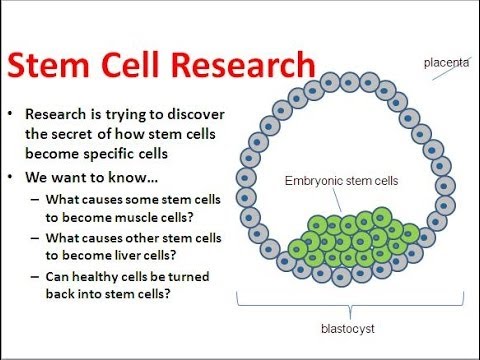




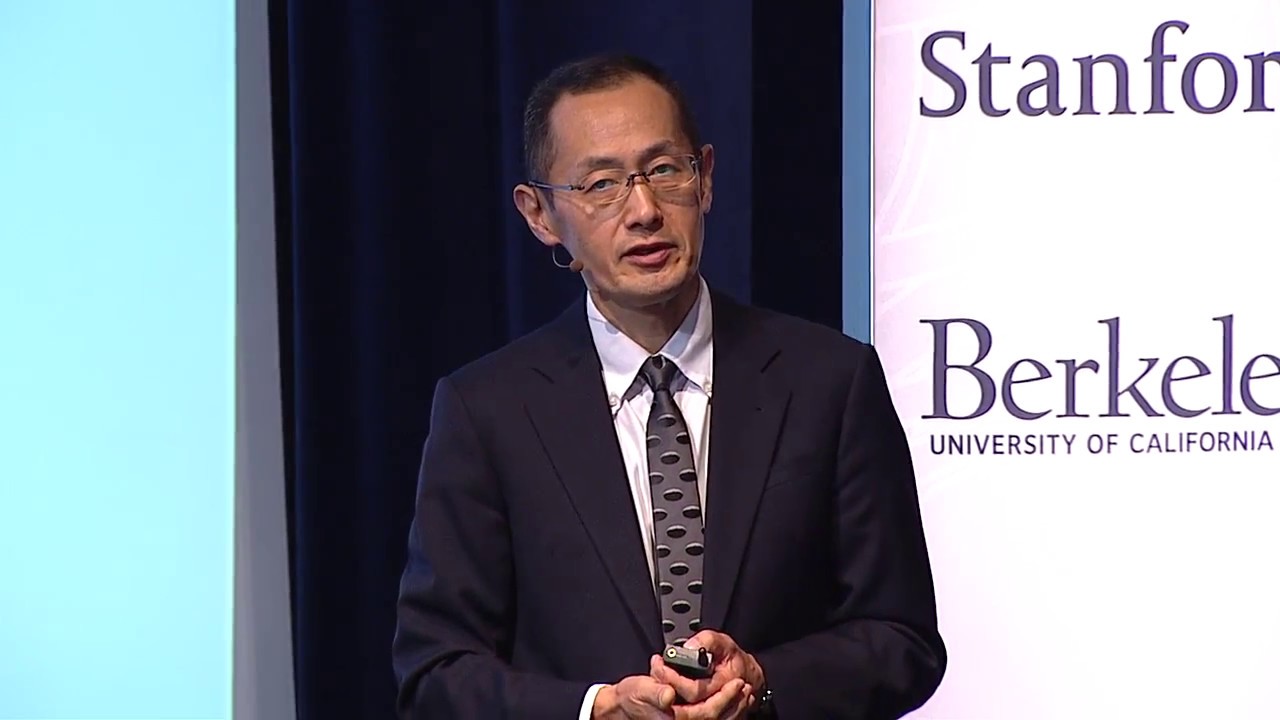







Induced pluripotent stem cells (iPSCs) are created by converting adult somatic cells (such as skin or blood cells) back to a pluripotent state using specific transcription factors (typically Oct3/4, Sox2, Klf4, and c-Myc), enabling unlimited expansion and differentiation into any cell type for regenerative medicine and drug development applications.
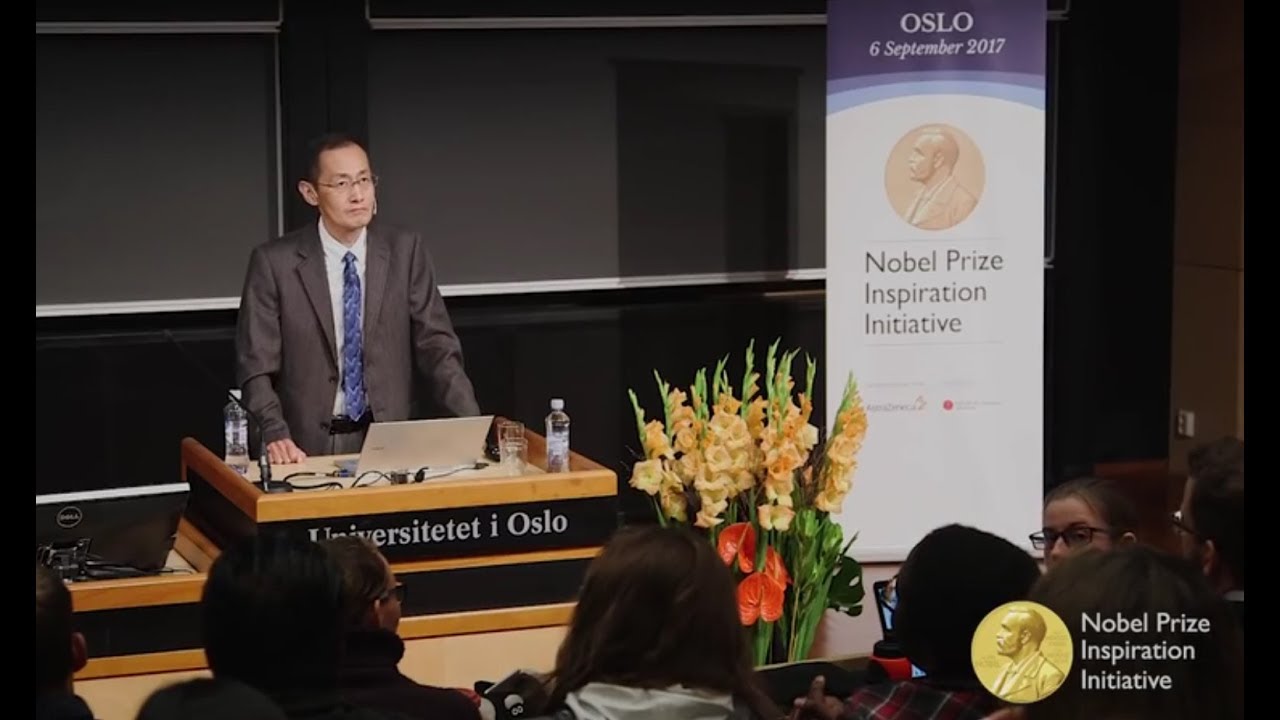
iPS Cells: A New Era of Medicine by Nobel Laureate Shinya Yamanaka
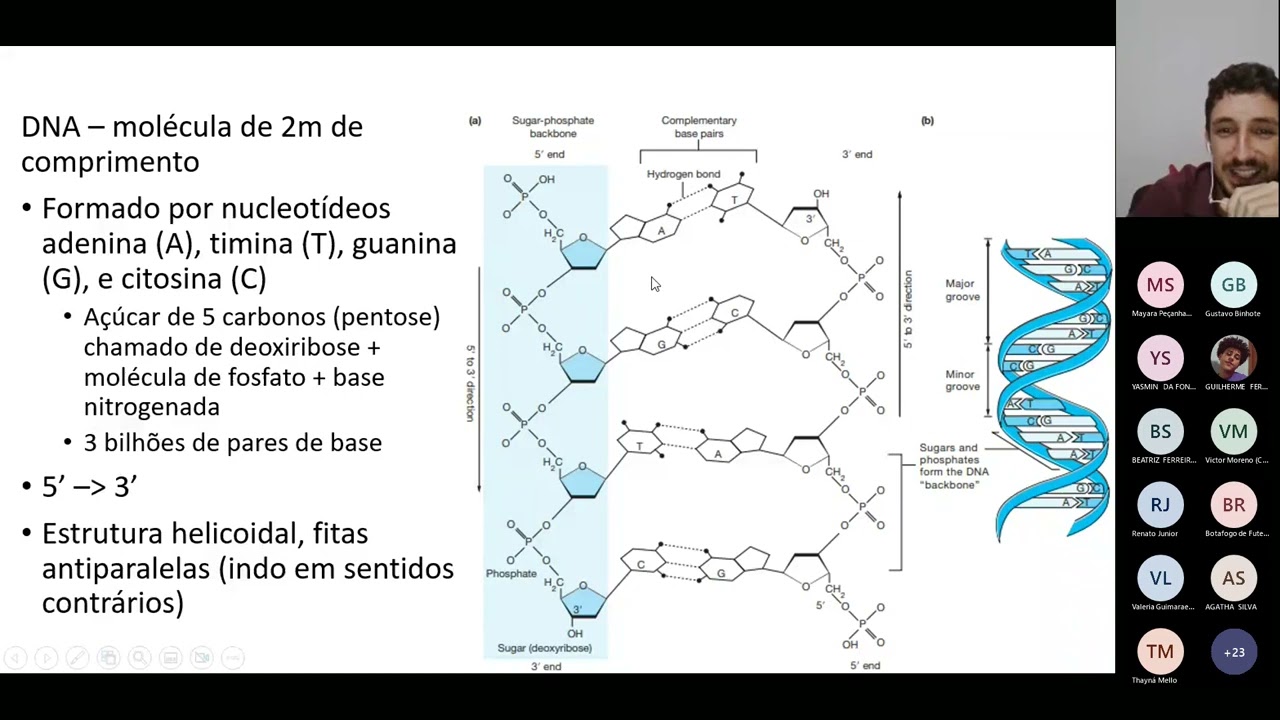
Added:Understanding the basic structure of human cells, DNA, and the process of gene expression and regulation.
The fundamental differences between somatic (body) cells and stem cells, including the concepts of cell differentiation and potency (totipotency, pluripotency, and multipotency).
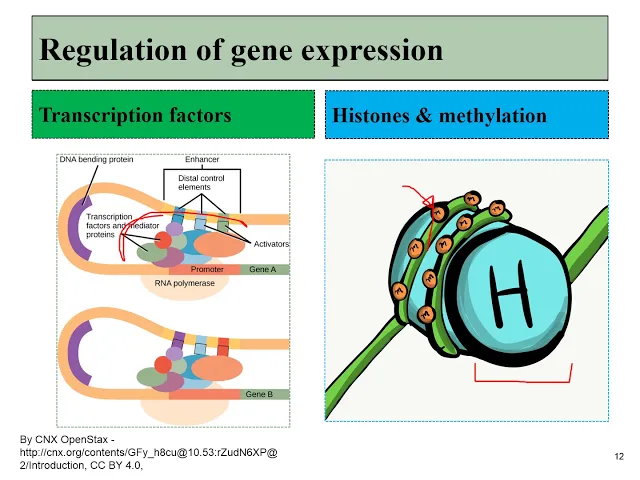
The function of transcription factors in molecular biology and how they control the transfer of genetic information from DNA to RNA.
Basic historical context of regenerative medicine and early embryonic stem cell research, including the ethical debates surrounding them.
The specific molecular mechanism of reprogramming, focusing on the discovery and function of the four 'Yamanaka factors' (Oct3/4, Sox2, Klf4, and c-Myc).
Clinical applications of iPS cells in disease modeling (such as 'disease-in-a-dish' concepts) and high-throughput drug screening.
The use of patient-specific iPS cells in personalized medicine and autologous transplantation to avoid immune rejection.
Current challenges and safety concerns in iPSC therapies, including genomic instability, immunogenicity, and the risk of tumorigenesis (teratoma formation).
Advanced integration of iPS cell technology with CRISPR-Cas9 gene editing and the development of 3D organoids.
126.7K views2.6Klikes1:17:30Original Release: 2017-09-17
[Music] I I'd like to express my sincere thanks to diversity of Ostrow as to Seneca and Noble medium for having this great opportunity so as you heard in the introduction I started my career as a sergeant long time ago almost 30 years ago and I started my presentation with a picture of a person of a man who I respect the most actually because of him I became doctor surgeon this is the person do you know him I will see him in textbooks I don't think so because this is my father so I think he is very handsome I write his hair actually and I'm envious so my father was not a doctor or a scientist he was an engineer he had a small factory and when I was a junior high school student he got a small injury while he was working on his own factory which resulted in blood transfusion so his injury itself was okay but because of this blood transfusion after that he suffered from hepatitis other time he was diagnosed as non-a non-b hepatitis so we didn't we did not know the cause of his illness because we did not know the cause of his illness of course there was no cure for his illness no no B hepatitis so he became worse and worse he suffered from liver cirrhosis then he started saying me senior you should become a doctor you don't have to take over my own business that you should become a doctor I don't know why he said so or because I was his I was his own son so I was supposed to succeed his business but he told me not to do that instead he told me to be a doctor so I listened to him and became a doctor I in 1987 at the time he was very sick he must have in pain but when I gave him some small medical procedure I from transfusion he seemed to be very happy even smiling by receiving medical procedure from his own son so I thought he must be very proud of his own son becoming a doctor unfortunately however he passed away next year so he passed away in 1988 when I was 26 years old so I still needed him a lot so that his passing was very shocking to me I felt very I felt powerless useless I became a doctor but I couldn't help my own father that was I believe one of the main reasons why I decided to change my career from a surgeon to a scientist because I believe it is a medical science we can help those patients like my father we were suffering from intractable diseases so let me talk a little bit about my own my father's illness one year after my father passed away this virus was identified in u.s.
hepatitis C virus it was identified in 1988 19 1987 I'm sorry 1989 I will see you in jet rock I'm sorry because now that this virus hepatitis C virus was identified many researchers jumped into researches trying to find cures or hepatitis C and thanks to those many researchers there recently we have a cure we now have this solar disease in Japanese but this is harvoni this is a very nice medicine for hepatitis C just one tablet each day can cure almost 100 100% patients suffering from hepatitis C virus one tablet for three months that's all you need to do so it's like a miracle so this is what we medical scientists want to achieve we want to overcome diseases by doing science this is what we want to do and this hepatitis C the history of hepatitis C is a good example of a success of medical science because now we have overcome hepatitis C thanks to basic medical science so this is very good at the same time the history of hepatitis C query shows two problems two hurdles we are we medical scientists are facing two issues the first one issue was that the virus was identified in 1989 and the cure was developed in 2014 so it took 25 years it took 2 wrong well science did overcome but it just took too long this is the first hurdle we are facing we have another hurdle we have another problem in medical science how much do you think this one tablet cost this is such a small tablet very small it costs 500 US dollars I believe it's 3800 kroner in this country one tablet so you need to multiply 19 so it's too expensive so these are the two issues we are facing it takes too long and it's too expensive so overcoming these two programs is as important as overcoming diseases itself let me go back to my own science I did I was not involved at all in hepatitis C research I got my PhD in Japan and I did my postdoc in San Francisco where I met es cells embryonic stem cells since then I have been working on embryonic stem cells but I realized a big ethical issue about human embryonic stem cells that is we need to use human embryos to generate human ES cells so I tried we worked hard to overcome that ethical issue about the usage of human embryos then in 2006 we were able to publish this paper from Mouse skin fibroblasts we became able to convert skin fibroblasts into stem cells that are nearly indistinguishable from embryonic stem cells we designated this new type of stem cells iPS cells for induced pluripotent stem cells so the procedure was very simple all we need is a combination of full transcription factors that listed here acht 3 4 socks to klf4 scenic we now know Simic is indispensable so basically three factors can convert skin cells back into IPS cells stem cells in the following year 2007 we were able to recapture 8 same procedure in human adult skin cells so by having the same combination we can convert human skin cells back into stem cells iPS cells so that means we can make your own IPS cells from each of you the procedure is actually surprisingly simple we had a hard time to believe in the beginning so but we repeated the same experiment again and again and to our surprise it was it is very reproducible so in the beginning we used skin fibroblasts to generate IPS cells but now we can make IPS cells from many types of somatic cells the most frequently used cells as an origin of IPS cells is this cell that more precisely brought reinforced i'ts so all you need is just one vial like 10 ml or 20 ml of blood peripheral blood sample from this by adding that combination of three or four factors we can convert info sites into IPS cells as you know info sites cannot proliferate to a large amount we can expand a little bit but that rather limitation and also our info sites no matter how long we wait they are lymphocytes they cannot become hard sell a brain cell but by adding those transcription factors we can convert blood cells into IPS cells so this is a colony of IPS cells I believe we have approached approximately 500 IPS cells in this one tiny colony each IPS cell is right 10 micro meter so one of the smallest cells one one smaller cells but well they're very small in size that the potential is enormous once again they have two very important properties first of all we can expand IPS cells as much as we want as you may know we culture IPS cells or other types of cells in this kind of plastic this petri dish a 10 centimeter from a very small amount of blood cells we can have hundreds or even thousands of petri dishes containing IPS cells your own IPS cells and after expanding to a large amount by treating these IPS cells with with some cytokines growth hormones we can convert IPS cells into many types of cells for example we can make this kind of beating heart cells in hundreds of petri dishes from IPS cells they are beating they they synchronize so we can see them beating even without microscope considering these cells used to be skin or blood cells even now I feel a bit strange whenever I see them fitting they have stopped that so once again our vision is to overcome diseases by doing science so by using IPS cells we can we want to overcome intractable diseases there are two major ways to do that one is regenerative medicine also known as cell therapy the other one the other application is drug development so for example my father passed away from Giver failure we could help patients suffering from end-stage liver failure by transplanting papers but in countries like Japan organ transplantation is next to impossible because in Japan brain death is not accepted so like liver or heart transplantation is very very very limited in Japan but by a prime dis technology we can make IPS cells from my father's blood cells we can expand my father's IPS cells as much as we want then we can we can convert at least in theory my father's IPS cells into his liver cells then instead of instead of liver organ we can transplant healthy liver cells back into my father back into patients so that's how we do in regenerative medicine also by using this technology we can prepare a large amount of human liver cells otherwise it is very next to impossible to obtain a large amount of human liver cells I believe that was one reason why it took 25 years for a drug company to develop harmony with this technology now we can have researchers at pharmaceutical companies like Astra Zeneca have a large amount of human liver cells heart cells or brain cells so that should facilitate drug development so with this technology I believe we could have certain that 25 years I don't know how much it could be I don't know 20 years or maybe 15 years but that's how IPS cells can contribute to drug development so let me give you a few more examples about each of these two major medical applications let me begin with regenerative medicine it's been 10 years since we reported the first generation of human iPS cells to my surprise one visitor one group in Japan has already started a clinical trial using human iPS cells that is dr. Massiah Takahashi she is an ophthalmologist and also very famous neural very very famous neuroscientist so she has been working on age-related macular degeneration in which a layer of retinal cells known as retinal pigment epithelial cells becomes degenerated because of aging because of that patients are losing vision hard protein dr. Masaru Takahashi steam generated IPS cells from patients on skin cells and then they converted IPS cells into a sheet of retinal pigment epithelial cells which is shown in this petri dish and they transplanted this small piece of [Music] epithelial or pigment retinal pigmented senior cells back they transplanted this small seed back into patient's eye they performed the first clinical trial first surgery almost three years ago in 2014 and the patient is doing very well before the surgery her vision was getting worse and worse every month but after this surgery it stopped so her vision is now very stable whereas the opposite site to which she did not get this surgery it is almost righted by now so I would say this first transplantation was went very well was very successful however she's stopped after this first patient there are two major reasons one reason was a legal reason in 2015 our country Japan established a new role regarding regenerative medicine to ensure the surface of vision in medicine because of that new role or dr. macer takahashi had to start from the beginning all paperwork's so that was one reason she had to postpone this clinical trial but there's one more scientific reason we helped this clinical trial or in many aspects and we found this kind of cell therapy using patients on IPS cells was too expensive it took almost 1 million US dollar for just one patient so we thought it was expensive and it took almost a year to do all the processes required to generate IPS cells when a patient's to the quality control of IPS cells to differentiate IPS cells into retinal cells and to the final or quality checks of retinal pigment epithelial cells prior to transplantation in total it took almost a year within that year patient's condition can change in for other patients like patients suffering from heart failure or liver failure many of them cannot wait for one year they may die so once again the cost and also all time required for auto robust transportation was the biggest part we learned from this first clinical trial in order to overcome those two practical hurdles we are now working on this project IPS or stock for regenerative medicine so in this project instead of making IPS cells from patients on drug or skin cells we are making IPS cells from healthy donors so it's allografts it's not autogas transplantation since it's not autologous transplantation we can save time and money of course but we need to overcome immune rejection because we don't use patients on IPS cells in order to minimize immune rejection we need to match immunological type between donor and recipient more precisely we need to match its la Jara type however its array haplotype is very diverse there are more than 10,000 subtypes so none of you in this audience has the identical or h0 haplotype unless we have an identical twin in this room so that means we need to prepare thousands of IPS or stocks it's not practical instead we are making IPS cells from so-called super donors super donors actually homozygous donors I don't I want to go or in detail but those super donors are super because when we transplant their cells like IPS or derived retinal cells IPS arrived brain cells into recipients we can minimize we can expect very small amount of immune rejection so that's why we call them super donors so we are now making IPS cells from these super donors but super donors are very rare it's usually one out of like five hundred people so we may have one what will super donors in this audience but in order to identify those one or two super donors from these this audience we have to determine ETA haplotypes of all of you it's a lot of work but very luckily we are now getting help from Japan Red Cross who has been working on programs like preterite transfusion or bone marrow transplantation and also called blood banks so that means they have a huge database of Japanese actually haplotypes already close to million Japanese people so now that we can access to the huge array database we can easily identify these super donors so once we identify these super donors we get informed consent from those potential donors and once we get consent we get blood samples then we transfer those blood samples in our CPC cell processing facility in research institute in kyoto where we are making clinical grade GMP grade IPS cells we have enough time to perform rigorous quality check and we only ship high quality IPS or stocks to other researchers in academia as well as industries so so far we have generated iPS cells clinical grade IPS cells from two super donors I would say they super super donors because just two donors IPS cell lines from just two donors can cover up to 30% of all the Japanese corporation so that means just two donors they can they could help up to 30 million Japanese people so they are really super super super so once again this is the process of autogas IPS cell transplantation once again it took too long and it it is too expensive but by applying IPS cell stock project we can skip this initial portion so that means we can lower the cost and we can save time tremendously once again we have already shipped IPS or stocks from two super donors and to our delight the same doctor dr. muscle Takahashi has already studied clinical trial using our IPS or stocks she performed operation this March March 28th this year so because this is allografts this utilizes IPS or stocks that means we can't run we can transplant cells too many patients simultaneously in autologous transplantation we can do only one by one so it would take very long but because this is all grafts we can transplant multiple patients we see started this first patient in March but she has performed many more patients already it's she will publish it when it's ready but I would say she's doing multiple patients by now in addition to retinal disease many projects are going on in Japan and also in many other countries using IPS or stocks for example or Parkinson disease like corneal disease heart failure spinal cord injury blood transfusion cancer and also arthritis blood transfusion now we can get enough blood from donuts healthy young donuts but as you know or Japan is a grain society Japan is probably the fastest fastest in terms of aging and also we are having yes and this younger generation so in countries like Japan we are facing a huge problem in five years we will sort on blood dollars so millions of people will die because of the shortage of blood transfusion it's a huge huge problem so this application we are now making trade rates as well as red blood cells from IPS cells this should help that kind of shortage of blood donors and also we can make T lymphocytes attacking cancer cells from IPS cells that we would facilitate cancer immunotherapy which is a very [Music] trendy therapy in in cancer so let me move on to the second application of IPS cells that's about drug development so as I mentioned previously we can prepare a large amount of human liver cells heart cells and brain cells those cells can be utilized in any types of drug development for example or Alzheimer diseases but in today's presentation I would like to focus on another type of disease which is known as rare diseases one example is this a less neo trophic lateral sclerosis this is a form of motor neuron diseases so this is a typical symptoms of patient the patient progressively lose the muscle movement beginning with the fingers then speech in the end they cannot breathe without help of a spreader because motor neurons progressively progressively die they cannot so the brain message cannot be transmitted to peripheral muscle so muscle itself is not sick its motor neuron disease that because of that they the muscle become very atrophic in us this disease is well known as Lou Gehrig disease Lou Gehrig was a very famous and popular baseball player long time ago seventy years ago but in one season he suddenly became unable to fit well so everybody including himself thought he was in slump but in Garrity he suffered from this areas and he had to retire because of errors and he passed away just a few years later so this became a very popular movie in u.s.
so that's why this disease is well well known as Lou Gehrig disease in u.s. it's been more than 100 years since we got to know about eras many scientists have been fighting with eras in order to overcome this terrible disease but this is it has been unsuccessful so this is kind of a symbol of a failure of medical science we have a mouse model of areas and many scientists and many companies have developed very effective drugs for Mouse patients but unfortunately the same drug did not work at all on human patients so in the case of areas we need to work on human motor neurons not mouse models but as you can imagine it is next to impossible to obtain human motor neurons because if you get motoneurons from toenails the donor will lose his ability to move his muscle or her muscle so we cannot do that we may be able to obtain motor neurons after during autopsy but motor neurons do not proliferate at all they are terminally differentiated so we cannot do a large experiment on such motor neurons that's probably the major reason why it's been unsuccessful in fighting with a race but now we can use IPS cells many researchers in the world are now making IPS cells from ALS patients and also they successfully making motor neurons from patients IPS cells including Haruhi say you know where one of my colleagues he is a neuro urologist who have been working on areas patients so even before we reported our mouse IPS cell generation he saw many areas patients many of them died but he took skin fibroblasts from those patients hoping in future those skin fibroblasts would help but at the time there was no way to utilize those skin fibroblasts because they are not motor neurons but as soon as we publish a mouse paper he came to me and we studied long lasting collaboration so as soon as we successfully generated human iPS cells he utilized his patient's skin fiber was in a protocol so he was one of the first to generate areas patient IPS cells so in this disease usually patients are fine until their 50s or 60s so we thought probably it would take very long to the capsule disease by using IPS cell derived motor neurons if we culture them for 50 years in petri dish we may be able to recap the capture rate we may be able to shorten by giving motor neuron some kind of stress but in Garrety we have addiction was wrong in a good way as soon as they talked I know we're generated motor neurons from patients IPS cells they start tied automatically without any stimulation whereas motor neurons from healthy IPS cells motor neurons wouldn't die so that means we can recapture eight motor neuron disease in petri dish at least to some extent and now that we can have patients motor neurons and hundreds of petri dishes we can test different drug in each of hundreds of petri dishes that's exactly that doctor innovated and he found one existing drug both tinted which is a clinically available drug for leukemia it's actually effective on preventing motor neuron death from arrest patients so this approach is now known as drug repurposing / drug we petitioning so this is very powerful because we can shorten the process and the money of drug development because they are already being used with patients so we are hoping we can utilize this finding with IPS cells so that we can generate effective drugs for ALS patients as quickly as possible post both tuneable itself is a cancer drug so they have it has a strong side effects so at the moment we are not sure whether we could or we should use this drug in a patient we have been talking to many people like people from the government we have to be very careful but at least we can utilize this finding to search for new drugs let me give you one more example which is very rare disease F o P fibro dysplasia of siskins progressiva FOP we only have less than 100 patients in Japan worldwide there should be less than one southern patient I don't know how many patients in this country but probably less than 50 so in this patient their muscles tendons ligaments become bones progressively so in the beginning when patients are very small they okay but when they become like high school students they have born everywhere so they cannot move and in the end they cannot breathe so it's a very also terrible disease for patients and also for family members it's very rare disease but we met one patient in Japan seven years ago this is the patient when I met him for the first time seven years ago he was still in it was very small like ten years old and he was fine at the time but seven years later he suffered from multiple bone formation he may look okay but he's very skinny actually because he has many bones in her face so he cannot open her mouth that means he cannot eat so that's why he's very tiny he often comes to our Institute and he whenever his with us he asked us to take pictures and he asked asked us to do this posture in the beginning I didn't I had no idea about this means what do you think this do you think this means dr. Monica please be number one Ronna of course not so this means he wants to he wants us to develop an effective drug as early as possible even one day earlier so it's a very strong will of him and also his mother he precisely knows most likely we cannot make it for him but he wants us to do it for patients after so but professor tequila a good friend of mine he generated IPS cells from this patient and also from any other patient trying to understand why on earth they generate ectopic bones in their muscles and now they have clothes so they to some extent they were able to recapture eight ectopic BOM excessive bone formation by using patience IPS cells so for example from patients IPS cells from mesenchymal stem cells derived from IPS cells they can make cutlets cutlets and patients mesenchymal stem cells tend to generate more cards than normal IPS cells of course cartridge is one step earlier than ectopic bone formation and they also found that achieving a is involved in this process by having this result in mind they performed drug screening and they found that this existing drug rapamycin it's very effective in preventing ectopic bone formation from patients like yourself they confirmed this finding with IPS cells in vivo using mouse model so by transplanting FOP mesenchymal stem cells derived from patient IPS cells into mouse muscle and by adding active in a they observed this ectopic bone formation in mouse muscle but by treating the same mouse with rapamycin they did not see such ectopic bone formation so the promising is being used for patients already including small children so that means we can translate this finding in with IPS cells into patients very quickly as a matter of fact he has he his application was has been approved by the Japanese government this is September 6 today so as of tomorrow September 7th they will start clinical trial for patients suffering from FOP including that patient so that may that means we may be able to make for that patient at the moment it's also successful in petri dish which IPS cells and also or just in mice so we need to wait for the result of this clinical trial but I believe it's very promising so let me finish my talk by introducing this very unique collaboration with pharmaceutical company Takeda is is the largest pharmaceutical company in Japan of course I know it's smaller than Astra Zeneca but its largest in Japan we have started this collaboration one and a half year ago this is very unique you know preparation between academia and pharmaceutical companies are very common I believe you have many many collaborations but this is very unique because the direction is opposite from conventional corporations in conventional corporations researchers of pharmaceutical companies they come to universities to make some progress to make some experiments together in academia but in this collaboration we go to Turkey dad's huge research facility in Tokyo area in shona it takes us it take it takes us like two hours from Kyoto to Sonnen but it's worth doing seven professors from our Institute they spend 20% of the efforts every week in Takeda's Research Institute they make a team with Takeda's employees so because we go to Takeda inside pharmaceutical company everything is available not only the chemical libraries huge libraries we can access to everything they have including their ex their experiences in drug development many other experts in many different areas so we found this very very useful so I found by I hope by doing this kind of new type of progression with between academia and pharmaceutical company we can promote translation of academia driven researches like idea cells into patients so I have been dating this so called T side project Takeda saira project my counter part of Takeda is this scientist dr. sago is mo so 30 years ago I was looking for postdoc position in the States and a number one position I mean that to me was in Harvard University that lab was run by dr. is mo so same person 30 years ago he didn't take me I was so sad but 30 years later we met again and we worked together so we are very happy well ha ha ha so thank you so much again we have more than 600 people in Kyoto we have more than 100 people in this tea cider joint program and I also have a small group in San Francisco I will be in San Francisco next week so all of them very important colleague of mine we have a common vision we want to overcome diseases by doing science and I believe it's same to you and finally I would like to express my sincere thanks to dr. John Gurda so thank you very much again thank you for your attention thank you [Applause] thank you very much thank you so much for sharing that story with with us I think it's very fascinating these basic discoveries at the beginning of this century is already having such tremendous impact in medicine so for C America has agreed to take a few questions there should be two microphones one on either side so if you have a question I raise your hand and wait and so you have the microphone before you ask the question you only speak into the microphone because this is also being recorded so we can take questions thank you dr. Yamanaka and it was a really inspirational talk I want to ask you how you see this going in the future you see for example combining IPS technology with genome editing for example to fine-tune the properties of your IPS cells yes that's very important combination with this technology and genome editing technology is it's very promising and that's exactly what we have been working on that's what one reason I why I go to San Francisco every month because the hottest it was not one in the front here I thank you Arthur awesome working in epigenetics and how much is known about the epigenetics especially about the reprogramming process is it known how it happens or is it very much that that's also extremely important so each cell fate has unique Epstein P general make status and we and others have found that during IPS or generation most of epigenetic apt not epigenome X status has reverted or an arrest back into the embryonic cell but it's not 100% complete so we do see some abdomen of normal or act in emulation so we are answering the impact of such of genetic abnormalities in IPS cells so far we believe it doesn't affect too much but we still need to do a lot more research so it's extremely important there's one is in structure analysis for that Stimson's different than normal sets yes so for example stem cells especially for important stem cells can proliferate to almost infinite in finitary so we and others have shown that in a sense ear cells and also IPS cells are similar to cancer cells in that they have a very high telomere activity but as soon as they are terminally differentiated they do is their killer activity so and many signaling pathways that function in cancer cells also activated in four important stem cells so compared to normal somatic cells yes and IPS cells kind of in between between normal cells and cancer cells but it's reversible cancer cells are not reversible because they are formed by DNA mutation whereas years IPS cells do not have such mutations so it's impossible so that's what we know at this moment while we're waiting for that I'd like to ask another question because you sort of in transplantations immunosuppression is often needed maybe not in the I he was but in other sites and so the great thing about you see the patient's own cells is you don't need immunization but now you have sort of switched from that idea to use sort of donors for that do you think that this field will move to that sometime in the future they will be using the patient's own cells was that going to be more cheap and faster or is that something that you're also working on yes that very good point that's exactly what we want in the future at the moment using this kind of white piece of stock I believe is the way to go because of its price and time required but we doing best to promote a method to generate IPS cells so that's something you also yes once they become more much quicker and cheaper I think autologous transplantation is the way to be the way to go it was wondering builder question Esther was related to the same thing so far the cell therapies are there and certain conditions or diseases where you think it's absolutely necessary to use the patient's own cells even today or can you use the stock cells everything so because of the development in immunosuppressant I think we can go with allograft for most if not all diseases patients but it will be much better if we could use autologous transplant ation because we can avoid any immunosuppressants plant cells are much more easy to reprogram and can a much more pure very potent than animal cells do you have a viewpoint on the reasons behind this the mechanism behind that and could one learn something in the medical science from the plant science possibly well that's a fundamental question so we many scientists have been trying to understand what's going on during ideas of generation I would say largely is too like a black box for example we now know that addressing human during IPS cell generation reprogramming endogenous retroviruses play a major role so as you know we have more than like 3000 endogenous retroviruses in our genome until very recently we thought those just junk but to our surprise we found many of them activated during IPS cell generation and we found it is not just coincidence we found the activation of endogenous retroviruses essential for IPS cell generation but we don't know why they are essential so and also endogenous retroviruses are not conserved between human and mouse but even without endogenous retroviruses we can generate Mouse IPS cells but in human individual viruses I think so so we still don't know the answer that's what that's what I have been working on in my San Francisco lab for the last five years basic respect basic question why endogenous retroviruses are important in human so if you can wait for five warriors [Laughter] yeah one second right here Thank You professor for coming to Oslo and sharing a story with us my question would be a longevity research so Japan is having a huge amount of population who are aging so since you are in the forefront of this research do you think that you would be allowed to work or you would be allowed to conduct clinical trial on helping helping people so our sole purpose is to overcome diseases like heart failure or Parkinson disease or pet you know macular degeneration so that people can live healthier and happier so we don't have any intention to make our own zbt itself longer but as a result of overcoming diseases I think average longevity should become longer I did a very interesting paper earlier this year about hematopoietic stem cells so all over red blood cells emphasize derived from hematopoietic stem cells and in young people like you we believe we had approximately 10,000 motivating sim cells but that paper studied how many hematopoietic stem cells are there in one very elderly woman who is actually 115 years old and how many did you think they found you know they found only two so without those two they can see cannot survive so I think that that's the limitation of how long quick you have ten thousand after 100 years you have only two unless we perform bone marrow transplantation you cannot survive it's a question on that side there thank you very much for the excellent talk my field is in the organ transplant and I'm very curious what you think of using the IPS to building organs do you think we should do the maturation of the cells in vitro or should that be done in vivo to kind of get the cells to be become what you want to be and also what do you think about encapsulation or the cells to control the immunity so your question is how to make organs from IPS or other stem cells actually three types of research researchers are going on I myself are not working on that but many other scientists are working very hard on three different strategies one approach is to make human reg peak chimera injecting human iPS cells in peak resists those peak genetically engineered so that those peak themselves cannot make like pancreas kidneys so that means they can survive but by putting human iPS cells into the embryos those who might be ourselves can make kidneys or pancreas in pic and of course because they are from human iPS out the human pancreas or human kidney it's been partially successful oh so that kind of research has been conducted in US and also in Japan there have been less call controversy about how much we can do that but the research is ongoing the second approach is to use 3d printer using various cells from IPS cells over yourselves as think of making 3d organs 10 years ago I thought it will be like science fiction but now there are many multiple venture companies working on that so it's also making significant progress the third approach is to utilize cells automatic ability to form 3d structure so stem cells can make mini brains or meaning cut all right super small but I think it's it's fascinating actually you know they form 3d structure by themselves I don't know how they being programmed that way it's amazing but it seems working so one of those three approaches may work do you eat or assemble we have three more questions I think we have one there in the middle thank you again for the elegantly updated lecture I would like to ask you how would you compare IPS derived sense from the same patient when the same cell is available for example extracted from from your talk mesenchymal stem cells so here so how would you compare IPS derived cells to the same cell derived from the same patient for example mesenchymal stem cells oh I see yeah it's very important in theory at least in theory we can make many types of cells from IPS or ES cells but in Garrety it's very very difficult for example we can make beating heart cells dopaminergic neurons from IPS cells but how similar they are with normal cells that exist in a body depends on each cell type for example or retinal pigmented figure cells they are very similar to what we have in a body whereas beating also dopaminergic neuron they are very similar to what we have in a brain but like heart cells of liver cells they are still very immature there are more like fetal heart cells liver cells but we can now make from IPS yes all about stem cells Thank You mr. cells hematopoietic stem cells hematopoietic stem cells it's it's a hot topic topic the problem about a motivating stem cells is that we cannot we can take out hematopoietic stem cells from patients like bone marrow transplantation but nobody has successfully keep them in culture so nobody can expand normal mathematics stem cells in Petri juice so we don't know how to culture them without that knowledge it is next impossible to generate hematopoietic stem cells from like es y PS cells so it's still the research is still ongoing it's very hot topic competition is very hot don't touch it one question I'll hear yes my name is tine I made a children's fact book about stem cells and you are in it sorry for not asking I didn't have your number but you can have one afterwards but I'm going on a big tour now to speak to kids all over the country and I'm wondering if there's this is like a general of everything going on in stem cells that I could figure out for for 10 year olds but do you have anything I should tell children now about stem cell research so they'll be like super up-to-date when they grow up oh it's it's probably the most difficult question well all I can say is what you're doing is very important to educate right so just keep going okay then the last question I think was thanks for for the lecture when you were talking about the ALS you said that you were kind of surprised in a good way when you see that the differentiated IPS cells when you differentiated them into motor neurons they still suffer from the disease it's known how this happens how can the sale remember after differentiating that this is thanks it's also a fundamental question so so any disease is caused by [Music] genetic factors and also mental factors so probably the second one will affect epigenetic status and as I answered in the previous question epigenetic status is arrest upon idea so generous so only genetic information is maintained after idea generation so the fact that we can capture eight at risk to some extent disease phenotype in areas derived IPS cells that means those patients should have some genetic background like ten percent of areas patient is caused by just one mutation in of just one gene so they are called familial areas that is only ten percent but even from the other 90% of various patients we can recapture 8 disease so that means although they are not familiar they should have some genetic background probably it's combination of multiple genetic alterations which we don't know yet but to our from our result this is it is Korea that they do have they should have some kind of genetic background so if we can understand what's going on in the genome we may be able to identify better strategy to overcome once again thank you very much for the lecture it certainly engaged the audience thank you for answering all the questions and there will be a debate in just half an hour in the science library for those that are interested in that thank you so to sing yet we talk [Applause]
Up Next
12:07
Hydrogel Bioinks in 3D Bioprinting: Key Properties and Types
@SamShakespeare
7K views•2016-12-05
14:12
Quantitative Real-Time PCR (qPCR): Principle, Method & Data Analysis
@animatedbiologywitharpan
129.2K views•2023-09-06
23:33
Microbial Degradation of Plastics: Biodegradation Pathways & Sustainability
@majeedhammad
2.9K views•2021-04-11
16:04
CRISPR and Genetic Engineering: How Gene Editing Works and Why It Matters
@kurzgesagt
30.5M views•2016-08-10
Related Study Plans & Knowledge Roadmaps
Structured learning paths in Biotechnology
biotechnology
AAV Production: Transfection, Prep & qPCR
01Introduction to Gene Therapy and AAV Biology
02Mammalian Cell Culture: Suspension HEK293 Cells
03Upstream Bioprocessing: Triple-Transfection Optimization
+ 2 more learning modules
18h5 modules
Explore Roadmap
biotechnology
Building Gut-on-a-Chip: PDMS, Cells & TEER
01Foundations of Microfluidics and Gut Anatomy
02Cleanroom Fabrication & PDMS Soft Lithography
03Epithelial Cell Culture and On-Chip Seeding
+ 2 more learning modules
26h5 modules
Explore Roadmap
biotechnology
Optimizing CFPS: E. coli Extract & Yield
01Fundamentals of Molecular Biology and Translation
02Introduction to Cell-Free Protein Synthesis (CFPS)
03Preparing E. coli Crude Lysate (The Extract)
+ 2 more learning modules
19h5 modules
Explore Roadmap
biotechnology
Haematococcus PBR: Design, Stress & Astaxanthin
01Biology and Life Cycle of Haematococcus pluvialis
02Bench-Scale Photobioreactor (PBR) Design and Engineering
03Culture Media Formulation and Inoculation
+ 2 more learning modules
15h5 modules
Explore Roadmap