



















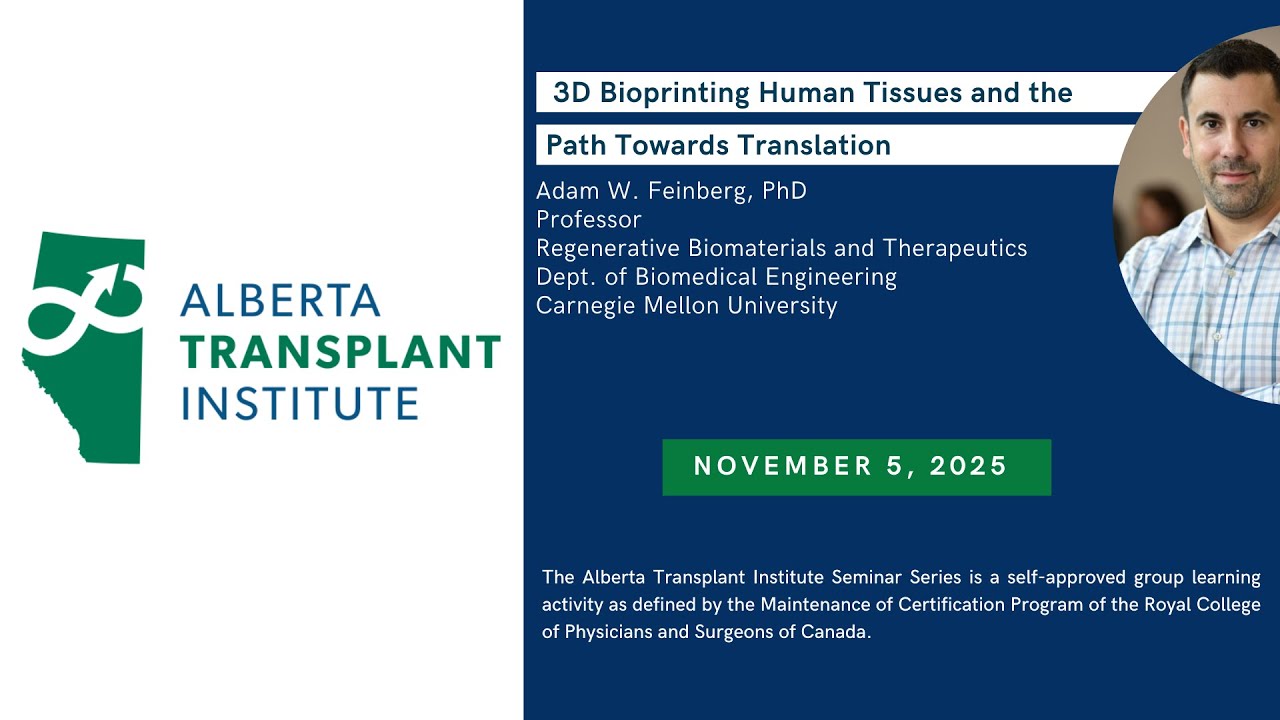


Hydrogel bioinks are biopolymer-based materials (such as collagen, gelatin, hyaluronic acid, alginate, and nanocellulose) that provide temporary support to cells during 3D bioprinting while they produce their own extracellular matrix. These bioinks must balance printability with biocompatibility, exhibiting key properties including shear-thinning viscosity for smooth printing, specific gelation processes (ionic, thermal, photocrosslinking, or enzymatic), and biological interactions that support cell survival and proliferation. Bioinks are categorized into four types: matrix bioinks for cell encapsulation, curing bioinks for photopolymerization, sacrificial bioinks for temporary support and complex geometry creation, and support bioinks for permanent structural reinforcement. The choice between natural and synthetic bioinks involves trade-offs between biological fidelity and process control.
Hydrogel Bioinks in 3D Bioprinting: Key Properties and Types
Added:hello class Dr pavlovic my name is Sam Shakespeare and while the 3D bioprinting aspect of tissue engineering is a great interest to me I have chosen to focus on one important component of bioprinting hydrogel Bio incs I want to start by briefly mentioning that 3D printing is the process of creating cell patterns in a confined space using 3D printing Technologies where cell function and viability are preserved within the printed construct 3D bio printing has already been used for the generation and transplantation of several tissues including multi-layer skin bone vascular graphs tracheal splints heart tissues and cartilage structures since 3D bioprinting is a very broad topic with many aspects to consider I want to focus on one component of 3D bioprinting and that's bio Inc so what is a bio- in a bioink is a hydrogel biomaterial that is suitable for bioprinting with Mamon cells and it provides temporary support to the cells while they produce their own extracellular Matrix advances in 3D printing technology as well as development of new bioinks have made it possible to bioprint complex 3D tissue structures bio-inks based on biopolymers such as collagen gelatin hyaluron or hyaluronic acid a chief component of the extracellular Matrix silk alginate and nanocellulose are known for their favorable biocompatible properties and are attractive biomaterials for cell and capsulation and 3D bioprinting these bioinks provide an aquous 3D environment with biologically relevant chemical and physical signals mimicking the natural extracellular Matrix environment using hydrogel-based bio- incs it is possible to precisely Place various cell types in a 3D architecture when cells are placed prec precisely in relation to each other an environment that encourages physiologically relevant cues can be created resulting in a potentially functional tissue construct many bio-inks are currently being developed for various cell types but bio- incs currently in use for 3D bioprinting still have challenges and limitations bio-ink development has two major objectives the first being biocompatibility which is to provide growth and function supportive to the cells for their proper organization and function the second objective is to minimize the effect of printing on Cell viability without compromising the shape and stability of the tissue construct note that the biofabrication window is used for the rational design of bioinks which requires a compromise between printability and biocompatibility a balance must be struck between hydrogels which are ideal for 3D printing and maintaining structure and those which are ideal for proliferating cell cultures while different applications and cell types will require different bioinks there are few General properties that are important to consider including viscosity gelation process biological interaction and general material properties regarding viscosity the rological properties are very important when considering any bioink to ensure smooth consistent performance many bio-inks must work in multiple phases first as a fluid during cell encapsulation than as a solid once dispensed out of the printer this transition generally works best with sheer thinning materials sheer thinning is a behavior where viscosity actually decreases as sheer strain increases viscosity of the material not only affects printability but also sheer stress experienced by the cells during the printing process and uniform suspension of those cells within the hydrogel the next property important to consider is the gelation process gelation process determines how a bio- Inc solidifies and can affect time resolution and cell viability bio-inks undergo either a physical or chemical gelation process and these processes may be reversible or irreversible the gelation process involves polymer crosslinking which binds polymer chains together changing the physical properties of the bioin there are many gelation process mechanisms required for different types of bio-inks too many to go over them all in detail but just to name a few there is ionic cross linking or physical cross links with cat ion Solutions cause gelation thermal crosslinking which involves materials that gel from temperature changes photocross linking or photopolymerization which uses UV Blue or visible wavelength light to excite free radicals an enzymatic gelation such as in the gelation of fibrin which uses an enzymatic reaction another important property is biological interactions physical properties of bioinks such as hydrophilic which is the ability to attract absorb and dissolve water and surface energy can affect cell Behavior while materials with cell adhesive sites can enhance survival and proliferation of various cell types the choice between natural or synthetic bio- incs can have a significant effect on biological interactions to mimic native environments many focus on natural polymers however naturally derived bio-inks cause challenges such as batto batch variability realic iCal properties of naturally derived fire wiks often do not survive the printing process and can also have poor mechanical properties whereas synthetic polymers solve the challenges of batch-to-batch variability and allow for control over degradation rates and functionalization but they do not offer the natural cell adhesive sites that many natural materials possess the final bioink property to consider are the material properties important material properties include mechanical properties properties degradation permeability and hydration of the material different mechanical properties are desired for different cell and tissue types and can have a significant effect on cell growth and differentiation bioinks for bioprinters can be split into four General categories Matrix curing sacrificial and support bioinks each type of biolink plays a different role in the bioprinting process Matrix bioinks mimic the extracellular m Matrix and are used for cell encapsulation curing bio incs are also known as photo initiators and are used with Matrix bio incs that undergo photopolymerization sacrificial bio- incs offer temporary support or can be used to create complex geometries within a structure and support bio incs offer more permanent support than sacrificial bio incs and when used in combination with Matrix bioinks will offer improved mechanical properties and struct for scaffolds depending on the desired tissue researchers will use biolinks from each of these categories to develop 3D tissues to go into a little more detail Matrix bio Inc are used for cell encapsulation in addition to printability these materials must offer a compatible environment for living cells ideally a matrix bioin will closely mimic The extracellular Matrix the natural environment for cells within the human body Matrix bioink must also protect cells from stresses created during the printing process and offer quick non-toxic gelation processes for optimal print resolution most Matrix bio incs are naturally derived hydrogels such as collagen hyaluronic acid or alginate but when batch variability which can affect print parameters and mechanical properties becomes a problem often a synthetic bio-ink will be used here is a chart showing several Matrix bioinks commonly used for bioprinting along with certain properties such as gelation time for a matrix bio Inc gelation time should be as fast as possible gelation process and whether a supportive or sacrificial ink is required these bio incs can be used individually or combined to create hybrid bio incs some bio Inc such as hyaluronic acid dextran and gelatin as it states in the chart can be modified to improve gelation time and printability sometimes a researcher might want to use for example collagen which offers ideal environments for living cells but lacks a fast gelation time or the mechanical stability to develop complex geometries in this case a support or sacrificial bio-ink may be used to provide the additional support or sometimes some of these must be combined with a curing bio-ink for proper gelation these bioinks are cross-link or gelled with a process called photopolymerization photopolymerization ation allows for spatial and temporal control over the gelation of bio-ink Matrix bio-inks that undergo photopolymerization require curing bioin also known as photo initiators these bio- incs when exposed to light at the proper wavelength produce free radicals these free radicals then interact with the Matrix bioinks to create a solid gel this is a fluorescent image of a lattice architecture bioprinted with a matrix bio- in and a curing bioin to radical polarization I have left out the very long and Technical chemical names of these inks to avoid the risk of completely losing my audience but here's a chart showing some commonly used curing bioinks along with the required wavelength for cross linking sacrificial bioinks can offer temporary support or can be used to create complex geometries within a structure these materials used together with Matrix biomaterials can be washed away after printing ideally a sacrificial biom material offers High print fidelity compatibility and ease of removal sacrificial bio- incs are often used to develop blood vessels or vasculature within a tissue sacrificial bio- incs include biomaterials which can be dissolved through changes in temperature and then removed with a vacuum here is a chart showing some common sacrificial bioinks used in bioprinting along with their methods for removal support bio incs offer more permanent support than sacrificial bio- incs when used with Matrix bio- incs they offer improve improved mechanical properties and structure for scaffolds these inks are most useful When developing tissues that require higher mechanical strength such as bone or cartilage here's an example of a 3D bioprinted ear structure with both Matrix and support bio Inc the blue and red correspond to The alate Matrix ink which contains living cells while the white portion of the structure corresponds to the support bio- in most support bio- Inc are thermoplastic polymers these are materials that become liquefied or molten when heated above a certain melting temperature and plastic above a glass transition temperature support bioinks are synthetic polymers that are not able to encapsulate cells due to the high temperatures required during the printing process but they do offer control over mechanical properties and biodegradability here are some common support bio- incs used in the bioprinting process through the use of bio- incs and 3D bioprinters researchers are able to develop comp Le Lex 3D tissues as both bioprinting and Technologies in BIO incs are evolving the process of creating these tissues will become more reproducible and less complex researchers aim to create these tissues as both inv vitro models for disease and drug testing as well as for invivo approaches for the Regeneration or replacement of disease tissues these advancements can revolutionize biological research and lead to great improvements in regenerative medicine I hope this introduction to hydrogel bio incs was as enlightening to you as it was for me thank you very much and have a great day
Up Next
3D Bioprinting: Methods, Applications, and Future Potential
@hwhd
84.4K views•2021-07-26

Quantitative Real-Time PCR (qPCR): Principle, Method & Data Analysis
@animatedbiologywitharpan
129.2K views•2023-09-06
Microbial Degradation of Plastics: Biodegradation Pathways & Sustainability
@majeedhammad
2.9K views•2021-04-11
CRISPR and Genetic Engineering: How Gene Editing Works and Why It Matters
@kurzgesagt
30.5M views•2016-08-10
Related Study Plans & Knowledge Roadmaps
Structured learning paths in Biotechnology