




















3D bioprinting is an emerging technology that fabricates tissues and organs by depositing bio-ink—cells suspended in hydrogel—layer by layer using three main methods: extrusion-based (pushing bio-ink through nozzles), droplet-based (depositing discrete droplets via inkjet, microvalve, or laser transfer), and energy-based (using lasers to solidify bio-ink). The hydrogel provides structural support and mimics the extracellular matrix, eventually degrading to be replaced by natural tissue. Applications include creating personalized organs to reduce transplant rejection, producing vegan meat and leather, and developing organs-on-chips for more accurate drug testing. Since living tissues develop and change over time, bioprinting is often called 4D bioprinting. The technology raises important ethical questions about creating enhanced organs and equitable access to bioprinted treatments.
3D Bioprinting: Methods, Applications, and Future Potential
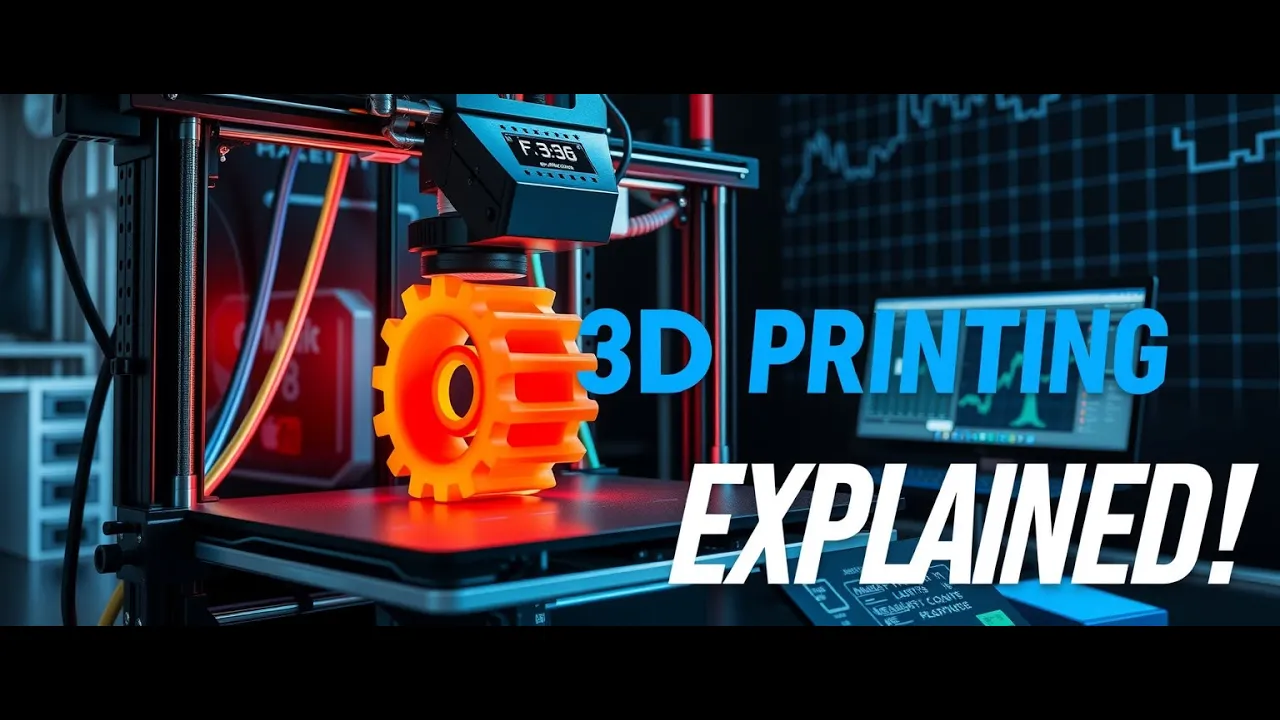
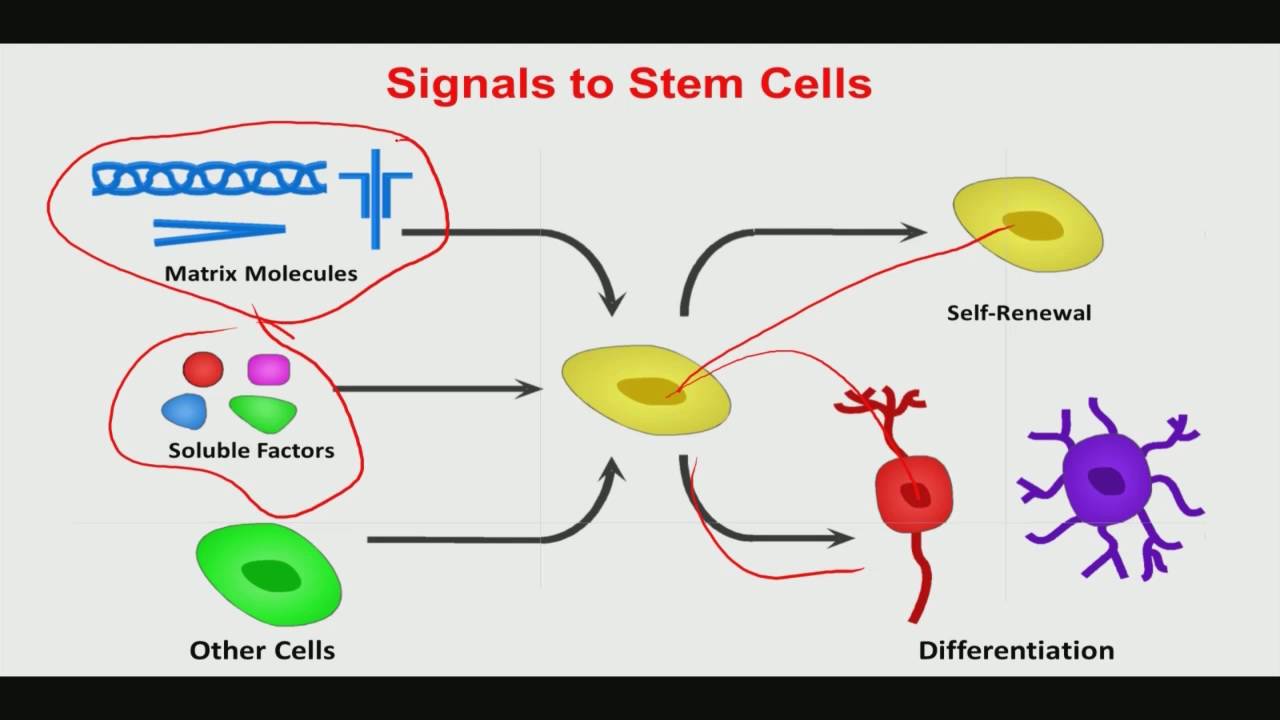
Added:3D bioprinting also just known as bioprinting is a relatively new technology that in theory would allow humans to fabricate nearly any tissue or organ from scratch the fundamental idea behind bio printing is quite similar to that of ordinary 3D printing in which a material usually plastic is printed one layer at a time instead of plastic however bioprinters use bio usually composed of cells suspended in a special gel known as a hydrogel which helps to protect nourish and hold the cells together some bioinks use a single type of cells While others contain multiple types of cells or multiple bioinks are used Side by Side each with a different cell type there are three categories of bioprinting that I will be discussing in this video which differentiate in the method by which they turn the bio-ink into a specific shape note that due to the fact that this is an emerging technology the exact name and classification of various methods vary from source to Source the concepts however are Universal I choose to group the various bioprinting methods into the following categories extrusion-based bioprinting droplet based bioprinting and energy based bioprinting extrusion-based bioprinting is similar to what most people would think of when they think of conventional 3D printers it involves forcing continuous filaments of a material through a nozzle in a controlled manner to create a 3D structure the material is bio-ink which as I said before usually consists of cells and a hydrogel the filaments are forced through a nozzle by either th pneumatic pressure which is basically air pressure or mechanically derived pressure which comes from things like Pistons or screws the bio-ink must be stabilized quickly or else it will not retain its shape the bio-ink can be St stabilized in a number of ways largely depending on the hydrogel that is being used as an example during printing the bio-ink can be stabilized by spraying a Mist with a cross-linking agent dissolved in it by the way crosslinking just means linking one polymer chain to another and this is done to stabilize bio-ink in contrast droplet-based bioprinting deposits discrete volumes or droplets of bio-ink onto a surface droplet-based bioprinting methods include inkjet based bioprinting microv valve based bioprinting and Laser induced forward transfer bioprinting as as with extrusion-based bioprinting the bio- Inc must be quickly stabilized in order for the structure to retain its shape and the exact manner in which this is accomplished depends on the hydrogel being used inkjet based bioprinting shares a lot in common with traditional inkjet printing here's how it works at a high level a pulse of pressure is used to eject a droplet of bio-ink the pulse of pressure can be generated in one of two ways way using thermal mechanisms or pzo electric mechanisms in the thermal mechanism a small surface of the bioink is heated and vaporized to create a bubble which occupies a larger space than the liquid bio-ink did creating pressure forcing a droplet of bio-ink out of the nozzle once the bubble collapses a bit of bioink is sucked from the reservoir refilling the chamber and the process is repeated in the Paso Electric mechanis M an electric current is applied to a pazo electric actuator causing the chamber to deform slightly forcing a droplet of bio-ink out of the nozzle by the way a pazo electric actuator is a device that responds to an electric current by stretching and bending then when the electric current to the pazo electric actuator ceases the shape returns to normal and a bit of bio- in is sucked from the reservoir refilling the chamber and the process is repeated next micro valve based bioprinting involves small valves that can be accurately opened and closed with electromagnets to deposit droplets of bioin which is under pressure usually pneumatic pressure meaning air pressure laser induced forward transfer bioprinting uses lasers to accurately position cells on a substrate or the place where the tissue will lie laser induced forward transfer bioprinting can consists of a laser a focus lens a ribbon and a substrate the ribbon could contain a sheet of transparent quartz glass with a very thin gold coating and a coating of bio-ink when the laser reaches the gold it Heats it and greatly expands it propelling a very small amount of bio- in to the substrate which will have been coated with hydrogel to dampen the kinetic energy of the droplet of bioin this laser is quite precise and hence this method is also quite precise finally in energy- based bioprinting a focused energy source often a laser is used to selectively solidify or stabilize a bio- Inc this method differs from extrusion-based bioprinting and droplet based bioprinting in that the bio Inc is already in place perhaps the most notable method of energy-based bioprinting is stereol lithog graphy in stereol lithography a laser is employed to selectively harden a small amount of bioin which contains a light sensitive hydrogel this substance lies on a platform that is then moved away from the laser by a small amount if in doing so the platform is immersed into bio-ink then a Fresh coat of bio-ink will flow on top of the now hardened layer of bio-ink or if the platform has sidewalls then a fresh layer of bio-ink can be coded separately this process is repeated eventually leaving you with a solid 3D structure once the liquid bioink is washed away each category of bioprinting has its own pros and cons I won't bore you with all the specifics however as an example laser induced forward transfer bio printing is precise and has a high printing resolution nevertheless it is expensive cumbersome and timec consuming hence different methods are used for different needs interestingly there are approaches being developed that combine different bioprinting methods in order to maximize efficiency maximizing efficiency is crucial for bioprinting certain structures like organs in general organs must be printed quite quickly and yet they have certain parts that contain lots of details that consequently require bioprinting with a high resolution other parts don't need to be printed with such precision and time can be saved by not printing at such a high resolution so by combining certain methods that print slowly with a high resolution with those that print quickly with a lower resolution one can optimize the bioprinting process while these bioprinting methods are based on 3D printing living things develop and change over time hence bioprinting can often be thought of as 4D bioprinting where the cells in the printed tissue proliferate interact and change in various ways over time in fact certain chemicals are often added to the bio-ink to influence the behavior and development of cells also over time hydrogel is meant to slow fully degrade and be replaced by the native extracellular Matrix The extracellular Matrix is the non-living material that cells secrete which fills the spaces between cells protects cells and holds cells together sounds familiar that's because hydrogels are meant to resemble the extracellular Matrix now that you understand how the various methods of bioprinting work I would like to highlight some cool applic applications perhaps most notable is the ability to print entire fully functional organs from scratch doing this poses unique challenges due to the intricacy of organs but even printing complex organs will likely be viable in the near future if this is the case the demand for organs on organ transplant lists can finally be equal to the supply of healthy organs with bioprinting healthy cells can be taken from a patient's organ and be allowed to proliferate a little bit if possible and can then be used in the bio-ink by taking cells from a patient rather than from some other individual the probability of an organ being rejected by the patient's immune system is drastically reduced in this way bioprinted organs can be superior to foreign donor derived organs and if creating custom organs from a patient own cells is not a viable option for some reason because of urgency in implanting a new organ for instance there is still the option of having generic pre-made organs also a special type of cells called stem cells introduces some pretty cool possibilities allowing for personalized organs even if directly acquiring the necessary cells is impossible stem cells are basically cells with the ability to change their functionality based on their environment all of the cells in a human's body with specific functions actually originate from certain types of stem cells so instead of being forced to take certain cells from a patient like healthy cells from a failing organ which may be very hard or even impossible to acquire cells can be taken say from the patient skin and in a lab they can be artificially transformed into stem cells which can then be induced into developing into the different cell types that are needed to bioprint a healthy new organ as previously mentioned stem cells allow for increased flexibility in bioprinting however note that actually working with stem cells is quite challenging and even bioprinting simple tissues with them at this time is very difficult bioprinting tissues is simpler than printing entire organs and is still extremely Valu in a number of ways for example bioprinting can be used to create vegan meat or leather to do this a small number of certain cells must be collected from say a cow then by carefully controlling the conditions in which the cells are held these cells can proliferate after this the cells can be collected and bioprinted in a strategic Manner and in a bit of time what remains is meat or leather besides moral considerations with investment and development in this field cultivating meat and leather in this way could be much more efficient and have a much smaller negative effect on the environment in terms of things like carbon emissions land use and freshwater use also bioprinting could radically change the process of developing and testing new drugs today pharmaceutical companies test the efficacy and safety of a potential new drug on animals if a drug proves to have the desired effect on animals primarily mice without harsh side effects then the drug is tested on humans often often there is no desired effect on humans rendering the money invested in developing that drug a waste in fact 90% of drugs that showed promise in animals have no significant effects on humans occasionally the drugs can even harm the humans being tested this testing process is extremely expensive and inconvenient with bioprinting human tissue or even organs can be bioprinted that more accurately mimic The Human Condition and thus are more suitable for testing drugs an organ on a chip is a simplified miniature version of an organ that aims to mimic a real organ so that it can be used to test a new drug technically organs on chips are not inherently related to bioprinting but bioprinted tissue can be used used to enhance such devices with better positioning of cells and reproducibility in the near future it may be possible to have a nearly perfectly accurate system for testing drugs by linking organs on chips together in a microfluidic circuit which would be known as a human on a chip what this means is that to test an oral drug for example the drug could first be introduced to a partially bioprinted gut on a chip which would absorb the compound and send it to a partially bioprinted liver on a chip where it is metabolized the metabolites are then sent to other partially bioprinted organs on chips including the kidney on a chip heart on a chip lung on a chip and bone on a chip throughout this process the organs are tested for any intended or unintended response to the the drugs a similar pipeline could be used to test the safety and effectiveness of other forms of drugs note that in this process organs on chips need not have the full functionality of particular organs instead they only mimic the parts of the organ that are valuable in testing the effects of a new drug also instead of introducing a disease to healthy animals and then testing various drugs to treat the animals a disease could be directly introduced to a human on a chip reducing the amount of unnecessary suffering in summary using bioprinting to test new drugs could be both more efficient and more ethical in a similar way the safety of new Cosmetics could be tested without using animals but using bioprinted tissue instead although it would come with important challenges of its own bioprinting plants is a potential future application of bioprinting with the possibility of creating new plant varieties with desired traits for agricultural use looking ahead if or even when bioprinting fully functional organs is common practice the following questions naturally arise can bioprinting be used to create organs with abilities superior to the organ that we are born with for example can we bioprint eyes with supervision or bioprint super efficient lungs as found in Elite athletes is such a use of bioprinting ethical will bioprinted organs and super organs be reserved for the rich these are important questions that we must ask ourselves as this technology is further developed thanks for watching
Up Next

Biomaterials & Stem Cells for Personalized Medicine | UCI
@UCIMedia
235 views•2021-03-12
Quantitative Real-Time PCR (qPCR): Principle, Method & Data Analysis
@animatedbiologywitharpan
129.2K views•2023-09-06
Microbial Degradation of Plastics: Biodegradation Pathways & Sustainability
@majeedhammad
2.9K views•2021-04-11
CRISPR and Genetic Engineering: How Gene Editing Works and Why It Matters
@kurzgesagt
30.5M views•2016-08-10
Related Study Plans & Knowledge Roadmaps
Structured learning paths in Biotechnology