








![Qué Es La Psiconeuroinmunología [ PNI ] 🧠](https://i.ytimg.com/vi_webp/9rFvPeV_JTg/maxresdefault.webp)





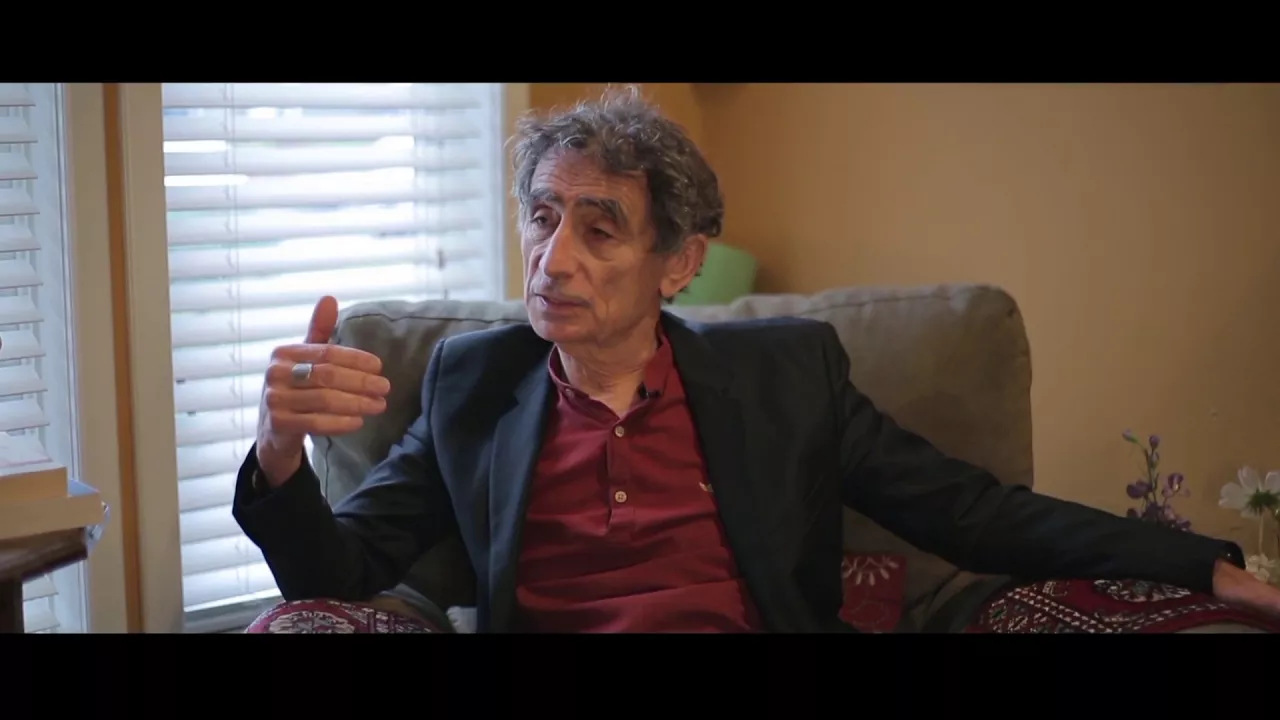
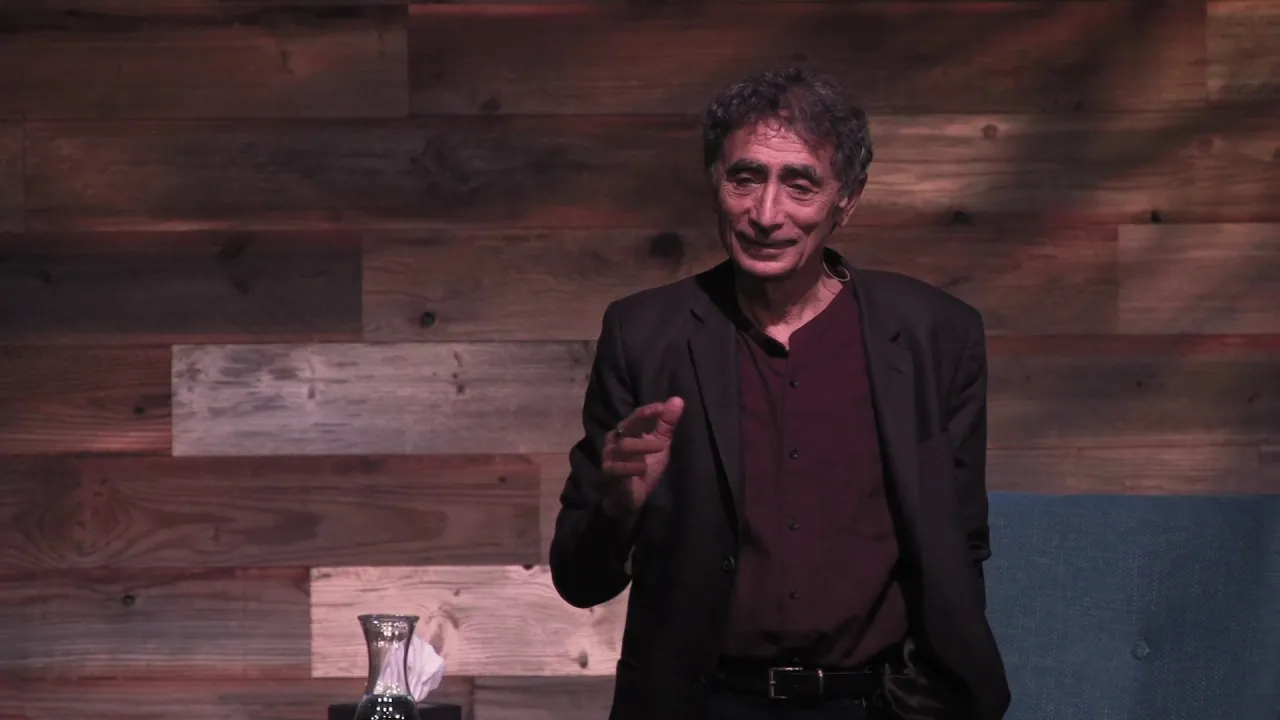


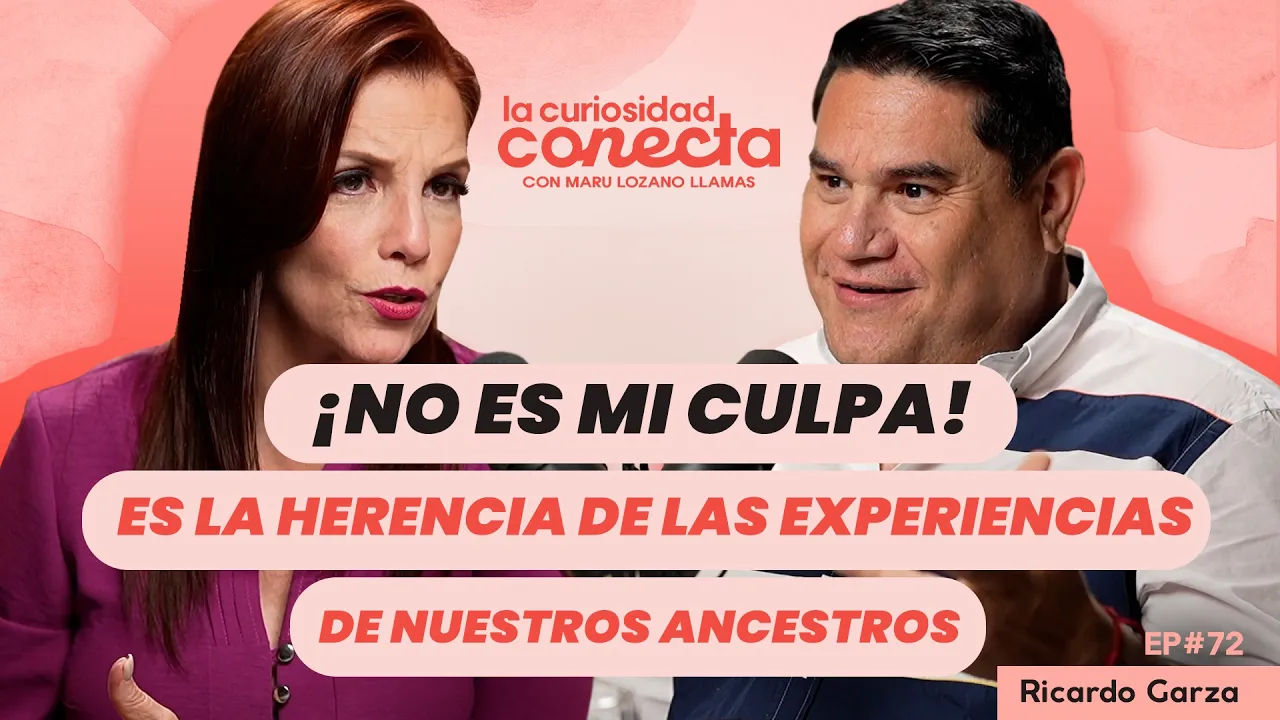
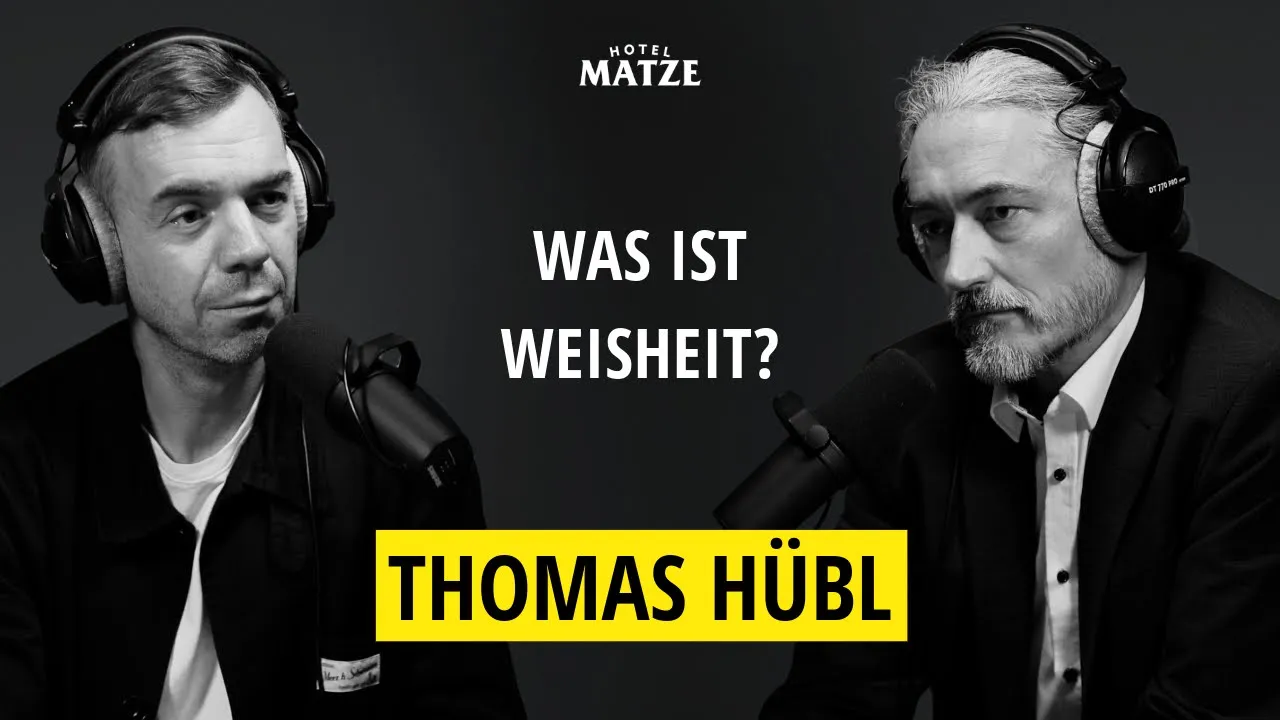




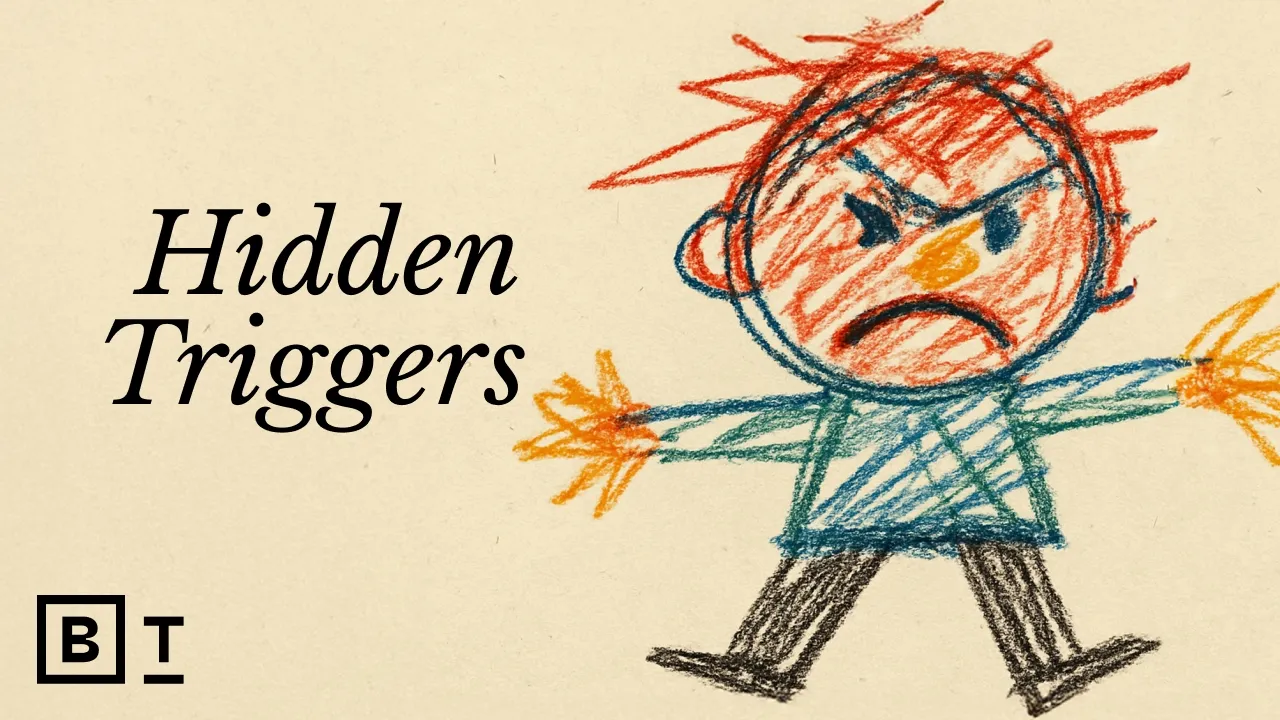
ADHD is not a genetic disease but represents heightened sensitivity to environmental conditions. No specific genes have been identified that cause ADHD, and having certain genes does not guarantee the condition will develop. Instead, individuals with greater sensitivity to environmental stressors are more likely to exhibit ADHD symptoms when exposed to stressful conditions. The dramatic increase in ADHD diagnoses reflects rising environmental stress levels rather than an actual increase in the condition.
The Psychology of Childhood Trauma with Gabor Maté
Added:The fundamentals of John Bowlby's Attachment Theory, specifically how early caregiver bonds shape adult relational patterns.
An introduction to the Autonomic Nervous System, including the physiological stress responses of fight, flight, freeze, and fawn.
The Adverse Childhood Experiences (ACE) study and its core findings regarding the correlation between childhood adversity and adult chronic illness.
The basic concept of psychoneuroimmunology, which explores how psychological processes, the nervous system, and the immune system interact.
The principles of Somatic Experiencing and body-centered trauma therapies, such as the work of Peter Levine and Bessel van der Kolk.
Dr. Gabor Maté's specific therapeutic framework, 'Compassionate Inquiry,' and its practical application in clinical and self-reflective settings.
The science of Epigenetics, specifically studying how environmental stress and trauma can alter gene expression across generations.
Systemic and societal analyses of mental health and addiction, exploring the concepts of alienation and cultural pathology detailed in 'The Myth of Normal'.
4.4M views121.5Klikes4:12Original Release: 2022-11-07
Financial stress on the parents translates into physiological stress in the children they didn't inherit anything in terms of a disease they're just reacting to the environment people call Dr gabomate the people whisper legendary thinker and best-selling author he's highly sought after for his expertise on addiction stress and childhood development the evidence evidence linking mental illness and childhood adversity is about as strong as the evidence linking smoking and lung cancer and the average physician doesn't hear a word about that it's astonishing I can give you the example of a Donald Trump I mean his father was a psychopath you are the enemy of the people go ahead for him these were not choices so much as survival techniques and that's the mark of a traumatized child a denial of reality what do I have to understand about your earliest years to understand you my grandparents were killed in Auschwitz and my mother and I barely survived and then my mother to save my life gives me to a stranger in the sense I guess that I'm being rejected and abandoned because I'm not good enough how did that rear its ugly head throughout your life in a number of ways it's the traumas I Define it is not about what happens to us it's about what happens inside of us as a result of what happens to us it's costing us in terms of our physical health our relationship our mental health and so on how does one go about correcting that it's a multi-layered answer first of all before this episode begins I just want to say a huge thank you to all of our new subscribers 74 of you that watch this channel didn't subscribe before and we're now down to about 71 so that helps us in a number of ways that are quite hard to explain but simply the bigger the channel gets the bigger the guests get so if you haven't yet subscribed to the Diary of a CEO if I can have any favors from you if you've ever watched the show and enjoyed it it's just to please hit the Subscribe button without further Ado I'm Stephen Butler and this is the Diary of a CEO I hope nobody's listening but if you are then please keep this yourself [Music] my dear little man only after many long months do I take it in hand the pen so that I may briefly sketch for you the Unspeakable horrors of those times the details of which I do not wish you to know those are words that your mother wrote into her diary in the 1940s during the Holocaust in April of 1945 three months after the Soviet Army expelled the Nazis from Budapest which is where we live so she was referring to the previous year and the beginning of that year late 1944 and early 1945. and in those diary entries she's addressing many of them to you directly as a baby sure to Dairy to me directly um as if it was like a account of my life addressed to me you talk so much in in your in all your books um and much of your work about the importance of that early context it's really been I mean the center point of all the writing that I've read recently and I know because it's it's so evident in everything that you've done that that's been a key your own early context has been a key inspiration for why you've taken such a an interest in these topics what was your early context what do I have to understand about your earliest years to understand you so it's just a fact about human beings that the template that forms us will affect how we see the world how we understand ourselves how we relate to other people and um the early template is earliest months even in Europe already in the womb we're being affected by the environment but certainly in the early years when our brain is being formed and our personality is taking shape and so that forms our world view now my worldview was in my sense of self was shaped by the fact that at two months of age when I was two months of age the German Army occupied Hungary Hungary was the last country in Eastern Europe where the Jewish population had not been exterminated and that was our turn the day after the German Army marched into Budapest which was March the 19th to the 1944 the day after my mother called the pediatrician to say would you please come and see Gabor because he's crying all the time and the doctor said of course I'll come but all my Jewish babies are crying and so that the fact is that when mothers are stressed or in pain the infant feels all that and takes it personally and it becomes part of their template for how they view the world so that was that year that's when that year began in which my grandparents were killed in Auschwitz and my father was away in forced labor and my mother and I barely survived and a story I've told many times but that's where my brain is developing and that's when I'm forming my sense of myself and then my mother to save my life gives me to a stranger and I don't see her for six weeks the sense I get is that I'm not wanted then I'm being rejected and Abandoned and because I'm not good enough that's how my life began so your mother gives you away for five to six weeks yeah in order to sort of save you from starvation and you know ghetto that that she was going to right that's right this is after after your grandparents were killed in our switch by yeah the Nazis um how do you know in hindsight that that that moment of those six weeks created that sense of Abandonment in you I wouldn't say it's just about that one moment children very much view themselves through their interactions with their parents now first of all I had no father because he was gone I hadn't hadn't seen him except very briefly I'm one of the month old but there was no father in the picture my mother was grief stricken and terrorized and full of Woe and worry about what's going to happen to us and just the the task of surviving each day she's not playful with me she's not smiling at me very much she's worried looking she's stressed looking the infant takes everything personally that's just the nature of the infant as infants were a narcissist we think it's all about us so when things are great hey we're great but my mother is unhappy it's because she doesn't want me or I can't make her happy or I'm inadequate so that separation from my mother certainly set a template for some of my relationship interactions with my spouse decades later but the sense of not being good enough and and and and being responsible that was inculcated in me throughout that whole first year of life so much so that in this book The Myth of normal I actually talk about a an experience with psychedelic mushrooms at the with the therapist this was not that long ago seven years ago maybe um when I'm at least 70 years old and I'm in this therapeutic session with the cytocybin the the medicine and the therapist and I know that I'm 78 70 years old and I know this is a therapy session and I know her name and I know who I am in the world but at the same time I'm experiencing myself as a one-year-old baby and she's my mother and I start crying tears come down to my my face and I say I'm so sorry I made your life so difficult now that was an unconscious memory of my sense of myself as a one-year-old that I made my mother's life so difficult because that's the way the baby interprets it so even if your mother loved you which mine did infinitely not that she always treated me the best way possible but she did love me and um can you imagine what a great Act of Love even giving me to a stranger in the street would have been for her you know but because of her own unhappiness I can only conclude that I'm not good enough and it's my fault it's 70 years old having that psilocybin experience coming to that realization or having that sort of um having that response to your therapist where they take the role of your mother and you're a one-year-old how does somebody at 70 years old go about correcting that that sort of interpretation you had of that traumatic early early event well by bringing up to the conscious level them and I noticed that sense of guilt or responsibility in me I say oh that's what it's about so it's it's a meaning see traumas I Define it is not about what happens to us it's about what happens inside of us as a result of what happens to us and so the wound in my in trauma means wounds the wound in this case is my sense of deficiency or not being good enough not being worthy enough once I realized that oh this has got nothing to do with anything except this interpretation that I made with my own experience all those years ago then when I noticed it I can no longer believe it I don't have to any longer be a a subject to that interpretation of myself in the world so awareness is one step it's not adequate but it's an essential step towards um letting go that one belief that you weren't good enough yeah how did that rare its ugly head throughout your life it um made me a workaholic physician because they had to keep proving my worth and it doesn't matter no I don't know if you ever had an addiction but the nature of it is that we're trying to get from the outside something that only can arise and fulfill us from the inside so when you're looking at from the outside it's addictive because you get it temporarily but then that internal emptiness that hole never goes away so it has to be filled over and over and over again it can only be done so temporarily so it becomes runaway addictive so then you know work becomes an addiction because I keep trying to improve my worth and it doesn't matter how many times you know I I may show up in a positive way at the beginning of Summer life at the end of somebody else's life or any time in between it never fills that emptiness that my sense of lack of worthiness creates so that's one major shows up another way it shows up is if um in my relationship I don't feel as satisfied my wife doesn't please me the way I like her too um then I get angry but why am I getting angry I'm getting angry because it's my sense of not being good enough that's being now revealed it gets uncovered this this this this this self-accusation um but I get angry at her because her job is to make me not feel that you know we get into this relationship four kinds of reasons some of them are conscious some are not some are positive some are come out of trauma in my case I want that relationship to prove to me how good I am so when it isn't proving that then I get upset with my partner you know well except the Gap is inside me not inside it's not coming from her so it shows up it should have been my parenting it shows up all over the place I mean I think both of those examples sound a lot like me especially the first one yeah um the second one as well but yeah what sense in the sense that I I'm definitely a workaholic and I thought I think in the earlier phases of my life I like sacrificed everything in this pursuit of becoming a millionaire and and having all this stuff and really getting this validation sacrificed meaningful connections everything in the pursuit of this one thing well part of the toxicity of the culture that I talk about in this book is that it actually rewards that kind of emptiness or that or that desperate seeking to to to to fill that emptiness because because you know you get rewarded you make a lot of money a lot of people admire you you get to feel good about yourself mind you my guess is that good feeling is only temporary at least if my example is any guy that you know that feeling good because somebody from the outside values you it's only a temporary self for the for the wound that's inside but the world actually rewards it you know so you're a workaholic doctor great you make more money and all these people respect you meanwhile you're holding yourself on the on from the inside and you're not available for your family you know so that that's part of the craziness of this culture and it's like the it's like the hedonistic treadmill in this in a sense because you just never enough is never enough as you say yeah so the last achievement needs to be surpassed by a greater achievement for me to get an applaud or a clap I've never really made the connection that the reason why I'm a workaholic is because I am trying to prove to the world that I'm enough but I think that it's entirely true yeah so in your class like like race and class in this Society of inequality are certainly traumatic potentially traumatic inputs as I pointed in this book and you know to to the degree that it affects people's physiology you know but also then I don't know your family version or what kind of relationship you have with your parents but there also may have been a sense like I got with my mom for you know reasons and and for whatever it might have happened in your family maybe you got the sense as well that even in your family origin you weren't good enough somehow so my mum would scream at my dad for like seven hours a day my dad would just sit there okay and so my early memories of like looking at my mum and dad are this kind of violent verbally not like physically this incredibly stressful screaming one person screaming at the other that's what I remember but from reading what you've written in this book and from what you've said now I actually might have learned sort of learned to that I was the problem to some degree your children interpret it that way that's just the whole point that's what I mean about kids being narcissists that I don't mean that in the negative sense I just I mean actually they think it's all about them so if your mother is unhappy it's your fault you know and you're not good enough so then you have to go out there and work to prove yourself to prove to the world and to yourself that you're good enough so that going back to your first question about how these things show up in our lives that's how they show up and so 12 years old you you emigrate to Vancouver yeah um by 28 you joined the medical profession yeah and you spend the next 32 years roughly working in well at 28 I went back to medical school actually I I took a detour I was a high school teacher for and um and then I was 27 28 when I started medical school at age 33 I think I began my medical career of 32 years and in those 33 years what what was your practice what did you specialize in what did you focus on so I was a family physician which meant I delivered a lot of babies and I looked after people's problems from beginning to the end of life I also worked in palliative care I was the director of a unit at the hospital which looked after people with a terminal disease and I did that was 22 years or so of my practice 28 22 years and then then I switched gears all together and I went to work in the downtown east side of Vancouver British Columbia which is more North America's most constantivated area of drug use we have more people coming from anywhere in the world are shocked by what they see there are thousands of people in the streets injecting selling using inhaling ingesting drugs of all kinds and people have suffered the consequences of drug use in a society that doesn't understand drug use so it punishes it and excludes it also sizes it so people get HIV from Dirty needles and and hepatitis C so this is the population often they're homeless so that's the population I worked with for 12 years till the end of my medical work that experience working with patients that were in palliative care so that's for anybody that doesn't know that's patients that are approaching the end of their life that have terminal illnesses and that are aware that they're going to to die what did that experience teach you it took an acceptance of one's lack of lack of omnipotence as a physician because you go into the you want to cure people you want to you want people to heal and now it takes the tremendous exceptions to say you know we've reached the limit of our knowledge and that doesn't mean we can't help people but we certainly can't cure them you know and so it taught me how to be with the inevitable and and and when you're working with people who are in the process of dying about I mean by the way who isn't in the process of dying you know but but people whose time is more limited than the rest of us acceptance you learn a lot of acceptance it challenges you to do your best when you know your best isn't going to be saving anybody's lives but it's to help people live a life of as little suffering as possible and as much dignity as possible so it really challenges the best parts of you to show up patience acceptance um intuition personally taught me a lot to listen to people interesting enough people really want to be heard when they're dying they want to make sense of their lives they want to tell their stories then I want their stories to be heard and so I listened a lot I just sat by the bed so I don't know it isn't and all that when you listen did you did you hear any themes relating to regret or things that actually mattered because I always imagine in if I was given such news that my life was coming to an end and there was an approximate date it would be quite a powerful way of finally realizing what truly matters and what never did you know people who react to their impending death in different ways so there were some people who just fought it to the end you know they didn't really want to accept it but most people were more along the lines that you describe where they really get to see what's important and so I mentioned this a number of times it sounds strange and I don't recommend it but I've had patients say to me doctor I don't know how to tell you this and I can't even explain it perhaps but this illness that's going to take my life is the best thing that have happened to me and but by men they meant a couple of things by it they meant what you just said about finding out what's really important in life in this book The Myth of normal lying to you a young man called Bill pie wrote a book called blessed with a brain tumor in a Hot Hog what kind of blessing is that so I said I asked will what's the blessing and he said it made me appreciate every moment it meant every time I talked to somebody this I knew this might be the last conversation I'm gonna have with them so it better be a human genuine interaction so there was that aspect of it the other aspect of it was that again my view is as I pointed in this book and in previous Works who gets sick and who doesn't isn't isn't exactly accidental they were certainly personally patterns based on traumatic experiences in your childhood that make disease more likely and people very often realize that throughout their lives they had abandoned who they were they lived the life that didn't wasn't meaningful for them and are on that they reconnected with themselves in an authentic way and that seemed to be worth a lot to people again I don't recommend that way of going to reconnect with yourself but people have certainly I certainly saw it so those are the two big lessons after your 33 years in medical practice um you you described that you had a bit of a you kind of tuned into a creative calling which was writing well I began to write when I was a physician so my first book on ADHD after I was diagnosed with it was published in 1999 now so that was 23 years ago now so I began to write and even before then I wrote Because I wrote uh cons for newspapers but yes there was a time in my life where the writing impulse which had been with me all my life was stifled and and and and and um stymied and so was I because I had this frustration in fact they had the sense that there's something I needed to express but I didn't know what and they didn't know how and at some point I realized oh yeah I need to write so that began before I finished medical practice but it certainly um has been essential to my ongoing unfolding as a human being I was so compelled by that when I when I read about that because um I've started to really understand the value of creativity in all of our Lives regardless of whether we have the luxury of being called an artist or not and so what in your view is the importance of well you're you're singing my tune here if I may say it that way because um I called in this book uh there's a great Hungarian Canadian stress researcher called Janus celi a c-l-y-e and Celia is the one who actually coined the word stress in the sense that we use it today and he's the one that showed in the laboratory how stress diminishes the immune system and this this organizes the hormones and and ulcerates the stomach and all this kind of stuff but so now you also said then I quote him here what is in US must out what is in us most out that we all have to follow our key of your urges in the way that nature prepared for us otherwise we can be hopeless hopelessly hemmed in by frustration I'm paraphrasing him very closely so we are created an image of God I mean as you know what do religious views are but that sense that we created an images of God means that we are creators because the essence of God is creation in fact we call God the Creator and we call the result of that creation if we're created then if we're if we're offshoots of that creative dynamic in the universe then it means that it's in us to create and whatever form that takes I mean you know you don't want to see me do art you know unless you I can do a pretty good stick figure you know but but I'm married to a nurse um so that Community doesn't have to take the form of formal art but it does it if it takes some flow of something that's inside you that needs to come out otherwise as Celia says you get hopelessly hemmed in by frustration and so in that sense everybody's got that creative urge and that may take the form of social intercourse it might take the form of gardening I don't care communion with nature athletic expression I don't care what but it but but there's somebody everybody's got it and if people don't realize they have it it's only because life is him demand and they're too busy and sometimes they are trying to make a living or trying to survive or too disconnected from themselves but it's in all of us and to the extent that we don't give it expression we suffer one of the things that really hems it in is um is the prospect that we might not be good at it because we think to express ourselves creatively we kind of join a competition of sorts and that's that's a trap we can fall into so if I'm gonna DJ I need to become a good DJ yeah but in Social comparison or else I don't want to but what I've come to learn is in fact the act of DJing alone in my kitchen at midnight is is the reward regardless of outcome or whether there's a crowd there it's just me and my dog listening that is the expression is the reward not the achievement or the medal that I might get although yeah not the external well look look I went through that in the writing in this book so here I am this is you know the writer who writes about you know trauma and you know healing and all of a sudden I'm in a panic because I'm writing a book and I realize that the problem was that you talked about identifying with your work so I had identified with this book so the problem wasn't a book because let's say I write the book and it's not a success I mean okay big headline in the Sunday Times book not a big success you know like how big of a deal is that in the history of the universe but if I identify with the book and it's not going well then if the book fails then I'm feeling as a person which then goes back to my very earliest uh concern about not being worth it you know so once I disidentified I said no this is just a book it may be a good book it may be an important book maybe a book that doesn't hit the mark but it's only a book and how it goes says nothing about me or my worth once I could decouple that then I could confidently and much more comfortably go back to the writing of it but I went to that crisis it seems like a bit of a paradox that this the lack of self-worth would would motivate someone to to create great things because they want the approval but at the same time make the process so agonizing because their self-esteem seems to be on the line yeah all their sense of self-worth is on the line well that Dynamic was in me once I realized that I let go of it you know so it didn't it didn't dominate me in the end and uh honest to God by the time I finished the book I'm not just saying this in retrospect it's it's the best seller now in several countries but I actually said to myself and I meant it now I've done the book that's what matters I've said what was in me to say how the world reacts I can't control and it doesn't actually matter on a fundamental level it's not that I don't want this book to be accessed I mean success of course I wanted to sell 10 zillion copies but that doesn't Define my self-worth or a high function in the world how I feel about myself honestly it does not and I I understood that by the time I finished working on it so once it's done it's out there doing its work or not doing its work but I don't have to hang my own sense of self on how the book does because at that point that's an outcome you can't control right so trying to control that would be yeah anxiety and yeah oh yeah well you can't control it no 10 years this book yeah took you to write took me to prepare it took about three years to write yeah you describe it as a calling yeah the myth of normal yeah what four words to to sort of pull people into in some way summarize uh 550 odd page book why why those four words why that phrase can I post from one to find a quote on my cell phone 100 yeah yeah I just so this is um are you familiar with the rokovic artoli uh Echo totally yes okay yeah so Tony lives in Vancouver like I do and um in one of his books he says the normal State of Mind of most human beings contains a strong element of what we might call dysfunction or even Madness you know so um in medical um parlance uh normal means healthy and natural so there's a normal range of blood pressure normal temperature it's a range outside that range there's no life there's no health either too high or too low you're gone so normal means it's it's equivalent with synonymous with healthy and natural however we make that same assumption that the audience Society what we used to what we call normal is also healthy and natural which is a myth because I'm saying that in this Society what we considered to be normal is neither healthy nor natural in fact it's hurtful to us so that we're using the word normal in in a way that doesn't apply in the narrow medical sense it's accurate but in a broader sense that which we're used to in this Society be considered normal is just not good for us you know and Norm is kind of a statistic or it's a kind of a um average so if everybody you have a dog if everybody in London mistreated their dogs and if you didn't then you'd be abnormal you know so it's a myth to say that what is normal is healthy and natural that's what I mean by the method normal that's one one thing I mean the other thing I mean is if we understand that the actual science of the unity of everything I'm not talking about spiritual Insight here I'm talking about you know physiological science that are physiology and psychology is very much affected by our life experiences being in utero childbirth early childhood and throughout the lifetime it also follows that illness and health are not individual attributes they're actually manifestations of our relationships and our situation in the world and and our history that also means when the circumstances are abnormal you expect people to be sick you know just as if you gave animals something that wasn't healthy for them they'd be sick that'd be what you'd expect so this idea that the people who are ill either physically or mentally abnormal I say no these are normal responses to an abnormal set of circumstances and rather than being sort of those abnormal ones and the rest of us it's really a spectrum they were all pretty much all on it so in those three senses this idea of normal is is a myth and it's one that keeps us from seeing reality and we're all an abnormal in some way yeah so if you maybe my maybe my attention is different maybe my you know my my interpersonal relationships are abnormal but in some way I'm going to be abnormal as it relates to treatments how do you think that the medical profession and the psychological profession would respond differently if we removed this idea that there is a normal how would our approaches change to treating people hmm well that's it's a multi-layered answer um first of all we would recognize that our diagnoses are not explanations for anything so you know I've been diagnosed with ADD you know legitimately so as my first book was on it um but but it doesn't explain anything so so I do not easily very easily you know and sometimes when I don't often and I don't want to but you know unless I'm highly motivated so so you might say this person has ADD how do we know because he Tunes out a lot why is it doing a lot this is because it turns out a lot so so first of all we have to understand that our understanding of normal and what's outside the normal they don't doesn't explain anything they can they can describe if you describe my mental functioning as that of somebody who's got an automatic tendency to tune out you'd be accurate so the description it's helpful as an explanation as to why this person isn't behaving quote unquote normally it doesn't explain anything not if you understood that I spent my infancy under very difficult circumstances where I was very stressed because of all the stuff I already talked about and that tuning out was a normal response to to those circumstances as a way of protecting myself from the stress of it all and this is happening when my brain was developing then you understand there's nothing abnormal about by tuning out in fact it is the normal response to a set of abnormal circumstances so that's the first point and I could go through the same kind of dialectic with all manner of physical and mental diseases by the way so-called the second point is why do you say so-called um well look the disease model is as long as we understand it's a model it's okay and we think it describes reality fully it doesn't so um for example um because you talk about mental illnesses and we're assuming that there's a kind of definite pathology there just as in rheumatoid arthritis you can describe the inflammation of the joints and the blood levels of certain antibodies being abnormal and hormonal levels being disturbed you know we're making the same assumption in mental illness there's no such evidence in mental illness there's no physiological parameters that you can say somebody's got mental illness there's just been a study a few months ago of thousands of band scans of people with mental illness diagnosis there's nothing diagnostic about them about the brain scans it's not like I can take an x-ray of a lung and say that this is this lung is got what we call consolidation or or fluid indicating inflammation there's nothing like that and mental diagnosis there's no blood test you can do and so on so illness is a is is a is a model I mean it might yeah somebody's really depressed even suicidal perhaps and they might need pharmacological Intervention which will really save their lives that may be true and in that sense you may say that they're ill as long as we realize that this is a construct that we're applying here but there is no actual measurement of that that's at all similar to what we call physical disease but even a physical disease we make certain assumptions um for example somebody has rheumatoid arthritis no that nothing wrong with that statement on the face of it but there's an assumption there the assumption is that there's this thing called rheumatoid arthritis and there's this person called me and this person has this thing no you know the example I often give here's my cell phone I'm holding it in my head I have a cell phone it's not part of me it says nothing about me it just it's a discrete object its nature doesn't depend on my nature nothing is that true about rheumatoid arthritis or is it more true to say as I found out that this is a condition that shows up in people with certain life experiences and certain ways of functioning in the world and that because of the science document the unity of mind and body and the impossibility of separating the activity or emotional apparatus from seeing our immune system because it's all one organismic unit therefore the when the immune system turns against the body as it does in rheumatoid arthritis damage system actually attacks the body is that a thing that's got a life of its own or is it a process that's happening inside that person because of certain aspects of their lives now if I say it's a thing that happens to you then that thing has got a life of its own and that's why most doctors see it they see somebody with rheumatoid arthritis they say okay this is the kind you've got this is what's going to happen this is this is the only thing we can do is this is to mitigate the symptoms I find that's not true I find that the rumor that by them not just I find it the science finds it that rheumatoid arthritis is very much related to stress and Trauma and the more stress there is the more likely it is to flare up and if people deal with that stress if they know how to prevent it their illness abates which means that it's not a thing that's separate it's a process that happens inside them this is a subtle concept though I'm wondering if I'm explaining it clearly no you are and it's really making me question how much we misunderstand the relationship between the mind and the immune system yeah because that's the real that's the important connection to understand if you if you are to accept all the things you've just said yeah which we don't we don't understand I don't think typically we understand that my mind and my immune system have such a close relationship well the the there's a whole new science that studies those relationships it's called psychoneuraminology which studies the interlinked unity of the emotional apparatus of our brain and body with the immune system with the nervous system and with the hormonal apparatus I mean it's just so obvious I could change your hormonal state in this fifth second right now without touching you just by screaming at you and threatening you that would necessarily create a change I mean it's just clear their emotions are inseparable you know and and the other funny thing is well several funny things how do we treat most conditions in Medicine by the way inflammations if you go to a dermatologist with the infinite skin if you go to a rheumatologist with inflamed joints you should go to a gastroenterologist with inflamed intestines if you go to a respirologist with inflamed lungs if you go to a neurologist with the inflamed nervous system is in multiple sclerosis they're going to give you steroids the steadily inflammation the water steroids they are stress hormones and you would think that as Physicians we would ask ourselves gosh we're treating everything with stress hormones the stress maybe have something to do with this condition then when you look at the scientific literature yes yes and yes so the um there's a Great Canadian physician actually United by Queen Victoria one of the great medical teachers of all kinds Sir William Osler and he said in 1890 that rheumatoid aristritis is a stressed during disease the the French uh neurologist Jean Matan charcoal who first described multiple sclerosis he said this is a stress driven condition and since then there's been so much research so what I'm saying is that this this way of looking at what we call disease is a process is so much more accurate scientifically actually and understanding the Mind Body unity and then you know naturally when people are traumatized that has a huge impact on their physiology their psychological trauma is a huge impact on their physiology it's just science but its science that's not taught to Medical teach medical uh doctors it's just for some strange reason well the average physician never hears a single lecture about say trauma and his relationship to illness and yet the studies internationally thousands of them showing those relationships so there's this strange gap between science and and medical practice but it would it would change medical practice for the better because what would happen if you went to a physician and and you presented with your symptom and they'd say okay look we'll give you such as medication to deal with your symptoms and then let's look at your life in the context that you live it and see how that the stresses that you may be taking on the traumas you may be carrying might be affecting the physiology of your body no they don't have to be all trauma therapists to do that they just have to raise the question and they start and then to begin the inquiry that'll make a huge change to that person's life and to their disease process and clearly to their kids lives as well because I remember reading in your book about the uh the study with the rats yeah um and how they could you tell me about that study how the stress study with the rats and how the parents um treatment of a child impacted their stress response and then also they passed that on which I thought was yeah that was a very interesting study it was done in Canada um at McGill University um I think maybe something in the last 20 years early 2000s I think and they looked at her mother rats interacted with their infants their newborns and some and this is a process called grooming in which the mother rad licks the infant earned apparent very uh perennial a perineal area you know in the genitalia this is shortly after birth this mother rats you start licking their infants some other rest did it in a more efficient and caring kind of way than other mother rats those that had the better kind of caring the better kind of grooming go to be calmer and responded to stress in more functional ways than those little rats who as neonates had not been given that same kind of efficient and quite as caring grooming foreign the brains of those adult rats who had been groomed one way or the other as infants the stressed apparatus was different certain receptors for the stress hormones so one of them could call themselves more easily than the other what was interesting is you might say well that she's genetic the calmer mothers passed on their genes to the infants no they didn't because if you took the infants of mothers who groomed beautifully and put them with mothers who didn't and conversely it took the infant Rats of mothers who didn't groom so well but you put them with mothers who did they change it changed the brain for the adult it changed the brain it changed the genetic functioning not the genes okay but the genetic functioning this is called epigenetics how genes are turned on and off by the environment and then those mother and those rats who are going well as infants doesn't matter what the original mother was but those are actually going well they went on to groom their infants in exactly the way they had been groomed so this is how we passed on our parenting stuff from one generation to the next both behaviorally but also through the turning on or off of certain genes so in essence the how nurturing our parents were has a big impact on our own ability to handle stress positively or negatively oh absolutely and then we passed that down I stressed up answer how they reacted to her own stress as infants you know that has everything to do with her brains handle stress later on and so some people just don't handle stress very well they don't handle a frustration very well you should have seen me this morning at the hotel when the swimming pool didn't open in time you know but I I was a lot better than it might have been years ago you know uh but yeah our stress responses are very much programmed by our early uh developmental experiences speaking about our early experience is the first word in the sort of subtitle of your book is the word trauma um it's a word that I've I've talked about a lot on this podcast and I've you know I've had a lot of people here that have opened up about their traumas how do you define trauma I know Society has defined it in its own way but how do you define it the word I I Define it very specifically um it's not something bad that happens to you it's not some no it's not that you know I went to this movie last night and I was traumatized no you weren't you were just sad or you were had some emotional pain but you weren't traumatized trauma means a wound that's the literal meaning of the word it's a Greek word for wounding so trauma is a psychological wound that you sustain and um it behaves like a wound so on the one hand everyone if it's very raw if you touch it it just really hurts so if I have a wound around not being wanted then or the belief that I'm not then decades later if anything reminds me of that it hurts as much as it did when I originally incured the wound so in in one sense trauma is an unhealed wound that touched we get triggered that's what triggering means by the way some old wound gets activated or touched and the other thing that happens to wounds is that they scar over and Scar Tissue has certain characteristics it's thick it has no nerve ending so there's no feeling in it so people traumatize disconnected from their feelings um Sky tissue is rigid it's not flexible so we lose kind of response flexibility so when something happens we tend to react in typical stereotypical predictable dysfunctional ways because of the rigidity and Scar Tissue doesn't grow like healthy flesh so people are traumatized tend to be stuck in emotional states that characterized their development when they were traumatized so when somebody says to you don't miss such a baby uh doesn't sound very pleasant but there's some truth to it it means that you're probably reacting according to the lines of someone that you sustained as an infant and now you're you're reacting as if that wound was happening all over again this is what one of my friends in the trauma World Peter Levine calls the attorney of the past so something happens in the present and we react as if we're back there in the past when this first happened and we're not in the present moment at all and I was I was trying to figure out how many people um as a percentage of the population have a have trauma but then I I you know I read this stat with 60 of adults um say that they've had sort of a traumatic early upbringing or whatever or traumatic events from their childhood but then I thought maybe everybody has trauma it depends on um how we understand trauma so if we understand trauma is only the really terrible things that happen to people which do happen to people you know in the book I talked about a British friend of mine but not living in Canada um they are a yoga teacher and a meditation teacher and a psychologist and an artist actually and they grew up in some orphanage here in Britain where they were racially taunted every every morning you know words that are in the book by her permission which I'm not going to cite here publicly and that gave her a sense of deficient a sense of self that I'm just not good enough that I don't belong and so on there's those obvious traumas or the obvious trauma of being sexually abused so men who are sexually abused according to Canadian study have tripled the rate of heart attacks as adults you know and all kinds of physiological reasons well that should be the case so there's those self-evident Lord big tea traumas that we call Big tea terminal Cat TV the capital T trauma with the capital T there's a certain percentage of the population much larger than we think subject to that if you include um All the known factors such as physical sexual or emotional abuse spanking by the way has not been shown to be as traumatic as harsher forms of physical abuse spanking which is still recommended by so-called experts who should be named remain unnamed for the moment uh the death of a parent the violence in a Family Violence parental violence against each other a parent being jailed depending mentally ill did I say apparent being addicted a rancor's divorce these are the identified Big traumas Big T traumas no not to mention poverty not to mention extreme inequality war and so on but then if you remember that trauma is not what happens to you but what happens inside you this is the wound people can be wounded not just by bad things happening to them but small children can be wounded in loving families where they don't get their knees met I mean that's obvious in the physical sense if a child doesn't get proper nutrition their body will suffer their mind will suffer we're also creatures with the emotional needs as important as our physical needs so when the child's emotional needs are not met that child is wounded and that's what we call small tea trauma which is not the big ticket events such as I described but just the child's need to be loved unconditionally to be held when distressed to be responded to to be seen to be heard to be allowed their full range of emotion without them being stamped on in the name of so-called discipline [Music] um the right to play creatively spontaneously out there in nature not with these damn digital the gadgets that subvert and hijacked the child's imagination but spontaneous Play That's essential for band development so what I'm saying is that when these needs are not for the unconditional loving attachment relationship when those needs are frustrated children are also hurt and I call that trauma as well because it shows up later in life as the impact of painful wounds so drama in this Society for all kinds of reasons is far more common than we imagined from sitting here and speaking to I don't know somewhere over 100 different people that come from all walks of life but specifically people that are successful in their Industries and you talked about you know how um an anomalous early upbringing can create sort of abnormality in an adult a lot of the people I sit here are successful because of some kind of abnormality or at least their interpretation of some kind of early event that caused them to have some sort of abnormal belief about themselves that they're not enough so they become a billionaire or a gold medalist or whatever it might be yeah one of the things that I thought I could predict is I thought I could if they told me I thought after doing 100 episodes if they told me the traumatic event they'd been through I could predict the the outcome in them but there's a disconnect there because you know I'd sit here with a guest who went through one of your tall um capital T traumas like domestic violence and one of them might become incredibly angry yeah and one of them might become the most peaceful loving person I've ever met yeah and that taught me that there's this thing in between the event which is what you call interpretation yeah and I found that really I found that as that kind of makes it really difficult to diagnose well no look so the two examples you gave um that really peaceful person may be really peaceful for genuinely good reasons such as they've found the milk of human love flowing through their veins and they've had some spiritual reconciliation with the world where they may have lit genuinely learned compassion for themselves and others but they could also be very nice and peaceful because they're suppressing their healthy anger because they're actually sitting on their rage unconsciously which is going to show up in a form of some kind of Health manifestation I guarantee you later on so you can't tell from the outside without asking some questions uh or I can give you the example of a Donald Trump who had a really traumatic childhood I mean his father was a this as described by his psychologist niece Mary Trump his father Trump's father who is Mary's grandfather was a psychopath and who really demeaned and harshly treated their children so Trump decides unconsciously that by the way I'm not talking about his policies here I'm not this is not a political debate and in the book I point out that his opponent was also traumatized uh Hillary Clinton said this is this is a uh ecumenical uh view of trauma and politics and not choosing sides I'm just saying that you can see his trauma in every moment he opens his mouth his grandiosities need to make himself bigger more powerful aggressive and eat as much as said in his autobiography that the world is a horrible place a doggy dog place where everybody was after you everybody wants your wife and your house and your wealth and this is your friends never mind your enemies but that's the world he lives in though that world that he lives in reflects his childhood home he developed that world you he came to it honestly you might say because that's the world that he lived in and he gets to be really successful in this crazy world you know financially although people question you know was he really as big a success as he says he was but he certainly was successful politically if by success you mean the attainment of power his brother on the other hand Mary Trump's father Trump's niece's father drag himself to death and they were both responses to the same you can never say it's exactly the same for two kids but there was that there was a toxic home environment one ends up dead as an alcoholic the other ends up at the Pinnacle of power um and when I look at them both I see dysfunction there significant dysfunction here so one of the one of those the consequences of that early upbringing was it materialized itself as sort of addiction and the other got the same psychological reinforcement or the thing missing from power and work and money Donald Trump learned that the way to survive is to be aggressive and harsh and competitive and to get the other before they get to you which is a faithful reproduction of his early childhood experiences so for him these were not choices so much as survival techniques and uh when they talk about his lying well I don't know when he's lying or when he's not but my sense is that often he actually believes what he's saying and actually he's a biographer or the person who co-wrote his cause the autobiographical the art of the deal this this writer says that he's never met anybody who is so capable of believing something that's not true to be true if he wants it to be true now that's the mark of a traumatized child you know a denial of reality it is an inauguration there was a certain number of people that came today he couldn't stand it that there weren't as many people there as came to Barack Obama's inauguration they were much smaller number of people there he created this reality where many more people came to his inauguration now what age behavior is that that's a four-year-old but more kids came to his party than my party that can't be true but that's Donald's way of dealing with reality it's not a moral failing as such that's how he survived and these survival mechanisms for them get to form our personalities and again in this world sometimes they pay off in certain ways is that is that often the case with pathological lies they've learned to lie as a way to survive oh absolutely the the German philosopher writer Nichi Friedrich Nietzsche said people lie their way out of reality who have been hurt by reality and so I've lied you know like when I had my shopping addiction I relied Every Day to my wife you know and even afterwards when she tried when she stopped trying to change my behavior I said just tell me if you're going to show up you're going to spend another thousand dollars on music just tell me I still couldn't because I was so ashamed of it and so the lying became like a a way of survival for me defense against reality it's a defense against reality and is the defense against um being judged you know well that says something about my childhood you know nobody's born a liar as we say in this book there are congenial Liars but there are no congenital Liars no one day old baby tells any lies no wonder your baby pretends anything if we end up pretending in any way at all to the extent that we do it's because we have to learn that's what we must do to survive you said something at the start when I gave the example that I have this I sat with a guest here who went through domestic abuse yeah and they are the calmest person and then you said well maybe they're suppressing it and in fact the minute you said that it reminded me of something they said which is they they said to me on this podcast that they had um angry outbursts all the time so sometimes their child will come up to them yeah um and want to play when they're working and they'll snap yeah and they're trying to they're trying to deal with that yeah that's what I meant that they're sitting on this um creator of volcanic crater of anger which sometimes bursts out of them so their their demeanor is like a really developed suppressed um way of handling rage which rage when they were children had they expressed would have got them into more trouble so suppressing it repressing it became their survival it's all about survival you see so it became their survival mechanism no that person as long as they keep it that way they're at risk their risk for mental health diagnosis like depression because what what is depression it means you're pushing something down that's what it means what to be pushed down our natural emotions why do we push them down because we have to to survive so that that person I don't know I can't prognosticate what's going to happen to them but if they don't work it out in general they're at risk for some kind of mental or physical manifestation that's my experience quick one some of you may know we've got a brand new sponsor on this podcast American Express and you've got a brand new exclusive offer for a limited time only which I can't wait to tell you about from the 18th of October to the 16th of November American Express is offering new card members a 60 000 Point membership reward as a welcome bonus when you join when you spend a minimum of 8 000 pounds across the first three months this is simply a thank you for joining American Express and for those that don't know you can use your American Express business platinum card points in exchange for various rewards such as booking travel holidays gift cards and so much more so essentially you're rewarded with huge prizes for just using their card to spend on your usual purchases and I've had a look through at what sixty thousand points can get you so if you'd like to find out how you can get your hands on your new American Express business card then search American Express business platinum card to find out more a quick one from our longest standing sponsor hero I I can't tell you over the last I'd say over the last really it's been about two and a half years it was really um post pandemic how much my health has become such a huge priority in my life huel has been probably the most important partner in my health Journey because I've been in the boardrooms I've been to their offices tens and tens and tens and tens of times I've seen how they make their decisions on nutrition and that's why it's such a wonderful thing to be able to talk to this audience about a brand and a product that is so unbelievably linked to my values and the place I am in my life are valuing the gym exercise movement my mind my breathing and all of those things and most importantly my nutrition that is the role he all plays and so every time I get to read these ads out I do it with such passion because I really really believe every word I'm saying and I absolutely love the brand so if you haven't already tried Hill and you've been resistant to my my pestering then give it a go and let me know how you get on talked about expressing one's emotions and something you've talked about in this book but also previously is this idea that there is such a thing as healthy anger yeah um it's one of the seven A's of your of healing as you say the first being the topic a topic we've talked about already which is acceptance yeah um the next being awareness well awareness I wish we had put into this book but we didn't not into this book uh in this book I booked Four A's and uh I left that awareness and that was an Omission on my part really yeah it was I'm sorry but it was so in the book you have authenticity anger acceptance an agency yeah and yeah acceptance yeah so awareness you've said before before this book that awareness is the starting point yeah I found that to be so true in my life but it's not very easy I feel like awareness is a is a luxury or a privilege that is very hard fought yeah because you're guessing yeah you're guessing based on pattern recognition so I was guessing 25 years old I can't get into relationship any time a girl comes near me yeah even if I've pursued her I run off and to figure out why I was doing that to even identify the behavior pattern and go that's not helpful that's not going to lead me to feeling whole yeah um where does that come from took 25 years and a lot of like introspection but but most people they're living unaware of the puppet master of trauma that is driving their life that's a really good analogy the trauma really is like um a puppet master behind the scenes in the unconscious pulling your strings and you're not aware of it you know do you remember Pinocchio yeah so remember what Pinocchio says at the end the way when he finally becomes a real boy yeah yeah he says how foolish I was when I was a puppet and to the extent that we're being activated by these unconscious strings that are traumas pulling behind the scenes and reacting in our lives and we think we're autonomous free beings but we're actually being controlled by something in the past that we haven't worked out we're puppets reality puppets there's not there's not much freedom in that there's no there's no freedom in it at all so I mean I suppose the opposite of trauma if you want to revisit that question is is liberation interesting Liberation and by reconnection by reconnection of Liberation from the from the inexorable power of the unconscious which is like cutting the strings in a way kind of brings me to there's kind of two ways to I want to go with that but the first question I have about about trauma and the puppet master analogy is do we ever do we ever really cut the strings or do we just kind of learn to pull against them when they try and tell us to do something with more Force then they're exerting in the opposite direction um that doesn't work very well pushing against it because they're still reactive you're still not in charge you're just in automatic resistance mode to something there's no freedom in that either you know so yeah um but awareness that you mentioned is huge because weren't you aware that there's this see the thing about these strings may not Fray right away but once you wear that ah this reaction of mine it's not about what's going on right now there's something old being activated here that awareness alone weakens the it slackens the strings a bit no you know they no longer is taught they're no longer is automatically um capable of pulling on you so it does have to be begin with awareness of them ultimately if we realize that this Puppet Master is just a desperate little person trying to get you to survive the only way he she they knew how when you were small when they were small if you make friends with it but we believe it of its duties saying thanks very much but I can handle it now it eventually Becomes Her friend rather than sort of our Master you know you know on that first step of just acknowledging just understanding that there is a puppet master they're controlling us and exactly which strings that Puppet Master is is pulling in our lives how does one go about awareness the process of awareness is that I mean is it introspection keeping a diary therapy what is it well all that I mean it all or any but even when you ask how you go about it what is the it well for you to say how to go about it you already must have some degree of awareness if you didn't you wouldn't even be asking the question so that's the very first step of realizing that there's something here to work on there's something here to work through it does not need to be the way it is that already is the biggest step the Buddha said that that to recognize the source of your suffering is the first step towards relieving the suffering and so as soon as you ask how you go about it you've already taken a huge step because a lot of people don't even know that there's an it they just think this is a reality that this is life so we're realizing that this it doesn't have to be the way it is that's already a huge step now beyond that yoga meditation um nature um therapy of all kinds Bodywork of all kinds like like somatic experiencing or um or um cranial sacral treatments or even massage therapy it's incredible what can be revealed just through body work like that then all kinds of forms of therapy the ones I teach the ones other people teach journaling um certain exercises in this book that we recommend like just ask yourself will you have trouble saying no in life to things you don't really want to do and working that through on a regular basis so there's lots of ways once you open the door you know I have a chapter on psychedelics here which is a again it's not like a Panacea or for everyone but surely it's a helpful modality for a lot of people so um some people may actually benefit from taking pharmaceutical medications if their situation is dire enough but not as the final answer but as a way of getting respite that allowed them to go to work on the real issues that cause them to be depressed or anxious or tuning out you know so any and all of these things other people don't even want to open those doors though because they there's so much pain associated with maybe going back or revisiting an early experience that they just think it's better keep the doors shut yeah um and get get to tomorrow that's true um to which I have two answers one is it's true it's painful um because all the pain you didn't want to feel and you've been running away from through your compensatory behaviors like like your addictions are nothing but an attempt to escape from Pain that's all they are that's not you know they're not a disease they're not a genetic whatever it is addictions are very simply an attempt to escape pain which could create more pain but that's what they are and so we get addicted to work to sex to pornography the gambling to the internet to shopping to eating to power on that point I find it so fast that you that when you mentioned in your previous book that you know you classify things like food yeah social media yeah shopping yeah porn and work as types of addiction that was uh that in and of itself was a bit of a revelation for me because I never saw work as an addiction the minute you said it was and I kind of link it to you know heroin addiction which is providing a you know a certain psychological physiological um benefit to me yeah temporarily temporarily yeah of course it's a [ __ ] addiction of course work is an addiction because they have that addiction well it can be an addiction yeah or it can also be sacred it can also be fulfilling in the manifestation of your creative urges but it's so it's not the but it's strange to say not that I recommend it but it's possible even to use heroin in a non-addictive way I don't personally get it and I would never want to but the addiction is never in the Behavior itself it's in your relationship to the behavior so if the particular activity gives you temporary relief or pleasure and therefore you crave it but it causes harm in the long term and you can't give it up you've got an addiction and I don't care what the activity is could be drugs and all the other things that we mentioned and and and it employs the same brain Circus by the way the workaholic is after the same brain chemical that the cocaine addict is after dopamine you know and people can be even addicted to their own stress hormones like adrenaline the so-called Adrenaline Junkies there's such a thing you know so almost anything can be addictive if it serves the purpose of temporarily easing some distress but causing harm in the long term is is escapism the right word to use then for it if we're because it it doesn't sound as much like we're escaping rather than we are seeking something I'm seeking relief from a certain mental state like like I just gave you a definition of addiction so I think I don't know what addictions you've had what happened or haven't besides you know but what did that do for you temporarily um and give you something made me feel like I was valid and I was pursuing a sense of accomplishment and validation and a good sense of worth worth yeah it was worthy yeah no is that something that people need or not yes yeah that's a good thing but the real question is why did you ever get the idea that you didn't have the words why did I get the I didn't have the word that's what trauma comes because I was called the n-word when I was yeah eight by a kid in school exactly and then I know myself because your mother screamed at your father yeah yeah you know and and so all that together and so and that's emotionally painful like what's it feel like to be not to have a sense of word that's painful and so that's why my Mantra is don't ask why the addiction that's why the pain and if you understand why the pain you have to look at that person's life and what the benefit of the addiction is that's something that you say in the previous book that I found is it's a flipping of narrative where you say we should be asking what the benefit of the addiction is well and like in your case yeah it gives me a sense of worth well okay I'll say to you if you come to me because you say like I'm broke or like it's causing some harm in my life it's keeping keeping me from Intimate Relationships that makes me stressed and tired whatever it is that's the first thing I would ask you for you of you is what is it doing for you and you say a sense of word and I'd say you know what you deserve to have a sense of birth I totally understand why you'd want to engage in an activity that gives it to you but given that it's causing you harm let's look at why you don't have a sense of worth and how else you might develop it that isn't harmful to you you know so but you you start with what's right about it what are you looking for and what you're looking for is always valid and how one would go about how would one go about getting that sense of worth and asking for a friend well um that would be a matter of um some form of work people who meditate often deal with that issue through the meditation not always certainly therapy you know um by recognizing also that what you're doing to get a sense of where it doesn't really do it for you just by getting honest about it you know so there's all kinds of ways but the first step is the recognition that's the first step that you say is uh missing missing from the book which is that sort of awareness the next thing which I've been it's been really front of mind in my life recently because I've been asked this a few times on stage and I've been trying to find the words to really um articulate the importance of it is and this is one of your forays in this book about how to heal is authenticity yeah really interesting concept because I've been trying to articulate why the fact that I've just shared all this stuff with you yeah and the fact that I do this every week yeah I'm getting closer and closer to that sort of authentic self where there's really the mask is kind of dropping on me why that's been so healing for me why is authenticity such a good way an important way for us to heal it's much more than the way for us to heal it's actually who we are like what you're actually asking is why is it important for a creature to be true to its own nature because that's what we're meant to do we're meant to be here as ourselves you know and and and when we nod ourselves because we had to abandon ourselves or betray ourselves disconnect from ourselves in order to survive um we lost connections with our essence and uh I mean how does it feel to be a successful CEO and you know more than realizing your Financial dreams but to be a workaholic and and and and not to be available to yourself in areas of your life that really matter to you as opposed to being honest about your stuff sharing with other people uh dropping the veil dropping the I mean to answer your question what does it feel like I mean can you sense the difference in your body feels lighter well yeah expansive exactly well that's the answer yeah that's why it's so important so many of us so many of us um live in authentic lives because as you said it's it's because either because from an early age we were escaping um some kind of you know reality in order to help us to survive or then the other thing that happens a bit later on in life is we develop an identity which becomes a career which becomes a Social Circle which becomes a prison of um our inauthentic selves we get trapped in there you know because I was good at something or because I you know I felt accepted in this job as a lawyer so I am now living inauthentically as this robot in this prison um and it's a it's a there's often a real perception of risk and loss in danger of trying to get out of that prison and trying to get close to our authentic selves we feel like we'll lose our friendship Circle we'll feel like we'll we'll let our parents down he wanted us to become a lawyer you know all of these things I guess you see that a lot in your in your work well there is that risk and but here's the issue as a child you had no choice but to go for acceptance and being approved of and being received um under any under any conditions no matter what you had to give up of your authenticity you had to give up your authenticity you had no choice in the matter at a certain point as adults we get we learn that this lack of authenticity this this connection from ourselves this separation from our gut feelings um is costing us it's costing us in terms of our physical health our our Peace of Mind our relationship our mental health and so on you'll never be as vulnerable again as you were as when you were a child you never be as helpless as dependent as um resourceless no it's true that if you develop the whole set of relationships based on your authentic inauthentic Persona some people in your life may not like it if you gradually move towards authenticity they may not like it it's not what they wanted from you you're going to find out who your friends are you're really gonna fight because your real friends will say oh I'm so happy for you we were waiting for this other fans will say uh that's not what I signed up for you know the question is you still have to decide as an infant as a young child I had no agency in the choice of you know authenticity and attachment no I do which one do you want to go with what is the cost of being an authentic I can't make that decision for anybody else nobody can make that decision for anybody else but most people will find that choosing authenticity as benefits Way Beyond whatever they might lose that's what I find and you said the word their agency which is the second of the Four A's yeah on how to heal now agency when when I read that word I I hear like personal responsibility taking personal responsibility yeah over my life exactly which also means not letting you know you don't use try you don't wear trauma as a badge you know or you don't use it as a get out of jail pass in a game of Monopoly oh I was traumatized so I can't I can't be any other way you know I mean giving all the power to the Puppet Master yeah yeah exactly so agency means actually I take the responsibility not for what happened to me not even how I interpreted the world as a result going backwards but how I interpret the world from now on do I still want to interpret the world and my role in it based on some decision I made when I was a one-year-old that's where agency comes in agency also means that if I have any kind of dysfunction or illness it's not just that I put my hands in the hands of a put my my faith in the hands of a physician or a Healer but I I have I make the decisions I listen to your advice I accept some I don't accept some but I'm the one who's making the decisions along with what seems right to me to agency first thing in your in your work throughout your work you use alliteration as a lot as a way to kind of summarize and make ideas really memorable it really helps it's an old trick it's a trick it's a writing trick right well it also works you know before ways or uh before almost but I don't I don't know what to say you know what I'm I'm denigrating my work if I say it's a trick no it's just something just the way things occur to me that's all it is one of the one of the um alliteration devices you use is also relates to limiting beliefs and how we can undo self-limiting beliefs with the five R's yeah relabel reattribute refocus re re value and recreate yeah now from what I understood of those relabeling is the story and the belief that is limiting to us um well it taste something like um eurocologist yeah I need to go to work I need to do this work really building as I don't need to do this work I just have a belief that I need to do this work okay so that real building just takes a degree of separation from the behavior and and actually it's true it's not that you need to do all the circuits you have this belief so the relay building just says it for what it is by the way I have to acknowledge that I these these five R's only one in his mind I stole the other four from a psychiatrist just I I mentioned that in the book but I find it very helpful technique but the it was developed for people with obsessively compulsive Tendencies so the relabel is not that I have to wash my hands 100 times I just have a belief that I have to wash my hand a lot of times that's the context in which it was developed I think it works for all kinds of all kinds of Dynamics and then if I and then so I've re-labeled it I don't have to work to feel a sense of validation but I have a belief that I do that's right and then I reattribute it which is the second R which means I get clear on where it's come from yeah so let's say you have to believe that you're not worth it it's not too then I'm not worth it I just never believed that I'm not worth it okay or it may not be too then I'm not worth it but I do have a belief that I'm not worth it re-um attribute means this is an old brain circuit sending me an old message it's got nothing to do with reality it has to do with some experience that I had a long time ago that's to be attribute you just say where is it actually coming from there's a circuit in your brain that's wired with the message you're not worth it and it's going to keep repeating that message well you say okay that's where it's coming from until I refocus which is the photo yeah so refocus is just to give yourself some space so if you ever say uh I need to go to work uh okay refocus means well for five minutes maybe in five minutes I'll go to work but five minutes I won't I'm gonna put on some piece of music or go for a walk or meditate or whatever so you refocus you put the attention somewhere else right just just so that to prove to yourself but you actually have some agency over your brain if only for five minutes if you have this belief that I'm not worth it well you can go back to it in five minutes if you want just for five minutes though consider all the ways they've made a contribution consider all the ways that people have acknowledged your benign the presence in their lives the times that people uh have told you that they've loved you or that you told somebody else just for five minutes hang up with that five minutes later you want to go back to this belief that or if you can't help going back to this belief that you know I said well that's okay but at least create some space it's all about creating space between yourself and these beliefs or these behaviors and in that five minutes you're basically accepting new evidence to be true or you're proving that other evidence is true I didn't need to go and work well you're also proving that you don't have to spend all your time subjected to those beliefs you can take a Hiatus from it at least for a while and they are not you they're not you yeah and then revalue um reevalue it really what it should mean or maybe more accurately devalue because you say what has been the actual value this belief that I'm not worth it what has been the actual value of it in my life or this tendency of mine to be a workaholic what has been actual value it made me tired it made me alienated or it keeps me depressed so it keeps me hopelessly trying to prove something which I can never prove to myself anyway to external activity so that you actually look at what does it mean it's actually impact on your life what has been his real value um sometimes the value is positive though right like I think about my own workaholic workaholism if that's the term I think uh there's some there's some positives here yeah a lot of negatives yeah well it is the positive do the workaholism or is it due to your capacity to work hard and and on behalf of a goal they're not the same new capacity to work hard to achieve a certain goal is simply a gift that you have and something that maybe takes some discipline an application on your part that's not working that's just a strong positive work ethic the recallism and you're driven to work you actually don't need to it's funny because it reminds me of an analogy I've been talking about in the last couple of episodes of this podcast of the the distinction between being driven and being dragged yeah it's like am I which side of the Lorry am I flying down the motorway am I tied to the front and am I running and pulling the Lorry or am I just like my ankles attached to the back of the Lorry as it flies down the motorway because I'm being dragged but if I may I would say that neither of those are particularly desirable but but but but it's the distinction that I made before between being driven and being called yeah because if you called it's if I call you say Stephen would you come and have dinner with me you can say yes you can say no I just gave you a call and you could say literally I'm talking about calling you know telephone call you know you can say yes you can say no it's a decision now but you're the one who's making the decision yeah when you're dragged or pushed or pulled you're not making the decision I'm a slave to the decision to that that's right to the activity one of the um one of the really interesting things I wanted to talk to you about is is ADHD yeah um I've had a few of my friends and my close Friendship Circle diagnosed with ADHD recently um and then I looked into some of the statistics around ADHD and I found this statistic that said in the 1980s one in 20 U.S children were diagnosed with ADHD today the number is roughly one in nine yeah um and just generally you know around me there's it feels like and this could just be because of my own little narrow Circle or it could be because of a wider thing happening in society it feels like there's been an increase in diagnosis of mental illness and things like ADHD and the causes when I spoke to my friend about what he believed the cause of um his ADHD was and he's posted this on LinkedIn and talks about it very publicly now um it seemed to point to he seemed to believe it was relating to some kind of genetic or heritable um Factor now the issue the issue that I've sort of been contending with myself and why I spoke to Johann Hari about this and others about this is if I if I am to accept that then I am I feel like I'm accepting that we're being born somewhat broken and this is almost what Johann Hari talked about in in the early stages of his teenage years where he he was made to believe that there was this chemical imbalance in his brain and therefore he was born broken and here's the medication to solve it yeah so but I don't want I don't believe that I don't I don't personally believe that we're we're born broken well um and anybody interested in the subject my daughter I think Joanne and actually this is to read my book and it is called scattered minds and um I was diagnosed within my 50s and so were a couple of my kids but but I never bought into the idea this is a genetic disease or that it's a disease at all genetic or otherwise um now as for the rising number of um people being diagnosed with it there could be two reasons at least one is we're better diagnosis so before we wouldn't have noticed it but now we are or genuinely there's more people who are having trouble in certain ways such as with attention and impulse control and so on but either way the fact is that many more children are being diagnosed and medicated for this condition particularly in the U.S but also increasingly uh here in the UK as well and in China and elsewhere now um as I said earlier if we the fact is here's the actual reality nobody's ever found the gene for ADHD nobody's ever found the gene that says if you have this Gene you're gonna have ADHD no such thing has ever been found no group of genes ever been found that says if you can have this Gene you're gonna have this condition nor ever will be and no such gene or group of genes have ever been found that if you don't have these genes you will not have the condition now there are some diseases there are genetic one runs in my family muscular dystrophy if you have the gene you're going to have the disease my mother had it my aunt had it that's a genetic condition and if you have the gene you'll have the disease very rare those kind of diseases no there are some genes that the more them you have the more likely you are to have any number of mental health diagnoses ADHD depression anxiety even psychosis bipolar Illness but there's no group of genes or set of genes or Gene that themselves determine any one condition as a matter of fact you can have those same genes and not have any condition whatsoever so something is being passed on but it's not any kind of condition that's being passed on what's being passed on is sensitivity and the more sensitive you are the more you're gonna feel whatever is going on in the environment so you take the same sensitive kid with these genes that confer greater sensitivity of them and sensitive means to feel from the Latin word to feel sincere the more sensitive you are the more you're going to feel the more you feel the more bad stuff happens the more pain you're going to be in and the more compensating you're gonna have to do the same time with those same genes if you tweeted well and you grow up in a healthy environment you just be creative and happy and joyful and a leader and an artist or a shaman or or a very creative CEO or whatever you're going to be so the genes don't determine they make you more sensitive to their environment no if you go back to what I said about the tuning out it's simply a defense so the more sensitive you are and the stress in the environment the more you're going to feel the stress the more you're gonna need to escape from it by tuning out so he didn't inherit ADHD you inherited a sensitivity that makes it more likely under stressful circumstances that you revert to tuning out when your brain is developing which by the way is an organ that develops physiologically under the impact of the emotional environment so if there's a lot of stress in a child's life and what I'm saying is in this Society is that more and more parents are stressed not because they don't love their kids not because they're not doing their way utmost to provide for them but because they're more stressed to all kinds of social political economic reasons I mean if you look at inflation in Britain is a high risk right now more people are going to be stressed financially Financial stress on the parents translates into physiological stress in the children those children may want to tune out because it's too much to be in their present some of them will be diagnosed with ADHD they didn't inherit anything in terms of a disease they're just reacting to the environment so if we're diagnosing more and more kids these days I think it's because the parenting environment has been much more stressed and that's backed up in this book where you mentioned that study of 65 000 parents yeah um and their children with ADHD right you say well there's more trauma in their lives yeah so the children they do a study with 65 000. I forget I read it yeah yeah but many thousands of kids yeah so because I found that to be really really sort of um supportive of what you just said where I I'm again I'm I'm saying this from memory but a study of 65 000 um children and their parents and they found that those parents who had more adverse um traumatic events in their lives ended up having having a higher chance of having a child that had ADHD well look if you look at um the United States at least poor kids and kids of so-called color are much more like to be diagnosed with ADHD interesting no why would that be the case because they're living with so much more stress men as well right men as well adults you mean men yeah so I read that more men more boys more men are diagnosed partly because in men the the symptom of hyperactivity seems to be there more often so when a kid is sitting in school and the cancer still that's obvious the teacher will notice it the girl who's kind of dreamy and tunes out kind of Fades away at the back of the class she doesn't create any problems so they don't then that's one of the reasons but also um funny to say but young boys infant boys are more sensitive to a mental environmental pressure than girls are for some strange reason so they're more likely to be affected by these factors Singapore like that in the class that's a fidgety that has a poor attention span bad response to stress we medicate what is the impact of that approach to treatment medicating super early I used to when I worked as a physician I would certainly prescribe medication sometimes it's a question of who's prescribing it and what intention if I understand that the real problem in this child is not that there's anything intrinsically wrong with the child but that they were developed in a stressed environment and those stresses are still acting on them and one of the stresses is that parents don't understand the kids behaviors and they tend to react rather harshly then if I change if I can help the parent understand the sensitive nature of their child which also means that when positive changes occur in the environment the kid will be very responsive to that as well if the parents can create a positive accepting understanding atmosphere in the home and work on their own stresses so they don't unconsciously pass them on to the kids that kid will change very quickly and I say well if in the short term the child wants the medication to function better and no child should be forced to take medication and medication are never the final answer at the very most their stop cap there's no proof whatsoever that medications help anybody heal from ADHD they simply suppress symptoms which may be helpful in the short term but for God's sakes go to work on the long-term development of that child and what does that mean create the conditions image healthy development takes place that child will do very very well if you think the problem is a disease they're just going to medicate away the symptoms of what about fat adults they might I'm thinking of my friend that he's he's in his 30s and he got the diagnosis of ADHD in his 30s yeah he's been given this medication which he presumably has to take for Life he's told me the medication has helped helped him Focus this helps him Focus has helped him Focus yeah it's been a game changer Steve you know yeah yeah I I've taken medication myself for ADHD and it helped me focus it helped me write my first book um I didn't dig it for this one as a matter of fact more recently when I was beginning to write the medication I thought maybe I would take a bit of stimulant like I used to and just to see if it helps me write the book better all it did all it did is give me side effects my brain has changed I don't need it anymore you know so I I would say to your friend if the medication is helping right now and it's not causing you side effects I got nothing against it and you might want to give it a break every you know every weekend if you don't you know you might want to use it for when you're having to work or having to you know they concentrate but it's up to you if it helps you function take it but go to work on the traumas and stresses that are driving the ADHD going back to your childhood and you know I may say my book in ADHD scattered Minds does outline some ways to do that um you might find that you don't need the medication uh so much anymore or not at all perhaps number one number two even if you do your life will be so much Fuller and so much more um less stressed if you deal with the underlying factors then if you simply medicate the symptom is there I always think in life there's a cost for all these things we use to medicate and stimulate ourselves and yeah so I always always ask myself like there's got to be it's gonna say there's got to be a catch here and even for coffee I'm like what's the catch it can't just be all up and positive and with with my friend when he said when he had the conversation with me about being on this this medication for life my first thought is like okay what's the cost it's going to make you really focused and better at work but what is the what is the long-term cost of I had to talk to your friend friend those are good questions to ask when I took medication it made me a much more efficient workaholic you know it did nothing for my recallism just made me much better at it because I could stay up later now and I was more focused I get even more things done you know so um you got to deal with these other issues did you I did did I deal with them yes I have and there's so much more like like dealing with the trauma like I'm telling you if your friends got ADHD I can tell you heated stressed early for years and his parent was her parents were strapped his pants were stressed so deal with that deal with what conditions are you creating now in your life that create more stress for you are you taking care of your body are you exercising are you eating well do you get out there in nature nature is a certain kind of Harmony to it which actually calms the mind you know so are you doing all these things if you're not all you're doing is medicating a symptom if you are taking the medication specifically to help you focus but you're working on his other issues you have a much full life and you may find you don't need the medication after all you you came off the medication for your add yeah um because I'm a because I'm just not that medically well versed what's the difference between AD ADD and ADHD it's you know it's a kind of a confusion it is just simply means that the hyperactivity is present okay so you can have ADD with or without hyperactivity okay so the actual you know proper way to divide it is a d and in Brackets HD so that in indicating that the hyperactivity may or may not be there got you so you you you were on medication you did the work you know not on medication yeah um do you still have the symptoms of ADD to a certain degree but not in the way that anyway Bloods my life like one thing I completely be sure that when I go on a speaker I'm going to lose something I'm going to lose my my portable electrical tooth cleaner where I'm gonna in this case I left my rain jacket in Budapest when I came here and I I you can take it for granted that my attention will just not notice something that I haven't packed yet that's okay I'm going back to Budapest next week so I get to get my rain jacket back but sometimes it's the cost of being me so what you know so no not in every way but that's not the point nobody's life has to be perfect it just has to be a life that I I want to live and I can enjoy living that I have you know so who cares if sometimes I forget something or I lose something or even if I'm listening to a symphony and I can't keep my attention on it okay so I can't this you talk about there's some toxic Society yeah do you think society's getting more toxic and if so why what measure shall we use you know if you use the measure of a number of kids being medicated a number of adults having chronic illness autoimmune disease a number of students University students being depressed contemplating suicide number of children in the United States killing themselves um the number of people on medications of all kinds the degree of safety that people have in society the the rancor or peace that characterizes political discourse in this world the intolerable fact that eight people in the world I think own as much as the bottom half as the bottom 3.5 billion you know if I look at all those things by those measures if you look at what's happening to the environment if I look at the fact that the people who are the worst polluters in the environment also happen to be the most successful people you know by a certain measure of success um by any number of parameters if I look at um oh racism still affects the lives of so many people um and and not just affected in an emotional sense but actually physiologically you know it's a this is a toxic society and those measures are getting worse they're not getting better and inequality is getting worse here in the UK and elsewhere so yeah I think it's getting more toxic what's the antidote well um how about we go back to this word awareness like like people just have to get that this is how it is and in the last chapter I don't lay out a political program you know I don't see that as my role to do that I have my own political ideas and preferences but I don't want to impose them on the reader but I do say first of all we have to lose our illusions that this is that this normality is actually healthy or natural we have to just get cognizant that what we consider to be normal is actually bad for us um number one number two um just if we introduced the concept of trauma into Health Care like the average doctor again strange to say doesn't hear a single lecture in their medical training about the impact of trauma on physical or mental health which is astonishing given that it was a British psychologist Dr Richard benthal who pointed out not that many years ago that the evidence linking what we call mental illness and childhood adversity is about as strong as the evidence linking smoking and lung cancer and the average physician doesn't hear a word about that it's astonishing education teachers if they understood Child Development brain development the developmental factors that I that children need that I cite in this book and if they understood how trauma affects his capacity to learn to pay attention and to behave in functional ways The Daily Telegraph here in London not that long ago was bemoaning the fact that kids aren't caned anymore in schools I mean they were but they were but they were moaning about is that we no longer traumatized kids quite as harshly as we used to that's what it that's all it does caning so if teachers understood that the behaviors on the part of children are actually manifestations of emotional dynamics of frustration and needs not being met and and very often of trauma that would change the educational system if the legal system understood it that that most people facing the criminal justice system are actually traumatized people they could actually be rehabilitated uh and and and healed if we understood that instead of just exposing them to harsh punishments we actually treated them like human beings who may have done things that are unacceptable but that came from traumas they couldn't have helped and that they can be helped back to um healthy functioning as we know from lots of experience just that little trauma information would change society so that's what I can offer as a physician what about parents what do they need to know yeah well if parents actually understood first of all that the first three years are everything that if if they get the template right in the first three years they can hardly set a foot wrong afterwards but in the other hand if we're not present for our kids emotionally if we don't understand them if we don't see them if we don't attune to their emotional states we're going to hurt them and if they understood what the needs of children are when I mentioned some of them for play for experience of all emotions for unconditional loving attachment for the child being able to rest from having to work to make the relationship work so the child doesn't have to be good or nice or beautiful or or or or successful or they just have to be approval and acceptance on them if parents just understood that and if they understood how important it is that they take care of their own emotional needs so that a child doesn't have to take responsibility like perhaps you did for the parent stresses your parents understood all that and if Society actually understood her importance parenting was and it supported parents who needed the support to be there for their kids it wouldn't be financially costly it would save us a lot of money not to mention we live a lot more happier kids who don't need to be on medications so yeah and lastly schools schools well again like I said about Educators if Educators well here's the thing if you look at how does the human brain develop I quite an article I quote an article from the Harvard Center on the developing child that appeared in a journal of Pediatrics official Journal of the American Pediatric Academy in 2012 February the article said that the human being developed it to do a complex process that begins before birth and continues into adulthood okay now that means a we take care of the emotional needs of pregnant women number one number two if it conditions into adulthood continues into adulthood then the job of the schools if they understand it right is not to teach kids what year the ball of the battle of Australis took place or the ball of Battle of Waterloo um or or you know algebra any of any of that stuff the most important job of the schools is to promote healthy brain development with a child who's with healthy brain development will actually be naturally curious they'll want to know about history that we came to uh to absorb the skills of algebra they'll want to know how to use a computer and they'll want to know um how to write properly a kid will want to do that spontaneously because Mastery and and learning these are human hungers the human needs so in other words the most important job of the schools is not to cram the kids full of information but to help them develop healthy brains what does that require safety above all lack of pressure healthy relationship with nurturing adults and if the kids are not going to spend their time with the adult but they with the parents which they can't in this Society like they used to through a human evolution let them spend their time with adults who are emotionally nurturing and emotionally penetrating the attentive to the child's needs now you're going to have schools that are going to really kids teach kids something and where kids will want to learn and it's very simple it doesn't take more training and it doesn't take more well they take some training perhaps but not more than what teachers are getting now so that's sort of a take in education I was thinking there about the importance of doing certain psychological tests on certain teachers because if they are also passing on a generational cycle yeah of their own at a time when my brain is still being developed they can have a huge impact positively or negatively on my absolutely on my life in the same way that my parents could absolutely uh it's quite remarkable teachers don't know how much power they have because of the vulnerability of the young brain and well-meaning teachers it will sometimes behave in ways that are really hurtful to kids just because they don't get it not because they don't mean well so I've had many adults sit in my office say with tears in their eyes about something a teacher said to them three decades before like the classroom the class will continue and Johnny comes back to Earth this kind of sarcastic little dig can under my child's dignity and sense of self so easily so if teachers just understood how powerful they are and how important they are in helping to promote healthy brain development I think the profession would take in a whole new meaning that would be much more satisfying than it is right now it's not the fault of individual teachers we're talking about a system that isn't that is toxic okay but we have closing tradition on this podcast oh okay where the previous guest asks a question for the next guest I didn't get to see it until I opened the book so there's a question written here for you before I ask you this question I did have a question of my own which was you know you're in your 70s now um what are you still working on in terms of your own traumas is there anything even though you're you're in a later stage of your own life that you you're still sort of struggling with as it relates to that Puppet Master pulling on the strings and that kind of analogy that we gave earlier yeah um it's a sense of peace when I'm not doing anything just being the capacity just to be um that's something I'm still looking for not well not looking for like I was looking for a lost puppy but I'm still searching myself for and where exactly does that come from in your own diagnosis oh what if I tell you when I find out I mean I can give you a textbook answer but it wouldn't be authentic okay so you don't know entirely I have some senses I have some ideas and then um it foreign it really means being okay with my mind the way it is and not needing it to be any different that's what it would mean which means if I'm sitting there for five minutes I don't know how to reach for the cell phone to occupy my mind and now in the midst of this busy book tour and all the speaking I do I don't I don't do enough to to take care of that quiet little voice inside myself I don't I think it would take some attention I can't either though I can't sit for two I can five minutes I couldn't sit for five seconds without grabbing my phone that's weird I noticed the other day that I was like going to the toilet and I had no intention of using my phone in the toilet yeah but I went to get my phone because you can't be alone with yourself yeah I can't be alone with myself yeah I can't sitting for 30 seconds you know my brain is that is that because they've built these algorithms to to stimulate my dopamine or is it because there's something in me I guess it goes back to a point about addiction well it's both I mean they're they're certainly creative algorithms to stimulate your brain and get you hooked on that dopamine head you're sure if we should they call that neural marketing neural marketing can you get that yeah they work on your brain to get you know to get you addicted but it also comes from an earlier discomfort with the self that predates any cell phone use it goes back to earliest childhood where it couldn't have been comfortable to be just with yourself because of circumstances interesting interesting yeah my because I've Got Friends that don't have the same the same addiction with their cell phones that I do they they can take it or leave it they put it outside their bedroom when they go to bed charging in the kitchen I'm like how I have to hold mine like my pillow yeah exactly well like your little safety pillow and what's the first thing you do when you wake up in the morning I grab it with one eye open and all that gunk in my eye I'm like trying to just you know yeah yeah we'll have if both you and I work are not doing that so much okay I'll give you my number you'll let man we should we shouldn't discuss by phone how we're getting on with this that's just another reason to use my phone but next time I speak to you okay in person you can update me on how you're getting on with that I am I am I am working on it I'm working on it I think I've got to become more cognizant of the cost of that addiction well exactly to really I know one of the costs is meaningful connections and presence with them with and in the cost to interpersonal relationships but maybe I haven't had the the cost um impact me enough yet maybe the question left for you but I don't know the signature so I'll have to figure that out later but is what's your selfish dream um you know what I'm not sure how to sit with that question because I'm not trying to get out of it but I just don't look at my own reaction to it um you know at this point I don't have too many what does it mean selfish by the way let me ask you that what does that mean something that is for me at the expense of others I don't think I have any dreams like that left I might have not might have I did have at some point but if I have a dream for myself in that sense of self-enhancing dream something that enhances my ego or something well if this book sold a billion copies well that that'd be a nice selfish dream you know but I don't know how else to answer that um I do have dreams but they're more about the state of the world that I like to see the the world I'd like to see future Generations in Arabic selfless Dreams yeah well I don't know what this self-loves because it certainly involves my own history and certainly would make me feel better you know so in that sense it's selfish you might say but they're not they don't have to do with personal I have enough you know I've done enough and I have enough so I don't have any anything any anything lacking that I need to dream about all of our selfless streams are also very much selfless selfish in that regard as well they're going to help themselves in a different sense I mean any dreams I have or for a better world certainly or certainly have the function of making me feel better of of maybe even the stuff that happened to me or the stuff that happened to you it would mean a lot to me if they didn't happen to any more children you know so in the sense that it would mean a lot to me you might say it's selfish but it's not purely about me it's about something larger I'm not trying to paint myself as some kind of a altruistic Saint I'm just saying that would make me feel better if I really knew that kids in Gaza didn't have to face any more bombings if kids in Israel didn't have to face anymore uh danger of terrorist attacks if um not that I see inequality there but I like that for both of them if kids in Ukraine they need to live under the the threat of missiles falling if people in Russia didn't have to feel to live with the fear of perhaps a nuclear conflict or the young men being conscripted into a war if uh if kids in Britain you know didn't have to live in poverty wouldn't that make you feel better you know so to the extent that it makes us feel better you might say it's selfish but is it gabble thank you my pleasure thank you so much thank you so much for for writing such an important book I I think my only wish is that I discovered this book sooner because I think so many of my I think it would have liberated that's a good word liberated me from a series of things that would have helped me to live a much better life and to understand myself that's that's the point of awareness that we talked about I know that your Advanced stage is over isn't it yeah I think we all want the answers even sooner because we we reflect on some of the consequences or the mistakes or the that we made not that those are I'm imprisoned by any of those but it's you know and so it's so wonderful that this book now exists you're you're a name that I I started to be peppered with by my audience over and over again specifically in the last 12 months people it's really really young people were messaging me and asking me to have a conversation with you about the topics we've talked about today things like ADHD and their trauma and so much and you know I sit here every day talking to um a lot a lot of people on this podcast and um I think my understanding of trauma has forever been redefined by both this conversation today but also by your book and I really I I'm so thankful to you because I think that'll help me speak on the topic with more accuracy um and therefore um hopefully help other people understand their their own trauma in a more um meaningful way it's just such an important book well thank you so much thank you so much for giving me the platform to to talk about my work and and just the opportunity to meet you thanks a lot and it's written in such an accessible way yeah which is so important because that means it can reach even more people thank you so much okay thank you [Music] thank you [Music]
Up Next

3:18
Sapolsky on the Psychology of Chronic Stress
@greatergoodscience
260.1K views•2012-03-21

68:32
Cognitive Skills for Differentiated Instruction | Teacher PD
@BrainWareLearning
631 views•2017-12-17

9:55
Thinking, Fast and Slow: Daniel Kahneman Animated Book Summary
@FightMediocrity
2.3M views•2015-06-05

6:40
The Nocebo Effect: How Beliefs Can Cause Real Harm
@CGPGrey
10.4M views•2013-12-23
Related Study Plans & Knowledge Roadmaps
Structured learning paths in Psychology
psychology
Neuroscience of Creativity: Networks & Training
01Foundations of Creative Cognition
02The Cognitive Neuroscience of Insight & Fixation
03The Triple Network Model of Creativity
+ 1 more learning modules
15h4 modules
Explore Roadmap
psychology
Imposter Syndrome: Etiology & CBT Framework
01Defining the Imposter Phenomenon
02Socio-Developmental Etiologies
03CBT Fundamentals & Thought Distortions
+ 2 more learning modules
15h5 modules
Explore Roadmap
psychology
Adult ADHD: Executive Dysfunction & Scaffolding
01Neurobiology of the ADHD Brain
02The Core Triad of Executive Deficits
03Executive Dysfunction and Emotional Regulation
+ 2 more learning modules
12h5 modules
Explore Roadmap
psychology
Loneliness: Evolution, Neurobiology & CBT
01Evolutionary Origins of Human Connection and Loneliness
02The Neurobiology and Physiology of Chronic Loneliness
03Maladaptive Social Cognition: The Psychological Loop
+ 2 more learning modules
12h5 modules
Explore Roadmap