The stress response, which evolved for short-term physical crises (like a zebra escaping a lion), involves secreting adrenaline and other hormones to restore homeostatic balance; however, humans uniquely activate this same physiological response through psychological means—memories, emotions, and thoughts—rather than just physical threats, creating chronic stress that causes wear and tear on the body since the system wasn't designed for prolonged activation.
Sapolsky on the Psychology of Chronic Stress
Added:Deep Dive
The dual structure of the Autonomic Nervous System, specifically the contrasting roles of the sympathetic ('fight-or-flight') and parasympathetic ('rest-and-digest') pathways.

Introduction to Nervous System Anatomy & Physiology | CNS | PNS | Nerves | Lecture - 1
135.8K
The autonomic nervous system has two opposing divisions that work in opposition to maintain balance: (1) Sympathetic division - activates during stress, danger, or emergencies (fight or flight response); increases heart rate, dilates pupils, and redirects blood flow to muscles; prepares the body for rapid action; (2) Parasympathetic division - activates during rest and digestion; decreases heart rate, stimulates digestion, and conserves energy; promotes relaxation and recovery. These two divisions work together to maintain homeostasis by adjusting the body's readiness for activity versus rest.
Click to watch →
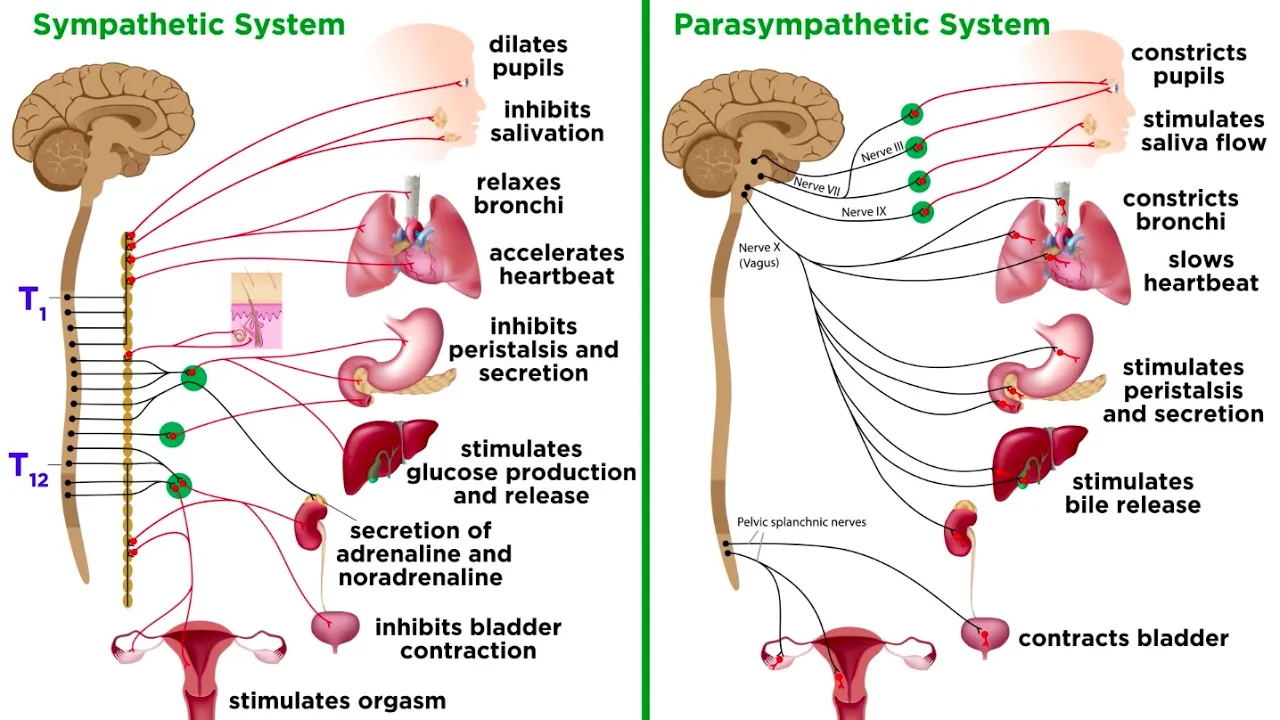
The Autonomic Nervous System: Sympathetic and Parasympathetic Divisions
1.3M
The autonomic nervous system controls involuntary bodily functions like heartbeat and digestion through two opposing divisions: the sympathetic division triggers fight-or-flight responses during emergencies by increasing heart rate, constricting blood vessels, and releasing glucose, while the parasympathetic division manages rest-and-digest functions including digestion and waste elimination; these divisions work together through dual innervation, with the sympathetic originating from thoracic and lumbar spinal cord regions and the parasympathetic from the brain and sacral region, using a two-neuron chain where preganglionic neurons release acetylcholine and postganglionic neurons release either acetylcholine or norepinephrine.
Click to watch →

EMT For Dummies | NREMT For Dummies (EMT NREMT Review)
433.2K
The autonomic nervous system has two opposing divisions: sympathetic (fight or flight) and parasympathetic (rest and digest). The sympathetic system secretes epinephrine and norepinephrine during stress, causing pupil dilation, increased heart rate, relaxed airways, and inhibited digestion. The parasympathetic system promotes relaxation, constricted pupils, decreased heart rate, and enhanced gastrointestinal motility. Visualizing sympathetic responses as someone on cocaine and parasympathetic as someone on heroin helps memorize these opposing effects.
Click to watch →

Autonomic Nervous System (Sympathetic & Parasympathetic) - Overview
400.8K
The autonomic nervous system, a subdivision of the peripheral nervous system, controls unconscious bodily functions through two opposing divisions: the sympathetic nervous system (fight or flight response) and the parasympathetic nervous system (rest and digest response). Both divisions use a two-neuron chain with preganglionic neurons releasing acetylcholine, but differ in their postganglionic neurotransmitters and receptor types—sympathetic uses noradrenaline acting on adrenergic receptors (alpha and beta), while parasympathetic uses acetylcholine acting on muscarinic receptors. The sympathetic division originates from the thoracolumbar region of the spinal cord and activates organs like the heart, airways, and blood vessels to prepare the body for stress, whereas the parasympathetic division originates from cranial nerves III, VII, IX, X and the sacral region, promoting relaxation and digestion through effects on the heart, digestive system, and other organs.
Click to watch →

SISTEMA NERVOSO - FISIOLOGIA - Aula | Biologia com Samuel Cunha
1.8M
The autonomic nervous system regulates involuntary functions. The sympathetic division prepares the body for stress (fight-or-flight): increases heart rate, dilates pupils, redirects blood to muscles, and releases stored glucose. The parasympathetic division promotes relaxation and digestion (rest-and-digest): slows heart rate, stimulates digestion, and promotes urination. These divisions use different neurotransmitters - sympathetic releases noradrenaline while parasympathetic releases acetylcholine.
Click to watch →
Deep Dive
The primary neuroendocrine mechanisms of the stress response, particularly the activation of the Hypothalamic-Pituitary-Adrenal (HPA) axis and the release of glucocorticoids (like cortisol) and catecholamines.

Adrenocorticotropic Hormone (ACTH) | Adrenal Gland
123.7K
The HPA axis is a complex neuroendocrine system that regulates stress responses. When stressors trigger afferent signals through the nervous system, the hypothalamus releases hormones that stimulate the anterior pituitary to release ACTH. ACTH then travels through the bloodstream to the adrenal cortex, stimulating the release of multiple hormones including mineralocorticoids, glucocorticoids, and androgens. This cascade represents the body's primary mechanism for responding to stress.
Click to watch →

(НЕ)ВЫУЧЕННАЯ БЕСПОМОЩНОСТЬ, 50 лет спустя
40.3K
The HPA (Hypothalamic-Pituitary-Adrenal) axis is the neuroendocrine pathway involved in stress response. The hypothalamus releases corticotropin-releasing hormone (CRH), which stimulates the pituitary to release adrenocorticotropic hormone (ACTH), which then stimulates the adrenal cortex to release cortisol. Cortisol increases blood glucose, reduces inflammation, and mobilizes energy resources during stress. While short-term cortisol release is adaptive, chronic stress leads to chronic HPA axis activation and sustained high cortisol levels.
Click to watch →
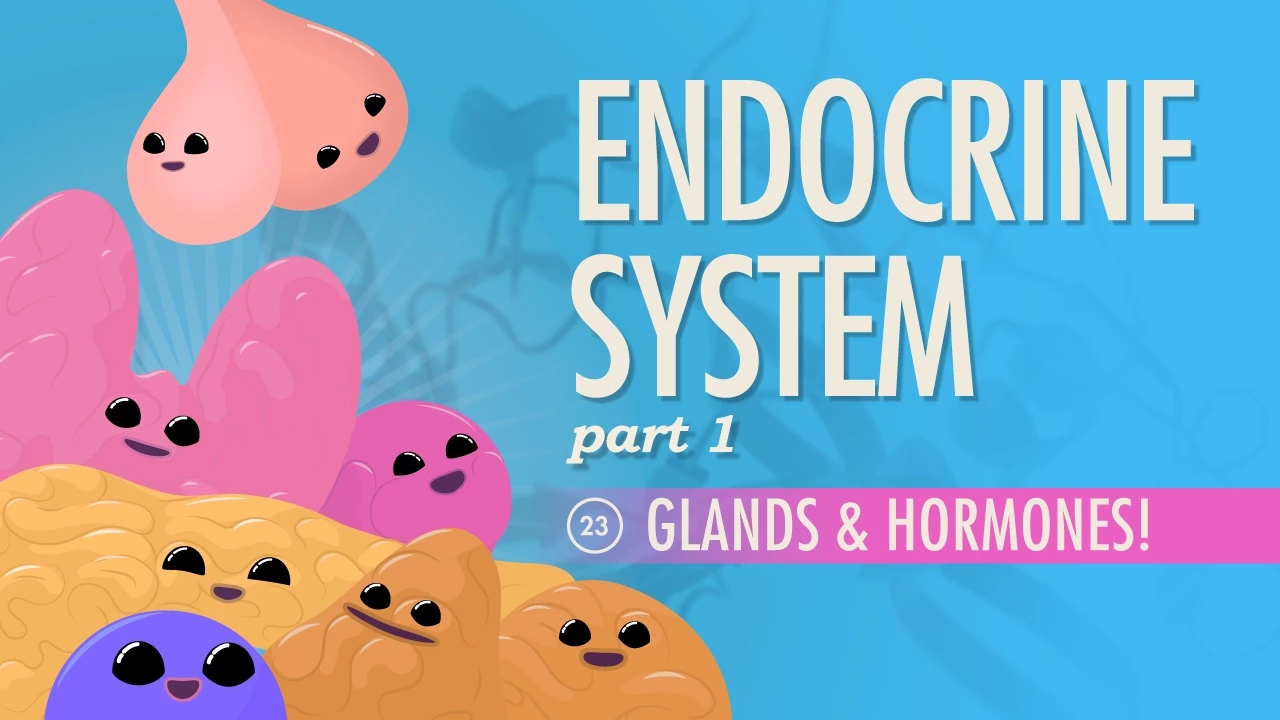
Endocrine System: Glands, Hormones, and the HPA Axis
7.2M
The hypothalamic-pituitary-adrenal (HPA) axis is a critical hormone cascade coordinating the body's stress response, integrating the endocrine and nervous systems. During stress, the hypothalamus releases CRH, stimulating the pituitary to release ACTH, which triggers the adrenal cortex to release cortisol and other stress hormones. These hormones increase blood pressure, release glucose, and suppress non-emergency functions. The hypothalamus monitors hormone levels and stops CRH secretion when stress hormones are sufficient, creating negative feedback to restore balance. This hormonal stress response comes on more slowly than the nervous system's fight-or-flight reaction and takes longer to subside as stress hormones linger in the blood before being broken down.
Click to watch →
How stress affects your brain - Madhumita Murgia
8.5M
The hypothalamus-pituitary-adrenal (HPA) axis is a series of interactions between endocrine glands in the brain and kidneys that controls the body's reaction to stress. When the brain detects a stressful situation, the HPA axis is instantly activated and releases a hormone called cortisol, which primes the body for instant action.
Click to watch →

El ESTRÉS te va a MATAR, a menos que aprendas a CONTROLARLO ¿Cómo CONTROLAR el ESTRÉS?
3.4K
The HPA axis is the stress response system consisting of three parts: the hypothalamus (a deep part of the reptilian brain), the pituitary gland, and the adrenal glands. When activated, the hypothalamus signals the pituitary gland, which then instructs the adrenal glands to produce cortisol. This entire process happens in nanoseconds and prepares the body for a stress response.
Click to watch →
Deep Dive
Evolutionary biology principles regarding why acute physiological stress responses evolved to aid short-term survival in ancestral environments.

physiology and the revolution in evolutionary biology Original
2.1K
The modern synthesis of evolutionary biology (Neo-Darwinism) relies on two fundamental assumptions that have been challenged by contemporary research: (1) mutations are random, and (2) inheritance of acquired characteristics is impossible. Evidence shows mutations are not truly random—they exhibit non-random patterns with hotspots in the genome and their frequency can respond to organismal behavior and environmental conditions. Additionally, proteins like transcription factors and chromatin-binding proteins evolve through domain shuffling rather than gradual accumulation of mutations. Furthermore, environmentally induced changes can be inherited through epigenetic mechanisms, RNA transmission, and cytoplasmic inheritance, as demonstrated by studies on rat stroking behavior, endocrine disruptors, cross-species cloning, and viral silencing responses in C. elegans. This suggests that physiology, which analyzes function, is highly relevant to evolution not only in the process of selection but potentially in the process of genetic change itself.
Click to watch →
Evolutionary Biology
1.3K
Evolution is defined as the change in allele frequency within a population over time, driven primarily by natural selection (where organisms better adapted to their environment survive and reproduce more successfully), genetic drift (random changes in small populations), and mutations (the source of new genetic variation). Key related concepts include: genotype (an organism's genetic makeup at specific loci) versus phenotype (the observable physical characteristics resulting from that genotype); homology (shared derived traits from common ancestry, such as the forelimb bones of humans, dogs, birds, and whales); and various adaptive strategies like camouflage (blending into surroundings), aposematism (bright warning colors indicating toxicity), Batesian mimicry (non-toxic species resembling toxic species), and Müllerian mimicry (multiple toxic species sharing similar warning patterns). Sexual selection operates within natural selection, where individuals choose mates based on desirable traits, often leading to elaborate displays and ornaments that signal fitness.
Click to watch →

건강명상 3번째강좌 황세란박사 부산강좌
288
The stress response evolved as a survival mechanism in ancestral environments. When humans or animals detected danger, the stress response prepared the body to either fight or flee. This system was designed for short-term, acute threats, not for chronic stress in modern life. The same neural pathways that helped our ancestors survive predators now trigger stress responses to everyday challenges like work deadlines or social interactions.
Click to watch →
![[ENG SUB] 죽느냐 하느냐(?) 그것이 문제로다..🫠 | 라플위클리 S6 ep.6 - 본능 #궤도 #안현모 #이동진 [LIFEPLUS]](https://i.ytimg.com/vi/uJ7t8uML-s0/maxresdefault.jpg)
[ENG SUB] 죽느냐 하느냐(?) 그것이 문제로다..🫠 | 라플위클리 S6 ep.6 - 본능 #궤도 #안현모 #이동진 [LIFEPLUS]
394.4K
Stress evolved as a protective mechanism to help the body respond to acute threats. In ancestral environments, stress responses were triggered by sudden dangers like predators or falling from heights. This acute stress response system was designed for short-term, life-threatening situations rather than chronic stressors, creating a fundamental mismatch with modern life.
Click to watch →

fight or flight; rest & repose; the effects of chronic stress
257
The human genus Homo evolved approximately 2.5 million years ago, with Homo sapiens appearing around 200,000 years ago. For our ancestors, stress typically involved short-term dangers like encountering predators or hunting wild animals. These stressful events were brief and resolved quickly. The sympathetic division's fight-or-flight response evolved to handle these short-term emergencies, which is why it was well-adapted to ancestral environments.
Click to watch →
Deep Dive
The psychological concept of cognitive appraisal, or how subjective interpretation of a situation determines whether it is perceived as a threat or a challenge.

BPSC TRE 4.0 | UP / MP Assistant Professor | UP PGT | Psychology By Pawan Sir #bpsctre4 #ugcnet
664
According to Lazarus's cognitive appraisal theory, when an individual encounters a stimulus, the first process that occurs is cognitive appraisal (cognitive evaluation). This means that before any emotional or stress response can occur, there must be a cognitive interpretation of the situation. The cognitive appraisal determines whether the situation is perceived as threatening or challenging, which then leads to emotional and behavioral responses.
Click to watch →

PSY101_Lecture28
12.7K
Cognitive appraisal involves two levels: (1) Primary appraisal - determining if a situation is threatening or challenging, which leads to alertness and arousal, potentially resulting in fear, challenge, fight-or-flight response, or anger, (2) Secondary appraisal - evaluating what resources and alternatives are available to cope with the threat. If sufficient resources are available, one may feel alert and excited but not fearful.
Click to watch →
More About Cognitive Appraisal
101
Cognitive appraisal determines stress levels by how we interpret events as threats or challenges, with challenges causing less stress than threats; predictability and perceived control further reduce stress by allowing advance planning and actionable responses.
Click to watch →

Stres — psychologia migiem #1 #PJM (polski język migowy)
147
In primary appraisal, individuals categorize situations as either threats or challenges. A threat occurs when one perceives risk or potential loss in a situation. A challenge occurs when one recognizes opportunities for development or potential benefits. The same situation can be appraised differently by different people—for example, a new job might be seen as a threat by one person (fear of failure, unfamiliarity) but as a challenge by another (opportunity for learning and growth).
Click to watch →

PSYCHOLOGY important questions + answers | BBA 5th sem | Chapter wise| 2,5,10 marks | Master Daju
111
Cognitive appraisal is the process of evaluating whether a situation is threatening and how we can cope with it. Primary appraisal determines if a situation is threatening, while secondary appraisal evaluates coping resources.
Click to watch →
Prerequisite Knowledge
- Concept 01The dual structure of the Autonomic Nervous System, specifically the contrasting roles of the sympathetic ('fight-or-flight') and parasympathetic ('rest-and-digest') pathways.
- Concept 02The primary neuroendocrine mechanisms of the stress response, particularly the activation of the Hypothalamic-Pituitary-Adrenal (HPA) axis and the release of glucocorticoids (like cortisol) and catecholamines.
- Concept 03Evolutionary biology principles regarding why acute physiological stress responses evolved to aid short-term survival in ancestral environments.
- Concept 04The psychological concept of cognitive appraisal, or how subjective interpretation of a situation determines whether it is perceived as a threat or a challenge.
Subsequent Learning
- Step 01The systemic physiological consequences of chronic allostatic load, including cardiovascular disease, metabolic syndrome, immune suppression, and accelerated cellular aging.
- Step 02The neurobiological impact of prolonged stress on brain plasticity, specifically the atrophy of the hippocampus and prefrontal cortex alongside hypertrophy of the amygdala.
- Step 03The link between social hierarchy, socioeconomic status, and chronic stress markers, drawing on comparative primatology and epidemiological studies like the Whitehall study.
- Step 04Epigenetic mechanisms through which early life stress and maternal care can permanently program an individual's stress reactivity and behavior into adulthood.
- Step 05Neurobiology-informed stress mitigation strategies, such as cognitive reappraisal, mindfulness-based stress reduction (MBSR), and the role of social support.
Stress Basics
Human Stress
Stress Basics
0:08Playing Section
- 1
Homeostasis defines ideal bodily balance; stressors disrupt it.
- 2
Short-term crises trigger hormonal stress responses to restore balance.
The Transactional Model and Challenge vs. Threat Theory
While Sapolsky emphasizes how psychological anticipation triggers a damaging, chronic stress response, the Transactional Model of Stress (Lazarus & Folkman) and the Biopsychosocial Model of Challenge and Threat (Blascovich) offer a critical counter-perspective. They argue that psychological stressors do not inherently cause physiological damage; rather, the biological outcome depends entirely on cognitive appraisal. If an individual evaluates a stressor as a 'challenge' (where personal resources are deemed sufficient to meet demands) rather than a 'threat,' the body exhibits a highly adaptive cardiovascular profile—similar to aerobic exercise—characterized by increased cardiac efficiency. This model suggests that anticipation and psychological triggers can serve as physiological assets rather than inevitable precursors to chronic disease, emphasizing human agency, coping resources, and cognitive reframing over passive biological vulnerability.
Deep Dive
The systemic physiological consequences of chronic allostatic load, including cardiovascular disease, metabolic syndrome, immune suppression, and accelerated cellular aging.

12 2 Allostatic Load and Stress and Coping Paradigm Video
224
Allostatic load refers to the cumulative wear and tear on the body caused by chronic stress that prevents the body from returning to homeostasis. When the fight or flight response remains activated for extended periods, several physiological consequences occur: increased blood surges to limbs may result in hypertension; enhanced metabolic activity can lead to insulin resistance; sharpened brain activity may cause cognitive dysfunction; and overactive immune responses can produce immunosuppressive effects. These tertiary outcomes include cardiovascular disease, diabetes, cognitive decline, hypertension, and even cancer.
Click to watch →

At 112, I Eat 6 Foods Every Single Day And Walk With Strong Legs. — Doctors Can't Explain It.
306
Modern science calls chronic emotional suppression 'allostatic load'—the cumulative physiological cost of sustained psychological stress. Research from Yale and Johns Hopkins shows this burden accelerates cellular aging, shortens telomeres on chromosomes, suppresses immune function, elevates cortisol, promotes systemic inflammation, and speeds up muscle deterioration. Eating salmon and beets cannot undo what a lifetime of emotional dishonesty does to cells.
Click to watch →

The Body Expresses What The Mind Suppresses | thehealingpath
3.5K
If stress signaling continues for years, the body begins adapting to dysfunction as its new normal, creating allostatic load—the cumulative wear and tear from chronic stress. Long-term consequences include adrenal dysregulation leading to burnout, fatigue, and poor stress tolerance. Chronic inflammation accelerates cellular aging and tissue degeneration. Pain syndromes and immune dysfunction develop. Hormone imbalances occur due to chronic cortisol disrupting thyroid conversion, progesterone, testosterone, and insulin regulation, contributing to weight gain, blood sugar instability, insulin resistance, and reproductive dysfunction.
Click to watch →
Supporting Mental Wellbeing By Identifying and Working With Chronic Stress
319
Allostatic load is the cumulative physiological wear from chronic stress that disrupts homeostasis. Individual differences in genes, experience, and behavioral responses contribute, but perceptions of stress, threat assessment, and sense of helplessness (shaped by past experiences) have major impacts on physiological responses. When excessive, allostatic load compromises health through: cardiovascular changes (hypertension), metabolic changes (obesity), immune dysfunction, mental health conditions, health risk behaviors, premature aging, cognitive decline (including Alzheimer's risk), and early death. Animal studies show behavioral changes including impaired response inhibition, social withdrawal, reduced parental behavior, and aggression.
Click to watch →
Hispanic Stress and Resilience During the Holidays
150
Allostatic load is a new concept referring to the wear and tear of the body at the cellular level in response to chronic stress over time. It is a predictor of poor health outcomes including most causes of mortality. During acute stress, the body activates stress hormones and anti-inflammatory cytokines. These hormones affect metabolic, cardiovascular, and immune systems, ultimately leading to tertiary outcomes such as cognitive decline, cellular aging (telomere atrophy), and diseases like diabetes and cardiovascular disease.
Click to watch →
Deep Dive
The neurobiological impact of prolonged stress on brain plasticity, specifically the atrophy of the hippocampus and prefrontal cortex alongside hypertrophy of the amygdala.

Bruce McEwen: "Central Role of the Brain in Stress and Adaptation" Part 1
1.6K
The prefrontal cortex (decision-making, impulse control) shows neuronal shrinkage with repeated stress, while the amygdala (fear, anxiety) shows neuronal growth. This creates an imbalance where anxiety and poor decision-making may persist if changes don't reverse. Lack of resilience in reversing these changes may indicate mental health disorders. Human imaging studies show higher perceived stress correlates with poorer mental flexibility and reduced functional connectivity in prefrontal circuits.
Click to watch →

달걀보다 강력합니다… 치매 직전 뇌세포 살리는 최고의 아침 식단 5가지|신경과 전문의 경고|노후건강지혜
100.5K
According to Hanyang University's research, chronic stress with elevated cortisol levels reduces hippocampal volume by an average of 8.7%. The hippocampus is the brain's memory center, so chronic stress directly impairs memory.
Click to watch →

Лекция №14. Роберт Сапольски — «Стресс, суждение и контроль импульсивности»
5.1K
Chronic stress and elevated glucocorticoid levels cause structural damage to the brain, specifically leading to hippocampal atrophy (which impairs declarative memory) and prefrontal cortex dysfunction (which impairs executive functions, impulse control, and decision-making). These effects are dose-dependent and duration-dependent, meaning longer and more severe stress exposure leads to greater brain damage. While the hippocampus can partially recover after stress reduction, the prefrontal cortex shows different recovery patterns. This has significant implications for understanding how chronic stress from conditions like Cushing's syndrome, severe depression, PTSD, and professional stressors can progressively impair cognitive function and self-regulation over time.
Click to watch →
How Stress Affects Your Brain in Surprising Ways
123
Chronic stress and elevated cortisol levels can physically alter brain structure by shrinking the hippocampus (impairing memory and learning) and prefrontal cortex (reducing cognitive control and emotional regulation) while enlarging the amygdala (increasing negative emotions and reactivity), creating a self-perpetuating cycle that raises the risk for depression and anxiety disorders.
Click to watch →
How does Stress affect our Brain? + more videos | #aumsum #kids #science #education #children
245.4K
Short-term stress is beneficial as it activates the brain's fight-or-flight response through the amygdala and HPA axis, but chronic stress releases cortisol which damages the brain by reducing synapses, shrinking the prefrontal cortex (impairing social behavior and decision-making), and inhibiting neuron growth in the hippocampus (reducing learning and memory abilities).
Click to watch →
Deep Dive
The link between social hierarchy, socioeconomic status, and chronic stress markers, drawing on comparative primatology and epidemiological studies like the Whitehall study.

Interview with Mario Bunge 2
1.3K
The Whitehall Study examined civil servants in England and found that despite equal healthcare access, those in lower hierarchical positions lived significantly shorter lives with higher sickness rates. This demonstrates that social hierarchy and lack of freedom cause physical illness. The biological mechanism involves social stress producing anxiety, which increases cortisol production that damages cells. This supports arguments for freedom and self-management in organizations, as workers in cooperative structures tend to be healthier than those in hierarchical businesses.
Click to watch →
![Robert Sapolsky on science, morality, religion and human behavioral biology [Vert Dider] 2017](https://i.ytimg.com/vi_webp/VrQkl7PaA1s/maxresdefault.webp)
Robert Sapolsky on science, morality, religion and human behavioral biology [Vert Dider] 2017
193.5K
Current neuroscience has essentially zero predictive power for determining whether someone will commit antisocial acts. Even knowing about frontal cortex damage provides only about 90% accuracy in predicting socially inappropriate behavior, but cannot distinguish between serial murderers and people who simply speak loudly or burp at dinner tables. True prediction would require knowing millions of factors including genetics, fetal environment, childhood experiences, culture, and daily circumstances. Comparative research requires careful species selection as models. Baboons excel at modeling psychological stress in humans because their environment minimizes predation pressure, allowing them to devote most daily energy to social competition and hierarchy. However, they are poor models for pair-bonding behavior since they are among the most polygamous primates. Humans occupy an intermediate position between chimpanzees (highly aggressive, hierarchical) and bonobos (peaceful, matriarchal), sharing approximately 98% DNA with both. This evolutionary positioning explains remarkable human behavioral variability: most historical cultures were polygamous, yet within those cultures most individuals formed pair-bonded marriages, and many people cheat despite cultural prohibitions against it.
Click to watch →

Paolo Vineis, Epigenetica ed ambiente
2.9K
Socioeconomic status is one of the main predictors of disease and mortality. Even after accounting for occupational exposures, smoking rates, and food quality, people in lower socioeconomic classes have higher risks of disease and death. Michael Marmot conceptualized this as 'social stress' - the frustration of limited ability to change one's situation, which produces physiological and pathological modifications. In London, residents living two stops from the city center have one year less life expectancy than those living closer to the center. The Whitehall study demonstrated that cortisol production is consistently higher in people of lower socioeconomic status. Research has shown that levels of C-reactive protein, a marker of inflammation, are significantly higher in subjects of lower socioeconomic status. Studies in macaques have demonstrated that social rank is associated with greater expression of genes involved in inflammation. When researchers swapped infant macaques between high and low-ranking mothers, offspring showed increased expression of inflammatory genes when raised by lower-ranking mothers. In the EPIC-Torino study, 830 people classified by socioeconomic status showed the same effect: lower socioeconomic status was associated with hypomethylation of inflammatory genes, providing human evidence that psychosocial stress produces measurable epigenetic changes.
Click to watch →
Why Income Inequality Damages Us All: The causal processes
705
Research shows that social subordination triggers chronic stress responses similar to those in subordinate animals. The Whitehall studies found that fibrinogen levels (stress markers) increase at lower social positions. Meta-analyses of 208 stress studies worldwide identify that social evaluative threat most reliably elevates cortisol. Stereotype threat experiments demonstrate that reminders of belonging to disadvantaged groups immediately impair performance.
Click to watch →

Stress & Social Hierarchy (Intro Psych Tutorial #214)
3.1K
Higher social status generally correlates with lower stress and better health outcomes, as demonstrated by the Whitehall studies showing that higher-ranking British civil servants had fewer illnesses and reduced heart disease risk; however, this relationship is complex because humans belong to multiple overlapping hierarchies with varying importance, and once basic needs are met, additional social status does not consistently improve health, while poverty remains a major risk factor due to physical, psychological, and environmental stressors.
Click to watch →
Deep Dive
Epigenetic mechanisms through which early life stress and maternal care can permanently program an individual's stress reactivity and behavior into adulthood.

Stress and epigenetics BIOL 201
1.6K
Maternal nurturing behavior during early development can permanently alter offspring stress responses through epigenetic mechanisms, specifically by modifying the methylation status of the glucocorticoid receptor (GR) gene in the hippocampus; attentive maternal care results in low GR gene methylation (gene expression 'on'), allowing cortisol to effectively terminate the stress response, while neglect leads to high GR gene methylation (gene expression 'off'), preventing stress response termination and causing chronic anxiety.
Click to watch →

SCIENZE - EVOLUZIONE: DAI GENI AL COMPORTAMENTO - Accademia dei Lincei e SNS - 13 gennaio 2025
501
Maternal care affects methylation of glucocorticoid receptor genes in the hippocampus and hypothalamus. Well-cared-for rats show low methylation (high receptor expression), while poorly-cared-for rats show high methylation (low receptor expression). This affects stress response systems throughout life. Early maternal care programs the stress response system through epigenetic mechanisms in the first 10-12 days of life. Maladaptive epigenetic changes from early negative experiences are called 'molecular scars' that persist into adulthood.
Click to watch →
Aggressive By Nature? | Richard Tremblay | EP 171
260.3K
Maternal care quality fundamentally shapes development through epigenetic mechanisms. Research shows maternal separation affects thousands of genes, clustering in chromosomal regions linked to serotonin function. The initial mother-infant bond is absolutely necessary, with synchrony emerging even during breastfeeding. Disrupted reciprocity in early interactions predicts long-term behavioral problems, demonstrating that early social environments produce lasting biological and psychological effects.
Click to watch →

Surviving at the cost of suffering: The mixed blessings or our evolved neuroplastic brains
2.5K
Research by Ian Weaver demonstrated that rat pups receiving high levels of maternal licking and grooming had permissive epigenetic marks on their glucocorticoid receptor genes, resulting in higher receptor expression. This created a responsive stress system that shut down quickly after stress exposure. Conversely, pups receiving less maternal care had repressive epigenetic marks, fewer receptors, and sustained stress responses. This represents an evolutionary adaptation where early adversity prepares offspring for environments with less parental availability.
Click to watch →

Vorlesung Biologische Psychologie S1_2
5.7K
Epigenetics examines how experiences and environmental influences affect gene expression, which influences appearance, perception, thinking, and behavior. Phenotype results from genotype combined with epigenetic influences. DNA is wrapped around histone proteins in chromatin structure, where accessibility determines gene expression. Two main mechanisms control accessibility: DNA methylation and histone modification. Transgenic animal models (knockout mice) and CRISPR-Cas9 gene editing allow precise investigation of gene function. In rats, maternal care behavior affects offspring stress responses through the HPA axis, mediated by glucocorticoid receptors in the hippocampus. Strong maternal care increases receptor expression, while weak care reduces it.
Click to watch →
Deep Dive
Neurobiology-informed stress mitigation strategies, such as cognitive reappraisal, mindfulness-based stress reduction (MBSR), and the role of social support.

Ex-Director de Big Pharma: Así Funciona el Negocio de la Enfermedad | Dr. Sergio Abanades
23.5K
Mindfulness-Based Stress Reduction (MBSR) is an 8-week program developed by Jon Kabat-Zinn that is scientifically validated through clinical trials and meta-analyses. It involves weekly classes with guided meditations and daily practice of at least 20 minutes. Neuroimaging studies show that this practice can literally change the structure and function of the brain in just 8 weeks, demonstrating that meditation has measurable biological effects on health.
Click to watch →

Introduction to the MBSR course (UMass Medical School, Center for Mindfulness)
223.8K
MBSR is a clinical program developed at UMass Medical School that teaches mindfulness meditation—a practice rooted in Buddhist traditions—to help individuals reduce stress and suffering by cultivating present-moment awareness and leveraging neuroplasticity to build mental resilience; the program combines individual practice with group learning, allowing participants to develop skills that enable them to respond differently to life's challenges rather than reacting automatically to stressors.
Click to watch →
#164 Jak Medytacja Zmienia Twój Mózg, Pozytywny Wpływ Spacerów, Pamięć - dr Joanna Podgórska
830.9K
Mindfulness-Based Stress Reduction (MBSR) is an 8-week program developed by Jon Kabat-Zinn that teaches mindfulness meditation for stress reduction. The program has been extensively researched and shown to reduce stress, improve emotional regulation, and enhance cognitive function. It is suitable for people of all backgrounds and does not require religious affiliation. MBSR provides a structured approach to developing mindfulness skills.
Click to watch →

Mindful Living - with Jon Kabat-Zinn
314.4K
MBSR (Mindfulness-Based Stress Reduction) was developed in 1979 at the University of Massachusetts Medical School as an eight-week course designed to teach people how to take better care of themselves using Buddhist meditative practices adapted without religious elements. Originally intended to catch people falling through cracks in the healthcare system with conditions like heart disease, cancer, chronic pain, and HIV, it represented a radical departure from academic medicine's resistance to bringing meditation into medical practice. The core insight is that while medicine addresses physical symptoms, mindfulness addresses the root causes of suffering by cultivating awareness and wise relationship to experience. The practice involves pouring attention and awareness into what is right with a person while allowing conventional healthcare to address what is wrong, recognizing that as long as one is breathing, there is more right than wrong with any individual. The first part of the Hippocratic Oath—'First do no harm'—requires practitioners to be awake, mindful, and heartful to genuinely fulfill this obligation.
Click to watch →

How to Find Inner Peace | Motivational Video 🔥 | Graded Reader ✅️ | Learn English With Podcast 🎧
131
MBSR (Mindfulness-Based Stress Reduction) is the final step to inner peace and a powerful modern method. It is a method to train your mind to stay calm even in stressful situations. Stress is not your enemy—everyone has stress from work, family, and overthinking. You cannot remove stress completely, but the real problem is not knowing how to handle it. Peace is not about removing problems but about controlling your reaction to problems. MBSR uses simple techniques like awareness, breathing, observation, and body relaxation. When you feel stressed, instead of reacting immediately, you pause and take a deep breath. Between a problem and your reaction, there is a small space, and in that space, you have a choice. Peace is a skill that can be trained—you don't become calm automatically, you practice calmness.
Click to watch →
Stress Basics
Human Stress
Stress Basics
0:08- 1
Homeostasis defines ideal bodily balance; stressors disrupt it.
- 2
Short-term crises trigger hormonal stress responses to restore balance.
The Transactional Model and Challenge vs. Threat Theory
While Sapolsky emphasizes how psychological anticipation triggers a damaging, chronic stress response, the Transactional Model of Stress (Lazarus & Folkman) and the Biopsychosocial Model of Challenge and Threat (Blascovich) offer a critical counter-perspective. They argue that psychological stressors do not inherently cause physiological damage; rather, the biological outcome depends entirely on cognitive appraisal. If an individual evaluates a stressor as a 'challenge' (where personal resources are deemed sufficient to meet demands) rather than a 'threat,' the body exhibits a highly adaptive cardiovascular profile—similar to aerobic exercise—characterized by increased cardiac efficiency. This model suggests that anticipation and psychological triggers can serve as physiological assets rather than inevitable precursors to chronic disease, emphasizing human agency, coping resources, and cognitive reframing over passive biological vulnerability.
The dual structure of the Autonomic Nervous System, specifically the contrasting roles of the sympathetic ('fight-or-flight') and parasympathetic ('rest-and-digest') pathways.
The primary neuroendocrine mechanisms of the stress response, particularly the activation of the Hypothalamic-Pituitary-Adrenal (HPA) axis and the release of glucocorticoids (like cortisol) and catecholamines.
Evolutionary biology principles regarding why acute physiological stress responses evolved to aid short-term survival in ancestral environments.
The psychological concept of cognitive appraisal, or how subjective interpretation of a situation determines whether it is perceived as a threat or a challenge.
The systemic physiological consequences of chronic allostatic load, including cardiovascular disease, metabolic syndrome, immune suppression, and accelerated cellular aging.
The neurobiological impact of prolonged stress on brain plasticity, specifically the atrophy of the hippocampus and prefrontal cortex alongside hypertrophy of the amygdala.
The link between social hierarchy, socioeconomic status, and chronic stress markers, drawing on comparative primatology and epidemiological studies like the Whitehall study.
Epigenetic mechanisms through which early life stress and maternal care can permanently program an individual's stress reactivity and behavior into adulthood.
Neurobiology-informed stress mitigation strategies, such as cognitive reappraisal, mindfulness-based stress reduction (MBSR), and the role of social support.
260.1K views3.2Klikes3:18@greatergoodscienceOriginal Release: 2012-03-21
[Music] back to a term I guarantee you had ninth grade biology with any luck you have not thought about this word since then do you remember homeostasis homeostasis having an ideal body temperature an IDE ideal level of glucose in the bloodstream having an ideal everything being in homeostatic balance a stressor is anything in the outside world that knocks you out of homeostatic balance you're some zebra and a lion has leapt out and ripped your stomach open and your inard are dragging in the dust and you still need to get out of there this counts as being out of homeostatic balance or or you are that lion who's half starved to death and if you don't manage to chase something down to eat you're not going to survive the night a short-term physical crisis and the stress response is what you do with your body you secrete adrenaline and 110 other hormones I won't torture you with the stress response reestablishes homeostatic balance that's all you need to know about the subject if you're a zebra or a lion if you're human though you've got to expand the definition in a very critical way which is among us some of the time we turn on the stress response because we've had a challenge to homeostatic balance all of that sort of thing but some of the time we turn on the stress response because we think we're just about to be stressed and if it turns out that you're right hooray for you you know here comes the elephant you don't have to wait to be stomped by it before increasing your blood pressure you can have an anticipatory stress response which is great on the other hand if you think that way all the time and you're constantly assuming that there are stressors coming that do not really exist we have technical terms for you you're being neurotic as hell you're being anxious you're being paranoid you're being hostile you are being profoundly human sit down a pipo and try to describe what the prime lending rate is and it's going to have no idea what you're talking about but we do and that's the central Concept in the whole field we cognitively socially sophisticated primates turn on the exact same stress response as does that zebra running for its life or a lion running for a meal and we turn it on for Pure L psychological reasons we turn it on with memories with emotions with thoughts and the whole punchline is is that's not what it evolved for what stress is like for 99% of the beasts on this planet is three minutes of screaming Terror in the savannah after which it's either over with you're over with and what do we do we turn on the identical stress response for 30-year mortgages and that's where you begin to get the wear and tear in the system [Music]
Up Next
4:39
Cognitive Biases Explained: Loss Aversion and Heuristics in Decision-Making
@TEDEd
2.4M views•2016-05-12

68:32
Cognitive Skills for Differentiated Instruction | Teacher PD
@BrainWareLearning
631 views•2017-12-17

9:55
Thinking, Fast and Slow: Daniel Kahneman Animated Book Summary
@FightMediocrity
2.3M views•2015-06-05

6:40
The Nocebo Effect: How Beliefs Can Cause Real Harm
@CGPGrey
10.4M views•2013-12-23
Related Study Plans & Knowledge Roadmaps
Structured learning paths in Psychology
psychology
Neuroscience of Creativity: Networks & Training
01Foundations of Creative Cognition
02The Cognitive Neuroscience of Insight & Fixation
03The Triple Network Model of Creativity
+ 1 more learning modules
15h4 modules
Explore Roadmap
psychology
Imposter Syndrome: Etiology & CBT Framework
01Defining the Imposter Phenomenon
02Socio-Developmental Etiologies
03CBT Fundamentals & Thought Distortions
+ 2 more learning modules
15h5 modules
Explore Roadmap
psychology
Adult ADHD: Executive Dysfunction & Scaffolding
01Neurobiology of the ADHD Brain
02The Core Triad of Executive Deficits
03Executive Dysfunction and Emotional Regulation
+ 2 more learning modules
12h5 modules
Explore Roadmap
psychology
Loneliness: Evolution, Neurobiology & CBT
01Evolutionary Origins of Human Connection and Loneliness
02The Neurobiology and Physiology of Chronic Loneliness
03Maladaptive Social Cognition: The Psychological Loop
+ 2 more learning modules
12h5 modules
Explore Roadmap