











![[최경영의 경제쇼] 0512(화) 오건영 ㅡ "저금리의 덫, 돈풀어도 결국 1% 부자들에게만 몰리는 이유?"](https://i.ytimg.com/vi_webp/13HGyUW-CpQ/maxresdefault.webp)


![강달러 고금리는 끝났는가 [신과대화: 오건영 신한은행 부부장]](https://i.ytimg.com/vi/GB6Lu7nyCfU/maxresdefault.jpg)




The Federal Reserve, the U.S. central bank, manages the economy through monetary policy by controlling the money supply to influence interest rates and economic activity; when the Fed increases the money supply, interest rates decrease, encouraging borrowing and spending (expansionary policy), while decreasing the money supply raises interest rates and slows economic activity (contractionary policy), using tools like reserve requirements, discount rates, and open market operations to achieve its goals.
Monetary Policy and the Federal Reserve Explained
Added:Understanding the basic concept of inflation, deflation, and how price stability affects the purchasing power of money.
The fundamental difference between a central bank (like the Federal Reserve) and commercial retail banks.
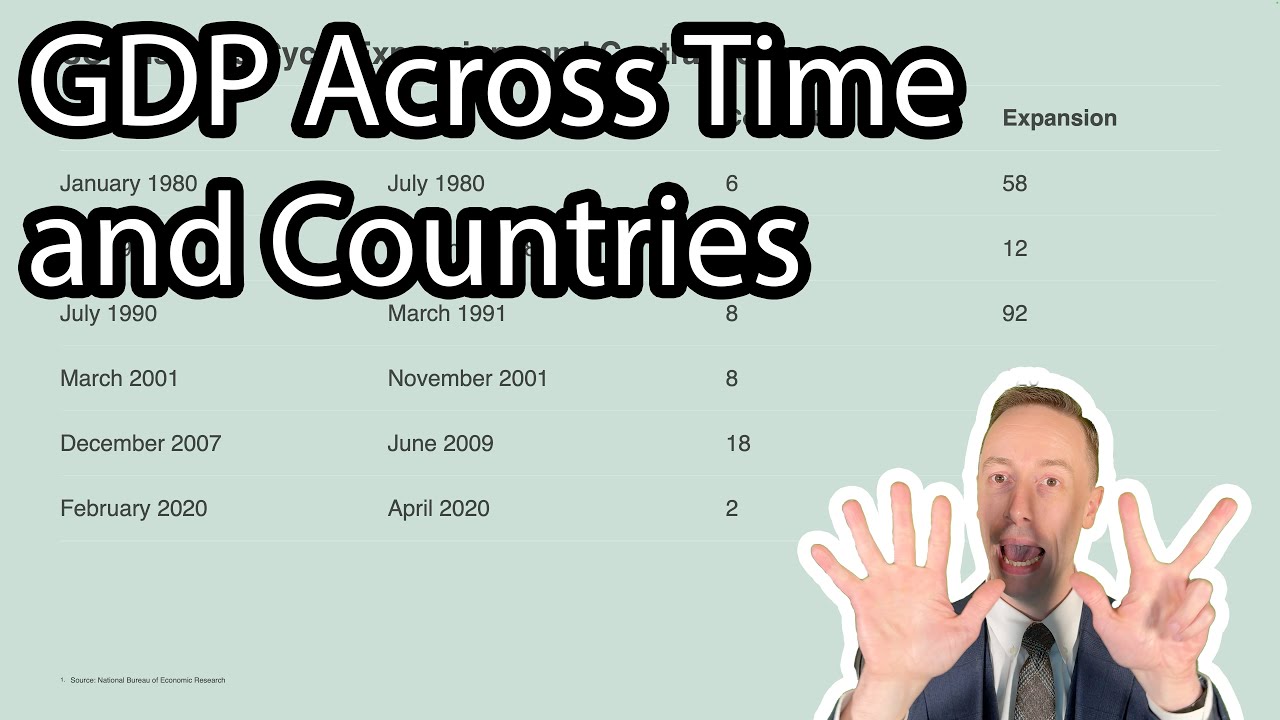
An overview of the macroeconomic business cycle, including concepts of recession, expansion, and Gross Domestic Product (GDP).
How interest rates generally function as the cost of borrowing money and the incentive for saving.
Comparing and contrasting monetary policy with fiscal policy (government taxation and spending) to see how they co-steer the economy.
In-depth study of unconventional monetary policy tools, such as Quantitative Easing (QE) and forward guidance.
Analyzing the global spillover effects of Federal Reserve policies on international exchange rates and emerging market economies.
Historical case studies of Federal Reserve actions during major economic events, such as the 1970s stagflation, the 2008 Financial Crisis, and the COVID-19 pandemic.
2M views23.5Klikes9:24Original Release: 2015-10-08
Jacob: Welcome to Crash Course: Economics, I'm Jacob Clifford.
Adriene: I'm Adriene Hill and today were talking about monetary policy.
Jacob: So each year, TIME magazine comes out with a list of the worlds 100 most influential people.
Adriene: It includes heads of state, religious leaders, entrepreneurs, artists and activists, singers and actors of the most famous and infamous.
There's one person on that list -- someone who is arguably the most influential person on earth -- that most people don't know. Their decisions, good or bad, likely impact billions of people: Janet Yellen.
Jacob: She steers the largest economy in the world. Janet Yellen is a big deal. And she's a big deal because of monetary policy.
[Theme Music] Adriene: The Federal Reserve is the central bank of the United States, and it's commonly called "The Fed." Europe has the European Central Bank or ECB, and other countries have institutions that play similar roles.
Most central banks have two important jobs. First, they regulate and oversee the nation's commercial banks by making sure that banks have enough money in their reserve to avoid bank runs.
Their second job, and the job we're gonna focus on today, is to conduct monetary policy which is increasing or decreasing the money supply to speed up or slow down the overall economy. Monetary policy is what makes The Fed and The Fed Chair so influential.
Jacob: Let's start with interest rates. An interest rate is the price of borrowing money.
When banks lend money, they expect to be repaid the amount they lent, which is called the principle, and a percentage of the principle to cover inflation and to make some profit.
That percentage is called the interest rate.
The number of car loans, student loans, home loans, and business loans that get made depends on interest rates.
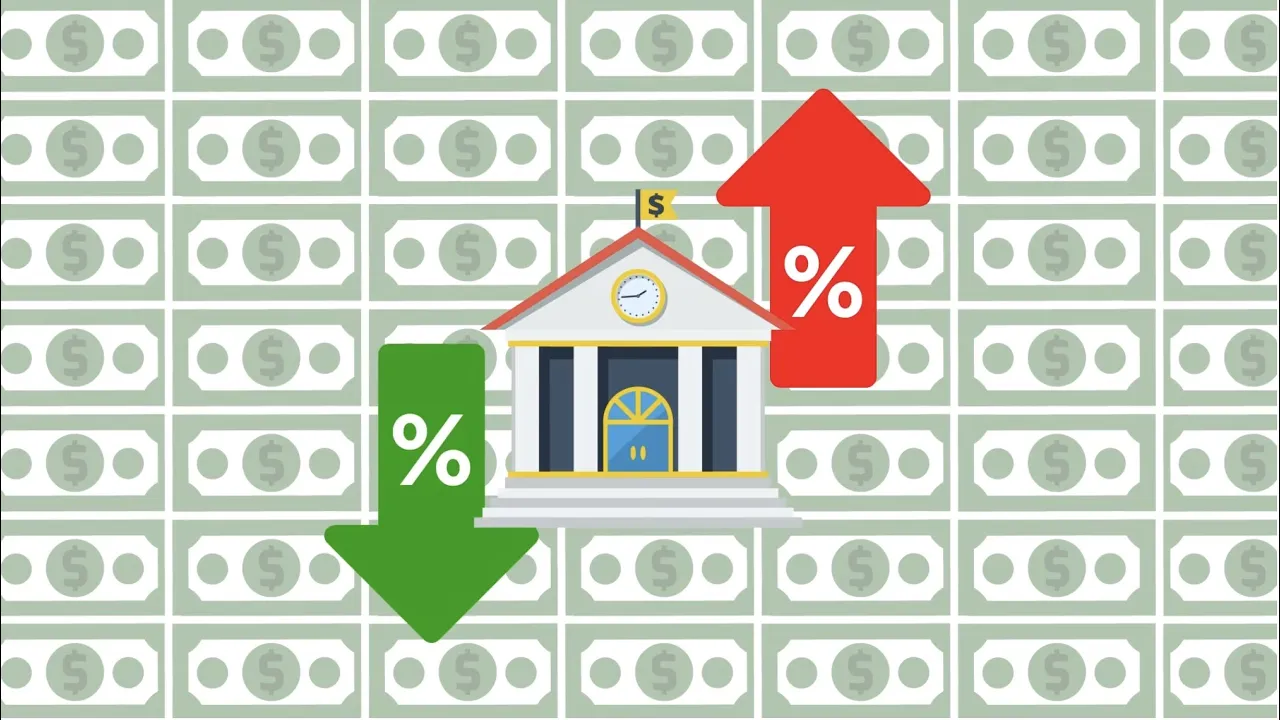
When interest rates are low, borrowers will find it easier to pay back loans so they will borrow more and spend more. When interest rates are high, borrowers borrow less and therefore spend less.
In the U.S., The Fed doesn't have the power to tell banks what interest rate to charge customers. So instead, The Fed manipulates interest rates by changing the money supply.
If The Fed increases the money supply, there'll be plenty of money for banks to loan out.
Borrowers will shop around for the best deal on a loan, and banks will be forced to lower interest rates because they're gonna have to compete or else no one's gonna borrow from them.
A decrease in money supply has the opposite effect. Less money supply means the banks have less money to loan out, so they're gonna try and get the highest interest rate possible.
So less money -- higher interest rates.
If the central bank wants to speed up the economy, they can increase the money supply, which will decrease interest rates, and lead to more borrowing and spending.
That's called Expansionary Monetary Policy.
If the central bank wants to slow down the economy, they decrease the money supply -- less money available will increase interest rates and decrease spending. That's called Contractionary Monetary Policy.
Adriene: Here's some real life examples.
After the Dot Com bust and then 9-11, the U.S. economy was in a slump or a recessionary gap. Output was low, and unemployment was high.
To speed up the economy, The Fed boosted the money supply, which lowered interest rates.
This made borrowing easier, which increased spending, and as a result, the economy began growing again, albeit slowly.
Here's another example. In the late 1970s, prices were rising up to 13% per year. Inflation is usually more like two to four percent. The Fed Chairman, Paul Volker, decreased the money supply, causing interest rates to shoot up.
People bought fewer homes and cars, and businesses invested less. Contractionary Monetary Policy drove down inflation, but with the downside of increasing unemployment.
There are just no easy answers here... sorry.
During The Great Depression though, The Fed blew it! 73 years later, Fed Chairman, Ben Bernanke admitted, "We did it. We're very sorry. We won't do it again."
So what did The Fed do wrong?
Well there are two things that keep the banking system healthy - confidence and liquidity.
When customers deposit money in a bank, they need to feel confident they're gonna get their money back.
In the early years of The Great Depression, The Fed allowed several large bank to fail, which caused widespread panic and bank runs in other banks. The result was a third of all banks collapsed.
The banks failed because they didn't have Liquid Assets, which is a fancypants way of saying the banks had stock, bonds, mortgages, but not cash money. So when depositors rushed to take money out, the banks couldn't pay.
The Fed gets blamed for prolonging The Depression because it didn't give banks emergency loans, which would've increased the liquidity in banks and the money supply in general.
But how does a central bank change the money supply? In the U.S., there are three main ways. Let's go to the Thought Bubble... Jacob: When you deposit money in a bank, the bank holds a portion of deposits and loans the rest out. This is called Fractional Reserve Banking. The fraction deposits the banks are required to hold in reserves is conveniently called the Reserve Requirement. The first way The Fed can change the money supply is by changing that requirement. Decreasing the Reserve Requirement will increase the money supply, and increasing the Reserve Requirement decreases the money supply.
The Fed is the banker's bank, so if a commercial bank needs money, they can borrow from The Fed.
The second thing The Fed can do to change the money supply is to change the interest rate that it charges banks. That interest rate is called the Discount Rate. Decreasing the Discount Rate will make it easier for banks to borrow, and that'll increase the money supply. Increasing that rate will decrease the money supply.
The third way to change the money supply is difficult because it requires Janet Yellen to get approval from the Illuminati, the secret cabal that runs the world.
Nah, I'm just kidding.
The third method is called Open Market Operations. This is when The Federal Reserve buys or sells short term government bonds.
Now a government bond, or something called a treasury bill, is an IOU issued by the government that says, "I'll pay you back later." Banks hold those bonds because they earn interest and are generally less risky than stocks.
If The Fed buys these previously issued government bonds from a bank, it increases that bank's liquidity and increases the money supply. If The Fed issues more bonds, the banks will have less liquidity and less money to loan out, and that'll decrease the money supply.
In the U.S., deciding how many bonds to buy and sell is done by the Federal Open Market Committee.
Adriene: Thanks Thought Bubble!
With these options at its disposal, The Fed can increase or decrease the money supply pretty darn quick. The option they use most often is Open Market Operations.
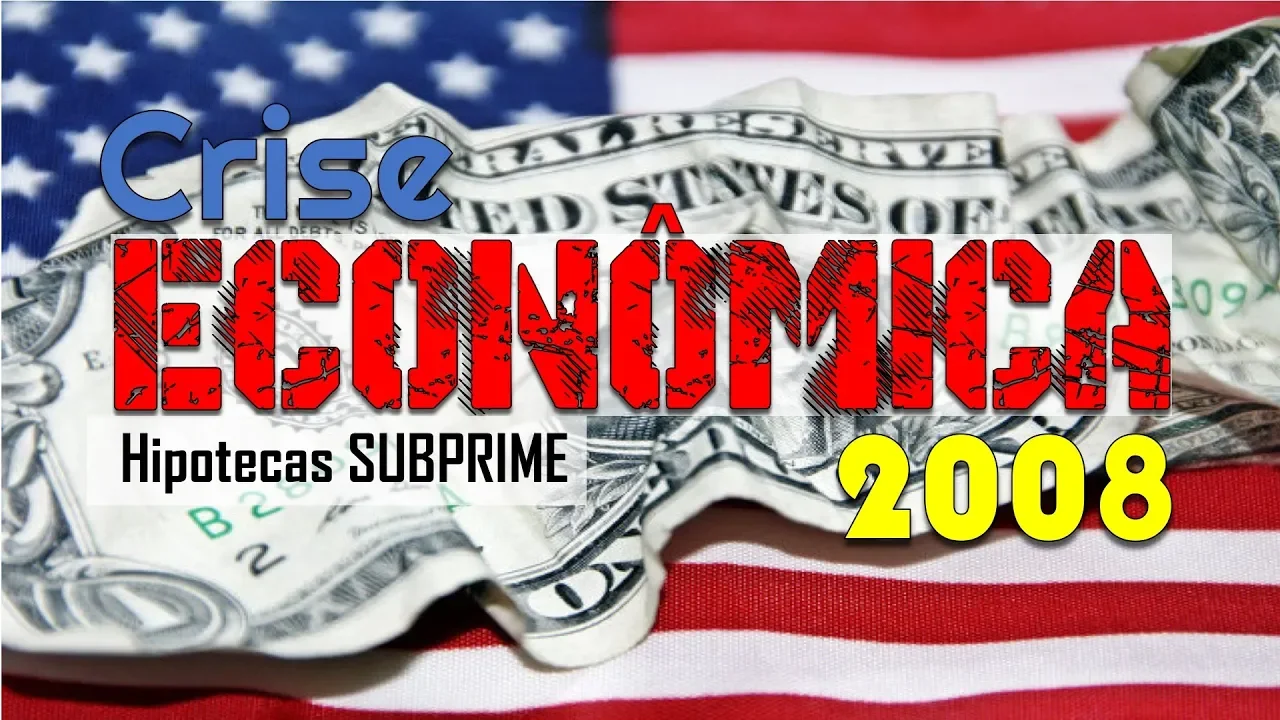
During the 2008 financial crisis, when the economy was in severe recession, The Fed went straight to work, buying massive of bonds. Boosting the money supply and dropping interest rates to practically zero.
But it wasn't enough - the economy was still in bad shape, so The Fed did something very uncommon in the history of central banks.
It increased its monetary stimulus through something called Quantitative Easing. We call it Q.E. at work because Q.E. rolls off the tongue more easily than Quantitative Easing.
Plus, who knows how to spell quantitative?
Basically it's when central banks buy up longer term assets from banks. So not only was The Fed buying regular treasury bills, it was also buying things like home loans aka Mortgage Backed Securities.
They did all this with made-up money. This Q.E. has raised worries about massive inflation.
When you add a lot of made-up money to the economy, prices can rise.
Milton Friedman observed, "Inflation is always and everywhere a monetary phenomenon."
So if The Fed has been increasing the money supply steadily since 2008, why has the actual inflation rate stayed so low?
Of course, as always, the answer is complicated.
Many economists say it's because banks haven't loaned out the money. Remember, banks have to hold about 10% of their deposits in reserve. The other 90% is called Excess Reserves - pretty straightforward - which is basically the amount that banks are free to loan out.
Under normal conditions, banks would prefer not to hold a lot of excess reserves because holding money doesn't make money. But since 2008, excess reserves skyrocketed. This means that banks held the money, and it never really got into the system.
Why? Some say it's the stricter lending regulations. But also, borrowing a bunch of money for a house seemed a lot scarier.
Others suggest that low inflation in the U.S. is the result of uncertainty in Europe, and that's caused foreigners to hold dollars. Some argue that it's because the economy is still sputtering.
One thing's for sure, as the economy continues to pick up speed, we'll see The Fed clamping down on the money supply to increase interest rates.
After all, it's The Fed's job to take away the punch bowl just as the party's getting started.
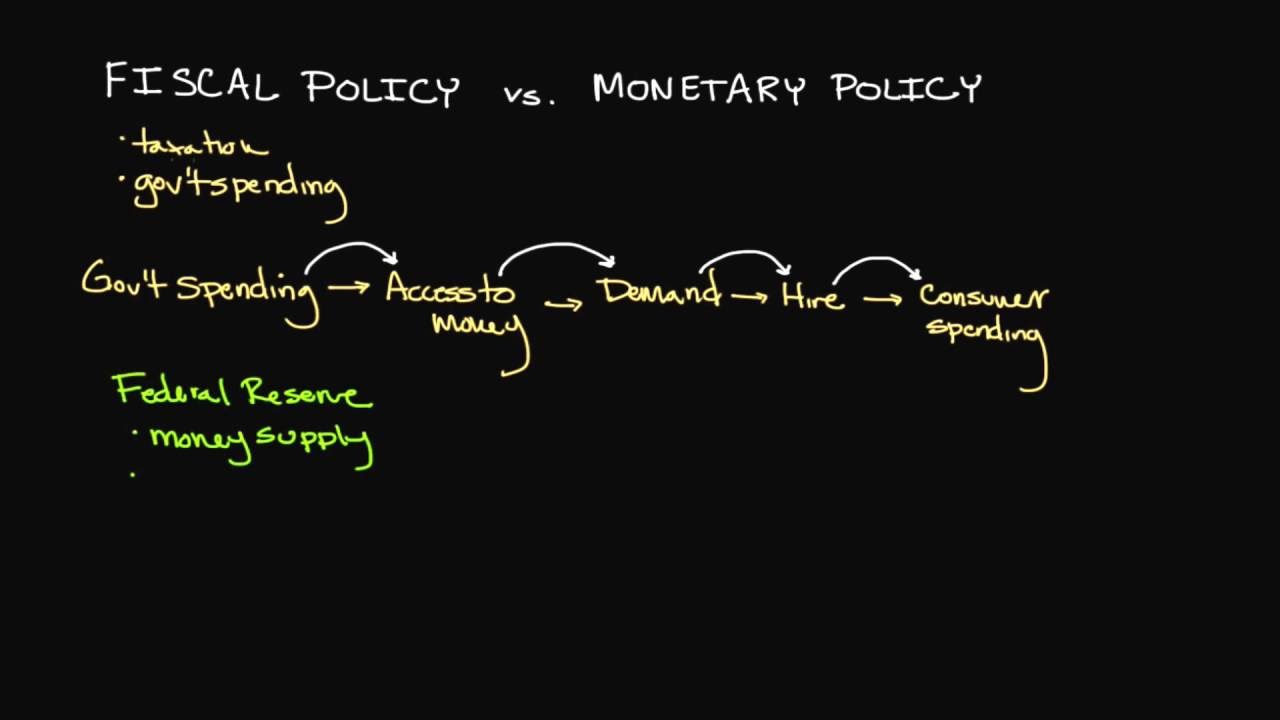
Jacob: So now we've talked about the two main ways economists speed up or slow down the economy. Fiscal policy, which is changing government spending or taxes, and now monetary policy, which is changing the money supply.
In an ideal world, the economy would always be perfect, and we wouldn't need these tools.
But the world isn't perfect, so sometimes, intervention is necessary. So which one is better?
Well, like any clear, unambiguous question in economics, the answer is... it depends.
It depends on the severity of the slump. Many economists argue that for your garden variety fluctuations, monetary policy is more effective. It's usually enacted quickly by experts whose only job is to focus on the state of the economy.
But in a very severe downturn, fiscal policy might become much more effective. In 2008, the United States did both.
It also depends on whether your country's central bank is tangled up in politics. The U.S. and many other developed nations have worked hard to isolate their central banks from politicians who might be shortsighted.
The result is that monetary policy generally works and doesn't have a lot of side effects.
Adriene: So the next time you see Janet Yellen in a magazine, listed as one of the most influential people, you can shout, "Hey! I know who that is, and I know what she does!"
The people in your dentist office might freak out, but maybe not.
Jacob: Maybe they watch Crash Course Economics.
Adriene: Thanks for watching - we'll see you next week.
Jacob: Thanks for watching Crash Course Economics. It was made with the help of all of these nice people.
Now, if you want to support Crash Course as open market operations, head on over to Patreon.
It's a voluntary subscription platform that allows you to pay whatever you want monthly to help Crash Course be free for everyone... forever.
Thanks for watching! DFTBA
Up Next
81:06
Central Banks & Commercial Banking Part 1 | Blockchain and Money
@mitocw
300.4K views•2020-01-23
5:07
Impact of Yuan in Indo-Russian Trade Amid Sanctions
@WION
261.9K views•2022-07-01

7:31
Deficits & Debts Explained: Economics of Government Spending
@crashcourse
1.5M views•2015-09-23

113:18
The Age of Easy Money: Fed & Inflation | Full Documentary
@frontline
21.2M views•2023-03-15
Related Study Plans & Knowledge Roadmaps
Structured learning paths in Economics
economics
Sovereign Debt: Defaults, IMF & Restructuring
01Introduction to Sovereign Debt & Government Bonds
02Debt Sustainability & Credit Ratings
03Anatomy and History of Debt Crises
+ 2 more learning modules
12h5 modules
Explore Roadmap
economics
Market Design: Matching Theory & Gale-Shapley
01Introduction to Market Design and Price-Free Markets
02Two-Sided Matching & The Gale-Shapley Algorithm
03School Choice Systems and Mechanism Design
+ 2 more learning modules
10h5 modules
Explore Roadmap
economics
Impossible Trinity: Forex, Capital & Policy
01Introduction to Monetary Policy and Central Banking
02Exchange Rates and International Capital Flows
03The Mundell-Fleming Model
+ 2 more learning modules
8h5 modules
Explore Roadmap
economics
Healthcare Economics: Market Failures & Systems
01Introduction to Healthcare Markets and Market Failure
02Asymmetric Information and Adverse Selection
03Moral Hazard and Insurance Design
+ 2 more learning modules
12h5 modules
Explore Roadmap