

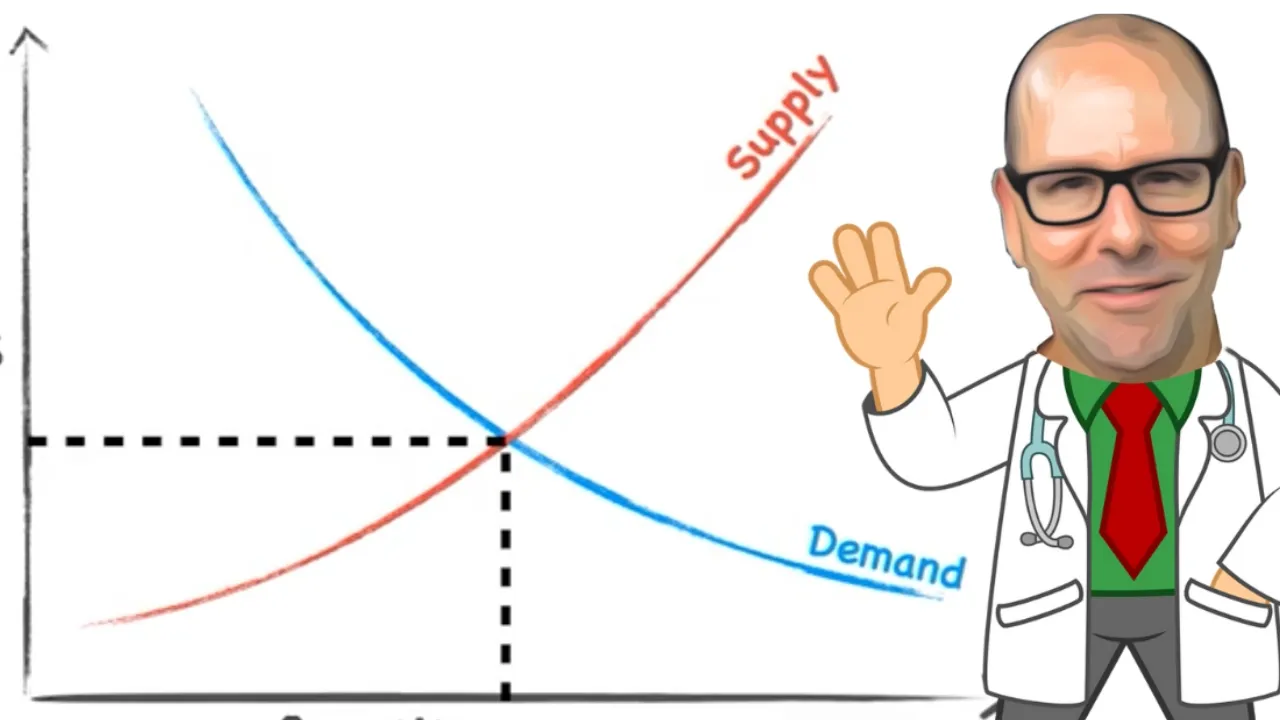
![Introduction to Economics & Health Economics [MIDAS Health Economics series]](https://i.ytimg.com/vi/3ZdQDieKP1I/maxresdefault.jpg)












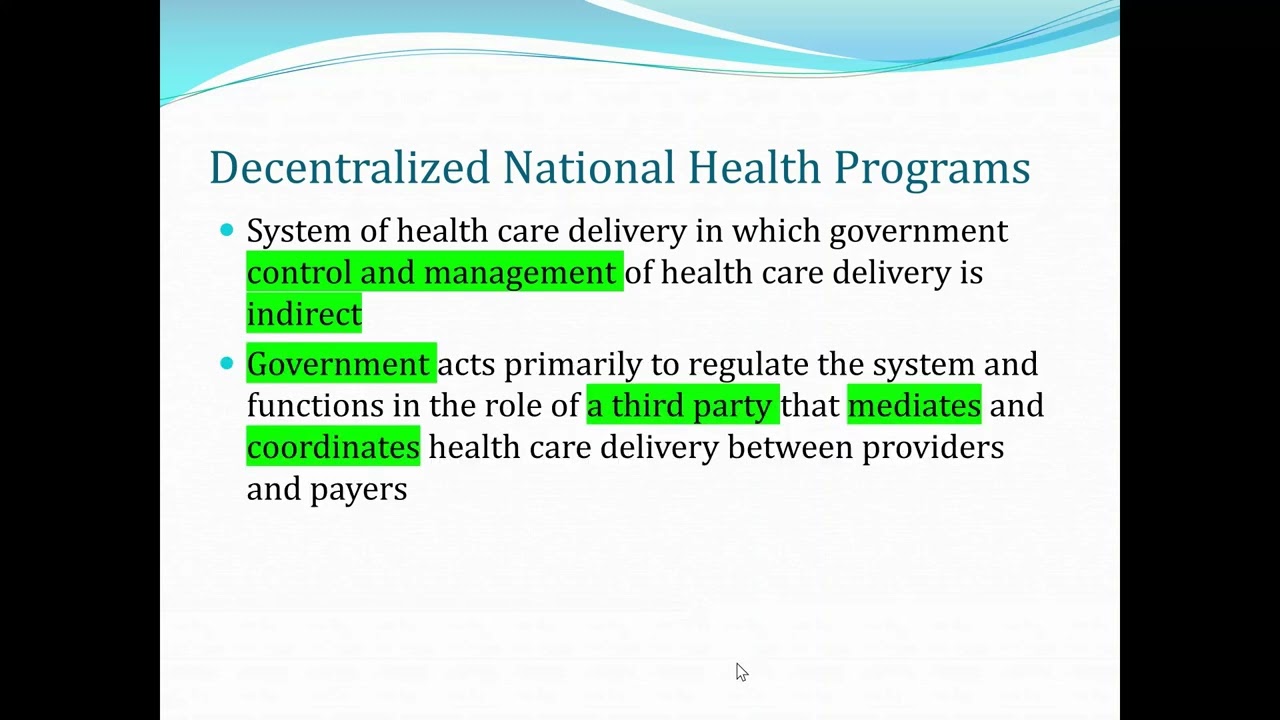









Healthcare economics differs fundamentally from other markets due to three key characteristics: uncertainty about when care will be needed, high costs of emergency treatment, and the inability to easily compare prices during crises. This leads to health insurance systems that collect money through premiums or taxes to pool risk. The US spends significantly more per capita on healthcare ($8,745 in 2012) than other developed nations ($3,000-$5,000), primarily due to higher prices paid to providers (3-5 times more than other countries), moral hazard where insured patients may overconsume care, and administrative costs from fragmented billing systems. Healthcare systems worldwide vary along a spectrum from single-payer models (Canada, UK) to multi-payer private systems (US, France). Evaluating healthcare systems requires examining access, cost, and quality metrics. The Affordable Care Act represents a middle-ground approach that maintains private insurers while implementing regulations to expand coverage and control costs.
Healthcare Economics & Costs: US vs Other Countries Explained
Added:Adriene: Welcome to Crash Course Economics I’m Adriene Hill Jacob: and I’m Jacob Clifford. Today we are going to talk about the Economics of Healthcare.
Healthcare is different than some of the other markets we’ve talked about.
Adriene: If you’re having a heart attack, you’re not going to shop around for the hospital with the best prices. And a hospital emergency room isn’t going to wait for your credit card to go through before they treat you. But we’re getting ahead of ourselves.
Let’s get started.
[Theme Music] For a lot of reasons, Health care is different than the other markets we’ve talked about.
First, you never know when you’re going to need it. It’s kind of hard to plan to fall off your bike and break your arm. And after you break your arm, that visit to the emergency room is going to be expensive.
That’s why we have health insurance, whether it’s private or public. Private insurers periodically collect money, in the form of premiums, paid by individuals or their employers.
Public insurance programs collect money from taxpayers.
You’ll hear some countries have free healthcare, but it’s not “free.” They’re paying for it: either directly, through insurers, or through taxes.
Let’s work out all the details in the Thought Bubble.
Jacob: So, Canada has a public insurance system where the government funds healthcare for everyone through taxation.
Doctor’s offices tend to be private businesses that get paid directly by the government.
But, hospitals and operating tables are public property.
And the hospital staff are public employees, sort of like public schools.
This is often called a single payer system since the government is doing most of the paying.
Canadians have to pay for prescription drugs, eyeglasses and dental care themselves or get them through supplemental private insurance.
Now, France technically doesn’t have a single payer system because health care providers are paid by several non-profit insurance funds.
All citizens are required to get health insurance and they’re free to choose their doctor.
Unlike Canada, most French providers, including hospitals, are private businesses.
The UK is different still. It has a socialized healthcare system which is funded and controlled by the government through taxes. The majority of doctors, specialists, and hospitals are all paid by the government, not insurance companies.
Today, the US has little of everything! Almost all providers – hospitals, clinics, doctor’s practices – are private firms. Most households with adults under 65 are covered by private insurance, either through their employer or through individual policies.
But the US has single payer system for those over 65 and those below the poverty line.
Medicare is a taxpayer-funded public insurer that pays providers to care for seniors and Medicaid is a similar program for low-income households.
Oh, and the US also has a small UK-style system with government-run hospitals and government-employee doctors.
But it’s only for veterans and it’s called the VA.
Adriene: Thanks Thought Bubble. So let’s get down to some numbers.
Economists evaluate the effectiveness of a healthcare system on three criteria: Access, Cost, and Quality.
According to the Census Bureau in 2014 10.4% of Americans didn’t have health insurance coverage, down from 13.3% in 2013.
Two thirds of Americans had health insurance through a private Insurer. The vast majority got coverage through their employer and the rest bought individual plans.
About a third of Americans had health insurance through a taxpayer-funded government insurance plan like Medicare, Medicaid, the VA, and healthcare for active-duty military and their families.
So, two thirds, plus a third, plus 10% uninsured adds up to more than 100%. That’s because somebody who switches from private Insurance to public Insurance gets counted in BOTH numbers.
That’s just the way the Census does it.
Let’s talk a little about the uninsured. Compared with the general population, people without insurance tend to be somewhat younger, earn less, and be more racially diverse.
Because Medicaid covers people below or near the poverty line, the uninsured are usually not completely destitute.
They often work a part-time or low-wage job, which puts them above the Medicaid threshold, but their employers may not offer insurance to part-time workers. If an uninsured person gets sick or gets hit by a bus, they can easily get stuck with six figures in medical bills.
And those unpaid medical expenses drive up costs for everybody.
Jacob: This brings us to the cost of healthcare. Good news Americans – We’re Number One!!
Well, actually, it’s not that great. In 2012, the U.S. spent an average of $8,745 per person on healthcare.
Other rich countries like Switzerland and Norway spent a little over $6,000, and countries like Germany, France, the UK, and Japan spent in the $3-5,000 range.
So the U.S. is spending twice as much, per person, as most other developed countries.
Put another way, the US spends the same share of GDP just on Medicare - as most countries spend to cover their entire populations.
So why does the US spend so much more than other countries? Well, some argue that it's due to high quantity of care per person. Since insurance companies, rather than patients pay providers, patients might want more care, like tests, procedures and treatments than necessary.
It’s like an all-you-can-treat buffet. You know you shouldn’t go back for that fourth General Tso’s X-Ray, but it’s just so delicious!
The RAND Health Insurance experiment a few decades ago found that requiring patients to pay for a portion of their health care cost deters them from overconsuming of healthcare.
That’s one reason that in the US, many insurance plans have deductibles, a form of costs sharing where the the patient is required to pay a part of the cost before the insurance kicks in.
Many economists say prices are also a problem. In most other countries, insurers pay between $200 and $400 for an MRI. In the US, the price is around $1500. And it’s not like the US MRIs are somehow “better.” They’re exactly the same machines.
And you can go down the list of treatments and procedures – in nearly every case, US providers are being paid 3, 4, or 5 TIMES more.
This is because the US doesn’t have a unified system that can aggressively negotiate with doctors, pharmaceutical companies, and other providers. They point out that Medicare and Medicaid often get a significant discount compared to small insurers.
Another reason for the high costs is the blizzard of paperwork generated by the interaction between dozens of insurers and thousands of providers. Both the insurer and the provider have to employ a team of unhappy people in cubicles to haggle over the reimbursement rate for an appendectomy. These teams add to the administrative costs of healthcare.
Adriene: So which problem is driving healthcare costs? Quantity? Price? Administrative costs?
When you dig into the numbers, the US consumes a pretty high quantity of tests and treatments per person.
But it’s not radically higher than most other countries, and several countries, like Germany, do even more.
Likewise, the US administrative costs are also higher, since a lot countries drastically reduce their billing paperwork with a universal insurer. But that cost explains only about 10-20% of the cost difference. Most of the difference comes from the fact that US providers are paid much higher prices than their counterparts in other countries.
Okay, let’s talk quickly about quality. There are a lot of ways to measure the quality of a country’s healthcare system. Let’s look at a few different metrics.
According to the Kaiser Family Foundation, The US has higher rates of hospital admissions for preventable conditions, and it has high rates of medical, medication and lab errors.
The US DOES stack up pretty well in terms of diagnosing and successfully treating conditions like heart disease and some types of cancer.
But remember, spending per capita is much higher in the US than the rest of world.
Reforming the health care system is difficult, thanks to something called the Iron Triangle.
The Iron Triangle is a section of the Western Atlantic ocean where ships and planes are frequently spirited away by extra terrestrials.
Sorry, I’m terrible at triangles. That’s the Bermuda Triangle.
The Iron Triangle refers to the mutually beneficial relationship between members of Congress, government bureaucrats, and lobbyists.
Bureaucrats want to protect their funding and jobs, Congressmen want to get re-elected, and lobbyists want to advance the interests of their clients. And they all end up working toward policies that maintain the status quo, and aren’t necessarily in the best interest of the people.
But they’re not worthless. The Iron Triangle got it together in 2010, and the US Government passed the Affordable Care Act. Sometimes called ObamaCare.
This stab at reforming the American healthcare system has been controversial, to say the least.
Let’s take a look at what the law does and doesn’t do.
ObamaCare did not set up a UK-style system where hospitals are public property and doctors are public employees. It also didn’t establish a Universal Public Insurance system, like expanding Medicare to everyone.
Instead, the Affordable Care Act tries to increase health coverage by requiring private health insurers to insure everyone who applies, charge the same premiums to people of the same age, and cover pre-existing conditions.
To prevent otherwise healthy people from only buying health insurance when they get sick, it requires that everyone obtain health insurance or pay a fee. The law also subsidizes health insurance premiums for those who can’t afford to pay market rates.
So that’s what ObamaCare is supposed to do… is it working? Well, it has reduced the number of Americans without insurance. So access seems to have improved.
The Affordable Care Act also has provisions meant to deal with costs.
And that’s a little more difficult to assess.
The act rewards doctors for cutting costs, and requires greater price transparency.
It also mandates a move to electronic record-keeping.
As far as improving quality goes, It’s probably to early to tell.
Jacob: In the end, the economic debate over healthcare is a lot like the debate over other topics we’ve covered in Crash Course Economics, like price controls, climate change, inequality, and education. The recurring question is: when, if ever, should the government get involved to help markets achieve the most effective, efficient, and fair outcome.
Obamacare reflects the peoples' attitude towards government and capitalism: Americans don’t fully trust either one of them. Healthcare reforms have left private insurers and providers in place, but at the same time has increased regulation. Insurers are now required to do things they wouldn’t normally do, like cover people with pre-existing conditions.
Adriene: So, that’s the American healthcare system, which is weird and expensive, and necessary.
That’s also the end of our textbook economics episodes.
Jacob: And so I’m moving to Canada to write a textbook and enjoy some of that sweet, sweet, subsidized health care.
Adriene: And I’m going to stick around and talk about the economics of things like immigration and social security and happiness.
Jacob: Thanks for watching. She’ll see you next week.
Thanks for watching Crash Course Economics. It's made with the help of all these awesome people.
You can help keep Crash Course free for everyone forever by supporting it at Patreon.
Patreon is a voluntary subscription service where you can support the show with a monthly contribution.
Thanks for watching. DFTBA.
Up Next
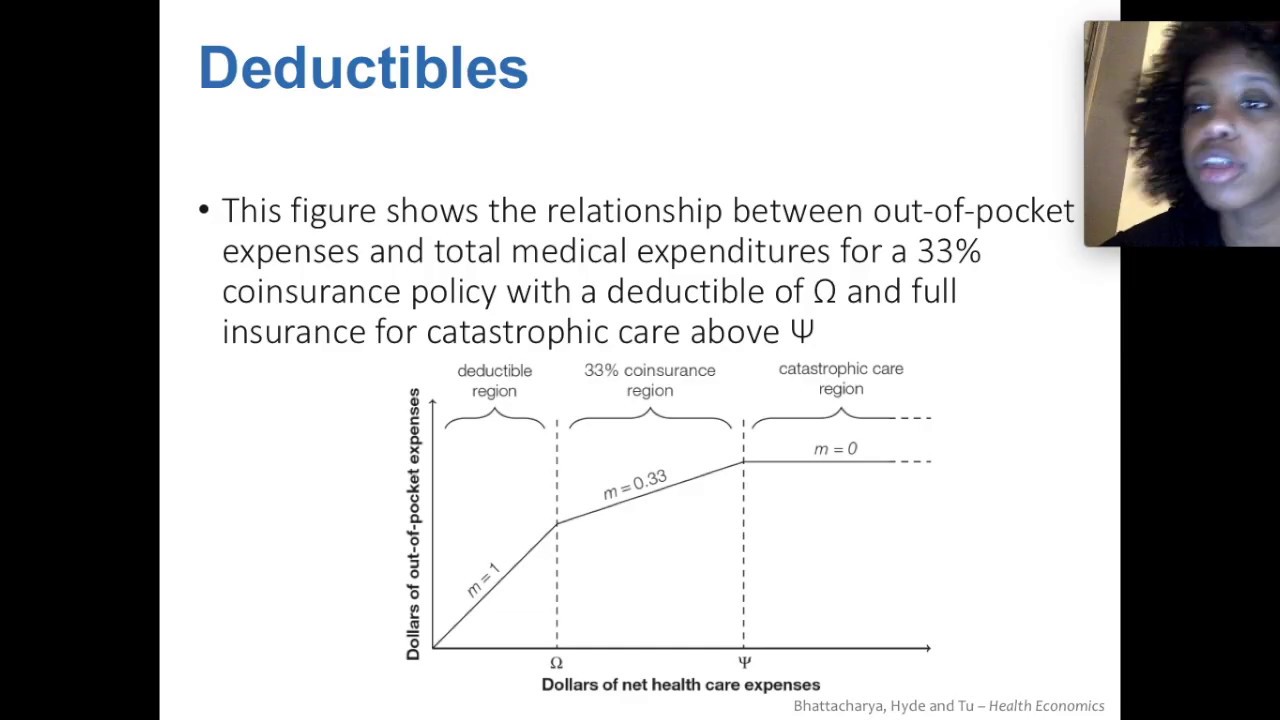
Health Insurance Cost Sharing: Coinsurance, Copays & Deductibles
@hpam621healtheconomicscuny8
999 views•2020-03-03

Impact of Yuan in Indo-Russian Trade Amid Sanctions
@WION
261.9K views•2022-07-01

Deficits & Debts Explained: Economics of Government Spending
@crashcourse
1.5M views•2015-09-23

The Age of Easy Money: Fed & Inflation | Full Documentary
@frontline
21.2M views•2023-03-15
Related Study Plans & Knowledge Roadmaps
Structured learning paths in Economics