




















Healthcare systems worldwide can be categorized into four main models: the Beveridge Model (government-funded and -delivered, seen in the UK and New Zealand), the Bismarck Model (government-regulated private insurance, used in Germany), the National Health Insurance Model (government-funded with private delivery, found in Canada, Taiwan, and South Korea), and the Out-of-Pocket Model (individual payment without government or insurance assistance, common in India and parts of the US). The United States uniquely combines elements of all four models, spending more on healthcare than any other wealthy nation while ranking last in healthcare access and quality among comparable countries.
Healthcare Systems Explained: Models & Building Blocks
Added:Basic concepts of public health versus clinical medicine, and how they interact within a society.
Fundamental economic principles of healthcare, including concepts of risk-pooling, universal coverage, and public vs. private financing.
The role and general mandate of the World Health Organization (WHO) in global health governance.
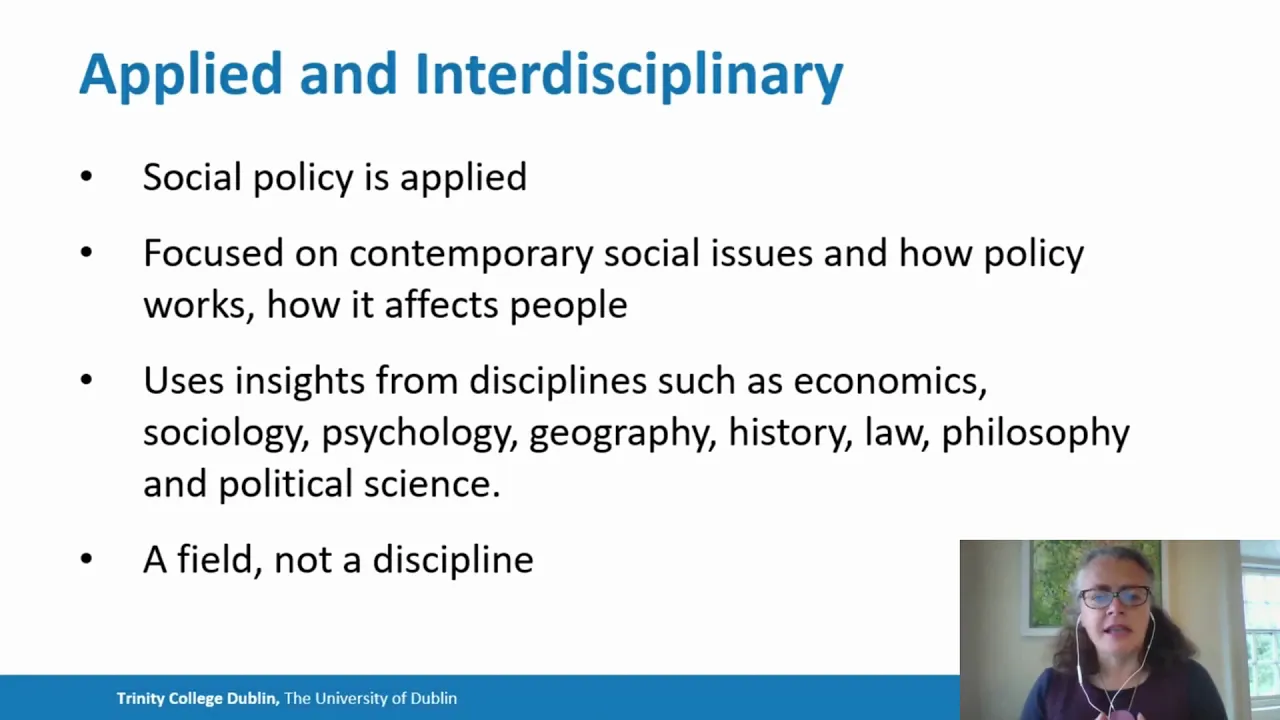
An introductory understanding of public policy and the role of government in regulating social services.
In-depth comparative analysis of specific national systems representing key models (e.g., the UK's Beveridge Model, Germany's Bismarck Model, and Canada's National Health Insurance Model).
Evaluation methodologies for healthcare system performance using standard global metrics such as equity, access, quality, and efficiency.
The study of healthcare reform policies, including the political and economic challenges of transitioning between different system models.
How emerging healthcare challenges, such as aging populations and global pandemics, test the resilience of the WHO's six building blocks.
130K views2.9Klikes12:44Original Release: 2022-09-15
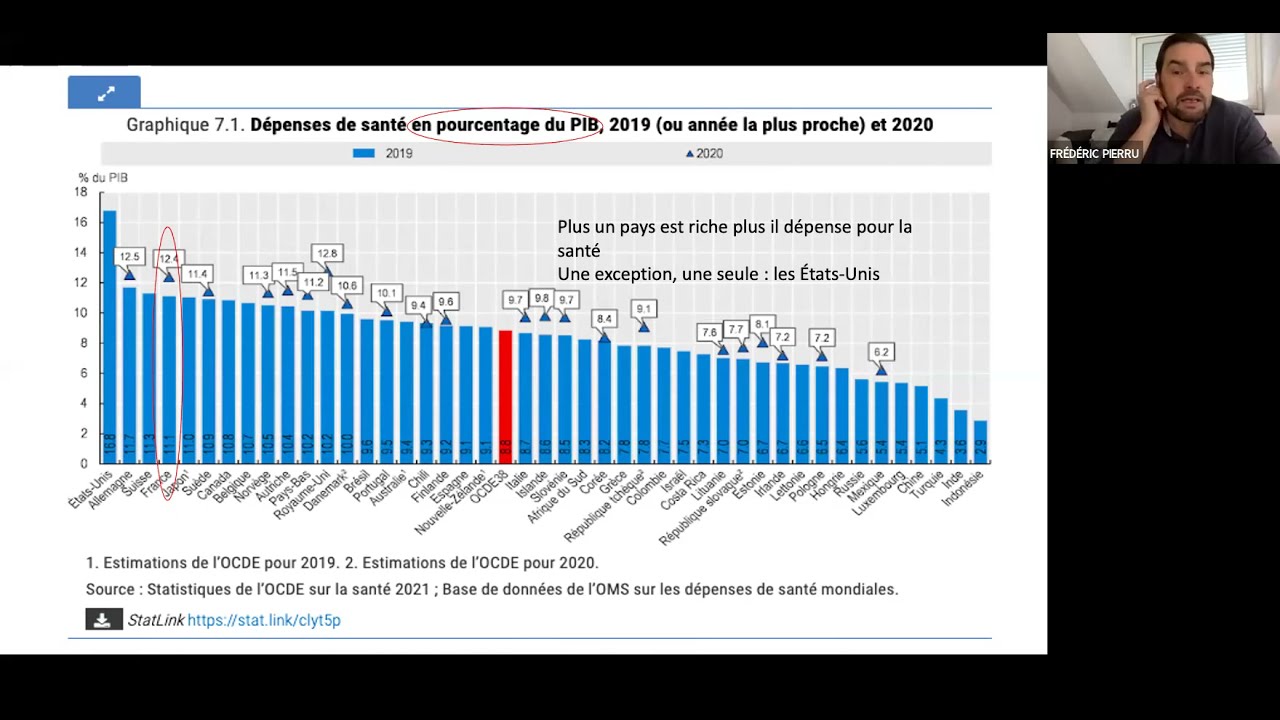
for a lot of us the phrase healthcare system can feel like a labyrinth full of paperwork long lines and strange-smelling waiting rooms and navigating this labyrinth can be stressful and overwhelming in fact just figuring out how to start your healthcare journey can feel hard enough not to mention doing the actual you know caring for your health but this isn't a 21st century problem people have spent hundreds of years imagining different ways to help people navigate the labyrinth and they've come up with a bunch of different paths each with their own benefits and pitfalls in a lot of places we've combined these approaches like the us has kind of taken approaches to healthcare from pretty much everywhere which sounds promising but has turned out to be well you'll see what i mean hi i'm vanessa hill and this is crash course public health [Music] it feels weird to say but our health isn't just something that we have it's also something that is cared for and provided to us by others these people are our health care providers and sure they include doctors and surgeons who treat us when we need immediate care but also people who provide ongoing preventative treatments like therapists dentists and nursing home workers and while we typically receive care directly from these people there's an entire world behind the scenes that makes this relationship between patients and providers possible the health care system the healthcare system is probably best known for generating a lot of opinions and news stories we see attention-grabbing headlines like why america's health care system is broken or this man waited 10 hours in emergency room after skydiving incident and while these headlines are good at getting clicks they're not good at explaining what a healthcare system does the world health organization defines a healthcare system as all the institutions people and resources whose primary purpose it is to promote restore and maintain health in general the world health organization identifies six building blocks that make up a strong health care system let's break them down a bit in the thought bubble meet nate he is having an asthma attack for the first time the first building block that nate needs to successfully diagnose and treat his asthma attack is service delivery basically there needs to be enough healthcare facilities so that nate can easily access them once nate is at his chosen healthcare facility he needs his care provider to have essential medicines like albuterol also known as cell butymol outside of the us which helps to open airways in the lungs and the facility may have essential supplies like a stethoscope for listening to nate's breathing also nate probably wants there to be a trained professional at the facility so another obvious building block for nate's treatment is a health care workforce that can help him diagnose his symptoms and then treat them one building block that nate might not be thinking about is health information systems these are systems that help collect and securely store data and not just about nate's health about everyone's health this could allow patients to have better access to their own health data and also help healthcare professionals around the world make more informed decisions and diagnose health patterns in a population so if a population across the world is experiencing similar symptoms to nate's doctors can work together to find common factors that could explain the illness this means that while nate's asthma is being treated by one provider an entire community of experts could use information about his condition and the medication he receives to help others so the doctor diagnoses nate with asthma and treats him with medicine thank goodness but someone needs to pay the doctor for their time and the medicine manufacturer for providing the medicine so nate wants to be part of a healthcare system that is good at financing which means it has structured ways costs are covered and to make sure that all these building blocks are working together we need governance or a system to oversee public policy medicine regulation health care costs and anything else nate needs to stay healthy thanks thought bubble so yeah we can probably see why a media outlet wouldn't run a headline like man waits 10 hours in emergency room due to lack of investment in healthcare workforce supplies information system and assorted other institutional challenges it just doesn't have the same click here ring to it there are around 200 countries in the world each with its own unique health challenges and solutions for tackling those problems but this is crash course public health not encyclopedia public health so rather than doing an amazing race style speed run of every healthcare system in the world we're going to put them into four general groups each of these systems basically has its own take on how to finance and provide a healthcare service the first kind of healthcare system we'll look at is the beverage model not the beverage model it wasn't invented by the guy who created coca-cola in 1948 the model was developed by sir william beveridge the former director of the london school of economics and political science one of the foundations of the beverage model is that good health is a human right which might not sound like a hot take to you but until then there were no models for healthcare systems built on that idea beverage recognized that one of the biggest barriers between people and healthcare was cost so he proposed the establishment of a government-run national health service which would be paid for publicly by taxes and that could provide care to everyone this was one of the first organized instances of universal healthcare when we say universal healthcare now we mean any geographical region where everyone has access to health coverage no matter which healthcare model is being used when people refer to socialized medicine they're talking about the beverage model in socialized medicine the government pays for and delivers healthcare this is the system that we see in places like great britain and new zealand another type of healthcare system emerged from germany back in the late 19th century known as the bismarck model named after its founder otto prince of bismarck account of bismarck schoenhausen duke of lowenberg which is basically a long-winded and very badly pronounced way of saying very fancy german diplomat with a long wikipedia page in modern bismarckian systems private organizations pay for and deliver the care but everything is tightly regulated by the government then somewhere between the beverage model and the bismarck model we have the national health insurance model the national health insurance model is similar to the beverage model in that the government is the one paying for medical care however like the bismarck model private organizations deliver it we see this model used primarily in canada taiwan and south korea our fourth model is the out of pocket model which probably wins the award for most helpfully named model yet unfortunately it also wins the award for the potentially least effective model because it's basically the lack of a healthcare model it means that people pay for 100 of the treatment they receive themselves basically people get the treatment that they pay for without assistance from the government or an insurance company we see this model in india the united states and some low and middle income countries in africa and south america it's important to remember that we're using our four healthcare models to speak very broadly about things that can be pretty gnarly to unpack in practice many countries healthcare systems incorporate elements of multiple models and maybe none more so than the united states the us is unique because it's the only wealthy industrialized country without universal health insurance coverage also the us spends way more money on health care than other wealthy countries like so much money that in 2018 its spending made up 42 of all global spending on health care despite making up just 4.29 of the world's total population but despite all that spending the quality of u.s healthcare actually falls behind those other wealthy nations that don't spend all that money in one 2021 study comparing u.s healthcare results to those in 11 countries with similar levels of wealth the u.s ranked last in healthcare access and quality and had the highest rate of premature deaths the u.s healthcare system combines pretty much every healthcare model we've discussed so far like the us veterans health administration resembles something like the beverage model or socialized medicine to take care of veterans health pretty much free of charge but then the us also uses the bismarck model which can be seen in the insurance exchanges introduced by the affordable care act in these exchanges private organizations pay for and deliver care but everything is tightly regulated by the government people 65 years or older are covered by medicare which is like canada's system in that it's paid for by the government but delivered by private organizations and then as of 2020 there were around 8.6 or 28 million americans who weren't insured who pretty much used the out-of-pocket model so it's natural to wonder which of these models is best this is what public health experts call a terrible horrible no good pretty much impossible to answer question ranking healthcare systems is a bit like giving a definitive ranking of the spice girls it's going to come down to what criteria we're using to build our ranking scary or sporty posh or ginger wait why does everyone forget about baby instead we can think in terms of goals by asking what a good health care system should accomplish one pretty obvious goal of a healthcare system is to improve health and there's a bunch of different ways to do this one metric we hear about often is life expectancy with the general scientific consensus being that healthier people live longer on average in this category some of the top performing countries as of 2020 are japan and singapore but another useful measurement of health might be the number of children who live past the age of five where san marino and estonia have some of the best outcomes as of 2020. we also want a healthcare system that is responsive like when we need an appointment with a specialist we don't want to have to wait months to get treated and we also want our health care system to be equitable we don't want a healthcare system that's only good at caring for the health of some people health is a human right regardless of where we are or who we are we ask a lot of our health care systems affordability timeliness innovation equitable access these aren't boxes that we can just check off easily or permanently in the grand scheme of human history organized healthcare systems are pretty new and we have a lot of work left to do thanks for watching this episode of crash course public health which was produced by complexly in partnership with the american public health association if you want to learn even more about public health head over to apha's youtube channel to watch that's public health a series by apha and complexly crash course was filmed in the castle garrity studio in indianapolis indiana and made with the help of all of these wombat lovers if you'd like to help keep crash course free for everyone forever please consider joining our community of supporters on patreon
Up Next

24:30
Understanding Insurance in Germany: Mandatory and Optional Coverage for Expats Explained
@thephoebeway
29.5K views•2025-11-09

26:22
Walking in the City: Urban Rituals and the Flâneur in Contemporary India
@PSBTIndia
1.9K views•2016-08-02
11:17
Urban Planning Explained: Models, Brasilia & Redlining | Crash Course Geography
@crashcourse
289.4K views•2022-03-21

1:42
Game of Thrones Opening Credits: A Cinematic Analysis
@gameofthrones
46.3M views•2011-04-18
Related Study Plans & Knowledge Roadmaps
Structured learning paths in General & Interdisciplinary Studies
general-studies
Artificial Light: History, Tech & Human Impact
01The Pre-Electric Era: Fire, Oil, and Gas Lighting
02The Incandescent Revolution and Grid Electrification
03Gas Discharge and Fluorescent Illumination
+ 3 more learning modules
14h6 modules
Explore Roadmap
general-studies
Elevator Engineering: History, Physics & Cities
01From Hoists to Safety Brakes: The Dawn of Vertical Lift
02Hydraulic vs. Traction: The Engineering Physics of Elevators
03Modern Speed, Safety, and Algorithms
+ 2 more learning modules
12h5 modules
Explore Roadmap
general-studies
Rubber: Material Science, History & Geopolitics
01Origins of Natural Rubber & Mesoamerican History
02The Chemistry of Natural Rubber & Vulcanization
03The Geopolitics of the Rubber Boom & Colonization
+ 2 more learning modules
12h5 modules
Explore Roadmap
general-studies
Containerization: Evolution, Logistics & Trade
01Ancient Trade & Bulk Cargo: Amphorae to Barrels
02The Industrial Revolution & Cardboard Packaging
03The Containerization Revolution: Malcom McLean
+ 2 more learning modules
12h5 modules
Explore Roadmap