













![Seven URBAN MODELS, Explained [AP Human Geo Review—Unit 6 Topic 5]](https://i.ytimg.com/vi_webp/5vnIkypV3aw/maxresdefault.webp)




Urban planning involves designing and regulating urban spaces to balance economic, social, and environmental goals, and the way cities are structured reflects and reinforces societal values and power relationships; historical examples like the Latin American city model, Brasília, and U.S. highway development demonstrate how urban planning decisions can either perpetuate or address social inequalities, making participatory planning essential for creating equitable urban environments.
Urban Planning Explained: Models, Brasilia & Redlining | Crash Course Geography
Added:Basic concepts of urbanization, including the push-and-pull factors of migration and global population density patterns.
The concept of municipal zoning laws and how local governments regulate the separation of residential, commercial, and industrial areas.
An introductory understanding of 20th-century US history regarding institutionalized racial segregation and civil rights.
Familiarity with basic economic geography principles, such as the relationship between land values, accessibility, and distance from a city center.
The principles of 'New Urbanism' and 'Smart Growth' as modern, sustainable alternatives to mid-20th-century automobile-centric planning.
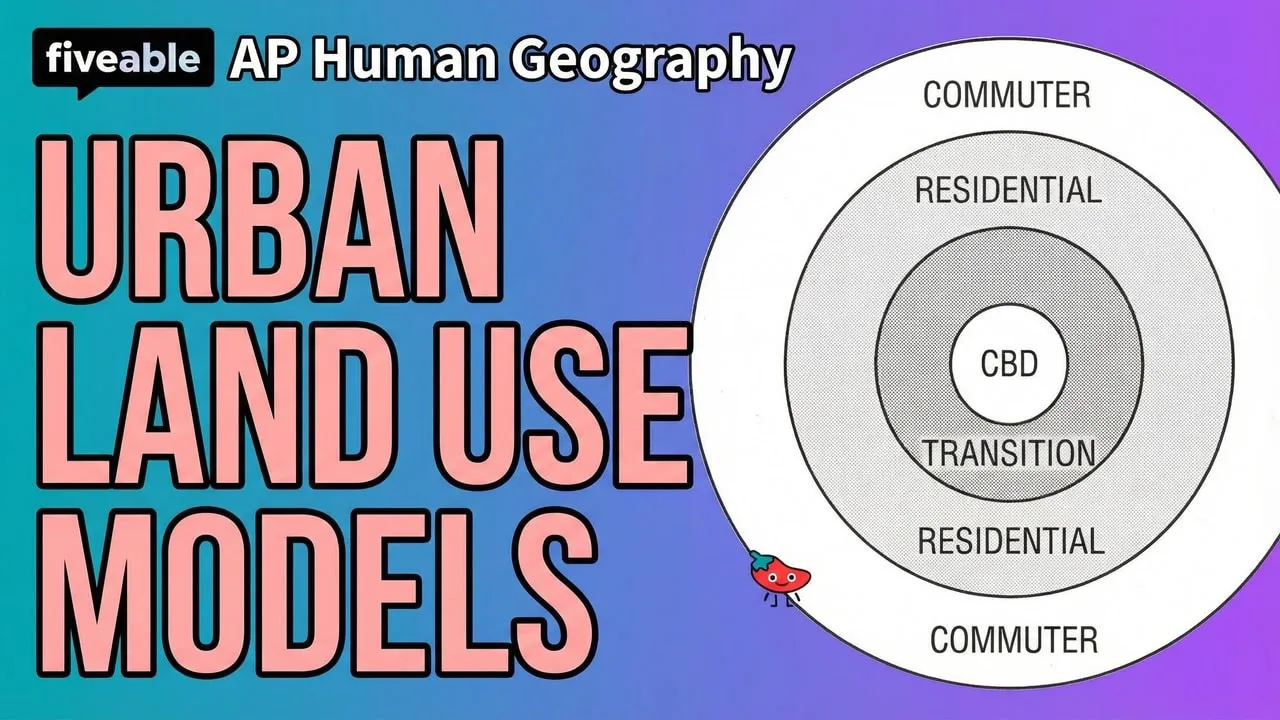
A detailed comparative analysis of classic spatial models, including the Burgess Concentric Zone, Hoyt Sector, and Harris-Ullman Multiple Nuclei models.
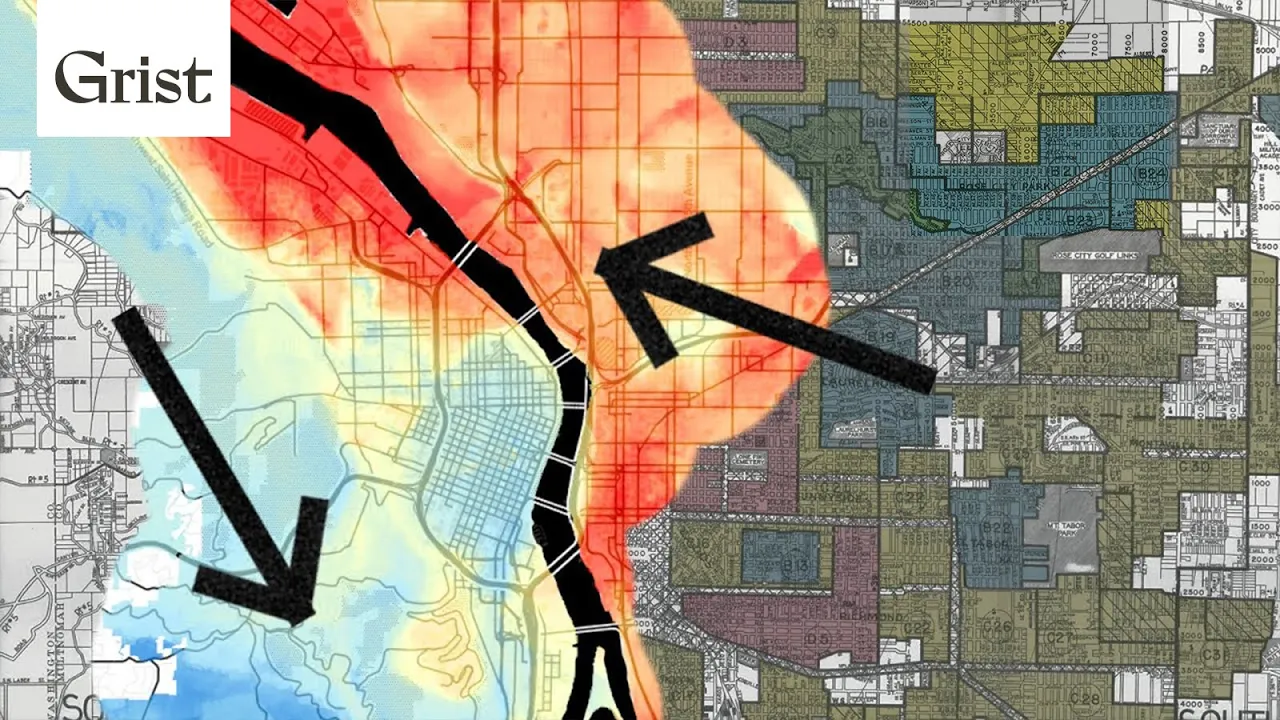
The study of environmental justice, specifically looking at how historical redlining correlates with modern-day urban heat islands and pollution disparities.
How Geographic Information Systems (GIS) and spatial data analysis are used by modern planners to address housing inequality and plan public transit routes.
289.4K views6.8Klikes11:17Original Release: 2022-03-21
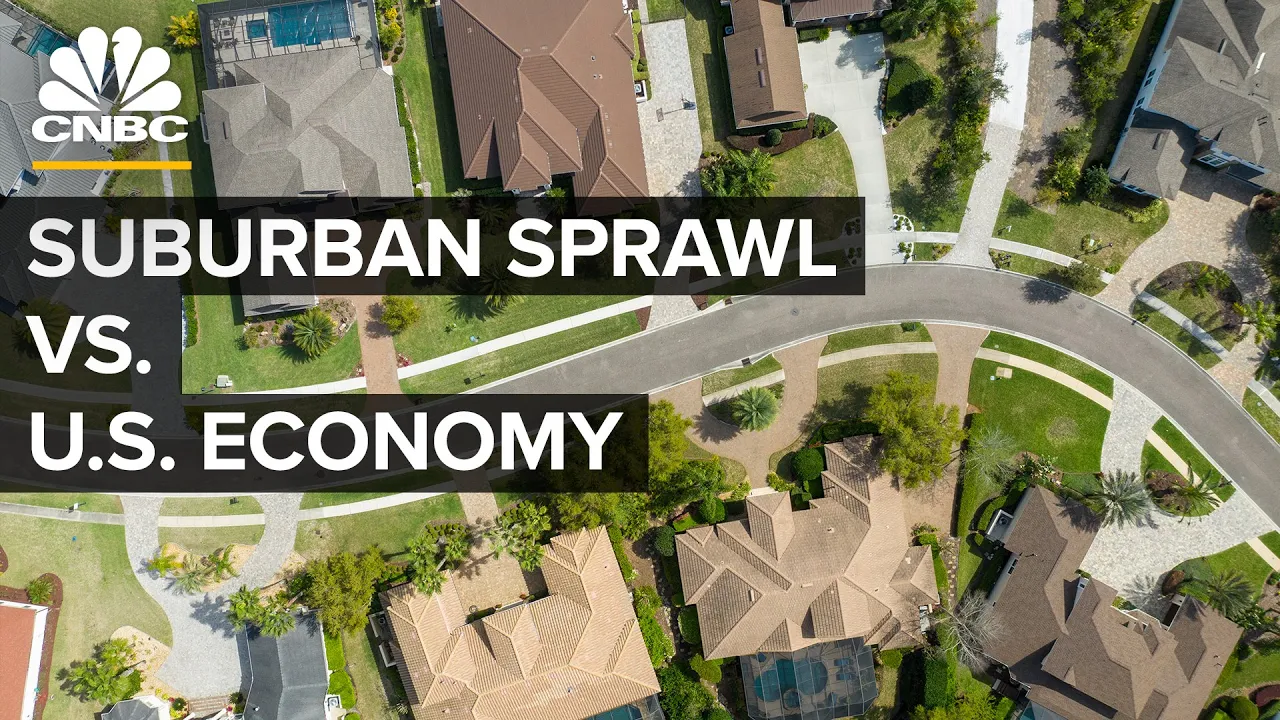
when i think about what cities of the future will look like or at least what i would like them to look like here's what i imagine our urban areas have excellent public transportation and wide boulevards for walking biking and other recreation there are several dense urban cores with wild spaces weaving between them so that city dwellers closely coexist with nature and homes and apartment buildings made of mass timber or other sustainable or even living materials most importantly all of this is designed in a participatory way meaning every inhabitant is involved in the planning implementation and maintenance of their home city and of course there'd also be trampoline sidewalks so people could do backflips on their way to work my predictions are just dreams and guesses but for urban geographers urban planning is serious business urban spaces are created by all the economic political and social relationships that build our societies and how we plan cities changes depending on when and where we are for better or for worse i'm ali zay carrere and this is crash course geography [Music] our built environments or all the human made places we use from our local parks to city hall to our houses reflect our cultural traits but they're also a product of our economic and political relationships and even if we build a city from scratch it tends to reproduce the social relationships of our time why and how this happens is part of the focus of urban geography which we've been studying for two episodes now as urban geographers we try to understand the patterns behind where people settle and how land is used in urban areas and why those patterns change over time to do that urban geographers use models and economic processes to predict the future and try to explain the present like what cities will look like in the future or how a city developed and how the work of past urban planners and geographers either helps or prevents people from accessing good homes or jobs and within urban geography we can get even more applied with urban planning which is all about the design and regulation of space within urban areas urban planners work for governments and non-governmental organizations like land conservation groups they weave together the economic social and environmental goals of the region with the intent of creating zones of work play and living that will benefit the region as urban planners we have a tremendous influence on people's lives and there's a lot to consider so for the next three episodes we'll explore different types of planning and how we think about space and understand the relationships that guide where and how humans build cities and everything in and around them historically there have been lots of different ways to plan cities and different cultures have their own patterns of urban development or how cities grow and change for example there's a latin american model this model describes the types of cities mostly spanish colonizers designed as they built up cities throughout what's now central america and much of the american west and southwest often on the same land as indigenous cities they had destroyed and the way any society designs their towns and cities whether centuries ago or today will give us clues about the goals of the leaders of that society in the cities of latin america colonial priorities are built into the city like how they include a plaza with cathedrals and space for markets and a grid of streets like the cities in europe for indigenous peoples like the aztecs the central plaza was an element that was also used in planning and urban design with prominent buildings a palace a temple and a place for ball courts and sacred areas and in pre-colonial times the way housing was located both planned and unplanned varied across latin america even within similar empires but that shifted with the arrival of colonizers in the latin america model showing wealth and social status through housing arrangements became a common design housing for the wealthy developed around that central market and radiating out from the central market to the periphery are zones of disamenity which are corridors of squatter settlements made up of thousands of people in the city who can't afford a house or land but who still need a place to live squatters tend to build their houses out of whatever materials are available and this is a highly precarious living arrangement and even though it's a common type of neighborhood in low-income areas in many cities around the world the lack of legal rights to the home in which they live makes it easy to displace these communities so how a city is structured influences how it develops and tells us about the things the people living in at value it can also tell us how we imagine our city in the future things like how many people might live in the city or what types of industry might be there like in the 20th century city planning in latin america tried to fix or prevent these zones of disamenity from happening while also creating regions that thrive economically and socially take for example brasilia the capital of what we call brazil the area wasn't even a city by the early 1950s when brazilian leaders decided that by 1960 it would finally be the new site of the nation's capital urban planner lucio costa won the design competition and invited his friend and architect oscar nehemiah to make his vision of a modern city a reality they wanted to create something innovative that would both open development to the interior of brazil and be an urban place without the poverty of older colonial cities unlike the traditional latin american model brasilia was designed to look like a bird or airplane flying off into the future and it's much farther inland than other major brazilian cities overall the original city was made up of one monumental axis or the body of the bird which contained the public buildings museums government offices and other job-focused areas and the two wings contain the residential neighborhoods these super quadras contained residential towers for middle and upper income workers from the monumental axis as well as community spaces parks schools playgrounds and in theory everything a community would need but while brasilia is considered a modern design masterpiece even well-planned cities go off script the relationships contained within a city are just that messy brasilia was designed based on a vision of the future from the 1950s and it doesn't match how people want to live their lives today in 2022 the city was designed to rely on cars and even to try and separate where people worked and lived and while most people agree that not all mixing is good like we don't want toxic industries spewing chemicals near homes and schools robust communities do have some level of mixing between commercial and residential like shops office work and houses being able to work and live close together is important for keeping transportation costs low and maximizing how many services a person can easily reach from their home but the relationships that form in a city inevitably bubble up and imprint themselves on the landscape anyway brasilia was designed for 500 000 people but by 2020 there were over 4.6 million people living there all those people couldn't all fit in the original wings so suburbs or low density car dependent areas outside the main city developed in brasilia they're called satellites and they grew organically and do not match the aesthetic of the rest of the city they're vibrant with people living and working in the same areas and contain the messiness of uneven access to resources and jobs today brasilia is a unesco world heritage site because of its ambitious and unique urban design it's an example of how we can plan something on paper but a city is a space that encapsulates so much more than grids buildings and jobs cities are also all the aspirations and situations of the people who live in them and all the negotiations they have to make with economic political and physical forces to live full lives but not everyone is allowed to live full lives or build community and urban planning can play a role in that for instance an urban sprawl and white flight in the united states which was the progressive movement of white people farther and farther from the center as they gained wealth and as minority populations moved into the city urban planning also helped to facilitate that movement in the 1960s there was an infusion of investment in the u.s highway system and being able to get places quickly helped shift the location of entertainment and shopping from town centers to standalone complexes and edge cities there were also incentives like affordable land to build new homes and low interest home loans to world war ii military veterans all that coupled with low fuel costs and other lingering effects from world war ii made it possible for those in the middle and upper economic classes to leave cities and move out to the suburbs well it made it possible for some people because there were also forces working hard to keep minority americans from owning land and houses especially black and asian americans for instance if we go back to the 1930s some forces to prevent people from owning land were already in effect redlining is when urban maps were color-coded to indicate which neighborhoods were considered high-risk to lend money to the credit of people in black neighborhoods followed by those of recent immigrants was rated the highest risk level and outlined in red this made homeownership and land ownership very difficult and it got even harder in the 1950s after almost 20 years of planning and discussion the auto industry and highway engineers presented plans to build a complex interstate system from coast to coast one that cut right through many cities this paved the way literally for urban renewal which was a process in cities that allowed them to clear away areas deemed as blighted to allow for new construction overwhelmingly those freeways went through historically black neighborhoods and the houses that were removed did go through the process of eminent domain where a landowner must be compensated for property taken for public use but because many of the residents were not and effectively could not be landowners they received minimal compensation if any the properties were also undervalued so anyone who did receive compensation rarely got enough to move to a similar neighborhood elsewhere so we have to remember that urban planning is part of larger social systems and can be abused by those in power in the us the freeway is an easy movement that allowed suburbs to thrive also involves a history of redlining and urban renewal that allowed some neighborhoods to wither other places they created segregated neighborhoods with limited access to financial resources legally redlining may have ended but unfair housing and real estate access are still problems many black people and other minorities face so any efforts to build poverty-free cities in the future or any efforts to eradicate the urban poverty that already exists must intentionally address the structural disadvantages built into the way our cities and communities are designed whether it's social status and colonial cities in latin america wealth and community and innovative design in brazil or race in north america every choice that's made about where to allow different types of land use reflects the relationships and values of whoever is making those decisions while urban planners understand the social and economic mechanisms that create vibrant cities and know so much more than in the 1950s when brasilia was built that experiment proves we can't just unbuild our cities and start over as we plan the cities that will thrive in our near future we can learn from these lessons and involve a greater number of voices to try to make more inclusive and equitable spaces but more on that in a future episode no arrangement of a city is neutral towards relationships and the built environment reflects the people and classes that are prioritized next time we'll explore the relationships fostered across distance as we look at industrial geography many maps and borders represent modern geopolitical divisions that have often been decided without the consultation permission or recognition of the land's original inhabitants many geographical place names also don't reflect the indigenous or aboriginal people's languages so we at crash course want to acknowledge these people's traditional and ongoing relationship with that land and all the physical and human geographical elements of it we encourage you to learn about the history of the place you call home through resources like nativeland.ca and by engaging with your local indigenous and aboriginal nations through the websites and resources they provide thanks for watching this episode of crash course geography which is filmed at the team sandoval peer studio and was made with the help of all these nice people if you want to help keep crash course free for everyone forever you can join our community on patreon you
Up Next
53:19
Rust Belt Economic Decline: Dayton's Struggle and Revival | FRONTLINE
@frontline
1.2M views•2024-05-21

12:54
Triumph of Orthodoxy Icon: Byzantine Art & History Explained
@BenCallan
2.1K views•2024-08-06

12:44
Healthcare Systems Explained: Models & Building Blocks
@crashcourse
130K views•2022-09-15

1:42
Game of Thrones Opening Credits: A Cinematic Analysis
@gameofthrones
46.3M views•2011-04-18
Related Study Plans & Knowledge Roadmaps
Structured learning paths in General & Interdisciplinary Studies
general-studies
Elevator Engineering: History, Physics & Cities
01From Hoists to Safety Brakes: The Dawn of Vertical Lift
02Hydraulic vs. Traction: The Engineering Physics of Elevators
03Modern Speed, Safety, and Algorithms
+ 2 more learning modules
12h5 modules
Explore Roadmap
general-studies
Rubber: Material Science, History & Geopolitics
01Origins of Natural Rubber & Mesoamerican History
02The Chemistry of Natural Rubber & Vulcanization
03The Geopolitics of the Rubber Boom & Colonization
+ 2 more learning modules
12h5 modules
Explore Roadmap
general-studies
Containerization: Evolution, Logistics & Trade
01Ancient Trade & Bulk Cargo: Amphorae to Barrels
02The Industrial Revolution & Cardboard Packaging
03The Containerization Revolution: Malcom McLean
+ 2 more learning modules
12h5 modules
Explore Roadmap
general-studies
Textile Tech: Evolution, Labor & Global Impact
01Pre-Industrial Textiles: Handloom & Cottage Industry
02Mechanization: The Spinning Jenny to the Power Loom
03The Factory System & Global Labor Transformation
+ 2 more learning modules
10h5 modules
Explore Roadmap